8 Robotic Dispensing and Pick-and-Place Systems for Baguio Factories
These eight systems are the practical starting point for Baguio buyers comparing throughput, footprint, hygiene, PLC integration and repeatability. Every product link below is preserved as supplied; use the inquiry button for application engineering, drawings or a pilot-cell proposal.
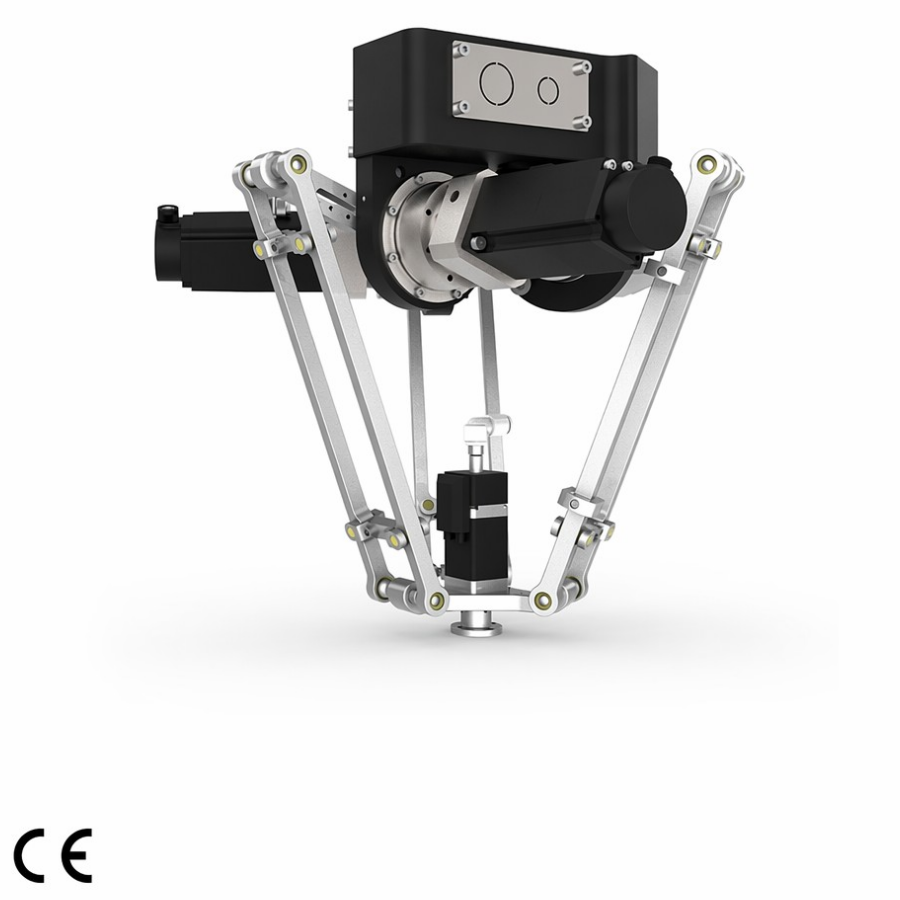
High Speed Consumer Goods Industries Bottle Unscrambling Machine Component Delta Robot
A high-speed delta component for bottle unscrambling before dispensing, filling or capping. Suits beverage, personal care and household chemical lines that need steady infeed with minimal manual intervention.
View System →
High-Precise Industrial Scara Robot Arm Scara Robot for Pick and Place in Light Industry
A precise SCARA arm for light-industry pick-and-place, small-parts assembly and dispensing stations. A good fit for Baguio electronics, appliance and consumer-goods cells where repeatable XY placement matters.
View System →
New Condition High Precision 400mm Reach Arm Scara Robot with PLC for 3C Electronic Assembly
A 400 mm reach SCARA with PLC for 3C electronic assembly. Useful for compact Baguio cells involving adhesive dispensing, screwdriving, part loading and post-assembly inspection.
View System →
High-Speed Spider Arm Delat Robot for Fully Automatic Wet Wipe Lid Applicator Machine
A spider-arm delta robot for fully automatic wet-wipe lid applicator machines. This is the closest match for daily-chemical and hygiene packaging in Baguio, where lid placement speed and consistency directly affect line yield.
View System →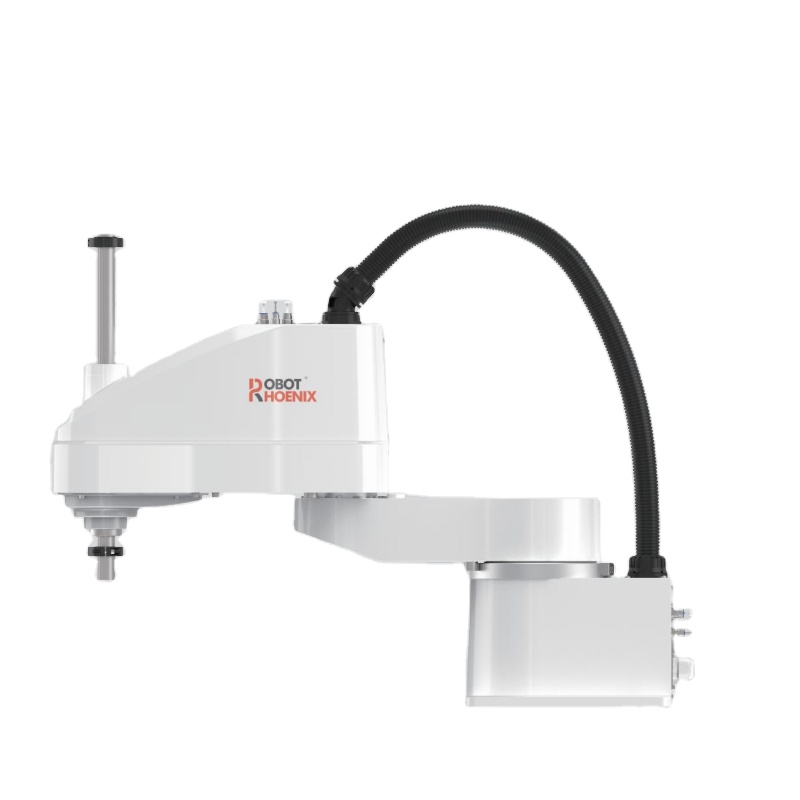
Advanced Industrial 4 Axis Robot Scara Robot for Pick and Place in Food Industry Gripping
A 4-axis SCARA for food-industry pick-and-place and gripping. Well suited to highland produce packing, bakery handling and processed-food cells that need smooth motion and easy washdown planning.
View System →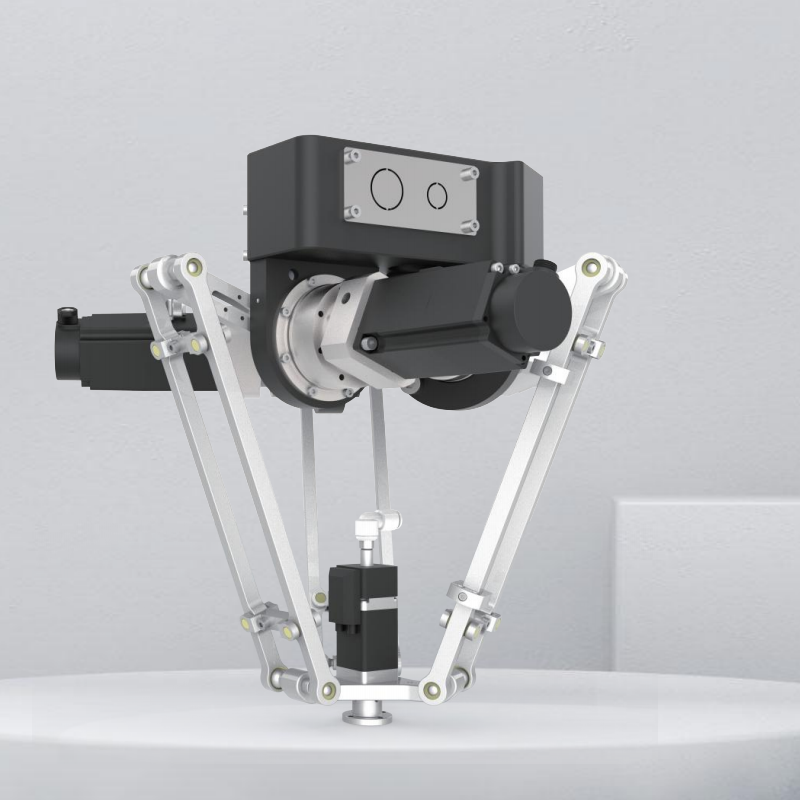
High Speed 3kg Load Industrial Delta Robot Arm with IP54 Protection for Robotic Pick& Place
A 3 kg delta robot with IP54 protection for robotic pick-and-place. A practical entry point for high-speed sorting near dusty, humid or splash-prone areas without overbuilding the cell.
View System →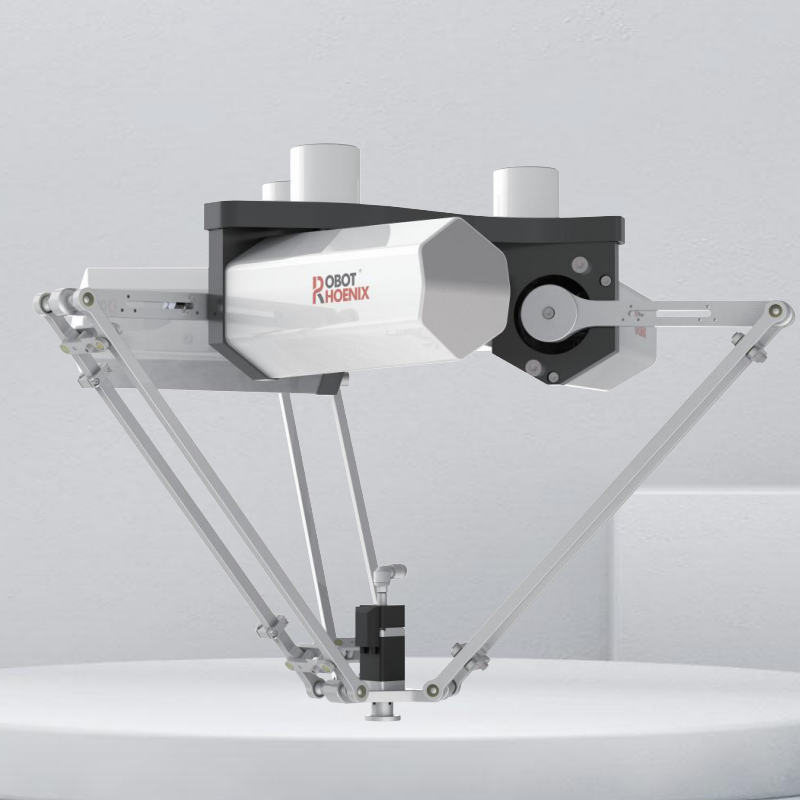
Robotphoenix New Design Industrial Robot Delta 6kg Payload 0.08mm Repeatability 2/3/4 Axis
A 6 kg delta robot with 0.08 mm repeatability and 2/3/4-axis configurations. Suitable for larger-payload pick-and-place, multi-axis dispensing and packaging tasks where precision must hold across shifts.
View System →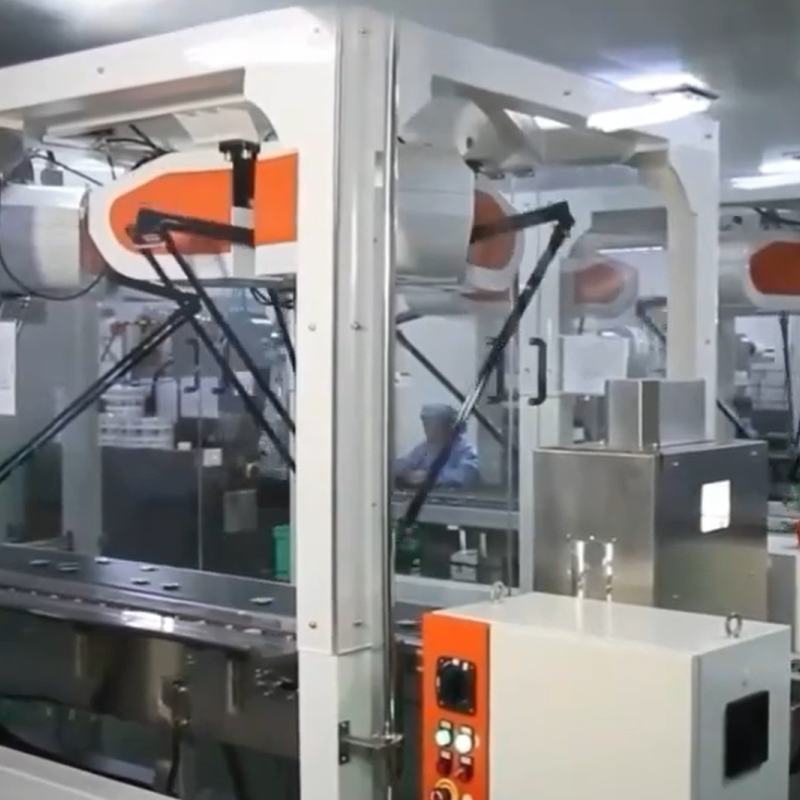
6kg Payload IP54 Protection Grade Pick Place Sorting Parallel Robot with Robot Gripper
A 6 kg IP54 parallel robot with gripper for sorting and pick-place. A strong option for Baguio food, personal-care and packaging lines where dust, humidity or washdown influence equipment selection.
View System →Why Robotic Dispensing Belongs on the Baguio Manufacturing Roadmap
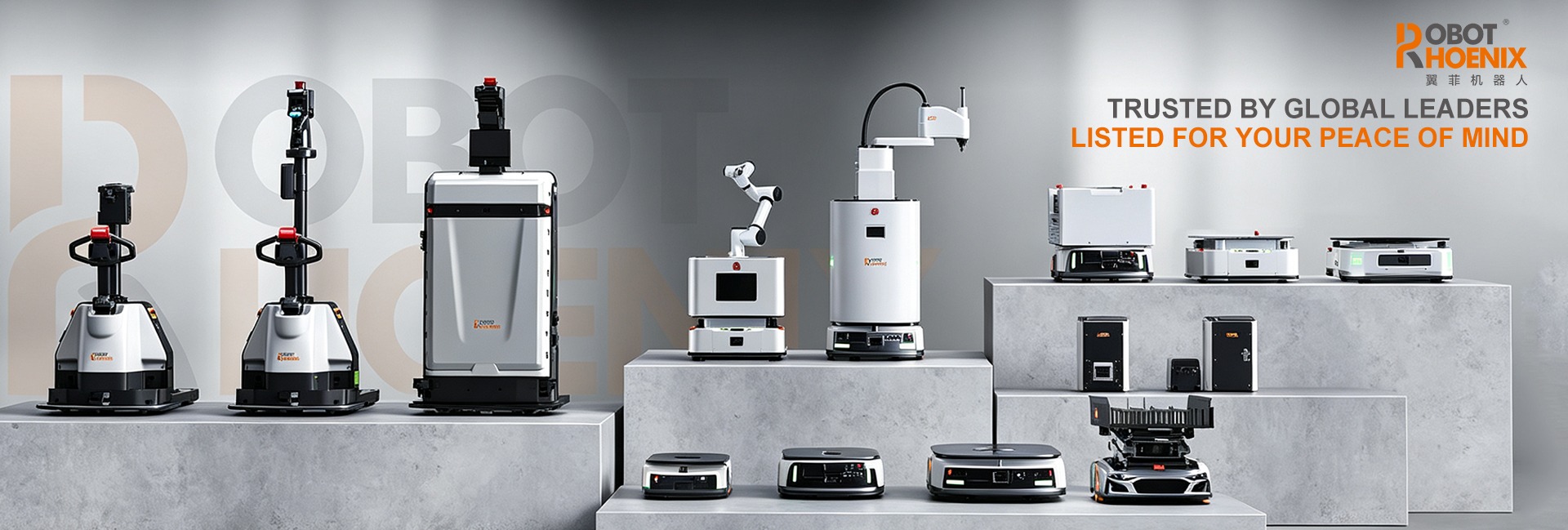
Baguio is not a single-industry city. It combines highland agri-processing, food and beverage packing, electronics and 3C assembly in the Baguio City Economic Zone, pharmaceutical and personal-care production, retail distribution and a growing e-commerce fulfillment base. That mix creates a specific automation problem: lines must handle high-mix products, short changeovers and variable labor availability while maintaining quality under humid, highland conditions and logistics constraints.
Robotic dispensing and pick-and-place cells are no longer only for very large factories. For Baguio buyers, the relevant question is not “Can a robot dispense or place a part faster?” It is “Can the cell deliver repeatable, traceable, and easier to redeploy performance across several product variants without locking the factory into a single SKU?” Delta robots answer that question for high-speed conveyors, lid application, sorting and bottle unscrambling. SCARA robots answer it for precise planar assembly, adhesive dispensing, small-parts placement and 3C work.
Because JORI develops delta robots, SCARA robots, wafer robots, AGV/AMR platforms, controllers and 2D/3D vision in-house, a Baguio project can be scoped around one accountable engineering source rather than a chain of resellers. That matters when the line must integrate with an existing cartoner, wet-wipe lid applicator, PLC, conveyor or inspection station.
- Highland produce, food and cold-chain packing
- Electronics and 3C assembly in eco-zone facilities
- Personal care, pharma and wet-wipes packaging
- Warehouse, e-commerce and Luzon distribution flows


What Changes When Dispensing and Placement Become Robotic
A robotic cell is not simply a faster manual station. It changes how quality is measured, how changeovers are documented and how quickly a Baguio factory can absorb new orders without adding headcount in the same proportion.
Sub-Millimeter Repeatability
Delta and SCARA models from the supplied range repeat to 0.08 mm on selected delta configurations. For dispensing, lid placement and small-part assembly, that repeatability protects yield as operators and shift patterns change.
Higher Throughput, Smaller Footprint
Parallel-link delta robots are designed for fast pick-and-place from moving conveyors. In Baguio facilities where floor space is tight, a compact cell can raise output without expanding the building footprint.
Food Safety and Hygiene Planning
IP54 options and remote-control architecture help engineers plan cells for food, wet-wipe and personal-care lines. The goal is not a generic robot, but a cleanable, data-friendly station that matches the hygiene plan.
PLC, Vision and Line Integration
PLC-ready delta robots, in-house controllers and 2D/3D vision make it easier to connect a new robot to existing packaging machines, carton packers, applicators and inspection stations.
Faster Changeovers for High-Mix Work
Baguio factories often run several pack sizes, labels or product variants. Programmable robot recipes reduce the mechanical reset time between runs and make small-batch production more economical.
Labor Flexibility and Uptime
Automation helps when hiring is tight or shifts are difficult to fill. The cell handles repetitive placement and dispensing, while technicians focus on quality checks, changeovers and exception handling.
Baguio Localization Trends: Where Robotic Cells Fit Next
Buyers in Baguio are not simply copying automation plans from Manila or Cebu. The local business case is shaped by highland logistics, cool-climate agri-food production, export electronics and a growing need for resilient warehouse operations across the Luzon corridor.
Agri-Food and Cold-Chain Upgrades
Highland vegetables, fruit, coffee and processed foods need faster sorting, packing and lid/tray placement. Compact delta and SCARA cells help stabilize output during peak harvests.
Electronics and 3C Re-Tooling
Export-oriented electronics work demands precise, repeatable placement. SCARA robots with PLC and vision support adhesive dispensing, screwdriving and inspection in tight cells.
Warehouse Automation Along the Luzon Corridor
Baguio distributors increasingly plan for faster inbound and outbound flows. Robot-ready packaging stations and mobile platforms reduce manual handling between receiving, packing and dispatch.
Hybrid Cells for Labor Flexibility
Instead of a full-line rebuild, many buyers start with one robot, one conveyor and one inspection point. This staged approach controls risk and proves ROI before scaling to a second cell.
Baguio-Area Automation Readiness Signals
These planning indicators are directional, not market statistics. They show where local buyers typically ask for engineering support first.
Match the Robot to the Baguio Process, Not the Brochure
A white-paper selection process starts with part weight, cycle time, hygiene level, conveyor behavior and existing controls. Use this matrix to shortlist the right family before requesting a layout.
| Robot Family | Best Baguio Use Case | Recommended Models | Choose It When |
|---|---|---|---|
| DeltaHigh-Speed Pick-and-Place | Bottle unscrambling, lid pick-place, conveyor sorting, carton infeed | 3 kg IP54 delta; 6 kg delta; parallel robot with gripper | Light products arrive randomly and cycle time is the bottleneck. |
| SCARAPrecision Planar Motion | Adhesive dispensing, small-parts assembly, 3C placement, inspection loading | High-precision industrial SCARA; 400 mm reach SCARA with PLC | You need repeatable XY motion in a compact cell with limited vertical clearance. |
| Wet-Wipe CellLid Applicator | Daily chemicals, wet wipes, hygiene packaging, plastic lid placement | Spider-arm delta for fully automatic wet-wipe lid applicator | Lid orientation, placement speed and package appearance directly affect yield. |
| PLC-ReadyPackaging Integration | Cartoning machines, carton packers, existing conveyors and packaging lines | PLC-ready delta robot; 6 kg 2/3/4-axis delta | Your machine builder or maintenance team already works within a PLC-controlled line. |
| Food SCARAFood Handling | Highland produce packing, bakery handling, processed-food pick-place | 4-axis SCARA for food-industry gripping and placement | The application needs smooth motion, easy cleaning planning and gentle product handling. |
Figures reflect catalogue models and should be confirmed per configuration, end-effector, product weight, cycle time and local electrical specification.
Applications Across Baguio and the Cordillera Supply Chain
Baguio’s production environment rewards compact, serviceable automation. The examples below show where a robotic dispensing or pick-and-place cell can create measurable operational leverage.
Food & Beverage Packing
Vision-guided delta picking, sorting and case packing at conveyor speed for highland produce, bakery items and processed foods.

Pharmaceutical & Medical
Blister, vial and carton handling with repeatable motion for Baguio healthcare and personal-care supply chains.
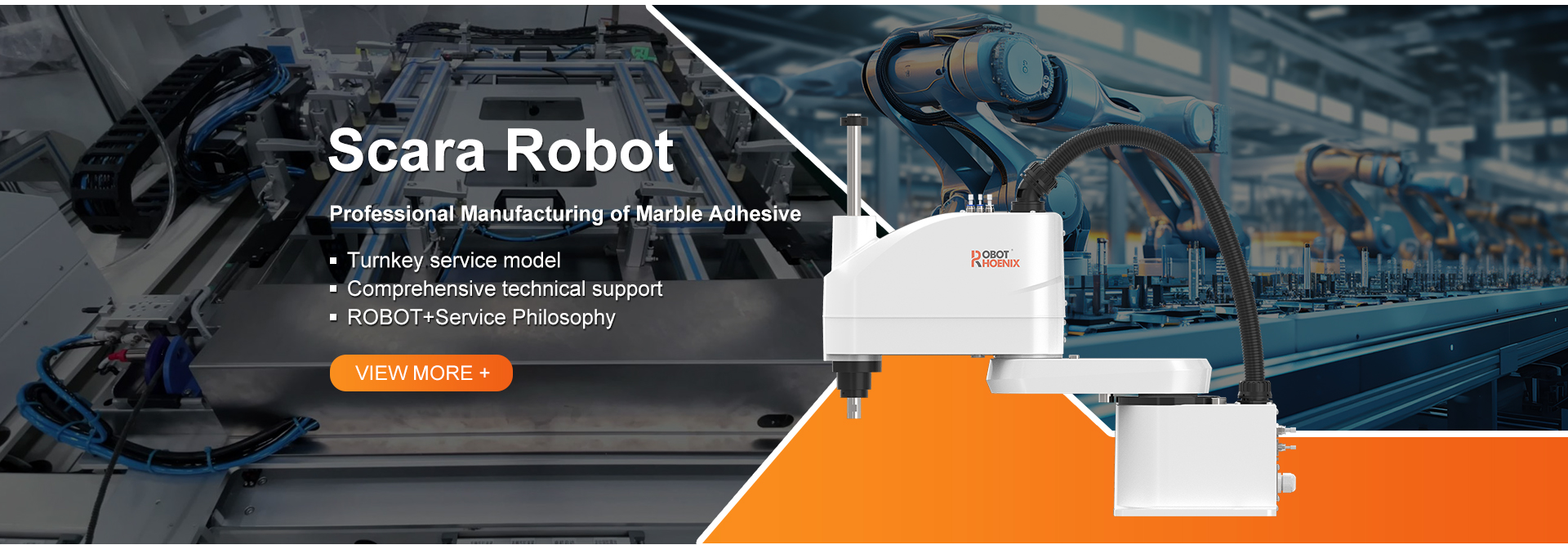
Electronics & 3C Assembly
SCARA assembly, adhesive dispensing, insertion and inspection loading for compact eco-zone production cells.
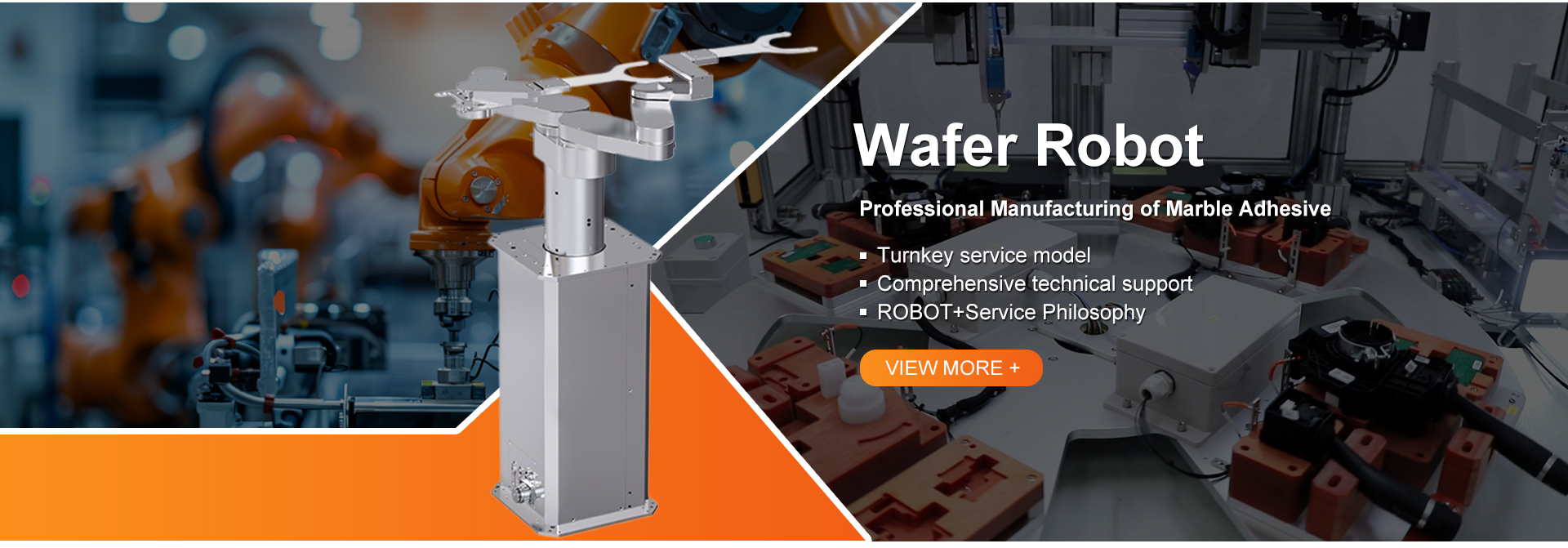
Semiconductor & Solar
Silicon wafer transfer robots for semiconductor and photovoltaic lines where fragile substrates need smooth handling.
Warehouse & Logistics
Laser SLAM AMRs and autonomous forklifts for 24/7 material flow between packing, storage and dispatch.
Daily Chemicals & Wet Wipes
Delta-based lid applicator and carton packer cells for hygiene products, wipes and household chemical packaging.
Factory Advantages That Reduce Risk for Baguio Buyers
The most useful supplier advantage is not a slogan. It is the ability to trace a project from controller and vision development through robot assembly, testing, export documentation and after-sales engineering.
Independent R&D Since 2012
JORI has developed robots, controllers and vision systems in-house since 2012, with national patents covering core product families.
In-House Controller + 2D/3D Vision
One engineering source for robot motion, vision and PLC integration reduces finger-pointing when a new cell must talk to existing equipment.
ISO 9001 & Onsite-Verified Factory
Documented quality control, a verifiable factory presence and third-party-checked company credentials support procurement due diligence.
OEM, Design & Buyer Label
Machine builders and distributors can request OEM service, design support and buyer-label options for their own Baguio or Philippine projects.

From the Jinan Factory Floor to a Baguio Production Line
A Baguio buyer evaluating a robotic dispensing system needs more than a specification sheet. The project must survive shipping, voltage verification, line integration and operator training. JORI’s factory-direct structure keeps robot, controller and vision decisions closer to the engineers who will support the cell after shipment.
- Standard models can be ordered from one set for pilot validation.
- Export experience across Southeast Asia, Eastern Europe and the Americas.
- Response rate of 97.06% and average reply time of two hours or less.
- Delivery terms include FOB, CFR, CIF, EXW, CIP, FCA, CPT and express delivery.
Local Buyer Questions Before Ordering a Robotic Dispensing System
These are the practical questions Baguio factory owners, machine builders and procurement teams ask first. For a project-specific answer, send your layout, product photos, cycle time and target voltage.
Can you ship and deliver a robotic dispensing system to Baguio?
What electrical specification should we plan for Baguio?
What is the minimum order quantity?
Can the robot integrate with our existing packaging machine?
Do you support OEM or custom design for local machine builders?
What support is available after installation?
Which delivery and payment terms are accepted?
How do we calculate ROI for a Baguio factory?
Planning a Robotic Dispensing Cell for Baguio?
Send your product photos, target cycle time, conveyor layout, voltage and existing packaging equipment. Our engineers will recommend a delta, SCARA or PLC-ready configuration and reply within two hours on average.