8 Robotic Handling Systems Recommended for Calgary Operations
Each system below is drawn from the original JORI product line, and product URLs are preserved exactly. Calgary buyers can use these pages for specifications, then request a project review covering cycle time, gripper design, 480 V/60 Hz electrical requirements, guarding, freight and commissioning.
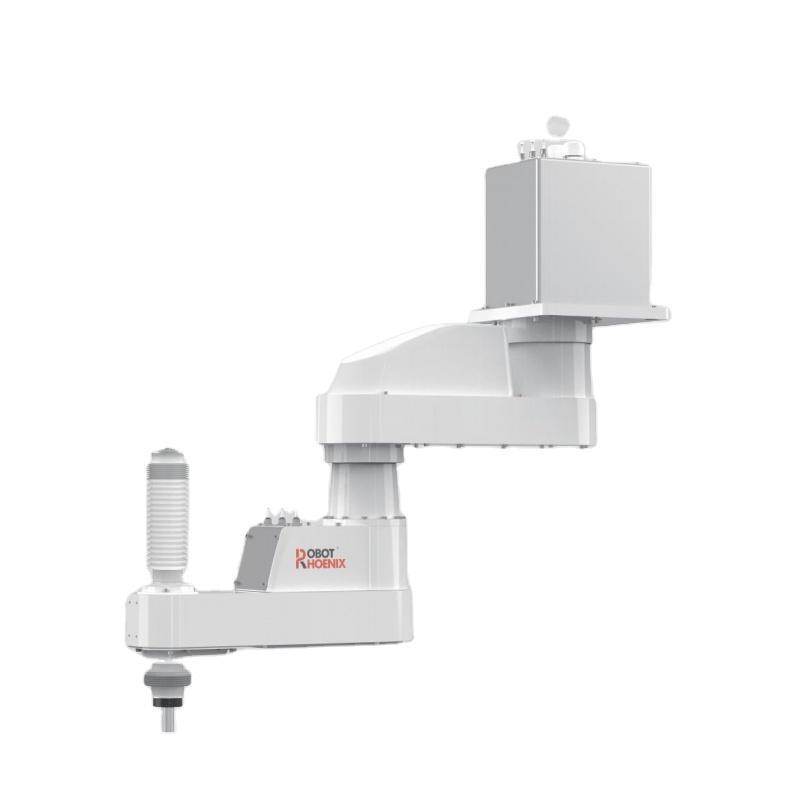
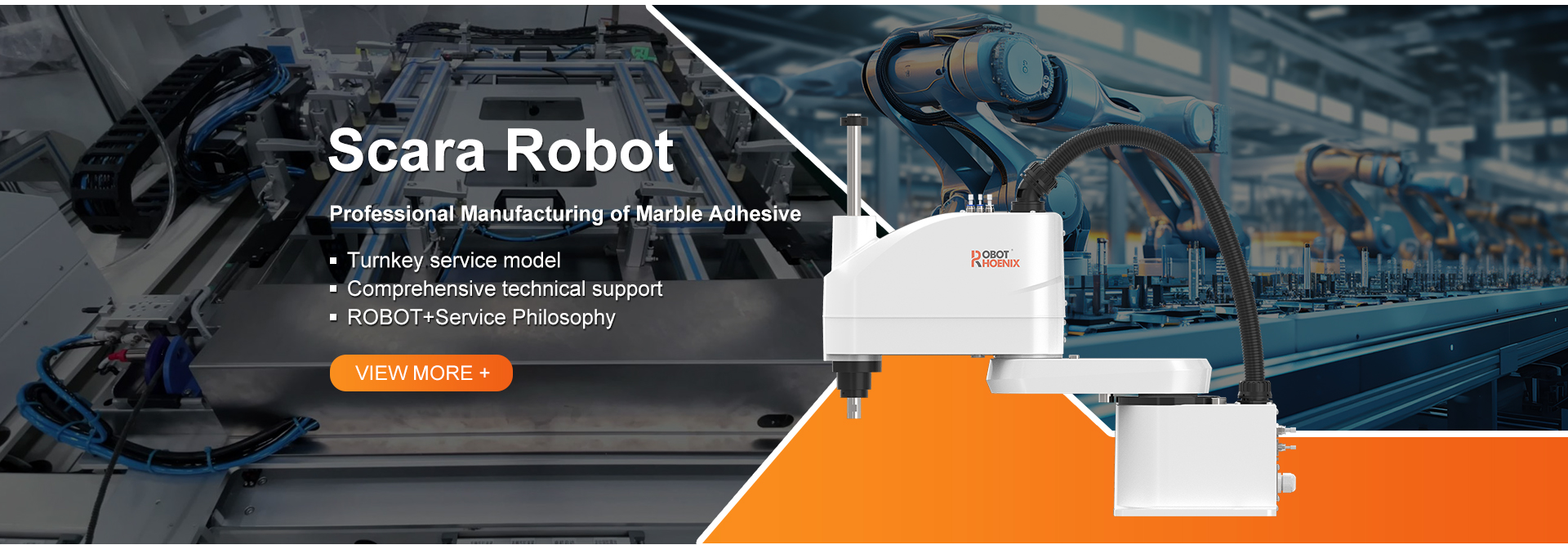
Compact Structure High Precision 550mm Reach Radius 3kg Payload 4-axis SCARA Robot
A compact SCARA for small-part assembly, machine tending and tight Calgary plant rooms where floor space, reach and repeatability matter more than long travel.
Calgary fit: compact electronics, fixtures and small-part handling cells.
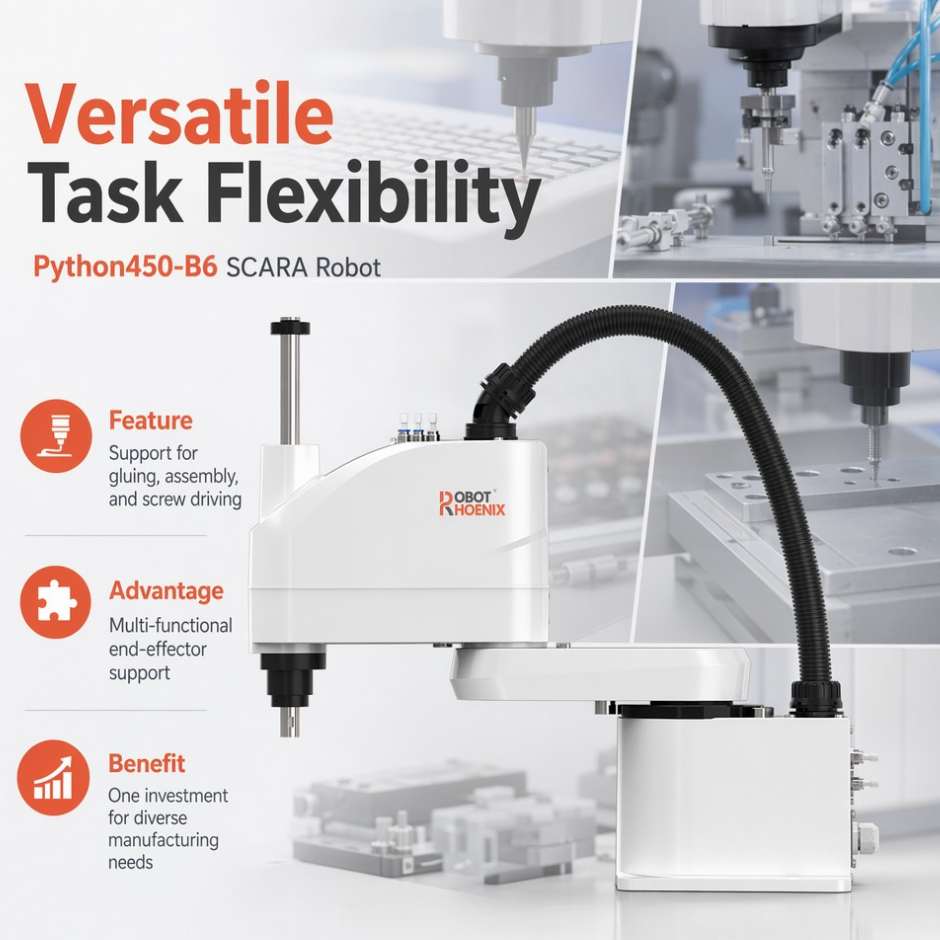
Four-Axis Industrial Robot Hand SCARA for Loading/Unloading and Sorting in Food Industry
For food-industry loading, unloading and sorting. Calgary food processors should review product-contact materials, cleaning regime, guarding and conveyor interfaces before selection.
Calgary fit: repetitive tray, carton and product sorting where hygiene is scoped.
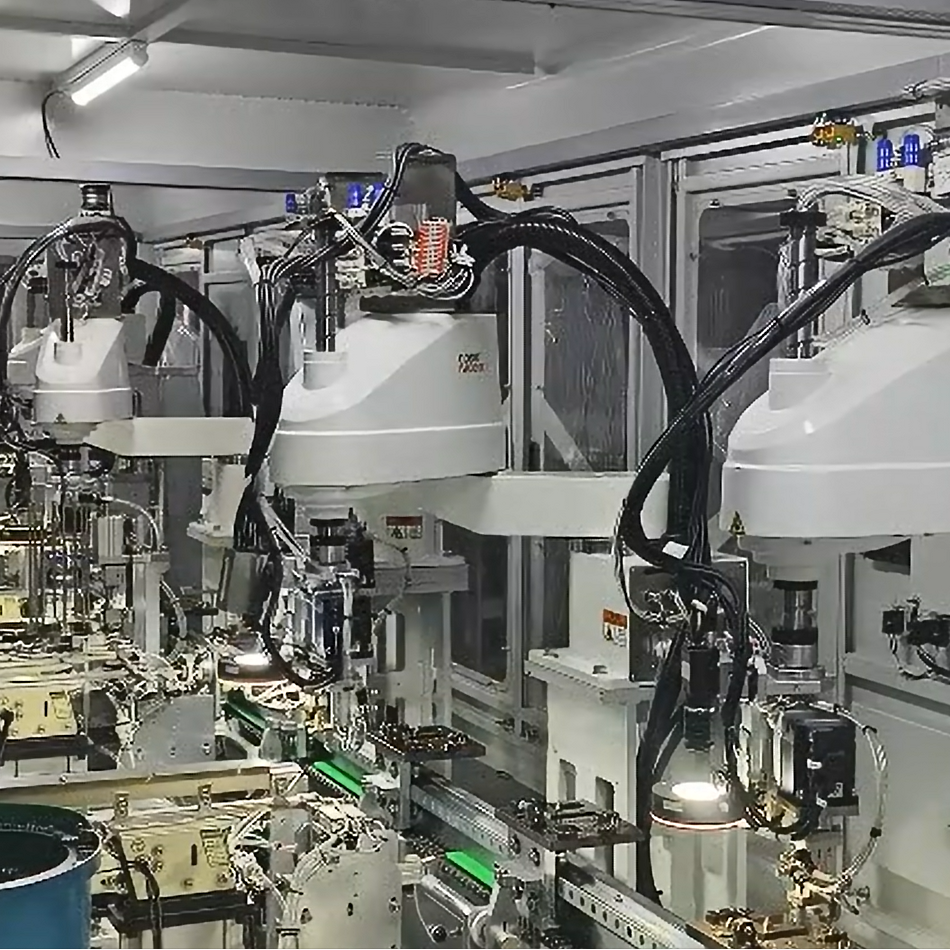
High Quality Mini Industrial Robot Scara for Pick and Place at Low Cost-New Condition
A cost-controlled entry point for simple pick-and-place, pilot cells, tray handling or machine tending. Useful when a Calgary manufacturer wants to validate one process before scaling.
Calgary fit: pilot automation, low-volume cells and staged factory upgrades.
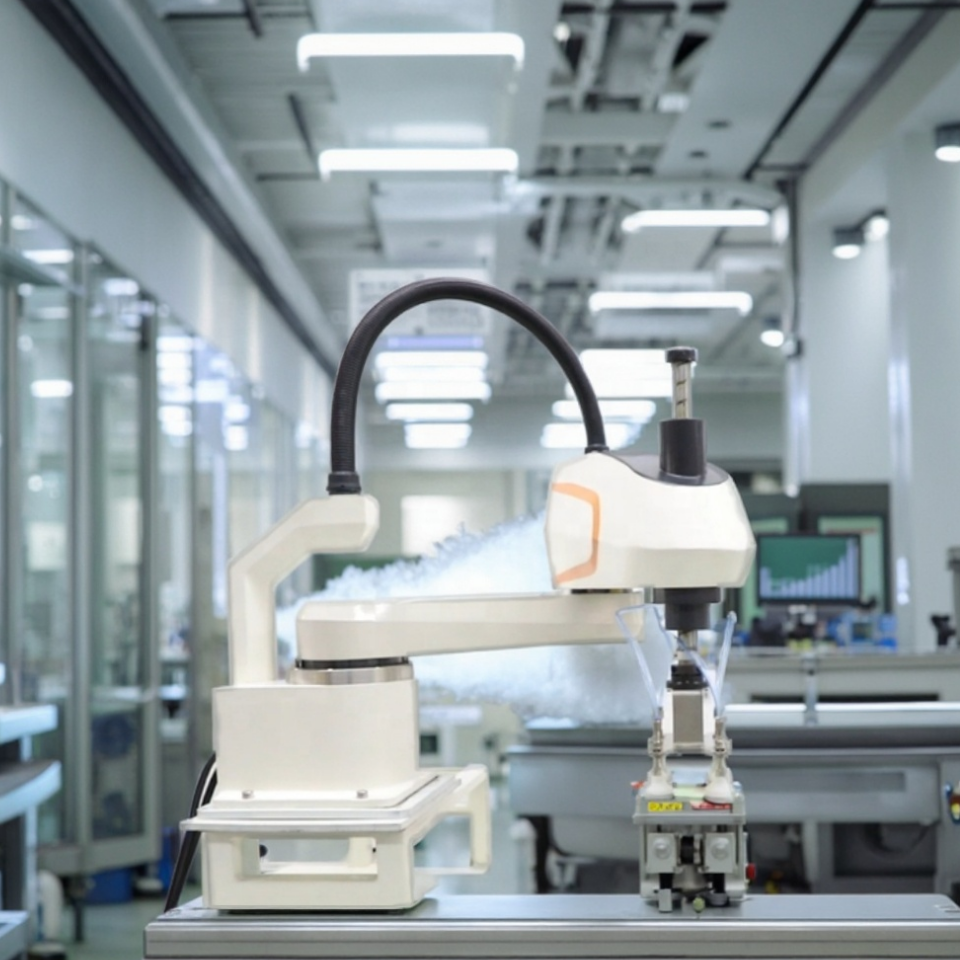
Industrial 4-Aixs Robot Arm Scara Robot Arm with Vision System for Auto Parts Industry
Vision-guided SCARA for auto parts, fixtures, kitting and inspection-adjacent handling. For Calgary energy-service and advanced manufacturing suppliers, vision can reduce fixed tooling when presentation varies.
Calgary fit: energy-service parts, fixtures, kitting and machine-tending cells.
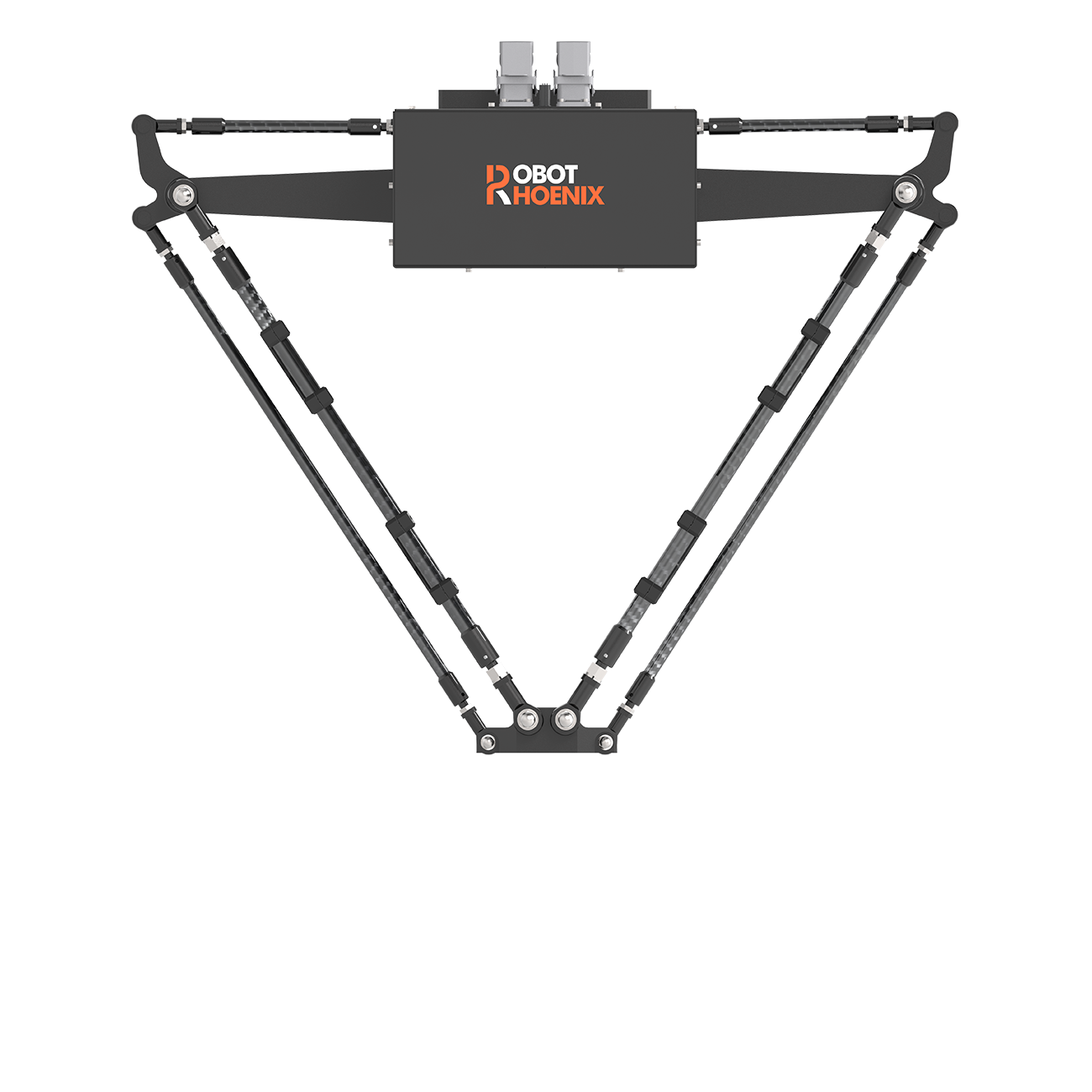
Industrial Manipulator High Speed and Accuracy Delta Robot with New Design Kinetics
High-speed delta manipulator for pick-and-place, sorting and light assembly. Best where Calgary throughput is limited by conveyor speed and repeated small parts.
Calgary fit: high-speed sorting, packaging and light assembly bottlenecks.
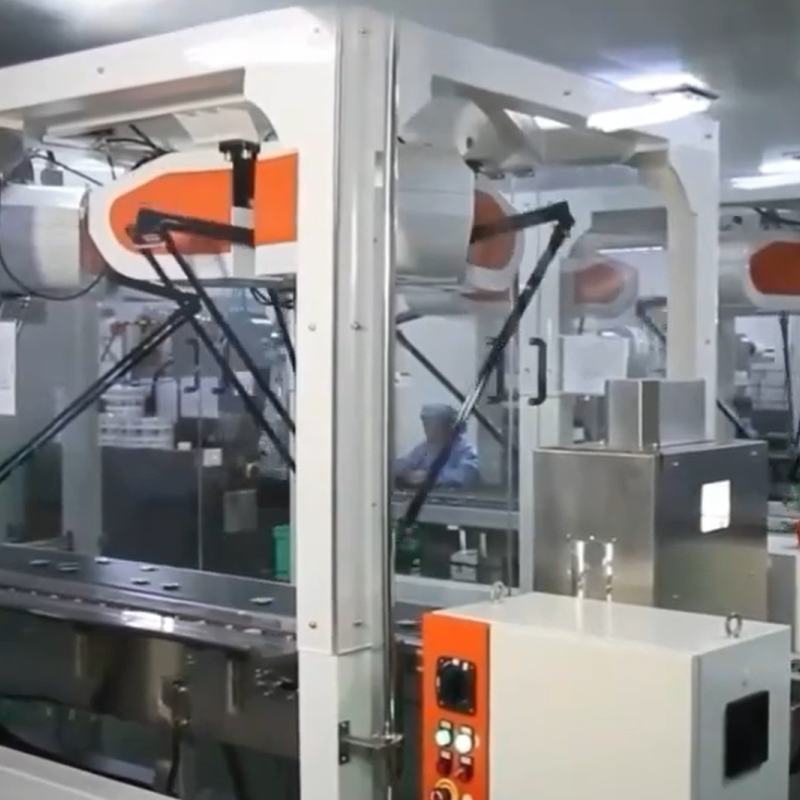
6kg Payload IP54 Protection Grade Pick Place Sorting Parallel Robot with Robot Gripper
A 6 kg IP54 parallel robot with gripper for pick-place and sorting. The IP54 rating is relevant for dusty or splash-prone packaging environments, subject to project-specific washdown review.
Calgary fit: food packaging, dusty areas and moderate splash exposure.

High Precision Pick and Place 4 Aixs Parallel Robot Delta with Vision Tracking System
Vision-tracking delta robot for moving conveyors, sorting, labeling and carton packing. Calgary buyers tracking mixed SKUs should define camera mounting, lighting, encoder interface and reject logic.
Calgary fit: mixed-SKU packaging, labeling and conveyor tracking.
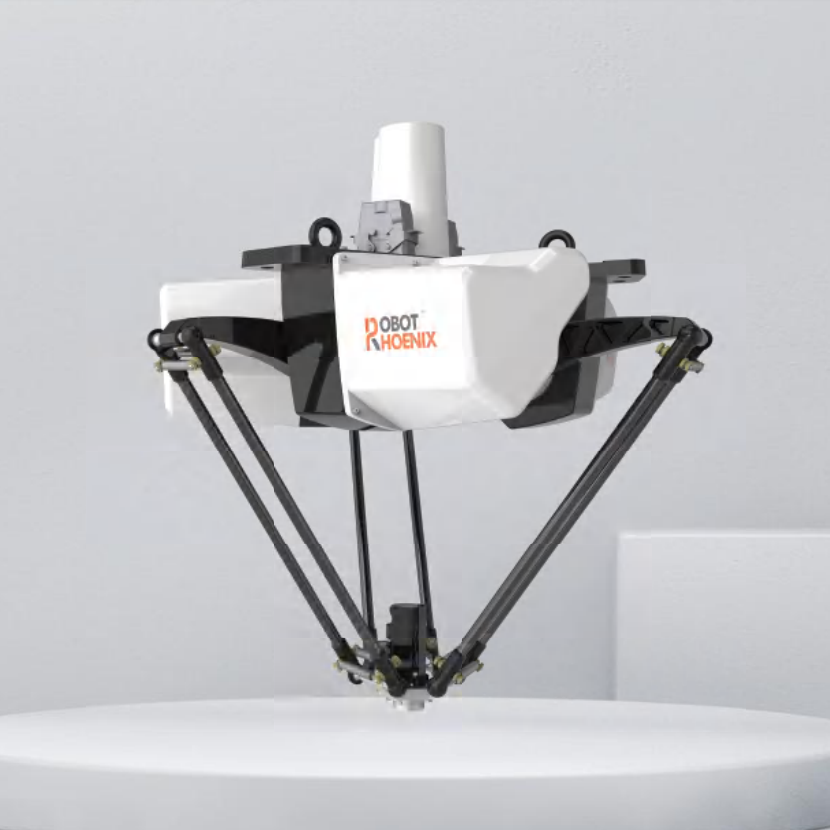
Robotphoenix New 4-Axis Parallel Robot Arm Delta Spider Hand Robot for Carton Packer Line
A 4-axis delta spider-hand robot for carton packer lines and end-of-line packing. It fits Calgary packaging rooms that need fast, repetitive case loading and changeover discipline.
Calgary fit: carton packing, end-of-line case loading and packaging rooms.
Founded as an R&D-driven robot manufacturer
Employees stated in the original company profile
m² factory area for robot build and testing
Published response rate with ≤2h average reply
Calgary Robotic Handling Systems: What Buyers Actually Need to Compare
A robotic handling system is not simply a robot arm. It is a production cell that combines part presentation, gripping, vision, controls, safety, spares and commissioning. Calgary buyers who compare only payload and price often discover hidden integration costs later.
Start With the Bottleneck, Then Size the Cell
Calgary plants rarely buy a robot in isolation. The decision usually starts with a real constraint: operators lifting cartons at the end of a packaging line, a machine-tending cell that cannot keep pace, a sorting station that changes SKU every few minutes, or a warehouse where forklift traffic and labour availability collide.
A robotic handling system supplier for Calgary must therefore answer more than a payload question. It must match the gripper, infeed, vision, controls, safety, spares and commissioning plan to the actual production environment. The most useful supplier conversation begins with part photos, weight range, cycle-time target, existing PLC brand, plant voltage and delivery postal code.
Information gain for Calgary procurement teams: budget for the cell, not just the arm. Depending on scope, grippers, safety fencing, conveyors, vision lighting, PLC integration, electrical compliance review, spare parts and commissioning can equal or exceed the robot cost in a first pilot. A reliable proposal separates “robot model” from “system scope”, states acceptance criteria such as cycle time and repeatability, and identifies who owns integration, freight, customs and start-up.
Why JORI Is Relevant to Calgary Buyers
JORI Intelligent Technology Co., Ltd. is an original industrial robot manufacturer founded in 2012 in Jinan, Shandong, China. The company develops delta parallel robots, SCARA robots, silicon wafer handling robots, AGV/AMR platforms, autonomous forklifts, robot controllers and 2D/3D vision in-house.
Its published capabilities include OEM service, design service, buyer-label production and automated system integration. For Calgary buyers, that factory-direct structure can reduce the number of hand-offs between robot brand, controller, vision and end-effector suppliers.
Buyers can review the company profile, trade capacity, transaction level, trade history and credit profile before a purchase order. That verification step matters for Calgary import projects where response time, spare-parts planning and engineering accountability are part of total cost.
Localized Robotic Handling Scenarios for Calgary Industry
Robotic handling projects succeed when the use case is specific. These are the Calgary-region scenarios that most often justify a factory-direct engineering discussion, from food processing and energy-service manufacturing to warehousing and cold chain.
Food & Beverage Processing
Delta and SCARA robots for sorting, tray loading, case packing and labeling. Calgary-area food plants should define hygiene zone, cleaning chemicals, product-contact materials and inspection points. Vision-guided picking can handle random orientation, while conveyor tracking keeps pace without stopping the line.

Energy, Oil & Gas Service, Advanced Manufacturing
SCARA and delta systems for small-part kitting, fixture loading, machine tending and assembly verification. In Calgary’s energy-service supply chain, repeatability and traceability matter; engineers should review dust, coolant, temperature swings and safety guarding around existing machine tools.

Agriculture & Agri-Food
Alberta’s grain, feed, protein and ingredient processors face seasonal peaks and variable pack formats. Robotic handling can stabilize palletizing, case packing and sorting; a pilot should use real product samples, not ideal cartons, to test gripper tolerance and contaminant risk.
Warehousing, 3PL & E-commerce
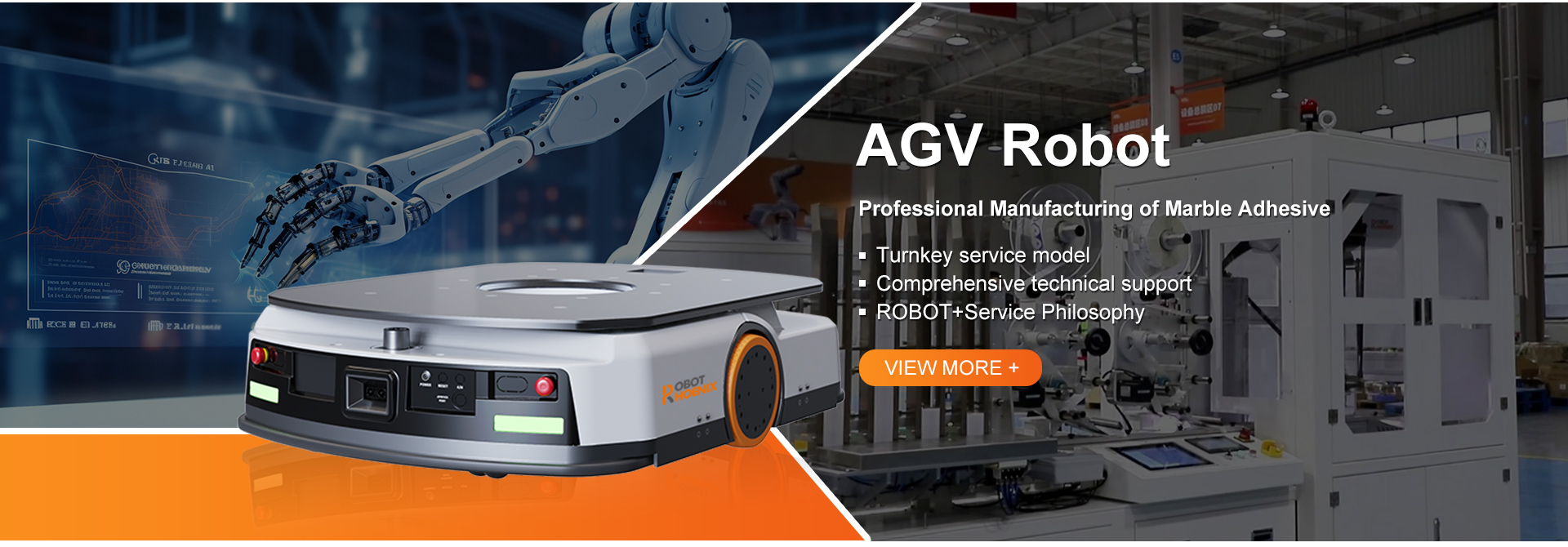
Laser SLAM AMRs, 400–500 kg autonomous carriers and autonomous forklifts reduce walking, pushing and repetitive pallet shuttles. Calgary operators should map aisles, Wi-Fi, charging locations and traffic rules before choosing fleet size; fleet management becomes important after the first few robots.
Cold Chain & Precision Handling
Cold environments affect lubrication, condensation, battery performance and operator access. For Calgary cold-chain projects, specify temperature range, door cycles, floor transitions and emergency response. A robot that works in a dry lab may need different seals, lubricants or heaters in a freezer area.
Packaging, Cartoning & Daily Chemicals
Delta robots are widely used for lid application, carton packing, labeling and wet-wipe canister lines. JORI’s original material highlights PLC-ready delta robots for carton packers and wet-wipe lid applicator machines; Calgary machine builders can review gripper design, line interface and changeover.
Trends Shaping Robotic Handling Procurement in Calgary
Calgary buyers are not only comparing robot speed. They are responding to labour availability, safety expectations, PLC standards, cold-chain complexity and the need for resilient import supply chains.
Labour Flexibility & Shift Coverage
Calgary manufacturers still report difficulty covering repetitive shifts. Automation is increasingly framed as shift stabilization, not simply headcount replacement: one robot cell can run through breaks, maintain cycle consistency and free operators for changeover, inspection and maintenance.
Safety & ESG in Energy & Heavy Industry
Energy-service and heavy-industrial buyers prioritize guarding, risk assessment and documented safety logic. A robotic handling system should arrive with a clear safety concept, e-stop architecture and defined integration boundaries with existing equipment.
E-commerce, 3PL & Cold-Chain Growth
Warehouse and distribution footprints across the Calgary–Edmonton corridor are adapting to faster order cycles. AMR/AGV and autonomous forklifts are evaluated on route flexibility and fleet software, not just payload.
PLC-First Integration
Many Calgary plants standardize on Rockwell/Allen-Bradley or similar PLC environments. Ask whether the robot controller supports the required handshake, safety and data tags; a low-cost robot with a difficult integration can become the most expensive option.
Resilient Sourcing & Factory-Direct Engineering
Buyers are reducing single-source risk and asking for direct engineering contact. Factory-direct suppliers can provide controller, vision and robot from one source, but Calgary buyers should still verify trade history, credit profile, spare-parts plan and response commitments.
Vision, Data & Flexible Changeover
2D/3D vision and conveyor tracking make handling cells more tolerant of part variation. The practical gain is faster changeover and less fixed tooling; the hidden requirement is lighting, calibration, network stability and operator training.
Calgary Buyer Priorities — Planning Index
Illustrative planning index for early-stage project discussions, not a market statistic. Use it to align internal stakeholders before requesting a robot quotation.
How to Choose a Robotic Handling System for a Calgary Line
A disciplined selection process reduces the risk of buying a robot that cannot reach, grip, integrate or recover from faults in a real Calgary production environment.
1. Define the Operation, Not the Robot
Start with part weight, dimensions, material, temperature, presentation and grip points. Include worst-case parts, not just the ideal sample. A 3 kg SCARA and a 6 kg delta may both be 4-axis robots, but they solve different problems.
2. Calculate Cycle Time With Margin
Measure conveyor speed, index time, inspection window, gripper open/close time and transfer distance. Add margin for ramp-up and SKU variation; a robot quoted at the edge of its cycle limit leaves no room for real production.
3. Match Footprint and Reach
Confirm reach radius, mounting orientation, cable routing, fence clearance and maintenance access. Compact SCARA cells suit tight Calgary plant rooms; delta robots need overhead structure and a clear working envelope.
4. Review Environment and Compliance
Check dust, washdown, cold, coolant, static, flooring and power quality. For Calgary, review 480 V/60 Hz supply, CSA/UL requirements, lockout/tagout and local electrical approvals with a qualified engineer or integrator.
5. Scope Controls and Data
Specify PLC brand, safety protocol, MES/ERP data exchange, vision interface and cyber responsibilities. The robot controller and 2D/3D vision should be treated as one integration package, not two disconnected purchases.
6. Plan Spares, Training and Commissioning
List critical spares, wear parts, gripper jaws, vision lighting and controller licenses. Agree who performs remote acceptance testing, who commissions on site, and how time-zone support works between Calgary and the factory.
Why Calgary Buyers Work With JORI
JORI is not a marketplace reseller. The company’s published profile describes in-house R&D for delta, SCARA, wafer and AGV robots, controllers and 2D/3D vision, with national patents, ISO 9001 quality management, OEM/design service and buyer-label production.

In-House R&D and Patents
Delta, SCARA, wafer and AGV robots, plus controllers and 2D/3D vision, are developed in-house and protected by national patents according to the original site. This supports faster engineering feedback when a Calgary application needs modifications.
ISO 9001 and Onsite Verification
The company publishes ISO 9001 quality management credentials, onsite-verified manufacturer status and third-party assessment information. Calgary procurement teams can review supplier assessment, credit and trade records before a purchase order.
Original Factory, Not a Reseller Chain
JORI describes itself as an original factory for delta, SCARA and AGV platforms. For Calgary buyers, that means one accountable source for robot, controller and vision engineering — while system integration, guarding and local compliance still require clear scoping.
OEM, ODM and Buyer-Label Support
The original company profile lists OEM service, design service and buyer-label options. Calgary machine builders can discuss custom end-effectors, controller integration, PLC handshakes and private-label requirements for repeatable automation products.
Global Export and MOQ 1 Set
Standard delta robots, SCARA robots and AMR/AGV platforms can be ordered from 1 set, enabling Calgary buyers to validate a pilot cell before scaling. Export terms include FOB, CFR, CIF, EXW, CIP, FCA, CPT and express delivery.
Fast Response and Export Documentation
JORI’s published response rate is 97.06% with an average reply of 2 hours or less. Calgary inquiries should include application details, drawings or videos of the current process so the factory can respond with a relevant model and scope.
Local Buyer FAQ: Robotic Handling Systems for Calgary
These are the practical questions Calgary manufacturers, machine builders, 3PL operators and food processors ask before requesting a quotation from an overseas robot manufacturer.
What is included in a robotic handling system quotation for a Calgary plant?
A useful quote separates robot model, controller, vision, gripper, guarding, conveyor interface, safety devices, software licenses, freight, customs, commissioning and training. JORI can quote a robot alone or support full automated system integration; Calgary buyers should insist on a scope matrix so responsibilities are clear before the purchase order.
Can JORI ship to Calgary and which export terms are available?
The original site lists FOB, CFR, CIF, EXW, CIP, FCA, CPT and express delivery. Actual freight and Incoterms depend on scope, size and urgency. Canadian importers should confirm HS classification, duty, GST, customs broker and final delivery address with their freight partner.
What about 480 V/60 Hz power, CSA and UL requirements in Alberta?
Electrical compliance is project-specific. Share the plant voltage, frequency, control voltage, grounding and any CSA/UL or local authority requirements. JORI can review the electrical configuration with your integrator; final field approval remains the responsibility of the qualified local electrical authority or licensed contractor.
How is commissioning supported from the Calgary time zone?
Remote acceptance testing, video walkthroughs and controller documentation can reduce travel. For first cells, on-site commissioning or integrator support is still recommended. Agree response hours, escalation contacts and spare-parts access before shipment, especially where production start-up dates are fixed.
What is the MOQ and typical lead time for Calgary orders?
Standard delta robots, SCARA robots and AMR/AGV platforms can be ordered from 1 set, according to the original site. Lead time depends on model, options, vision, gripper and freight. Calgary buyers should request a written schedule covering factory build, testing, freight, customs and commissioning.
Can the robot integrate with our Allen-Bradley/Rockwell PLC and existing packaging line?
Integration should be confirmed by protocol and scope. The original material notes PLC-ready delta robots, in-house controllers and vision. Provide PLC model, communication protocols, safety architecture, conveyor encoder details and line speed. For Calgary lines, a pre-integration signal list can prevent delays.
What spare parts and training should Calgary buyers plan for?
Plan critical spares such as controller modules, teach pendant, vision lighting, gripper jaws, belts, cables and fuses; the exact list follows the configuration. Training should cover safe operation, program recovery, changeover, fault diagnosis and preventive maintenance. Keep a local spares budget rather than relying on emergency air freight.
Which payment terms and currencies are accepted?
The original site lists T/T, L/C, credit card, PayPal, Western Union, MoneyGram and escrow, with currencies including USD, EUR, GBP, JPY, CAD, AUD, HKD, CHF and CNY. Calgary buyers should confirm invoice currency, bank charges, tax treatment and payment milestones in the contract.
Planning a Robotic Handling Cell in Calgary?
Send product photos, part dimensions, cycle-time target, plant voltage, existing PLC details and delivery postal code. JORI can review the application against delta, SCARA, AMR/AGV and vision options, then propose a factory-direct configuration for Calgary export. The original site lists info@joribot.com and an average response time of 2 hours or less.