8 Factory-Direct Robots for Ottawa Pick-and-Place Cells
This shortlist combines JORI’s most relevant SCARA robots and complementary delta platforms for Ottawa projects. Compare reach, payload, vision, speed and footprint; each product link below preserves the original model URL so your engineering team can review the exact specification.
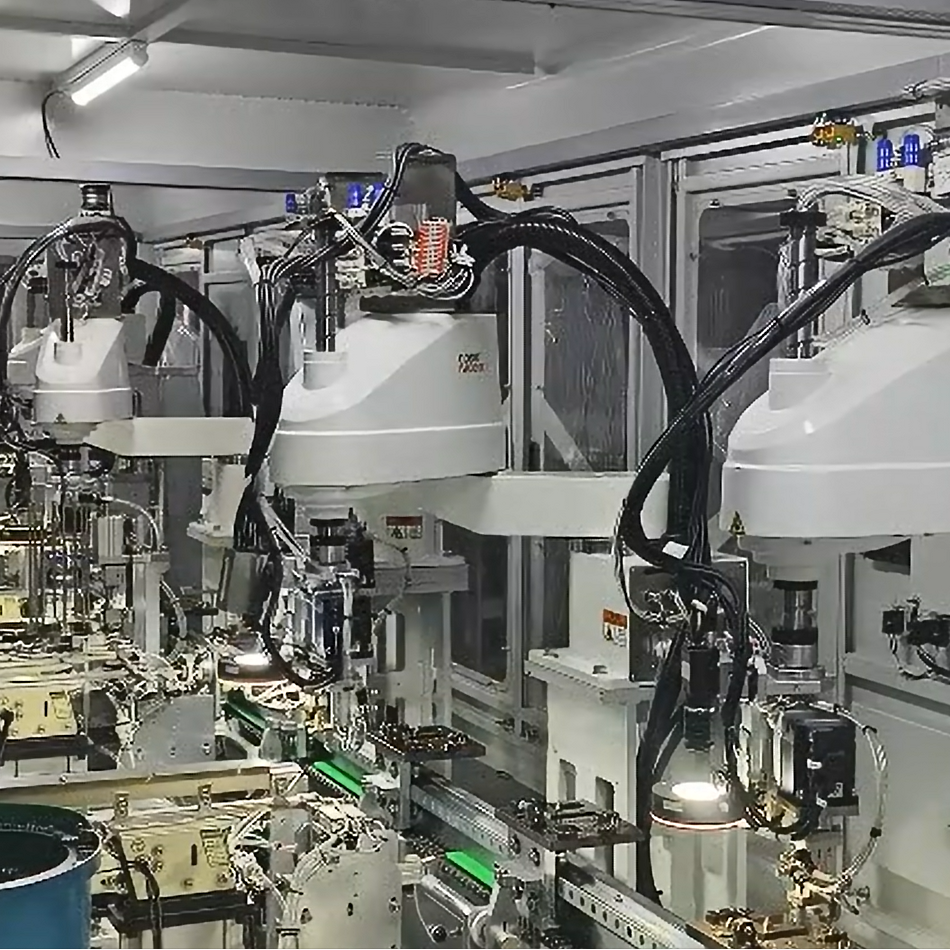
High Quality Mini Industrial Robot SCARA for Pick and Place at Low Cost-New Condition
A cost-controlled 4-axis SCARA for compact bench cells, lab automation and first-time pick-and-place projects in Ottawa. Its small footprint suits pilot lines and high-mix production where floor space is tight.
View product →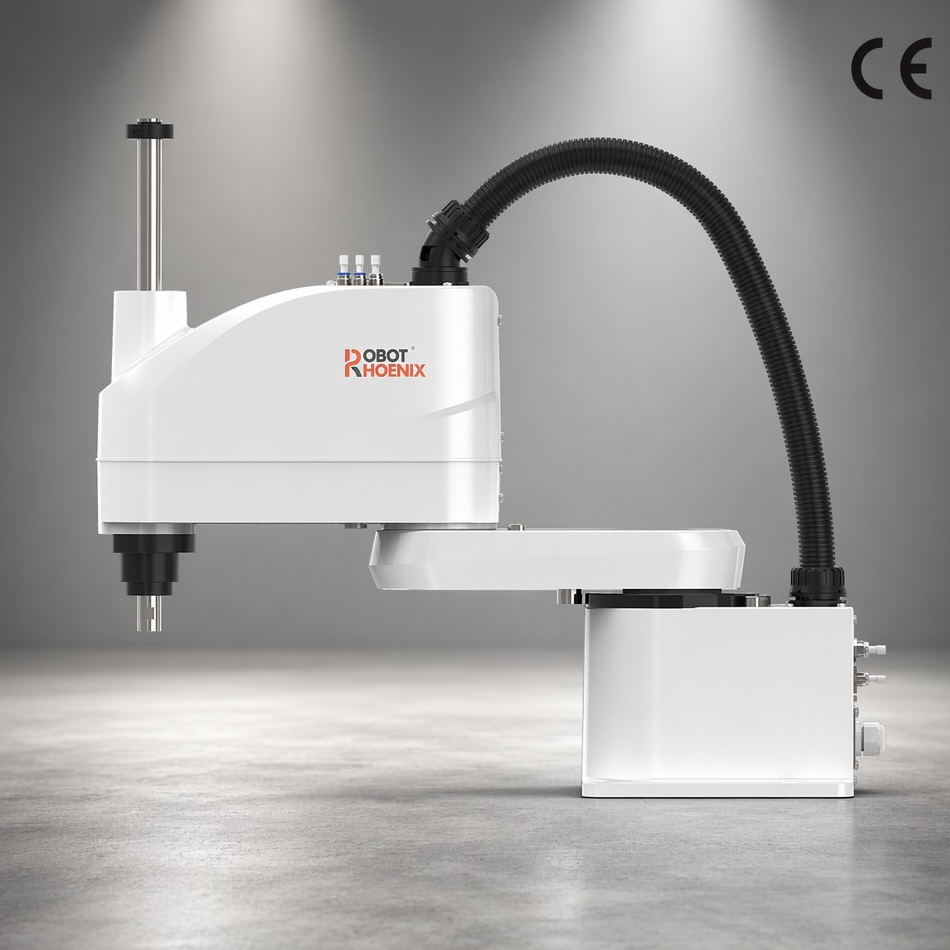
High Efficiency 6kg Payload Manipulator SCARA Robot with Vision for Picking and Placing
A 6 kg vision SCARA for higher-payload picking, kitting and placement. The integrated vision option helps handle mixed parts and inspection steps in medical device, electronics and packaging cells.
View product →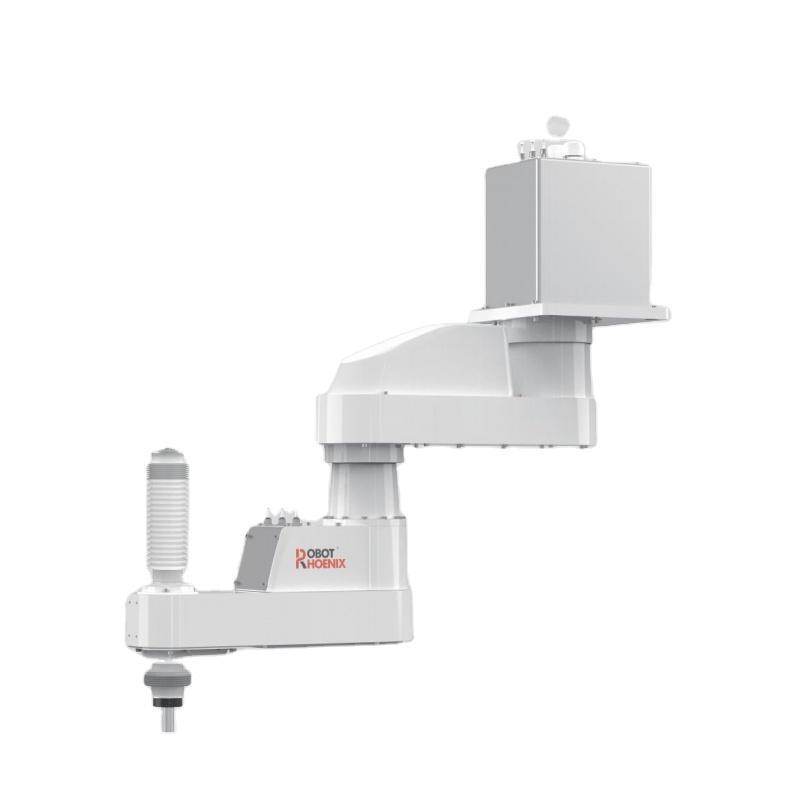
Compact Structure High Precision 550mm Reach Radius 3kg Payload 4-axis SCARA Robot
A 550 mm reach, 3 kg, 4-axis SCARA for precise planar work. Ideal for Ottawa integrators building compact assembly, dispensing, screwdriving or test-handling stations.
View product →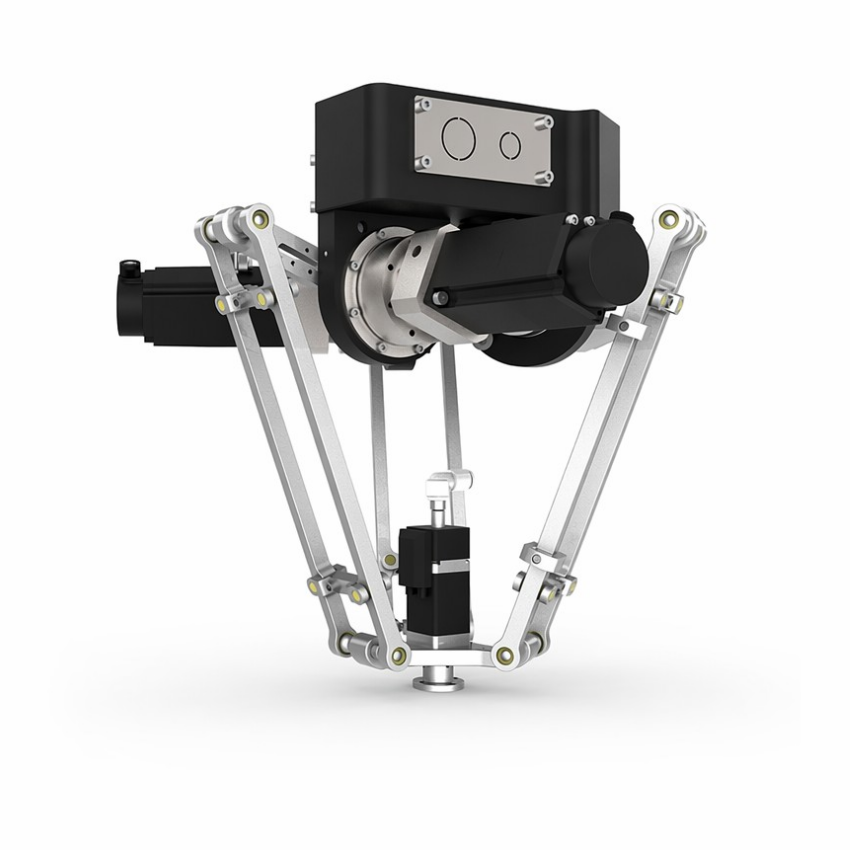
High Precision Pick and Place 4 Aixs Parallel Robot Delta with Vision Tracking System
A high-precision 4-axis delta with vision tracking. Use it when Ottawa cycle times demand fast visual picking rather than a standard SCARA; best for lightweight parts on moving conveyors.
View product →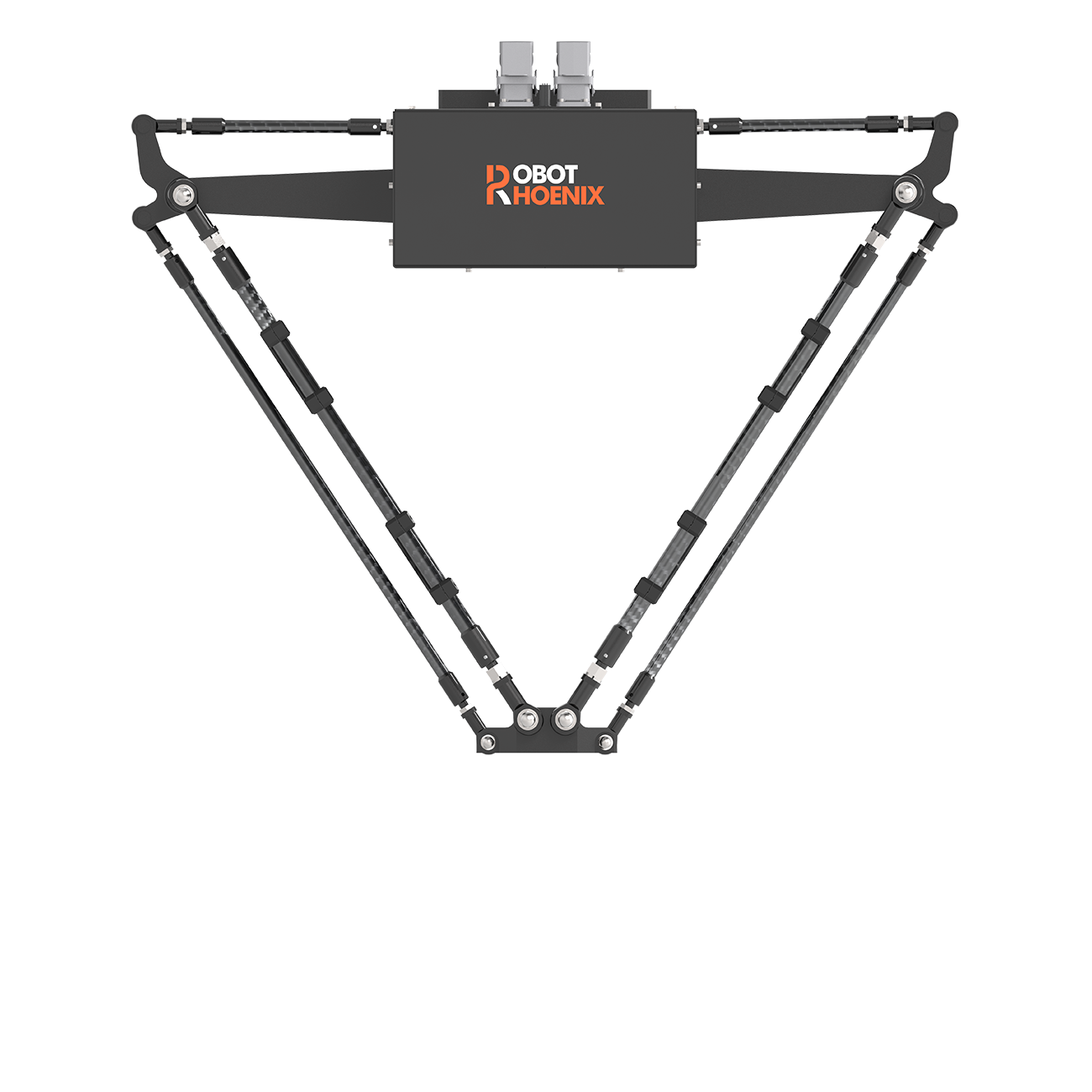
Industrial Manipulator High Speed and Accuracy Delta Robot with New Design Kinetics
A high-speed delta platform with kinetic design for repetitive pick-and-place. Suits packaging, sorting and transfer tasks where throughput, not heavy payload, is the primary constraint.
View product →
Robotphoenix New 4-Axis Parallel Robot Arm Delta Spider Hand Robot for Carton Packer Line
A 4-axis parallel robot arm for carton packing lines. It supports end-of-line automation, case packing and product transfer for Ottawa manufacturers running mixed SKUs.
View product →
High-Speed Spider Arm Delat Robot for Fully Automatic Wet Wipe Lid Applicator Machine
A high-speed spider arm delta for wet-wipe lid applicator and similar consumer-goods lines. It shows how robot selection changes when the application is a dedicated packaging machine.
View product →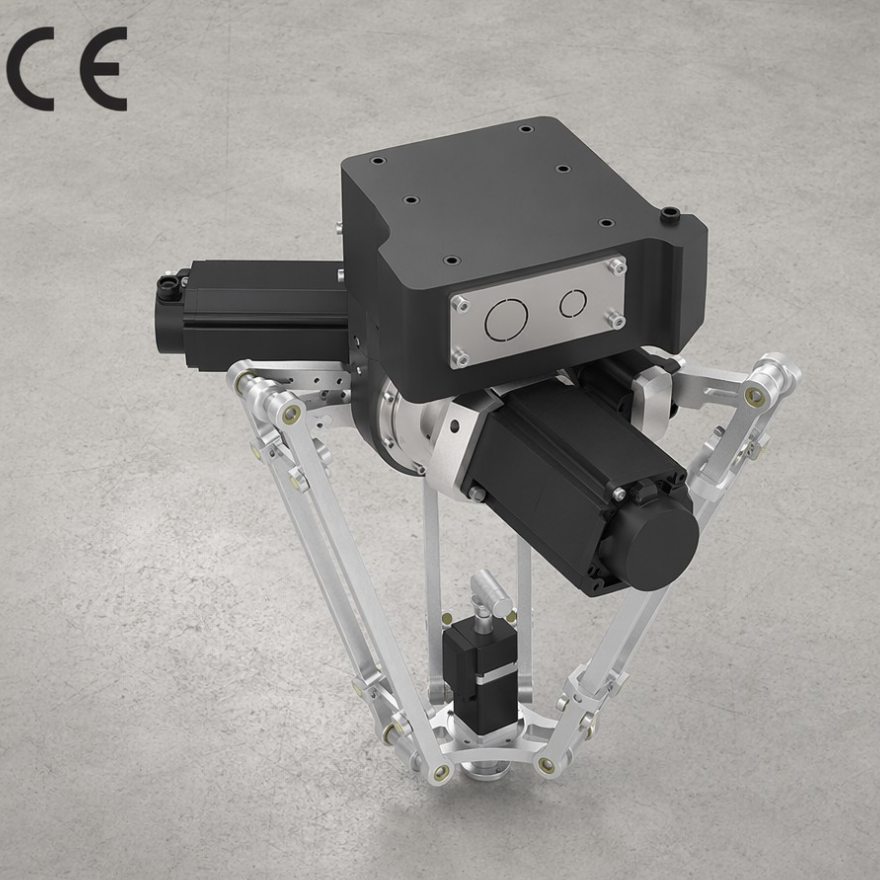
Smart Parallel Robot Picking and Placing Robot Manipulator Delta Robot with Visual System
A smart parallel robot with visual system for flexible picking. Use it for vision-guided bin picking, conveyor tracking and quality checks in high-mix Ottawa production.
View product →All eight product URLs above are original model links. For applications where the product URL is not yet defined, use the Get Catalog button and our engineers will map your Ottawa requirement to the correct SCARA or delta configuration.
Why Ottawa Buyers Use JORI as a SCARA Robot Manufacturer & Supplier
The Ottawa market includes distributors, integrators and manufacturers. JORI is an original factory, not a local catalogue reseller. The facts below are the verifiable foundation Ottawa procurement teams can review before a technical discussion.
Built by the Team That Develops the Arm, Controller and Vision
JORI Intelligent Technology Co., Ltd. is a high-tech robot manufacturer founded in 2012 in Jinan, Shandong, China. We develop and manufacture delta parallel robots, SCARA robots, AGV/AMR platforms, autonomous forklifts, silicon wafer handling robots, robot controllers and 2D/3D vision systems. In-house development is protected by national patents, and production follows an ISO 9001 quality management system. For Ottawa buyers, this engineering depth matters: the arm, controller, vision and integration support come from one accountable source rather than a reseller chain.
Because our controllers and vision are developed in-house, machine builders can request PLC-ready integration, custom end-effectors, buyer-label OEM programs and application-specific testing. Standard SCARA and delta robots can be ordered from one set, so Ottawa teams can validate a pilot cell before scaling. Our export team supports North American buyers with English documentation, remote engineering reviews and a response time of around two hours.
- Independent R&D capability
- Original factory for SCARA, delta & AGV
- ISO 9001 quality management
- OEM, design & buyer-label service
- MOQ from 1 set for pilot validation
- 10+ years serving overseas markets



Where SCARA Pick-and-Place Automation Fits in Ottawa
Ottawa is not a single industry. The city combines a deep technology corridor, life sciences, packaging, automotive suppliers, aerospace, food and consumer goods, and a growing e-commerce fulfillment base. A SCARA robot that fits a Kanata electronics cell may not fit a cleanroom laboratory in Nepean or a packaging line in Gloucester. Use these application modules to map the technology to your real operating environment.
Electronics & 3C Assembly
PCB handling, connector insertion, screwdriving, dispensing, test loading and camera inspection. Compact 4-axis SCARA with vision is often the best fit for high-mix, low-volume Ottawa electronics manufacturing.
Medical Device & Life Sciences
Vial, tray, blister, cassette and device kitting with repeatable placement. Ask for cleanroom-compatible finish, validation documentation and conservative motion profiles; final compliance needs to be confirmed by your quality team.
Packaging & E-commerce Fulfillment
Bagging, carton packing, label placement, lid application and order kitting. SCARA for accurate placement; delta for high-speed conveyor picking. Vision handles mixed SKUs and random orientation.
Automotive & Aerospace Suppliers
Small-part handling, fixture loading, inspection and assembly support. Ottawa buyers often need traceability, stable cycle time and a clear preventive-maintenance plan for each cell.
Food, Consumer Goods & Wet Wipes
Primary and secondary packaging, wet-wipe lid application, product transfer and case packing. Stainless or IP-rated options should be specified according to washdown and hygiene needs.
Laboratory & Cleanroom Automation
Automated sample handling, microplate transfer and test-cell loading. A compact SCARA can reduce repetitive motion while keeping the cell layout small; validate particle, ESD and cleaning requirements early.
Ottawa Automation Trends Reshaping Pick-and-Place Procurement
Ottawa’s automation investment is being shaped by labor availability, high-mix production, reshoring and the growth of life sciences and clean technology. The practical result is fewer long, single-SKU lines and more reconfigurable cells. For pick-and-place projects, that means Ottawa buyers are asking for quick changeover, vision guidance, open communication with PLCs, and suppliers who can support a pilot first. A low-cost robot is not truly low cost if it consumes engineering time at integration or waits for spare parts. The fastest-moving projects tend to define the gripper, part presentation and cycle time before comparing robot brands.
High-mix, low-volume production
Ottawa electronics and device manufacturers increasingly run multiple products on one line. SCARA cells need recipe management, quick-change end-effectors and camera-based part location so changeover does not erase the labor savings.
Pilot-first procurement
Procurement teams are validating one cell before scaling. MOQ from 1 set, realistic cycle-time testing and clear ROI assumptions matter more than a brochure speed rating.
Local integration, global manufacturing
Ottawa buyers often pair a global robot manufacturer with a local integrator for electrical, safety and commissioning work. Demand English documentation, remote engineering access and a named technical contact.
Clean, traceable and connected
Life sciences, semiconductor-adjacent and advanced manufacturing teams require traceability, cleanroom awareness, ESD control and data exchange with MES/PLC systems. Robot selection should include I/O, fieldbus and vision data planning.
What Ottawa buyers are really comparing
The strongest supplier comparison is not a table of payload and speed alone. It should include the integration effort to connect the robot to your PLC, the vision strategy for part location, the safety concept, spare-parts lead time and the training plan for operators. For a high-mix Ottawa cell, a mid-payload SCARA with vision and a quick-change gripper may deliver more usable output than a faster robot that requires a long changeover.
JORI supports this evaluation with self-developed controllers, 2D/3D vision capability, OEM engineering and direct access to the factory team. When your project requires local electrical work, guarding or commissioning, we recommend working with an Ottawa integrator and involving them before the robot model is frozen.
How to Specify a SCARA Robot for Pick and Place in Ottawa
Before requesting a quote, write a one-page robot brief. It reduces back-and-forth and gives Ottawa integrators a fair basis for comparing manufacturers and suppliers.
1. Payload is not just the part weight
Add the end-effector, gripper, bracket, product center-of-gravity offset and dynamic forces. A SCARA rated for 3 kg may not be the right choice if the gripper is heavy or the part is held far from the tool flange. Ask for the payload diagram and confirm the moment and inertia limits.
2. Cycle time is a system problem
Define pick position, place position, travel distance, acceleration, settle time and vision latency. A robot with a high catalogue speed can still miss takt time if the conveyor, PLC handshake or fixture is slow. Run a cycle-time review with the actual part and gripper.
3. Reach, repeatability and environment
Check the 550 mm-class reach envelope against the real cell, including obstacles and operator access. Confirm repeatability against product tolerance, not just the brochure. For cleanroom, food, ESD or washdown areas, specify the environment before the model.
Total cost of ownership should include engineering, safety, programming, spare parts, freight to Ottawa, customs brokerage and production downtime. A factory-direct manufacturer can reduce hardware cost, but the strongest proposal will still show who commissions the cell, who trains operators and who owns the safety validation. JORI supports Ottawa buyers with product data, controller and vision integration guidance, and OEM discussions, while local integrators can handle site-specific electrical and safety work.
Common Purchasing Questions About SCARA Manufacturers & Suppliers in Ottawa
These are the questions Ottawa procurement, engineering and operations teams most often ask when comparing a factory-direct robot manufacturer with a local distributor or integrator.
Are you a local Ottawa manufacturer or an international supplier?
What is the minimum order quantity, and can Ottawa buyers run a pilot first?
Can you support CSA, UL, CE and Ontario electrical requirements?
How do you calculate the right payload for a SCARA robot?
Which shipping and payment terms are available for Ottawa orders?
Can JORI robots integrate with existing Ottawa packaging or assembly lines?
What support and spare parts are available after installation?
Should Ottawa buyers choose a SCARA or a delta robot for pick and place?
How quickly will an Ottawa inquiry receive a response?
Send Your Ottawa Pick-and-Place Project for a Model Recommendation
Share the part weight, cycle time, reach, vision requirement, cleanroom class and line layout. JORI engineers will compare SCARA and delta options, confirm the suitable payload margin and respond with a factory-direct recommendation — usually within two hours.