8 Robot Options for Silicon Wafer Handling & Caloocan Automation Projects
This shortlist is built for Caloocan-based exporters, electronics contract manufacturers, solar and semiconductor support teams, machine builders, packaging converters and warehouse operators. A wafer handling robot is rarely a stand-alone purchase: it is selected together with the end-effector, controller, vision, safety envelope and material-flow plan. The eight products below preserve the original product links and images, and each one covers a practical role in a wafer-adjacent or precision automation cell.
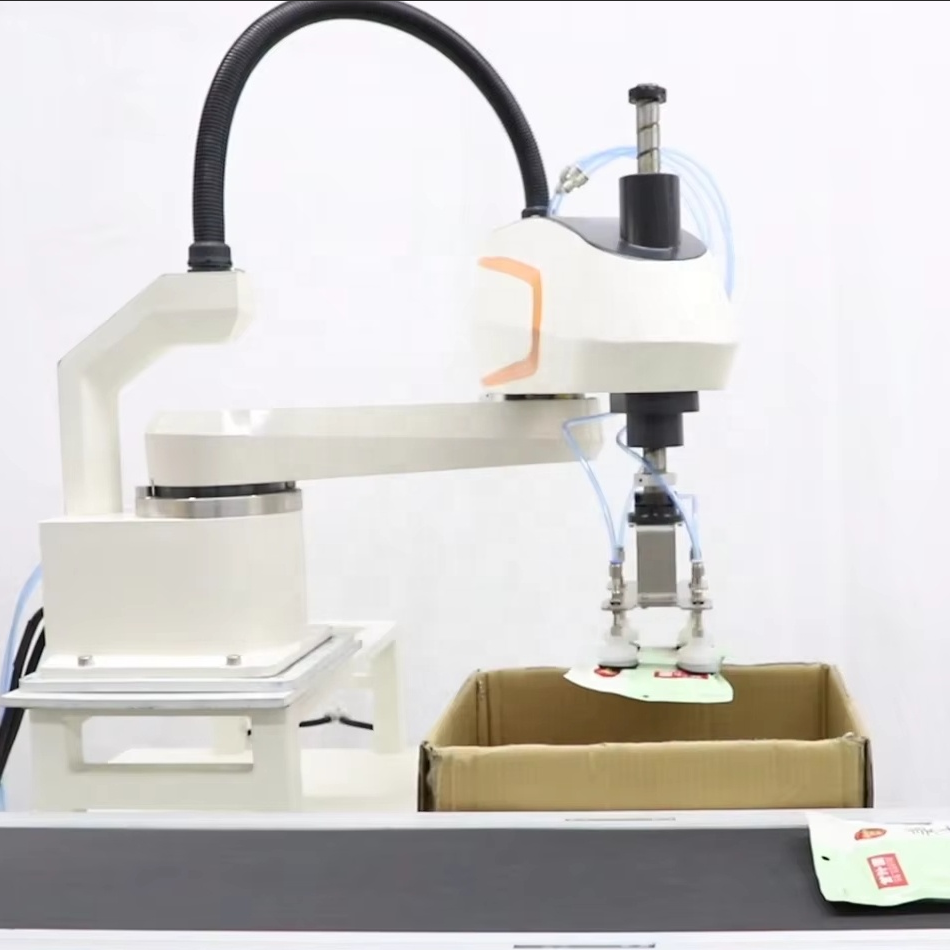
Newly Design Industrial Articulated Robotic Arm Scara for Precision Assembly & Handling
Recommended for compact planar assembly, insertion and wafer-adjacent transfer where repeatable placement and a small footprint matter.
View Product →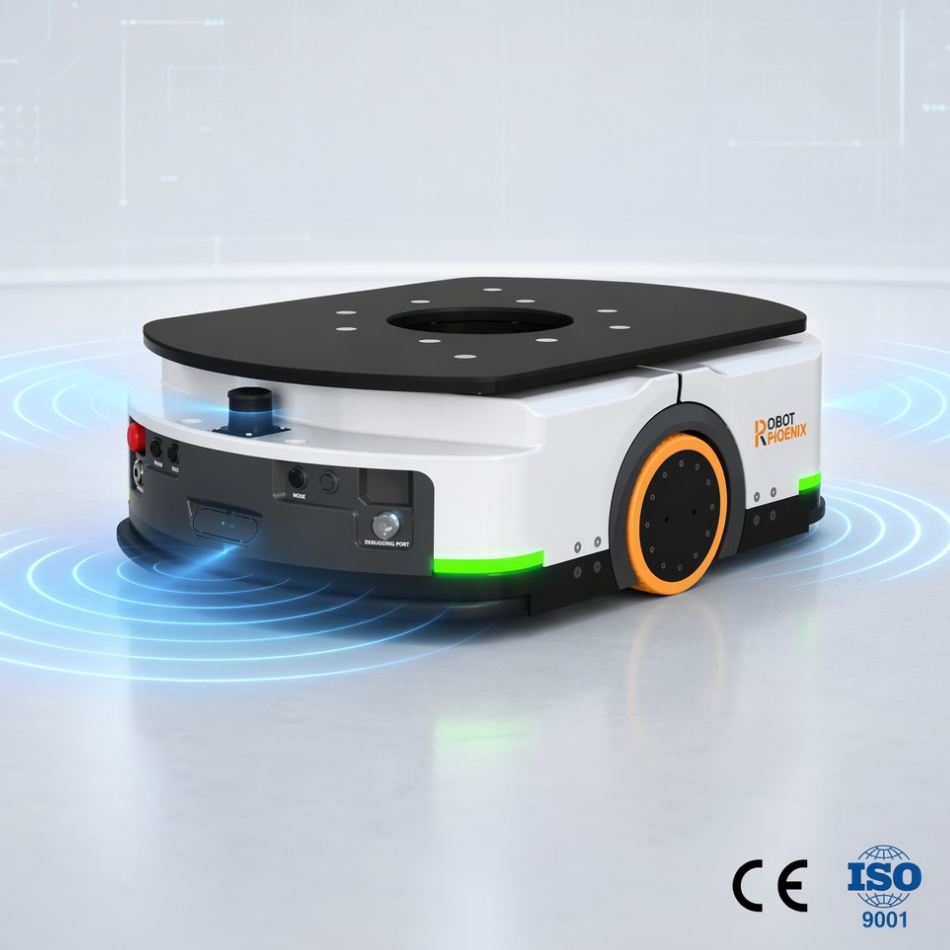
Compact and Latent Mobile Robot AGV for Narrow Aisle Warehouse and Factory Transportation
Useful for Caloocan facilities with constrained floor space, where material must move between stations without a wide automated-guide-vehicle aisle.
View Product →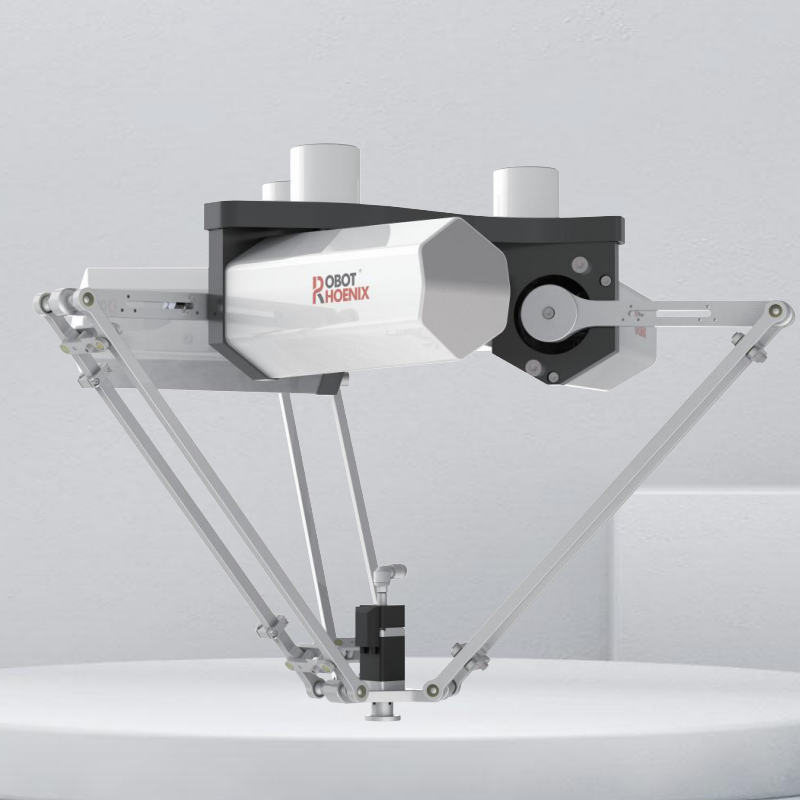
Robotphoenix New Design Industrial Robot Delta 6kg Payload 0.08mm Repeatability 2/3/4 Axis
Recommended for high-speed pick-and-place, tray transfer, inspection sorting and small-part handling where cycle time is a production bottleneck.
View Product →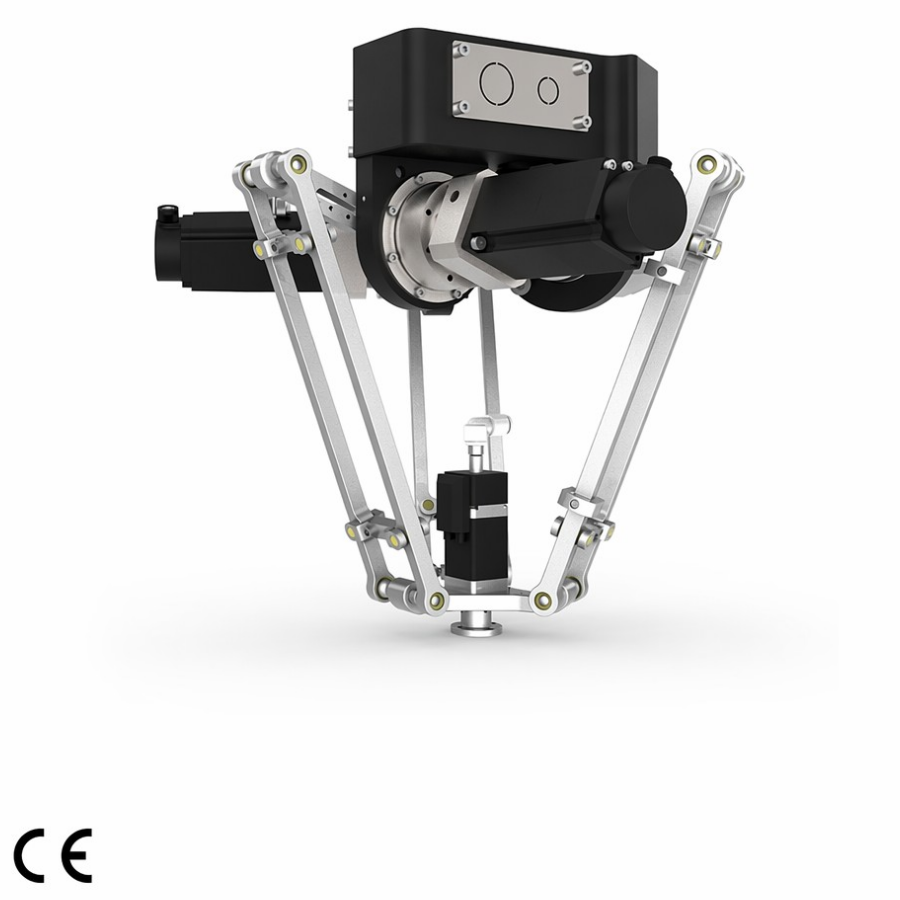
High Speed Consumer Goods Industries Bottle Unscrambling Machine Component Delta Robot
A practical choice for Caloocan consumer-goods and packaging exporters that need fast, repetitive component orientation and line-side transfer.
View Product →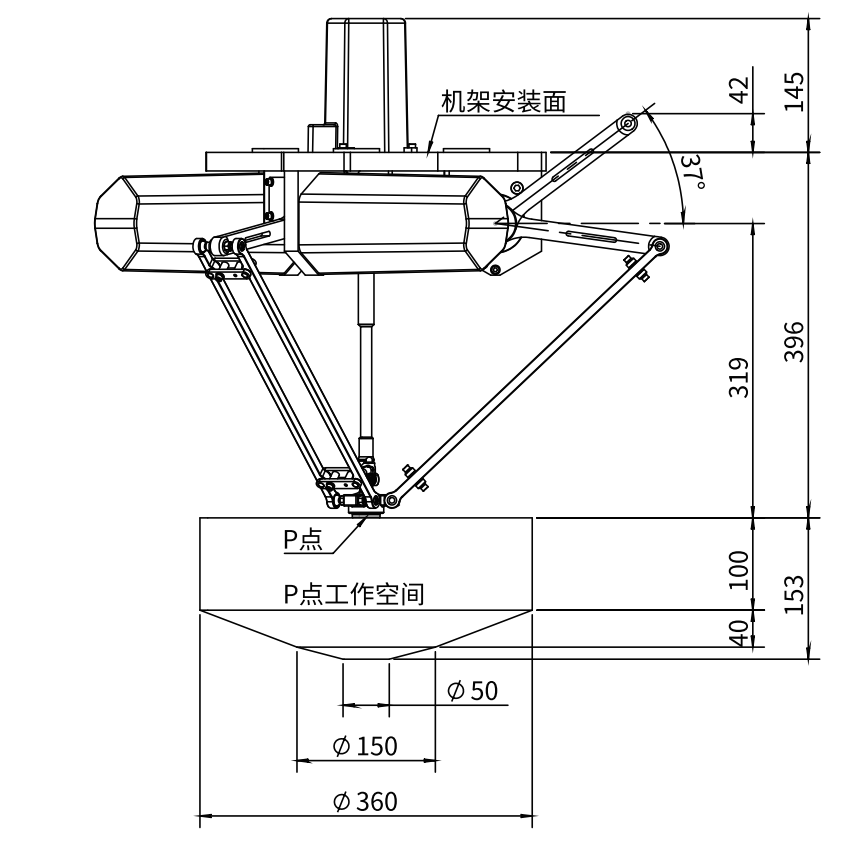
Hot Selling Parallel Robot Delta Industrial Robot Arm for Material Gripping Sorting
Recommended for vision-guided gripping, sorting and placement of small components, trays or packaged parts in high-mix electronics support lines.
View Product →
High Speed 3kg Load Industrial Delta Robot Arm with IP54 Protection for Robotic Pick& Place
Suitable for repetitive pick-and-place in dust-controlled packaging, electronics and light assembly cells where wash-down is not required.
View Product →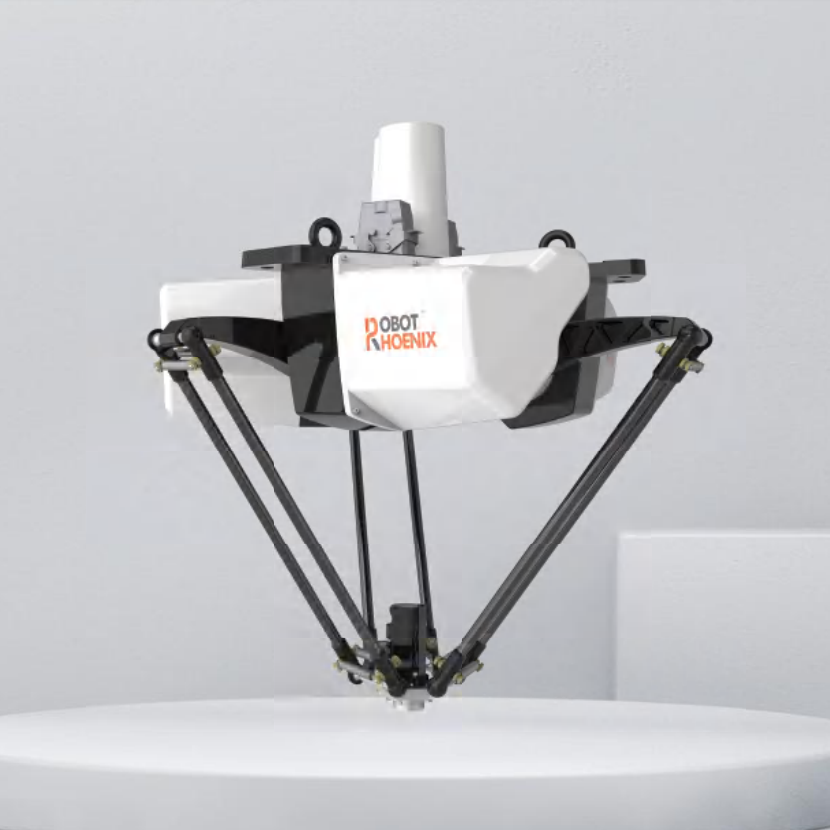
Robotphoenix New 4-Axis Parallel Robot Arm Delta Spider Hand Robot for Carton Packer Line
Recommended for end-of-line carton packing, product transfer and packing-line integration where the robot must work with PLC-ready machine sequences.
View Product →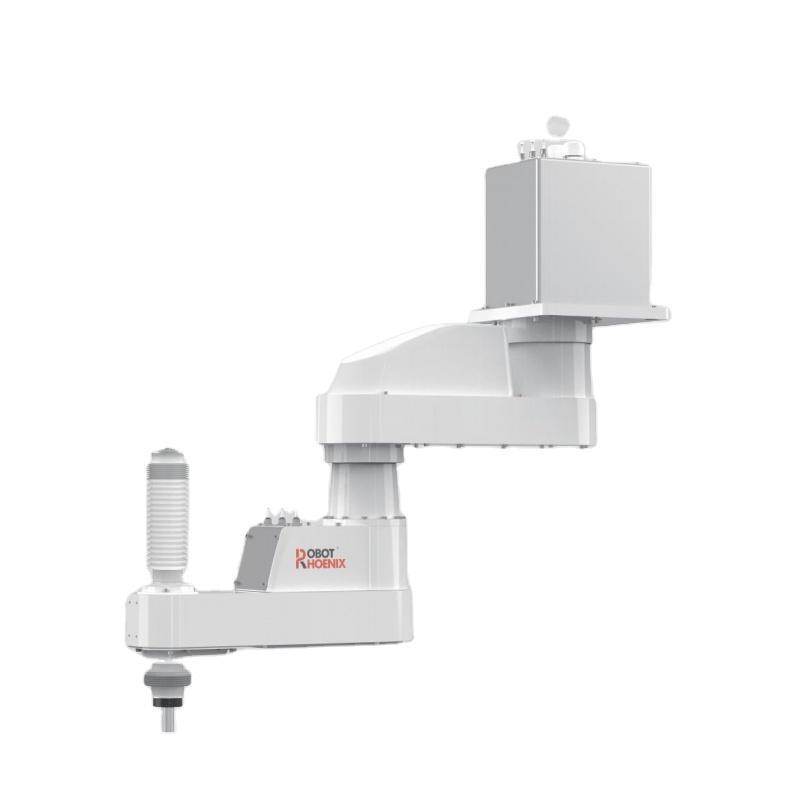
Compact Structure High Precision 550mm Reach Radius 3kg Payload 4-axis SCARA Robot
A strong fit for compact electronics cells, small substrate handling and precise placement where a 3 kg payload and 550 mm reach match the layout.
View Product →Silicon Wafer Handling Robot Exporter & Exporters Serving Caloocan: What to Match Before You Buy
Caloocan is a dense Metro Manila manufacturing and logistics environment. Buyers here often need a robot that fits an existing building, works with a local integrator, and still satisfies the documentation expectations of overseas electronics customers.
For a Caloocan machine builder, electronics exporter, solar assembler, packaging converter or warehouse operator, a silicon wafer handling robot should be specified around the complete transfer task rather than the arm alone. The real questions are: what is being transferred, how fragile is it, how clean must the environment be, how often does the recipe change, and which system owns the safety and handshake logic? A wafer cassette moving between load ports has different requirements from a tray of small components moving into a vision inspection station. One may need a smooth edge-contact end-effector and particle-conscious motion; the other may need high-speed delta picking with vision-guided correction. Both can be served by the same engineering team, but not by the same robot configuration.
The phrase exporter & exporters serving Caloocan should mean more than a shipping address. A reliable supplier should be able to support export packing, English documentation, electrical drawings, FAT/SAT planning, remote commissioning and a practical spare-parts route. JORI’s advantage is that delta, SCARA, wafer, AGV/AMR and autonomous forklift families are developed around in-house controllers and 2D/3D vision, so the mechanical arm, motion layer and vision layer can be reviewed as one coordinated system. That reduces the risk of finger-pointing when a Caloocan integrator commissions a cell under a tight production schedule.
Wafer handling is also an information problem. Before a quotation can be meaningful, the buyer should send wafer or substrate dimensions, carrier type, end-effector concept, cleanroom class, ESD requirements, target throughput, load-port height, host interface and floor plan. If the robot will connect to a semiconductor tool, the integration scope must be defined early: digital I/O, safety interlocks, recipe download, traceability records and, where required, communication protocols between the tool and the cell controller. For packaging or electronics lines, the scope may instead involve PLC handshakes, conveyor encoders, vision triggers and reject logic. The more precisely these points are written down, the fewer surprises remain at factory acceptance testing.
Engineering Details That Improve a Caloocan Wafer-Robot RFQ
- Wafer, substrate or tray size, material, weight and allowable edge contact
- Cleanroom class, ESD grounding, particle sensitivity and cleaning protocol
- Cassette, FOUP, magazine, tray or conveyor interface dimensions
- Cycle time, uptime target, changeover frequency and recipe count
- Controller, PLC, vision, safety relay and host-tool communication scope
- Voltage, air supply, floor space, access route and operator training needs
Where Silicon Wafer Handling Robots Fit in Caloocan & Greater Metro Manila
Caloocan projects rarely exist in isolation. They connect to nearby electronics, semiconductor, solar, packaging and logistics corridors across Metro Manila, Cavite, Laguna and Central Luzon.
Semiconductor Back-End & Electronics Assembly
Use SCARA and delta robots for tray transfer, precision insertion, inspection sorting and small-part assembly in electronics cells serving Caloocan and nearby industrial parks.
Solar Cell & Wafer-Adjacent Lines
For photovoltaic and thin-substrate support processes, smooth motion, edge handling and contamination control matter more than maximum payload.
Cleanroom Tray & Cassette Transfer
Wafer-adjacent cells can use compact SCARA or wafer-robot configurations to move carriers between load ports, buffers, metrology points and inspection stations.
Warehouse & Line-Side Replenishment
Laser-SLAM AMRs and latent AGVs reduce manual cart travel where Caloocan floor space is tight and traffic routes change between product families.
Machine Builders & OEM Integrators
JORI supports buyers with OEM service, design support, buyer-label options and PLC-ready robots for cartoning, lid applicator and packaging-machine integration.
Pilot Lines & Export Validation
MOQ from 1 set allows a Caloocan buyer to validate a single cell, collect cycle-time data and prepare customer samples before scaling to multiple lines.
Automation Trends Reshaping Wafer & Electronics Handling in Caloocan
Local buying behavior is moving toward compact, flexible and documentation-ready automation rather than oversized fixed lines.
Space-Aware Cell Design
Caloocan’s mixed industrial-residential footprint rewards compact SCARA cells, ceiling-mounted delta robots and low-profile AGVs that preserve aisles and operator access.
Multi-Shift Continuity
Exporters need repeatable output across shifts. Robots reduce dependence on manual transfer pace and help maintain consistent handover between production teams.
Traceability & Cleanroom Discipline
Overseas customers increasingly ask for process records, maintenance schedules and contamination-control evidence. Robot documentation becomes part of the export package.
High-Mix, Lower-Volume Flexibility
Caloocan machine builders increasingly run multiple recipes on one platform. Programmable robot cells with vision and quick end-effector changeover support that shift.
Quick Selection Guide: Match the Robot Family to the Caloocan Task
Use this comparison to shortlist the right robot family before requesting a model recommendation and end-effector review.
| Robot Family | Best For | Key Figures | Choose It When |
|---|---|---|---|
| Series 05Wafer Handling Robot | Wafer, cassette, tray and thin-substrate transfer in clean or contamination-conscious lines | Custom end-effectors · smooth motion · self-developed control and vision options | The handling task is fragile, particle-sensitive or requires a cleanroom-matched interface. |
| Series 01Delta Robot | High-speed picking, sorting, labeling and cartoning | 3–6 kg payload · 0.08 mm repeatability on selected models · up to 120 pcs/min labeling capability | Light products arrive randomly on a conveyor and cycle time is the main bottleneck. |
| Series 02SCARA Robot | Planar assembly, insertion, precise placement and compact electronics cells | 4-axis · 3 kg payload options · 550 mm reach models · compact footprint | The cell needs accurate horizontal motion inside a small guarded area. |
| Series 03AGV / AMR | Material transport between stations, warehouses and line-side buffers | 400–500 kg payload options · laser SLAM navigation · fleet management | Operators spend hours pushing carts and the route layout changes often. |
| Series 04Autonomous Forklift | Pallet handling, warehouse shuttling and repetitive dock-to-storage movement | Laser SLAM navigation · Camel Series platform · site-layout planning support | Repetitive pallet transport runs across shifts and labor availability is unstable. |
Why JORI Is a Reliable Silicon Wafer Handling Robot Exporter for Caloocan Buyers
Authority in wafer-adjacent automation comes from engineering control, transparent factory information and documented export support — not from a catalogue alone.
JORI Intelligent Technology Co., Ltd. was founded in 2012 in Jinan, Shandong, China, and operates as a high-tech manufacturer focused on industrial robot R&D, controller and 2D/3D vision development, OEM support and automated system integration. For a Caloocan buyer comparing exporters, this matters because the robot, controller and vision layer can be coordinated by one engineering source. The company’s original factory model also means project discussions can move beyond trading-company descriptions of payload and reach into details such as motion tuning, I/O handshakes, end-effector design and acceptance-test planning.
JORI’s product family covers delta parallel robots, SCARA robots, silicon wafer handling robots, AGV/AMR platforms, autonomous forklifts, robot controllers and 2D/3D vision. The company reports more than 500 employees, a 10,000+ m² factory area, ISO 9001 quality management, onsite-verified manufacturer status, national patents and a 97.06% response rate with an average reply of 2 hours or less. Standard delta, SCARA and AMR/AGV platforms can be ordered from 1 set, which supports pilot-line validation before a Caloocan buyer commits to a larger rollout. OEM service, design service and buyer-label options are also available for machine builders and integrators.
For export projects, the practical value is in the boring details: consistent English documentation, export packing, spare-parts lists, electrical drawings, test records and a clear path for technical questions after shipment. Accepted delivery terms include FOB, CFR, CIF, EXW, CIP, FCA, CPT and express delivery. Accepted payment methods include T/T, L/C, credit card, PayPal, Western Union, MoneyGram and escrow, with multiple currencies available. Final terms depend on the robot model, end-effector scope, destination and project schedule, so buyers should confirm them in the quotation.
In-house R&D: robot, controller and 2D/3D vision development under one engineering team.
Original factory: production and testing for delta, SCARA, wafer, AGV/AMR and forklift families.
Quality system: ISO 9001 quality management and onsite-verified manufacturer credentials.
OEM support: design service, buyer-label options and custom end-effector discussions.
MOQ 1 set: standard robot platforms support single-cell and pilot-line validation.
Responsive export team: 97.06% response rate and average reply within 2 hours.
Verify JORI before you buy: company profile, factory video, supplier assessment, credit profile and trade capacity are available for buyer review.
Common Procurement Questions From Caloocan Exporters & Integrators
These are the questions that usually determine whether a wafer handling robot project moves from inquiry to a workable technical proposal.
What should a silicon wafer handling robot exporter serving Caloocan provide?
Can JORI ship a wafer handling robot to Caloocan, and which route is normal?
What technical details should I send for an accurate robot recommendation?
Is the minimum order quantity really 1 set?
Can the end-effector and cleanroom compatibility be customized?
Can JORI robots integrate with existing packaging machines or semiconductor tools?
What about lead time, payment terms and export documents?
How fast does JORI respond, and how should a Caloocan buyer start?
Request a Caloocan-Specific Wafer Robot Recommendation
Send wafer or carrier dimensions, target throughput, cleanroom class, existing PLC/tool interface and a layout sketch. Our engineering team will review the robot family, end-effector direction, export packing and next quotation step.
info@joribot.com