Eight Robot Configurations for Dallas Food and Packaging Lines
These are factory-direct models for Dallas wholesalers, co-packers and machine builders evaluating high-speed pick-and-place, precision handling and narrow-aisle intralogistics. Standard models can be ordered from one set, then scaled into multi-line projects.
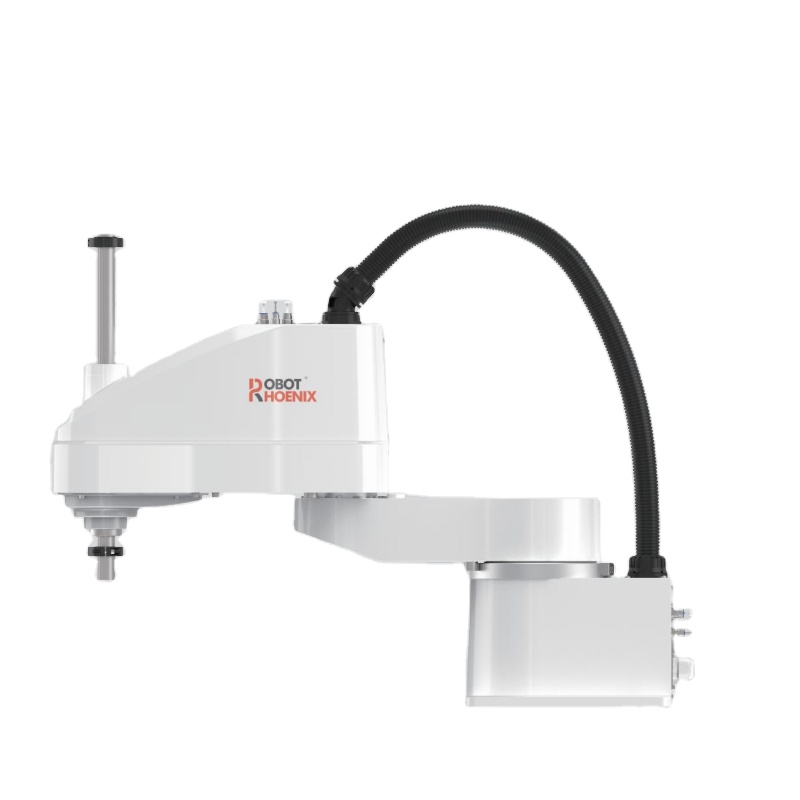
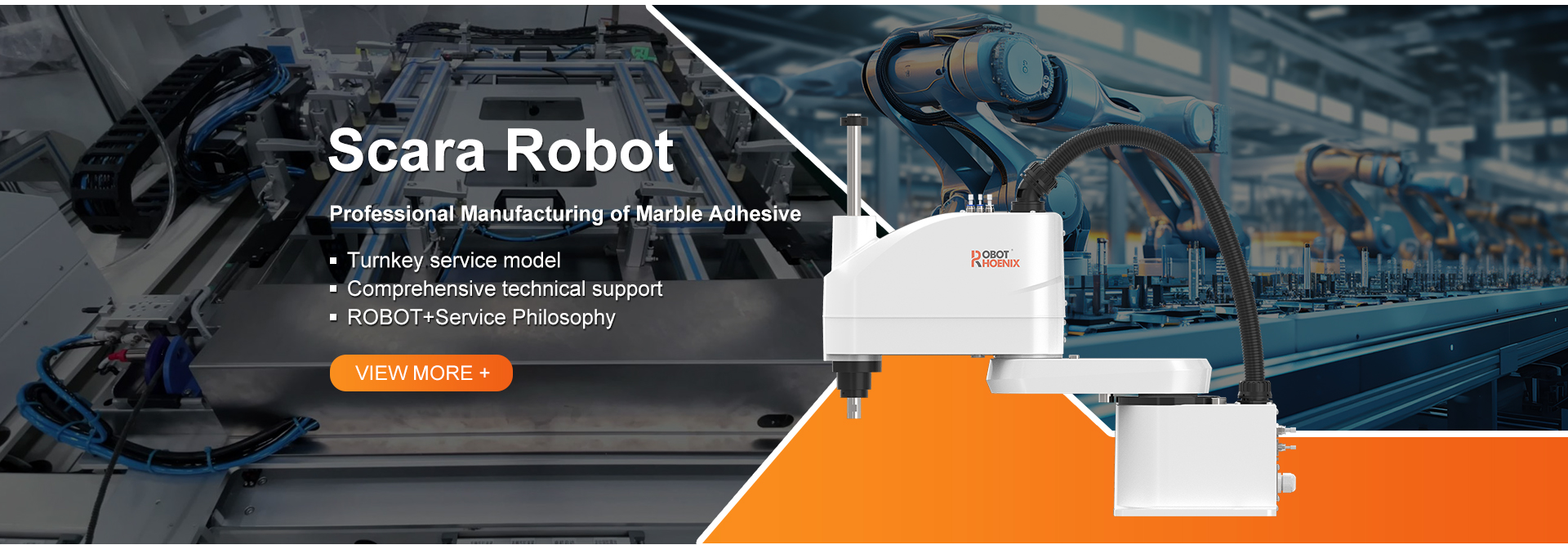
Advanced Industrial 4 Axis Robot Scara Robot for Pick and Place in Food Industry Gripping
A compact SCARA for repetitive gripping, tray loading and end-of-line placement where Dallas ready-meal plants need repeatability without a large cell footprint.
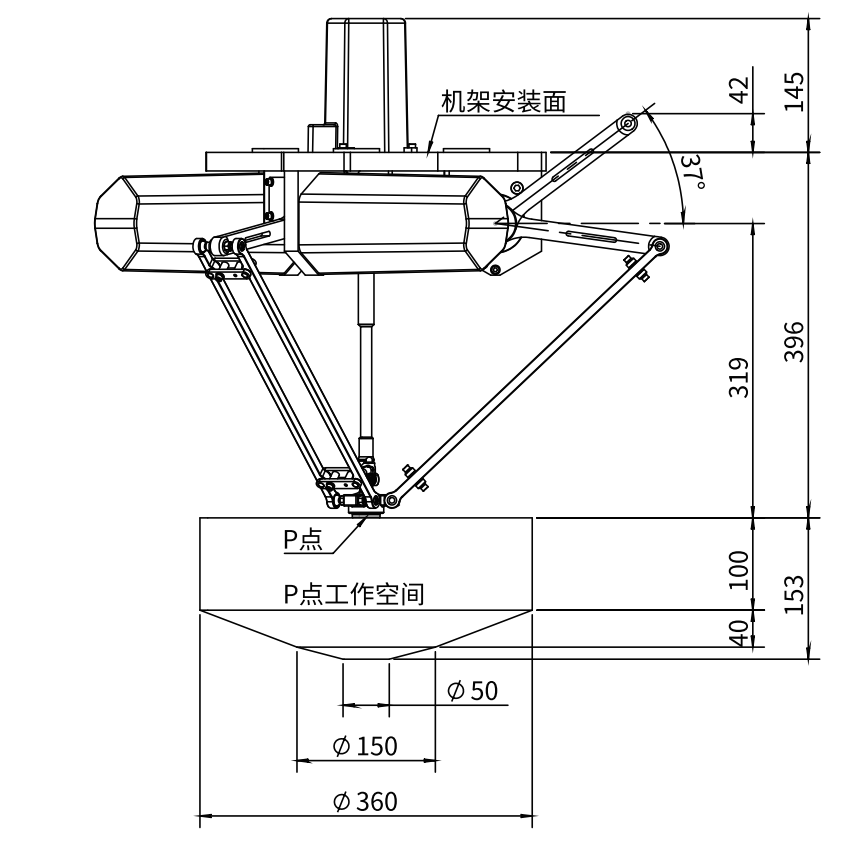
Hot Selling Parallel Robot Delta Industrial Robot Arm for Material Gripping Sorting
Best for high-speed sorting of wrapped snacks, bakery items and cartons from a moving conveyor, with vision-ready picking for random orientation.
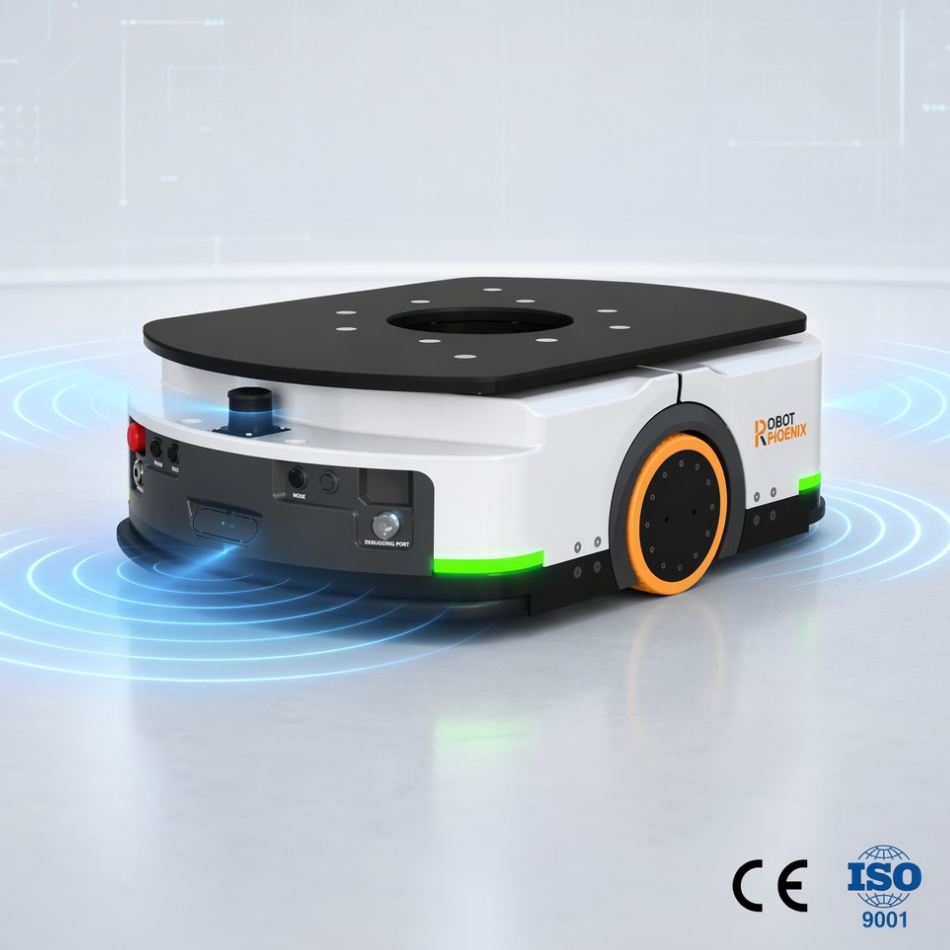
Compact and Latent Mobile Robot AGV for Narrow Aisle Warehouse and Factory Transportation
A low-profile latent AGV that fits under carts and racks, ideal for Dallas cold-chain warehouses and older food plants with tight aisles.
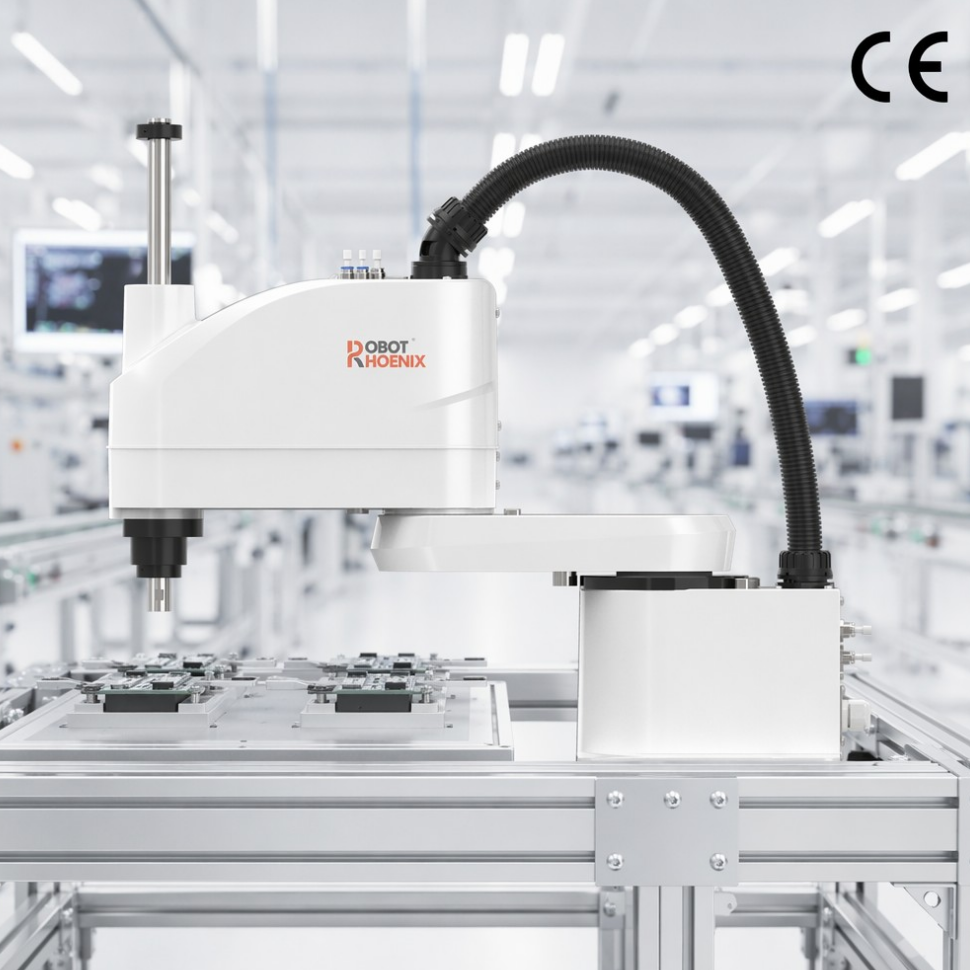
High Speed and Accuracy Newly Developed Industrial Robot Arm Four Axis Scara Robot
For Dallas packaging lines that need fast 4-axis motion in labeling, small-part placement, inspection and high-output end-of-line handling.
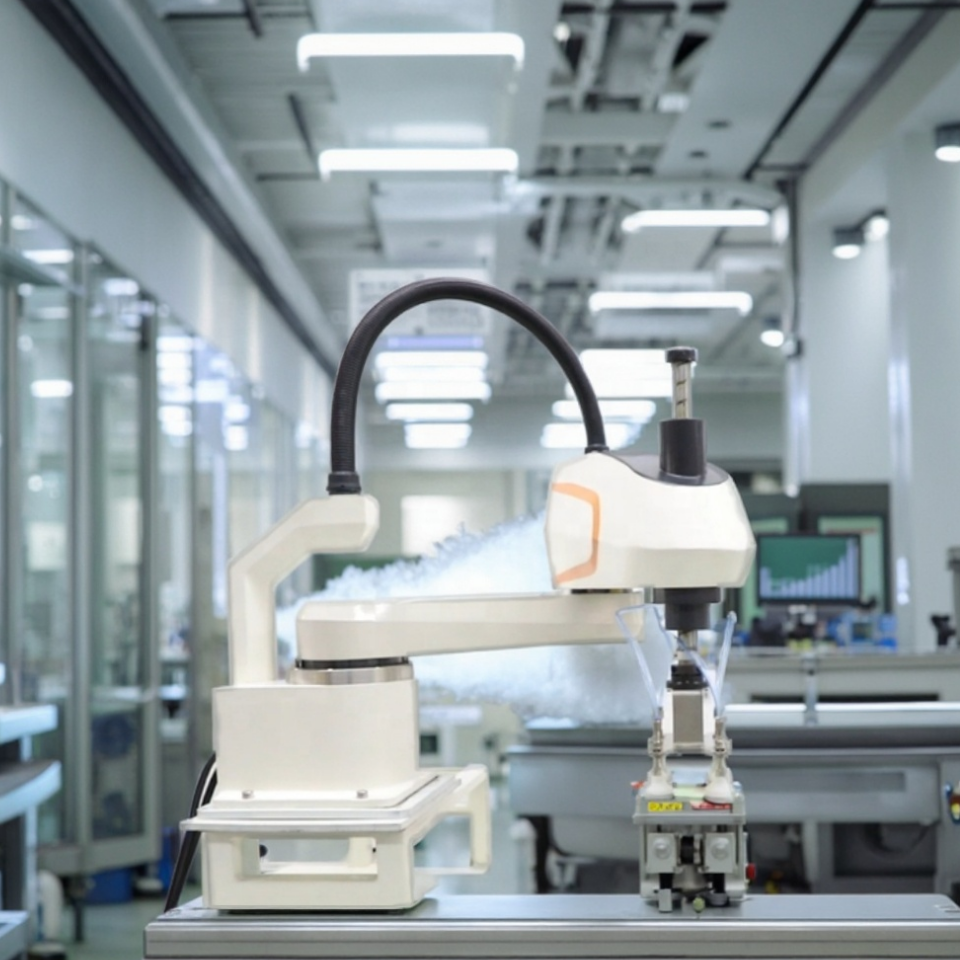
Industrial 4-Aixs Robot Arm Scara Robot Arm with Vision System for Auto Parts Industry
A vision-based SCARA for precise orientation, inspection and placement; useful for Dallas machine builders adapting vision cells to packaged goods and components.
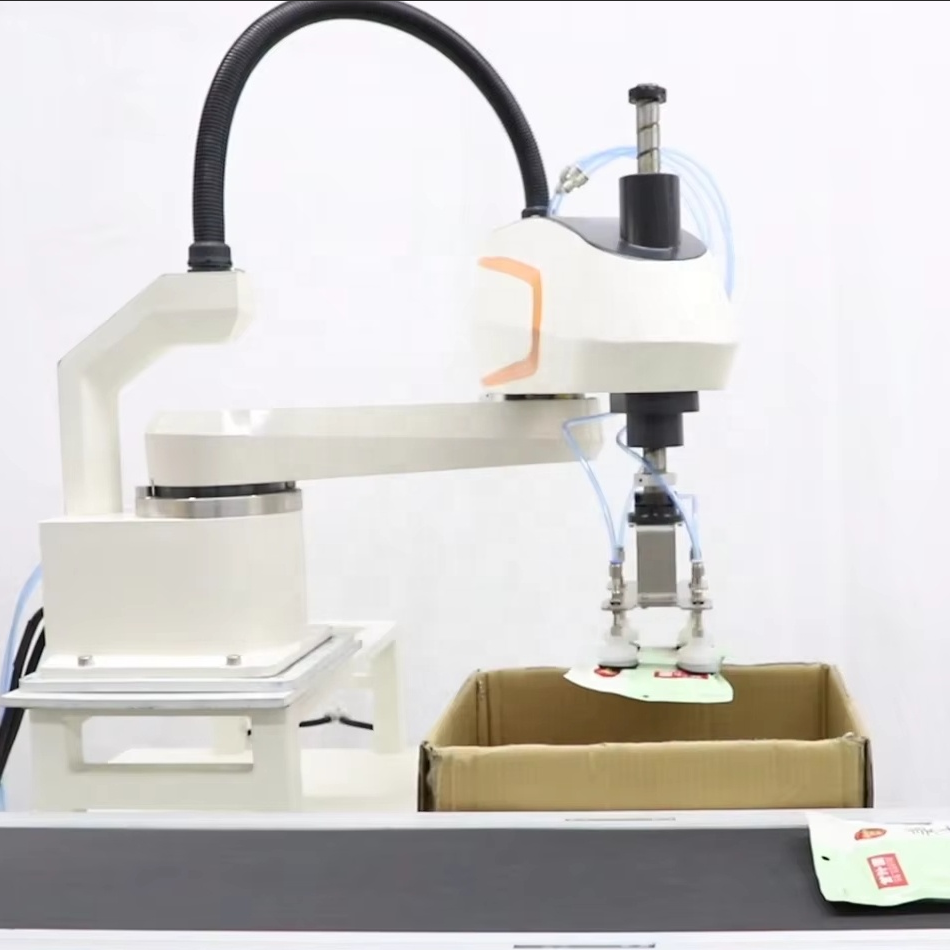
Newly Design Industrial Articulated Robotic Arm Scara for Precision Assembly & Handling
For precise insertion, assembly and handling tasks in packaging machinery and high-care production cells where repeatable motion matters.
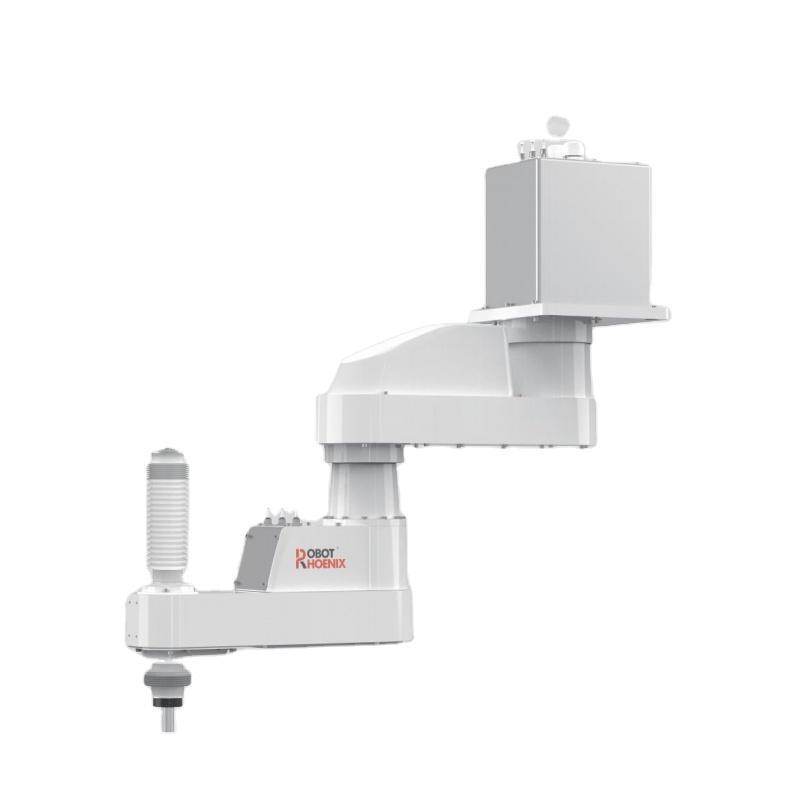
Compact Structure High Precision 550mm Reach Radius 3kg Payload 4-axis SCARA Robot
A space-saving 3 kg / 550 mm model for small-part handling, sachet placement and inspection cells in Dallas facilities with limited floor space.
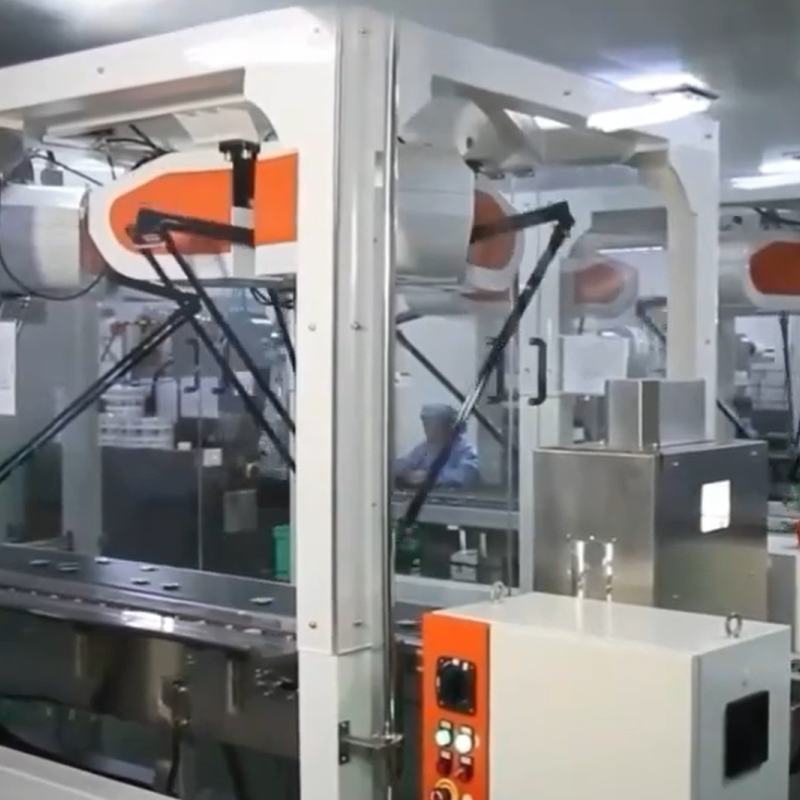
6kg Payload IP54 Protection Grade Pick Place Sorting Parallel Robot with Robot Gripper
A 6 kg parallel robot with IP54 protection for splash-prone secondary packaging, bagged snacks and multi-pack gripper applications.
Factory-Direct Robot Supply for Dallas Food Plants — Not a Catalog Reseller
JORI Intelligent Technology Co., Ltd. has manufactured industrial robots in Jinan, Shandong, China, since 2012. The company develops delta parallel robots, SCARA robots, AGV/AMR platforms, autonomous forklifts and wafer-handling robots, along with its own robot controllers and 2D/3D vision systems. For Dallas buyers, that vertical engineering model matters: the robot arm, controller, vision option and integration support can be coordinated by one accountable technical team instead of a chain of distributors.
Food processing projects in Dallas–Fort Worth rarely fail because of payload alone. They fail when cycle time, changeover, sanitation, end-of-arm tooling, line layout and local maintenance access are not designed together. JORI’s factory-direct model supports machine builders, co-packers and wholesale buyers with OEM service, buyer-label options, custom end effectors, PLC-ready integration and automated system integration. Standard models can start from one set, so a Dallas plant can validate a single cell before rolling automation across multiple shifts or facilities.
- In-house R&D since 2012
- Original factory for delta, SCARA and AGV
- ISO 9001 quality management
- Onsite-verified supplier profile
- National patents on robot technology
- OEM, design and private-label support

Founded · R&D-driven robot manufacturer
Employees supporting engineering and production
m² factory area for robot manufacturing and testing
Response rate · average reply ≤2 hours
Where Food Processing Robots Deliver ROI in the Dallas Market
Dallas is a distribution and food-manufacturing gateway for Texas and the South-Central United States. The most practical automation projects are usually repetitive, space-constrained or labor-sensitive cells — not fully lights-out factories on day one.
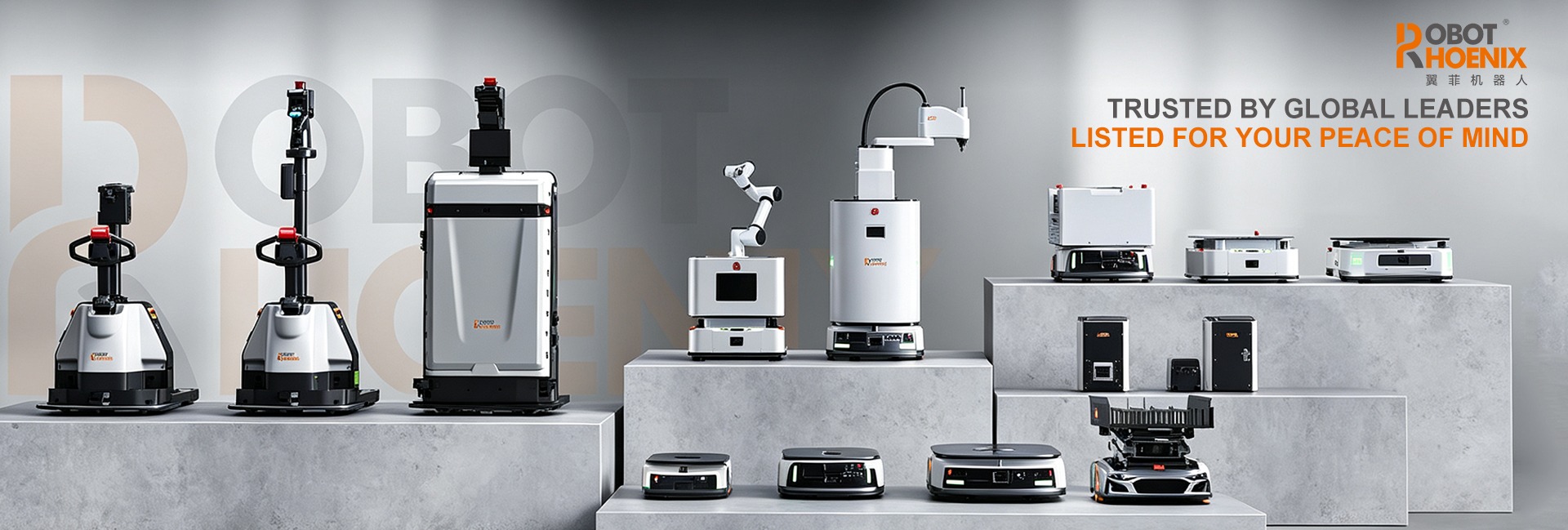
Ready-Meal and Protein Tray Loading
Vision-guided delta robots can pick sealed trays, bakery items or portion packs from a conveyor and place them into cartons or meal kits. In Dallas co-packing plants, this is often the first cell because it reduces repetitive wrist motion and stabilizes output during peak retail seasons.
High-Speed Bakery and Snack Sorting
Delta and SCARA robots handle wrapped bars, snack bags and small cartons at conveyor speed. A Dallas bakery or snack manufacturer can combine vision with recipe-driven changeover so multiple SKUs run on one line without manual re-teaching for every pack style.

High-Care Secondary Packaging
For Dallas facilities supplying healthcare, personal care or hygienic consumer goods, SCARA and delta robots can support blister, vial, carton and lid placement. The key is to separate primary food-contact requirements from secondary packaging requirements and specify the end effector accordingly.
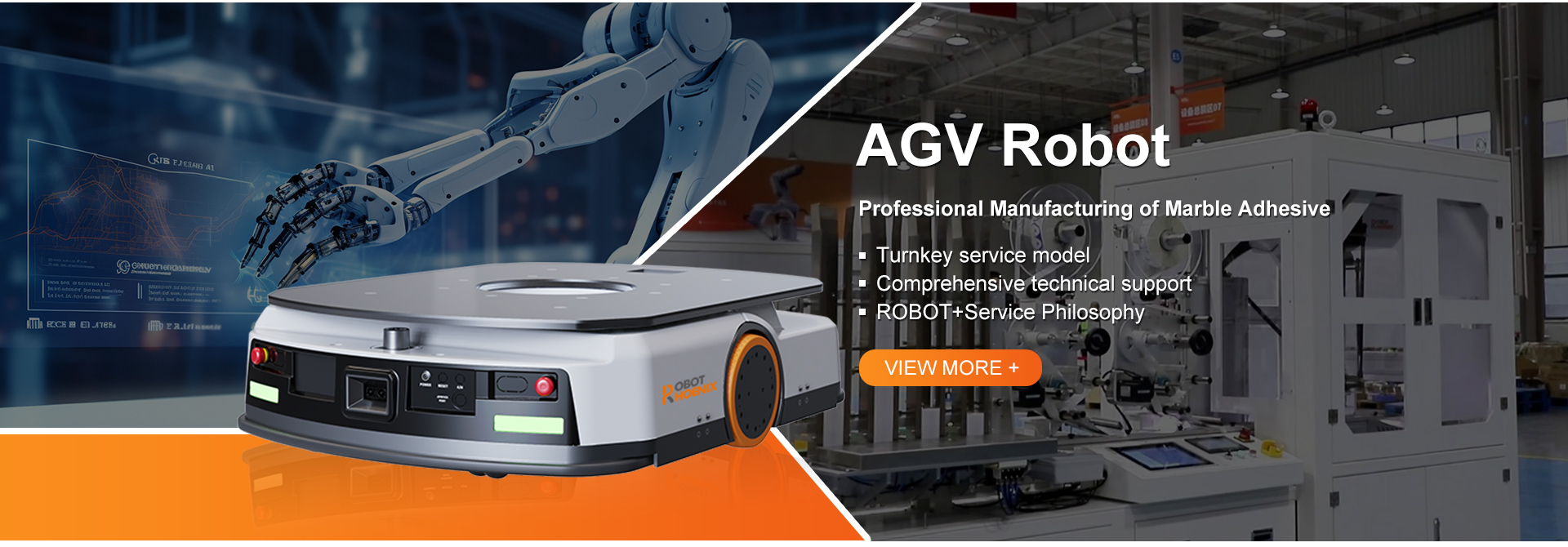
Cold-Chain and Warehouse Transport
Laser SLAM AMRs and AGVs reduce manual cart pushing between receiving, staging, blast chill and shipping. In older Dallas warehouses, a compact latent AGV can fit under existing carts and avoid costly conveyor changes.

Wet-Wipe, Lid and Carton Packing
JORI’s PLC-ready delta robots are used with cartoning machines, carton packers and wet-wipe lid applicator machines. For Dallas consumer-goods manufacturers, this supports fast lid placement and case packing with fewer missed cycles.
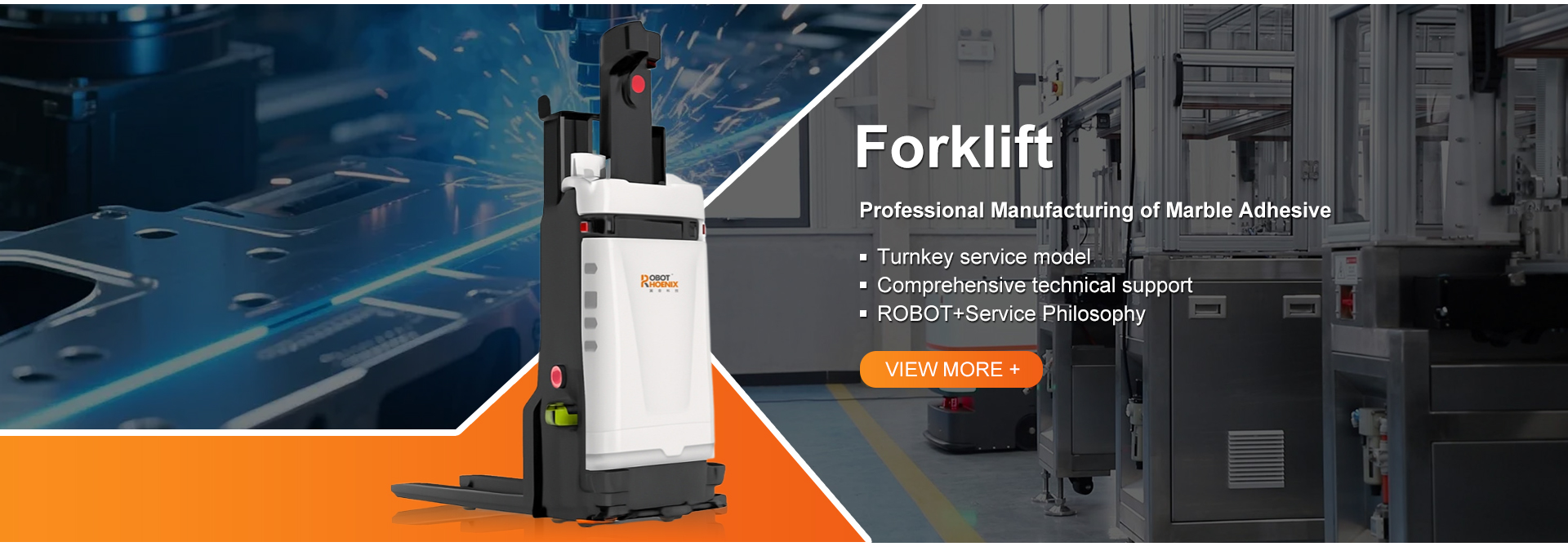
Pallet Shuttling with Autonomous Forklifts
Laser SLAM autonomous forklifts can take over repetitive pallet moves across shifts. In Dallas facilities with labor gaps on weekends or night shifts, the business case is often strongest for fixed routes between production, staging and trailer loading.
What Is Changing for Food Automation in Dallas–Fort Worth
Dallas buyers are not simply replacing labor with robots. They are redesigning lines for SKU variety, traceability and faster changeover while keeping maintenance teams productive.
Labor Volatility Is Driving Modular Cells
Dallas food plants often prefer a single robot cell that can prove ROI in weeks, then expand. Modular delta or SCARA cells reduce the risk of a large, unrecoverable automation project.
Cold-Chain and E-Commerce Growth
Dallas–Fort Worth continues to attract distribution and food e-commerce operations. That increases demand for pallet movement, case handling and warehouse robots that can work in existing aisle widths.
SKU Proliferation Requires Faster Changeover
Retail promotions and private-label programs create more pack sizes. Vision, recipe storage and quick-change grippers matter as much as payload when a Dallas line runs mixed SKUs.
Food Safety and Traceability Are Non-Negotiable
US food processors must design around FDA and USDA expectations, sanitary zoning and cleanability. A robot rated IP54 is not automatically a washdown robot; the entire cell, frame and end effector must match the zone.
Delta, SCARA or AMR? Choose by the Production Problem
Payload is only one specification. For a Dallas food line, match the robot family to the product presentation, cycle time, sanitation zone and available floor space.
Delta Parallel Robot
Best when lightweight products arrive randomly on a conveyor and cycle time is the bottleneck. Typical JORI configurations cover 3–6 kg payload, 0.08 mm repeatability, vision-guided picking and IP54 options.
SCARA Robot
Choose SCARA for planar assembly, insertion, labeling and precise placement in a compact footprint. Mini and 550 mm reach models are useful when the cell must fit into an existing packaging machine or inspection station.
AMR, AGV and Autonomous Forklift
Use mobile robots when material transport consumes operator time or when the layout changes. Laser SLAM reduces dependence on floor tape, and fleet management supports multi-robot traffic in larger Dallas warehouses.
Weight, size and temperature
Provide piece weight, dimensions, surface friction, package flexibility and whether the item is chilled, frozen or ambient.
Cycle time and pack pattern
Share required picks per minute, conveyor speed, orientation tolerance and the exact tray, carton or case layout.
Gripper and sanitation zone
Clarify vacuum, mechanical or soft gripper needs, washdown exposure, food-contact materials and changeover frequency.
Voltage, air and safety
Confirm 208/240/480 V supply, compressed air, guarding, network access and local integrator responsibilities for the final cell.
Why Dallas Wholesalers and Food Processors Work with JORI
A robotic cell is a long-term asset. Dallas buyers need a supplier whose engineering, quality records and export process can be verified before the purchase order — not only a low initial price.
In-House R&D and Patents
Delta, SCARA, AGV/AMR, wafer robots, controllers and 2D/3D vision are developed in-house and protected by national patents. That gives Dallas integrators a single technical source for hardware and control.
Original Factory and Scale
Founded in 2012, JORI operates a 10,000+ m² facility with 500+ employees. Buyers can review the company profile, trade capacity and transaction records before committing to a multi-unit project.
ISO 9001 and Onsite Verification
An ISO 9001 quality management system covers component inspection through final robot testing. The supplier profile is onsite-verified, with assessment, credit and buyer review links available for due diligence.
OEM, ODM and Buyer Labels
Machine builders and wholesalers can use OEM service, design service and private-label options. Custom end-effectors, controller integration and automated system integration are supported for Dallas projects.
Low-Risk Pilot and MOQ 1 Set
Standard delta robots, SCARA robots and AMR/AGV platforms can be ordered from one set. A Dallas plant can validate a single cell, collect cycle-time data and then scale with the same engineering team.
Export Documentation and Reply Speed
JORI reports a 97.06% response rate and average reply time of two hours or less. Accepted terms include FOB, CFR, CIF, EXW, CIP, FCA, CPT and express delivery, with flexible payment methods for export buyers.
Common Questions from Dallas Food Robot Buyers
These are the questions purchasing teams, plant engineers and integrators usually ask before requesting a quotation.
Can JORI ship a food processing robot directly to Dallas, Texas?
Which robot is best for high-speed food pick-and-place in Dallas?
Do I need a washdown robot for a Dallas food plant?
What about voltage, UL/CSA and safety compliance in the US?
What is the MOQ, and can I get OEM or private label?
How quickly does JORI respond, and which payment terms are accepted?
Planning a Food Robot Cell for Dallas–Fort Worth?
Send your product weight, pack pattern, target cycle time, sanitation zone and facility voltage. JORI’s engineering team can recommend a delta, SCARA or AMR configuration and prepare a factory-direct quotation for your Dallas project.