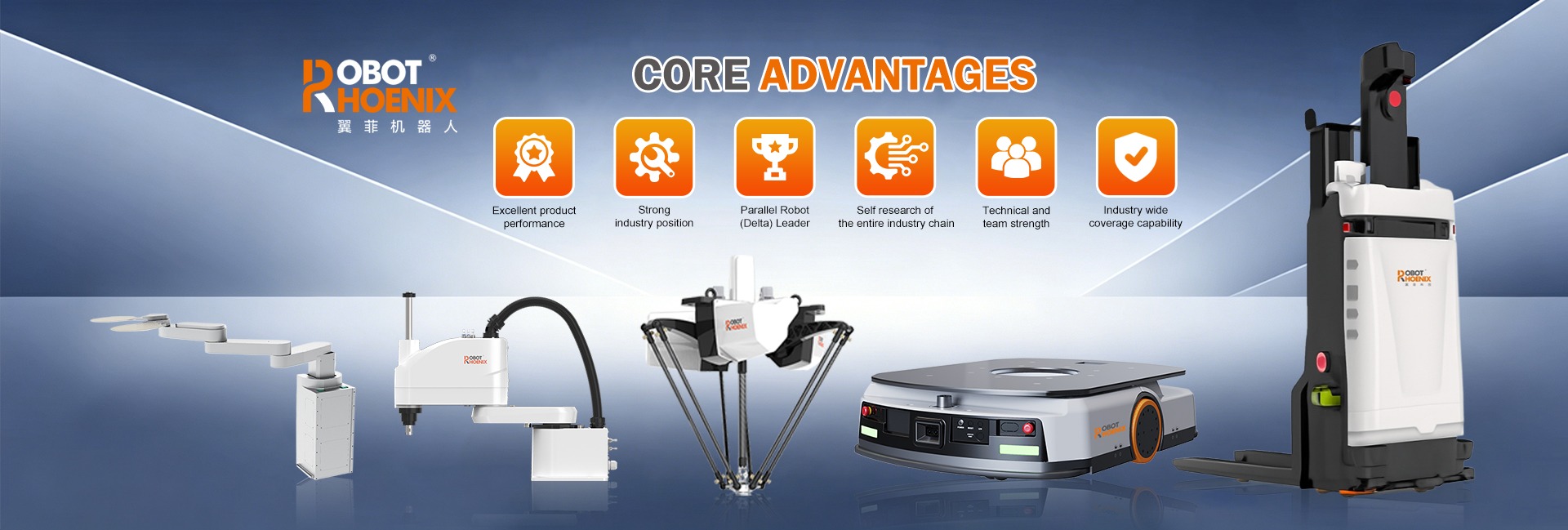
Top China Industrial Automation Robot Factory & Supplier serving the Vietnam market
In-house delta, SCARA, AMR, autonomous forklift and wafer robots for Vietnamese food, electronics, footwear, warehousing and export manufacturing — backed by ISO 9001, OEM engineering and fast technical response.
8 Production-Ready Robots for Vietnam’s Fastest Lines
Shortlist delta, SCARA and parallel robots for pick-and-place, sorting, assembly and packaging automation. Product images are displayed without compression, and every product URL is preserved so your engineering team can review the exact model.
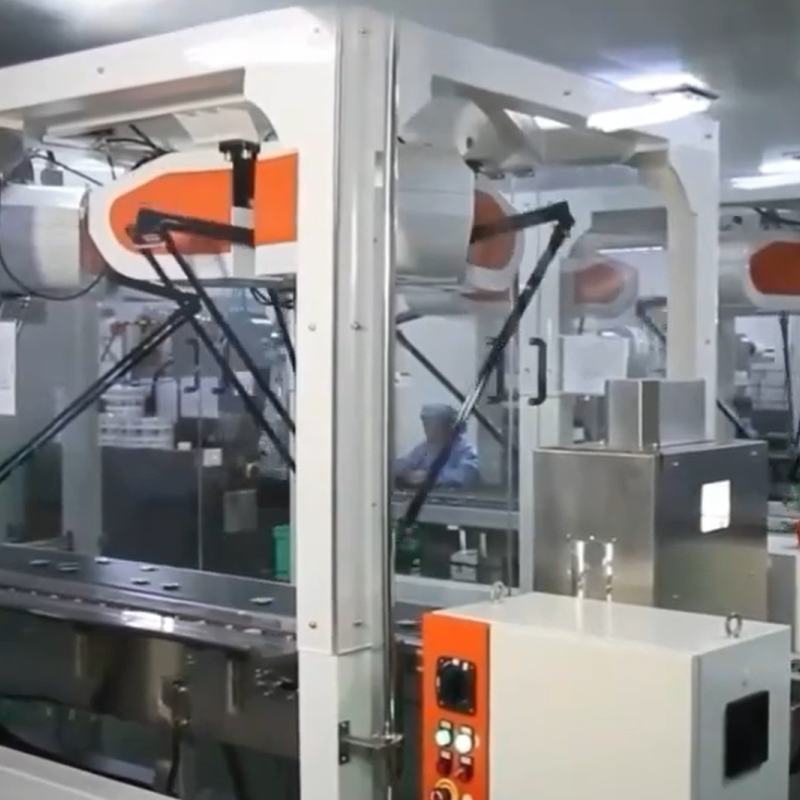
6kg Payload IP54 Protection Grade Pick Place Sorting Parallel Robot with Robot Gripper
Washdown-conscious parallel robot with gripper for wet-wipe lids, sachets, small components and conveyor-paced sorting.
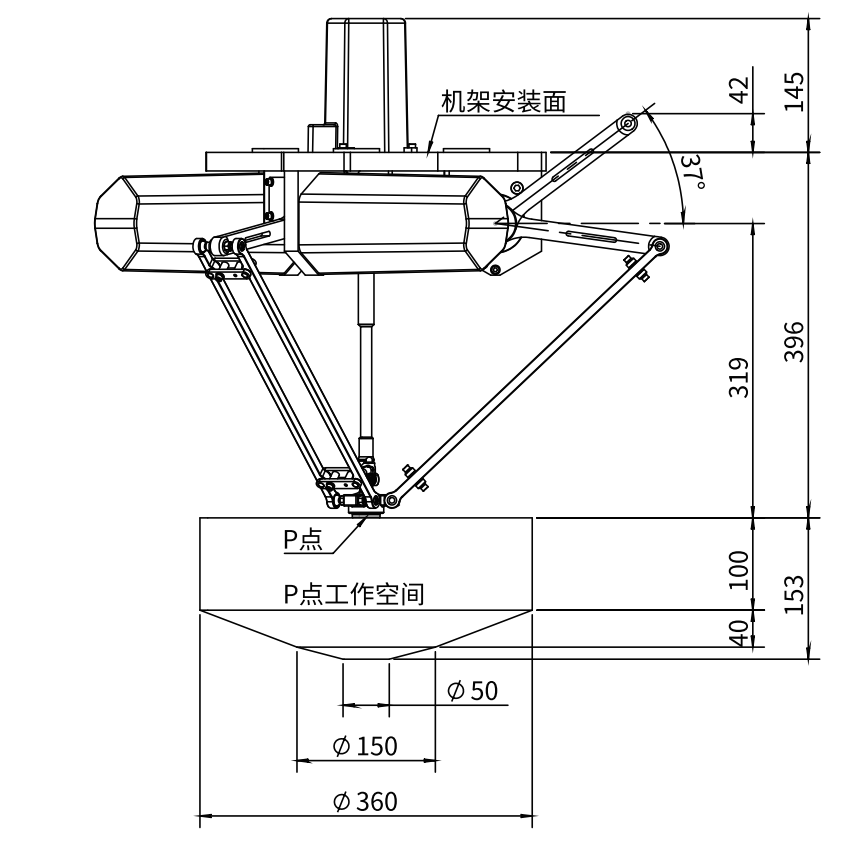
Hot Selling Parallel Robot Delta Industrial Robot Arm for Material Gripping Sorting
Delta industrial arm for material gripping and sorting where repeatability, uptime and simple integration matter.
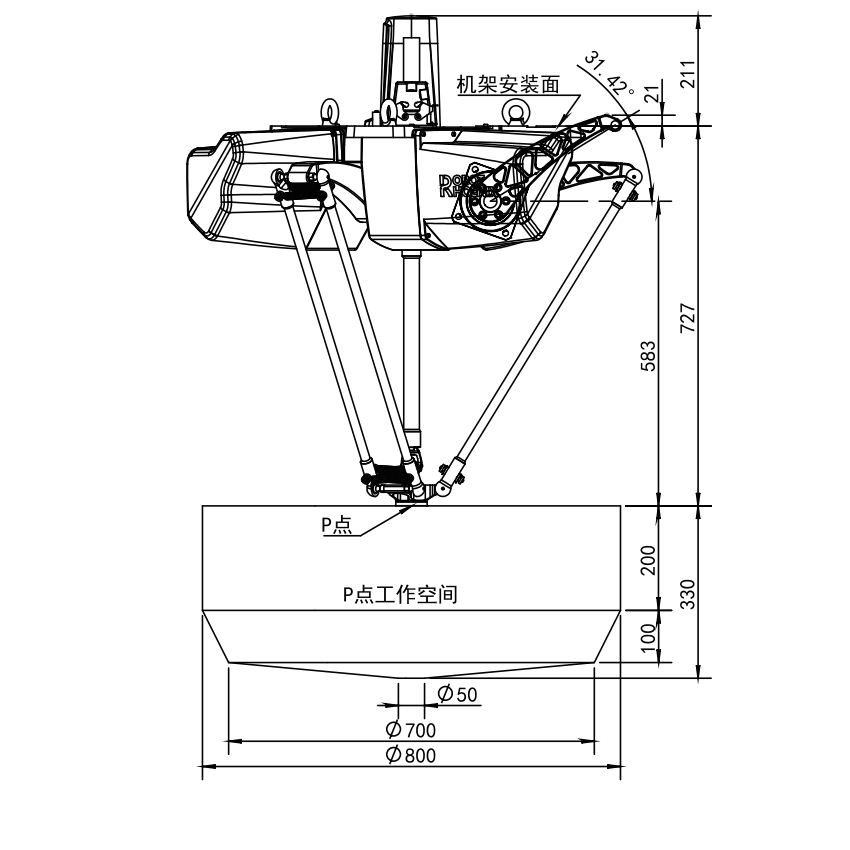
Industrial Delta Robot High Efficiency Parallel Robot for Goods Picking Placing Sorting
High-efficiency delta cell for fast-moving packaging and consumer-goods lines that need stable pick-and-place cycles.
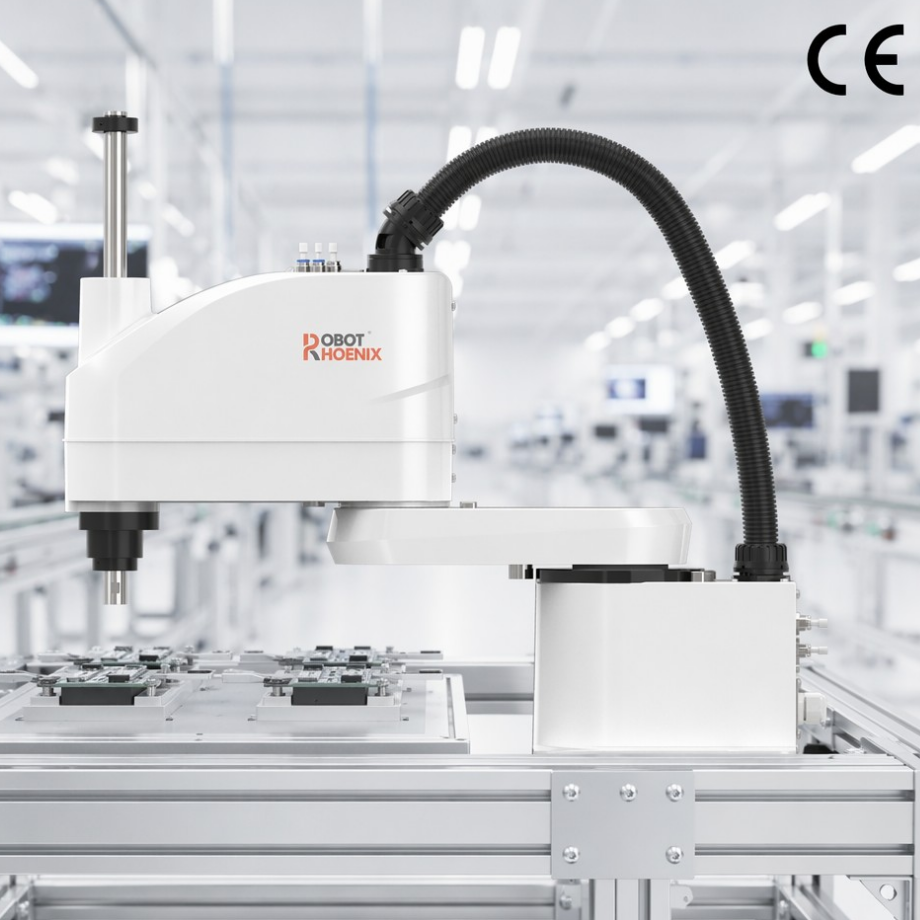
New Design Compact High Accuracy Industrial Robot Arm Scara with 2D/3D Vision System
Compact SCARA with 2D/3D vision for electronics, connectors and small assemblies requiring accurate planar placement.
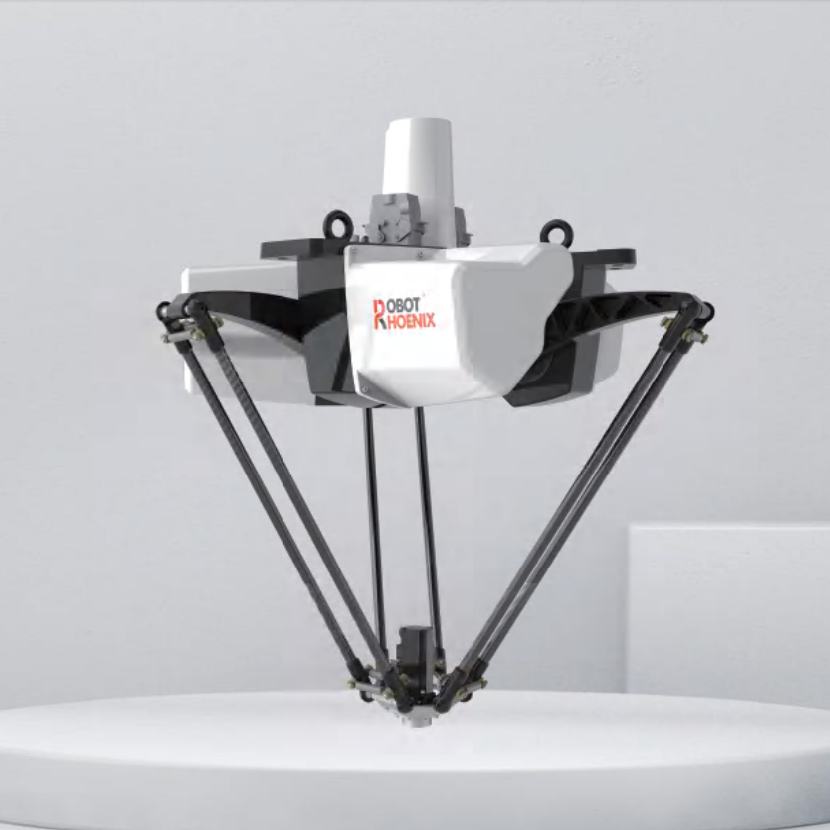
Robotphoenix 4 Arm Payload 3-6kgs Delta Robot for Pick Place Consumer Goods
Four-arm delta platform for 3–6 kg consumer goods; useful when one robot must feed multiple lanes or packing formats.
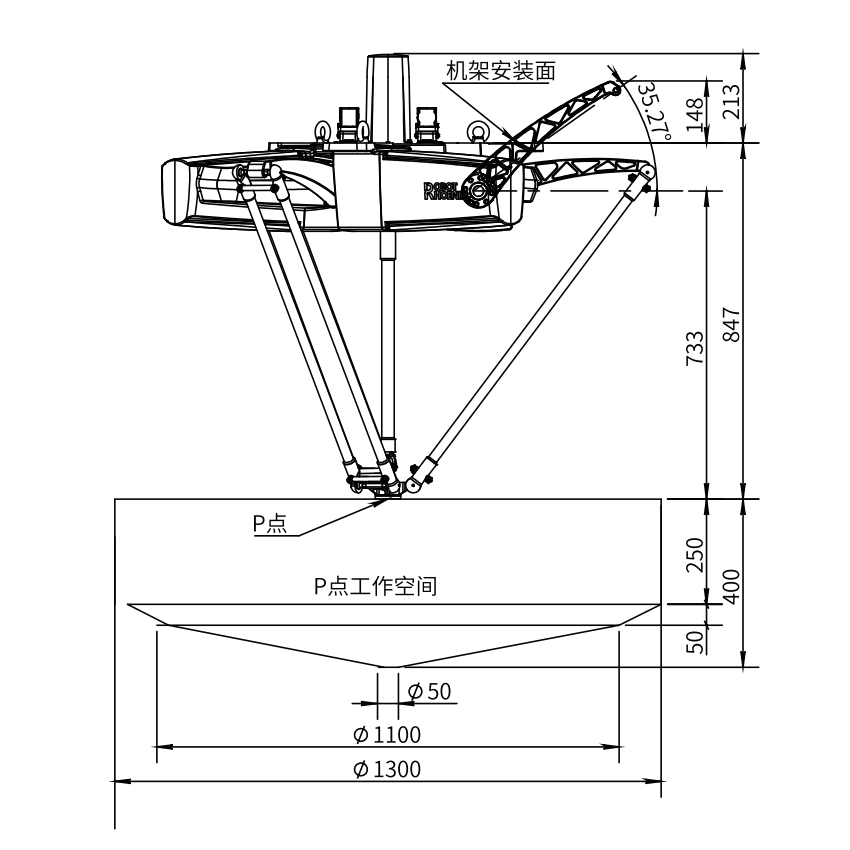
Industrial Robotic Arm Parallel Robot 2/3/4 Axis Delta Robot for Pick&Place Application
Flexible 2/3/4-axis parallel robot for pick-and-place cells where the machine builder needs integration freedom.
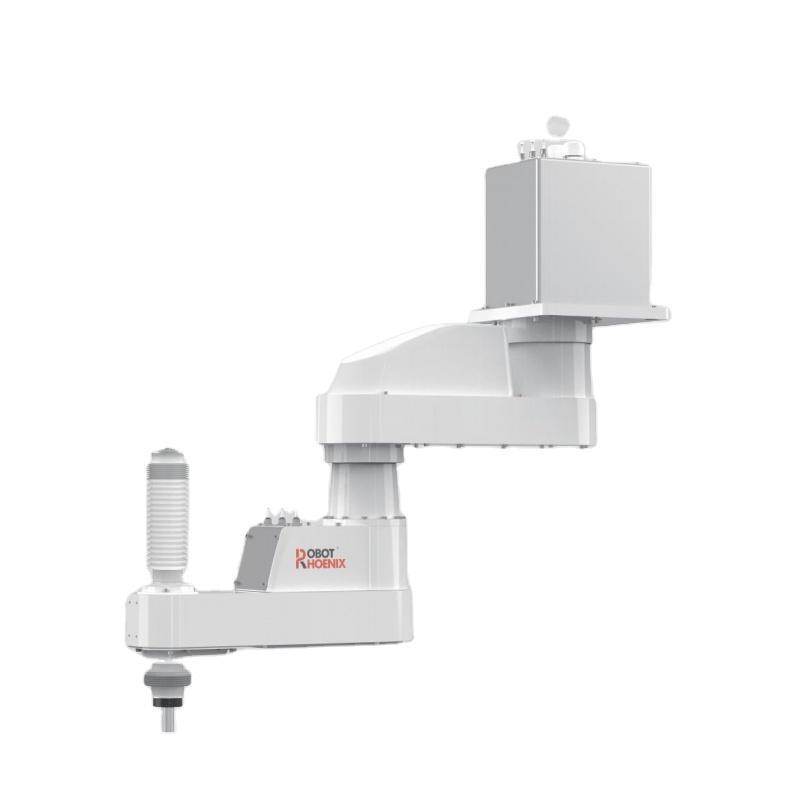
Compact Structure High Precision 550mm Reach Radius 3kg Payload 4-axis SCARA Robot
3 kg payload, 550 mm reach and a small footprint for tight cells, high-mix assembly and precise placement.

New Condition High-Speed Industrial Innovative Manipulator Delta Robot for Light Industry
High-speed delta manipulator for light-industry sorting, packing and inspection lines with frequent product changeover.
Have a part, video, drawing or target cycle time? Send it to our engineers for a cell-level recommendation — robot, gripper, vision, controller and safety scope.
Get a QuoteWhy Vietnam Needs Robot Cells Engineered for Real Production Pressure
Vietnam is no longer only a low-cost manufacturing base. It is an export-oriented production market where food safety, changeover speed, floor-space density and service response now decide whether automation pays back.
Industrial clusters around Bac Ninh, Thai Nguyen, Hai Phong, Hanoi, Da Nang, Ho Chi Minh City, Binh Duong, Dong Nai and Long An now host electronics, footwear, apparel, food processing, automotive parts and logistics operations serving both domestic demand and export markets. Plant teams are under pressure to hold quality stable while order mixes shorten, social-compliance audits increase, energy costs move and experienced operators become harder to retain. Automation is therefore judged on total cell performance, not only the robot’s headline speed.
JORI’s factory-direct model fits that brief because the robot arm, controller, 2D/3D vision and integration support come from one engineering organization. Buyers do not have to reconcile a robot brand, a third-party controller and a separate vision vendor when a line is commissioned. For a Vietnamese machine builder, that reduces interface risk. For an end user, it creates one accountable source for the robot cell, documentation, operator training and after-sales engineering.
Four local realities shape the specification before a model is recommended: hygiene and traceability in food and consumer products; high-mix, shorter runs in footwear, apparel and electronics; heat, humidity and dust in non-air-conditioned plants; and warehouse density where aisles cannot be widened. These are engineering inputs, not sales slogans. They determine IP rating, gripper material, controller cabinet cooling, conveyor tracking, safety fencing and spare-parts strategy.
- Export-grade hygiene: smooth covers, stainless fixtures and food-grade lubricants where washdown or wet-wipe production is involved.
- High-mix changeover: recipe recall, quick-change grippers and vision re-teaching instead of mechanical re-alignment.
- Tropical reliability: IP54 or higher protection, cabinet ventilation review and corrosion-conscious hardware.
- Operator adoption: clear HMI, English manuals, fault diagnosis and remote engineering support.

Where These Robots Pay Back in Vietnamese Plants
Choose by production problem, not by product category. The right robot family depends on part weight, cycle time, hygiene level, floor space and how often the line changes models.
Food, Seafood & Packaging
Delta robots handle sachets, trays, ready-meal components and consumer packs at conveyor speed. Vision-guided picking reduces manual contact and supports export-oriented hygiene programs.
Electronics & Footwear Components
SCARA robots perform compact planar assembly, insertion, screw feeding, adhesive dispensing and precise placement for connectors, small parts and footwear components.
Warehouse & Intralogistics
Laser SLAM AMR/AGV platforms from 400–500 kg and autonomous forklifts move materials without fixed floor tape, supporting narrow aisles and fast layout changes.
OEM Machine Builders
PLC-ready delta robots, custom end-effectors and controller integration help Vietnamese machine builders add robot cells to cartoning, labeling and wet-wipe lid applicator machines.
Four Buying Signals That Will Shape 2025–2027 Robot Projects
Local automation priorities are not identical to China’s or Europe’s. These are the recurring requirements we see in Vietnam-focused project discovery.
Hygiene Moves Upstream
Food and consumer-product buyers are asking for cleanable fixtures, reduced manual contact and traceable pick records before they approve a new line.
Changeover Becomes a KPI
High-mix export orders reward robot cells with recipe recall, quick-change grippers and vision re-teaching rather than fixed mechanical tooling.
Density Beats Raw Speed
Warehouse and factory space is expensive. Low-profile AGVs, compact SCARA cells and narrow-aisle AMRs can matter more than a theoretical peak cycle.
Service Confidence Sells
Buyers want spare-parts clarity, English documentation, remote diagnosis and a realistic commissioning plan before placing a pilot order.
Which Robot Fits Your Vietnamese Production Line?
Use this quick comparison to shortlist a robot family before contacting our engineers. Final specifications are confirmed per configuration and application review.
Delta Parallel Robot
Best for high-speed picking, sorting, labeling and cartoning where light products arrive randomly on a conveyor.
SCARA Robot
Best for compact planar assembly, insertion and precise placement when cell space is tight and operators need simple changeovers.
AMR / AGV Platform
Best for material transport between stations when layout changes often and floor tape or fixed conveyors would slow reconfiguration.
Autonomous Forklift
Best for repetitive pallet shuttles across shifts where labor shortages and safety consistency affect warehouse throughput.
Wafer Handling Robot
Best for semiconductor and photovoltaic lines that need smooth, repeatable handling of fragile substrates with custom end-effectors. For Vietnam, this usually means a controlled clean environment, strict particle management and a commissioning plan agreed before shipment.
What Makes JORI a Reliable China Robot Factory Partner?
E-E-A-T is not a badge. It is the evidence a buyer can check: engineering depth, factory status, verification records, response performance and integration capability.
Engineering From the Controller Up
JORI develops robot controllers and 2D/3D vision in-house, alongside delta, SCARA, AMR/AGV, forklift and wafer robot platforms. That reduces interface risk when a cell must work with conveyors, cameras and PLCs.
Original Factory Since 2012
Founded in Jinan, Shandong, JORI operates as a high-tech manufacturer with 500+ employees and a 10,000+ m² factory area. Standard robots can be ordered from one set so buyers can validate a pilot cell before scaling.
ISO 9001 & Onsite Verification
The quality system is backed by documented inspection and run-in testing. Buyers can review supplier assessment, credit profile and trade records before placing an order.
OEM, Design & Buyer Label
JORI supports OEM service, design service and buyer-label options for machine builders. Custom end-effectors, controller integration and automated system integration are part of the project scope.
Fast Technical Response
Average response time is 2 hours or less, with a 97.06% response rate. For Vietnam buyers, English-language technical communication and clear action lists reduce the back-and-forth before quotation.
Integration Beyond the Arm
PLC-ready delta robots, vision, safety scope and gripper design are reviewed together. This is particularly useful for cartoning machines, wet-wipe lid applicators and packing lines already operating in Vietnam.
Questions Vietnamese Buyers Ask Before Importing a Robot Cell
Practical answers for factory owners, procurement teams and machine builders comparing a China factory-direct robot supplier.
Are you a factory or a trading company?
JORI Intelligent Technology Co., Ltd. is an original robot factory founded in 2012 in Jinan, Shandong, China. Delta, SCARA, AMR/AGV, forklift and wafer robot platforms are developed with in-house controllers and vision, not sourced through a reseller chain.
Can we order one set for a pilot in Vietnam?
Yes. Standard delta robots, SCARA robots and AMR/AGV platforms can be ordered from one set. A pilot cell is the practical way to validate cycle time, operator acceptance and spare-parts planning before scaling to multiple lines.
What voltage and protection should we specify?
Most Vietnamese industrial sites use 380V/3-phase/50Hz with 220V control circuits, but we confirm motor and controller voltage during order review. For humid, dusty or washdown areas, IP54 is a starting point — not a universal answer. Food areas may need stainless covers and food-grade lubricants.
How do we handle shipping, customs and support?
Delivery terms include EXW, FOB, CFR, CIF and related options, with routing to ports such as Cat Lai or Hai Phong confirmed per order. Support can include English documentation, remote diagnosis, spare-parts kits and onsite commissioning quoted to the project scope.
How quickly can we receive a technical answer?
Average response time is 2 hours or less, with a 97.06% response rate. To get a useful answer, send part weight, cycle time, conveyor speed, voltage, air pressure, floor layout and a short video of the current process.
Can you customize grippers or integrate with existing machines?
Yes. JORI supports OEM service, design service and buyer-label options, plus custom end-effectors, PLC-ready delta robots, 2D/3D vision and integration with cartoning machines, carton packers and wet-wipe lid applicator lines.
Ready to Shortlist a Robot Cell for Your Vietnamese Plant?
Send your product, target cycle time, conveyor speed, voltage, air pressure and floor plan. Our engineers will respond with a model recommendation, interface notes and a practical quote path — not a generic brochure.
Factory-direct since 2012 · ISO 9001 · Onsite-verified · OEM / ODM · MOQ 1 set