Eight parallel manipulator and automation models to evaluate first
These are factory-listed models from JORI's published catalogue. Product titles and URLs are preserved; confirm final payload, reach, voltage, protection class and safety configuration against the current datasheet and site risk assessment.
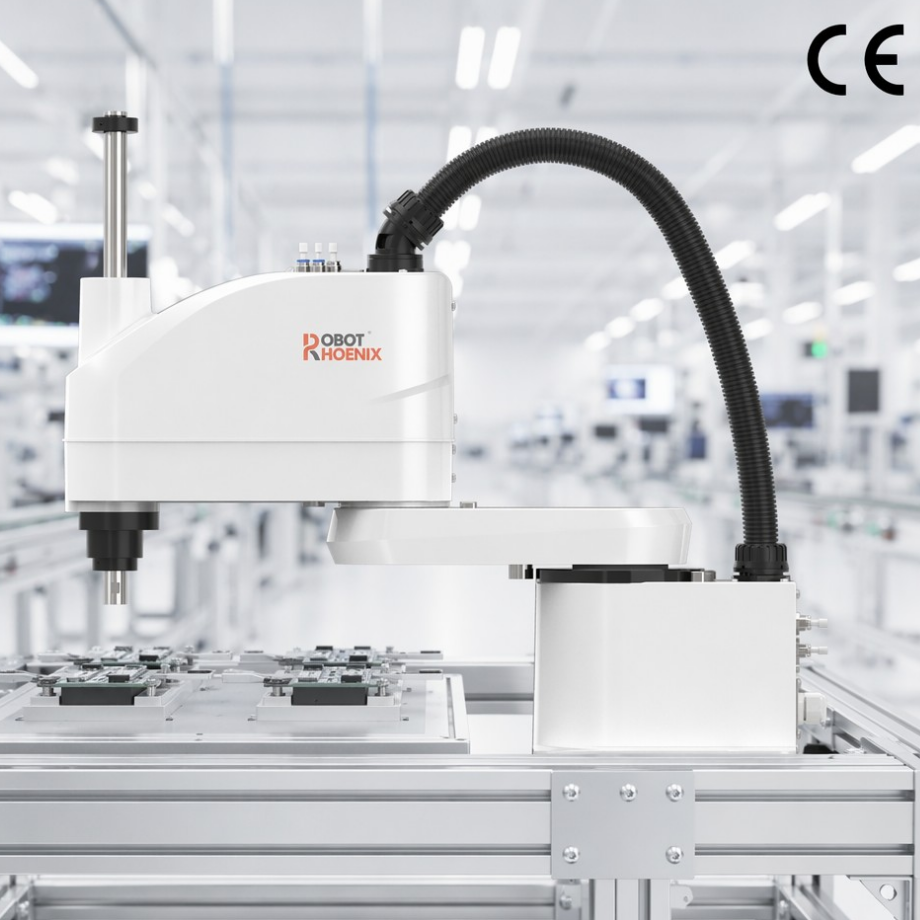
New Design Compact High Accuracy Industrial Robot Arm Scara with 2D/3D Vision System
Vision-guided compact SCARA for precise assembly, inspection and small-footprint cells in Peninsula electronics and medical-device operations.
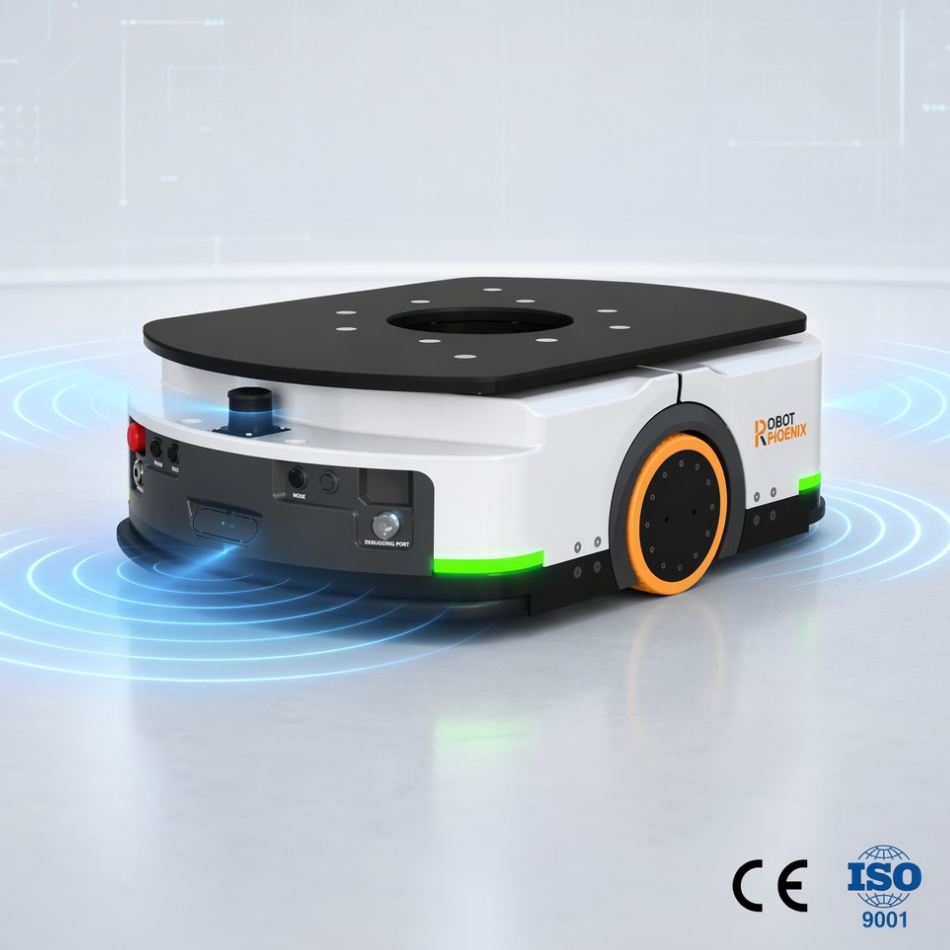
Compact and Latent Mobile Robot AGV for Narrow Aisle Warehouse and Factory Transportation
Low-profile material transport for constrained Bay Area facilities where real estate is expensive and aisle space is difficult to expand.
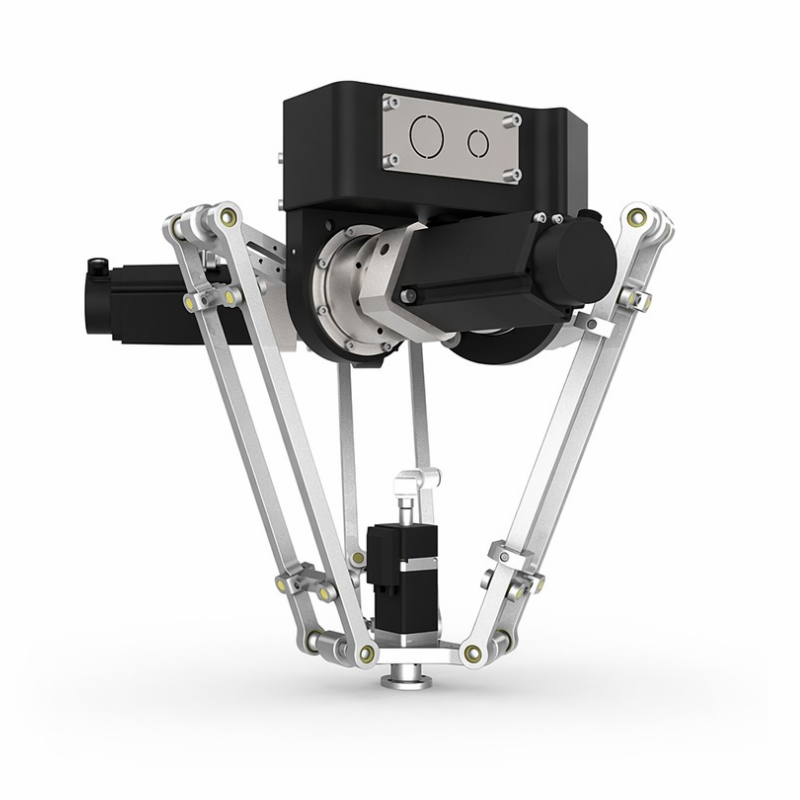
Low Cost Customized 2/3/4 Axis Industrial Manipulator Delta Robot for Pick and Place
Custom-axis delta platform for machine builders and integrators that need a cost-controlled parallel robot with application-specific tooling.
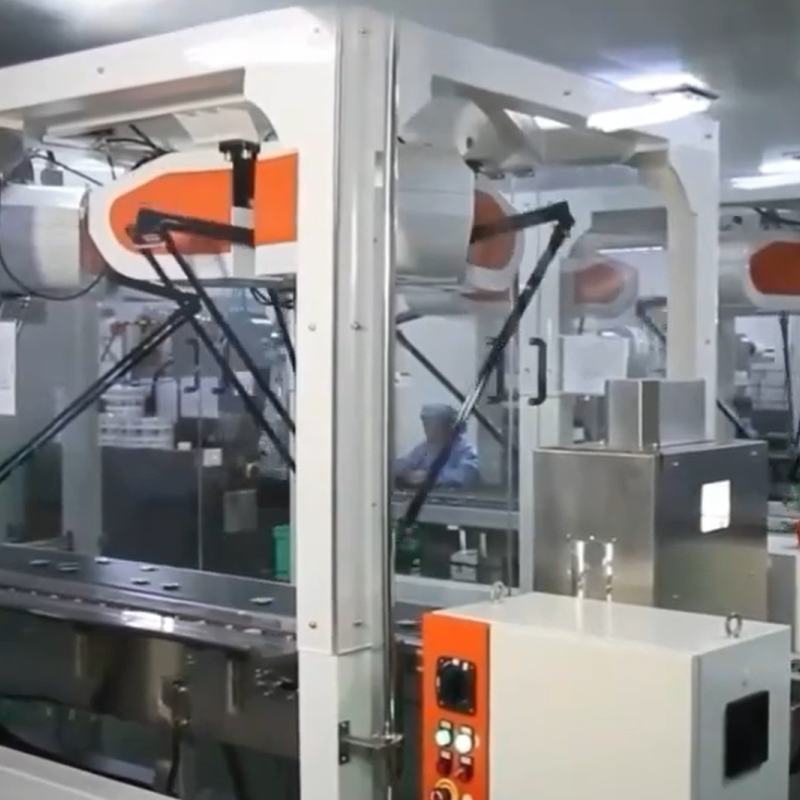
6kg Payload IP54 Protection Grade Pick Place Sorting Parallel Robot with Robot Gripper
A practical choice for food, consumer goods and carton-packing lines that need higher payload, washdown-adjacent protection and sorting speed.
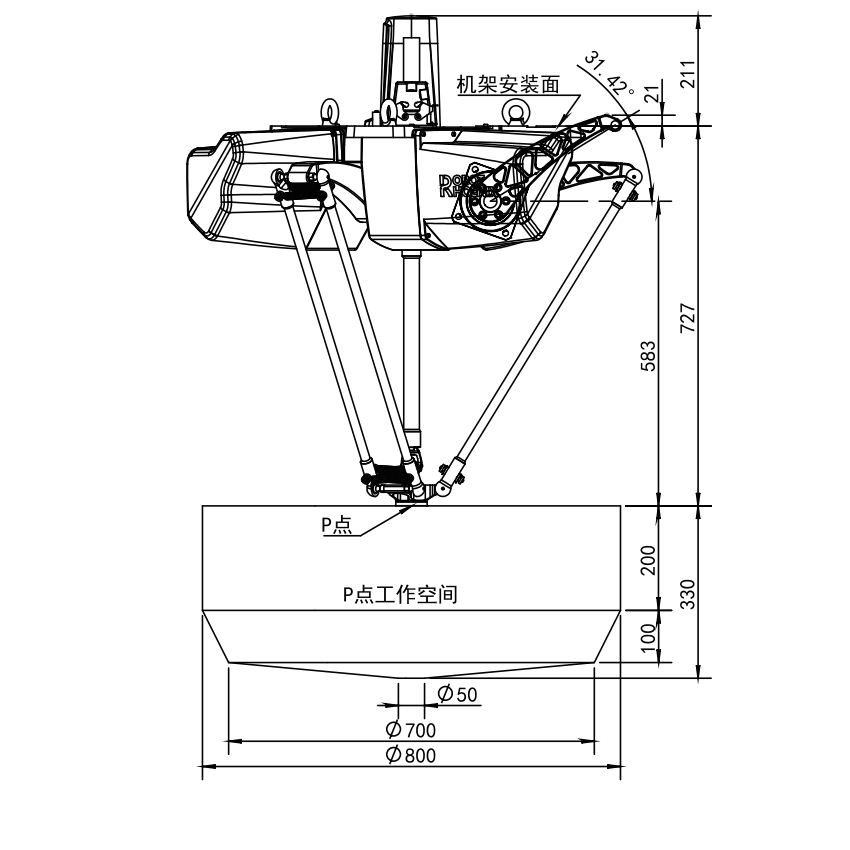
Industrial Delta Robot High Efficiency Parallel Robot for Goods Picking Placing Sorting
High-efficiency pick, place and sorting platform for conveyor-linked cells where repeatable cycle time drives line throughput.

High Speed 3kg Load Industrial Delta Robot Arm with IP54 Protection for Robotic Pick& Place
Lightweight, fast three-kilogram delta arm for packaging, sorting and secondary food-handling automation where speed matters more than heavy payload.
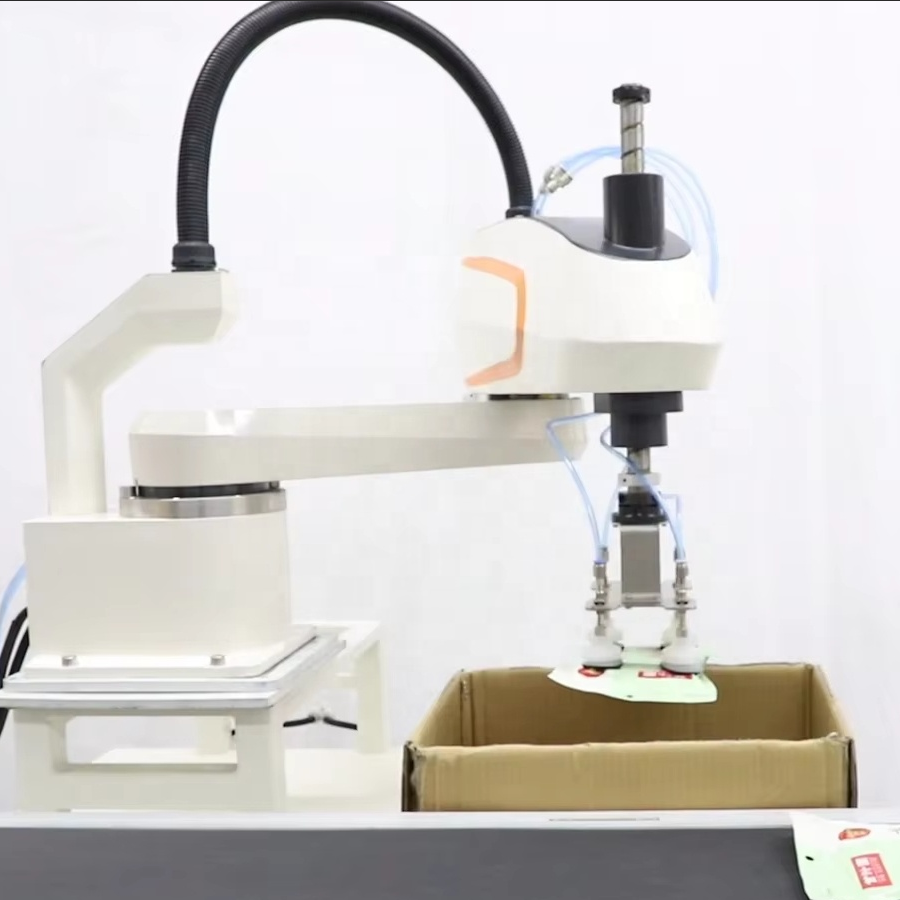
Light Load 4 Axis Industrial Manipulator Robot Scara Robot for Pick and Place Application
Cost-efficient SCARA for light-load placement, insertion and assembly tasks in compact equipment used by Bay Area machine builders.
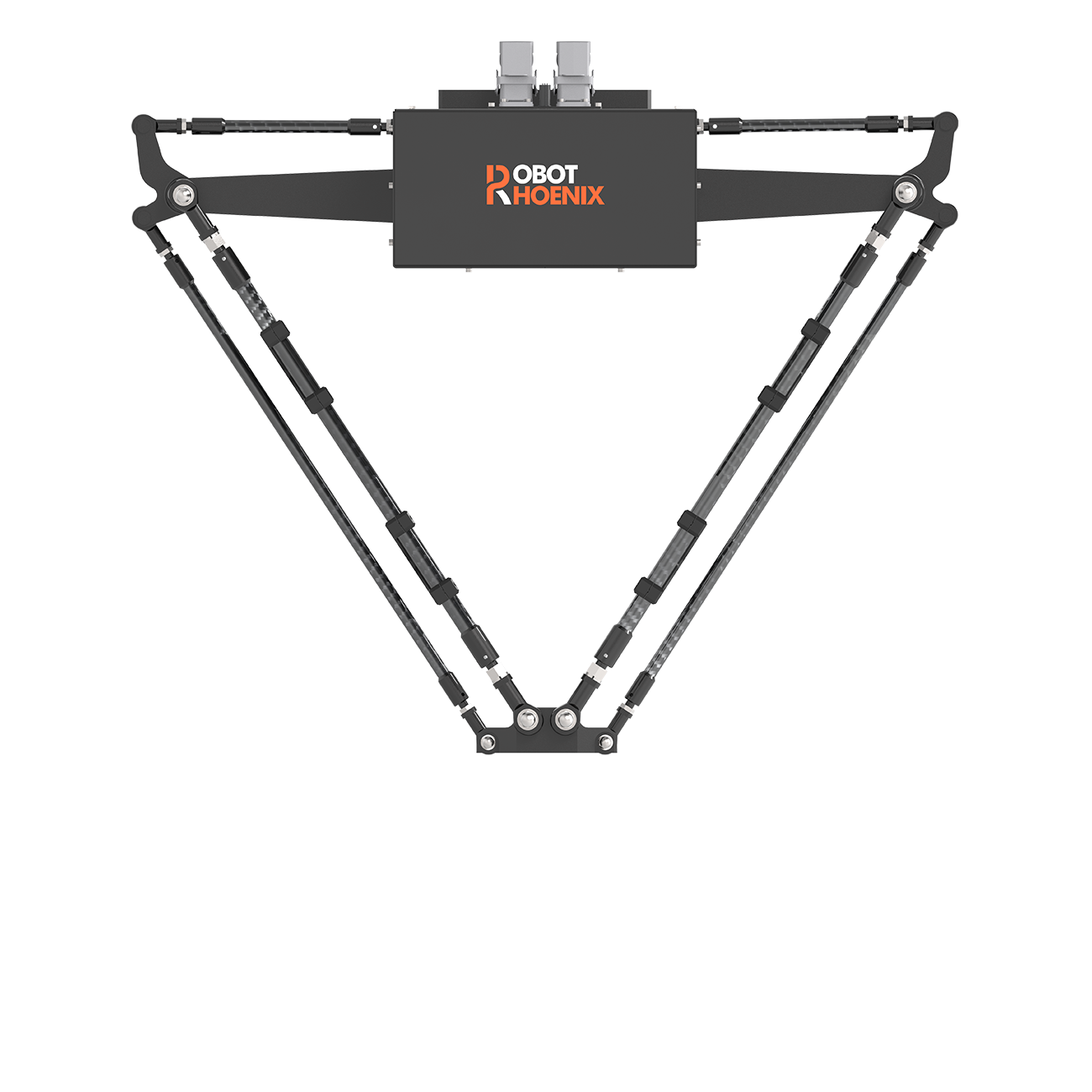
Industrial Manipulator High Speed and Accuracy Delta Robot with New Design Kinetics
New-kinetics delta design for applications that need both high speed and repeatable accuracy, such as labeling, sorting and precision transfer.
Product images are displayed with containment to preserve aspect ratio. Final model selection should be based on part weight, centre of gravity, required cycle time, conveyor tracking, gripper mass, safety category and the electrical standard applicable to the San Francisco facility.
Why China's parallel manipulator factories matter to San Francisco buyers
San Francisco is not a low-cost manufacturing market. It is a high-cost, high-compliance, high-mix market where floor space, labour availability, changeover time and validation effort can matter more than the published purchase price of a robot. For Bay Area operations leaders, a parallel manipulator project should be judged as a production system: robot arm, controller, vision, conveyor tracking, gripper, safety, documentation, spare parts and integration support all have to work together.
China's leading delta robot and parallel manipulator factories have become relevant to San Francisco buyers for three practical reasons. First, factory-direct engineering can shorten the path from application data to a customized end-effector and controller configuration. Second, suppliers that develop controllers and 2D/3D vision in-house can reduce the number of vendors in a pilot cell. Third, standard models can often be ordered from one set, which allows a Bay Area team to validate a single cell before scaling across a line or a multi-site rollout.
This guide is written for manufacturing engineers, automation integrators, procurement managers and operations directors who need more than a supplier list. It adds an application map for San Francisco and the Bay Area, a technical selection baseline, a localized trend review, a factory-advantage audit, a landed-cost lens, a 90-day validation plan and a procurement FAQ. The objective is information gain: fewer unsupported claims, more decision criteria that survive an engineering review.
What a parallel manipulator actually does—and where it wins
A parallel manipulator uses multiple kinematic chains to control one moving platform. In industrial pick-and-place, the most common form is the delta robot, where three or four lightweight arms drive a tool plate at high speed. The closed-chain structure improves stiffness and reduces moving mass, which is why delta robots dominate many high-speed sorting, packaging and labeling cells.
High-speed closed-chain motion
Multiple arms share the load, so the moving mass is lower and the robot can accelerate quickly. This is valuable when conveyor speed, not the robot alone, sets the line rate.
Vision and conveyor tracking
Randomly oriented products can be located by 2D or 3D vision and picked while moving. The controller must synchronize encoder data, vision coordinates and gripper timing.
Repeatability in a small envelope
Delta robots are strong at fast, repeatable transfer inside a defined workspace. They are not a substitute for a six-axis arm when complex orientation or a large working envelope is required.
Application-specific protection
IP54 and cleanroom-oriented configurations matter in food, pharmaceutical and electronics environments. The right protection class must be matched to cleaning chemicals, washdown policy and contamination controls.
For San Francisco buyers, the most useful comparison is not “delta versus everything else” in the abstract. It is a comparison of the production problem. A delta robot is usually the stronger choice when lightweight products arrive randomly on a conveyor and the bottleneck is cycle time. A SCARA is often better for planar assembly, insertion and precise placement in a compact footprint. A mobile robot or AGV is appropriate when the waste is in material transport rather than pick-and-place. A six-axis robot becomes relevant when the task requires complex orientation or a reach envelope that a parallel manipulator cannot serve efficiently.
At the proposal stage, ask for the moving mass calculation, gripper mass, required acceleration, cycle-time simulation, repeatability definition and the exact test method. A repeatability figure without a test condition is not a procurement specification. Ask the factory to show how the controller handles conveyor tracking, vision calibration, product changeover and fault recovery. Those details usually determine whether a pilot cell becomes a stable production asset.
| Automation type | Typical best fit | Key selection data | San Francisco market note |
|---|---|---|---|
| Delta / parallel manipulator | High-speed pick-and-place, sorting, labeling, cartoning, light assembly transfer | Payload, cycle time, repeatability, IP class, vision, conveyor tracking, gripper mass | Strong fit for packaging, food, consumer goods and high-throughput kitting where floor space is expensive. |
| SCARA robot | Planar assembly, insertion, dispensing, small-part placement and inspection | Reach, payload, Z-axis stroke, repeatability, cleanliness, ESD requirements | Useful in Peninsula electronics, medical-device and instrument assembly cells with compact equipment footprints. |
| 4-axis manipulator | Cost-sensitive pick-and-place, simple transfer and machine tending | Axis configuration, controller compatibility, PLC integration, tooling interface | Attractive for machine builders that need a repeatable motion platform without a large automation team. |
| AGV / AMR | Material transport, narrow-aisle movement, warehouse and factory logistics | Payload, navigation method, fleet management, safety sensors, charger strategy | Relevant around Oakland, San Jose and South San Francisco facilities where labour and aisle space are constrained. |
| Six-axis industrial robot | Complex orientation, welding, machine tending, large work envelope | Reach, payload, joint speed, safety rating, integration complexity | Consider when the task truly needs dexterity; do not use it to solve a high-speed sorting problem that a delta handles better. |
Comparison is illustrative for early shortlisting. Confirm exact model specifications, safety architecture and compliance requirements with the factory and a qualified local integrator.
Where San Francisco and Bay Area teams use parallel manipulators
Localization is not a slogan. It changes the selection criteria. A robot cell used near South San Francisco may need cleanroom documentation and traceability; a line serving food customers may need hygienic design and rapid changeover; a warehouse near the Port of Oakland may need fleet-level material flow.
Life sciences and medical devices
South San Francisco, San Mateo County and the Peninsula host biotech, diagnostics and medical-device operations. Delta and SCARA cells can support kit assembly, tray loading, vial handling and packaging. Buyers should request cleanroom compatibility information, surface finish details, documentation packages and change-control procedures.
Food, beverage and specialty products
Bay Area food producers and co-packers face high product variety and strict hygiene expectations. A 3 kg or 6 kg IP54 delta robot with vision can handle random product flow, primary packaging and carton loading. Validate cleaning chemicals, material contact, drainage, fasteners and guard design before purchase.
Electronics and instrumentation
Silicon Valley and the wider Bay Area have a dense base of electronics, photonics and instrument manufacturers. Compact SCARA and high-accuracy delta robots fit small cells for placement, inspection and test handling. ESD, repeatability, vision calibration and changeover time are usually more important than maximum payload.
Warehouse and port-linked logistics
Facilities around Oakland, San Francisco, San Jose and the Peninsula handle e-commerce, consumer goods and cross-dock work. Narrow-aisle AGVs and modular AMR platforms can reduce walking and cart movement. The project should include fleet traffic rules, charging strategy, fire-code review and integration with the warehouse execution system.
What is changing in the San Francisco automation market
San Francisco procurement teams are not only buying faster robots. They are buying flexibility, evidence and uptime. These four trends shape the questions a China factory should be able to answer.
Labour cost and turnover
High Bay Area labour costs and turnover make repetitive pick-and-place and material transport candidates for automation. The business case must include recruitment, training, overtime, injury risk and quality variability—not only direct labour savings.
High-mix, low-volume production
Many local manufacturers run more SKUs with shorter runs. A parallel manipulator becomes more valuable when recipe changeover, vision models and gripper exchange are designed for quick setup rather than treated as engineering projects.
Traceability and compliance
Life-science and food buyers increasingly expect data logs, validation support, change control and clear material documentation. A low-cost robot that cannot support an audit trail may create more cost than it removes.
Energy, space and digital integration
Compact cells and efficient motion reduce floor-space pressure. Buyers also want controller data, OEE visibility and integration with MES or WMS. Ask how the factory supports Ethernet, PLC handshakes, vision data and remote troubleshooting.
Recommended shortlist by job-to-be-done
Use this matrix after the technical screening. The best robot is the one that fits the process, the people and the service model—not simply the one with the highest headline speed.
Fast cartoning and labeling
Prioritize the 6 kg IP54 pick-place sorting parallel robot, 3 kg IP54 delta arm or the high-speed accurate delta model. Confirm gripper mass and conveyor tracking before quoting throughput.
Review the shortlist aboveElectronics and small-part assembly
The compact high-accuracy SCARA with 2D/3D vision and the light-load 4-axis SCARA are the first models to evaluate. Ask for ESD configuration, calibration routine and insertion-force strategy.
Compare SCARA modelsNarrow-aisle material flow
The compact latent AGV is designed for constrained transport routes. Validate aisle width, floor condition, lift interface, fleet traffic and fire-life-safety requirements for the actual Bay Area building.
Review mobile optionsCustom machine integration
The low-cost customized 2/3/4-axis delta robot and the new-kinetics high-accuracy delta are relevant for OEMs that need a factory partner for tooling, controller and vision integration.
See customization optionsWhat to verify in a China parallel manipulator manufacturer
A factory-direct quotation is only useful if the manufacturer can support the engineering, documentation and service model that a San Francisco buyer needs. JORI Intelligent Technology Co., Ltd. is a useful reference case because its published company profile addresses several items that procurement teams usually have to verify separately: in-house robot R&D, controller development, 2D/3D vision, OEM support, automated system integration and overseas delivery experience.
JORI is described as a manufacturer specializing in industrial robot R&D and production, controller and 2D/3D vision development, OEM support and automated system integration. The published profile states that delta parallel robots, SCARA robots, silicon wafer robots, AGV/AMR platforms, controllers and vision systems are developed in-house and protected by national patents. For a San Francisco buyer, that matters because a single accountable source can reduce interface risk between the robot, controller, vision and end-effector.
The company reports ISO 9001 quality management, onsite-verified manufacturer status, more than ten years of overseas market experience and the ability to supply standard delta robots, SCARA robots and AMR/AGV platforms from one set. It also lists OEM service, design service and buyer-label options, which is relevant for Bay Area machine builders that sell equipment under their own brand.
- Independent R&D capability for robots, controllers and machine vision.
- Original factory for delta, SCARA and AGV product families; not a reseller-only chain.
- National patents covering robot, controller and vision technologies.
- ISO 9001 quality management and documented QC from component inspection to final run-in test.
- OEM, design and buyer-label support for machine builders and integrators.
- One-stop automation integration, including PLC-ready delta robots for cartoning and packaging machines.
- MOQ from one set for standard models, enabling a pilot-cell approach.
- Published response rate of 97.06% with an average reply time of two hours or less.
These are manufacturer-reported advantages, not an independent guarantee. A serious San Francisco buyer should still verify current certificates, patent scope, factory-audit status, insurance, warranty terms and the specific engineering team assigned to the project. The strongest supplier is the one that invites verification rather than avoiding it.


Eight qualification checks for San Francisco buyers
A China parallel manipulator factory can be technically capable and still be the wrong choice for a Bay Area facility. Use a qualification framework that covers engineering, compliance, service and landed cost.
Cycle-time evidence
Request a simulation or video using a part close to your real weight, centre of gravity and gripper mass. Confirm the test method for repeatability and cycle time.
Electrical and safety fit
Confirm voltage, frequency, breaker requirements, controller enclosure, emergency-stop architecture, guarding interface and the safety standard expected by your site.
Cleanroom or hygiene review
For life science or food projects, ask for surface finish, lubrication, material contact, cleaning compatibility and documentation. IP54 alone is not a complete hygiene assessment.
Vision and PLC integration
Test conveyor tracking, calibration recovery, product recipe changeover and PLC handshake behaviour. Integration quality often determines the real labour saving.
Spare parts and support
Ask which wear parts, cables, grippers and controller components should be stocked in California. Clarify remote support, response time, warranty and escalation path.
FAT and SAT plan
Define factory acceptance testing before shipment and site acceptance testing after installation. Include fault recovery, recipe changeover, safety stop and throughput tests.
Incoterms and landed cost
Compare FOB, CIF, CIP, FCA, CPT, EXW and express options. Include freight, insurance, brokerage, duties, tariffs, port charges and inland delivery to the Bay Area.
Training and documentation
Request English manuals, wiring diagrams, controller configuration, vision calibration records, maintenance schedule, spare-parts list and training materials.
A landed-cost lens for the Bay Area
The purchase order is not the project cost. For a San Francisco installation, a more reliable comparison includes freight to the Port of Oakland or an air-freight route, customs brokerage, duty and tariff treatment, local drayage, rigging, integration labour, safety review, validation, training, spare parts, energy and downtime during ramp-up. A cheaper robot that requires three extra weeks of engineering may be more expensive than a better-documented system that starts producing in the first month.
The manufacturer's published terms list FOB, CFR, CIF, EXW, CIP, FCA, CPT and express delivery, with payment methods including T/T, L/C, credit card, PayPal, Western Union, MoneyGram and escrow, across currencies such as USD, EUR, GBP, JPY, CAD, AUD, HKD, CHF and CNY. Those options provide negotiation flexibility, but they do not replace a landed-cost calculation prepared by the buyer's freight and customs advisers.
Priority bars are illustrative for planning discussion; they are not a product claim or a performance guarantee.
A 90-day validation path before you scale
A Bay Area pilot should prove throughput, quality, changeover and support—not just demonstrate that the robot moves. Use a staged plan to protect capital and production continuity.
Weeks 1–2: Define the process
Record part weight, centre of gravity, incoming orientation, conveyor speed, required cycle time, reject handling, floor plan, voltage and cleanliness requirements.
Weeks 3–5: Engineer the cell
Review robot model, gripper, vision, safety and controller architecture. Require a cycle-time calculation, layout drawing and interface list before commercial approval.
Weeks 6–9: FAT and shipment
Run factory acceptance tests with production-like parts. Record cycle time, fault recovery and changeover. Confirm packing, Incoterms, customs documents and spare-parts shipment.
Weeks 10–13: SAT and scale
Install, validate safety, train operators and measure OEE. Scale only after the cell meets agreed throughput and quality targets with local support arrangements in place.
Questions Bay Area buyers ask before importing from China
These answers are written for early-stage planning. Final terms must be confirmed in the quotation, technical agreement and purchase contract.
How do San Francisco buyers import a parallel manipulator from China?
Most buyers request an EXW, FOB, CIF, CIP or DDP quotation, compare the landed cost through the Port of Oakland or an air-freight route, and appoint a customs broker before shipment. The supplier should provide commercial invoice, packing list, origin documents and the technical documentation required by the buyer's freight forwarder. Confirm duties, tariffs, customs bond and delivery appointment requirements before releasing the purchase order.
Which voltage and safety details should be specified for a Bay Area facility?
Provide the actual facility voltage, frequency, phase, breaker size and grounding arrangement. Clarify the required safety category, guarding interface, emergency-stop architecture, lockout/tagout procedure and any site-specific electrical review. Do not assume that a robot configured for another market will automatically match a California plant; the controller, transformer and safety circuit must be reviewed together.
Can a delta robot be used in food or life-science applications?
Yes, but the application must be reviewed as a system. Ask about IP rating, surface finish, lubrication, material contact, cleaning chemicals, drainage, fastener retention and documentation. IP54 is useful for dust and splash protection, but it is not a complete hygiene or cleanroom certification. The buyer's quality team should approve the cleaning and material-contact plan before installation.
What is the typical minimum order quantity?
JORI's published terms state that standard delta robots, SCARA robots and AMR/AGV platforms can be ordered from one set. That is useful for a Bay Area pilot because a single cell can be validated before a multi-line rollout. Custom tooling, special vision or cleanroom documentation may still carry separate engineering and minimum-order requirements.
How should we compare a delta robot with a SCARA?
Start with the motion. If products arrive randomly on a moving conveyor and the bottleneck is high-speed pick-and-place, evaluate delta robots first. If the task is planar assembly, insertion, dispensing or precise placement inside a compact cell, evaluate SCARA first. Share part weight, cycle time, orientation, tolerance, floor plan and changeover frequency; the factory should recommend a model based on those inputs, not on a generic catalogue ranking.
Can JORI robots integrate with existing packaging machinery?
The published profile says JORI develops its own controllers and 2D/3D vision, offers PLC-ready delta robots and supports machine builders such as wet-wipe lid applicator and carton-packer manufacturers. For San Francisco buyers, the integration test should include the PLC handshake, conveyor encoder, recipe management, alarm handling and fault recovery. Request a signal list and interface drawing during the technical review.
What delivery and payment terms are available?
Published delivery terms include FOB, CFR, CIF, EXW, CIP, FCA, CPT and express delivery. Published payment methods include T/T, L/C, credit card, PayPal, Western Union, MoneyGram and escrow, with currencies including USD, EUR, GBP, JPY, CAD, AUD, HKD, CHF and CNY. The buyer's finance and customs teams should still confirm the final structure, fees and currency exposure before signing.
How fast can we expect a response and what should we send?
JORI reports an average response time of two hours or less and a 97.06% response rate. For a useful first response, send product photos or videos, part weight and centre of gravity, required throughput, conveyor speed, floor-plan constraints, voltage, cleaning or cleanroom requirements, target installation date and any existing PLC or vision standard. That information helps the factory propose a realistic cell rather than a generic brochure model.
Ready to validate a parallel manipulator cell for your San Francisco operation?
Send your product samples, cycle-time target, footprint, voltage, cleanroom class and expected ROI. A factory engineer can help you shortlist a delta, SCARA, AGV or custom parallel manipulator configuration before you commit capital.