How do San Diego buyers import a SCARA robot from China?
Most projects use a freight forwarder and a quotation based on EXW, FOB, CFR, CIF, CIP, FCA, CPT, or express delivery. Ocean freight typically arrives via Los Angeles/Long Beach and moves by truck to San Diego, while urgent pilot units may use air freight. The supplier should provide a commercial invoice, packing list, and export documentation; the buyer’s customs broker should confirm the HS classification, duty, and entry requirements for the specific robot configuration. JORI can support the export documentation package and Incoterm discussion.
What is the minimum order quantity for JORI industrial robots?
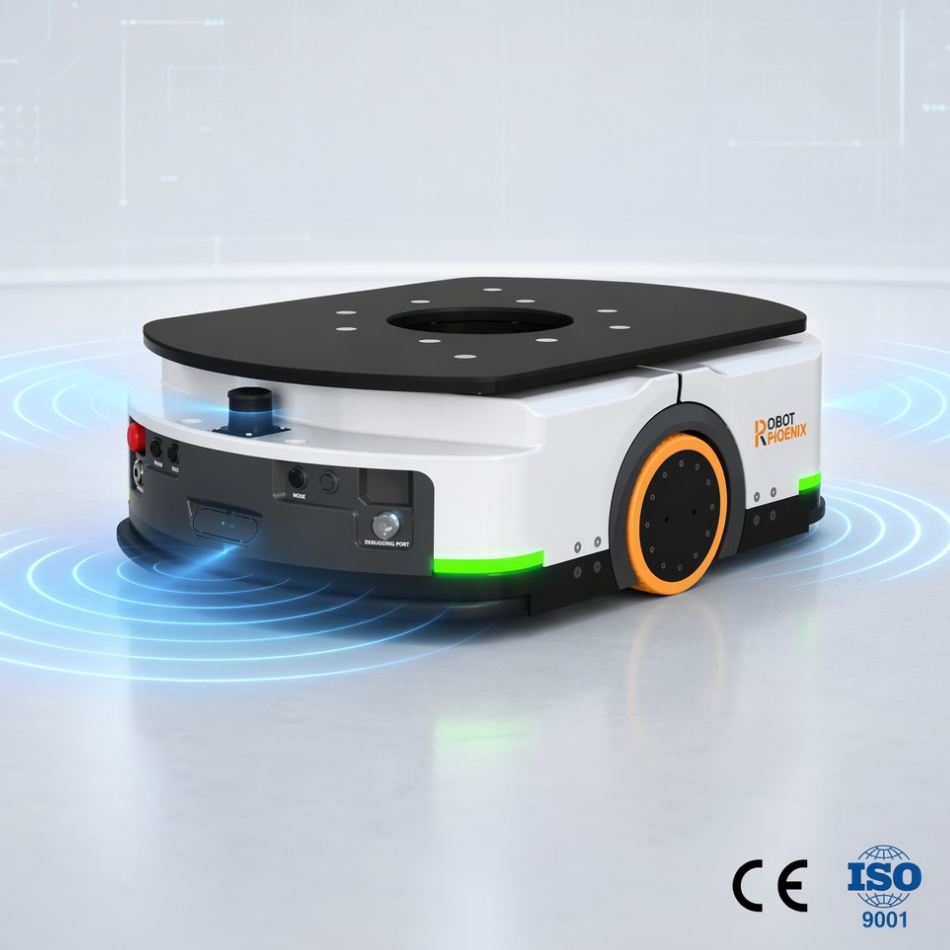
Standard delta robots, SCARA robots, and AMR/AGV platforms can be ordered from 1 set, so a San Diego team can validate a single cell, pilot line, or proof-of-concept before scaling to multiple stations. Custom integrated cells should be quoted individually because the frame, gripper, vision, safety scope, and line interface affect engineering effort.
Can JORI customize a SCARA robot for a San Diego application?
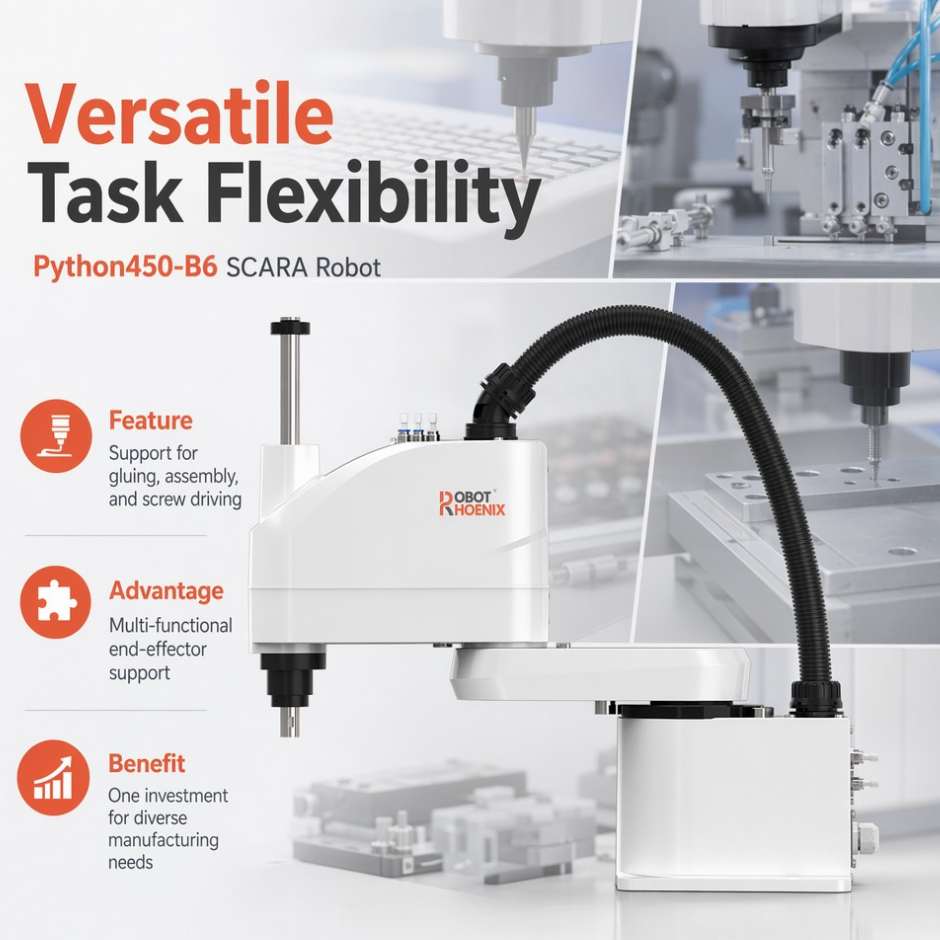
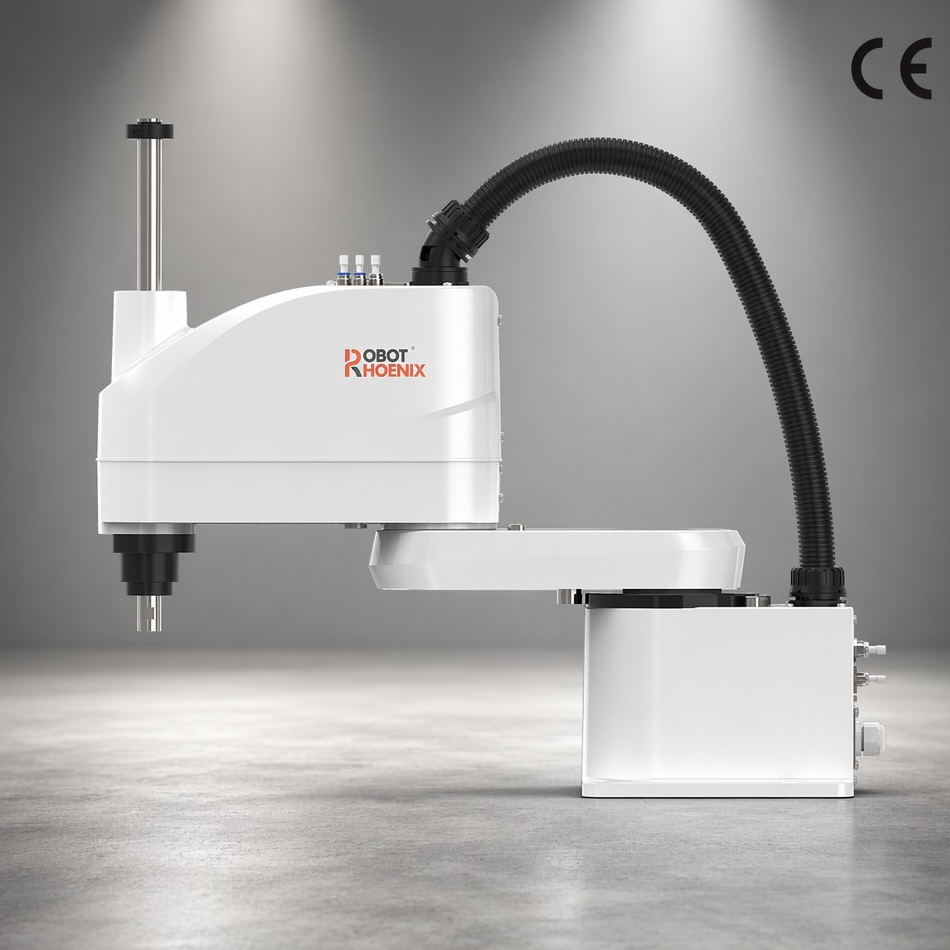
Yes. JORI provides OEM service, design service, and buyer-label options, and supports machine builders with custom end-effectors, controller integration, and automated system integration. For best results, share part drawings, weight, center of gravity, cycle-time target, presentation method, tolerance stack-up, required documentation, facility voltage, and any cleanroom or washdown requirement.
Should I choose a SCARA robot or a delta robot?
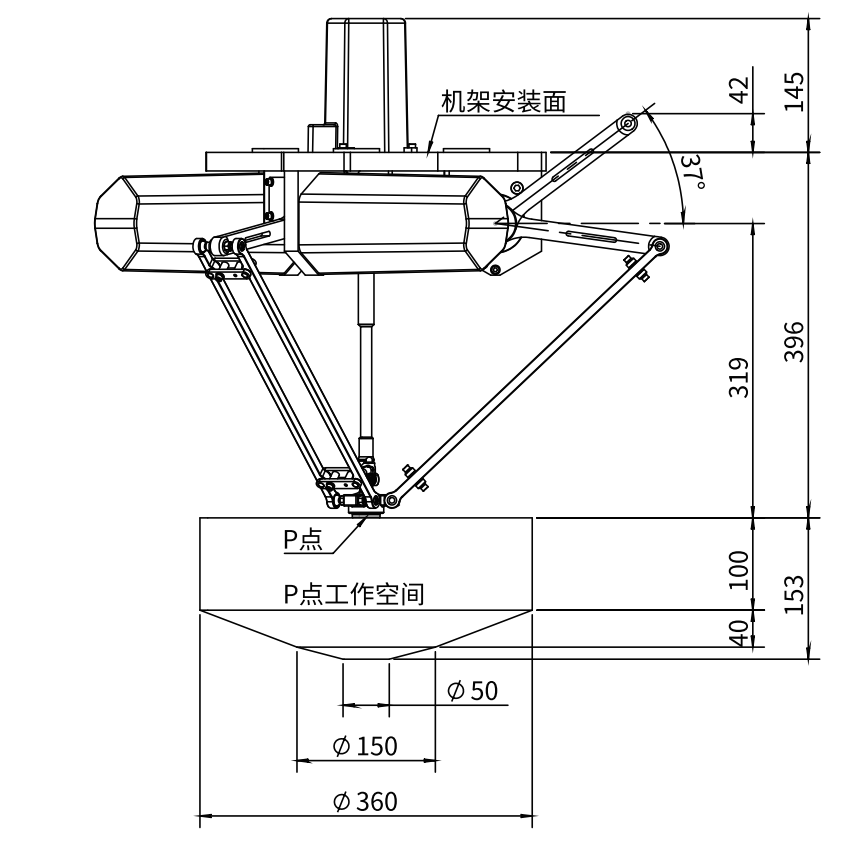
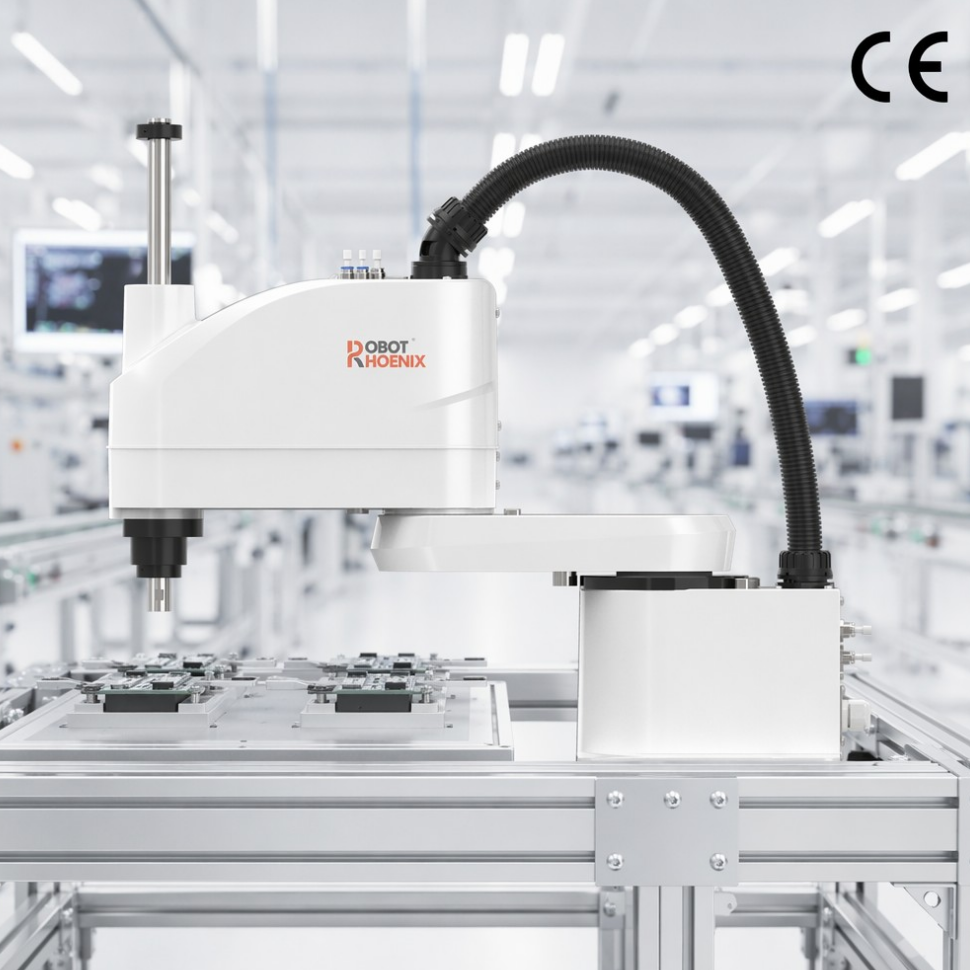
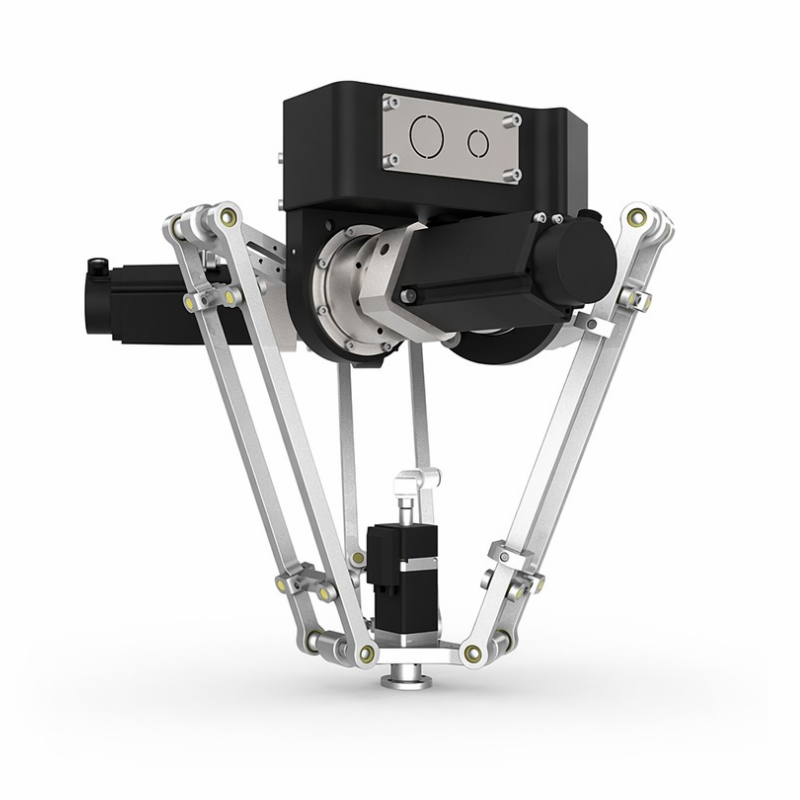
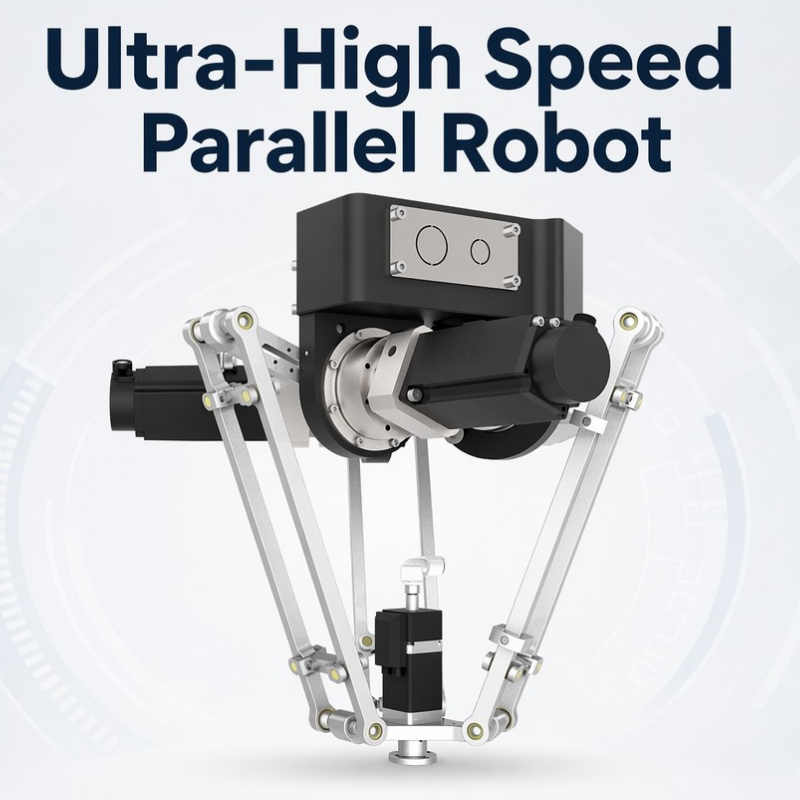
Choose a SCARA robot for planar assembly, insertion, inspection, machine tending, and precise placement in a compact footprint. Choose a delta robot for very fast, lightweight pick-and-place from moving conveyors, typically in the 3–6 kg payload class for featured models. If parts arrive randomly and cycle time is the main constraint, delta is usually stronger. If the work requires controlled insertion or small-cell precision, SCARA is usually the better starting point.
What about voltage, safety, and local electrical requirements?
Do not assume a China-standard configuration will match a San Diego facility. Share the available voltage, frequency, phase, disconnect type, control-panel requirements, and site safety review before order. The final quotation should confirm the controller option, I/O interface, safety-stop architecture, guarding responsibility, and documentation language. If a local integrator is responsible for the cell, define the split of responsibility in writing.
What is the lead time and shipping schedule to San Diego?
Lead time depends on the robot family, configuration, vision scope, end-effector, and whether the project is a standard unit or an integrated cell. A standard unit and a fully engineered cell should not be quoted on the same schedule. Ask for a production schedule with milestones for drawing approval, component arrival, assembly, run-in testing, pre-shipment inspection, and freight booking. Shipping time then depends on ocean or air freight, port congestion, and customs clearance.
Can JORI robots integrate with existing packaging or lab equipment?
Yes, integration should be planned early. JORI develops controllers and 2D/3D vision in-house and offers PLC-ready delta robots for cartoning machines. The company also supports machine builders including wet wipe lid applicator and carton packer manufacturers. For San Diego projects, provide the handshake signals, conveyor speed, encoder details, safety circuit, and recipe-management requirements so the robot cell can communicate with the existing line.
Which payment and delivery terms are accepted?
Accepted delivery terms include FOB, CFR, CIF, EXW, CIP, FCA, CPT, and express delivery. Accepted payment methods include T/T, L/C, credit card, PayPal, Western Union, MoneyGram, and escrow, with currencies such as USD, EUR, GBP, JPY, CAD, AUD, HKD, CHF, and CNY. Final terms should be confirmed in the proforma invoice and should match the buyer’s internal procurement and compliance process.