Top Trusted AMR Robot Exporter & Wholesaler for the Washington DC Market
Laser SLAM AMR, AGV, autonomous forklift, delta and SCARA robot solutions for wholesalers, system integrators, federal contractors and factory owners across Washington DC, Northern Virginia and Maryland.
Robot Systems Recommended for Washington DC Buyers
For AMR robot exporter and wholesaler programs, the right answer is rarely one machine. JORI combines mobile robots, high-speed delta robots, compact SCARA robots and vision-guided cells so distributors and integrators can build a complete solution for DC-area warehouses, packaging lines, federal contractor facilities and life-science operations. The eight products below are available for quotation, OEM discussion and wholesale planning.
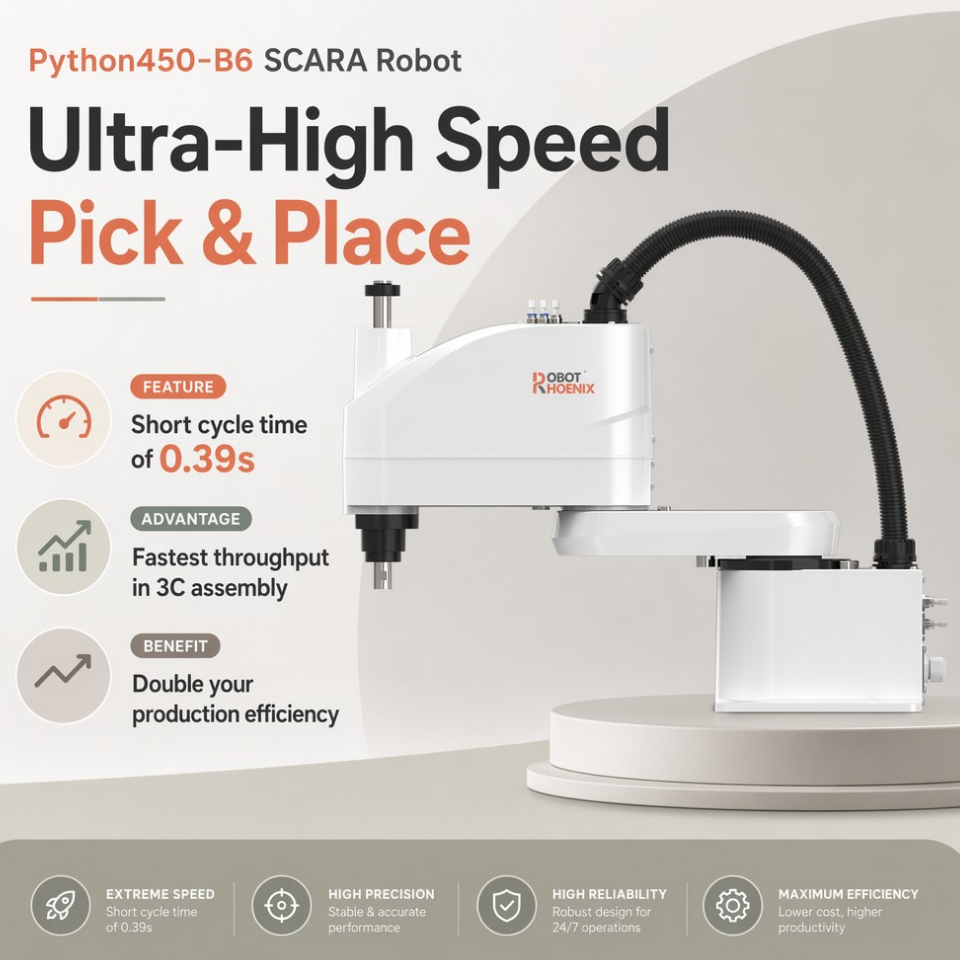
Robotphoenix High Speed Manipulator Scara Robot with Gripper for Product Accuracy Picking
Compact, repeatable picking for electronics, packaging and contractor-grade assembly cells around the Beltway.
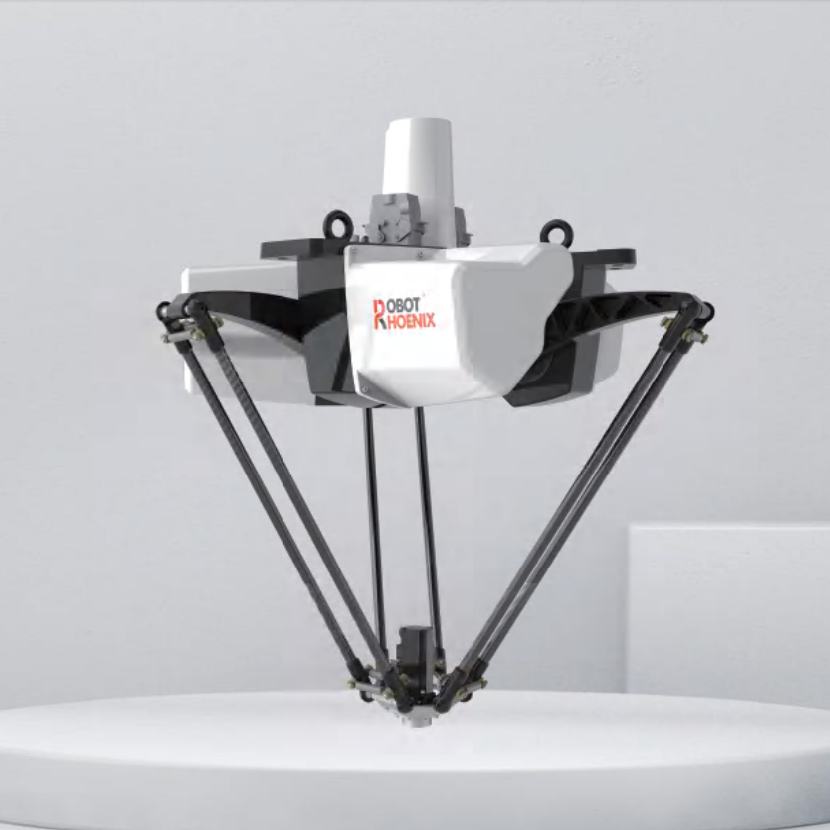
Robotphoenix 4 Arm Payload 3-6kgs Delta Robot for Pick Place Consumer Goods
Fast delta handling for parcel-adjacent fulfillment, consumer goods sorting and packaging lines in the DMV.

New Condition High-Speed Industrial Innovative Manipulator Delta Robot for Light Industry
Engineered for light-industry packaging, sorting and light assembly where uptime and cycle time dominate.
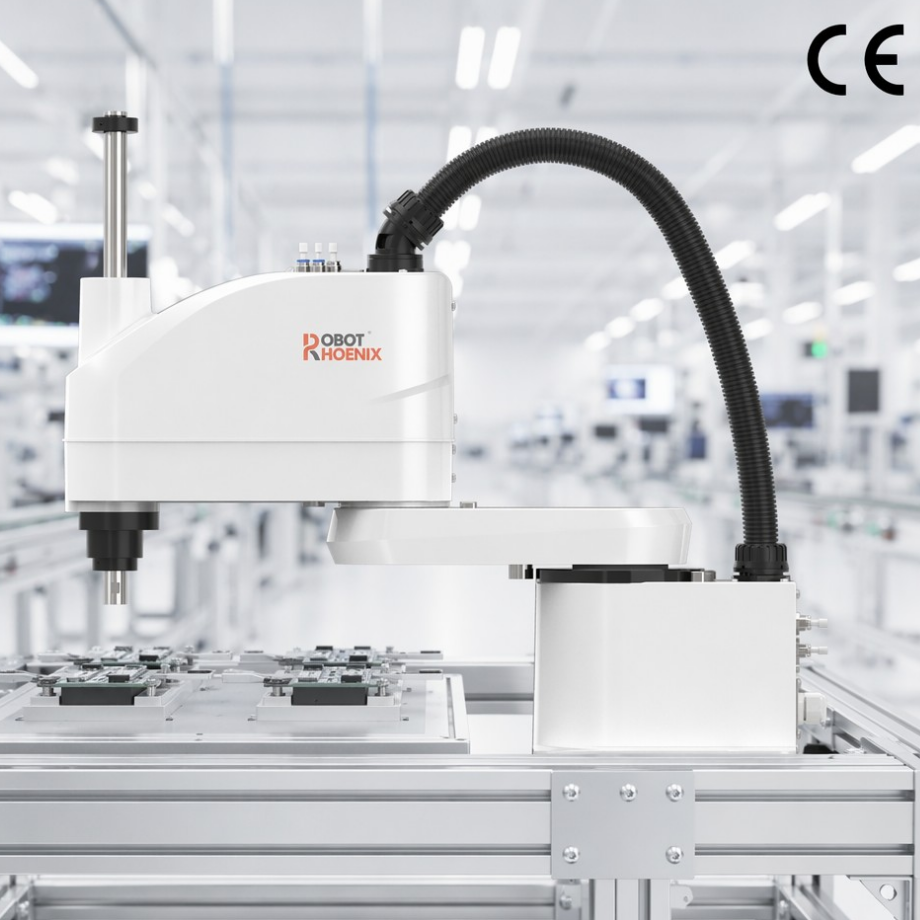
New Design Compact High Accuracy Industrial Robot Arm Scara with 2D/3D Vision System
Vision-guided placement for high-mix, space-constrained facilities in DC, Maryland and Northern Virginia.
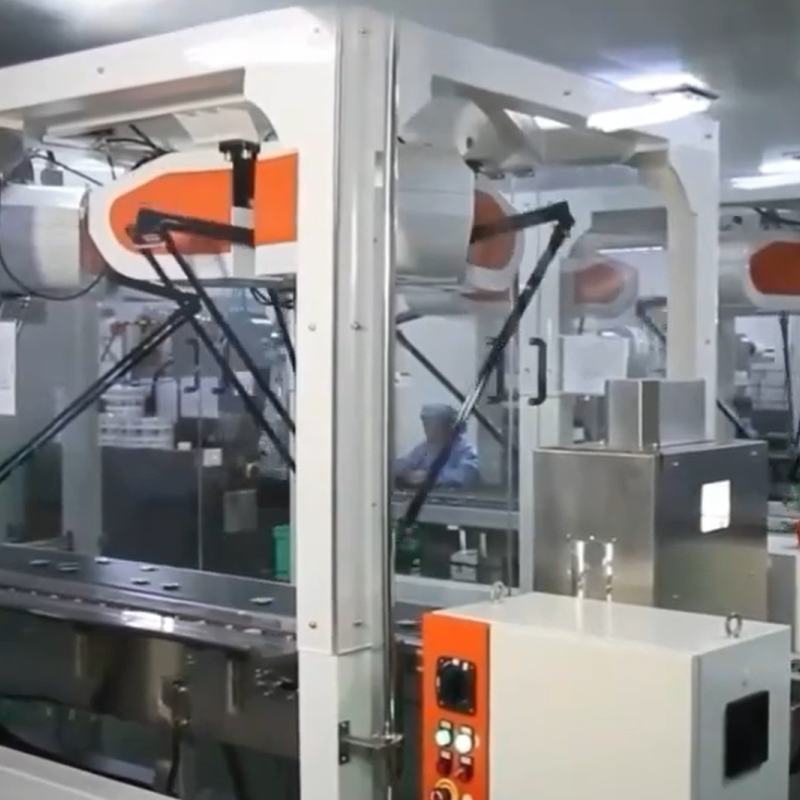
6kg Payload IP54 Protection Grade Pick Place Sorting Parallel Robot with Robot Gripper
Protected parallel robot for dusty, washdown-adjacent or industrial packaging environments.
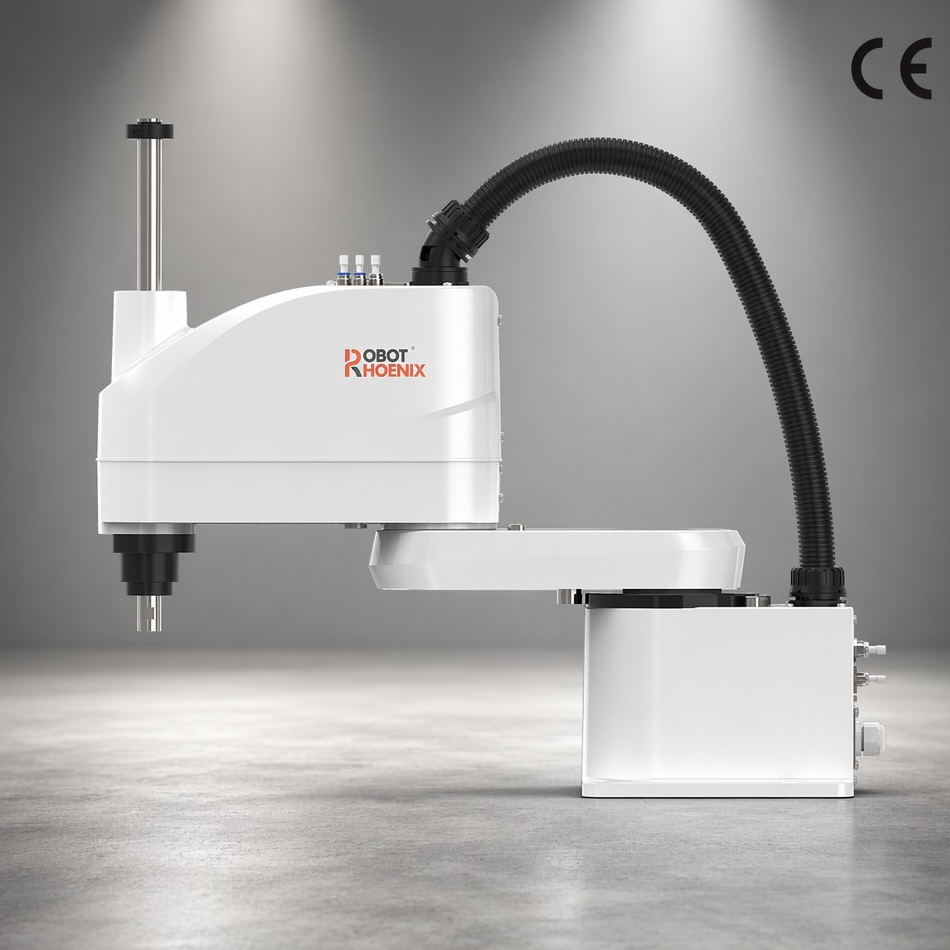
High Efficiency 6kg Payload Manipulator Scara Robot with Vision for Picking and Placing
Balanced payload and vision for frequent product changeovers in e-commerce and industrial assembly.
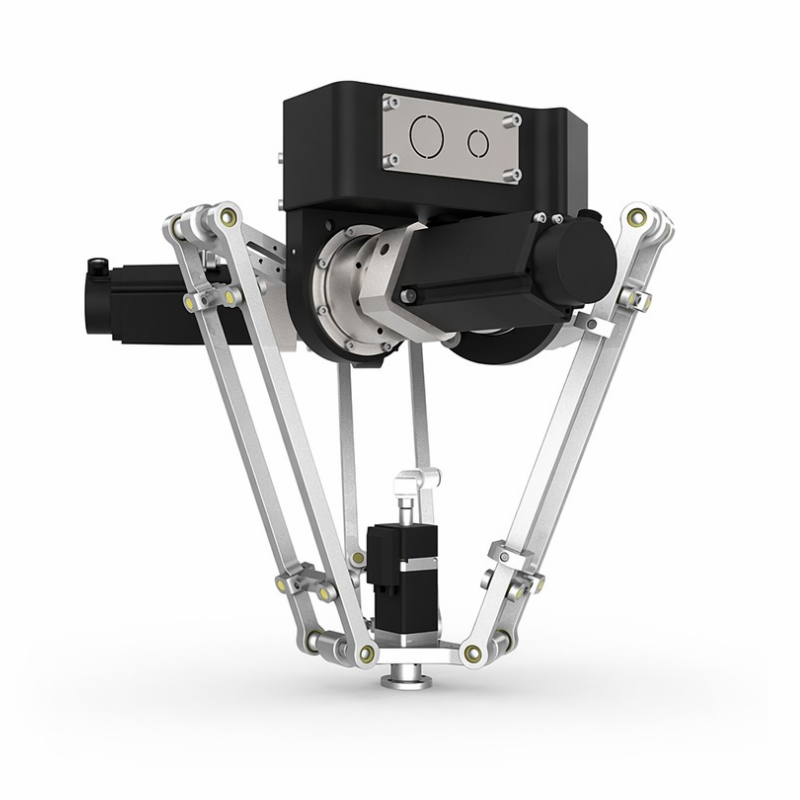
Low Cost Customized 2/3/4 Axis Industrial Manipulator Delta Robot for Pick and Place
Wholesale-friendly delta platform for integrators needing customized axes, grippers and controls.
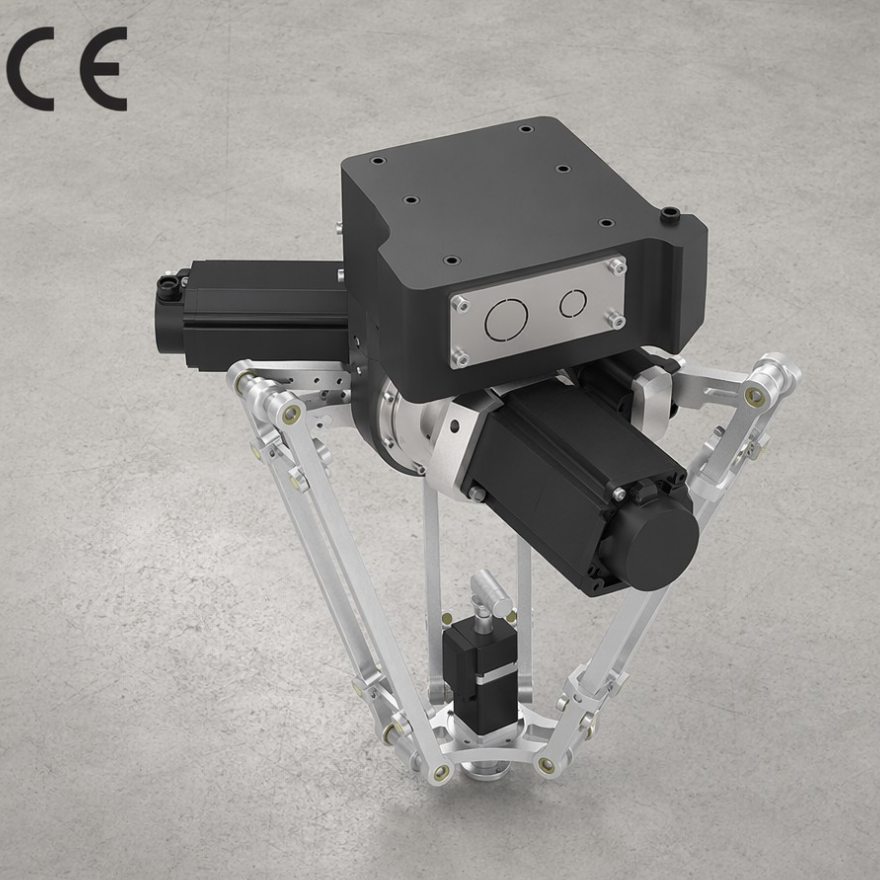
Smart Parallel Robot Picking and Placing Robot Manipulator Delta Robot with Visual System
Vision-based delta robot for high-throughput sorting, packing and automated pick-and-place cells.
A Trusted AMR Robot Exporter & Wholesaler Built for Serious Procurement
Washington DC buyers rarely purchase a robot in isolation. A wholesale AMR program must survive facilities engineering, IT security, safety review, production start-up and after-sales support. JORI’s advantage is vertical engineering depth — the robot arm, controller, 2D/3D vision and navigation technology are developed in-house.
Factory-Direct Engineering, Not a Reseller Chain
JORI Intelligent Technology Co., Ltd. was founded in 2012 in Jinan, Shandong, China, a national robotics hub. We specialize in industrial robot R&D and manufacturing, controller and vision system development, OEM support and automated system integration. Our product lines include delta parallel robots, SCARA robots, laser SLAM AGV/AMR platforms, autonomous forklifts and silicon wafer handling robots.
For Washington DC wholesalers, integrators and end users, this means one accountable source for hardware, software, documentation and engineering support. Our team supports machine builders with custom end-effectors, PLC-ready integration, controller configuration and buyer-label programs. Standard robots can be ordered from 1 set, allowing a single-cell pilot before multi-unit rollout.
Our export experience covers buyers across Asia, Europe and the Americas. We support delivery terms including FOB, CFR, CIF, EXW, CIP, FCA, CPT and express delivery, with payment methods such as T/T, L/C, credit card, PayPal, Western Union, MoneyGram and escrow. Currencies include USD, EUR, GBP, JPY, CAD, AUD, HKD, CHF and CNY. For procurement teams in the DMV, these options help align supplier terms with distributor, integrator and end-user contracts.

In-House Robot R&D
Delta, SCARA, AMR/AGV and wafer robot platforms are developed with self-controlled engineering rather than a pure trading model.
Controller & Vision Integration
Self-developed motion control and 2D/3D vision options simplify integration with conveyors, packaging machines and WMS-driven cells.
ISO 9001 & Onsite Verified
Documented quality processes, third-party checked company credentials and factory verification support serious procurement review.
OEM, Design & Buyer Label
OEM service, design service and private-label options help distributors and machine builders localize product programs.
MOQ 1 Set, Then Scale
Validate a single robot cell, then expand to fleet-level AMR, forklift or packaging automation after measurable performance is proven.
2-Hour Response Discipline
Average response time of ≤2 hours and a 97.06% response rate help DC buyers keep evaluations and site planning on schedule.
Global Export Experience
Support for overseas buyers across Asia, Europe, North America, South America and China, with export documentation and shipping coordination.
One-Stop Automation Support
From robot selection to end-effector concepts, safety discussion, machine integration and after-sales support, JORI works as an engineering partner.
Where AMR and Robot Automation Create Fast Local Value
Washington DC is not a single warehouse market. It is a network of federal contractor operations, Northern Virginia technology corridors, Maryland life-science facilities, regional distribution centers and high-value packaging lines. Each environment creates a different automation case.
E-Commerce & Parcel Fulfillment
Laser SLAM AMRs move totes, carts and pallets between picking zones in Ashburn, Sterling, Dulles and Beltway logistics facilities. Delta and SCARA cells support sorting and packing where cycle time and labor continuity matter.
Federal Contractor Logistics
Secure campuses often require controlled access, documented routes and clear safety responsibility. AMR deployments can reduce repetitive transport while keeping sensitive zones under facility rules.
Life Sciences & Biotech
Maryland and Northern Virginia life-science sites need repeatable material movement for kits, samples and packaging. Compact SCARA cells and vision-guided handling support clean, traceable processes.
Food, Beverage & CPG
High-speed delta robots, IP54 parallel robots and conveyor-linked picking cells help processors and distributors manage seasonal demand, SKU changeovers and packaging throughput.
Electronics & 3C Assembly
In the DC-Maryland-Virginia technology belt, compact SCARA robots with 2D/3D vision can improve insertion, inspection, labeling and small-part placement in tight footprints.
Warehouse & Intralogistics
Autonomous forklifts and 400–500 kg AMR platforms support pallet movement, line-side replenishment and narrow-aisle transport without fixed floor tape in many layouts.
Washington DC AMR Trends and Procurement Intelligence
Buyers in the DMV are moving from “should we automate?” to “how do we prove a safe, connected and scalable deployment?” The most successful projects evaluate labor continuity, space constraints, cybersecurity, safety and serviceability together — not just robot price.
Space-Constrained Retrofits
Many DC-area facilities were not built for dense automation. Compact SCARA cells, low-profile AGVs and modular AMR bases often fit existing aisles better than fixed conveyance.
Labor Continuity Over Headcount Alone
Recruiting and retaining reliable warehouse, packaging and material-handling staff remains challenging. Buyers now value 24/7 consistency, predictable throughput and redeployment of staff to higher-value tasks.
JORI Site-Fit Scoring Used in DC Projects
Instead of quoting the largest robot, we score each application against the realities of the facility. The weights below are a planning model, not a market statistic; they help procurement and engineering align on priorities before a site visit.
Payback months = total deployed cost ÷ (labor hours displaced × loaded hourly rate + throughput gain + quality-loss reduction + space/energy savings)AMR vs. AGV vs. Autonomous Forklift
| Format | Best Washington DC Use | Buyer Watch-Out |
|---|---|---|
| Laser SLAM AMR | Tote, cart and small-payload transport in dynamic warehouses; routes can change without floor tape. | Confirm fleet traffic rules, Wi-Fi coverage, charging strategy and WMS interface. |
| Latent AGV | Low-profile transport under racks or carts in constrained aisles and repetitive point-to-point flows. | Validate floor conditions, lift/attachment design and route clearance before ordering. |
| Autonomous Forklift | Pallet shuttling, line-side replenishment and repetitive warehouse transfers across shifts. | Site layout, pallet quality, pedestrian zones and local safety review are critical. |
| Delta / SCARA Cell | High-speed picking, packing, labeling, insertion and inspection inside a fixed automation cell. | Cycle time is only useful when infeed, vision, gripper and changeover time are included. |
A Practical 4-Stage Path from Inquiry to Wholesale Rollout
For serious buyers, the fastest path is not an immediate purchase order. It is a disciplined process that produces a clear scope, measurable acceptance criteria and a support plan.
Application & Site Discovery
Share product photos, payload, cycle time, aisle width, floor plan, WMS/ERP environment and target start date. JORI engineers recommend AMR, AGV, forklift, delta or SCARA based on fit.
Simulation & FAT Planning
Define route logic, pick rates, gripper design, vision requirements and factory acceptance test criteria before shipment. Documentation can be prepared for buyer review.
Safety, IT & Local Review
Coordinate with your facility, safety integrator and IT team on robot cell guarding, traffic rules, network access, visitor management and applicable local requirements.
Pilot, Training & Scale
Start with one cell or a small AMR fleet, validate uptime and payback, then expand through OEM or wholesale ordering with a spare-parts and service plan.
Common Local Procurement Questions
These are the questions distributors, integrators and end users in Washington DC, Maryland and Northern Virginia ask most often when evaluating an AMR robot exporter and wholesaler.
Are you an AMR robot exporter and wholesaler serving Washington DC?
What AMR payload and footprint should I choose for a DC warehouse?
Do JORI robots meet OSHA, ANSI/RIA and ISO safety requirements?
Can the robots integrate with my WMS, ERP or existing conveyor?
What are the MOQ, lead time, delivery and payment terms?
Do you offer OEM, white-label or wholesale pricing for integrators?
How do you handle cybersecurity and access control in sensitive DC facilities?
What does ROI look like for a Washington DC AMR deployment?
Ready to Source AMR Robots for the Washington DC Market?
Send your application, product weight, cycle time, aisle width, WMS/ERP environment and expected annual volume. JORI’s export team will recommend a robot format, confirm OEM or wholesale options and reply with a quotation path — typically within two business hours.