Bien Hoa market brief
Why Bien Hoa Buyers Are Re-Engineering Carton Packing Now
Bien Hoa is not a generic “Vietnam” line on a shipping quote. It is a dense industrial ecosystem with a specific carton mix, operating climate and compliance calendar.
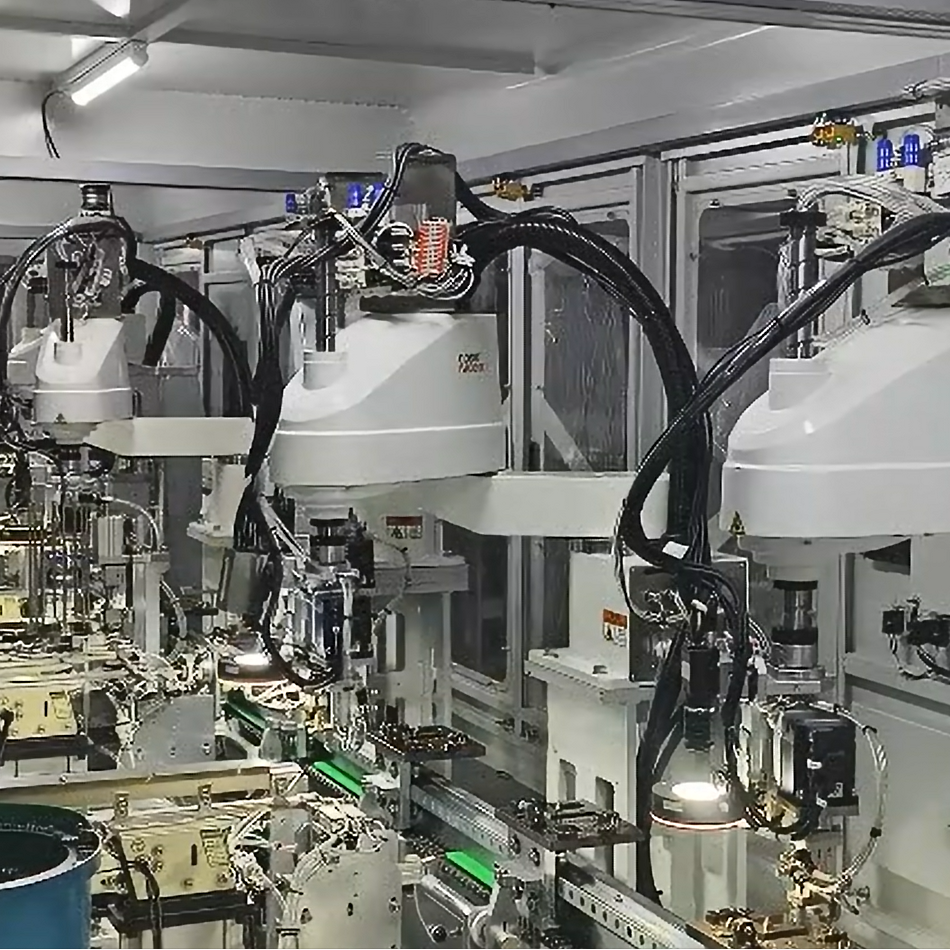
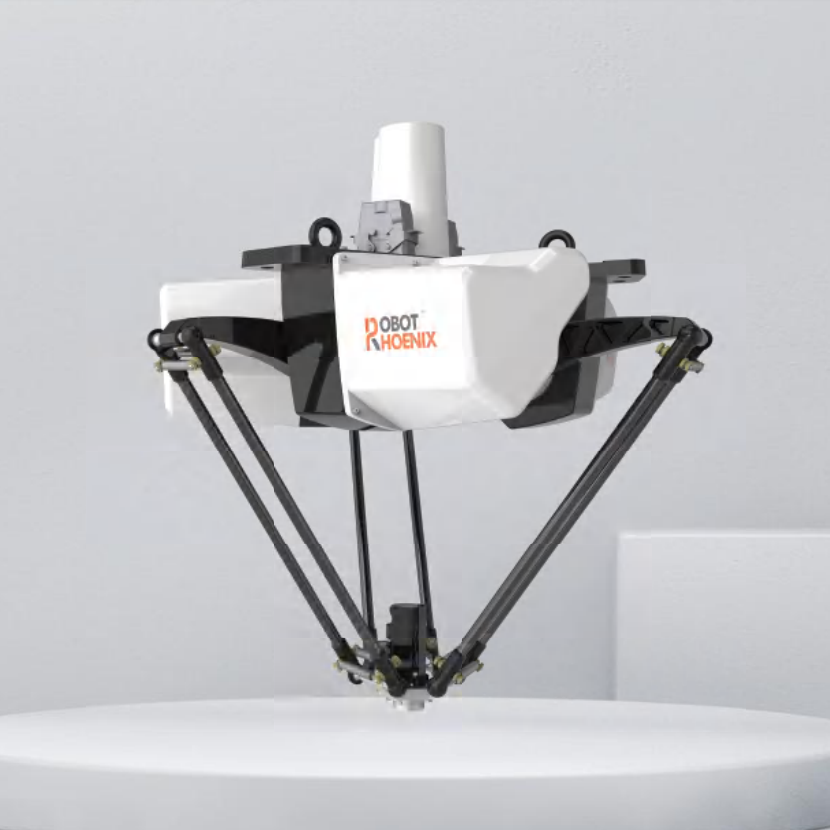
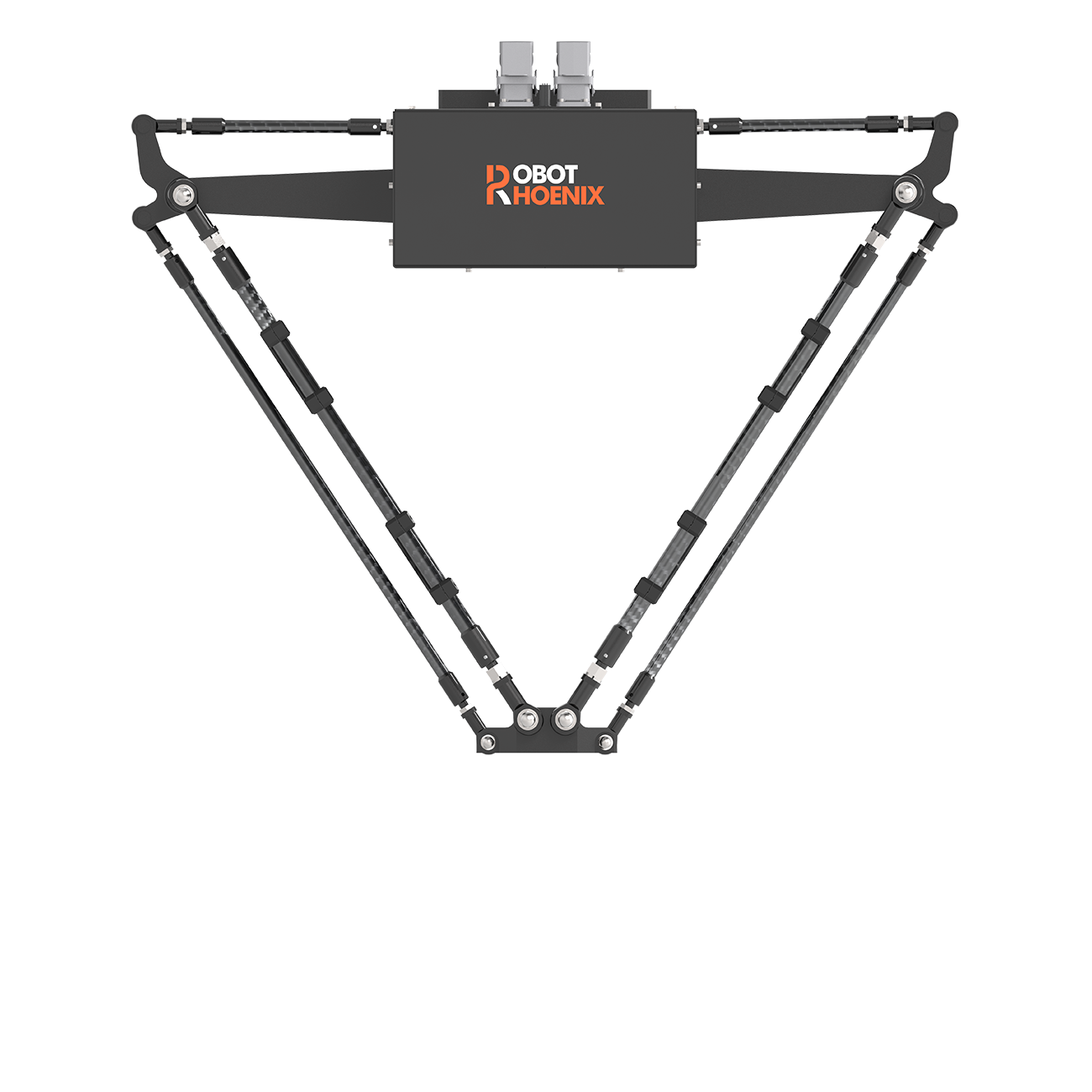
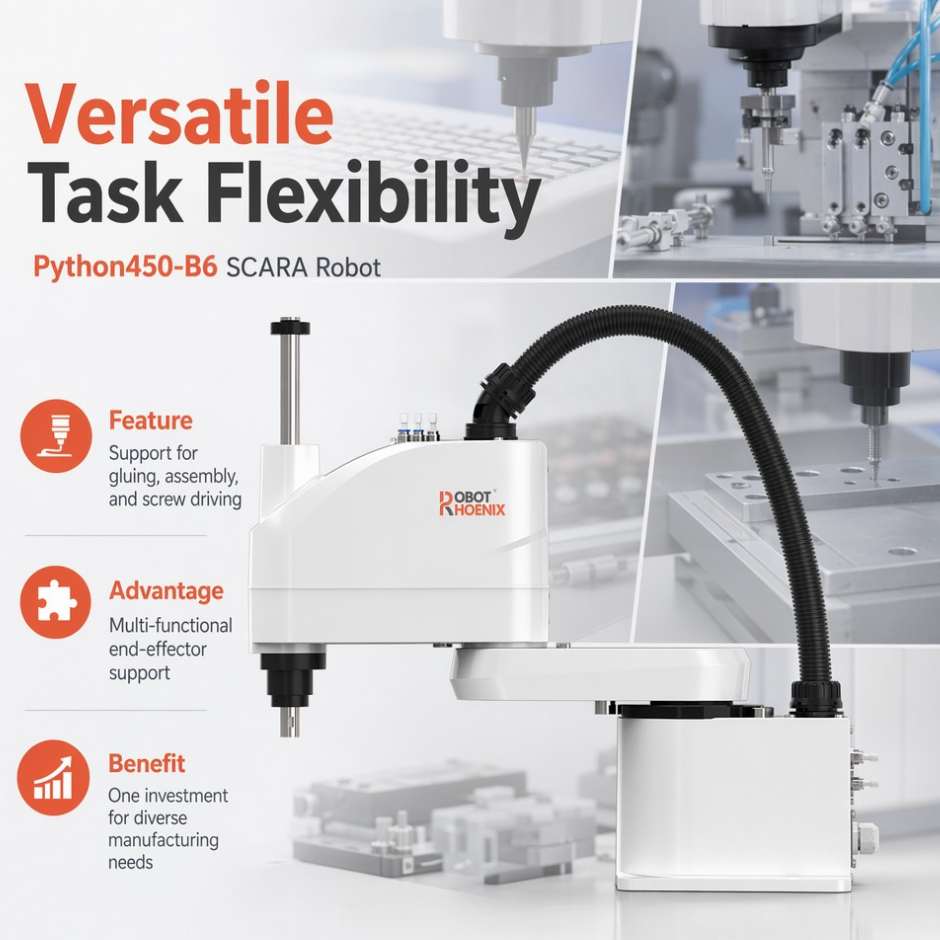
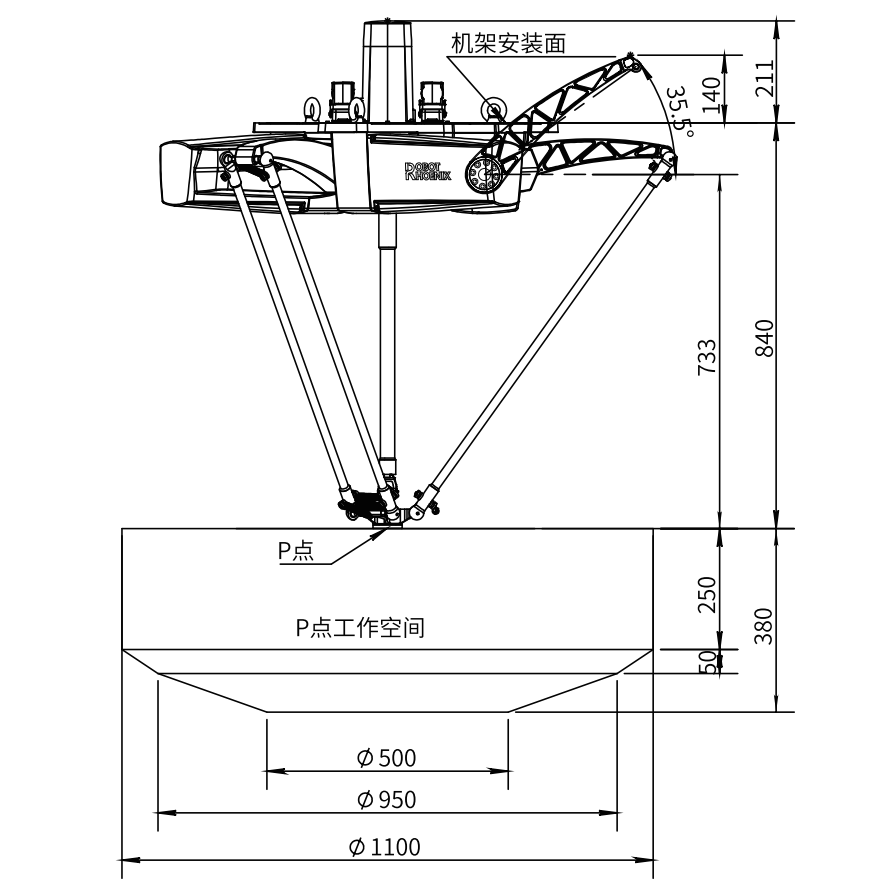
Bien Hoa sits at the center of Dong Nai’s industrial belt, next to Ho Chi Minh City and within a short truck haul of Cat Lai and the Long Thanh corridor. The city and surrounding industrial parks — Amata, Bien Hoa 1 and 2, Long Binh, Giang Dien, Ho Nai and Tam Phuoc — host a dense mix of electronics, footwear, textile, homeware, food, cosmetics, wet-wipes, pharmaceutical and automotive-parts plants. For packaging engineers, that mix matters: a single supplier may need a carton erector for export cartons in the morning and a delta cell for wet-wipe lids in the afternoon.
Three commercial trends are visible in requests from Dong Nai. First, order sizes are falling while SKU counts rise. A footwear factory may ship 18 carton sizes in a week; a wet-wipe line may run six lid formats in a day. The winning machine is not the one with the highest brochure speed; it is the one that returns to production fastest after a changeover. Servo-driven erectors, recipe libraries, quick-release vacuum tooling and vision that tolerates print variation often matter more than a headline cycle time.
Second, packaging compliance has moved from a sustainability report to a line-level constraint. Vietnam’s extended producer responsibility framework, introduced through the Law on Environmental Protection 2020 and guided by Decree 08/2022/ND-CP, places recycling obligations on producers and importers for packaging. In practice, buyers are asking for right-sized cartons, mono-material board, reduced void fill and better cube utilization. A carton that is 15 mm too large on two dimensions is not just a material cost; it is wasted cube in a container and a larger EPR exposure. Machine specification now includes carton-size capability, board-grade tolerance and glue-pattern control.
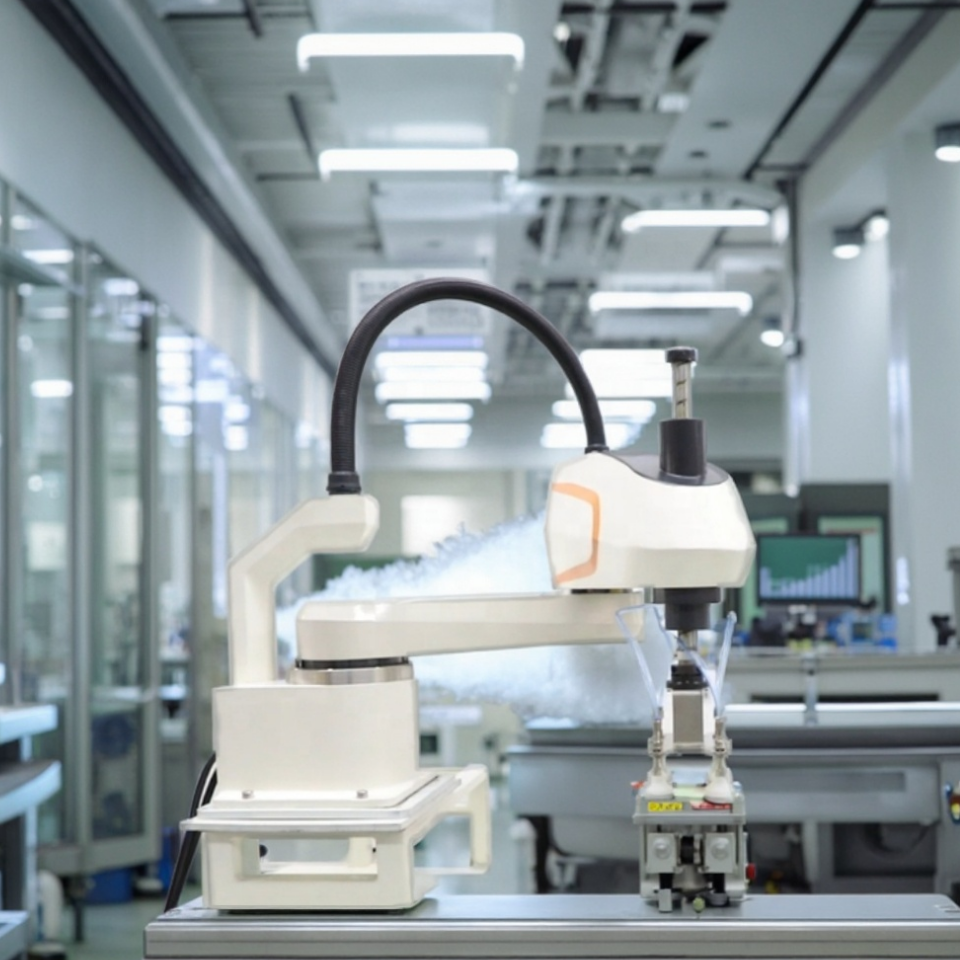
Third, labor planning. Dong Nai manufacturers run high shift utilization, and repetitive end-of-line work is difficult to staff consistently. Manual carton erecting, product loading, taping and lid placement are also quality-variable: a tired operator creates open flaps, skewed labels and crushed corners. Robotic cells are justified less by headcount alone and more by stable OEE, predictable output during peak season, and the ability to redeploy experienced operators to inspection, changeover and maintenance.
The local operating envelope deserves its own paragraph. Typical halls are not clean rooms: ambient temperatures above 30°C and relative humidity near 80% are common in the rainy season. Compressed air may be shared with other lines and can carry moisture if dryers and filters are undersized. Electricity is generally 380 V/three-phase/50 Hz, with 220 V control circuits; phase rotation and earthing must be checked before commissioning. Corrugated board arrives with local caliper variation and recycled fiber content, which changes compression and flap memory. A robust specification therefore includes IP54 protection on washdown-adjacent equipment, sealed electrical cabinets with filtered cooling, climate-compatible lubricants, and a dry-air requirement written into the utility schedule.
Logistics is manageable if documentation is prepared before shipment. Most machinery enters through Cat Lai or Tan Son Nhat and is trucked to Bien Hoa. Carton packing and case packing machinery is commonly discussed under HS 8422.30, but the final code, duty rate and VAT treatment must be confirmed by a licensed Vietnamese customs broker. China-origin goods may qualify for ACFTA preferential treatment with a Form E certificate of origin, subject to origin rules and customs acceptance. A supplier experienced in export packing, ISPM 15 wood-treatment marking where applicable, commercial invoice, packing list and electrical drawings reduces the gap between factory acceptance and production.
The difference between a smooth project and a difficult one is usually pre-engineering. Before quoting, collect: carton length, width and height in millimeters; board grade and caliper; product weight and center of gravity; cartons per minute required; conveyor height and direction; available floor space; operator positions; compressed-air quality; and samples of the actual board and product. A 5 mm variance in board thickness or a 10 mm error in flap length can turn a good erector into a jam-prone one. JORI’s engineering team builds the quotation around these variables rather than around a single model number.