8 Factory-Direct Robot Arms for Mexico City Pick-and-Place, Assembly and Packaging
The shortlist below preserves the exact product URLs supplied by the factory. For Mexico City buyers, each model should be evaluated against payload, reach, cycle time, part presentation, plant voltage, floor space and the real level of operator collaboration required.
Terminology matters: these are high-speed industrial delta, 4-axis and SCARA robot arms. If your Mexico City RFQ specifically requires a true collaborative robot with force-limited safety functions, state that requirement clearly so the factory can clarify whether a custom safety-integrated cell is the right fit.
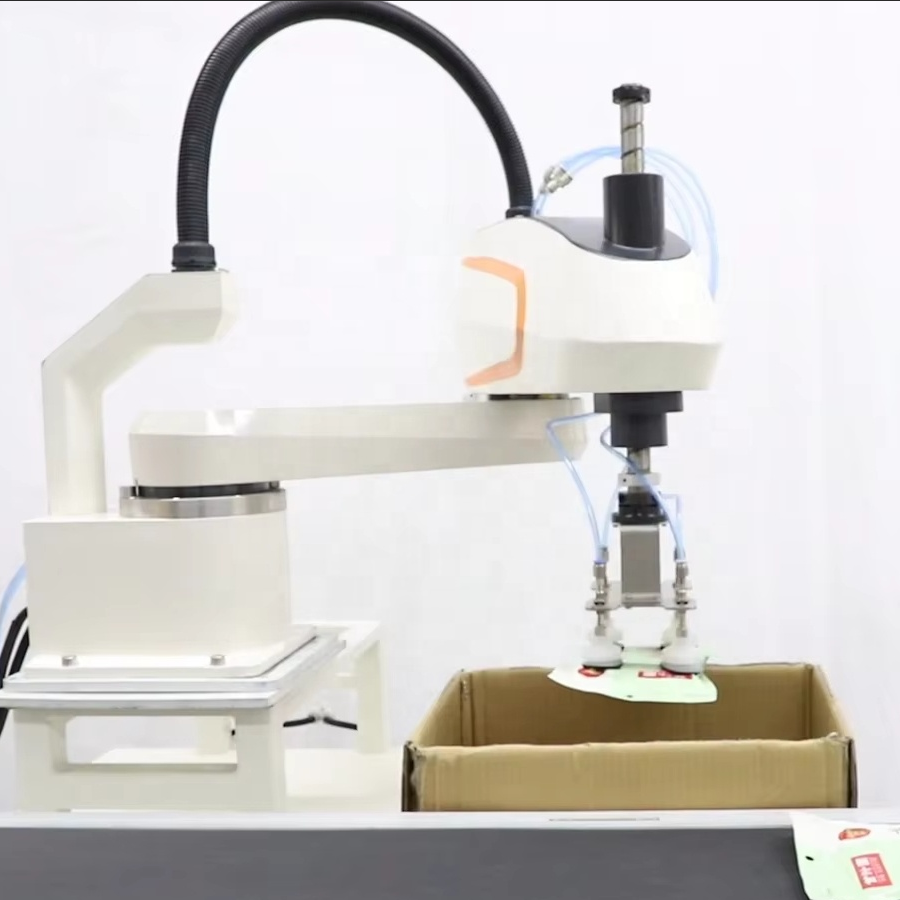
Light Load 4 Axis Industrial Manipulator Robot Scara Robot for Pick and Place Application
Light-load planar handling for compact cells, secondary packaging and small-part transfer where speed and footprint matter.
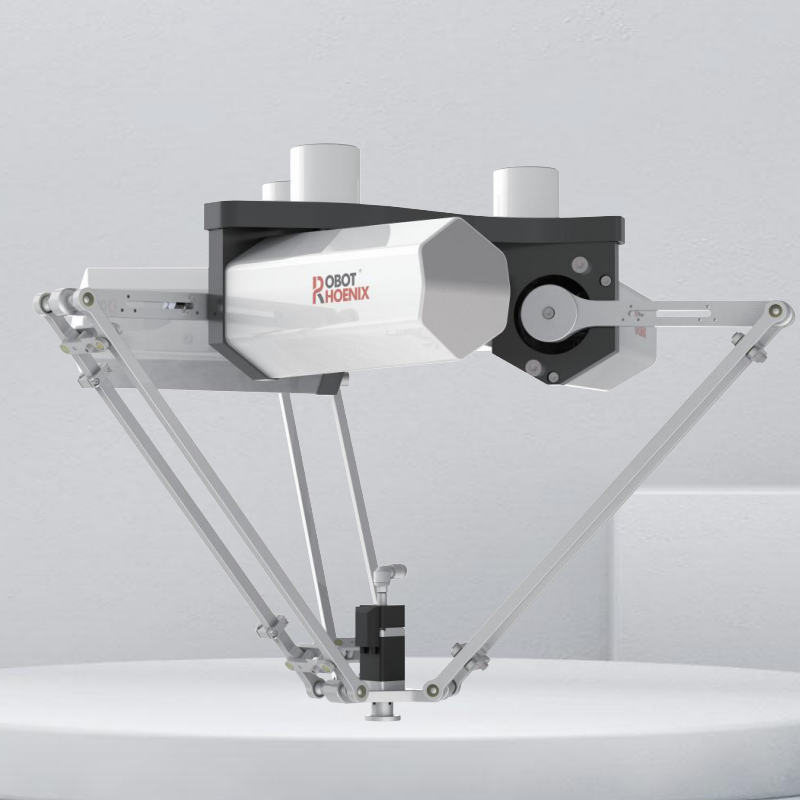
Robotphoenix New Design Industrial Robot Delta 6kg Payload 0.08mm Repeatability 2/3/4 Axis
Six-kilogram payload and 0.08 mm repeatability for high-speed sorting, labeling and packing operations.
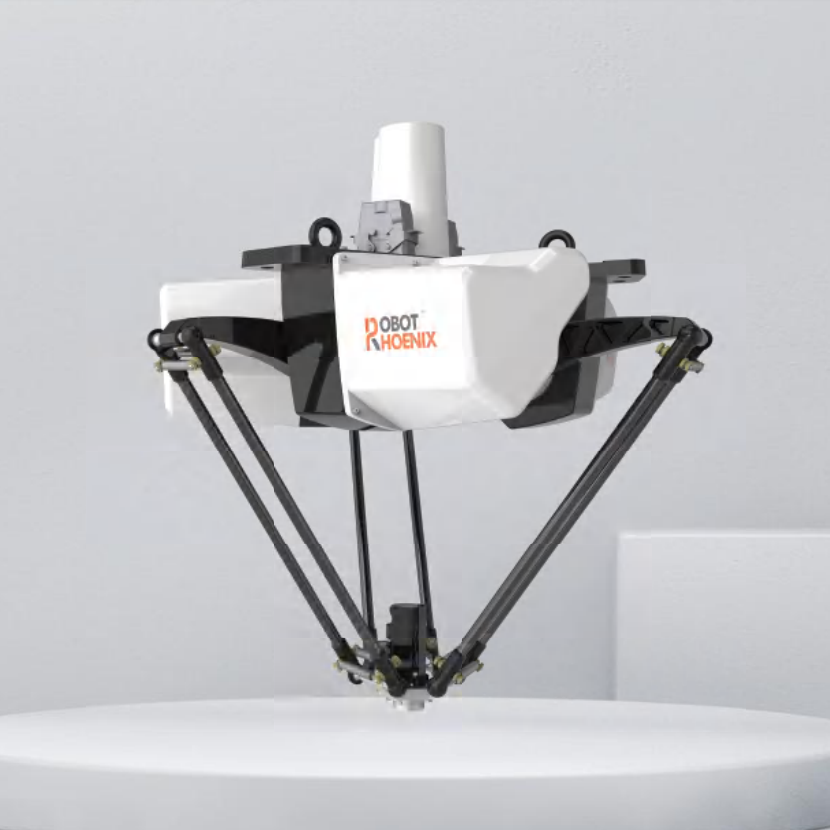
Robotphoenix New 4-Axis Parallel Robot Arm Delta Spider Hand Robot for Carton Packer Line
Spider-hand architecture for carton packer lines, multi-pack picking and repetitive end-of-line handling.
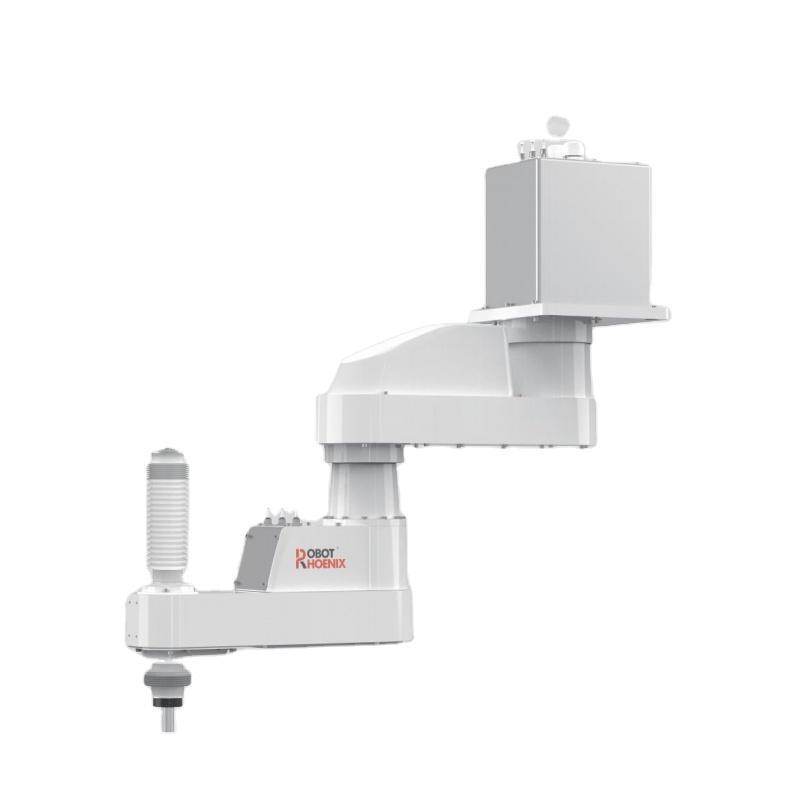
Compact Structure High Precision 550mm Reach Radius 3kg Payload 4-axis SCARA Robot
A tight-footprint 550 mm reach option for precision assembly, insertion and small-part placement.
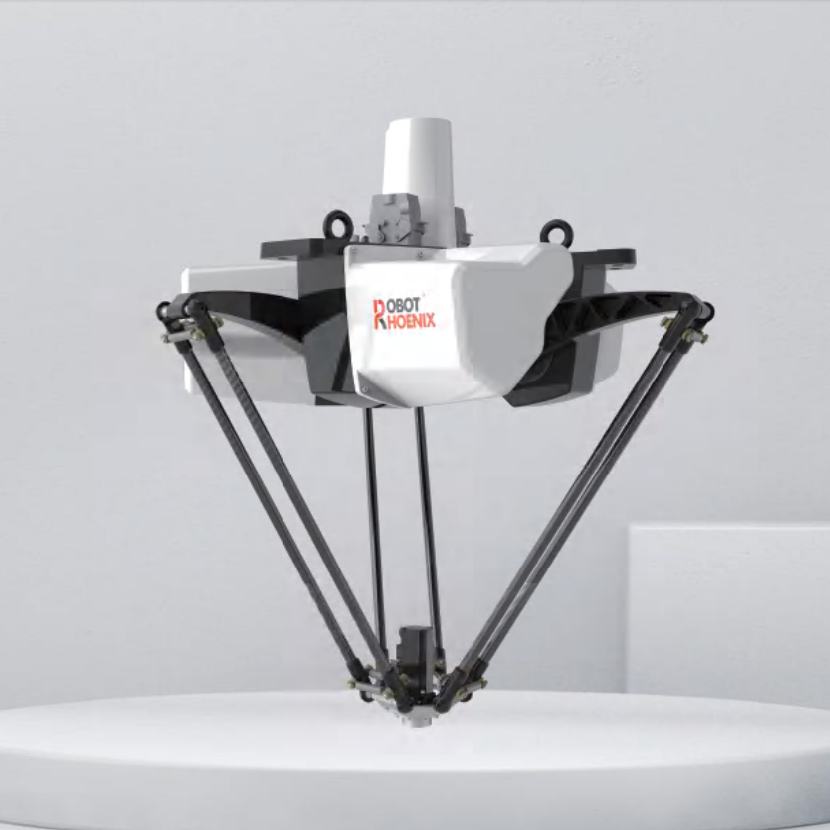
Robotphoenix 4 Arm Payload 3-6kgs Delta Robot for Pick Place Consumer Goods
Flexible 3–6 kg payload range for consumer goods, multi-SKU picking and packaging lines.
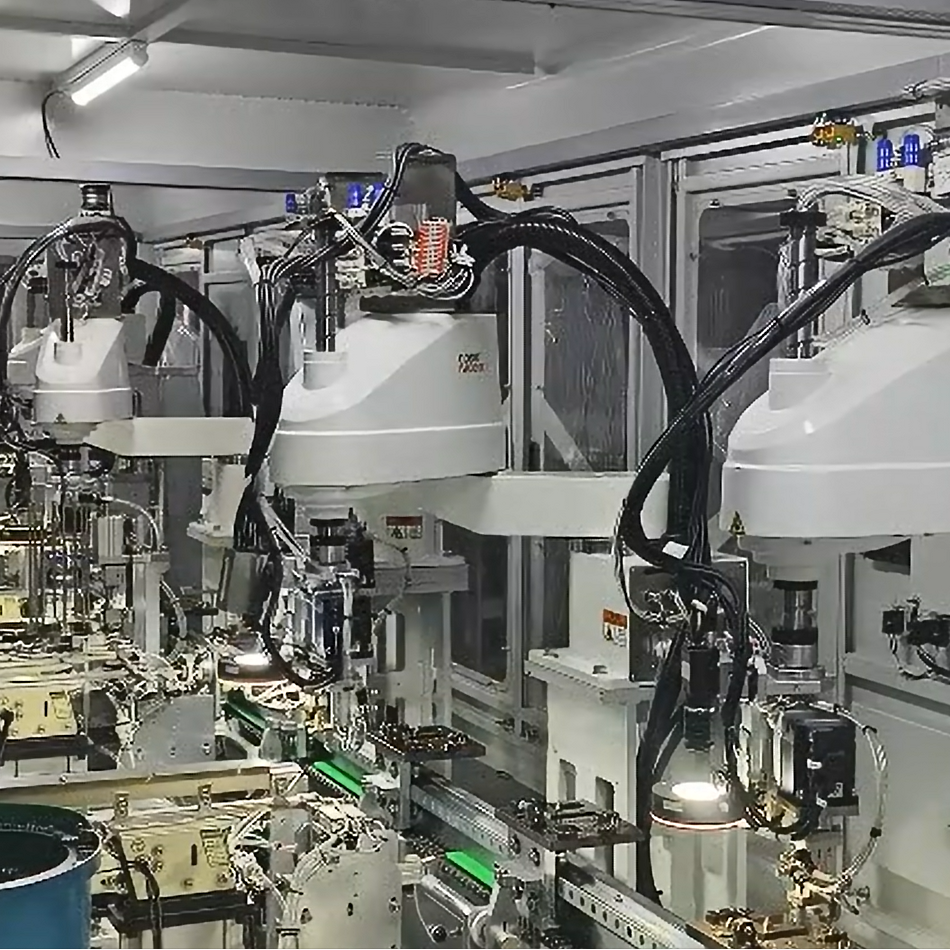
High Quality Mini Industrial Robot Scara for Pick and Place at Low Cost-New Condition
A practical entry point for small and medium manufacturers that need repeatable pick-and-place without a large cell.

New Condition High-Speed Industrial Innovative Manipulator Delta Robot for Light Industry
High-cycle handling for light industry, especially where repetitive speed and stable motion reduce bottlenecks.
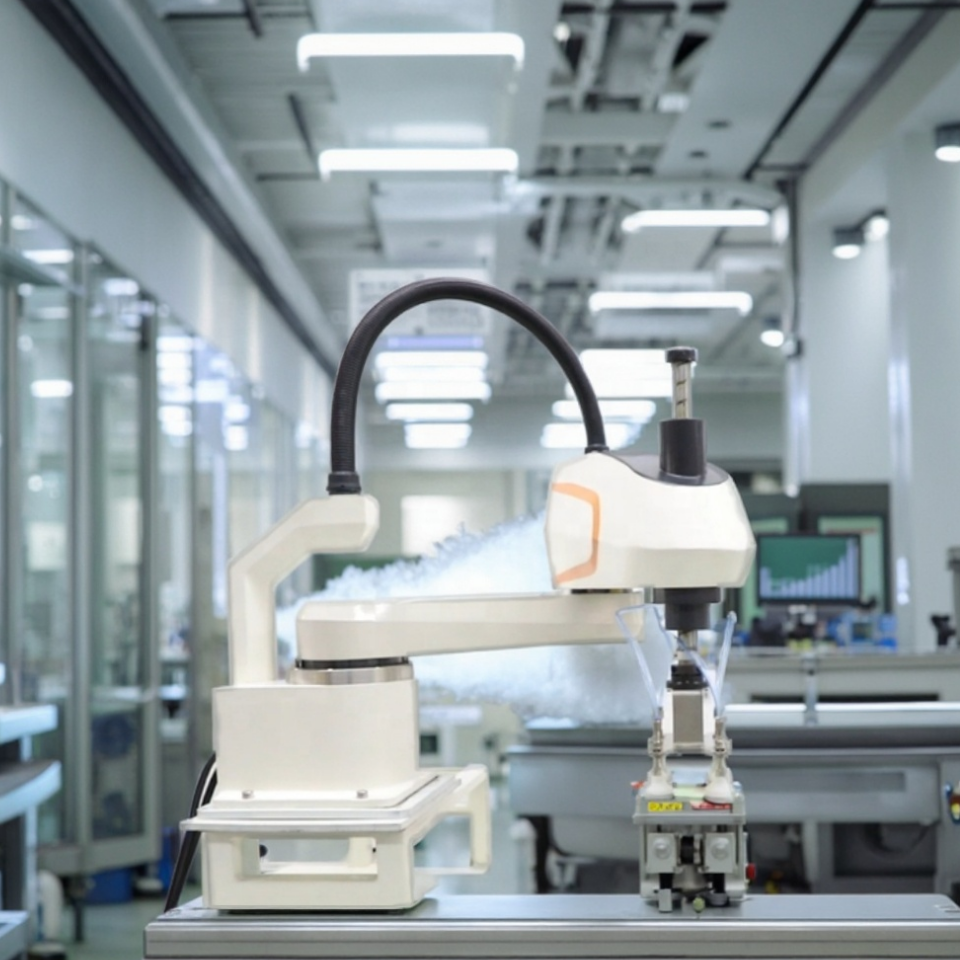
Industrial 4-Aixs Robot Arm Scara Robot Arm with Vision System for Auto Parts Industry
Vision-guided SCARA handling for auto parts where orientation, alignment and inspection consistency matter.
What Mexico City Buyers Can Verify Before Shortlisting
JORI Intelligent Technology Co., Ltd. has manufactured industrial robots since 2012, with in-house controller and 2D/3D vision development, OEM support and automated system integration. The figures below are the first-pass filters for a serious Mexico City procurement file.
Fast answers reduce project risk for cross-border buyers.
Mexico City projects often involve a local integrator, an end user and an overseas factory at the same time. A documented response rate of 97.06% with an average reply time of 2 hours or less helps shorten the technical clarification loop before a purchase order is issued.
From “Collaborative” to “Correctly Specified”: A Mexico City Buyer’s Reality Check
Many Mexico City sourcing teams search for “collaborative robot arm factories” when they actually need a compact, repeatable arm for a specific station. That distinction changes the quotation, safety review and cycle-time calculation.
A true collaborative robot is defined by force-limited safety functions and a formal risk assessment for shared human-robot space. A standard industrial delta or SCARA robot can still be integrated into a collaborative workcell with guarding, light curtains, safety scanners and PLC logic. Before you compare prices, decide which problem you are solving: high-speed pick-and-place, precise planar assembly, vision-guided alignment or material transport.
Robot Arm Use Cases in and Around Mexico City
Mexico City is not one industrial market. A packaging line in Iztapalapa has different constraints from an automotive Tier supplier near Toluca, a pharma plant in Naucalpan or a warehouse operation in Vallejo. These applications show where the eight robot arms fit.
Automotive Parts and Tier Supply
The vision-guided SCARA arm is relevant for auto-parts handling where parts arrive with variable orientation. Mexico City and the wider Estado de México industrial corridor often require repeatable insertion, inspection and traceable placement. Use vision when mechanical fixturing alone cannot guarantee alignment.
Food, Beverage and Consumer Goods Packaging
Delta robots with 3–6 kg payload and 0.08 mm repeatability are suited to high-speed sorting, labeling and carton packing. For Mexico City food and beverage lines, the key questions are conveyor speed, product variability, washdown policy and end-of-arm tooling design.
Pharmaceutical, Medical Device and Cosmetics
Clean, repeatable pick-and-place matters in blister, vial, carton and secondary packaging operations. Project documentation, change-control expectations and operator training should be agreed before the PO. A factory-direct controller and vision team can shorten the validation discussion.
Electronics and 3C Assembly
Mini SCARA robots fit cost-sensitive cells for small-part placement and assembly. Mexico City electronics operations often face high product mix and limited floor space, so compact footprint and easy changeover can matter as much as maximum speed.
Warehouse and Intralogistics
JORI also supplies 400–500 kg AMR platforms, laser SLAM autonomous forklifts and fleet management. For Mexico City warehouses and distribution centers, robot arms can work with conveyors and packaging stations while mobile robots move materials between zones.
Daily Chemicals and Wet Wipes
Delta-based lid applicator and carton packer cells are relevant for hygiene-product lines. Machine builders can discuss custom end-effectors, controller integration and PLC-ready delta configurations with the factory engineering team.
Local Procurement Trends That Should Shape Your Robot Arm RFQ
Nearshoring, labor pressure and energy-consistency requirements are changing how Mexico City manufacturers evaluate automation. The winning supplier is usually the one that makes the technical and commercial variables visible early.
Nearshoring and Supplier Diversification
More Mexico City manufacturers are adding or shifting production for North American supply chains. That often means smaller batch sizes and reconfigurable cells. MOQ from 1 set helps buyers validate a pilot line before scaling.
Labor Pressure and Repeatability
High turnover in repetitive tasks creates demand for machines that hold cycle time and quality across shifts. Delta and SCARA robots are especially relevant where operators currently perform fast, repetitive pick-and-place or insertion.
Power and Frequency Compatibility
Mexico uses 127/220 V and 60 Hz in many facilities. Include your actual plant voltage, phase, frequency and safety circuit in the RFQ so the controller, vision and peripheral configuration can be confirmed before shipment.
Altitude, Dust and Seismic Planning
Mexico City sits at roughly 2,240 m elevation. High-altitude operation, dust, compressed-air sizing and seismic anchoring should be part of the engineering review. Do not assume a catalog robot will drop into every building without a site check.
Compact Footprint and Safety Strategy
Urban plant space is expensive. Buyers should compare floor area, service clearance and safety fencing early. If your goal is shared workspace without fencing, specify a true collaborative-robot safety requirement rather than loosely applying the term to a standard industrial arm.
Import, Spare Parts and Service Continuity
Cross-border projects need a customs broker, documented Incoterms, a critical spare-parts list and a remote-support plan. Also agree on operator training, maintenance intervals and documentation language before the purchase order is signed.
Why JORI Is a Credible Factory-Direct Option for Mexico City Buyers
JORI Intelligent Technology Co., Ltd. operates as an original robot manufacturer, not a trading intermediary. That matters when a Mexico City project needs controller integration, vision support, OEM labeling or a fast engineering answer.
In-House R&D Since 2012
Delta robots, SCARA robots, wafer-handling robots, AGV/AMR platforms, controllers and 2D/3D vision are developed in-house and protected by national patents. Buyers get one accountable source for hardware, software and after-sales engineering.
Controller and Vision Owned by the Factory
Because motion control and vision are not outsourced to a reseller chain, integration questions around conveyor tracking, part orientation and PLC handshakes can be resolved directly with the factory team.
ISO 9001 and Onsite Verification
Documented quality management, component inspection and final robot run-in testing are supported by third-party-verified supplier credentials. Buyers can review assessment, credit and trade records before placing a deposit.
OEM, Design and Buyer-Label Service
JORI provides OEM service, design service and buyer-label options. Machine builders can discuss custom end-effectors, controller integration and private-label requirements for the Mexico City market.
One-Stop Automation Integration
From delta and SCARA arms to AMR/AGV platforms, autonomous forklifts and wafer robots, the product range supports a broader automation roadmap rather than a single isolated machine purchase.
MOQ 1 Set and Fast Response
Standard delta robots, SCARA robots and AMR/AGV platforms can be ordered from 1 set, so buyers can validate a pilot cell. The inquiry response rate is 97.06%, with an average reply time of 2 hours or less.



Verify the supplier before you approve the deposit.
A Mexico City buyer should not rely on a single product page. Review independent company evidence and the factory’s trade record as part of your procurement due diligence.
Which Robot Arm Fits the Mexico City Line?
Use this comparison to shortlist the right robot family before requesting a quotation. Final specifications must still be confirmed against your part, gripper, conveyor and safety concept.
| Robot Option | Best For | Key Figures | Choose It When |
|---|---|---|---|
| Option 01Light Load 4-Axis SCARA | Compact pick-and-place and light assembly | 4-axis SCARA architecture · light payload · compact cell | You need fast planar handling in a small Mexico City production footprint. |
| Option 02Delta Robot 6 kg | High-speed sorting, labeling and carton packing | 6 kg payload · 0.08 mm repeatability · 2/3/4-axis models | Products arrive quickly on a conveyor and cycle time is the bottleneck. |
| Option 03Delta Spider Hand 4-Axis | Carton packer lines and multi-pack picking | 4-axis parallel robot · high-speed pick-and-place | You are designing an end-of-line packing cell with repetitive motion. |
| Option 04Compact 550 mm SCARA | Precision assembly and insertion | 3 kg payload · 550 mm reach · 4-axis | Your cell is tight and you need accurate planar movement rather than long reach. |
| Option 05SCARA with Vision | Auto parts and orientation-dependent handling | 4-axis SCARA · vision system integration | Parts arrive randomly and alignment or inspection must be automated. |
Answers Local Buyers Ask Before Requesting a Quote
These are the practical questions that usually decide whether a Mexico City robot arm project moves to a technical review, a site layout study or a purchase order.
Are these collaborative robot arms?
What is the minimum order quantity and can we pilot first?
Can the robot be configured for Mexican plant power?
Which delivery and payment terms are accepted?
How should we plan shipping to Mexico City?
Can JORI integrate with existing carton packers or wet wipe lid applicators?
What should we include in the RFQ?
How quickly will JORI respond?
Request a Factory-Direct Recommendation for Your Mexico City Project
Share your payload, reach, cycle time, layout and plant voltage. The factory team can recommend a delta, SCARA or vision-guided robot arm and clarify the next engineering step.