Vision Guided Automation Supplier & Wholesalers in the Ho Chi Minh City Market
Factory-direct SCARA and delta robot cells with in-house 2D/3D vision, PLC integration and OEM support — engineered for HCMC packaging, electronics, food and logistics teams that need faster cycles, stable quality and a supplier who responds in hours, not weeks.
A Practical Buying Guide for Vision-Guided Automation in Ho Chi Minh City
Ho Chi Minh City is no longer only a low-cost assembly backup. It is a high-mix production base for electronics, consumer goods, food, cosmetics, packaging and e-commerce fulfilment — with factories in Thu Duc City, District 7, Binh Chanh, Binh Tan, Hoc Mon, Cu Chi, Nha Be and nearby Binh Duong, Long An and Dong Nai.
For plant owners and procurement teams, the challenge is rarely “Do we need automation?” The real question is: which robot cell can handle random part orientation, short changeovers and rising labor turnover without creating a maintenance burden? Vision-guided SCARA and delta robots answer that question by using cameras and software to locate, inspect and pick products without expensive hard fixtures.
This guide is written for HCMC factory managers, machine builders, system integrators and automation wholesalers comparing a reliable vision-guided automation supplier for the Ho Chi Minh City market. It combines local application scenarios, product recommendations, procurement FAQs and verifiable company strengths from JORI Intelligent Technology Co., Ltd. — a manufacturer founded in 2012 with in-house robot, controller and 2D/3D vision development.
8 Vision-Guided SCARA and Delta Robot Systems for HCMC Production Lines
These catalogue models cover fast conveyor picking, precise planar assembly, mixed-SKU sorting and compact packaging cells. Standard models can be ordered from 1 set; final configuration is confirmed against your part, cycle time and line layout.
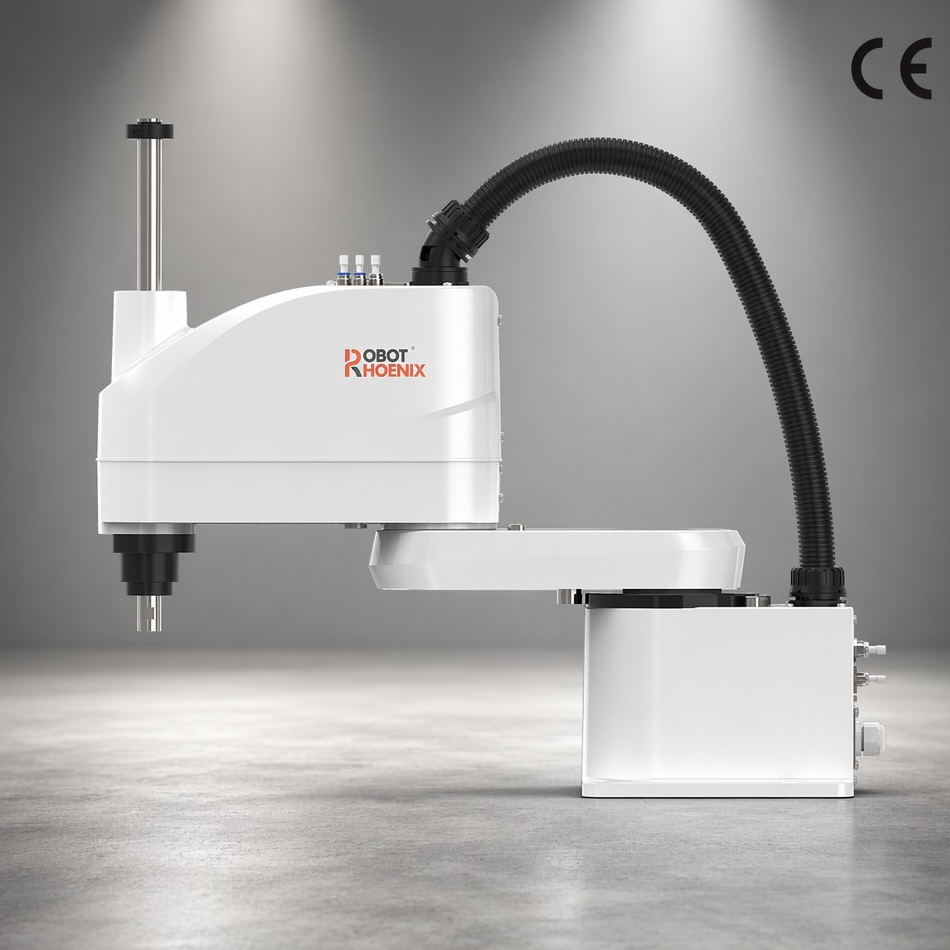
High Efficiency 6kg Payload Manipulator Scara Robot with Vision for Picking and Placing
A 6 kg SCARA with vision for HCMC electronics, cosmetics and small-part assembly. The camera locates randomly oriented parts on a conveyor, reducing fixtures and changeover time.
- 6 kg payload
- Vision picking
- Compact cell
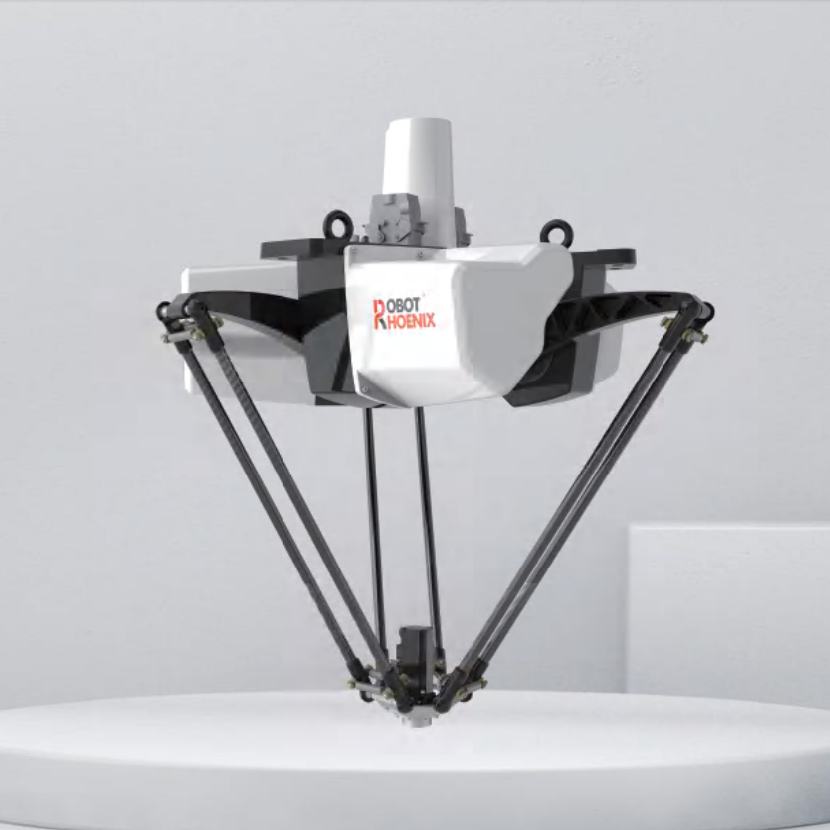
Robotphoenix 4 Arm Payload 3-6kgs Delta Robot for Pick Place Consumer Goods
High-speed four-arm delta robot for consumer goods sorting in Binh Duong, Long An and HCMC packaging plants. Vision handles sachets, caps, bottles and small cartons.
- 3–6 kg payload
- High-speed
- Consumer goods
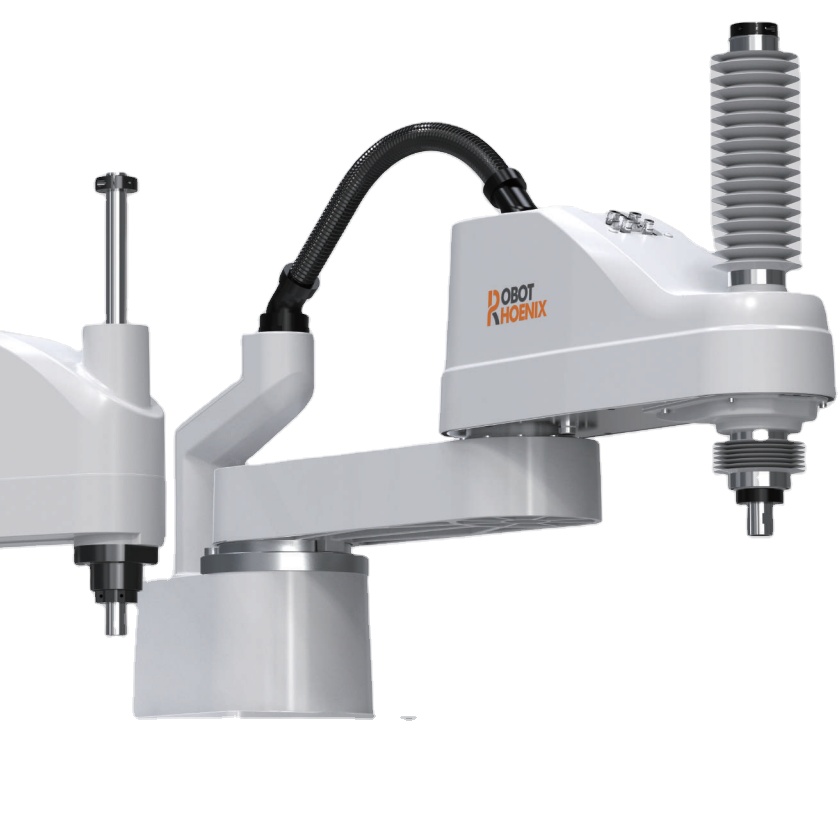
High-Precise Industrial Scara Robot Arm Scara Robot for Pick and Place in Light Industry
Precision SCARA for connectors, PCB handling, medical devices and small appliance assembly. Well suited to HCMC factories that need repeatable placement and simple PLC integration.
- Light industry
- Precise placement
- PLC-ready
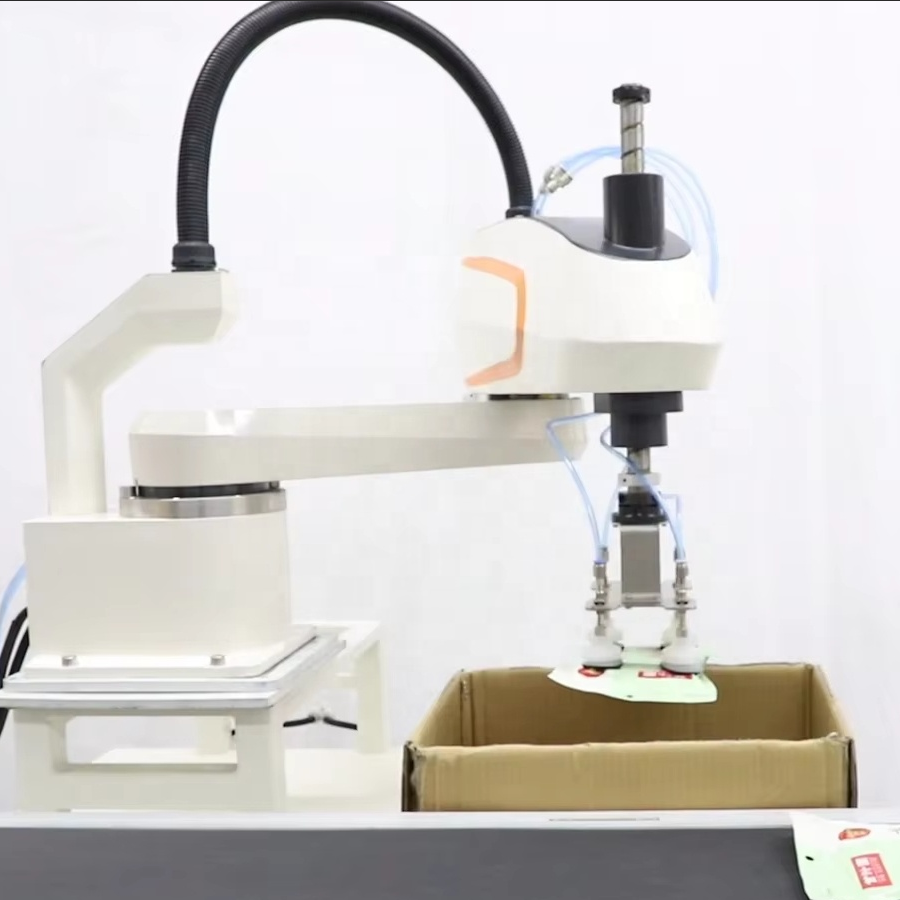
Light Load 4 Axis Industrial Manipulator Robot Scara Robot for Pick and Place Application
A cost-efficient 4-axis SCARA for light loads, pilot cells and growing HCMC SMEs. The single-set MOQ helps buyers validate a line before scaling to multiple cells.
- 4-axis
- Light load
- MOQ 1 set
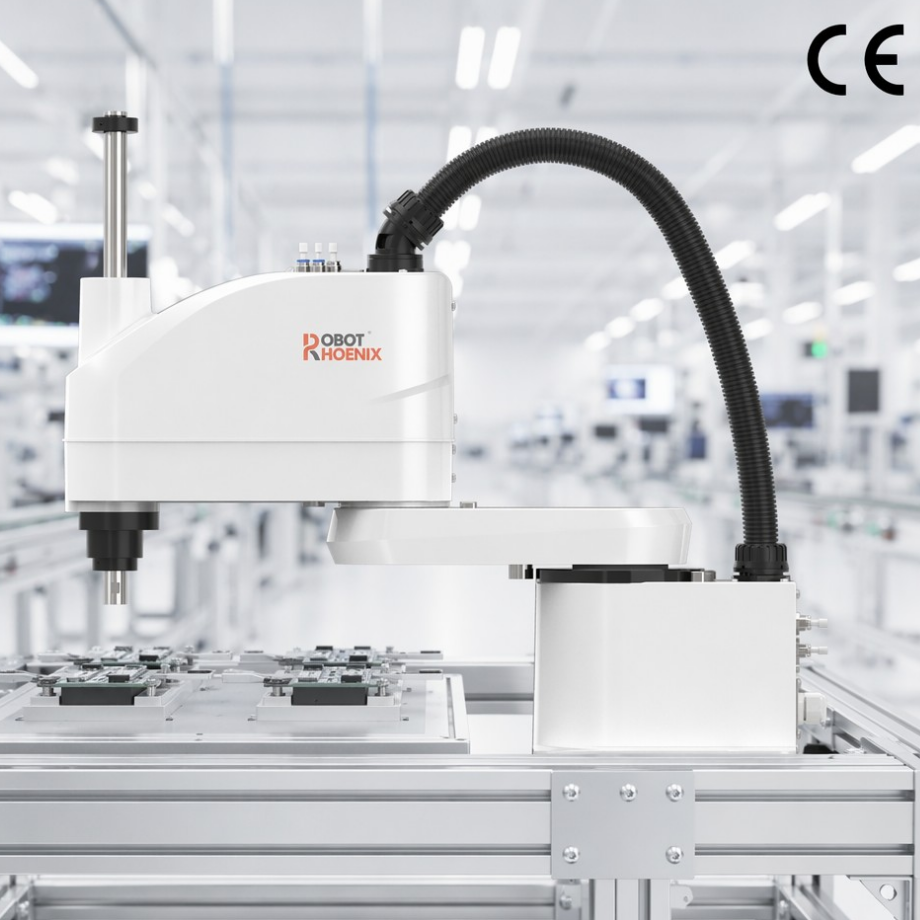
New Design Compact High Accuracy Industrial Robot Arm Scara with 2D/3D Vision System
Compact SCARA with 2D/3D vision for depth-guided placement, bin picking and inspection. A practical choice where HCMC factory floor space is tight but accuracy cannot be compromised.
- 2D/3D vision
- Compact footprint
- High accuracy
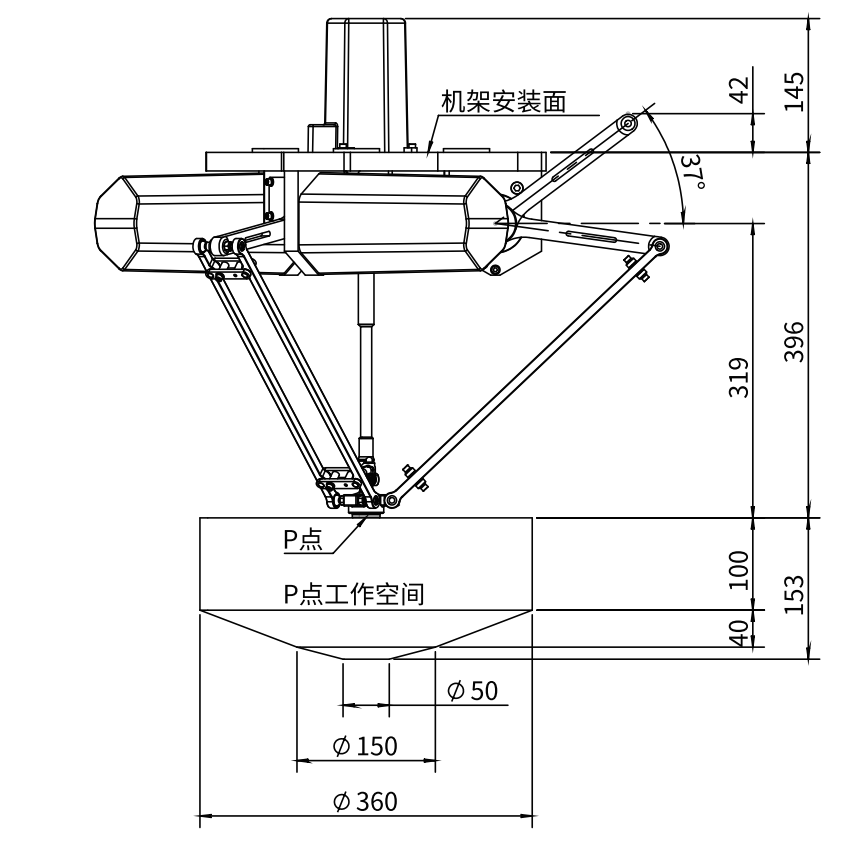
Hot Selling Parallel Robot Delta Industrial Robot Arm for Material Gripping Sorting
Parallel delta robot for material gripping and sorting on moving conveyors. Ideal for food, pharma and e-commerce sorting lines in HCMC and neighboring industrial parks.
- Material sorting
- Conveyor picking
- High throughput

High Precision Pick and Place 4 Aixs Parallel Robot Delta with Vision Tracking System
Four-axis delta with vision tracking for high-speed picking from moving conveyors. Suitable for multi-SKU HCMC packaging lines that need fast changeover and consistent placement.
- 4-axis
- Vision tracking
- Moving conveyor
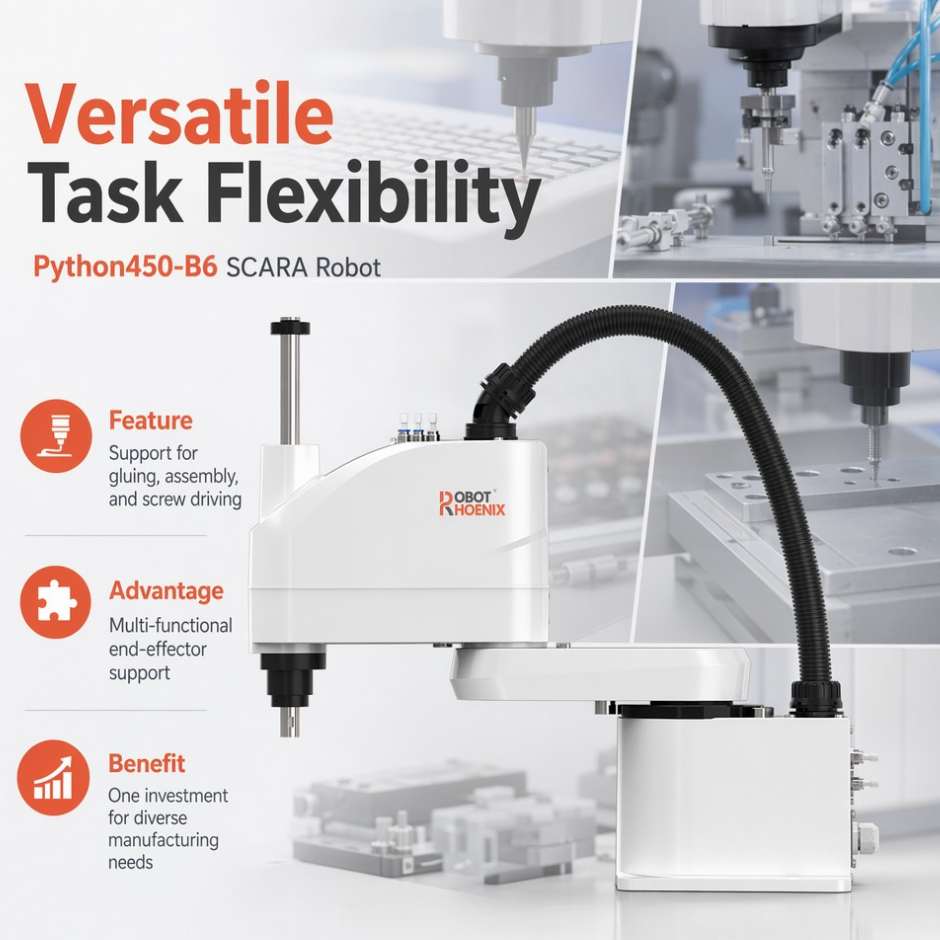
Four-Axis Industrial Robot Hand SCARA for Loading/Unloading and Sorting in Food Industry
Four-axis SCARA for food-industry loading, unloading and sorting. Useful for HCMC food processors in Binh Chanh, Hoc Mon and Cu Chi that need steady output with fewer manual transfers.
- Food handling
- Loading/unloading
- Sorting
Product links are preserved from the original catalogue. For non-standard grippers, conveyor tracking, vision lighting or line integration, confirm the application with JORI engineers before ordering.
Where Vision-Guided Automation Creates Value in Ho Chi Minh City
The right robot depends less on the industry name and more on what arrives at the cell: part weight, orientation, conveyor speed, hygiene requirement, changeover frequency and available floor space.
Food & Beverage
Binh Chanh, Hoc Mon and Cu Chi processors use delta robots for bakery products, dairy cups, beverage caps and sachet sorting. Vision reduces hard tooling when product size or flavour changes.
Electronics & 3C
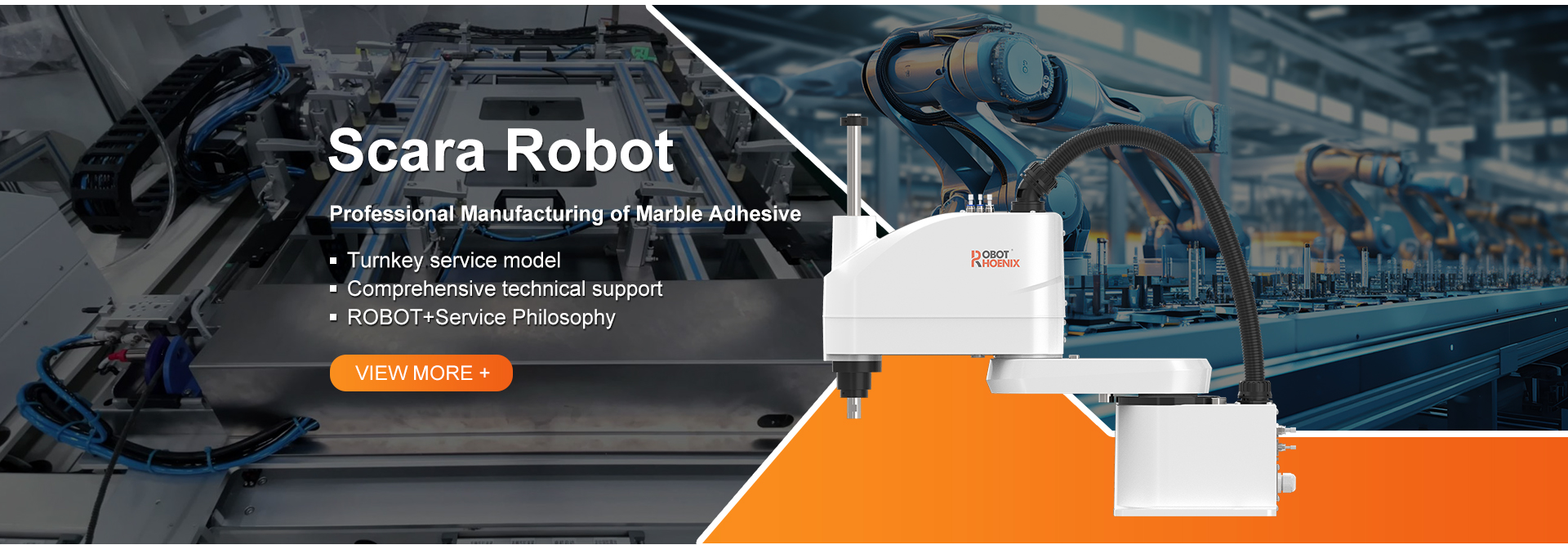
Around Saigon Hi-Tech Park, Thu Duc City and Linh Trung EPZ, SCARA robots handle connectors, PCB loading, adhesive dispensing support and small-part placement with repeatable motion.

Consumer Goods & Cosmetics
Binh Tan, Binh Chanh, Binh Duong and Long An factories use vision-guided SCARA and delta cells for cartoning, lid handling, labelling and visual inspection before packing.
Warehouse & Fulfilment
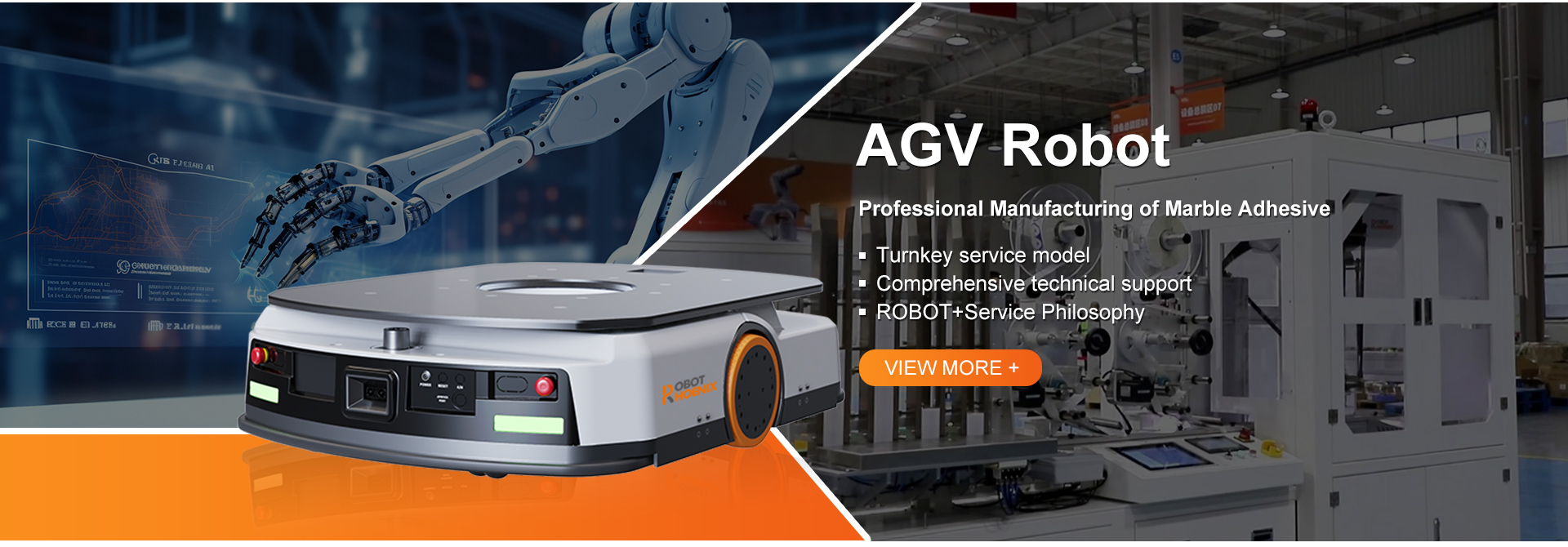
Near Cat Lai port, Tan Thuan EPZ and District 7 logistics hubs, vision-guided sorting cells and JORI AMR/forklift platforms help reduce walking, manual sorting and shift-dependent throughput.
Automation Trends Shaping Ho Chi Minh City Procurement
Buyers in southern Vietnam are not simply replacing labor. They are designing lines that can absorb faster model changes, smaller batches and higher traceability expectations.
Labor Stability
Rising wages and turnover make repetitive picking, sorting and loading stations harder to staff. A single robot cell can stabilise output across shifts without relying on perfect operator retention.
High-Mix, Low-Volume
HCMC factories increasingly run multiple SKUs per shift. Vision-guided robots reduce fixture changes and allow faster recipe switching when packaging formats or component sizes change.
Data & Traceability
Vision systems are increasingly used for inspection as well as guidance. Robot cells can log pick results, rejects and cycle data for line dashboards, quality teams and customer audits.
Supplier Consolidation
Wholesalers and machine builders prefer fewer accountable partners. A supplier that develops the robot, controller and vision in-house can simplify spare-parts planning and engineering communication.
SCARA vs Delta: Which Vision-Guided Robot Fits Your HCMC Line?
Use this guide to shortlist the robot family before requesting a quotation. A sample part, current cycle time and line layout video will usually allow a faster engineering recommendation.
Choose Delta For Speed
Best for lightweight products arriving on moving conveyors: sachets, caps, cups, small cartons and consumer goods. Typical payload range for these catalogue models is 3–6 kg.
Choose SCARA For Precision
Best for planar assembly, insertion, loading and precise placement in compact cells. Useful for electronics, small appliances, cosmetics and medical-device assembly in HCMC.
Use Vision For Random Parts
Vision reduces hard fixtures by locating parts on conveyors, trays or bins. It is especially valuable for mixed-SKU packaging lines and components that arrive without consistent orientation.
Plan Integration Early
Confirm PLC signals, safety guarding, gripper design, conveyor tracking and operator interface during quotation. Integrating these at the start is cheaper than retrofitting after installation.
Illustrative Fit Profile
This qualitative profile is for early shortlisting only. It is not test data. Final selection must be validated with your actual part weight, cycle time, conveyor speed and line layout.
Why HCMC Buyers Work With JORI
JORI Intelligent Technology Co., Ltd. was founded in 2012 in Jinan, Shandong, China — a major robotics hub. The company develops robots, controllers and 2D/3D vision in-house and supports machine builders through OEM, design and buyer-label services.
In-House R&D Since 2012
Delta, SCARA, wafer, AGV/AMR, controller and 2D/3D vision development are managed in-house. National patents and a 500+ employee organisation support design, assembly and testing.
One Accountable Source
Robot, controller, vision and integration support come from one engineering team. This reduces finger-pointing when a vision-guided cell must connect to an existing packaging machine or PLC.
OEM, Wholesale & Buyer Label
OEM service, design service and buyer-label options support HCMC wholesalers, distributors and machine builders. Standard delta, SCARA and AMR platforms can be ordered from 1 set.
Verified Quality & Fast Response
ISO 9001 quality management, onsite-verified manufacturer status, credit and trade records, and a 97.06% response rate with an average reply time of 2 hours or less.
International buyers can verify JORI through the company profile, supplier assessment, credit profile, trade capacity and buyer reviews published on the official website. Delivery terms include FOB, CFR, CIF, EXW, CIP, FCA and CPT, with payment support for T/T, L/C, credit card, PayPal, Western Union, MoneyGram and escrow in multiple currencies.
Ho Chi Minh City Buyer FAQs for Vision-Guided Automation
These are the questions commonly raised by factory owners, machine builders and automation wholesalers comparing a robot supplier for the HCMC market.
What is vision-guided automation, and why is it relevant to HCMC manufacturers?
Vision-guided automation uses cameras and software to locate parts, inspect them and send coordinates to a robot. This reduces hard fixtures and allows the cell to handle random orientation, mixed SKUs and short changeovers — practical advantages for HCMC factories facing smaller batch sizes and frequent product changes.
Which HCMC industries should evaluate a SCARA or delta robot first?
Food and beverage packaging, electronics and 3C assembly, cosmetics, consumer goods cartoning, e-commerce sorting and light industrial parts handling are common starting points. Delta robots are usually preferred for very fast lightweight picking from conveyors; SCARA robots are preferred for precise planar assembly, insertion and compact cells.
What is the minimum order quantity, and how fast can JORI quote?
Standard delta robots, SCARA robots and AMR/AGV platforms can be ordered from 1 set. For a useful quotation, share product photos, weight and dimensions, current cycle time, conveyor speed and a line layout sketch. JORI maintains a 97.06% response rate with an average reply time of 2 hours or less.
Can JORI robots integrate with existing packaging machines in Vietnam?
Yes. JORI develops controllers and 2D/3D vision in-house and offers PLC-ready delta robots for cartoning machines, carton packers and wet wipe lid applicator lines. Final integration details — conveyor tracking, safety signals, gripper design and operator screens — should be confirmed during project engineering.
Do you support 220 V / 380 V, English documentation and operator training?
Electrical configuration is confirmed per project and plant standard. English project documentation and remote engineering support are normally available; Vietnamese operator labels, local training coordination and on-site support can be discussed with the final project scope. The agreed service model should be written into the contract.
Delta or SCARA for randomly oriented parts?
Both can use vision to handle random orientation. Choose delta when speed and lightweight conveyor picking are the priority, typically for 3–6 kg payloads. Choose SCARA when planar assembly, insertion accuracy and a compact footprint matter more. A short sample study is the most reliable way to decide.
Which delivery and payment terms are accepted?
Accepted delivery terms include FOB, CFR, CIF, EXW, CIP, FCA, CPT and express delivery. Payment methods include T/T, L/C, credit card, PayPal, Western Union, MoneyGram and escrow, in currencies such as USD, EUR, GBP, JPY, CAD, AUD, HKD, CHF and CNY. Final terms are confirmed in the quotation and proforma invoice.
How should a HCMC factory estimate ROI before committing to a robot cell?
Compare the robot cell cost against labour hours removed, scrap or rework reduction, throughput improvement, changeover time saved and floor-space value. Because HCMC buyers often scale from one cell, a pilot installation can validate uptime and operator acceptance before adding more robots. Ask JORI engineers for a cycle-time review based on your part and conveyor data.
Get a Quote for Vision-Guided Automation in Ho Chi Minh City
Send your product photos, part weight, cycle time, conveyor speed, voltage standard and line layout. Our engineers will recommend a suitable SCARA, delta robot or integrated cell and reply with a practical quotation for your HCMC facility.
To speed up the proposal, include: product size and material, required picks per minute, current manual process, available floor space, target commissioning date and any preferred PLC or communication protocol.