8 Robot Products Frequently Specified Alongside Stuttgart AGV Projects
These cells are used at the boundaries of intralogistics: induction, sorting, kitting, carton packing, bottle handling and high-speed pick-and-place. They complement AGV and AMR fleets by feeding, sorting or finishing goods before mobile transport.
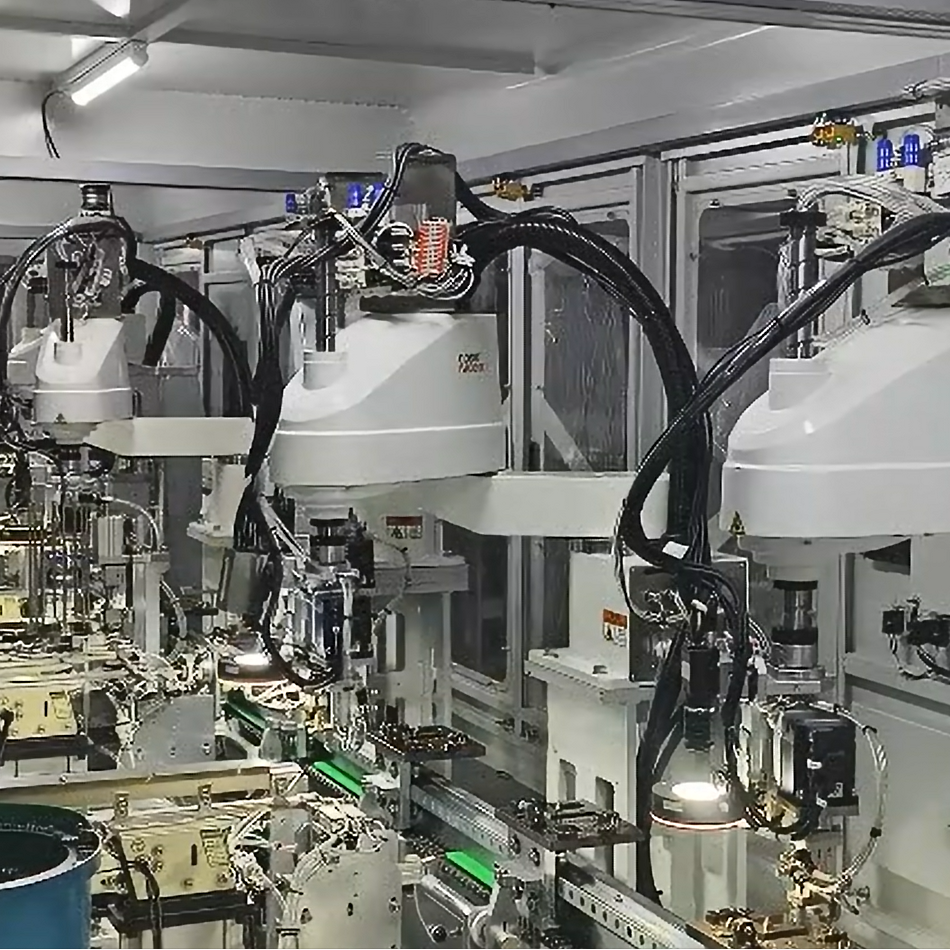 SCARA · compact cell
High Quality Mini Industrial Robot Scara for Pick and Place at Low Cost-New Condition
Best fit for low-cost pick-and-place, line-side kitting and tote induction where a compact SCARA cell must connect to an AGV pickup point.
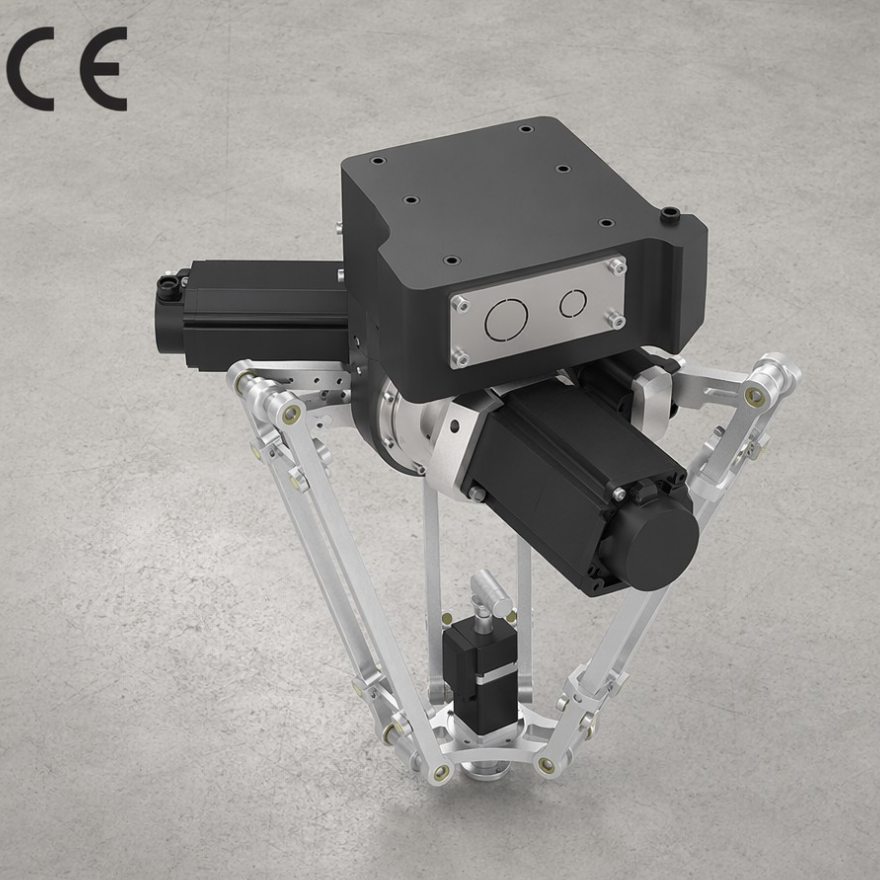 Delta · vision guided
Smart Parallel Robot Picking and Placing Robot Manipulator Delta Robot with Visual System
Best fit for vision-guided sorting and conveyor picking; often paired with mobile robots for order consolidation and dispatch preparation.
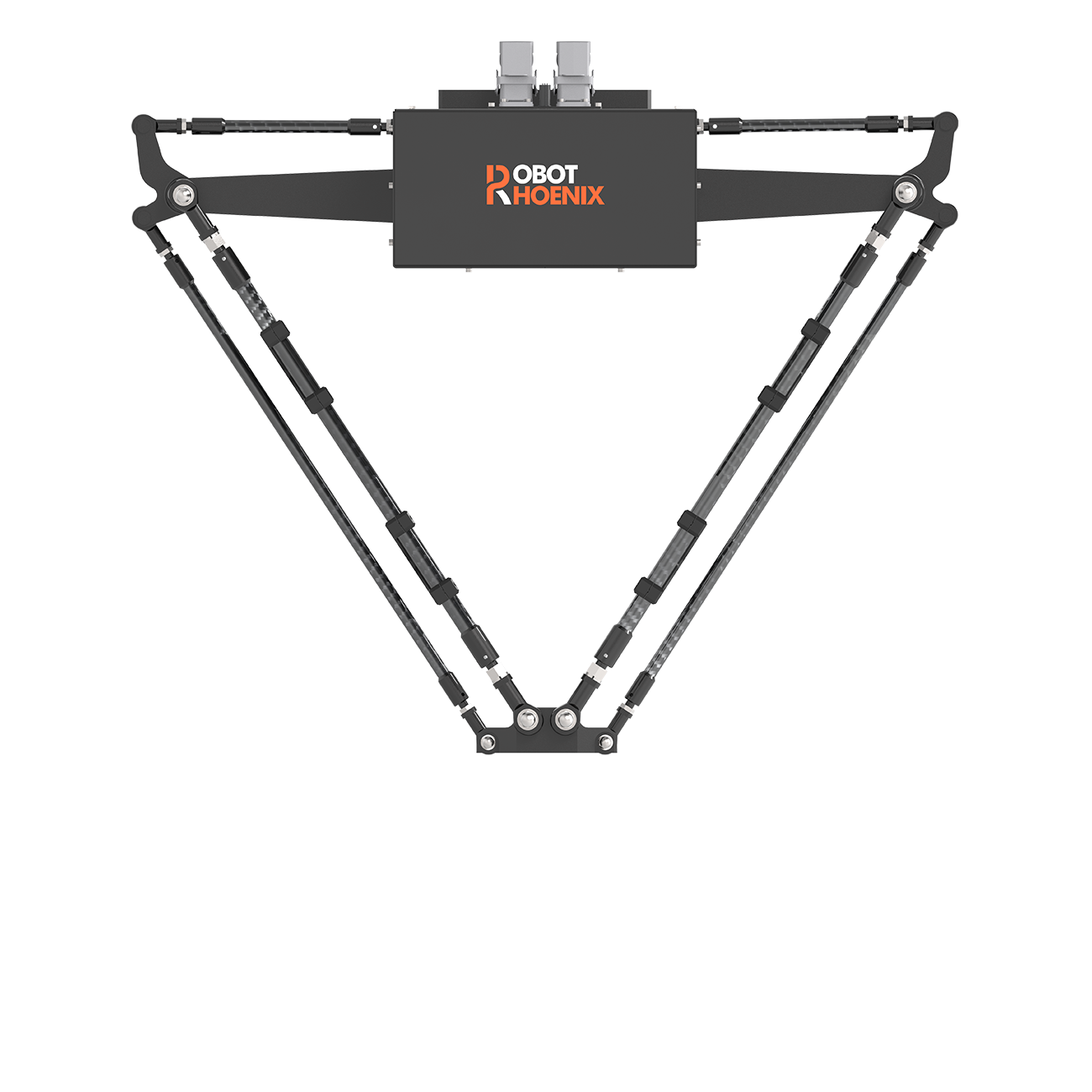 Delta · high speed
Industrial Manipulator High Speed and Accuracy Delta Robot with New Design Kinetics
Best fit for high-speed carton packing and end-of-line sortation upstream of AGV dispatch lanes in high-throughput warehouses.
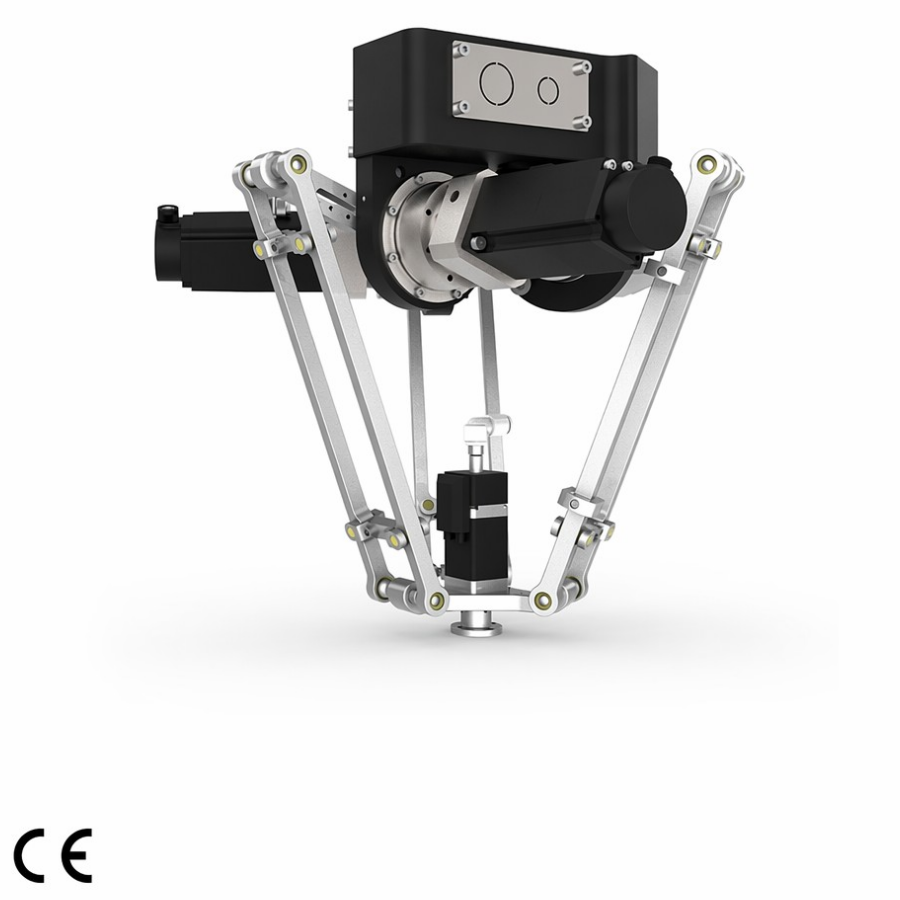 Delta · bottle handling
High Speed Consumer Goods Industries Bottle Unscrambling Machine Component Delta Robot
Best fit for bottle unscrambling and consumer-goods handling in food, pharma and daily-chemical plants across Baden-Württemberg.
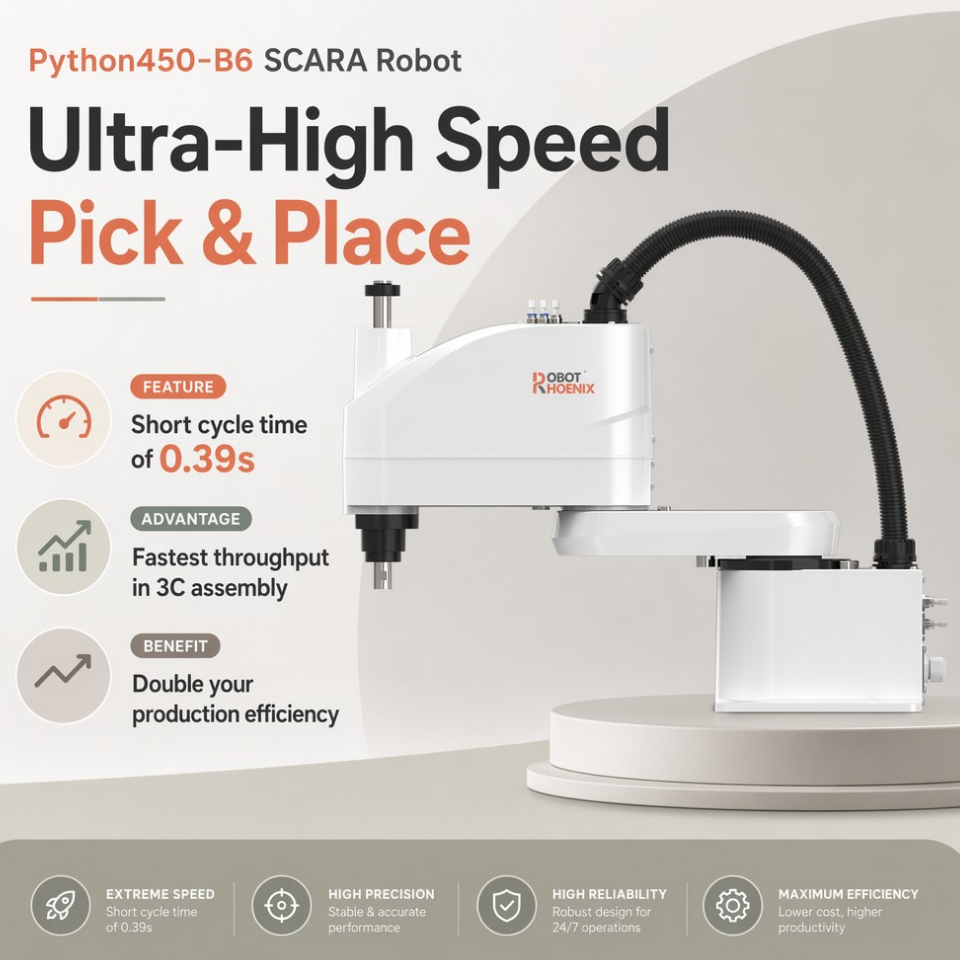 SCARA · gripper
Robotphoenix High Speed Manipulator Scara Robot with Gripper for Product Accuracy Picking
Best fit for accurate pick-and-place with gripper in electronics, component kitting and small-part assembly cells.
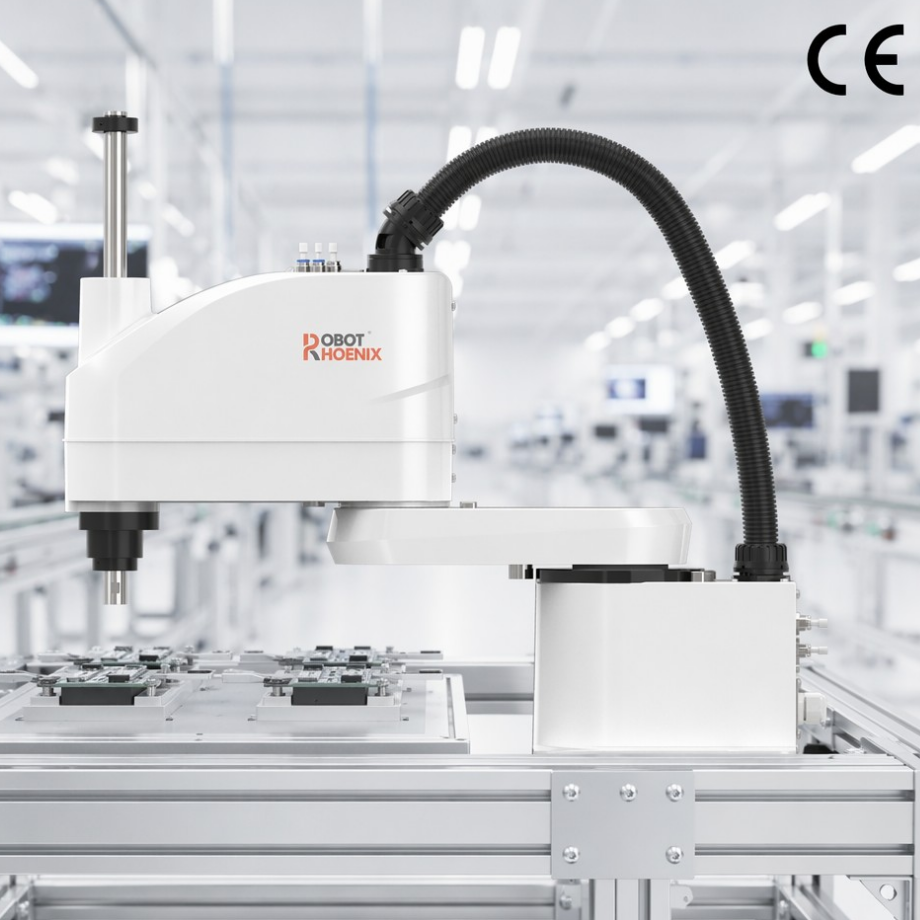 SCARA · 2D/3D vision
New Design Compact High Accuracy Industrial Robot Arm Scara with 2D/3D Vision System
Best fit for compact 2D/3D vision placement in flexible assembly cells and quality-critical operations.
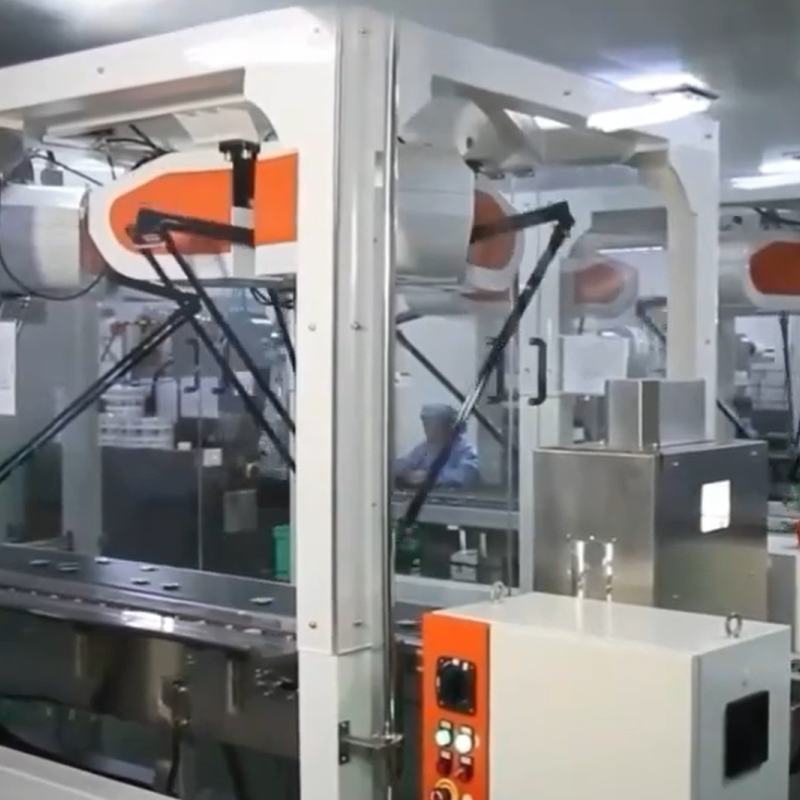 Parallel · IP54
6kg Payload IP54 Protection Grade Pick Place Sorting Parallel Robot with Robot Gripper
Best fit for 6 kg payload sorting with IP54 protection in dustier or washdown-adjacent production areas.
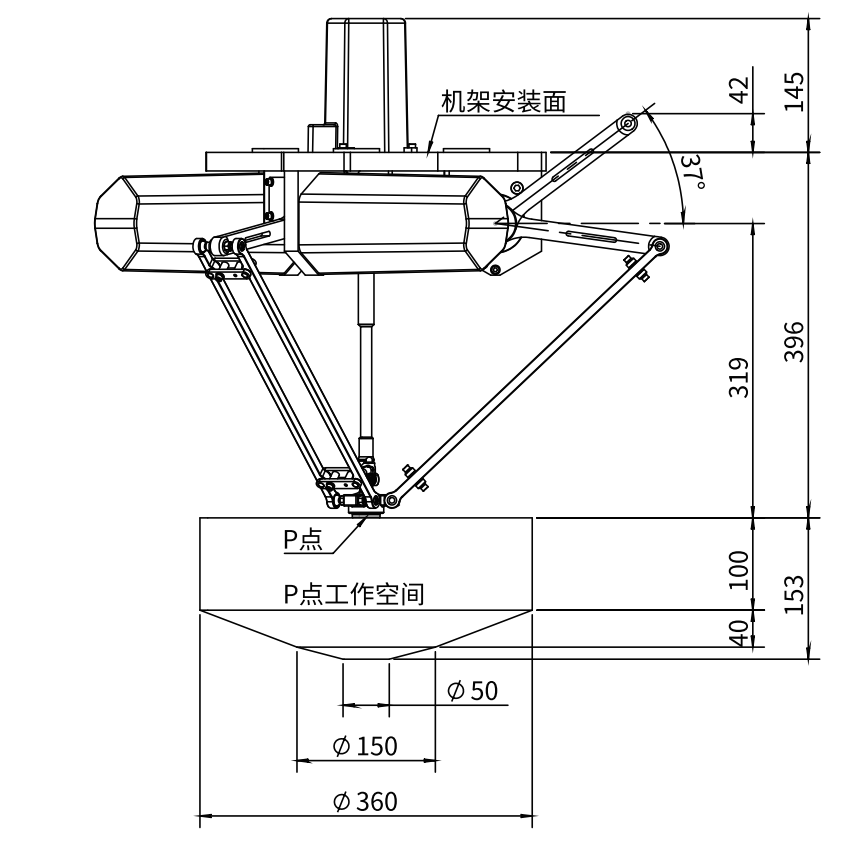 Delta · material sorting
Hot Selling Parallel Robot Delta Industrial Robot Arm for Material Gripping Sorting
Best fit for high-rate material gripping and sorting at warehouse boundaries, packaging lines and dispatch buffers.
From Catalogue Supplier to Accountable AGV Partner
In Stuttgart, a warehouse AGV is rarely a standalone purchase. It is a CE-relevant machine, a software node in the warehouse control stack and a long-term service commitment. That changes how buyers should evaluate wholesalers and manufacturers.
Safety file before speed claims
Stuttgart procurement teams increasingly ask for CE documentation, risk assessment, emergency-stop logic, load stability data and traffic rules aligned with EN ISO 3691-4. A wholesaler that can only quote payload and speed is not enough for a German production or logistics site.
VDA 5050 and WMS integration
Automotive supplier parks around Sindelfingen, Böblingen and Esslingen often run mixed fleets and complex WMS or SAP EWM landscapes. Ask whether the AGV supplier exposes fleet data, supports VDA 5050 interface discussions and can work with your local integrator.
Wholesaler convenience, manufacturer accountability
A local Stuttgart wholesaler can offer stock, service proximity and commercial simplicity. The original manufacturer must remain accountable for controllers, vision, firmware, spare parts and engineering changes. JORI combines factory-direct support with an OEM model for European integrators.
JORI’s Engineering and Commercial Footprint
Buyers comparing warehouse AGV suppliers and wholesalers in Stuttgart should separate marketing claims from verifiable manufacturing capability. These figures are relevant to project risk, customization and after-sales planning.
Why Warehouse AGV Demand Is Accelerating in Stuttgart and Baden-Württemberg
Stuttgart is not a generic warehouse market. It combines premium manufacturing, tight industrial space, automotive transformation and a dense supplier network. Each trend changes the specification of warehouse AGVs and robotics.
Automotive supplier parks are being rewired
The shift to electric mobility, battery components and high-voltage modules is changing material flow inside plants and supplier warehouses around Stuttgart. AGVs must handle higher-value loads, traceability and safer mixed traffic with people and forklifts.
Labour scarcity and expensive industrial space
Multi-shift operations face labour availability constraints and high rents for industrial floor space. Laser SLAM AMRs can reduce aisle requirements, replace fixed conveyor sections and keep material moving through lunch breaks and night shifts.
High-mix, low-volume production
Stuttgart’s machinery, electronics and component manufacturers increasingly run smaller batches and more product variants. Mobile robots plus flexible delta or SCARA cells are more adaptable than hard-wired conveyors when layouts and order profiles change.
VDA 5050 and multi-vendor fleets
German automotive supply chains favour interoperability. A Stuttgart buyer may want one fleet management layer across AGVs from different suppliers. Interface readiness, documented telemetry and open integration discussions should be part of the technical clarification.
Energy costs and right-sized automation
Energy efficiency and retrofit-friendly automation matter. Instead of overbuilding fixed handling lines, buyers can deploy compact AMRs, autonomous forklifts and robotic cells where they create measurable throughput, then scale after pilot validation.
Supply-chain resilience and nearshoring
Baden-Württemberg manufacturers are localising more supply and holding strategic inventory. That increases pressure on warehouse productivity, makes spare parts and service responsiveness critical, and favours suppliers that can support OEM customization without long reseller chains.
Where AGV and Robot Cells Create ROI in Stuttgart Operations
The strongest business case is rarely “replace every forklift”. It is a focused flow with repeatable pain: waiting time, empty travel, line-side stock-outs, ergonomic risk or sorting bottlenecks.
Line-side replenishment in supplier parks
For plants near Sindelfingen, Böblingen, Esslingen and Ludwigsburg, AGVs can move totes and small load carriers from central supermarkets to assembly stations on fixed call-off logic. The result is less walking, fewer forklift crossings and more predictable line-side availability.
Pallet and KLT transport in contract logistics
Third-party logistics providers around Stuttgart inland port and the A81/A8 corridors need flexible transport for pallets, totes and returnable containers. Laser SLAM autonomous forklifts and 400–500 kg AMR platforms reduce repetitive driver loops without fixed floor tape.
Finished-goods dispatch and truck loading
AGVs can stage cartons, pallets and sequenced orders before loading. Pairing mobile transport with a delta or SCARA packing cell at the end of the line improves handover discipline, reduces staging congestion and frees dispatch teams for exception handling.
Electronics and machinery kitting
Compact SCARA robots with 2D/3D vision can pick components into kitting trays, while an AMR moves the completed kit to assembly. This is especially relevant for high-mix electronics and machinery producers that need traceability without dedicating a fixed conveyor line.
Food, pharma and wet-wipe packaging
Delta robots are well suited to high-speed sorting, bottle unscrambling and cartoning. In hygiene-product plants, a PLC-ready delta robot can work with lid applicator and carton-packer machines while AGVs transport finished cases or raw materials between zones.
Reverse logistics and empty-container loops
Empty totes, returnable packaging and repair loops are repetitive but difficult to staff. Small AMRs can run scheduled or call-off collection routes, reducing container shortages and freeing skilled operators for value-added tasks such as inspection, sequencing and quality control.
How to Match the Eight Products to an AGV-Enabled Warehouse
Use this comparison before requesting quotations. It helps separate the mobile transport decision from the fixed robot-cell decision, which is where many Stuttgart projects lose time.
| Operational need | Best-fit robot or AGV | Why it matters in Stuttgart |
|---|---|---|
| Fast picking from random conveyor flow | Vision-guided delta robot; pair with AMR for order consolidation | 3–6 kg payload delta cells with 0.08 mm repeatability can handle high-rate sorting and packing where labour availability is tight. |
| Planar assembly, insertion or tray loading | Compact SCARA robot with gripper or 2D/3D vision | Electronics, machinery and component suppliers need accurate planar motion in small cells without a large conveyor footprint. |
| Pallet, tote or cart transport between zones | Laser SLAM AMR, 400–500 kg carrier or autonomous forklift | Stuttgart warehouses need flexible routing, multi-shift reliability and fewer fixed guidepaths as layouts change. |
| Bottle, hygiene or consumer-goods handling | Bottle unscrambling delta robot or high-speed parallel robot | Food, pharma and daily-chemical plants often need washdown-aware, high-speed handling upstream of case packing and dispatch. |
| High-value, fragile or clean-production parts | SCARA or wafer-handling robot with custom end-effector | Smooth motion, repeatability and documentation matter more than raw speed in semiconductor, solar and precision-component flows. |
Figures reflect current catalogue models; final performance is confirmed after part, gripper, layout and cycle-time review.
Why JORI Is Relevant to Stuttgart AGV and Robot-Cell Procurement
JORI Intelligent Technology Co., Ltd. is a high-tech manufacturer founded in 2012 in Jinan, Shandong. The company develops industrial robots, controllers and 2D/3D vision in-house and supports OEM, design and automation integration — a useful combination when a Stuttgart project needs both mobile robots and fixed robot cells.
Controller and vision developed in-house
Delta, SCARA, wafer, AGV/AMR platforms, controllers and 2D/3D vision are developed under one engineering team. That reduces finger-pointing when a cell must integrate with a local WMS or fleet manager.
ISO 9001 and onsite-verified manufacturing
Documented quality control runs from component inspection to final robot run-in testing. Third-party verification, credit records and trade history are available for procurement due diligence.
OEM, buyer label and integration support
JORI provides OEM service, design service and buyer-label options, including custom end-effectors, PLC-ready delta robots and support for machine builders such as carton packers and wet-wipe lid applicator manufacturers.
MOQ 1 set and fast response
Standard robots and AMR/AGV platforms can start from one set, so Stuttgart buyers can validate a pilot cell before scaling. Average response time is 2 hours or less, with a 97.06% response rate.
Questions Stuttgart Procurement Teams Ask About Warehouse AGV Suppliers
These are the practical questions that separate a catalogue wholesaler from a project-ready supplier for Stuttgart operations.
Are you a Stuttgart-based AGV wholesaler or the original manufacturer?
JORI is the original manufacturer, founded in 2012 and based in Jinan, China. For Stuttgart projects, we work with local integrators and service partners while keeping engineering, controller, vision and spare-part accountability at the factory. This gives buyers a direct technical channel rather than a long reseller chain.
Which standards should a Stuttgart AGV tender reference?
Most tenders should discuss CE marking, EN ISO 3691-4 for driverless industrial trucks, EN ISO 12100 risk assessment, electrical safety requirements and site-specific traffic rules. For mixed fleets, VDA 5050 should also be raised. Ask every wholesaler for the actual documentation package, not only a compliance statement.
Can JORI robots integrate with SAP EWM, WMS or VDA 5050 fleets?
JORI develops its own controllers and vision and offers PLC-ready robot cells. Integration is typically handled with the Stuttgart-area integrator, using agreed I/O, Ethernet, PLC, WMS or fleet-management interfaces. VDA 5050 discussions are recommended when the site expects a multi-vendor AGV fleet.
What is the minimum order and typical delivery?
Standard delta robots, SCARA robots and AMR/AGV platforms can be ordered from one set. Delivery depends on configuration, end-effector and documentation scope. Accepted delivery terms include FOB, CFR, CIF, EXW, CIP, FCA, CPT and express delivery; payment can be handled through T/T, L/C, credit card, PayPal, Western Union, MoneyGram and escrow.
Do you provide German-language after-sales support?
Factory engineering and commercial support are available in English, and Stuttgart buyers can appoint a local German-speaking integrator for site coordination, safety validation and first-line service. JORI supplies technical documentation, spare-part planning and remote engineering support to reduce language and time-zone friction.
How should we calculate ROI before scaling an AGV fleet?
Measure current travel time, touches per shift, waiting time at handover points, empty-container shortages, floor-space use and safety incidents. Pilot one flow for four to eight weeks, compare fixed conveyor versus AMR versus hybrid automation, and confirm cycle time with the actual gripper and load. Scale only after the pilot proves throughput and uptime.
Request the Warehouse AGV and Robot Catalog
Send your Stuttgart application brief — product type, load weight, cycle time, layout, local standards and target shift pattern. JORI will help shortlist AGV/AMR platforms and delta or SCARA robot cells for your warehouse or production flow.
Get CatalogJORI Intelligent Technology Co., Ltd. · info@joribot.com · ISO 9001 · MOQ 1 set · response ≤2h