8 Factory-Direct Robots for Warehouse Transport and Line-Side Automation in Thailand
These eight models are most frequently requested for the sortation, kitting, carton-packing and assembly cells that sit beside a warehouse transport fleet. Product images and URLs are preserved from the manufacturer catalogue.
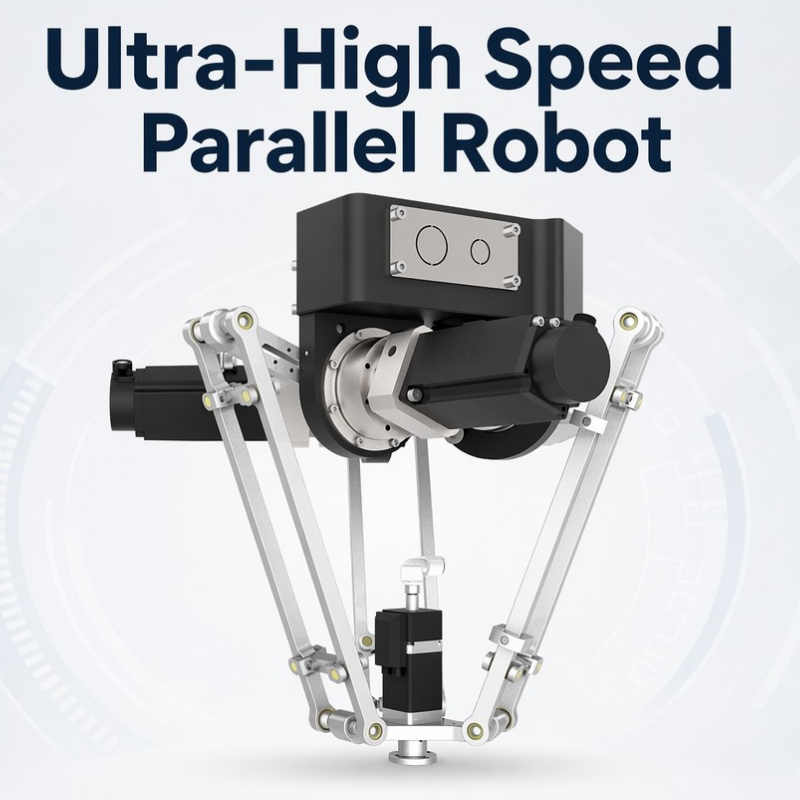
Newly Design Customized Integrated Robot Parallel Robot Delta for Pick Place and Sorting
For Bangkok parcel sortation and pouch picking where random products arrive on a moving conveyor.
View product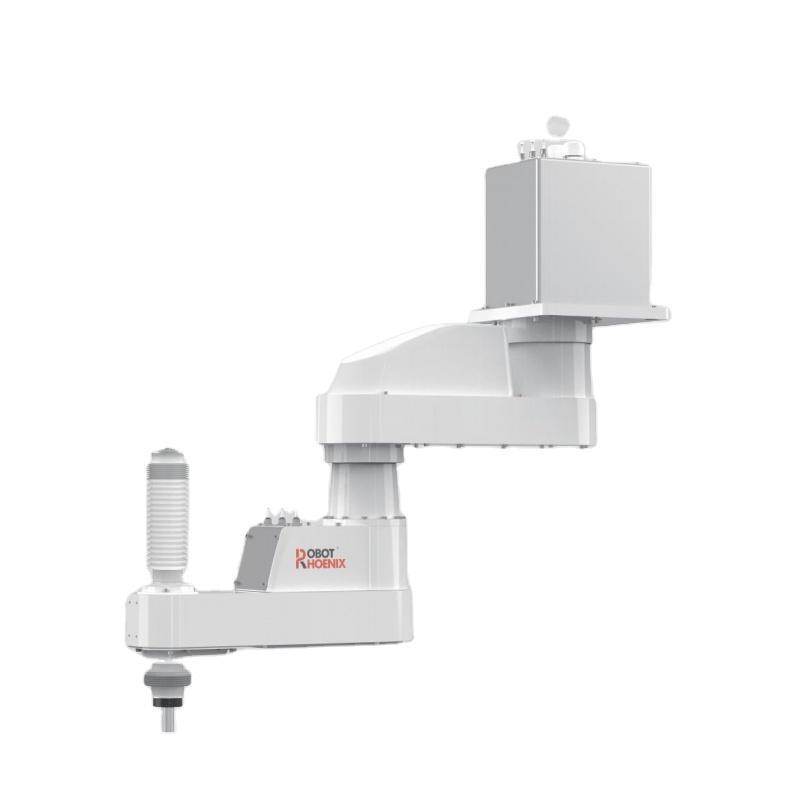
Compact Structure High Precision 550mm Reach Radius 3kg Payload 4-axis SCARA Robot
For compact kitting and electronics handling in Pathum Thani and Ayutthaya.
View product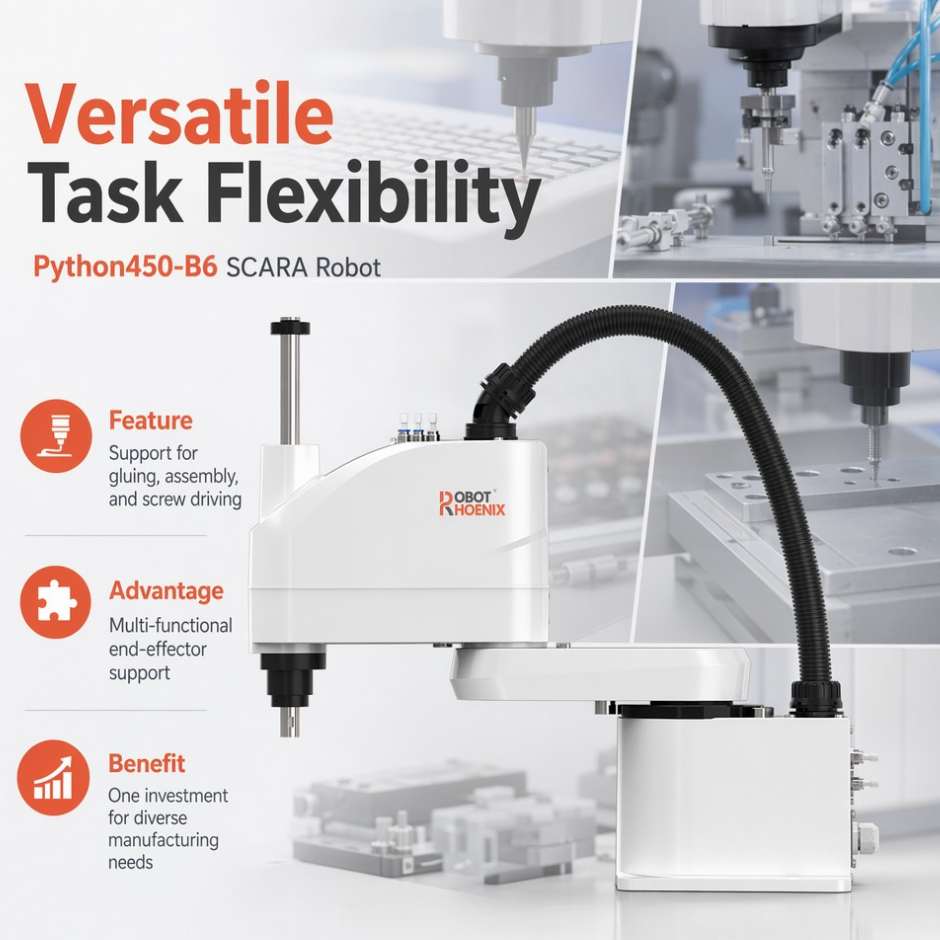
Four-Axis Industrial Robot Hand SCARA for Loading/Unloading and Sorting in Food Industry
For food loading, unloading and sorting in Samut Sakhon seafood and Nakhon Pathom food plants.
View product
Robotphoenix New 4-Axis Parallel Robot Arm Delta Spider Hand Robot for Carton Packer Line
For carton packer lines and case packing in Bangkok e-commerce fulfilment centres.
View product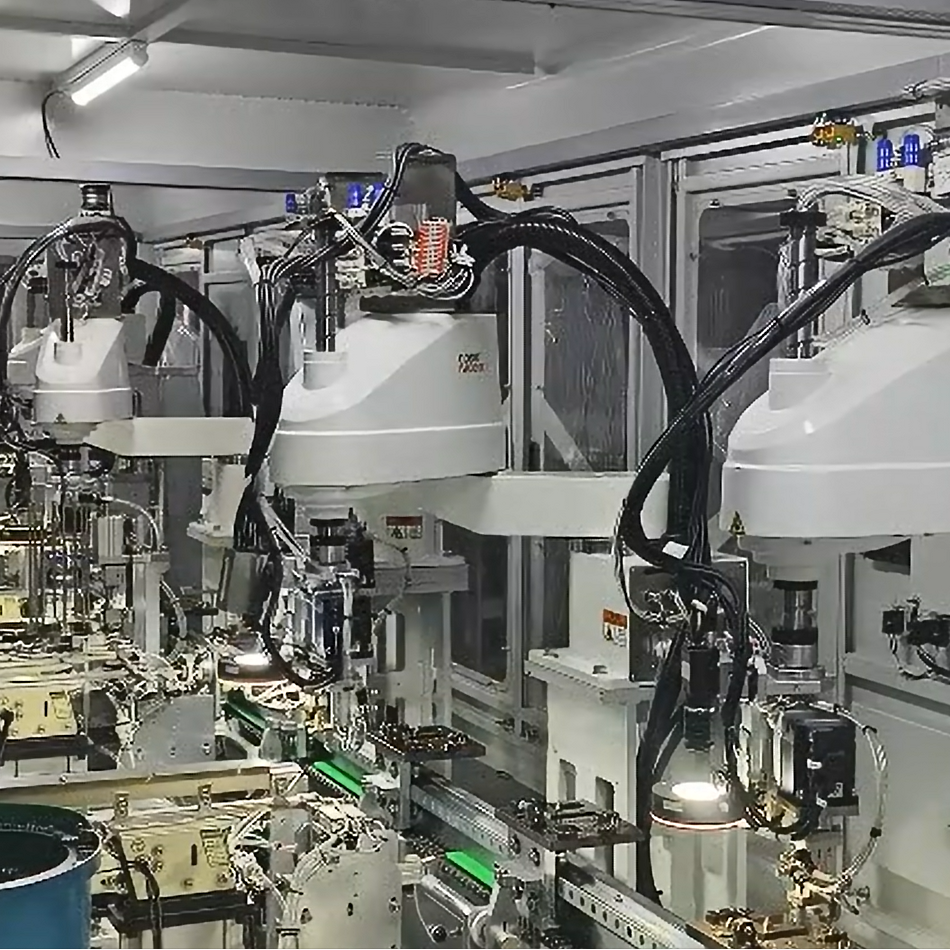
High Quality Mini Industrial Robot Scara for Pick and Place at Low Cost-New Condition
For Thai SME pilot cells that need a low-risk first automation step.
View product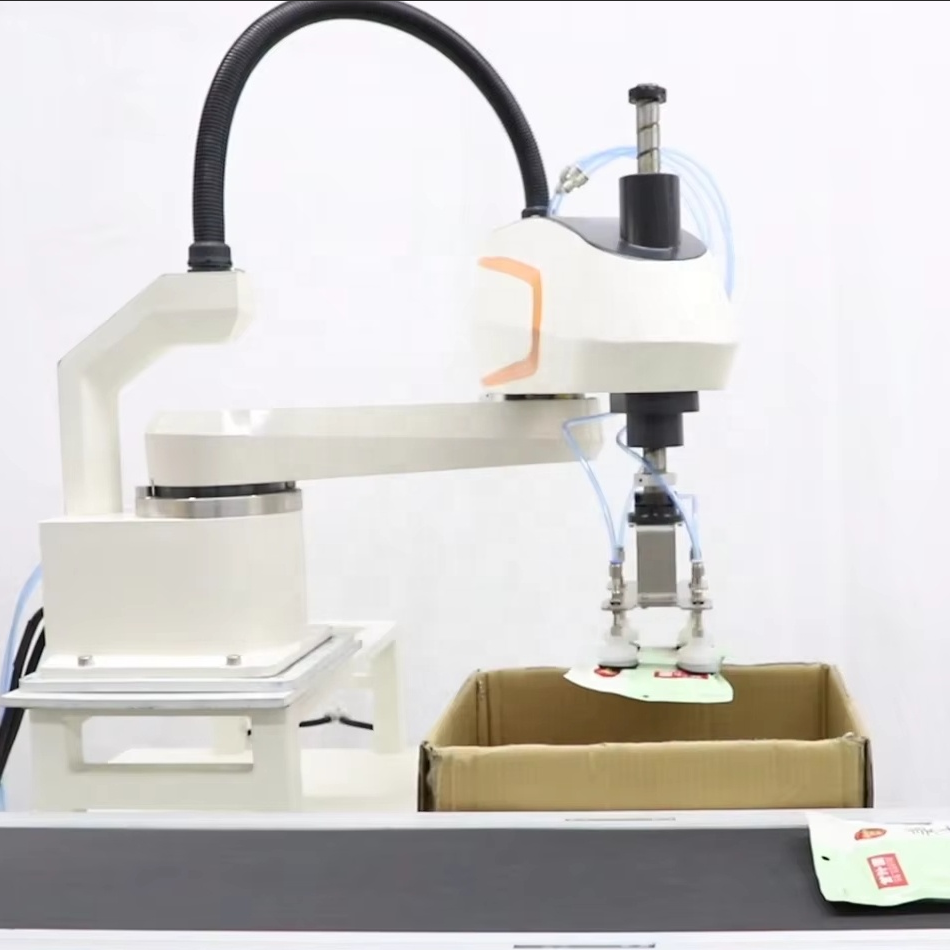
Newly Design Industrial Articulated Robotic Arm Scara for Precision Assembly & Handling
For EV connector, electronics and precision assembly in EEC factories.
View product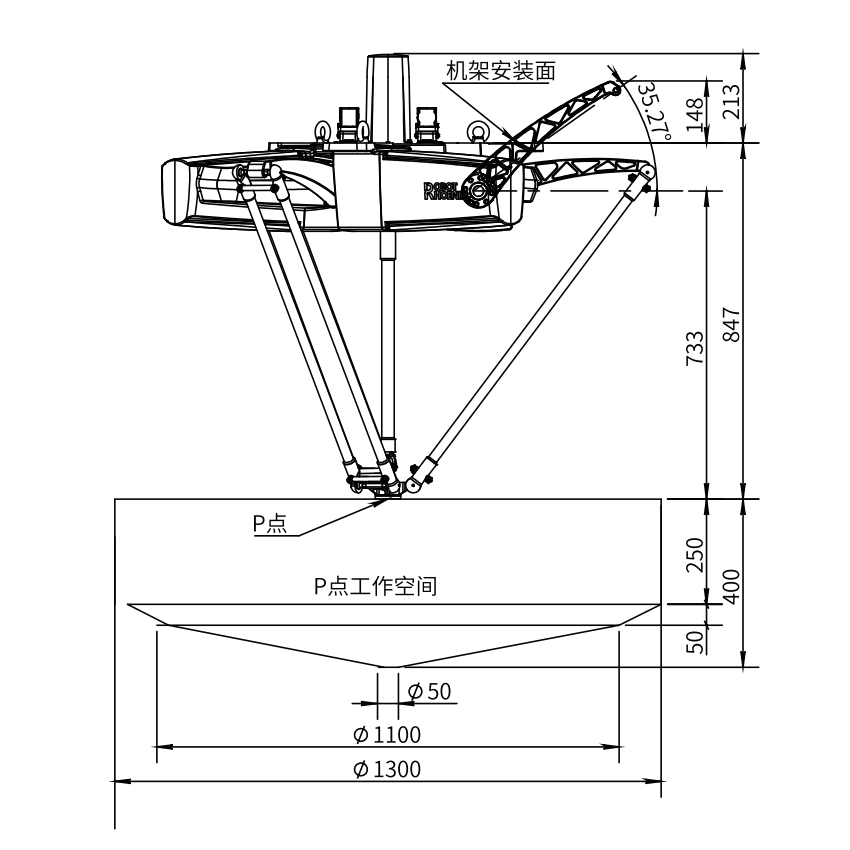
Industrial Robotic Arm Parallel Robot 2/3/4 Axis Delta Robot for Pick&Place Application
For multi-SKU pick-and-place lines requiring flexible axis configuration.
View product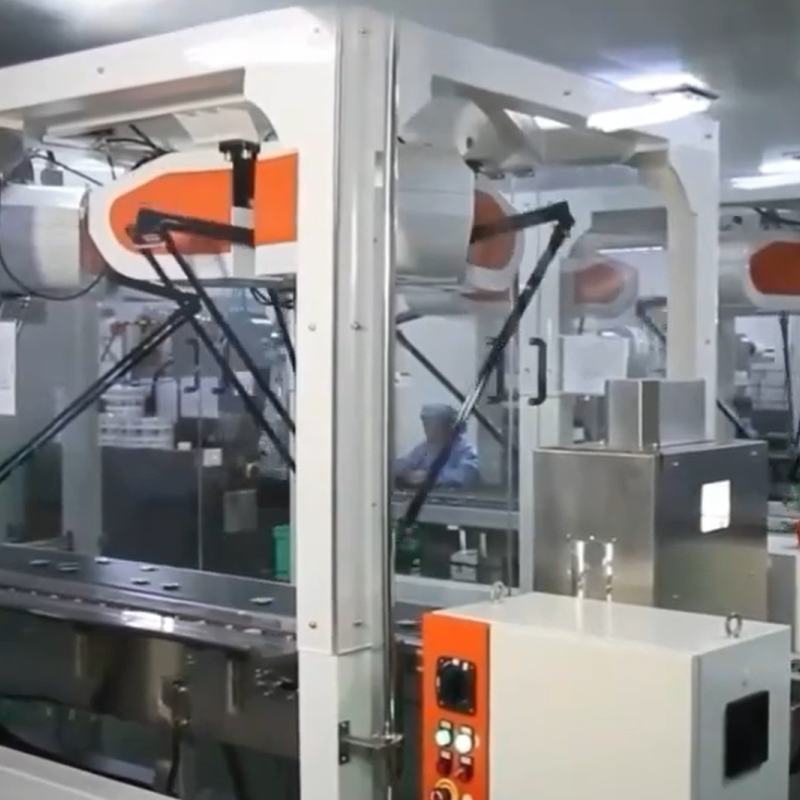
6kg Payload IP54 Protection Grade Pick Place Sorting Parallel Robot with Robot Gripper
For humid, splash-prone environments such as seafood, wet wipes and tropical factories.
View productFor pallet-level transport, combine these cells with JORI 400 kg / 500 kg AMR platforms or the Camel Series laser SLAM autonomous forklift. Ask for a combined robot + transport cell proposal when you inquire.
Why Thailand Is a Priority Market for Warehouse Transport Robot Exporters
Thailand's warehouse and factory floors are under simultaneous pressure from e-commerce growth, export manufacturing and a shrinking pool of shift workers. The country has become an aged society, with roughly one in five people aged 60 or over, and wage expectations continue to rise. For a Bangkok 3PL running three shifts, or a Chonburi automotive supplier struggling to recruit forklift drivers, the payback case for transport automation is no longer theoretical.
The Eastern Economic Corridor (EEC) — Chachoengsao, Chonburi and Rayong — concentrates automotive, EV, electronics, petrochemical and medical production. Laem Chabang Port and Bangkok Port connect those factories to global markets, while Shopee, Lazada and TikTok Shop volume pushes parcel hubs toward faster sortation. Thai Board of Investment incentives can support qualifying automation projects, and Thailand 4.0 policy keeps smart manufacturing on the national agenda.
Yet a robot imported without local engineering context becomes an expensive exhibit. Thai buyers need more than a catalogue: 380V/50Hz compatibility, IP54 protection for heat and humidity, washdown options for seafood lines, Form E customs planning, spare-parts strategy, and a partner who can coordinate with the Thai integrator on commissioning. That is where a factory-direct exporter with its own controller, vision and integration team creates measurable information gain.
JORI Intelligent Technology Co., Ltd. has manufactured industrial robots in Jinan since 2012. We develop delta parallel robots, SCARA robots, AMR/AGV platforms, autonomous forklifts and wafer-handling robots, together with controllers and 2D/3D vision, under one roof. The result is a shorter accountability chain: mechanical, motion-control and vision issues are resolved by the same engineering team — not passed between a trading company, a controller vendor and a vision reseller.
Thailand automation snapshot for buyers
Policy and demographic indicators are shown for planning context only. Confirm customs, tax and standards with Thai advisors.
Thailand-Specific Trends Shaping Warehouse Transport Automation
Three forces are changing how Thai buyers specify robots for 2025–2028.
Ageing workforce and three-shift continuity
An aged society and rising minimum wages make night-shift staffing harder in Samut Prakan and Chonburi. Autonomous forklifts and 400–500 kg AMRs take repetitive pallet moves, while delta robots handle high-speed parcel sortation. The business case is risk reduction, not only headcount reduction.
EEC, EV and electronics clusters
Chonburi and Rayong host automotive and EV assembly; Pathum Thani and Ayutthaya host electronics. Line-side supply needs precise, compact handling. SCARA and delta robots support kitting, assembly and inspection, while AMRs connect warehouse to line. BOI-approved projects may access incentives; validate with your BOI consultant.
Cold chain, food safety and cross-border e-commerce
Thai FDA and HACCP expectations push food and seafood plants toward stainless, IP54 solutions. Fruit and seafood exports need reliable packing. Bangkok parcel hubs need high-speed picking and carton handling. Expect more projects that combine delta sortation with AMR transport and real-time WMS/WCS data.
Localized Application Scenarios for Thai Warehouse and Factory Teams
These are the deployment patterns our Thai integrators and buyers most often ask about.
Parcel hubs and e-commerce fulfilment
High-speed sorting, polybag picking, carton packing and label handling. Delta 4-axis robots with vision pick from moving conveyors at production speed. Pair with AMR for cage and tote transport to reduce manual walking.
Port, free-zone and bonded warehouses
Container yards and bonded stores need 24/7 pallet movement. JORI Camel Series laser SLAM autonomous forklifts and 400/500 kg AMR platforms handle pallet shuttling without floor tape; laser mapping tolerates real-world floor variance in older Thai warehouses.
Automotive and EV component assembly
SCARA robots support connector insertion, small-component assembly, inspection and line-side kitting. The compact 550 mm reach model fits existing cells. Delta robots can handle small parts at high speed, with PLC handshakes for production control.
Food, seafood and cold-chain handling
Seafood, processed food and cold-store operations need splash protection, corrosion-conscious materials and condensation management. The 6 kg IP54 delta robot with a stainless gripper is a practical starting point. Confirm washdown frequency, temperature transitions and Thai FDA hygiene requirements.
Electronics, HDD and precision assembly
Electronics manufacturing demands repeatability and a small footprint. The 3 kg / 550 mm SCARA robot supports precision assembly and handling. In-house controllers and 2D/3D vision shorten integration with existing PLC, MES and safety systems. ESD-safe end-effectors are quoted per project.
Rubber, medical gloves and clean packaging
High-cavity production needs fast, gentle pick-and-place and packaging. Delta robots reduce manual contact; SCARA robots support secondary packing. Cleanroom compatibility and material traceability should be specified early. Consider sea freight via Laem Chabang or Songkhla gateway.
Which Robot Fits Your Thai Operation?
Use this shortlist before requesting a quotation. Final specifications depend on part geometry, cycle time, conveyor speed and site conditions.
| Robot family | Best Thai use case | Key figures | Choose it when |
|---|---|---|---|
| Series 01Delta robot | Parcel sorting, carton packing, food pick-and-place | 3–6 kg payload · 0.08 mm repeatability · up to 120 pcs/min labelling · IP54 option | Light products arrive randomly on a conveyor and cycle time is the bottleneck. |
| Series 02SCARA robot | Electronics assembly, kitting, food loading | 3 kg / 550 mm model · 4-axis · compact footprint · mini low-cost options | You need precise planar assembly in a tight cell with a short payback target. |
| Series 03AMR / AGV | Horizontal transport, line-side replenishment | 400 kg and 500 kg payload · laser SLAM · fleet management | Layouts change often and you do not want to install floor tape or rails. |
| Series 04Autonomous forklift | Pallet transport in warehouses and port areas | Camel Series · laser SLAM navigation · site planning support | Repeated pallet shuttles run across shifts and forklift drivers are hard to recruit. |
| Series 05Wafer robot | Semiconductor and photovoltaic wafer transfer | Self-developed motion control · custom end-effectors | Fragile substrates require smooth, contamination-conscious handling. |
The eight recommended products above are delta and SCARA models. AMR/AGV and autonomous forklift platforms are quoted as separate transport modules and can be combined into one system proposal. Catalogue figures are indicative; confirm final configuration with JORI engineers.
Why Thai Buyers Choose JORI as an Exporter and Wholesale Partner
JORI combines factory-direct pricing with engineering depth, export documentation and responsive communication.
In-house R&D since 2012
Controllers, 2D/3D vision and robot mechanics are developed in-house. National patents protect core designs. One engineering team resolves robot, control and vision issues.
Factory-direct wholesale economics
MOQ from 1 set. OEM, design and buyer-label service. 500+ employees and a 10,000+ m² factory support repeat orders, spare-parts planning and private-label programmes.
Verifiable credentials
ISO 9001 quality management, onsite-verified manufacturer status and third-party assessment, credit and trade records. Thai buyers can audit before placing a deposit.
Thailand-friendly communication
97.06% response rate with an average reply within 2 hours. China is UTC+8 and Thailand UTC+7, giving a full working-day overlap for drawings, FAT videos and remote commissioning.
Verify JORI before you commit
Review independent assessment, credit, trade capacity and buyer records.
From Jinan to Laem Chabang: A Practical Import Checklist for Thai Buyers
A robot cell is only successful when it starts up and stays up. Use this four-step checklist.
Define the cell, not only the robot
Share part weight, geometry, cycle time, conveyor speed, reach, ambient temperature, humidity, IP rating, ESD or cleanroom needs, HMI language, safety requirements and PLC/MES handshake.
Lock electrical and compliance details
380V 3-phase / 50Hz is the standard Thai industrial supply. Confirm 220V control circuits, IEC 60204-1 alignment, TISI and EMC review with your integrator. Thai-language labels and manuals can be scoped.
Plan customs and freight
Confirm HS 8479.50, Form E eligibility and 7% VAT with your Thai broker. Ship CIF Laem Chabang or Bangkok Port. Sea transit from major Chinese ports is typically 7–12 days, plus clearance and inland delivery.
Commission, train and spares
Use a pre-shipment FAT video, remote commissioning and integrator handover. Keep a critical-spares kit in Thailand for high-uptime lines. Confirm warranty, training and spare-parts terms in the quotation.
What Thai Warehouse and Factory Buyers Ask First
Direct answers for procurement, engineering and import teams evaluating a factory-direct robot supplier.
Are you a warehouse transport robot exporter or a wholesaler for Thailand?
What is the MOQ and typical lead time for Thailand?
Which robot should I choose for a Bangkok parcel-sorting hub?
Do your robots run on Thailand’s 380V/50Hz power?
How do import duty, Form E and HS code work?
Can you supply OEM or custom robots for Thai machine builders?
How is after-sales support handled in Thailand?
How quickly can I get a quotation?
Request a Thailand-Specific Robot Configuration and Landed-Cost Estimate
Send your process details to JORI’s export engineering team. We will return a model shortlist, utility requirements, shipping recommendation to Laem Chabang and an indicative landed-cost structure — usually within two working hours.