CE Certified Articulated Robot Suppliers & Exporter
Source articulated automation with engineering depth: delta parallel robots, 4-axis SCARA arms, AMR/AGV platforms and vision-guided pick-and-place systems from an ISO 9001 factory with in-house controllers, 2D/3D vision, OEM support and export-ready CE documentation.
8 CE-Ready Robot Platforms for Articulated Automation Buyers
These recommendations connect the search intent behind “CE Certified Articulated Robot Suppliers & Exporter” with real production needs: high-speed picking, food sorting, precision assembly, 3C electronics, warehouse logistics and vision-guided handling. Every model below is presented with its original product URL so engineering teams can move from research to technical review quickly.
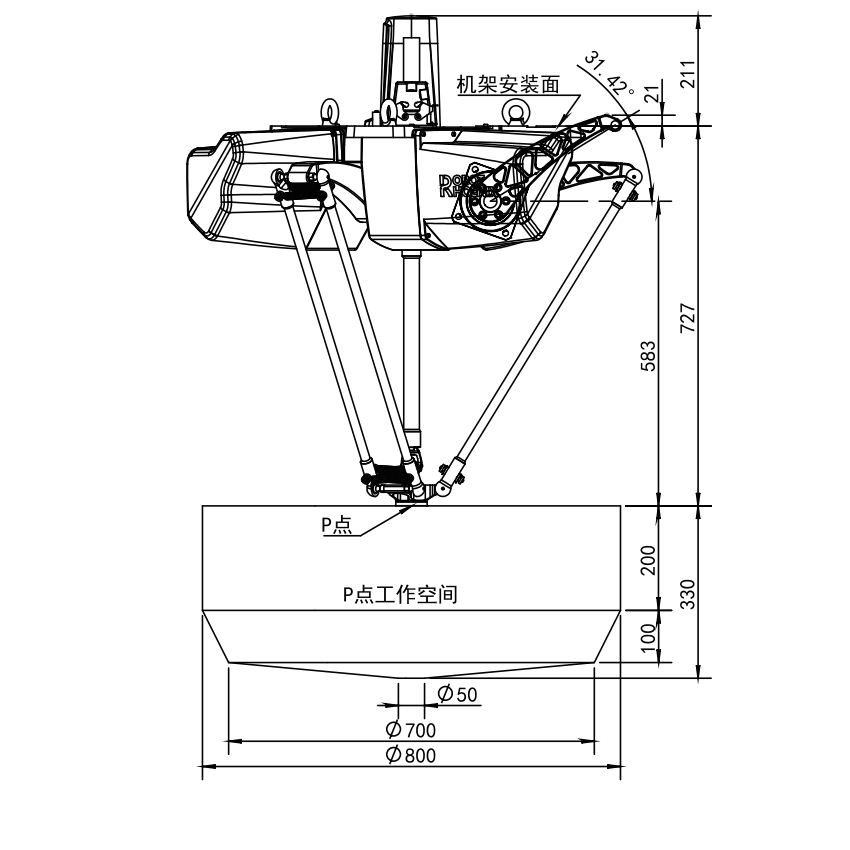
Industrial Delta Robot High Efficiency Parallel Robot for Goods Picking Placing Sorting
High-speed pick & placeA high-efficiency parallel robot recommendation for random picking, placing and sorting where conveyor speed and repeatability decide line output.
View product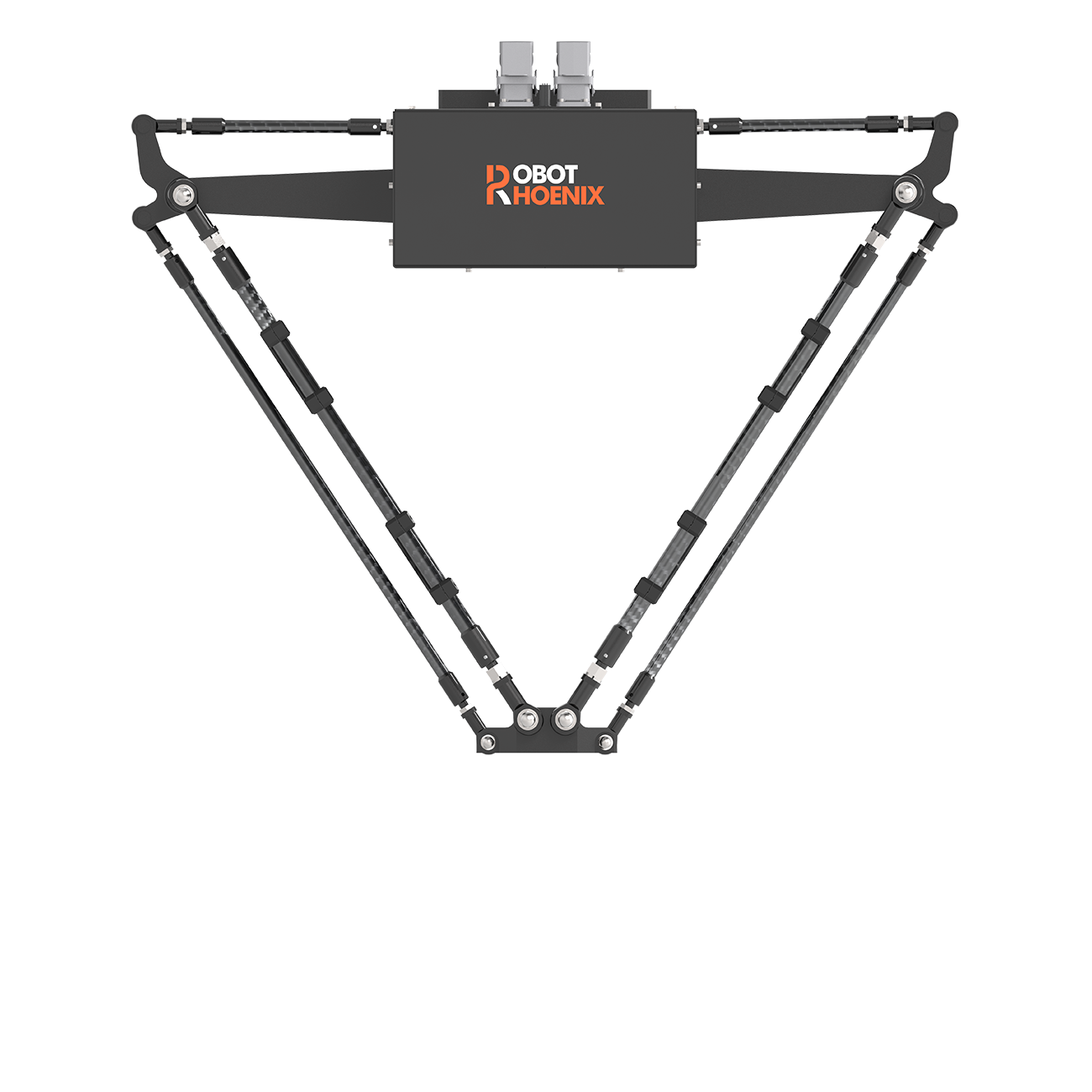
Industrial Manipulator High Speed and Accuracy Delta Robot with New Design Kinetics
New kinetic designA strong fit for packagers and integrators who need fast acceleration, stable accuracy and a compact parallel robot architecture.
View product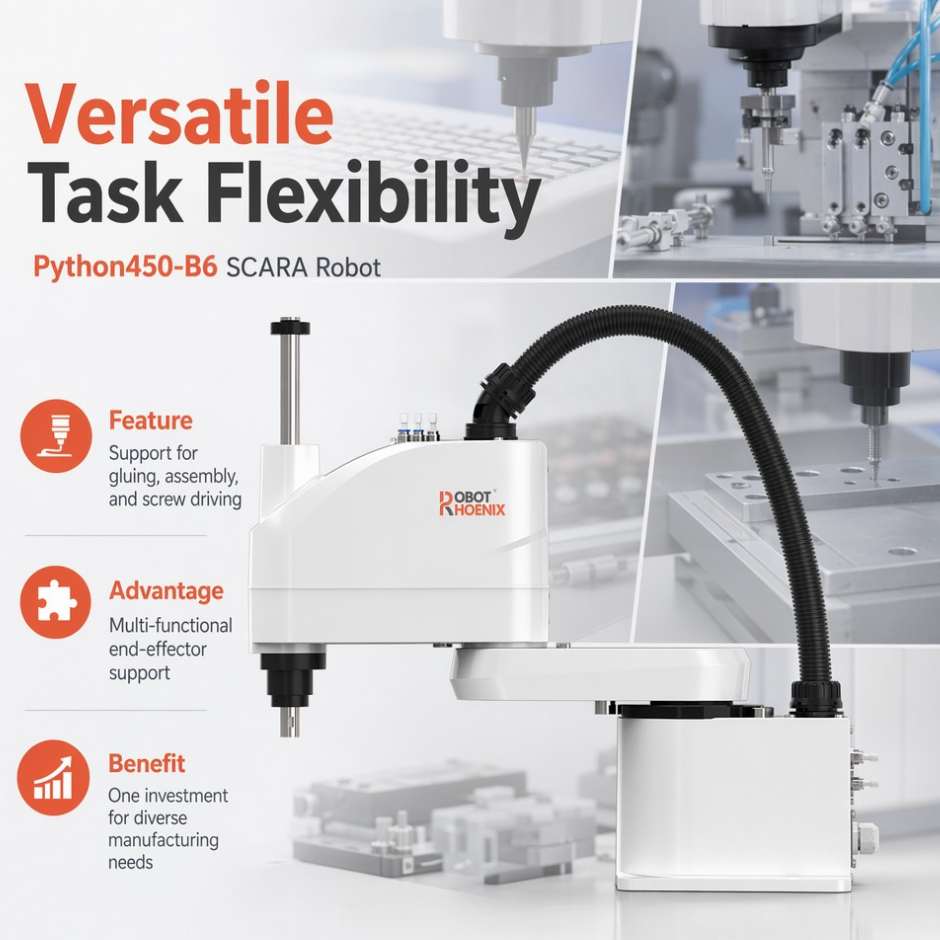
Four-Axis Industrial Robot Hand SCARA for Loading/Unloading and Sorting in Food Industry
4-axis SCARAA food-industry recommendation for loading, unloading and sorting tasks that need a small footprint and repeatable planar motion.
View product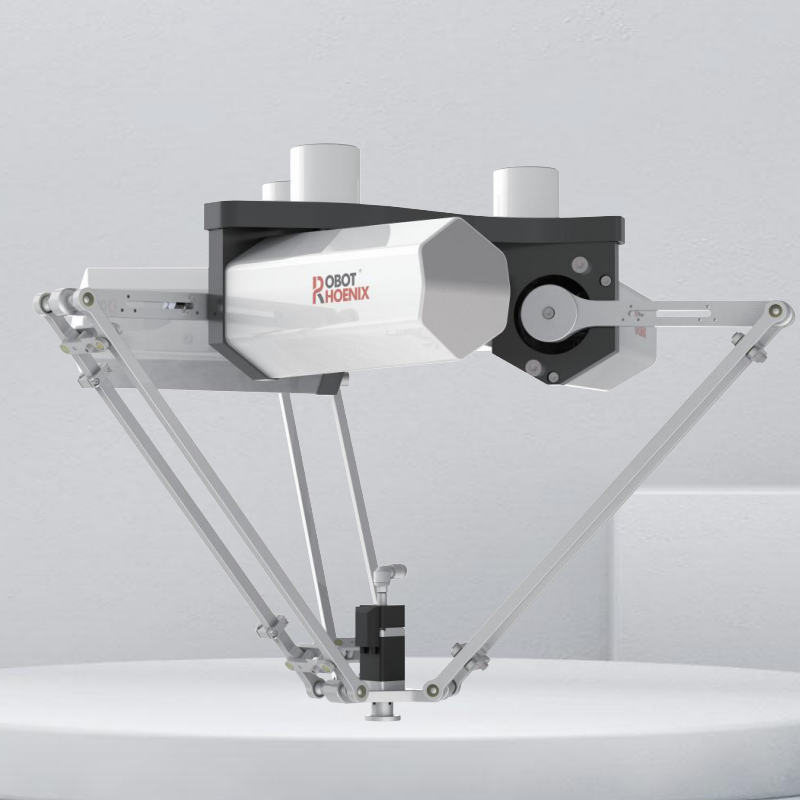
Robotphoenix New Design Industrial Robot Delta 6kg Payload 0.08mm Repeatability 2/3/4 Axis
6 kg · 0.08 mmA versatile 6 kg delta platform with 0.08 mm repeatability, recommended for mixed-SKU pick-and-place, cartoning and packaging cells.
View product
High Precision Pick and Place 4 Aixs Parallel Robot Delta with Vision Tracking System
Vision trackingRecommended when parts arrive randomly or inspection is part of the cycle; vision guidance increases flexibility for sorting and placement.
View product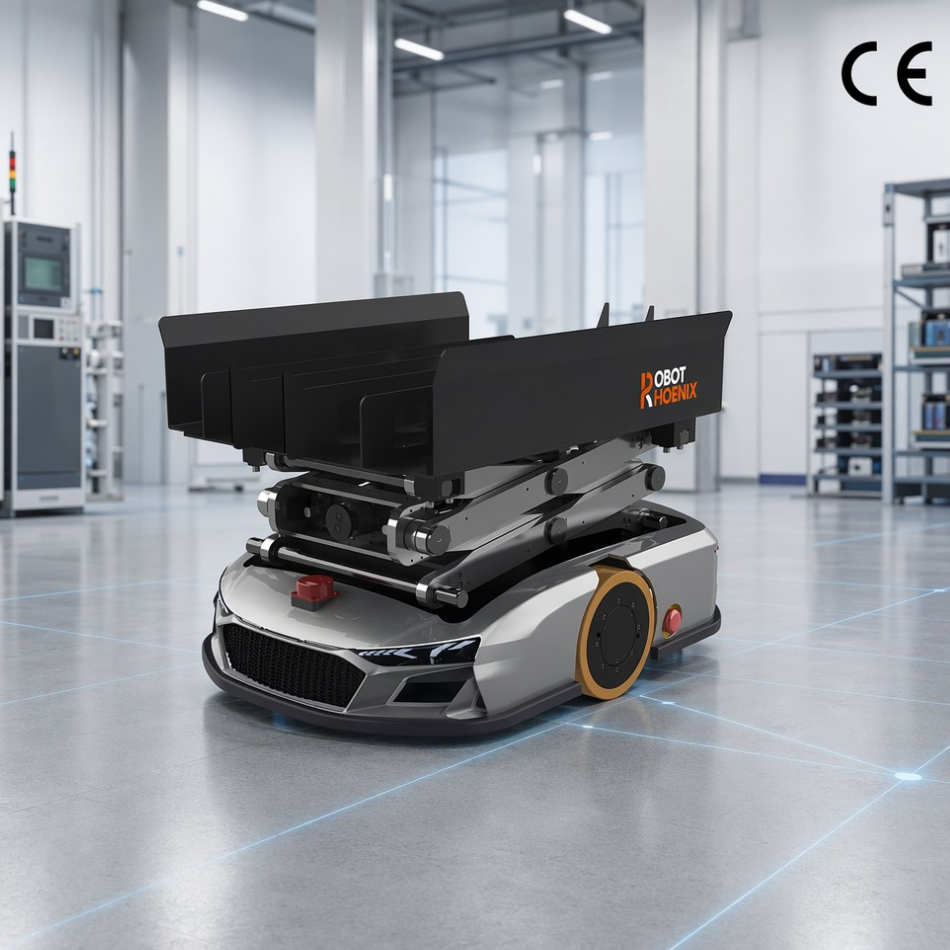
High Performance Material Handling Verhicel AMR Robot AGV Robot for Warehouse Logistic System
Laser SLAM logisticsA mobile robot recommendation for warehouses that want to reduce manual cart transport and connect islands of automated production.
View product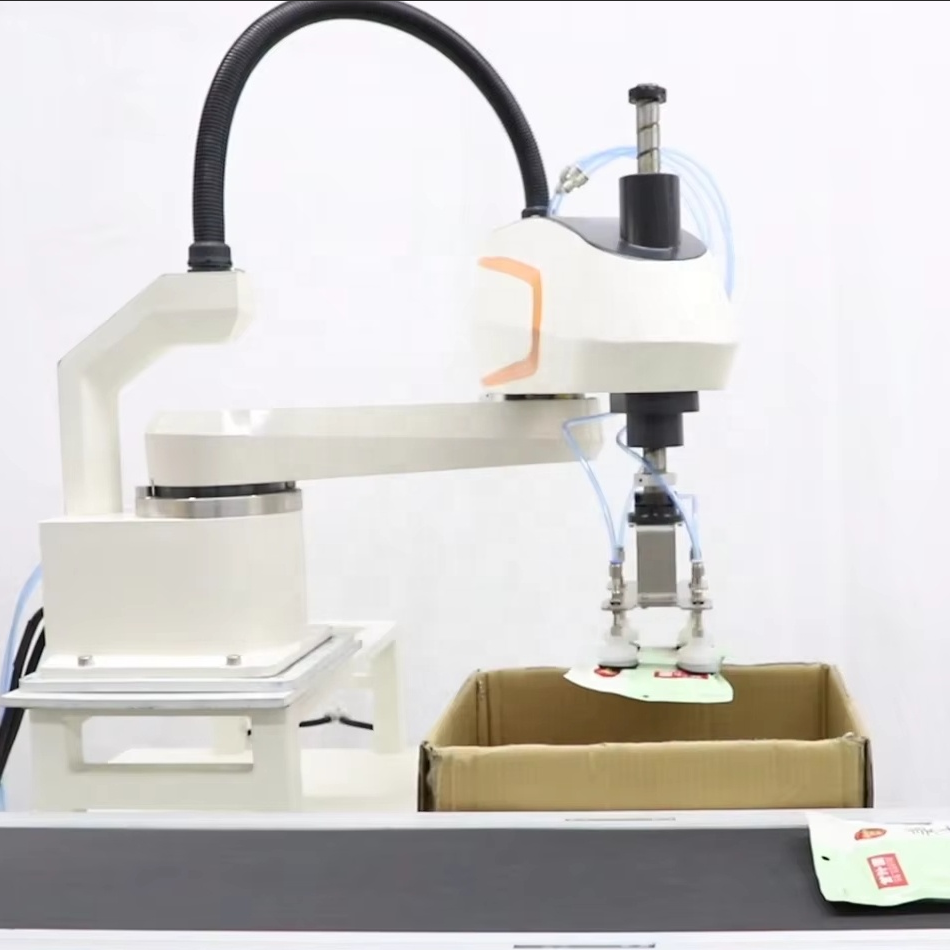
Newly Design Industrial Articulated Robotic Arm Scara for Precision Assembly & Handling
Precision assemblyAn articulated SCARA recommendation for electronics, small-parts assembly and handling where precise planar movement is critical.
View product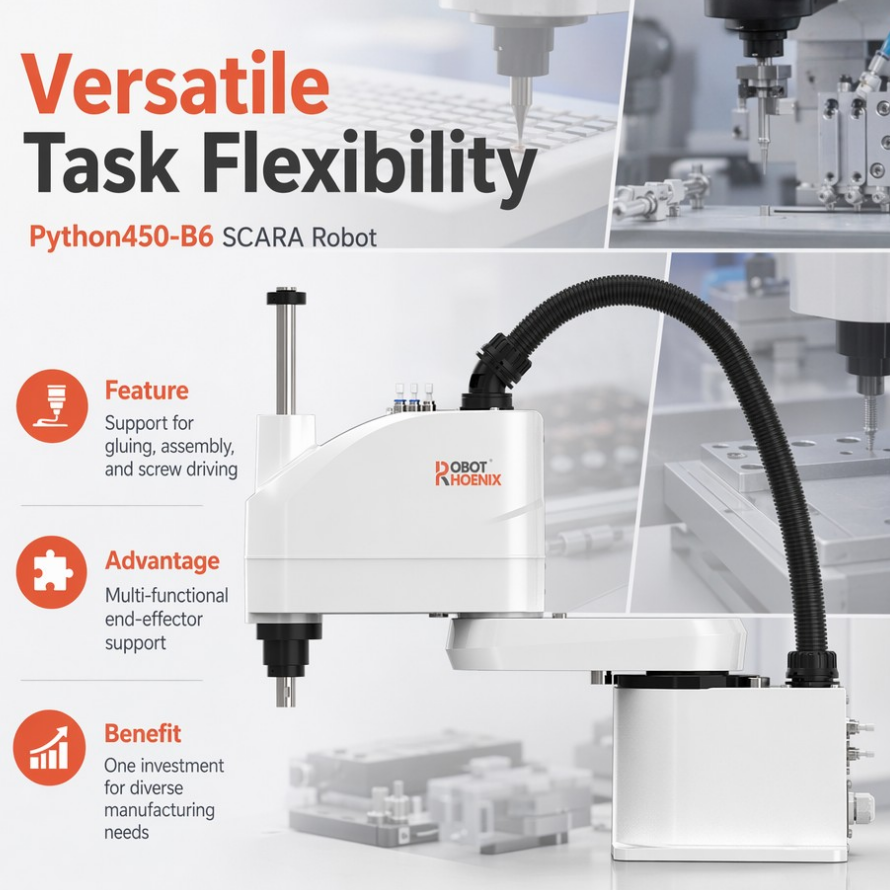
New Condition High Precision 400mm Reach Arm Scara Robot with PLC for 3C Electronic Assembly
400 mm reach · PLCA compact 3C electronics option with 400 mm reach and PLC integration for high-precision assembly, loading and inspection support.
View productProcurement Confidence Backed by Factory Data
JORI combines robot hardware, controllers, vision and integration support — a structure that shortens technical review and reduces supplier risk.
What CE Certification Really Means in an Articulated Robot Supply Chain
CE marking is not a decorative label. It is a declaration supported by technical evidence, risk assessment and integration instructions — especially when an articulated robot becomes part of a larger production cell.
For global buyers, the phrase CE Certified Articulated Robot Suppliers & Exporter should trigger a practical question: can the supplier provide documentation that survives an engineering audit? Industrial robots are usually integrated into machinery assemblies, so the final CE marking of the cell depends on the robot, end-effector, safeguarding, layout and control architecture working together. A credible supplier should therefore offer more than a product photo album. It should provide a technical file structure, declaration of conformity support, risk-assessment inputs, EMC and electrical safety evidence, functional safety information, language-ready manuals and traceable serial numbers.
JORI approaches this requirement from a manufacturer’s position. The company develops delta robots, SCARA robots, AGV/AMR platforms, robot controllers and 2D/3D vision in-house, which means configuration changes, safety-related parameters and integration questions can be answered by the same engineering team that designed the robot. For buyers comparing suppliers, that reduces the risk of “documentation gaps” between a trading company, a controller vendor and a vision provider.
Why articulated robot projects need a compliance-first RFQ
A procurement team that only compares payload and price often discovers hidden cost later. The better RFQ asks for the robot’s intended use, restricted space, maximum tool mass, cycle profile, stopping performance, safeguarding concept, environmental conditions and required documentation language. It also asks whether the supplier can support the final risk assessment, provide PLC-ready integration information and supply spare parts with traceable revision control. This is where an experienced exporter adds information gain: it helps the buyer see beyond the catalogue and plan for validation, commissioning and long-term service.
For CE-sensitive projects, the purchasing decision should include a document matrix. Request the declaration of conformity for the robot model, the technical file index, EMC and low-voltage evidence where applicable, safety function descriptions, end-effector interface data, maintenance intervals, and a clear statement of who assumes responsibility for the final integrated machine. When those items are transparent, the supplier becomes an engineering partner rather than a box mover.
Practical CE Document Checklist
- Declaration of conformity and model identification
- Technical file index and revision control
- Risk-assessment inputs for robot-cell integration
- Electrical safety and EMC evidence where applicable
- Functional safety descriptions and stopping logic
- End-effector and tool-mass interface data
- User manual, maintenance plan and spare-parts list
- Serial-number traceability and export packaging record
Why JORI Is a Reliable CE Certified Articulated Robot Exporter
Founded in 2012 in Jinan, Shandong, JORI Intelligent Technology Co., Ltd. is a high-tech manufacturer focused on industrial robot R&D, controller and 2D/3D vision development, OEM support and automated system integration.
In-House R&D and Patents
Robot arms, controllers, 2D/3D vision and mobile platforms are developed in-house and protected by national patents, supporting faster customisation.
ISO 9001 and Onsite-Verified Factory
Documented quality control, onsite-verified premises and third-party-checked company credentials help procurement teams reduce supplier risk.
Factory Scale for Global Projects
A 10,000+ m² factory and 500+ employees support repeatable production, testing and export packaging for machine builders and integrators.
CE-Aware Documentation and Export Support
Export projects receive model data, integration information, manuals and compliance support aligned with the final robot cell requirements.
OEM, ODM and System Integration
OEM service, design service, buyer-label options, custom end-effectors, PLC-ready integration and one-stop automation support are available.
Fast Global Response
Average response time is 2 hours or less with a 97.06% response rate, helping overseas buyers keep feasibility and spare-parts discussions moving.



How Articulated and Parallel Robots Are Evolving for 2025–2030
Robot selection is shifting from “payload and price” to “integration speed, software capability and lifecycle data.” These four development trends are reshaping buyer expectations.
Vision-First Robot Cells
2D/3D vision is becoming a default requirement for random picking, inspection and traceability. Buyers increasingly expect the robot supplier to understand camera calibration, lighting, latency and reject handling — not just arm mechanics.
Modular End-Effectors
Quick-change grippers, vacuum arrays and custom tooling reduce changeover time. A robot that can move from one SKU family to another without a long mechanical rebuild delivers stronger total cost of ownership.
Energy and Safety by Design
Efficient drives, regenerative options, safe stopping logic and compact guarding are moving earlier into the RFQ. CE documentation and risk assessment are becoming procurement criteria, not afterthoughts.
Digital Twin and Traceability
Simulation files, cycle-time models, maintenance logs and serial-number data help factories validate a robot cell before shipment and keep it productive after commissioning.
Example Procurement Weighting Model for Articulated Robot Projects
Use this model to structure an RFQ scorecard. It is an evaluation example, not a fixed product specification; adjust the weights to your line criticality and compliance exposure.
Future Procurement Trends for CE Certified Articulated Robots
Buying behaviour is becoming more analytical. The strongest suppliers will be those that can support compliance, integration and lifecycle performance with transparent data.
Compliance-First Sourcing
Procurement teams now request CE evidence, risk-assessment inputs and integration responsibilities before approving a sample cell. Documentation quality is becoming a shortlisting factor.
Total Cost of Ownership
Energy consumption, changeover time, spare-parts availability and service response are being modelled alongside the purchase price. A lower sticker price can lose to a lower lifecycle cost.
Modular Automation Roadmaps
Instead of buying one large fixed line, factories are deploying modular robot cells that can be replicated across plants. Standard interfaces and PLC-ready integration become essential.
Supply-Chain Resilience
Buyers want a manufacturer that controls core technology and can respond to design changes, spare-parts requests and software questions without relying on multiple intermediaries.
Remote Validation and Digital Files
CAD models, simulation data, cycle-time calculations and video acceptance tests make overseas procurement more predictable and reduce commissioning surprises.
Local Service with Global Standards
Exporters are expected to provide English documentation, training support, maintenance schedules and escalation paths that match the standards of North American and European buyers.
How to Match Articulated, Delta, SCARA and AMR Robots to Your Line
Use the table below to align the robot family with the production problem. The right answer is usually the lowest-complexity robot that still meets cycle time, accuracy and compliance requirements.
| Robot Family | Best For | Key Figures to Request | CE and Integration Focus |
|---|---|---|---|
| High-speedDelta Robot | Lightweight pick-and-place, sorting, labelling and cartoning from moving conveyors. | Payload, repeatability, cycle time, working envelope, vision compatibility and IP rating. | Safeguarding distance, conveyor interface, reject handling and vision latency. |
| CompactSCARA Robot | Planar assembly, insertion, loading/unloading, sorting and precision placement in electronics or food lines. | Reach, payload, repeatability, controller type, PLC interface and cleanroom or washdown options. | Tooling mass, pinch points, safety-rated stopping and electrical cabinet requirements. |
| ArticulatedIndustrial Robot Arm | Multi-axis handling, machine tending, assembly and flexible cell layouts. | Degrees of freedom, payload, reach, repeatability, mounting position and cable management. | Risk assessment, restricted space, end-effector safety and final cell declaration. |
| MobileAMR / AGV | Material transport between production stations, warehouses and packaging lines. | Payload, navigation method, fleet management, battery strategy and charging ratio. | Traffic rules, emergency stop, obstacle detection, site Wi-Fi and floor conditions. |
| PalletAutonomous Forklift | Repetitive pallet shuttling in warehouses and distribution centres. | Lifting capacity, pallet type, navigation, fleet integration and safety sensors. | Site layout planning, aisle width, human-vehicle interaction and operating-lane risks. |
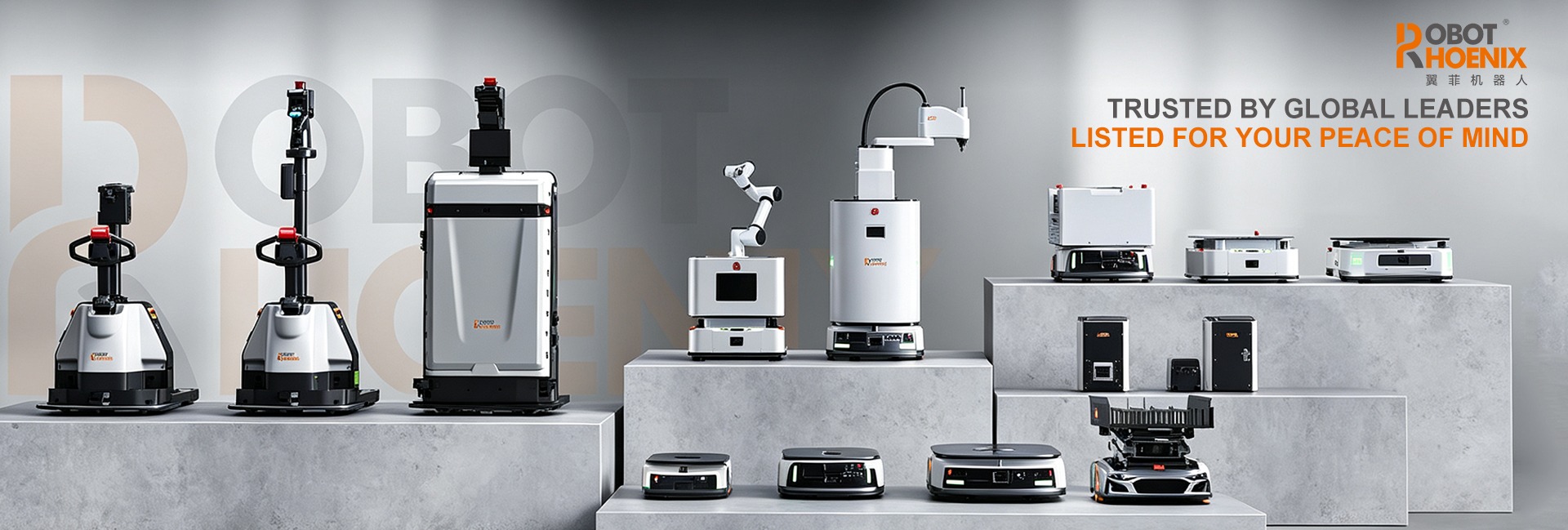
Where These Robot Platforms Deliver Measurable Gains
From food packaging to semiconductor handling, the goal is not “automation for its own sake.” It is shorter cycle time, repeatable quality, better traceability and lower dependence on manual handling.
Food & Beverage
Vision-guided delta picking, sorting and case packing at conveyor speed, with hygiene and washdown questions addressed early in the RFQ.
Pharmaceutical
Blister, vial and carton handling with repeatable motion, validation-friendly documentation and careful tooling design.
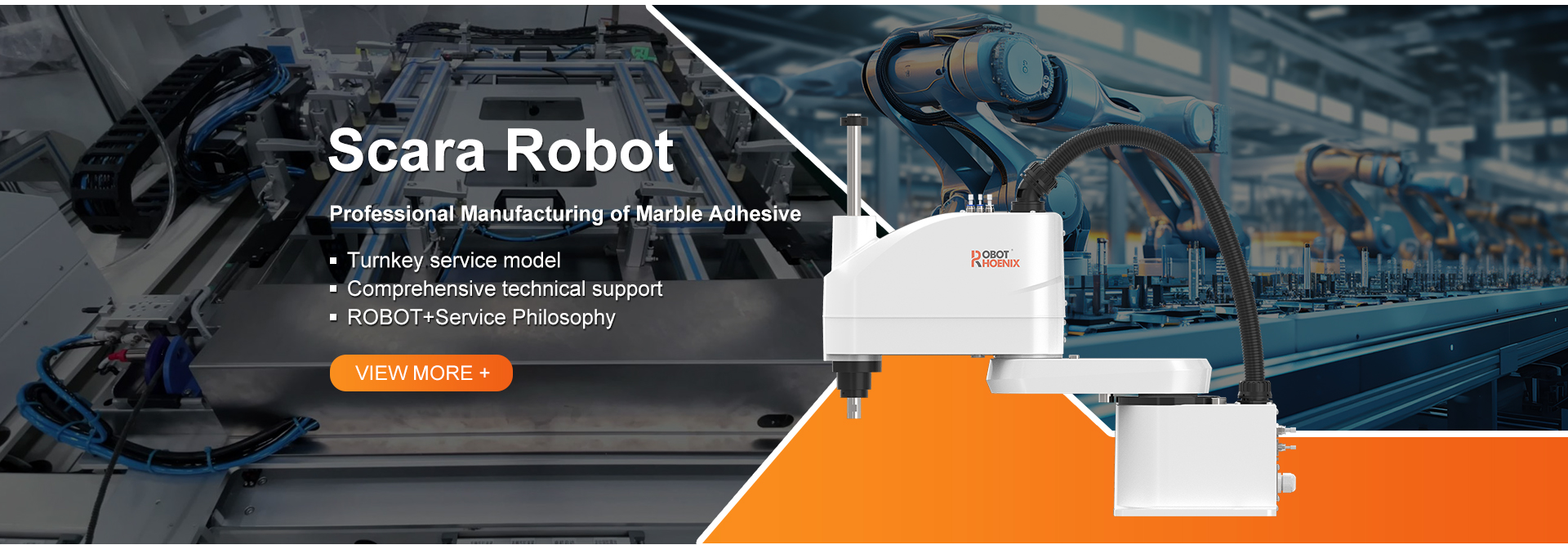
Electronics & 3C
SCARA assembly, insertion and inspection support for compact production cells where every millimetre and every cycle counts.
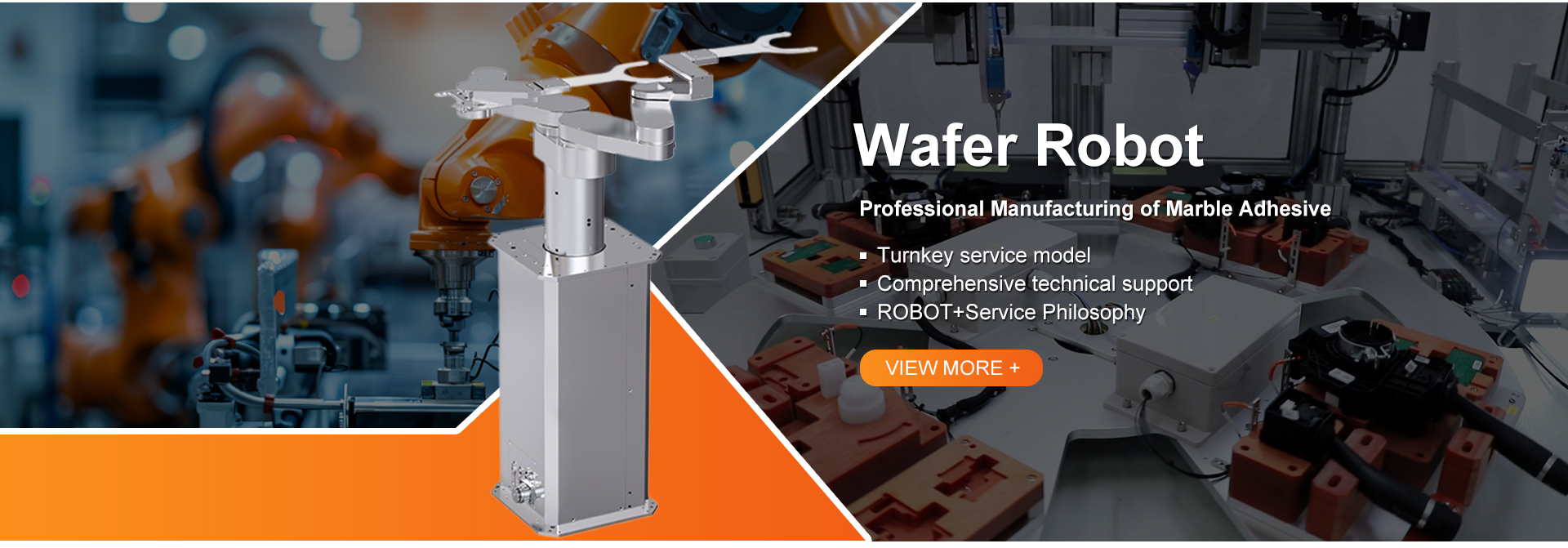
Semiconductor & Solar
Silicon wafer transfer robots for semiconductor and photovoltaic lines, where smooth handling and contamination control matter.
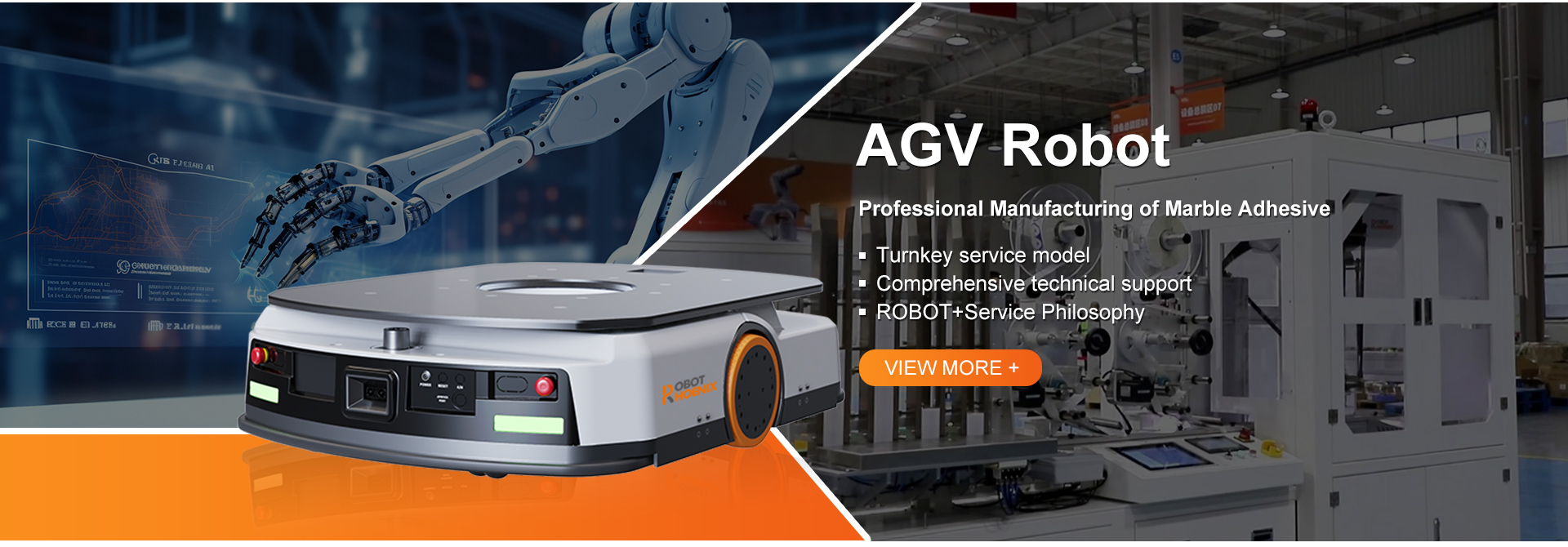
Warehouse & Logistics
Laser SLAM AMRs and autonomous forklifts for 24/7 material flow, supported by fleet management and site planning.
Daily Chemicals & Wet Wipes
Delta-based lid applicator and carton packer cells for hygiene products, designed around machine-builder integration needs.
Procurement FAQ: CE Certified Articulated Robot Suppliers & Exporter
These are the questions international buyers ask most often when comparing articulated robot suppliers, evaluating CE documentation and planning a pilot cell.
What does CE certification mean when buying an articulated robot?
Can JORI supply a CE-certified articulated robot with a custom end-effector?
What is the minimum order quantity for JORI industrial robots?
Should I choose a delta robot, SCARA robot or articulated robot arm?
Can your robots integrate with existing packaging machines?
Which delivery and payment terms are accepted?
How is robot performance validated before shipment?
How quickly does JORI respond to inquiries?
Request a CE-Aware Articulated Robot Proposal
Send your payload, reach, cycle time, product photos and target line layout. Our engineers will recommend a robot platform, outline the CE documentation path and reply within 2 hours on average.
info@joribot.com