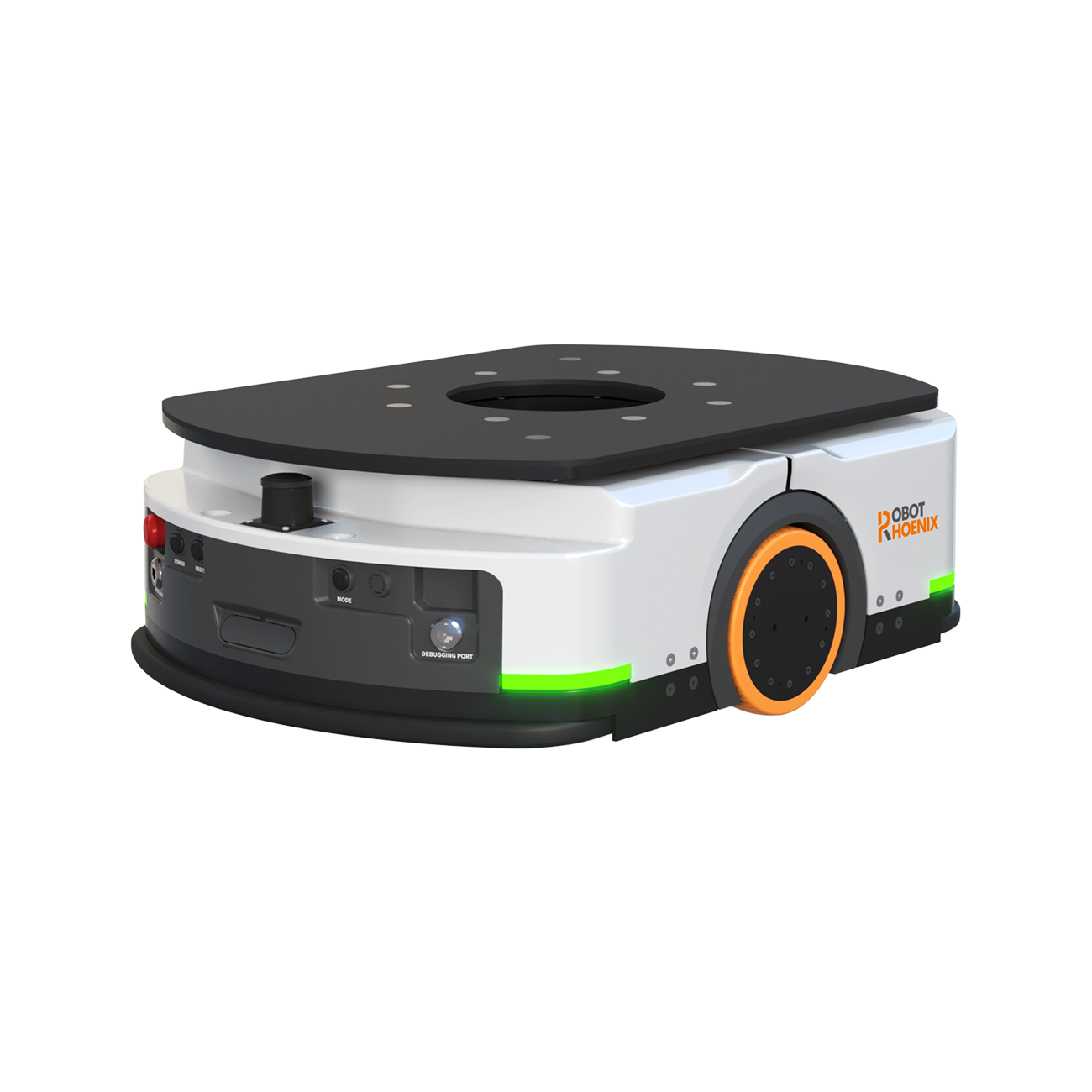
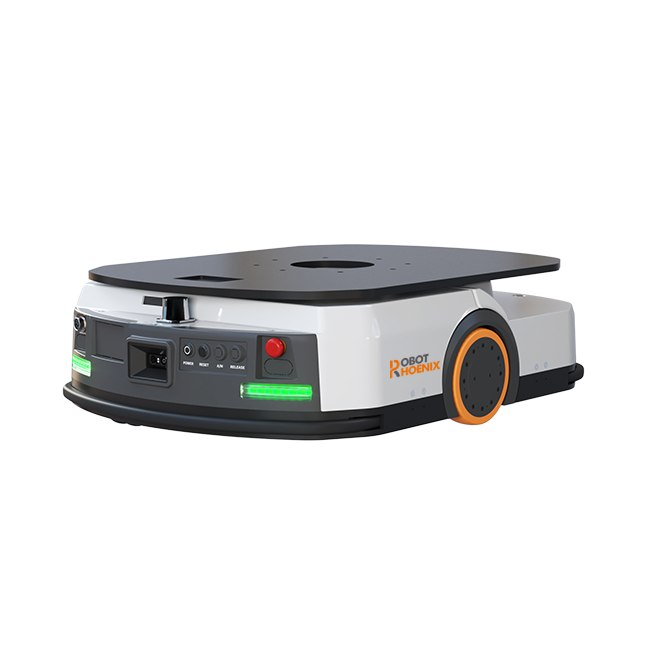
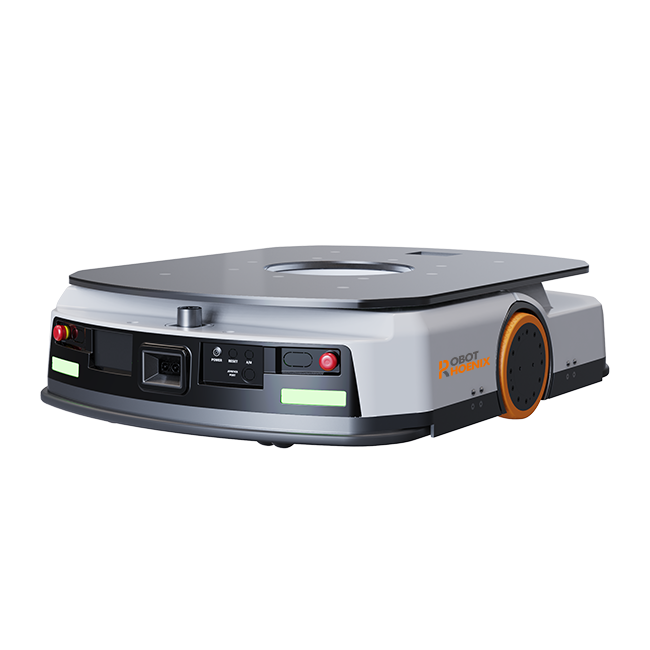
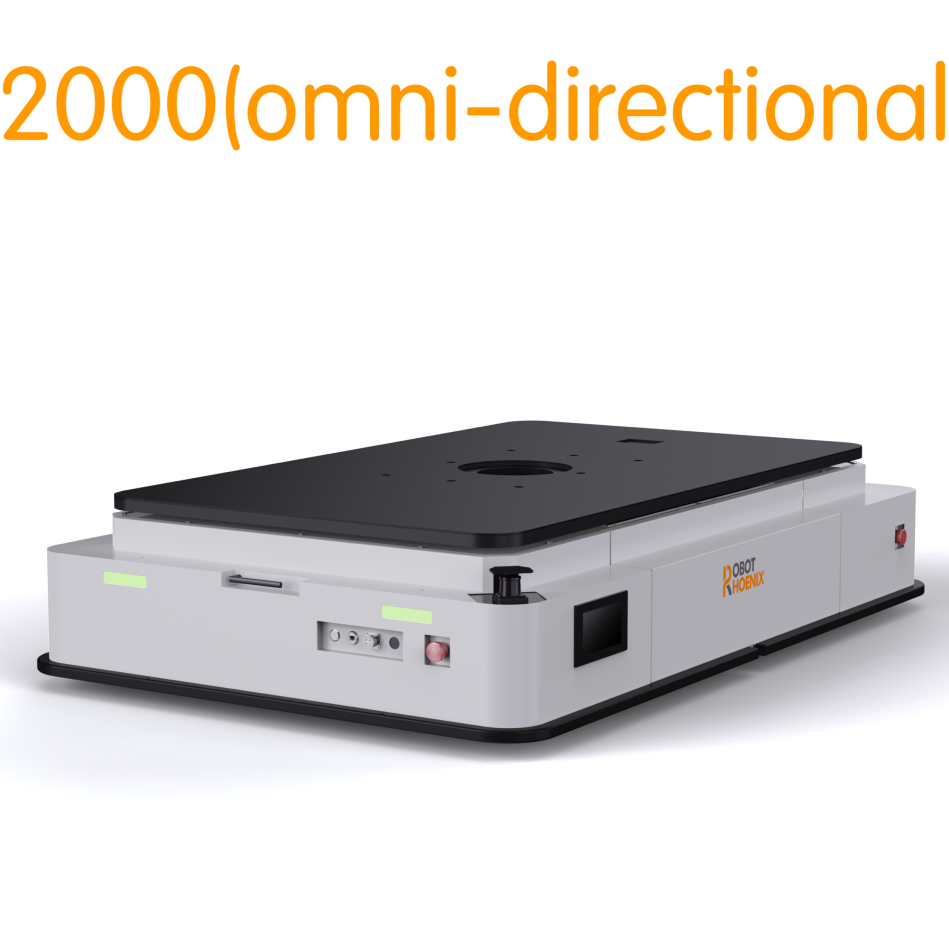
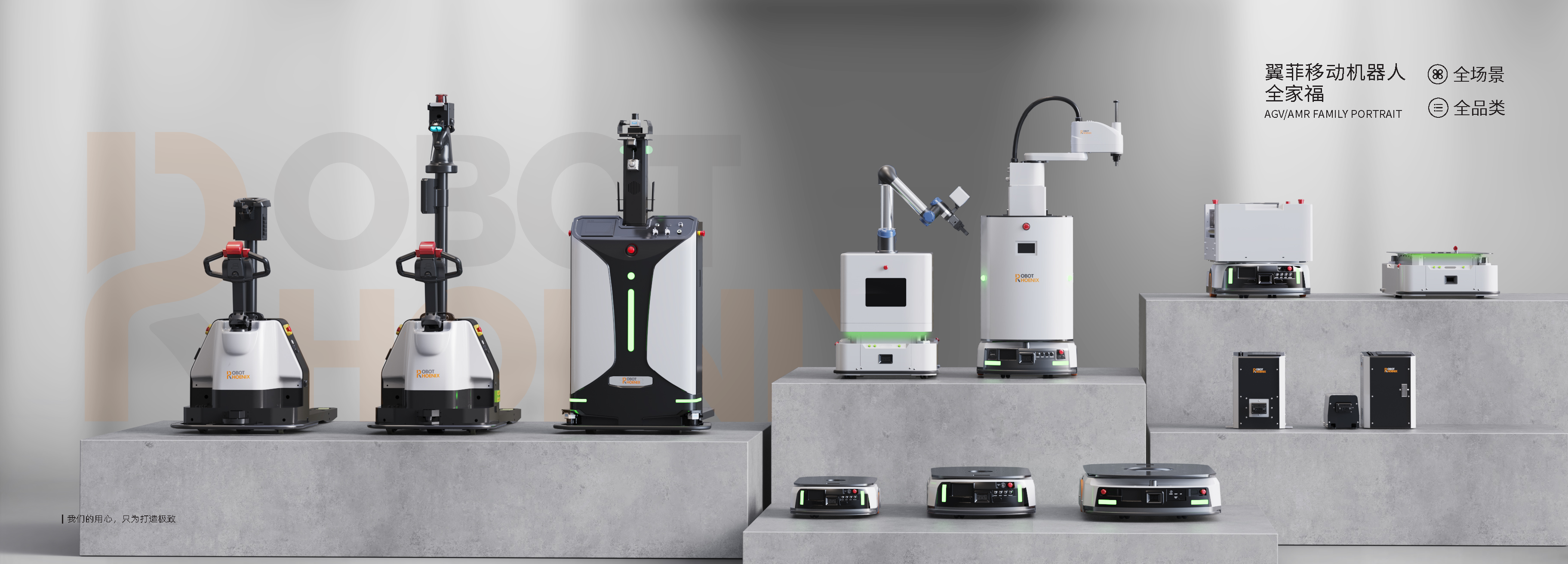
What is the navigation method of this robot? Does it require ground modification?
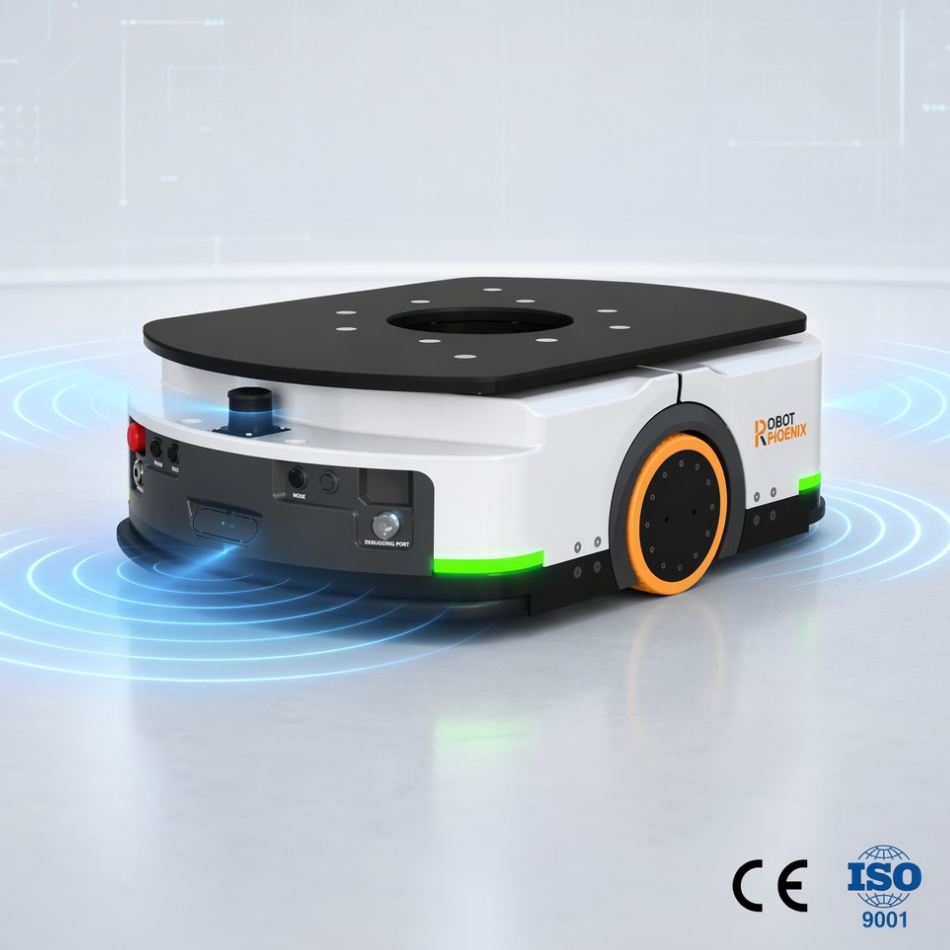
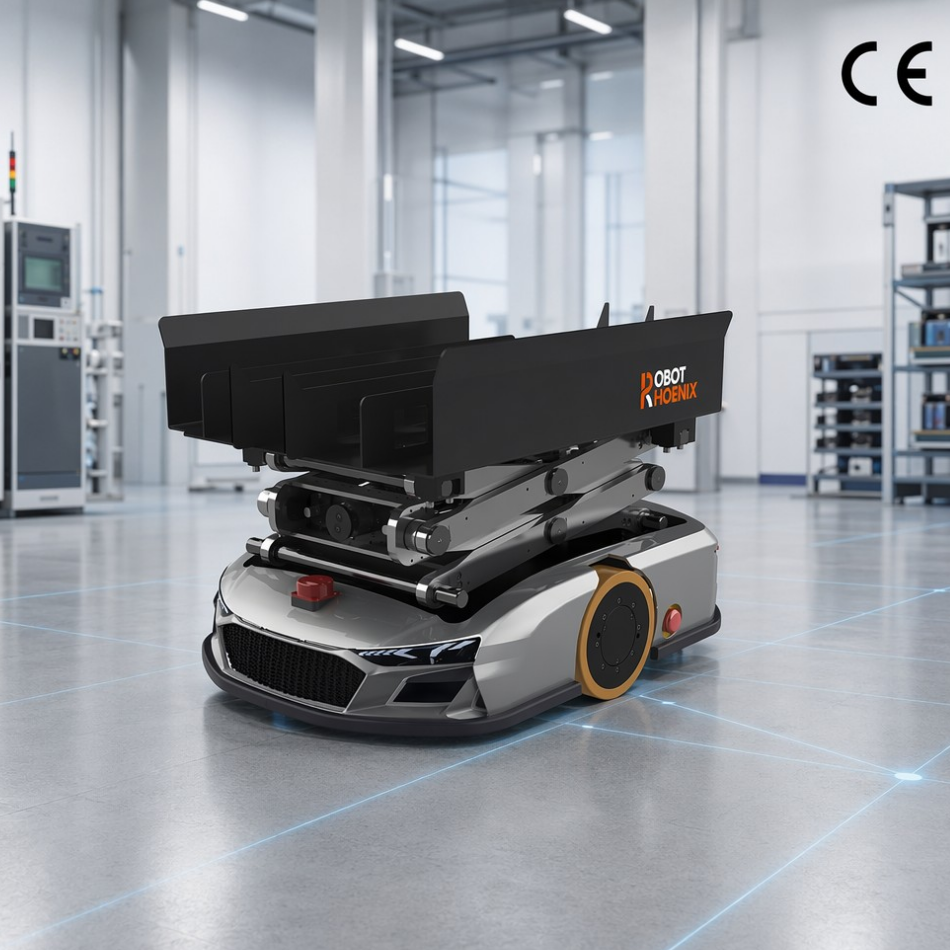
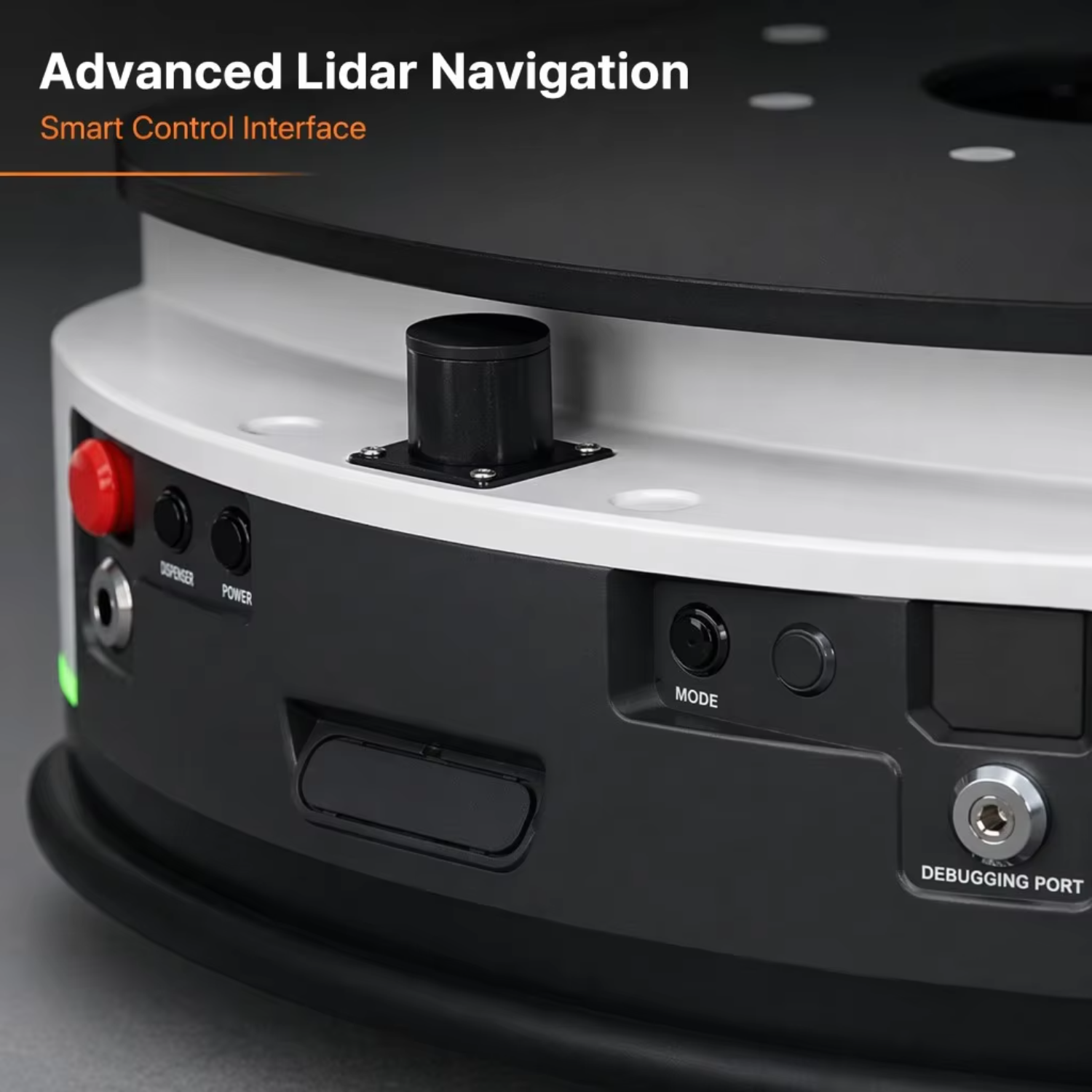
It adopts advanced laser SLAM (simultaneous localization and mapping) navigation technology. The robot uses lidar to scan environmental features for positioning, without the need to lay magnetic strips, reflectors, or QR codes on the ground. This “trackless” navigation mode is well suited to flexible production environments.
How is its safety performance? Is it safe to work in an environment where people are present?
Yes, it is designed for safe operation. The robot is equipped with a multi-level obstacle avoidance sensing system that can detect pedestrians and obstacles on the path in real time and automatically slow down or reroute. The body also includes a physical emergency stop switch and audible and visual warning signals, designed to meet human-machine collaboration safety requirements.
What should I do if the robot runs out of battery? Does it need manual charging?
No manual charging is required. The system supports automatic charging. When the battery level falls below the set threshold or after completing the current task, the robot will automatically return to the charging station to recharge. This fully automated process helps ensure that workflow is not interrupted due to battery issues.
What is the payload capacity of this robot? How much cargo can it transport?
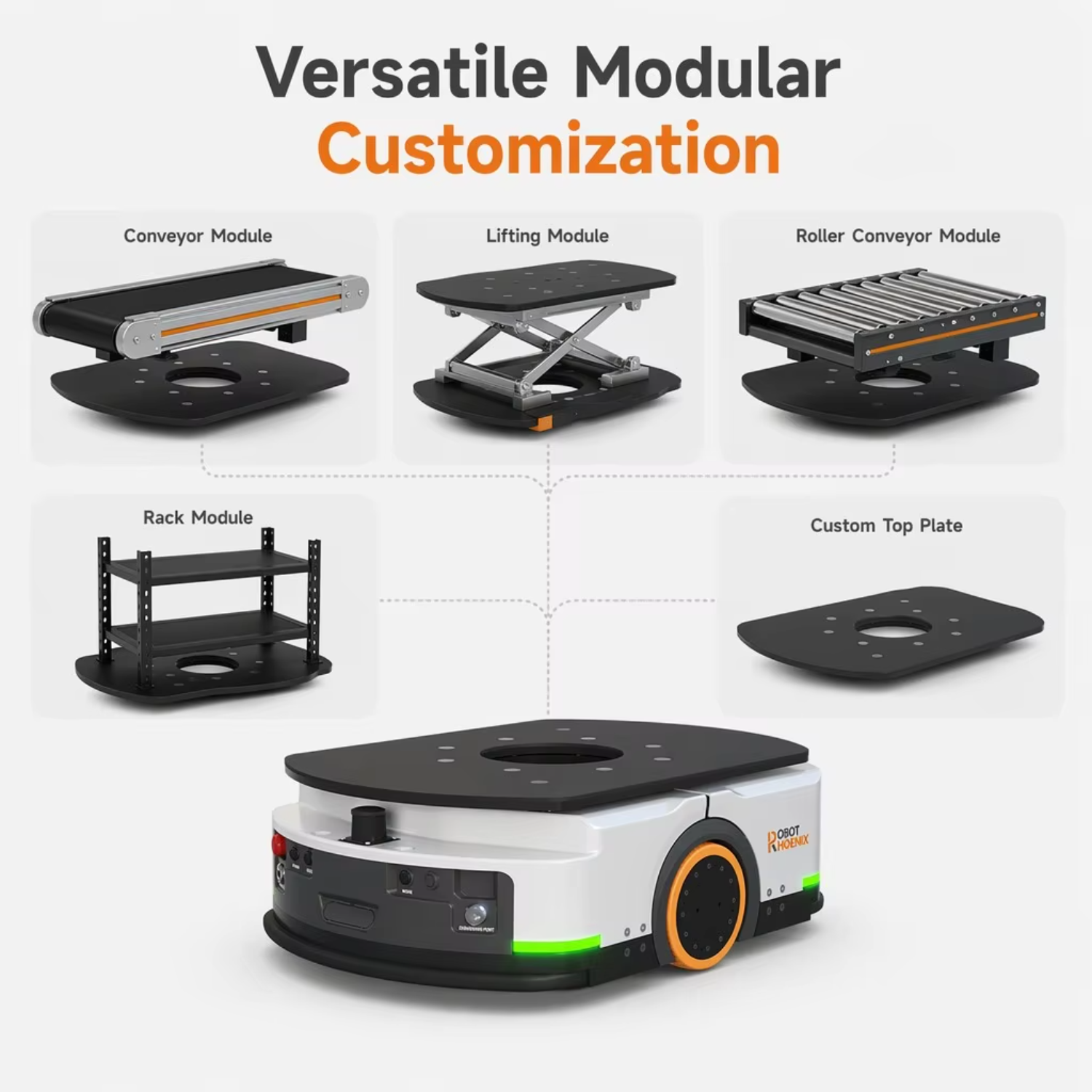
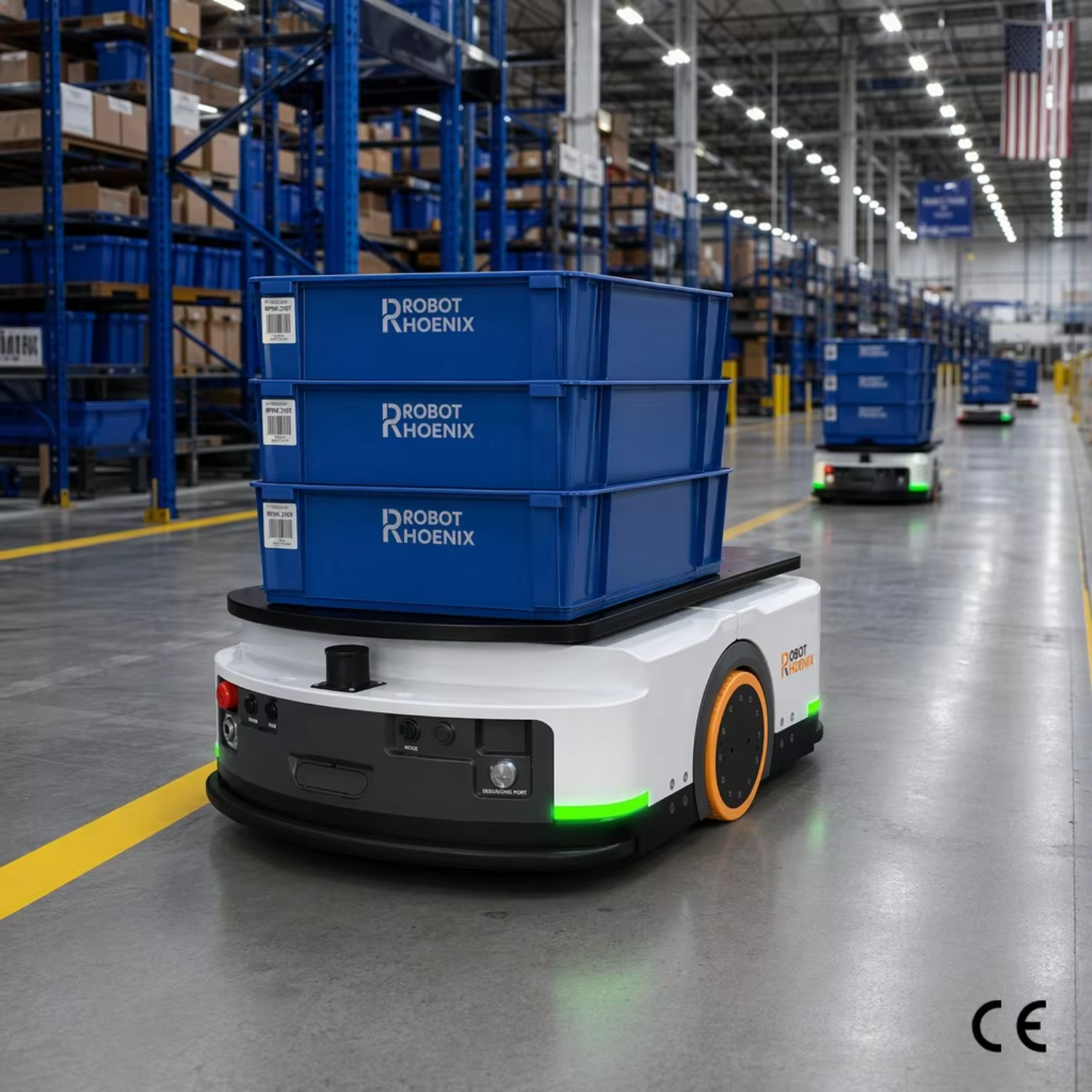
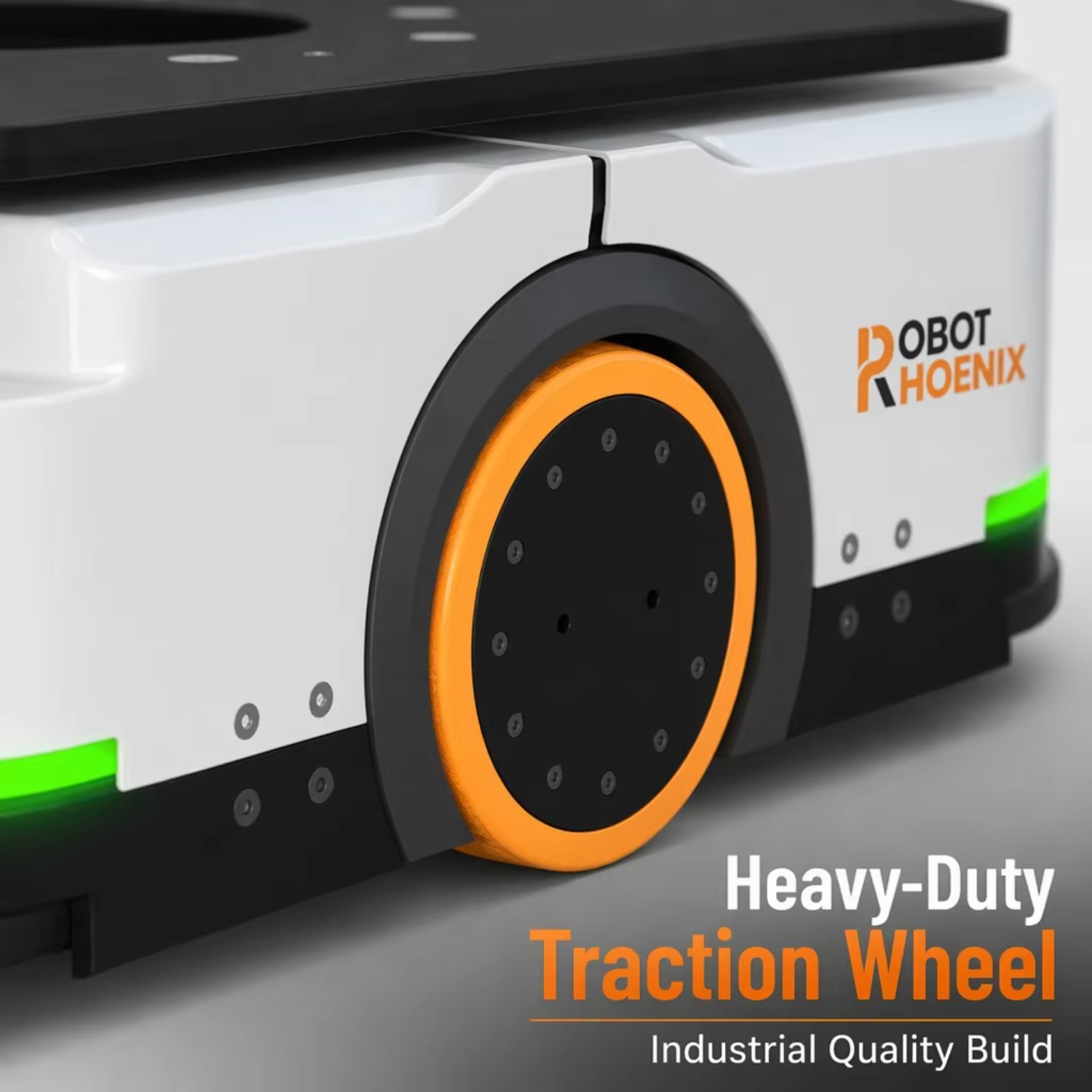
This model is designed for medium-to-light load handling, and the specific payload capacity depends on the configuration. Based on its sturdy chassis design, it can handle the transport needs of most storage turnover boxes, raw materials, and semi-finished products.
Can it be integrated with existing systems such as WMS or MES?
Yes. Open application programming interfaces (APIs) are available to support integration with mainstream warehouse management systems (WMS) and manufacturing execution systems (MES), enabling digital management of task scheduling, status monitoring, and data statistics.