8 Recommended Delta Robot Arms and Complementary Automation Products
Wholesale buyers rarely purchase one robot in isolation. The shortlist below combines high-speed delta platforms with SCARA and mobile robots that are frequently integrated into the same factory, warehouse or packaging line. Product links are preserved for direct technical review.
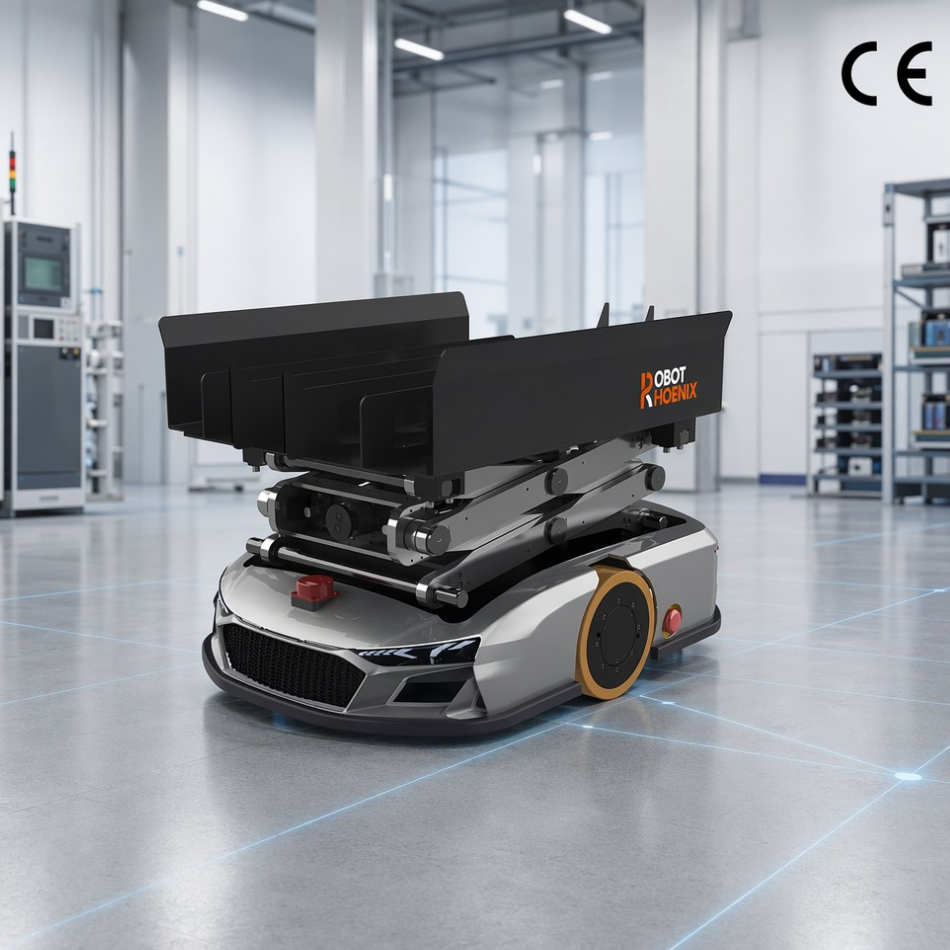
High Performance Material Handling Vehicle AMR Robot AGV Robot for Warehouse Logistic System
Warehouse logistics · autonomous material flow
View product →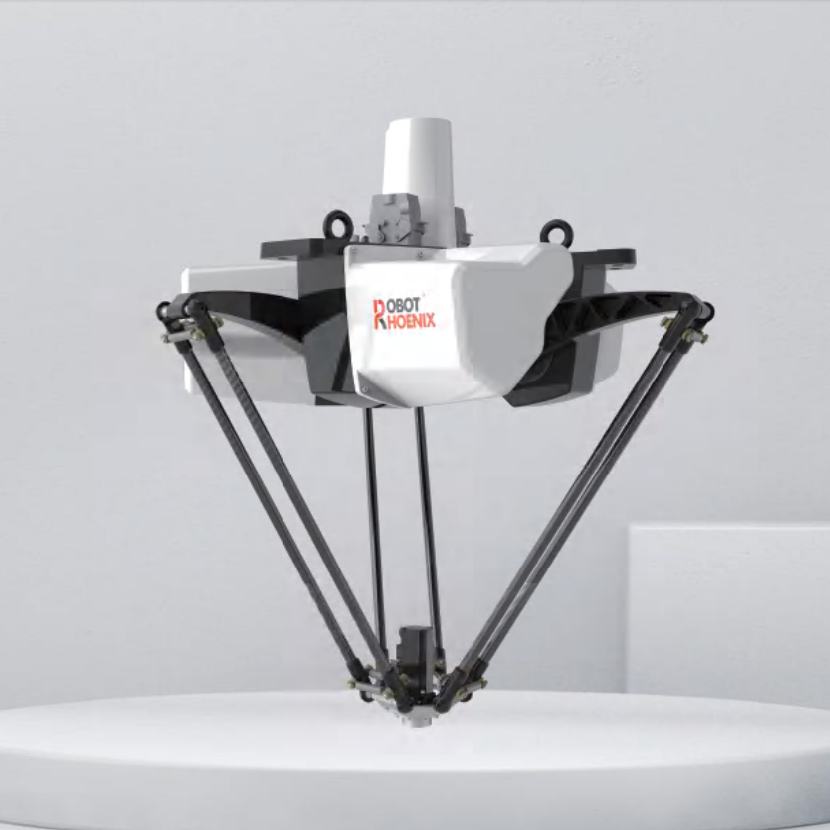
Robotphoenix 4 Arm Payload 3-6kgs Delta Robot for Pick Place Consumer Goods
3–6 kg payload · consumer goods picking
View product →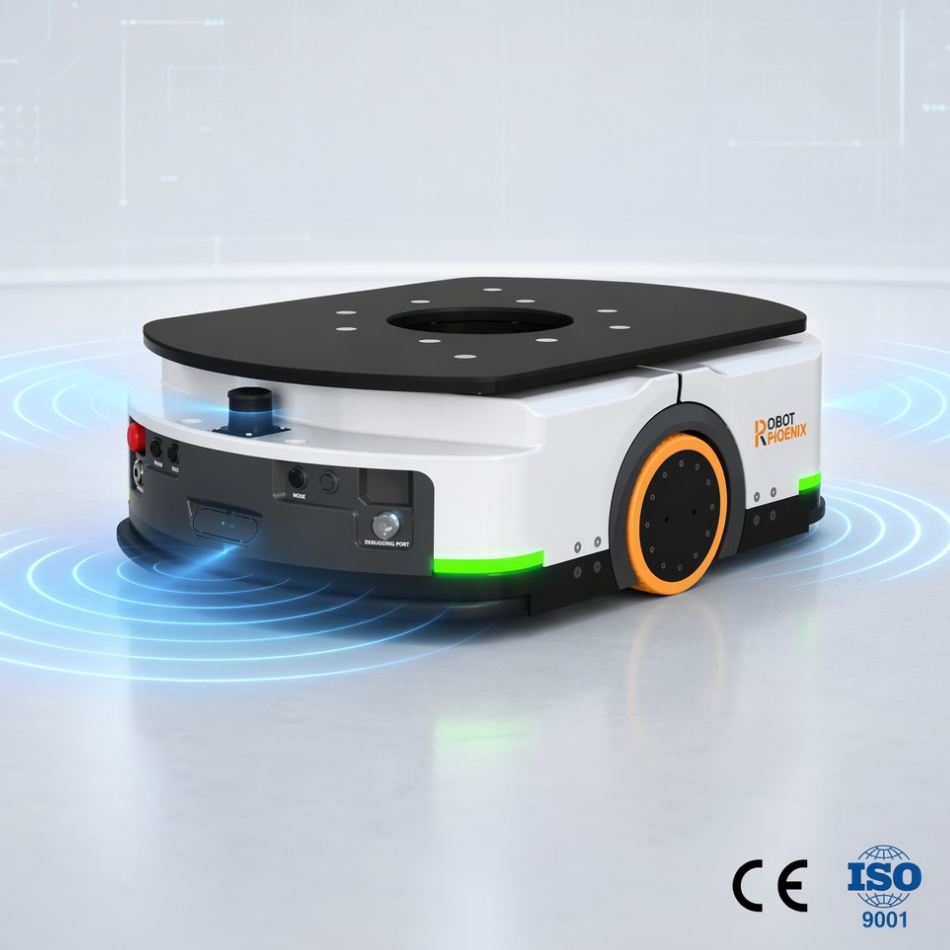
Compact and Latent Mobile Robot AGV for Narrow Aisle Warehouse and Factory Transportation
Low-profile transport · narrow aisle
View product →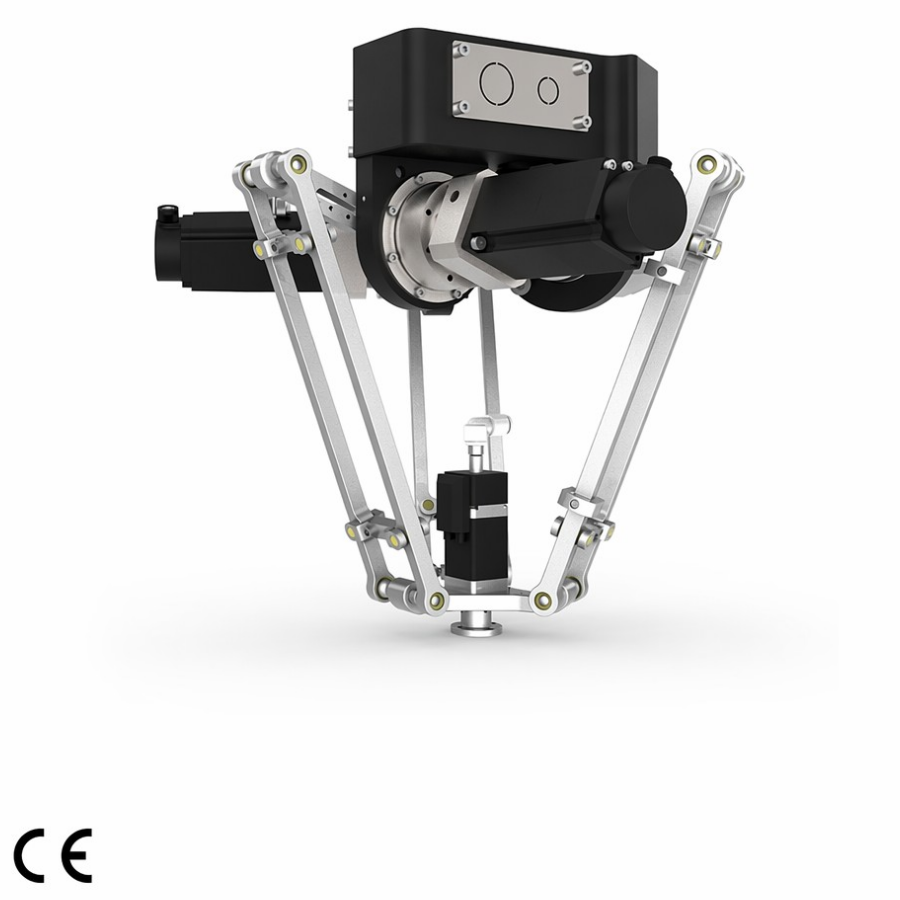
High Speed Consumer Goods Industries Bottle Unscrambling Machine Component Delta Robot
Bottle handling · high-speed consumer goods
View product →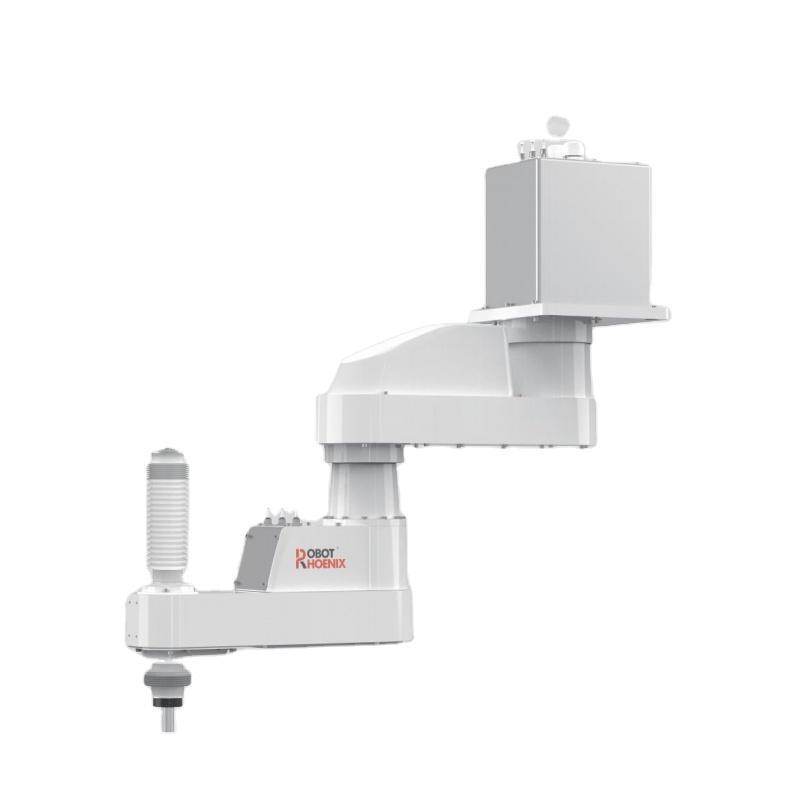
Compact Structure High Precision 550mm Reach Radius 3kg Payload 4-axis SCARA Robot
550 mm reach · 3 kg payload · compact cell
View product →
New Condition High-Speed Industrial Innovative Manipulator Delta Robot for Light Industry
Light industry · high-speed manipulator
View product →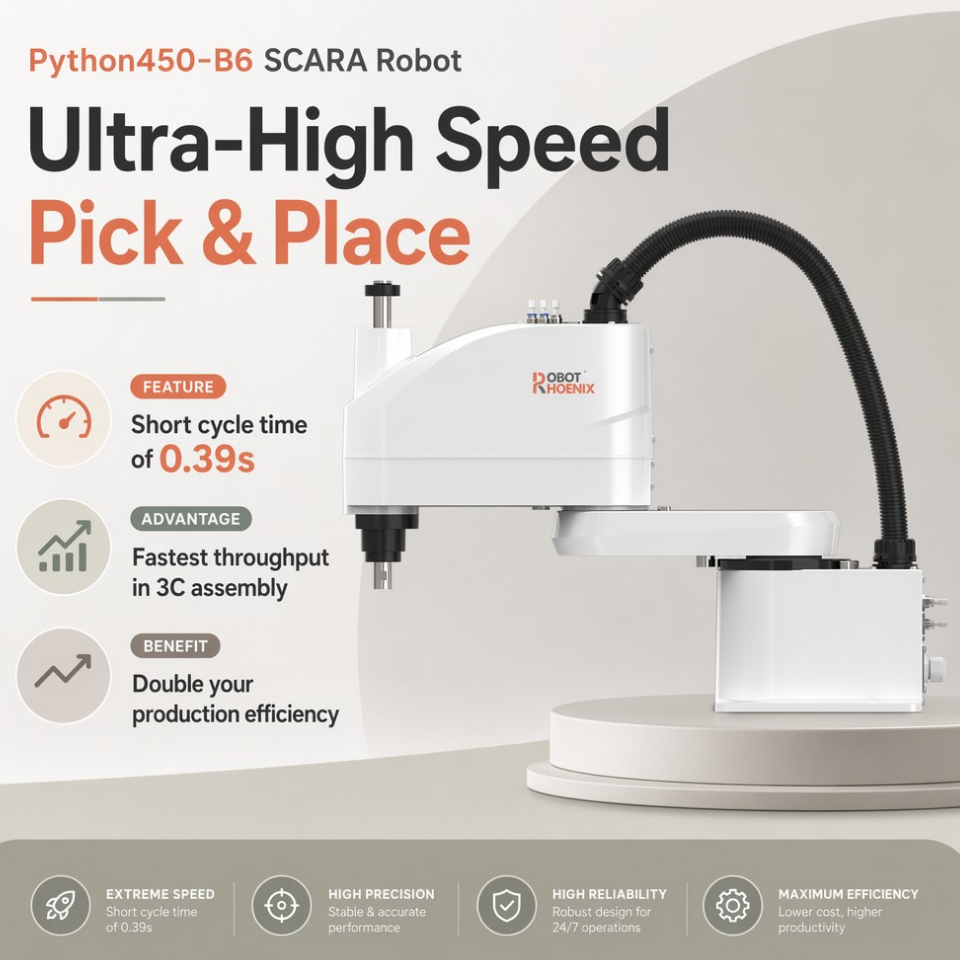
Robotphoenix High Speed Manipulator Scara Robot with Gripper for Product Accuracy Picking
Gripper-ready · accurate product picking
View product →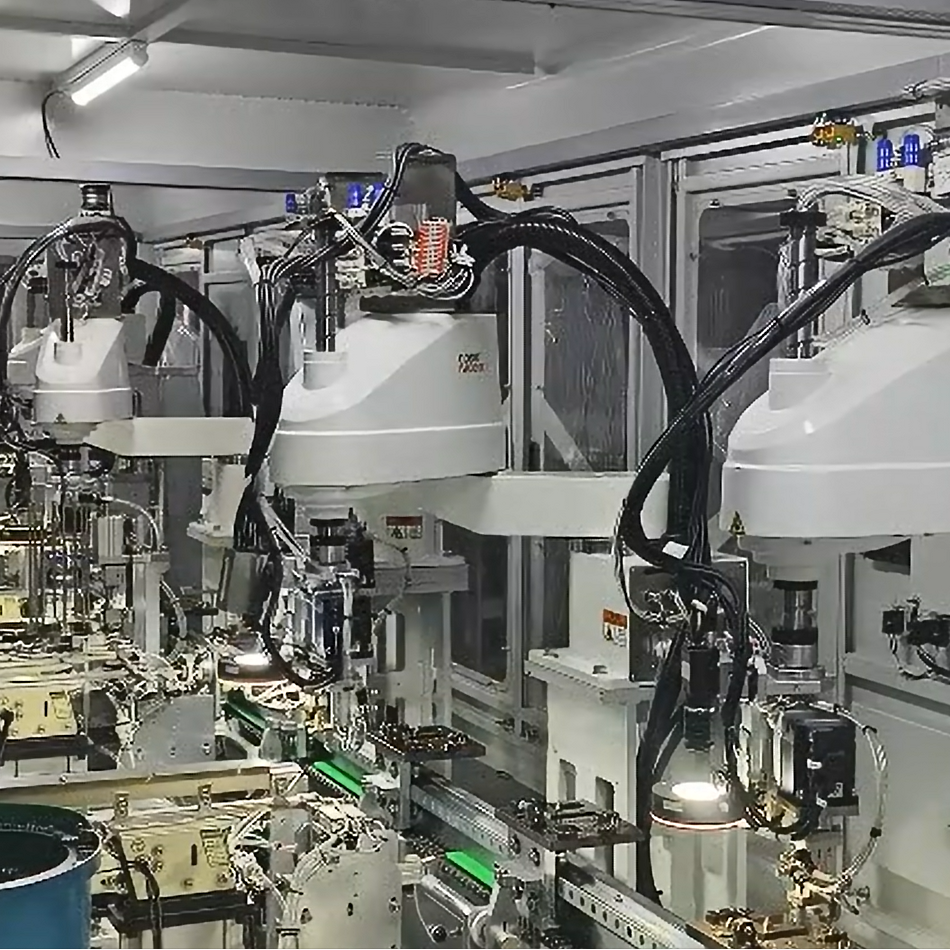
High Quality Mini Industrial Robot Scara for Pick and Place at Low Cost-New Condition
Mini SCARA · low-cost pick and place
View product →Need current MOQ, lead-time, spare-parts lists and configuration sheets for these models?
A Delta Robot Supplier Built for Technical Due Diligence
For wholesale buyers, the most useful supplier is not the one with the loudest catalogue. It is the one that can connect payload, cycle time, controller architecture, CE documentation and after-sales response into one auditable supply relationship.
Why Delta Robot Arms Win High-Speed Pick-and-Place Projects
A delta parallel robot arm is designed around a simple economic idea: move a light tool over a short, fast path with very high repeatability. That architecture is why delta robots dominate many food, pharmaceutical, electronics and consumer-goods picking cells where conveyor speed and yield matter more than long reach.
Cycle-time economics
Low moving mass and parallel linkages allow very high acceleration and short settling times. In the right application, a 3–6 kg delta robot can raise line output without expanding the footprint. For buyers comparing quotations, the relevant metric is not only “picks per minute” but the stable rate after vision, infeed variation and reject handling are included.
Precision, vision and yield
Models in this product family are commonly specified with repeatability around ±0.08 mm, with 2D/3D vision for orientation and inspection. A CE-ready cell should document not only robot accuracy but also camera calibration, lighting stability, gripper repeatability and reject logic, because those elements determine real first-pass yield.
Hygiene and integration
IP54 protection, stainless or coated surfaces, clean routing and food-grade lubricants are frequently requested for food and pharmaceutical projects. Delta arms are often mounted above the product flow, which keeps the working area clear and simplifies conveyor access. That layout advantage matters for washdown, changeover and maintenance planning.
How to Evaluate a “CE Certified Delta Robot Arm Supplier”
The phrase “CE certified” is a useful search term, but it is not a substitute for a documentation review. CE marking is configuration-specific and, for integrated automation, often a cell-level responsibility. A serious supplier helps the buyer understand exactly what is covered by the robot, what is covered by the controller and what the integrator must validate before the machine is placed on the EU market.
Scope of the declaration
Ask whether the robot is supplied as a standalone machine, a partly completed machine or a component for integration. The answer determines which declaration, risk-assessment files and installation instructions should be provided. Do not accept a generic certificate image as the only evidence.
Safety functions and PL
Review emergency stop, protective stop, safe speed, guarding logic, force limits and restart behavior. The final performance level depends on the complete safety circuit, including light curtains, door switches, relays and the controller. Buyers should request a safety architecture diagram before approving the layout.
EMC and electrical evidence
For export projects, ask for EMC and electrical safety documentation appropriate to the supplied configuration. Cable shielding, earthing, servo drive layout and panel design can change compliance outcomes. A supplier with in-house controller development is better positioned to answer these questions without passing the buyer between third parties.
Risk assessment integration
The robot supplier should provide hazard information, limits, intended use and residual-risk notes that feed the integrator’s risk assessment. The integrator then evaluates the complete cell: infeed, outfeed, manual loading, cleaning, jam clearance and maintenance access.
Traceability and change control
Wholesale programmes need serial-number traceability, firmware version control, spare-part compatibility and a clear change-notification process. Small component changes can affect safety, cycle time or validation status, so documentation discipline is a commercial advantage, not paperwork.
Integration responsibility matrix
Before purchase, define who owns conveyor guards, end-effector risk, vision lighting, PLC handshakes, cell validation and final CE marking. A written responsibility matrix prevents costly assumptions after shipment and is a useful indicator of supplier maturity.
Compliance note: CE marking depends on the final machine configuration and intended use. Buyers should confirm the exact declaration, standards and integration responsibilities with the supplier and a qualified compliance engineer.
Delta Robot Procurement Trends for Wholesalers and Machine Builders
Procurement teams are changing how they evaluate robot suppliers. The conversation has moved from “What is the unit price?” to “What is the total cost of a stable, documented and serviceable automated cell?” That shift benefits suppliers who can provide engineering depth, local documentation and long-term spare-part support.
TCO replaces sticker price
Wholesale buyers increasingly compare energy use, uptime, spares kits, training and response time alongside the robot price. A lower-cost arm that causes unplanned downtime is rarely the lowest-cost decision.
Pilot cells and lower MOQ
MOQ 1 set allows distributors and factories to validate a packaging cell before scaling. Pilot data on cycle time, changeover and reject rates now often precedes a multi-unit wholesale agreement.
Dual sourcing and regional service
Supply-chain risk is pushing buyers to ask for spare-part lead times, remote support capability and documentation in English. Regional distributors increasingly want a factory partner that can support them with training and escalation paths.
Data-backed acceptance tests
Factory acceptance tests are becoming more data-driven: speed sweeps, repeatability checks, vision accuracy, alarm logs and cycle-time reports. Buyers want evidence they can attach to internal engineering and procurement approvals.
What buyers weigh when shortlisting a delta robot supplier
The percentages above are an indicative procurement scorecard for planning discussion, not a market statistic. Use them as a framework when comparing quotations.
Product Development Trends Reshaping Delta Robot Arms
Delta robots are mature, but the surrounding automation stack is changing quickly. The next competitive advantage is not only faster mechanics; it is the ability to combine motion, vision, safety, data and service into a repeatable cell that distributors can deploy across multiple customers.
Embedded 2D/3D vision
Vision is moving from an add-on to an integrated motion function. Faster image capture, better lighting control and AI-assisted recognition reduce engineering time for random picking, orientation checks and defect rejection.
PLC-ready and EtherCAT controls
Machine builders want robot controllers that speak the same language as packaging PLCs. PLC-ready delta robots, standard handshakes and fieldbus options shorten commissioning and reduce dependence on proprietary software.
IP54 and cleanroom options
Hygiene requirements continue to rise. Buyers increasingly ask for IP-rated arms, smooth surfaces, clean cable management and documented cleaning procedures that fit food, pharma and wet-wipe production environments.
Modular end-effectors
Quick-change grippers, vacuum tools and custom end-effectors let one delta platform serve multiple SKUs. Standard mounting interfaces and pneumatic/vacuum routing become a major factor in changeover time.
Digital twin and offline programming
Simulation helps distributors prove reach, cycle time and interference before a robot is shipped. Offline programming also reduces on-site commissioning time, which is valuable when engineers travel internationally.
Fleet and line-level orchestration
Delta arms no longer work alone. They must coordinate with AMRs, autonomous forklifts, cartoners and MES systems. Suppliers that understand both fixed robots and mobile automation can reduce integration risk for wholesalers serving mixed portfolios.
Delta vs SCARA vs AMR: A Practical Buyer’s Guide
The fastest way to shorten a quotation cycle is to clarify the intended motion. Delta robots are usually selected for very high-speed pick-and-place from a moving conveyor; SCARA robots are selected for planar assembly and precise placement; AMR/AGV platforms are selected for transport. Mixing these requirements in one RFQ often creates unnecessary cost.
| Robot family | Best for | Typical figures | Procurement risk | Decision trigger |
|---|---|---|---|---|
| DeltaDelta parallel robot | High-speed picking, sorting, labeling, cartoning and bottle handling | 3–6 kg payload · ±0.08 mm repeatability class · up to 120 pcs/min labeling · IP54 option | Vision, gripper and conveyor synchronization can dominate performance if not specified early | You need faster cycles over a short working envelope with random product orientation |
| SCARA4-axis SCARA robot | Assembly, insertion, screwdriving, tray loading and precise placement | 3 kg payload · 550 mm reach class · compact footprint · mini low-cost versions | Planar reach and Z-axis duty must be checked against the fixture layout | You need accurate horizontal motion and a small cell footprint |
| AMRAMR / AGV platform | Material transport, line-side delivery, warehouse replenishment | 400–500 kg payload class · laser SLAM navigation · fleet management | Traffic rules, floor conditions, charging strategy and fleet software require site review | Operators spend hours pushing carts or fork trucks move repetitive loads |
| ForkliftAutonomous forklift | Pallet shuttling, warehouse transfer and repetitive horizontal transport | Laser SLAM navigation · site-mapping and safety-zone configuration | Pallet quality, aisle width and mixed pedestrian traffic must be assessed | Repetitive pallet runs cause labor bottlenecks or shift-to-shift inconsistency |
Specifications vary by model and configuration. Confirm payload, reach, cycle time, protection class and safety functions against your actual application.
Inside JORI: The Evidence Behind the Supplier Claim
JORI Intelligent Technology Co., Ltd. was founded in 2012 in Jinan, Shandong, China, and specializes in industrial robot R&D and manufacturing, controller and 2D/3D vision development, OEM support and automated system integration. The company builds delta parallel robots, SCARA robots, AGV/AMR platforms, autonomous forklifts and silicon wafer handling robots, with in-house development and national patents supporting the product range.
For wholesalers, that vertical capability matters because the robot arm, controller, vision layer and integration support can be coordinated by one engineering organization. Buyers are not forced to reconcile incompatible specifications between a robot brand, a third-party controller and a vision integrator. This is particularly valuable in packaging, wet-wipe lid application, cartoning and high-speed pick-and-place projects where small integration details can delay the entire line.
In-house R&D since 2012
Delta, SCARA, wafer, AGV and controller development are supported by in-house engineering and national patents. This gives buyers a clearer technical escalation path when applications become non-standard.
Manufacturing scale
More than 500 employees and a 10,000+ m² factory area provide a base for batch production, testing and export packaging. ISO 9001 quality management supports documented inspection and run-in procedures.
OEM, design and buyer label
OEM service, design service and buyer-label options help distributors and machine builders build their own product programmes. Custom end-effectors, controller integration and PLC-ready delta robots can be discussed during the RFQ stage.
Application breadth
Reference applications span food and beverage, pharmaceutical, electronics and 3C, semiconductor and solar, warehouse logistics, daily chemicals and wet wipes. That breadth helps buyers evaluate a platform against multiple end markets.
Export and wholesale support
Products are supplied to buyers across North America, South America, Eastern Europe, Southeast Asia and China. Delivery terms include FOB, CFR, CIF, EXW, CIP, FCA, CPT and express delivery; payment options include T/T, L/C, credit card, PayPal, Western Union, MoneyGram and escrow.
Fast response and low MOQ
Standard robots can be ordered from 1 set, which supports pilot validation before wholesale scale-up. The company reports a 97.06% response rate and an average response time of 2 hours or less for inquiries.
 Engineering and manufacturing base in Jinan, Shandong — the operational foundation behind the supplier profile.
 Robot assembly and testing environment supporting documented quality control and configuration checks.
Delta Robot Arm Procurement Questions Wholesalers Ask First
These answers are written for procurement teams, distributors and machine builders who need practical information before requesting a final quotation.
What does “CE certified delta robot arm” mean for an integrated production cell?
The robot or controller may be supplied with documentation supporting the CE-marked machine, but the final assembly usually receives its own conformity assessment. Ask the supplier to clarify whether the product is a standalone machine, a partly completed machine or a component, and confirm who owns the final risk assessment and Declaration of Conformity.
Can I order one set before committing to wholesale volumes?
Yes. Standard delta robots, SCARA robots and AMR/AGV platforms can be ordered from 1 set. This is useful for pilot cells, distributor demonstrations and internal approval before a larger wholesale programme is released.
How do I choose between a 3 kg delta, a 6 kg delta and a SCARA robot?
Use a delta robot when the priority is very fast pick-and-place from a conveyor with lightweight products. Consider a 3–6 kg payload range and verify actual tooling weight, acceleration and reach. Choose a SCARA robot when the task is planar assembly, insertion or precise placement in a compact cell. Share part weight, cycle time, orientation and layout with the engineering team for a model recommendation.
Can the robot integrate with existing packaging machines?
Yes. In-house controller and 2D/3D vision development allows PLC-ready delta robots to be integrated with cartoning machines, carton packers and wet-wipe lid applicator machines. The RFQ should include PLC type, communication protocol, conveyor speed, product photos and a line layout.
Which delivery and payment terms are accepted?
Delivery terms include FOB, CFR, CIF, EXW, CIP, FCA, CPT and express delivery. Payment methods include T/T, L/C, credit card, PayPal, Western Union, MoneyGram and escrow. Supported currencies include USD, EUR, GBP, JPY, CAD, AUD, HKD, CHF and CNY.
What information should I send with my inquiry?
Send the product type, weight, dimensions, required cycle time, conveyor speed, working envelope, orientation requirements, existing PLC or controller details, protection class, target market and any CE or safety documentation requirements. Photos or videos of the current process reduce quotation time significantly.
How is quality controlled before shipment?
Ask for the inspection plan, run-in test record, repeatability verification, vision calibration report, alarm list and packing checklist. ISO 9001 quality management provides the framework, but the buyer should still confirm the exact acceptance criteria for the purchased configuration.
How can I verify the supplier before placing an order?
Review the company profile, trade capacity, transaction level, credit profile, supplier assessment and buyer reviews. Confirm the legal entity, factory address, product scope, spare-parts policy and after-sales escalation path. For first orders, a pilot cell or factory acceptance test is often the most practical risk-control step.
Build a CE-Ready Delta Robot Cell with Documented Engineering Support
Send your product, cycle-time, layout and compliance requirements. The team responds in about 2 hours on average with model guidance, MOQ and catalogue details.