CE Certified Machine Tending Robot Factory & Supplier
JORI engineers CE-documented machine tending cells around high-speed delta robots, 4-axis SCARA robots, laser SLAM AMR/AGV platforms, autonomous forklifts and wafer handling robots. Built in a 10,000+ m² facility with in-house controllers, 2D/3D vision, ISO 9001 quality control and OEM engineering, our systems help CNC shops, injection molders, packaging converters, electronics plants and cleanroom manufacturers reduce labor dependency and stabilize cycle time.
8 CE-Ready Machine Tending Robot Configurations for Global Buyers
Every configuration below is supported by factory engineering, CE documentation guidance, safety-risk review, end-effector design, PLC/robot interface validation and remote or onsite commissioning advice. Product URLs are preserved exactly so procurement teams can move from this supplier overview to a specification page without losing context.
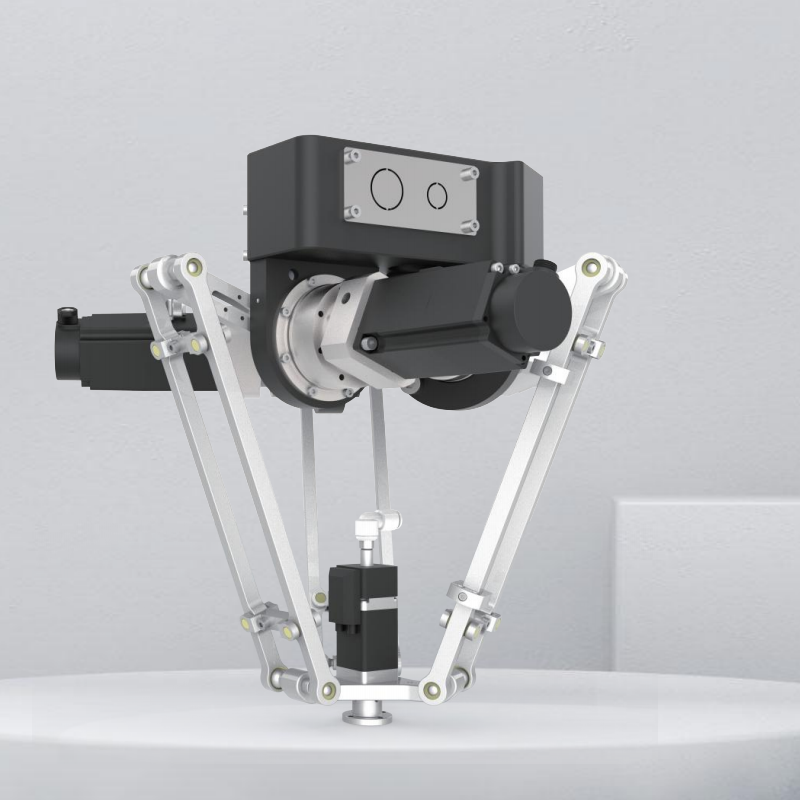
High Speed 3kg Load Industrial Delta Robot Arm with IP54 Protection for Robotic Pick & Place
Machine tending fit: high-speed pick-and-place, conveyor sorting and end-of-line feeding.
View product details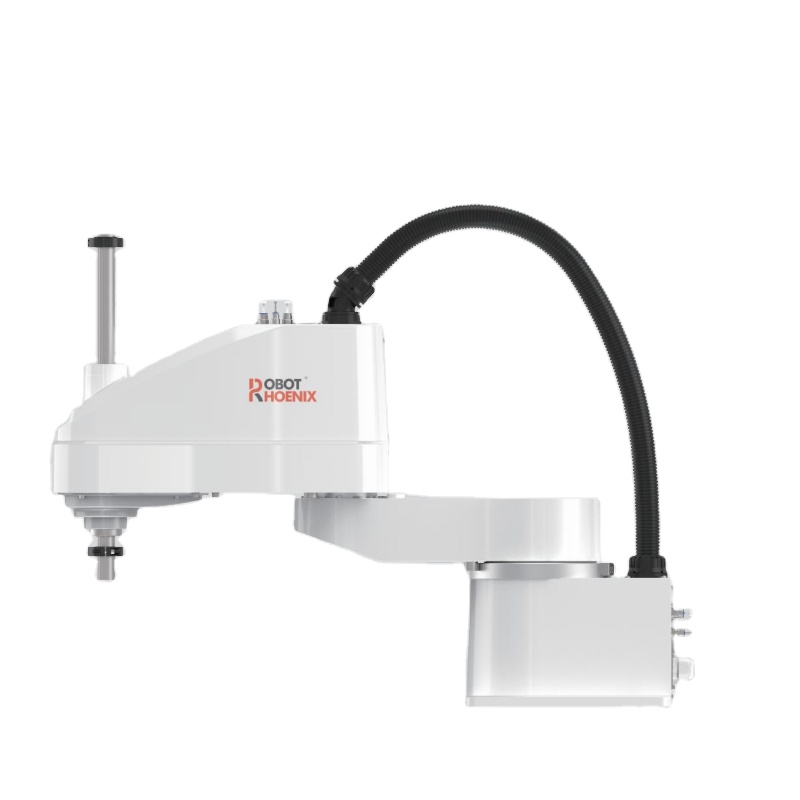
Advanced Industrial 4 Axis Robot Scara Robot for Pick and Place in Food Industry Gripping
Machine tending fit: compact pick-and-place, food-zone handling and precise fixture loading.
View product details
High Performance Material Handling Verhicel AMR Robot AGV Robot for Warehouse Logistic System
Machine tending fit: line-side material transport, tote movement and warehouse logistics.
View product details
Newly Design Low Price Industrial Manipulator Scara Robot Arm with Integrated Motor
Machine tending fit: cost-sensitive tending cells needing compact reach and integrated motors.
View product details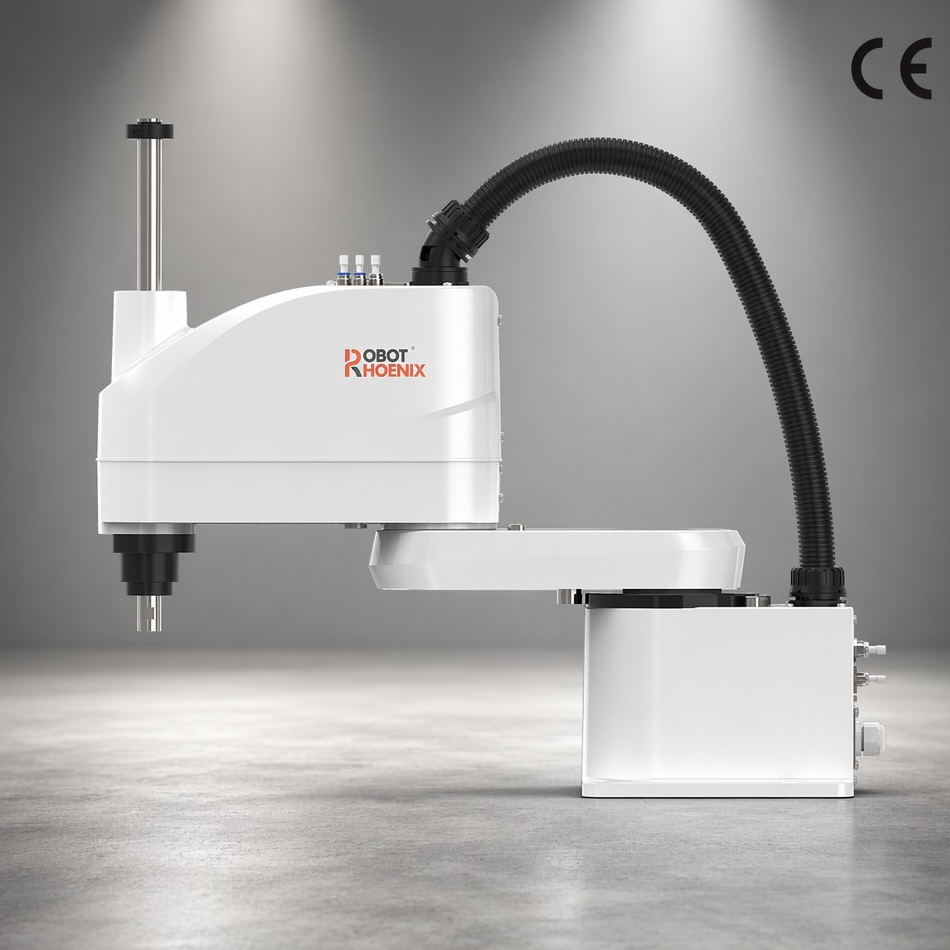
High Efficiency 6kg Payload Manipulator Scara Robot with Vision for Picking and Placing
Machine tending fit: vision-guided picking, placement verification and inspection-assisted tending.
View product details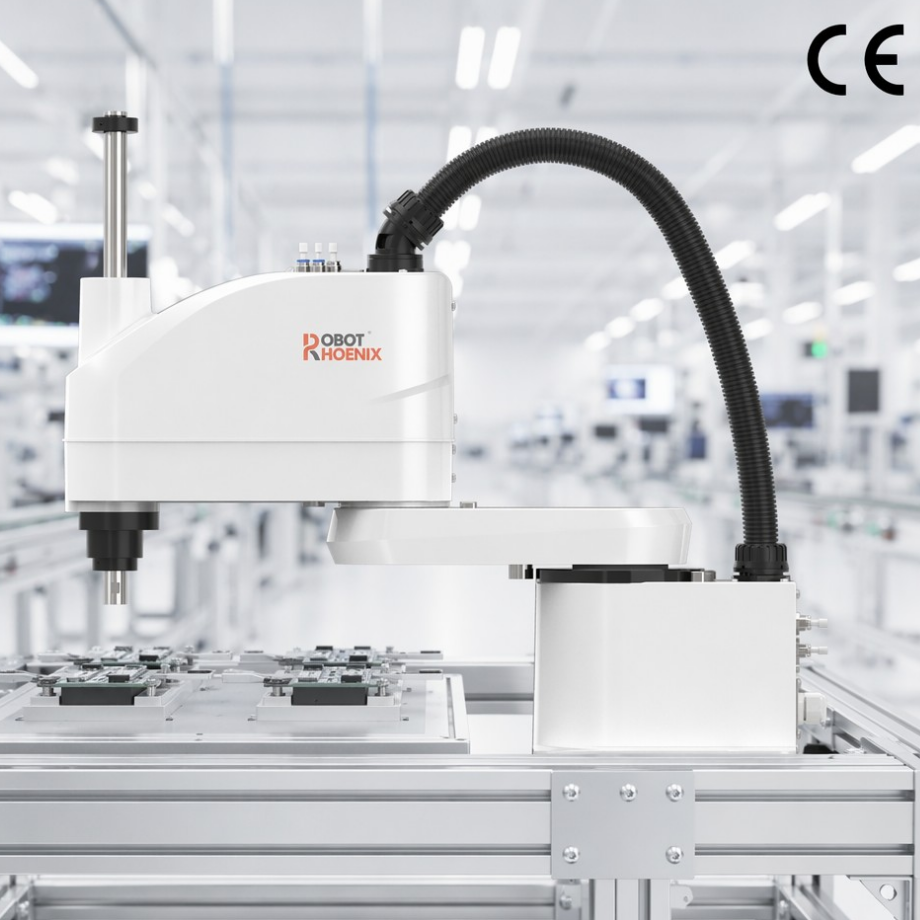
New Design Compact High Accuracy Industrial Robot Arm Scara with 2D/3D Vision System
Machine tending fit: small-footprint cells with 2D/3D vision and accurate part placement.
View product details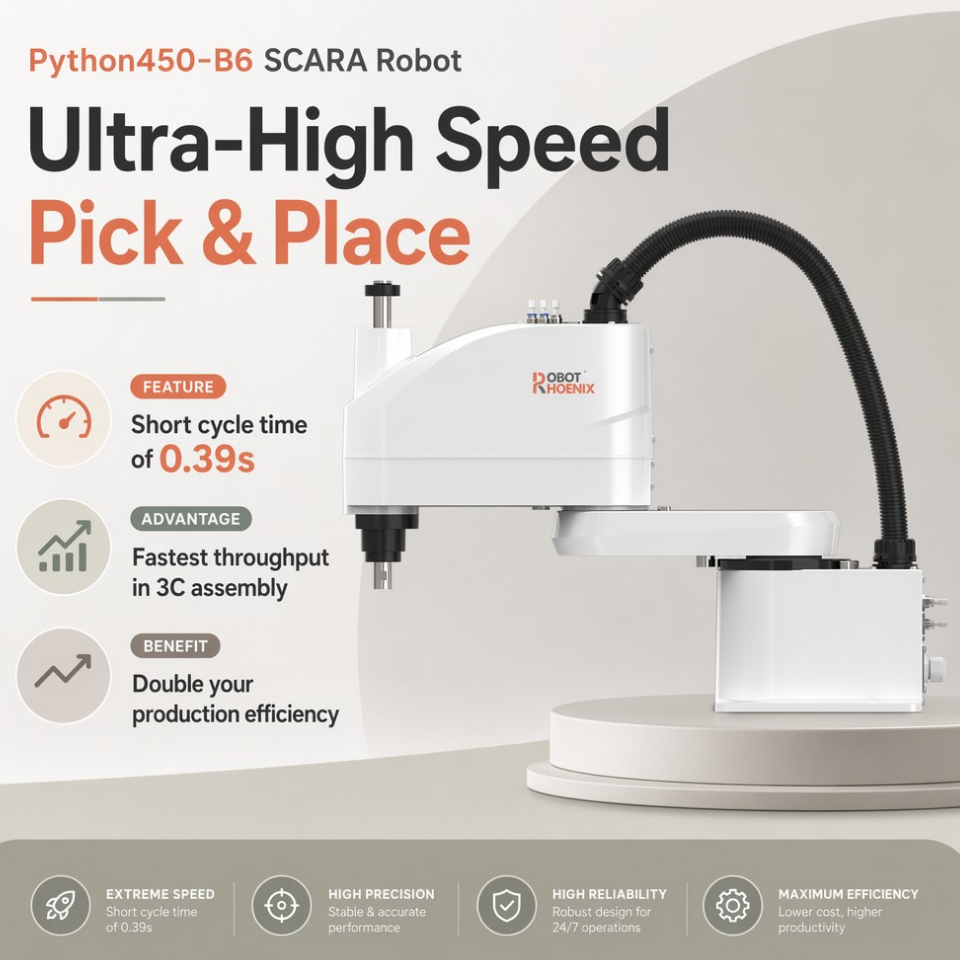
Robotphoenix High Speed Manipulator Scara Robot with Gripper for Product Accuracy Picking
Machine tending fit: accurate product picking, high-speed placement and gripper-ready integration.
View product details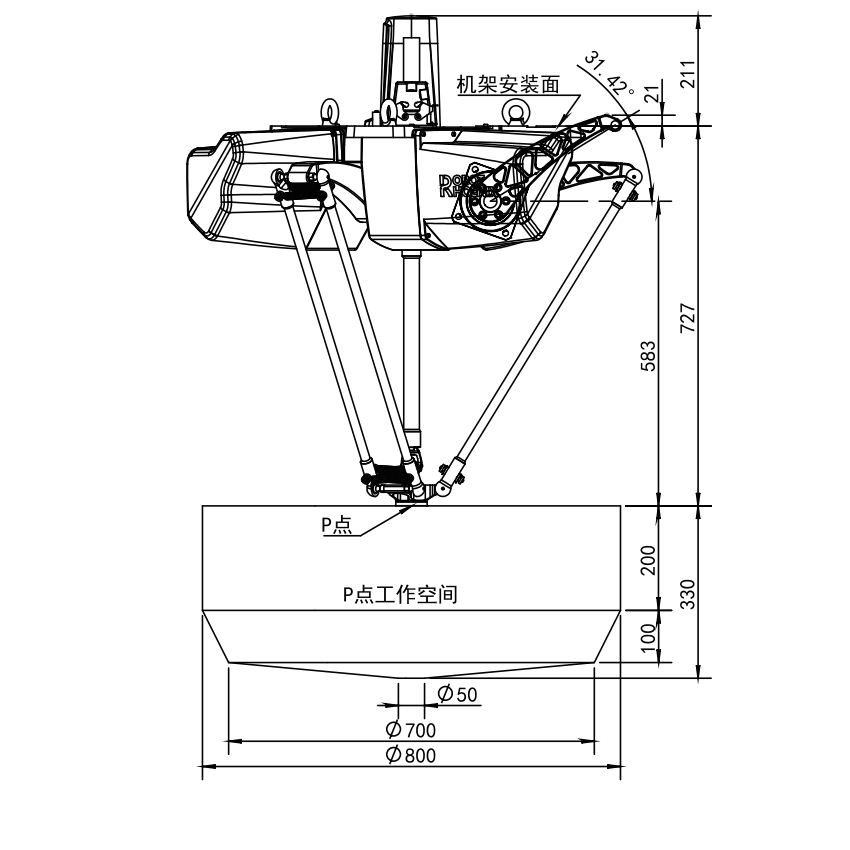
Industrial Delta Robot High Efficiency Parallel Robot for Goods Picking Placing Sorting
Machine tending fit: parallel robot picking, placing and sorting for fast production flows.
View product detailsCE Certification Is Now a Search Filter, a Risk Control and a Sales Advantage
For machine tending robots, CE is not a decorative badge. It is a traceable conformity process that affects machine design, safety logic, technical documentation, commissioning and the buyer’s ability to place the final cell on the market.
In a machine tending project, the robot arm is rarely the only machine in the safety boundary. The final cell may include a CNC lathe, injection molding machine, press, conveyor, gripper, light curtain, safety PLC, fixture and dust extraction. CE marking is therefore not a one-time sticker; it is an evidence chain linked to the Machinery Directive 2006/42/EC, the EMC Directive 2014/30/EU where applicable, the Low Voltage Directive 2014/35/EU where applicable, and harmonized robot safety standards such as ISO 10218. Buyers should expect a Declaration of Conformity, risk assessment, safety architecture, technical file, translated warnings, spare-part lifecycle and integration responsibilities that are clear before the purchase order is released.
JORI supports CE-ready machine tending configurations through in-house controllers, 2D/3D vision, OEM end-effector engineering and close collaboration with the machine builder or system integrator who places the final cell on the market. For a procurement team, that means fewer hand-offs between a robot seller, a controller vendor and a vision vendor. It also means the inquiry can be reviewed against cycle time, part weight, gripper strategy, safety distance, machine interface and documentation scope from day one. This is the practical meaning of factory-direct CE support: not only hardware supply, but early engineering alignment around the conformity path.
Ask for the declaration scope, serial-number list, harmonized standards, risk assessment, safety functions, EMC evidence, software version control and the name of the party responsible for the final machine tending cell. A CE logo without these documents creates audit and commissioning risk.
What Procurement Teams Should Verify Before Approving a Machine Tending Robot
Declaration of Conformity
Request the component-level declaration, harmonized standards list, serial-number scope and authorized signatory. A generic certificate image is not enough for due diligence.
Risk Assessment
Review pinch points, dropped-part exclusion, gripper loss-of-power behavior, manual loading zones and safeguarding logic for every operator interaction.
Safety Functions
Confirm emergency stop, safety-rated inputs, protective stop, speed and separation monitoring requirements, and whether the controller supports the required safety topology.
EMC and Electrical
Verify panel design, protective earth, cable routing, noise immunity, power quality and documentation for the destination market.
Technical File
Check drawings, BOM, calibration records, software version control, spare parts and maintenance intervals. These files reduce commissioning delays and audit risk.
Integration Responsibility
Define who signs the final DoC, who validates the machine interface, who trains operators and who owns change control after deployment.
Which Robot Configuration Fits Your Tending Process?
Use this recommendation framework as a shortlisting tool. Final selection depends on part geometry, cycle time, cleanliness, gripper, machine interface and the safety boundary of the final cell.
CNC Loading and Unloading
4-axis SCARA robots with integrated motor options and 6 kg payload vision models suit compact CNC cells, where repeatable planar placement, small footprint and guard-friendly reach matter more than long reach.
Injection Molding and Insert Loading
SCARA and compact tending robots handle insert placing, small-part removal and fixture positioning. Pair the robot with custom grippers, part-present sensing and an interlocked molding-machine interface.
Press Tending and Metal Part Handling
Delta robots are fastest for small stampings and high-speed sorting; SCARA platforms handle fixture loading. Add safety guarding, part-present sensing and reject logic for stable production.
Packaging and End-of-Line Tending
3–6 kg delta robots with IP54 protection and high-speed labeling support cartoning, sortation, lid application, case packing and tray loading from moving conveyors.
Line-Side Logistics and Material Flow
400–500 kg laser SLAM AMR/AGV platforms move totes, fixtures and raw material between machines. Autonomous forklifts handle pallet-level transport in warehouses and larger plants.
Cleanroom and Wafer Transfer
Wafer handling robots with self-developed motion control and custom end-effectors support semiconductor and photovoltaic lines where smooth, repeatable, contamination-conscious motion is essential.
Match the Machine Tending Task to the Right Robot Family
The fastest route to a reliable cell is not “the cheapest robot”; it is the robot family whose reach, payload, speed and integration profile match the machine interface and production rhythm.
| Tending Task | Recommended Platform | Key Figures | Choose It When |
|---|---|---|---|
| CNC / LatheMachine tending | 4-axis SCARA with vision | Compact footprint · 6 kg vision option · precise planar placement | Part weight is within SCARA payload, the machine door and fixture are within reach, and camera verification reduces loading errors. |
| MoldingInsert and part handling | SCARA or custom tending cell | High repeatability · integrated motor options · custom gripper | Insert geometry is stable, the molding machine can be interlocked, and fast changeover matters for high-mix production. |
| PackagingHigh-speed sorting | Delta parallel robot | 3–6 kg payload · IP54 option · up to 120 pcs/min labeling | Products arrive randomly on a conveyor and cycle time, not reach, is the main production bottleneck. |
| Line-sideMaterial transport | AGV / AMR 400–500 kg | Laser SLAM navigation · fleet management · flexible routing | Operators walk long distances, layouts change often, and material flow must scale without floor tape. |
| PalletWarehouse transport | Camel Series autonomous forklift | Laser SLAM · pallet shuttling · repeated shift work | Repetitive pallet movement creates labor strain and the site can support navigation mapping and safety planning. |
| CleanroomWafer transfer | Wafer handling robot | Self-developed motion control · custom end-effectors · smooth handling | Fragile substrates and contamination control dominate the decision, so repeatable motion and clean integration are critical. |
Machine Tending Robot Procurement Trends Buyers Should Price Into 2025–2030
Total Cost of Ownership
Buyers now model integration, safeguarding, commissioning, spares, training and downtime, not just robot price. A lower hardware quote can lose on engineering hours and documentation gaps.
CE Evidence as a Gate
Procurement teams ask for DoC scope, risk assessment, safety functions, EMC evidence and change-control procedures before technical review, especially for EU-bound machine tending cells.
Open Protocols
EtherNet/IP, PROFINET, EtherCAT, Modbus TCP and OPC UA readiness reduce integration risk and protect future line expansions when new machines or software are added.
Modular End-Effectors
Magnetic, vacuum, servo and mechanical grippers are being standardized so one robot can tend multiple SKUs with fast changeover and predictable spare-part management.
Robot + AMR Fleets
Machine tending is merging with intralogistics: line-side AMRs deliver blanks and remove finished parts while the robot arm tends the machine. Fleet-level design is becoming a procurement category.
Reshoring and High-Mix Production
Labor shortages and shorter product life cycles favor flexible programming, vision-guided placement, supplier-side simulation and documented change control across product variants.
How Machine Tending Robots Are Evolving Beyond the Arm
Future tendering specifications will compare the robot together with the controller, vision stack, safety architecture, documentation and lifecycle support.
In-House Controller and Vision
More suppliers will integrate motion, vision and safety data at the controller level. JORI develops controllers and 2D/3D vision in-house, reducing multi-vendor friction during commissioning.
Higher Speed-to-Payload Ratio
Delta robots continue to push 3–6 kg payloads at high cycle rates, while SCARA platforms add integrated motors, compact footprints and vision-ready mounting for machine tending cells.
Safety by Design
Safety-rated I/O, stop categories and guard monitoring move into the base design rather than bolt-on boxes. This shortens validation and makes CE documentation more predictable.
Cleanliness and Material Compatibility
IP54, washdown, stainless surfaces, cable routing and vacuum-ready end-effectors are increasingly specified for food, pharmaceutical and cleanroom machine tending.
Simulation and Virtual Acceptance
Buyers ask for cycle-time simulation and virtual commissioning before steel is cut, shortening factory acceptance tests and reducing surprises during machine interface integration.
Lifecycle Traceability
Serial-number records, spare-part lists, remote diagnostics and software version control are becoming part of the robot offer, not an after-sales afterthought.
A Practical TCO Model for a CE-Ready Machine Tending Cell
Use the following ranges as a budgeting aid, not a quotation. A typical cell’s lifetime cost is driven by engineering scope and downtime risk more than by the arm alone. Ask every supplier to break out the robot, end-effector, guarding, controls, vision, commissioning, training, spares and documentation.
Indicative Lifetime Cost Distribution
Illustrative ranges for planning discussions. Actual percentages change with payload, safety boundary, vision complexity, machine interface and documentation scope.
Procurement Checklist Before PO
The Factory and Engineering Evidence Behind the Supplier Claim
JORI Intelligent Technology Co., Ltd. is a high-tech robot manufacturer founded in 2012 in Jinan, Shandong, China. Our product lines cover delta parallel robots, SCARA robots, AGV/AMR mobile robots, autonomous forklifts and silicon wafer handling robots.
Founded in 2012
More than a decade of industrial robot R&D, OEM support and export project experience.
500+ Employees
Engineering, production, quality and service team scale for custom cells and repeat orders.
10,000+ m² Factory
Assembly, testing and project staging capacity for robot cells and OEM programs.
ISO 9001 Quality
Documented quality management from incoming inspection to final run-in testing.
In-House Controller
One accountable source for motion control, I/O, safety integration and software support.
2D/3D Vision
Vision-guided picking, placement and inspection options reduce third-party integration risk.
National Patents
Core technology in delta, SCARA, wafer and AGV robot families is developed and protected in-house.
OEM and Buyer Label
Design service, custom end-effectors, private label and one-stop automation integration.
For buyers, the practical advantage is fewer vendors. A single engineering team can discuss the robot, controller, vision, end-effector, documentation and commissioning plan. Standard models start from one set, so a plant can validate a pilot cell before scaling to multiple lines. JORI also maintains an average response time of two hours or less with a 97.06% response rate and serves buyers in North America, South America, Eastern Europe, Southeast Asia and China.
CE Certified Machine Tending Robot FAQ for Procurement Teams
What is a CE-certified machine tending robot?
It is a robot system supplied with the conformity evidence and safety documentation needed for the final machine tending cell to meet applicable EU directives. Buyers should verify serial scope, harmonized standards, the Declaration of Conformity and integration responsibility; CE is a conformity process, not only a logo.
Does CE certification cover my complete machine tending cell?
Often, the robot arm is partly completed machinery or a component; the final cell placed on the market requires its own conformity assessment. JORI supports the robot-side technical file and works with the integrator or machine builder who signs the final DoC for the complete cell.
Should I choose a SCARA robot or a delta robot for machine tending?
Choose SCARA for compact CNC loading, assembly and precise planar placement. Choose delta for very high-speed picking, sorting and packaging from moving conveyors. Share part weight, cycle time, gripper strategy and machine layout so our engineers can recommend the right model.
Can JORI robots integrate with CNC, injection molding and packaging machines?
Yes. JORI supports PLC-ready integration, in-house controllers and 2D/3D vision, custom end-effectors and automated system integration for machine builders, including packaging and lid applicator cells.
What is the minimum order quantity for JORI machine tending robots?
Standard delta robots, SCARA robots and AMR/AGV platforms can be ordered from one set. This allows a plant to validate a single tending cell or pilot line before scaling to multiple machines or factories.
Do you offer OEM, custom end-effectors or private label?
Yes. OEM service, design service and buyer-label options are available, with custom end-effectors, controller integration and one-stop automation support for machine builders and system integrators.
Which delivery and payment terms are supported?
Delivery terms include FOB, CFR, CIF, EXW, CIP, FCA, CPT and express delivery. Payment methods include T/T, L/C, credit card, PayPal, Western Union, MoneyGram and escrow, in USD, EUR, GBP, JPY, CAD, AUD, HKD, CHF and CNY.
How fast is the response, and what should I include in my inquiry?
Average response time is two hours or less with a 97.06% response rate. Include part photos, weight, cycle time, machine model, gripper requirement, layout, target country and required CE documentation scope so engineering can respond with a relevant configuration.
Build a CE-Responsible Machine Tending Cell with JORI
Send your process details, part photos, machine interface, cycle time and target market. Our engineering team will help shortlist the robot, end-effector, vision, safety and documentation scope — with factory-direct support from a robot manufacturer founded in 2012.
Get Catalog