China Best Palletizing Robot Wholesaler & Wholesalers
A factory-direct buyer’s guide to delta, SCARA, AMR and autonomous forklift systems — with practical selection criteria, supplier verification steps, procurement trends and eight recommended robot models.
8 Factory-Direct Robots for Palletizing, Pick-and-Place and Material Handling
These models cover food sorting, high-speed delta picking, precision SCARA assembly and mobile logistics. Each product URL is preserved exactly as supplied so buyers can move from research to specification without losing context.
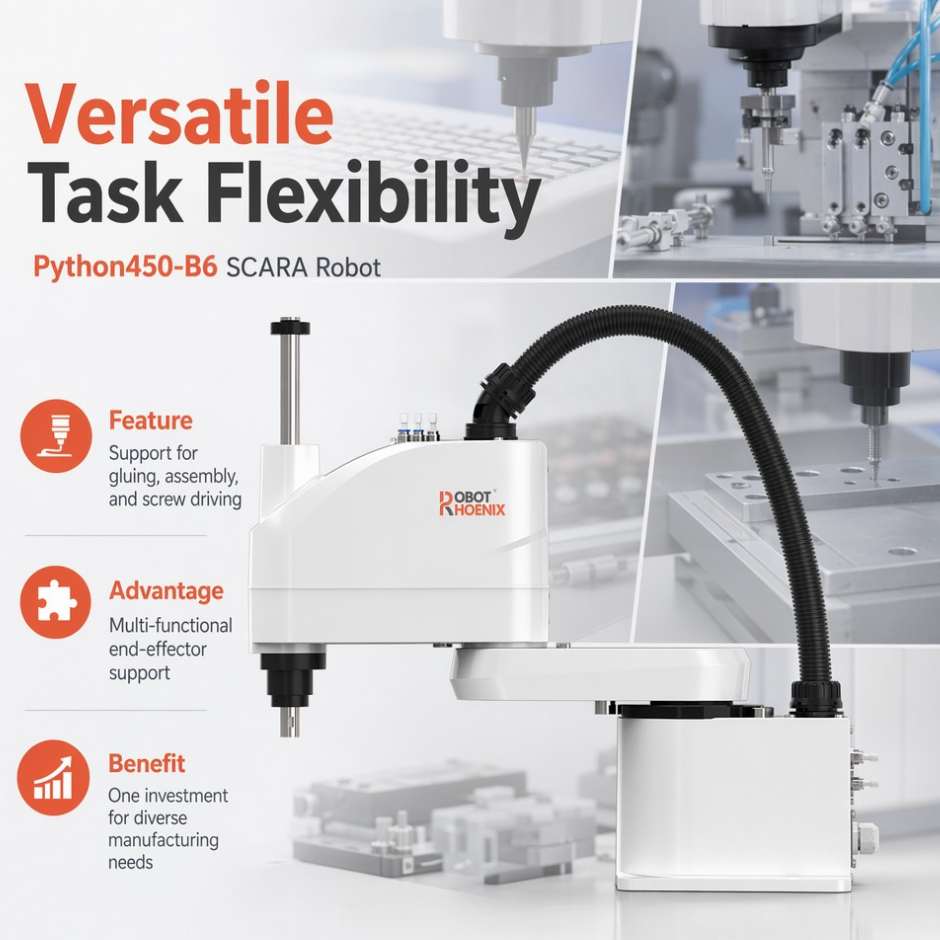
Four-Axis Industrial Robot Hand SCARA for Food Loading, Unloading and Sorting
Compact food-industry pick-and-place for trays, bags and cartons.
View product →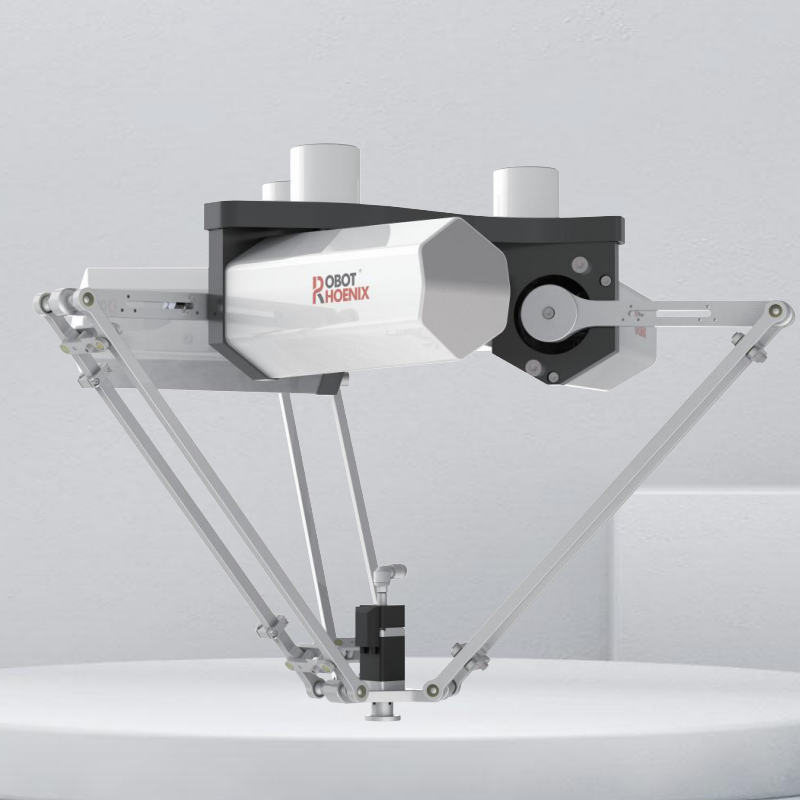
Robotphoenix New Design Industrial Delta Robot 6 kg Payload 0.08 mm Repeatability 2/3/4 Axis
High-speed delta platform for packaging, picking and small-load palletizing cells.
View product →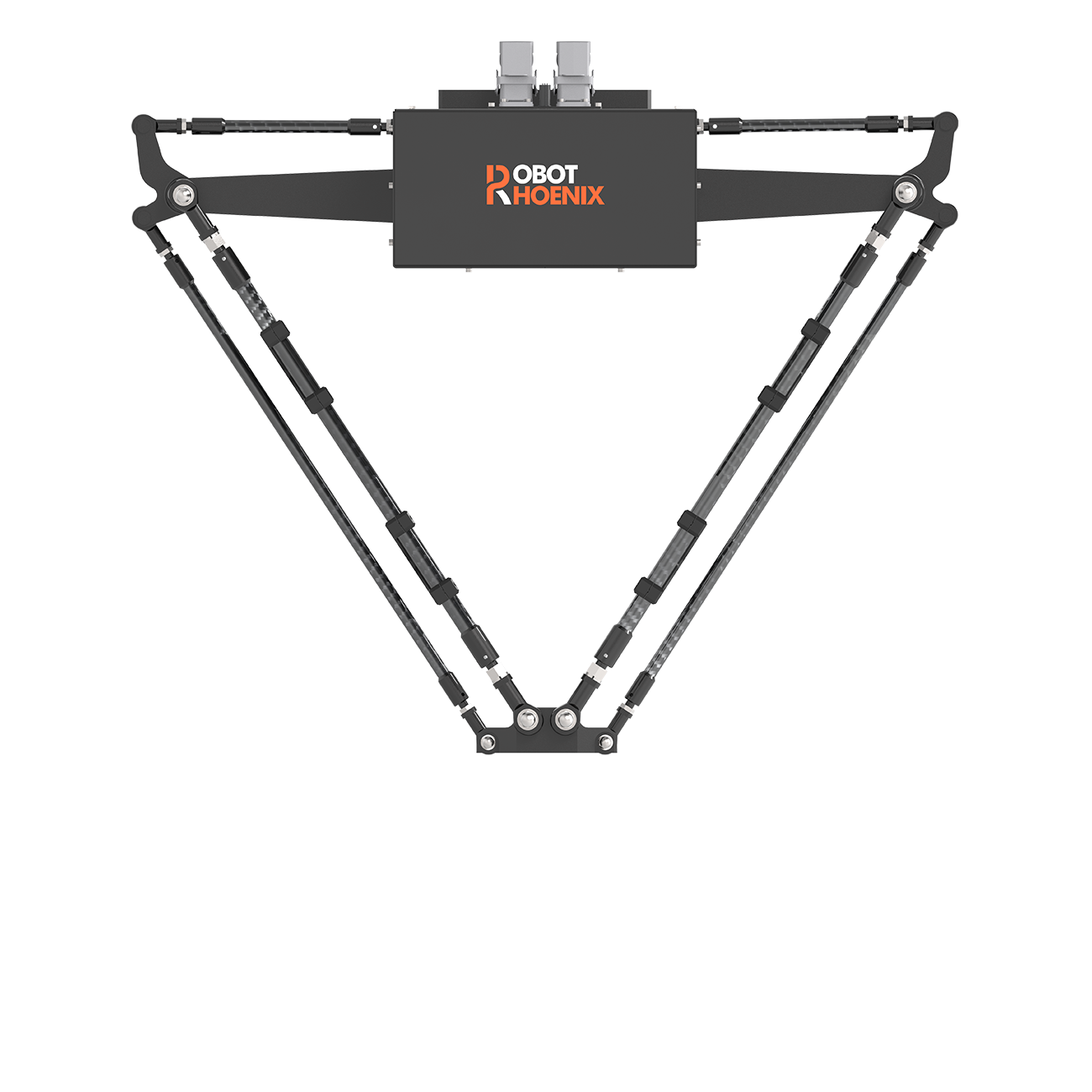
Industrial Manipulator High Speed and Accuracy Delta Robot with New Design Kinetics
Accuracy-led parallel robot for sorting, labeling and high-cycle handling.
View product →
High Speed 3kg Load Industrial Delta Robot Arm with IP54 Protection for Robotic Pick & Place
IP54 protection for food, pharmaceutical and precision handling environments.
View product →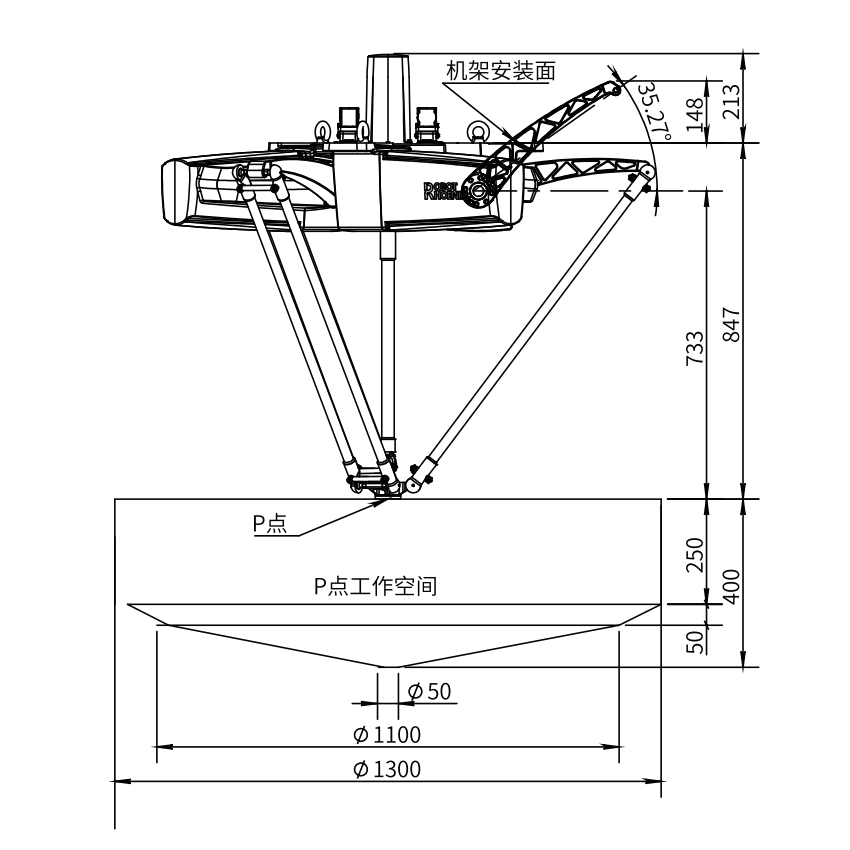
Industrial Robotic Arm Parallel Robot 2/3/4 Axis Delta Robot for Pick & Place Application
Flexible delta robot for conveyor tracking, carton packing and multi-product lines.
View product →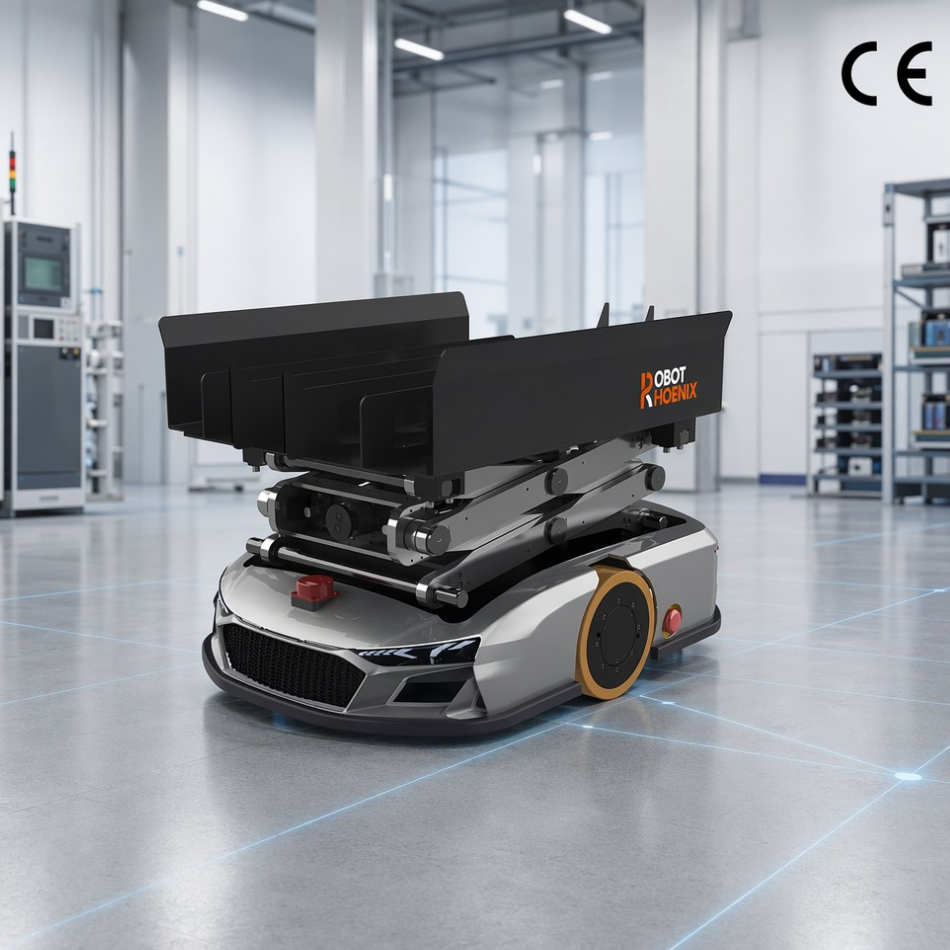
High Performance Material Handling Vehicle AMR Robot AGV Robot for Warehouse Logistic System
Autonomous material transport for pallets, totes and warehouse logistics.
View product →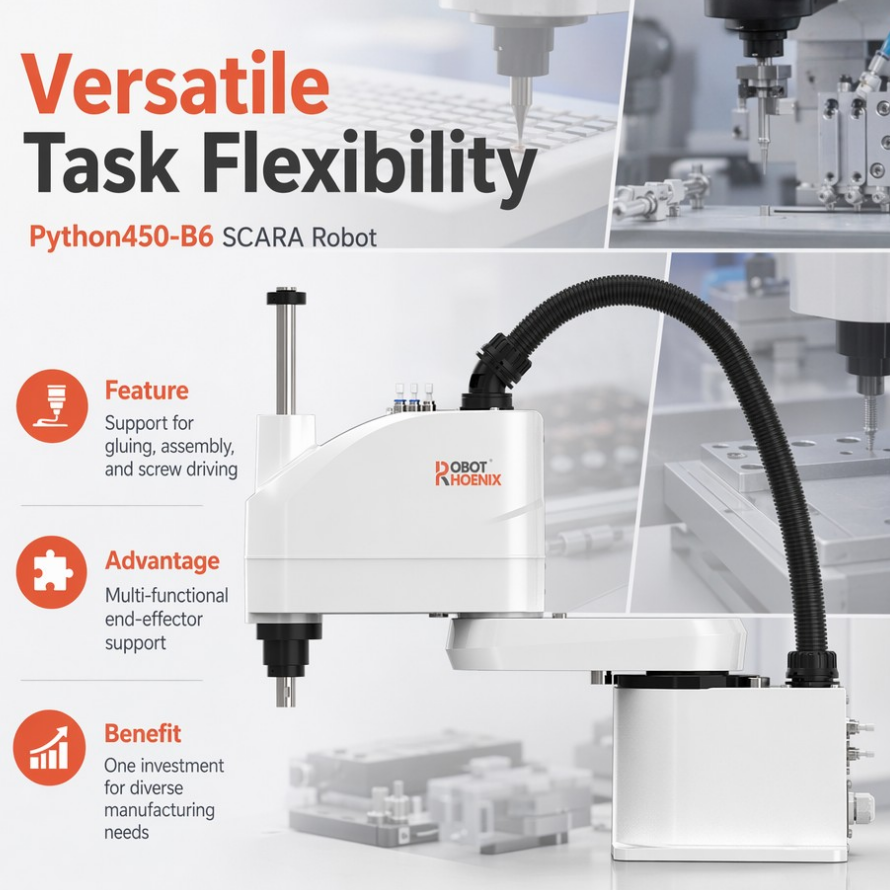
New Condition High Precision 400mm Reach Arm SCARA Robot with PLC for 3C Electronic Assembly
PLC-ready SCARA for electronics assembly, insertion, inspection and placement.
View product →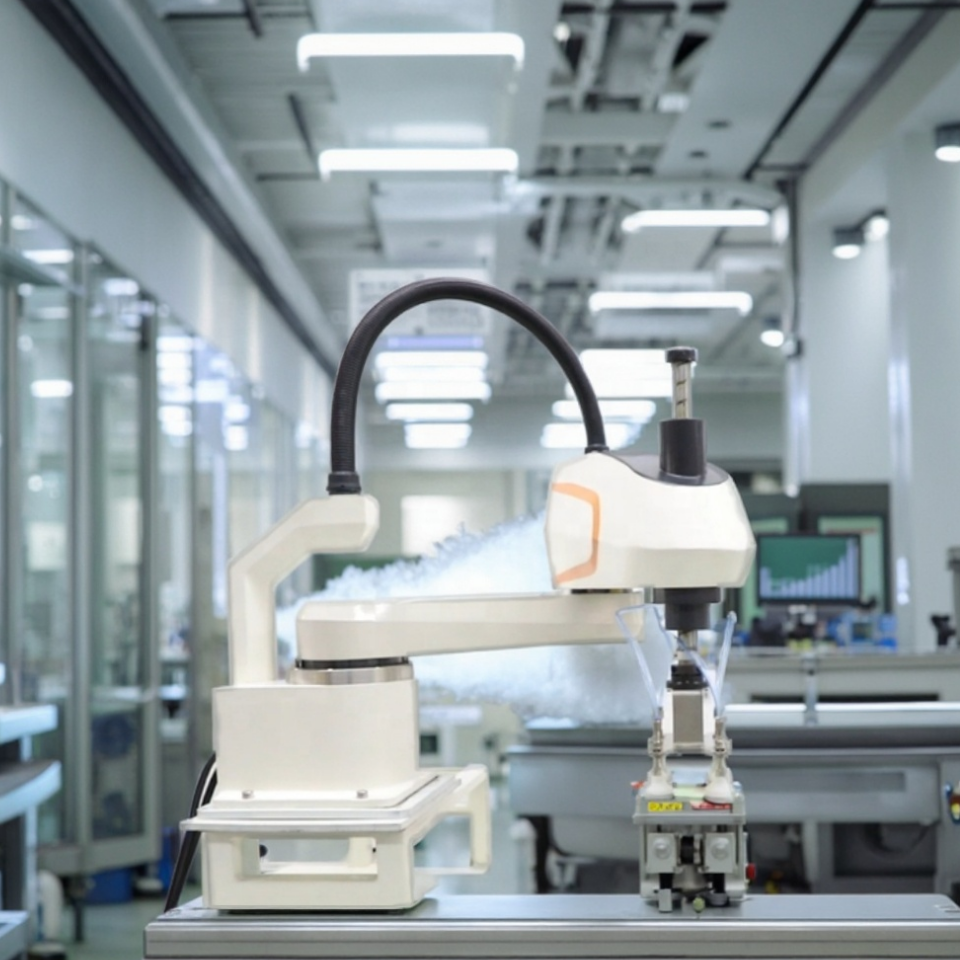
Industrial 4-Axis Robot Arm SCARA Robot Arm with Vision System for Auto Parts Industry
Vision-guided SCARA cell for auto-parts feeding, inspection and assembly.
View product →What “China Best Palletizing Robot Wholesaler” Really Means for B2B Buyers
Procurement teams searching for a China best palletizing robot wholesaler are usually comparing three very different business models: a trading wholesaler that sources finished machines, a robot manufacturer with factory-direct engineering, or a system integrator that owns the entire cell design. The label “wholesaler” can be useful for price discovery, but it becomes dangerous when buyers assume that every seller has the same level of control over robot structure, controller software, vision integration, safety validation and after-sales response.
For a palletizing or pick-and-place project, the robot arm is only one line in the quotation. End-of-arm tooling, infeed conveying, vision, safety fencing, PLC integration, simulation, commissioning, operator training and spare-parts planning determine the real total cost of ownership. A low unit price can disappear quickly if the controller is closed, the vision is third-party, the integrator cannot modify the HMI, or the spare-parts lead time is measured in months rather than days.
JORI Intelligent Technology Co., Ltd. is a factory-direct example of the model serious buyers should look for. Founded in 2012 in Jinan, Shandong, China, JORI develops and manufactures delta parallel robots, SCARA robots, AGV/AMR platforms, autonomous forklifts and silicon wafer handling robots. Its in-house engineering covers robot structures, controllers, 2D/3D vision, OEM customization and automated system integration. For wholesalers, distributors and machine builders, that means one accountable source for the arm, the controller, the vision layer and after-sales engineering — rather than a chain of resellers.
Match the Robot to the Work, Not the Brochure
Palletizing is not a single application. Lightweight cartons, fragile food packs, electronics, automotive parts and pallet transport each demand different reach, payload, protection, vision and safety logic. Use this shortlist to frame the engineering conversation.
Delta Parallel Robots
Best for high-speed, lightweight pick-and-place from moving conveyors. Typical payloads are 3–6 kg, with repeatability down to 0.08 mm and labeling speeds up to 120 pcs/min on selected models.
- Food, pharma and carton packing
- 2/3/4-axis and PLC-ready options
- IP54 versions for washdown areas
SCARA Robots
Best for planar assembly, insertion, inspection and precise placement in a compact footprint. Mini and 400 mm reach models are useful for cost-sensitive 3C electronics and auto-parts cells.
- 4-axis architecture
- Vision and PLC integration
- Food loading and sorting variants
AMR / AGV Platforms
Best for internal transport when fixed conveyors cannot flex with layout changes. Laser SLAM navigation removes the need for floor tape, while fleet management coordinates multi-robot traffic.
- 400–500 kg payload platforms
- Warehouse and line-side logistics
- Compact latent models for narrow aisles
Forklifts & Wafer Robots
Best for repetitive pallet shuttles and contamination-conscious wafer transfer. Autonomous forklifts take over around-the-clock runs, while wafer robots use smooth motion control for fragile substrates.
- Camel Series laser SLAM forklifts
- Silicon wafer handling
- Custom end-effectors on request
| Robot family | Best for | Key selection figures | Choose it when |
|---|---|---|---|
| Delta Robot | High-speed picking, sorting, labeling and cartoning | 3–6 kg payload · 0.08 mm repeatability · IP54 option | Light products arrive randomly on a conveyor and cycle time is the bottleneck. |
| SCARA Robot | Assembly, insertion and precise placement | 4-axis · compact footprint · 400 mm reach models | You need accurate planar motion in a small cell, such as electronics or auto parts. |
| AMR / AGV | Material transport between stations | 400–500 kg payload · laser SLAM · fleet management | Operators spend hours pushing carts and your layout changes often. |
| Autonomous Forklift | Pallet handling in warehouses | Laser SLAM navigation · Camel Series | Repetitive pallet shuttles run across shifts with labor shortages. |
| Wafer Robot | Semiconductor and photovoltaic wafer transfer | Self-developed motion control · custom end-effectors | Fragile substrates require smooth, contamination-conscious handling. |
Figures reflect current catalogue models; final specifications are confirmed per configuration and application.
What the Next Generation of Palletizing Robots Will Deliver
Robot hardware is becoming more capable, but the bigger shift is in integration, software and lifecycle service. Buyers who understand these trends can specify systems that remain productive after the first line change.
Vision-First Picking
2D/3D vision is moving from an optional add-on to a core requirement. Randomly oriented products, mixed SKUs and flexible packaging all depend on robust image processing, fast calibration and simple recipe management.
Information gain: ask whether vision is developed in-house or supplied by a third party, because this changes response time and customization cost.
Modular, Faster Commissioning
Machine builders want robot cells that arrive with tested controllers, standardized I/O and configurable safety logic. Modular delta and SCARA cells reduce on-site wiring and shorten the path from purchase order to production.
Look for PLC-ready models and documentation that lets your own engineers support the cell after handover.
Safety as a Selection Criterion
Palletizing robots increasingly share space with operators, conveyors and autonomous vehicles. Safety validation, risk assessment and clear zone definitions are becoming procurement requirements rather than afterthoughts.
Protection ratings such as IP54 also matter in food, pharma and washdown environments.
Connected Service & Energy Efficiency
Remote diagnostics, fleet dashboards and predictive maintenance are moving down-market. Buyers now ask how a robot reports faults, logs cycle data and supports spare-parts planning without adding a complex IT project.
Lower energy consumption and compact footprints also improve the business case for brownfield lines.
Palletizing Robot Wholesale Buying Is Moving from Price to Proof
The best procurement teams no longer compare only the robot price. They compare engineering accountability, pilot-line speed, integration cost and the supplier’s ability to support the cell after installation.
Total Cost of Ownership
Quotations are increasingly evaluated with installation, training, spare parts and downtime included. A factory-direct partner with in-house controllers can reduce long-term integration friction.
Pilot Line, Then Scale
Minimum order quantity of one set lets buyers validate a single palletizing or pick-and-place cell before rolling out across plants. This lowers approval risk and creates real cycle-time data for the business case.
OEM & Private Label
Machine builders and distributors increasingly want buyer-label options, custom end-effectors, controller integration and design support. The supplier becomes an engineering partner, not just a catalogue.
Service Level & Spare Parts
Response time, spare-parts availability, remote support and operator training are now part of the purchase decision. A 97% response rate and average reply within two hours is a meaningful operational signal.
How to Verify a China Palletizing Robot Wholesaler Before You Commit
Search results can make every supplier look similar. Real due diligence should combine commercial evidence with engineering evidence. A useful wholesaler or manufacturer should be willing to explain where the robot structure, controller, servo system and vision software come from — and who is accountable when the cell does not reach cycle time.
JORI’s credentials support this kind of review: ISO 9001 quality management, onsite-verified manufacturer status, national patents on delta, SCARA, wafer and AGV robots, in-house controller and vision development, OEM service and a documented export record. Buyers can review the company profile, trade capacity, transaction level and buyer reviews before requesting a quotation.
- Confirm the factory address and onsite verification status.
- Ask whether the controller and vision are developed in-house.
- Request a video or live demo of a comparable cycle.
- Review spare-parts lists and recommended consumables.
- Check safety, IP rating and installation responsibilities.
- Agree on FAT/SAT criteria before the purchase order.

JORI combines robot R&D, controller development, vision integration and OEM support in one factory-direct organisation.
Three Evidence Areas That Separate a Manufacturer from a Reseller
When comparing palletizing robot wholesalers, ask for evidence in three areas: commercial credibility, engineering control and after-sales proof.
Commercial Credibility
Check legal status, onsite verification, credit profile, trade history and transaction level. A supplier that invites independent review is easier to approve internally.
JORI supports this with ISO 9001, onsite-verified status and a public credit profile.
Engineering Control
Ask who writes the motion control, PLC interface, vision recipes and HMI. In-house control shortens customization and improves fault diagnosis when a product change occurs.
Request a line-layout review, cycle-time simulation and a clear list of assumptions in the quotation.
After-Sales Proof
Ask how quickly engineers respond, how spare parts are shipped and what training is included. Response rate and average reply time are practical indicators of support culture.
JORI reports a 97.06% response rate and average response time of two hours or less.
A Factory-Direct Partner Built for Palletizing Cells and OEM Programs
JORI Intelligent Technology Co., Ltd. combines robot manufacturing, controller development, vision engineering and automated system integration. That combination is useful for buyers who need more than a catalogue price.
In-House R&D Since 2012
Delta, SCARA, AGV/AMR, autonomous forklift and wafer robot development is supported by national patents and an engineering team in Jinan, Shandong.
One Accountable Source
Robot structure, controller, 2D/3D vision and integration support come from one organisation. This reduces finger-pointing when the cell needs tuning.
OEM, Design & Buyer Label
Machine builders can request custom end-effectors, controller integration, private-label options and design support for packaging, cartoning and lid-applicator lines.
Export-Ready Service
Delivery terms include FOB, CFR, CIF, EXW, CIP, FCA, CPT and express delivery. Payment can be arranged through T/T, L/C, credit card, PayPal, Western Union, MoneyGram and escrow in major currencies.
For a wholesaler or distributor, the commercial value is not simply a lower purchase price. It is the ability to quote confidently, document technical assumptions, support local customers and solve integration issues without sending every question back to a trading company. For a factory owner, the value is a palletizing or pick-and-place roadmap that can start with one set and scale as the business case proves itself.
JORI’s product scope covers the core robot families used in modern palletizing and material-handling projects: delta parallel robots for high-speed picking, SCARA robots for precision assembly, AGV/AMR platforms for flexible logistics, autonomous forklifts for pallet transport and wafer robots for semiconductor and photovoltaic handling. That breadth allows a single engineering conversation to cover multiple stations instead of treating each robot as an isolated purchase.
Palletizing Robot Wholesale FAQ for Global Buyers
These are the questions procurement teams and machine builders ask most often when comparing China-based robot suppliers.
What is the minimum order quantity for JORI industrial robots?
Standard delta robots, SCARA robots and AMR/AGV platforms can be ordered from one set. This is useful for validating a single palletizing cell, pilot line or OEM prototype before scaling across multiple plants.
Does JORI offer OEM or custom robot solutions?
Yes. JORI provides OEM service, design service and buyer-label options. Machine builders can request custom end-effectors, controller integration, vision configuration and support for automated system integration.
Should I choose a delta robot or a SCARA robot for my project?
Choose a delta robot for very fast, lightweight pick-and-place from moving conveyors, typically in the 3–6 kg payload range. Choose a SCARA robot for planar assembly, insertion and precise placement in a compact footprint. Share part weight, cycle time, orientation and layout and JORI engineers can recommend the better starting model.
Which delivery and payment terms are accepted?
Delivery terms include FOB, CFR, CIF, EXW, CIP, FCA, CPT and express delivery. Accepted payment methods include T/T, L/C, credit card, PayPal, Western Union, MoneyGram and escrow, with support for USD, EUR, GBP, JPY, CAD, AUD, HKD, CHF and CNY.
Can JORI robots integrate with existing packaging machines?
Yes. JORI develops its own controllers and 2D/3D vision, and offers PLC-ready delta robots for cartoning machines, carton packers and wet-wipe lid applicator lines. Integration support can cover I/O mapping, safety logic and recipe setup.
How can I verify the supplier before placing an order?
Review the supplier’s factory verification, ISO 9001 status, credit profile, trade capacity, transaction level and buyer reviews. For engineering confidence, ask for a comparable project reference, cycle-time assumptions, spare-parts list and FAT/SAT checklist.
What information should I include in an RFQ?
Include product dimensions and weight, packaging material, required cycle time, conveyor speed, orientation logic, available floor space, ambient conditions, voltage, PLC brand, safety requirements and target commissioning date. Photos or a video of the current process often save a full engineering iteration.
How are training and spare parts handled?
Training and spare-parts terms are confirmed in the quotation. Buyers can request operator training, maintenance guidance and recommended spare-parts lists at the project stage so that lifecycle support is planned before installation.
Turn Your Palletizing Concept into a Validated Robot Cell
Send your product weight, cycle time, layout, packaging format and target OEE. JORI’s engineering team can recommend a delta, SCARA, AMR or forklift configuration and confirm the next technical step.
Email: info@joribot.com · Average response time: two hours or less · ISO 9001 · OEM support