China Top Palletizing Machine Exporter & Wholesaler
JORI Intelligent Technology Co., Ltd. engineers flexible robotic palletizing, depalletizing, case packing and pick-and-place modules from Jinan, Shandong — with in-house controllers, 2D/3D vision, ISO 9001 manufacturing, OEM/private-label support and MOQ from one set.
8 Palletizing & Pick-and-Place Modules for Flexible End-of-Line Automation
Palletizing is a synchronized system: product infeed, orientation, gripping, pattern formation, pallet supply, wrapping and transport. These eight JORI modules are practical building blocks for machine builders, distributors and factory owners who need a China palletizing machine exporter with OEM capability and wholesale supply flexibility.
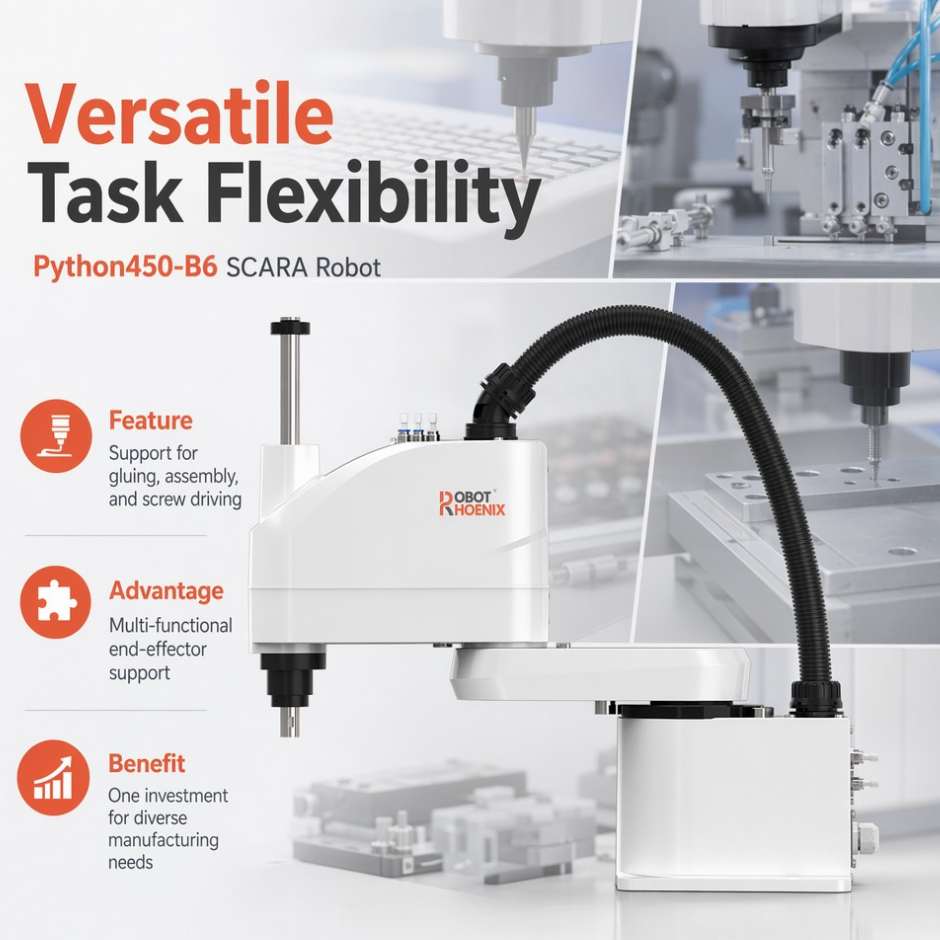
Four-Axis Industrial Robot Hand SCARA for Loading/Unloading and Sorting in Food Industry
Compact food-industry loading, unloading and sorting for trays, cases and secondary packaging before palletizing.
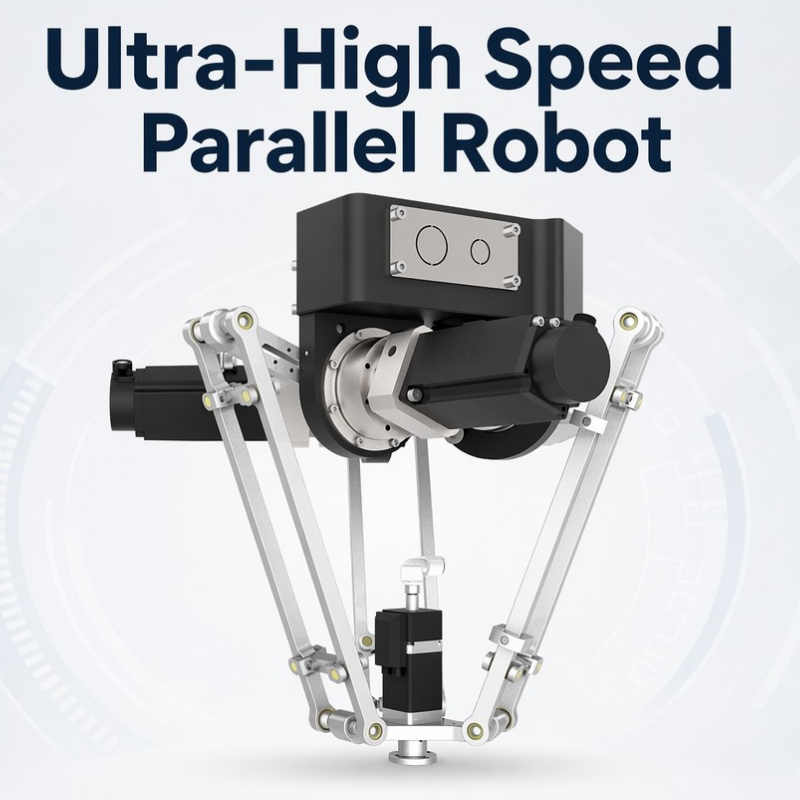
Newly Design Customized Integrated Robot Parallel Robot Delta for Pick Place and Sorting
Integrated parallel robot for high-speed sorting and pick-and-place where cartons, bags or packaged goods arrive randomly.
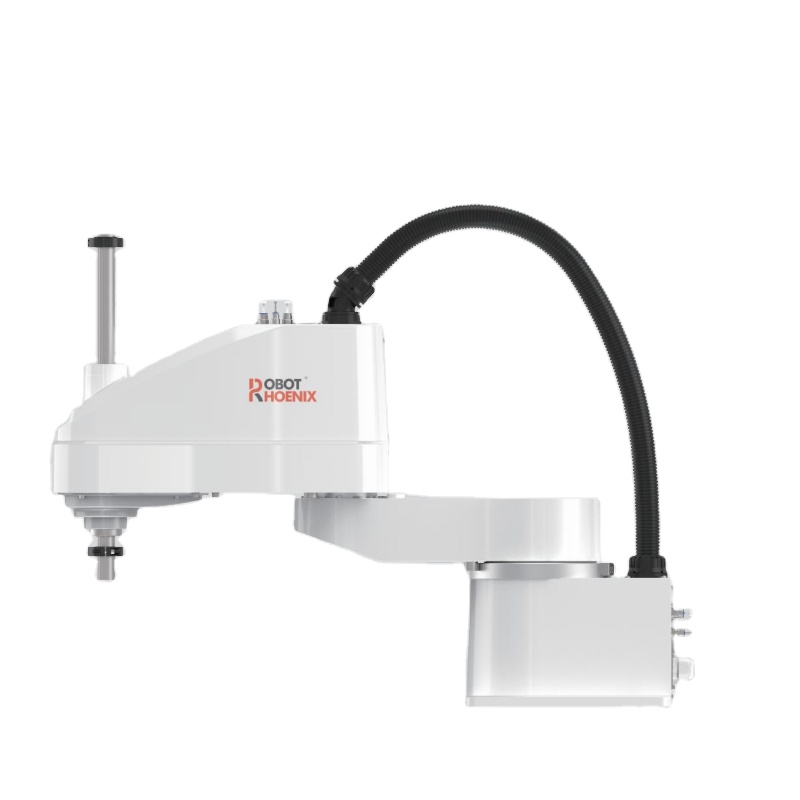
Advanced Industrial 4 Axis Robot Scara Robot for Pick and Place in Food Industry Gripping
Clean, repeatable gripping and placement for food packaging lines that feed case packers or end-of-line palletizers.
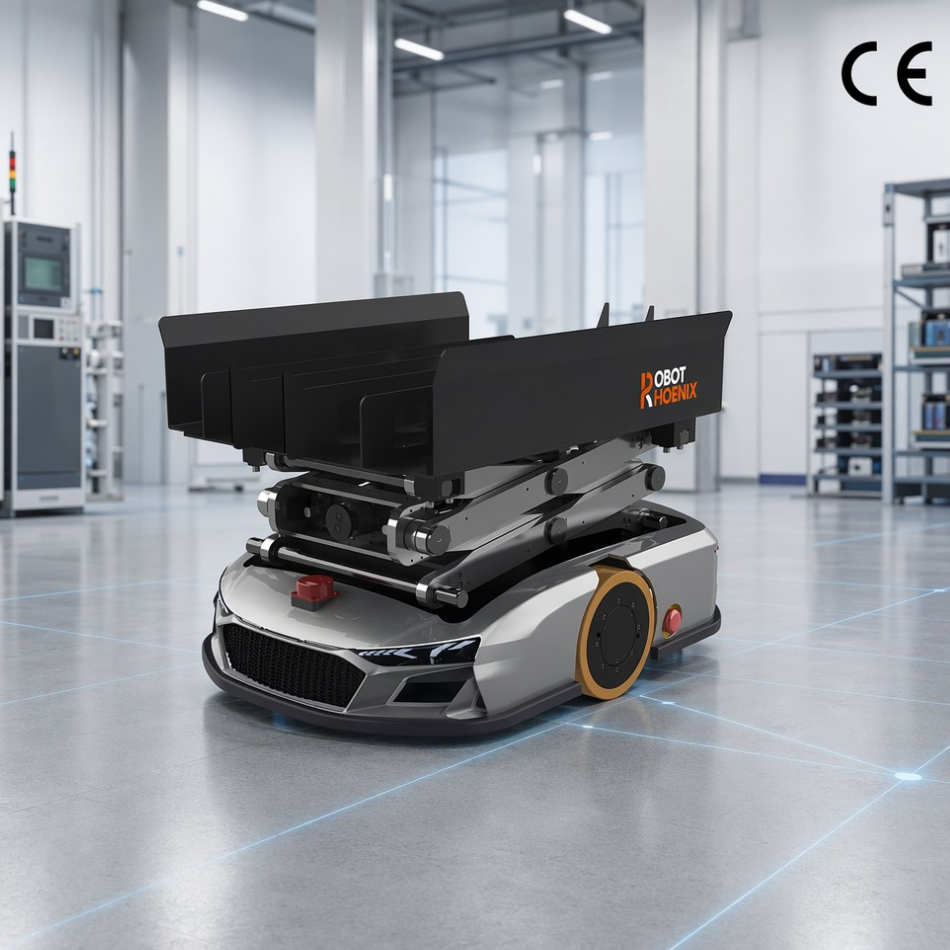
High Performance Material Handling Verhicel AMR Robot AGV Robot for Warehouse Logistic System
Laser SLAM mobile transport for pallets, totes and work-in-progress between palletizing cells and warehouse zones.
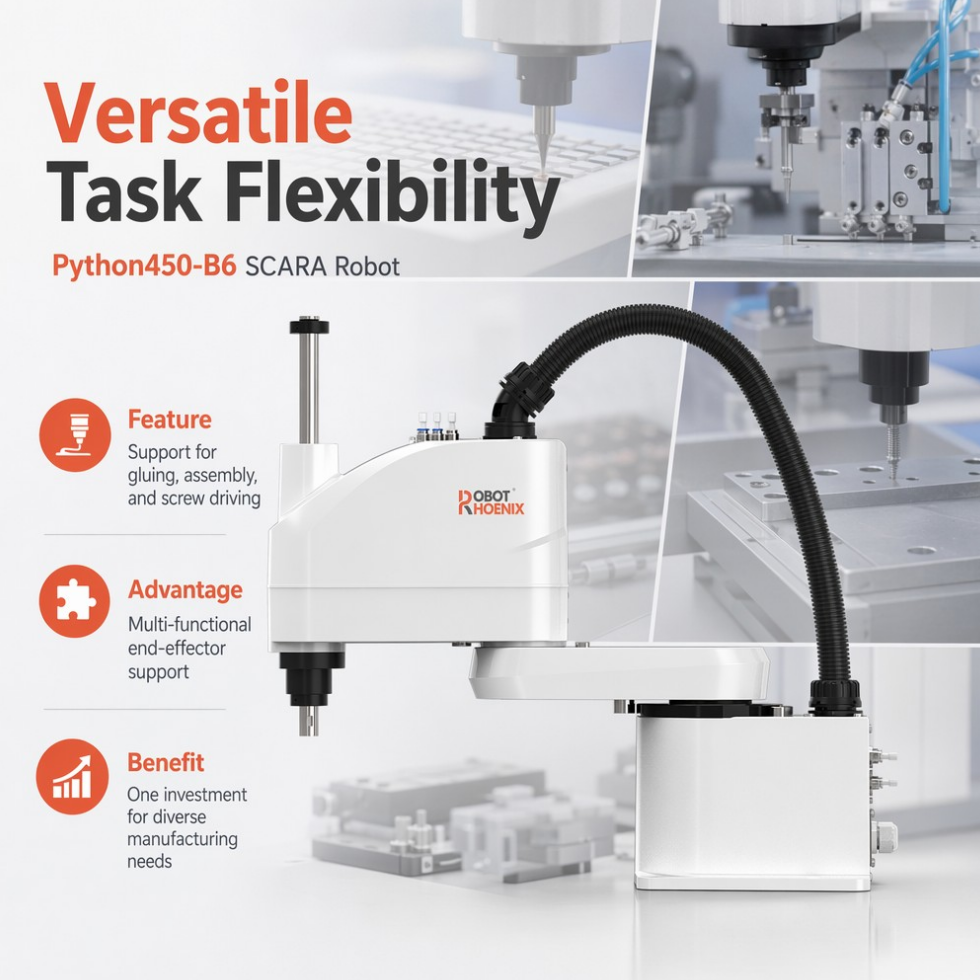
Newly Design Low Price Industrial Manipulator Scara Robot Arm with Integrated Motor
Cost-controlled integrated-motor arm for wholesale projects, repetitive pick-and-place and scalable automation rollouts.
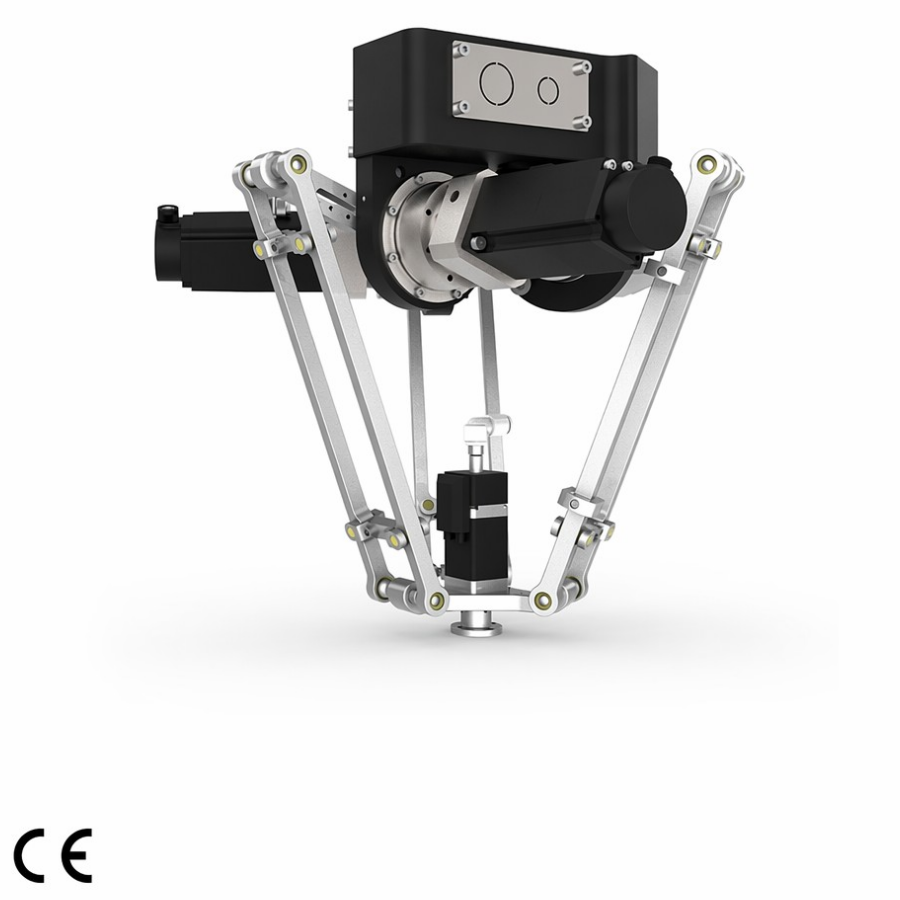
High Speed Consumer Goods Industries Bottle Unscrambling Machine Component Delta Robot
High-speed bottle handling and infeed stabilization for consumer goods lines that need reliable case packing and palletizing.

High Precision Pick and Place 4 Aixs Parallel Robot Delta with Vision Tracking System
Vision-guided picking for mixed SKUs and random orientation; reduces mechanical changeover on flexible palletizing lines.
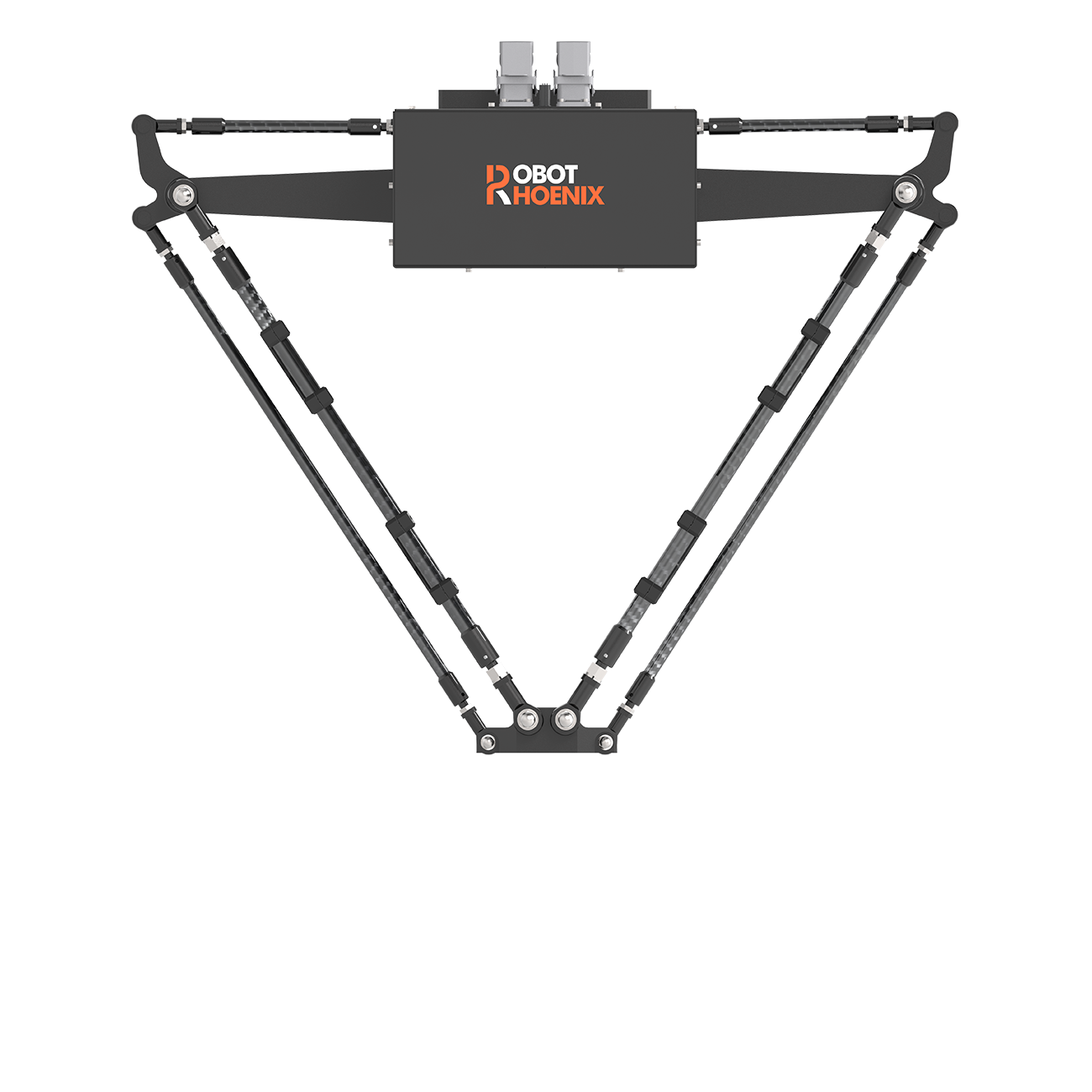
Industrial Manipulator High Speed and Accuracy Delta Robot with New Design Kinetics
New kinetic design for fast, accurate picking of cartons, bags and packaged goods; a strong fit for high-cycle sorting.
What Smart Palletizing Machine Buyers Evaluate Before They Issue a PO
Most RFQs start with payload and cycles per minute. Those numbers matter, but they rarely determine whether a palletizing cell succeeds in daily production.
The expensive surprises usually appear after installation: a corrugated case that flexes differently under vacuum, a mixed-SKU pattern changeover that takes 40 minutes instead of 4, a pallet stack with dimensional variation, a safety restart procedure that forces operators to walk around the cell, or a spare-parts order that takes weeks because the gripper was imported separately from the robot. A China palletizing machine exporter can offer an attractive machine price, but buyers should compare the delivered, commissioned, maintained and upgradable system.
For wholesalers, distributors and machine builders, the better question is not “What is the robot price?” but “Can the supplier govern the complete interface?” That means controller, vision, end-of-arm tooling, conveyor handshake, safety logic, recipe management, FAT documentation, spare-parts list and remote engineering support. JORI’s in-house development of delta robots, SCARA robots, AMR/AGV platforms, controllers and 2D/3D vision is intentionally relevant here: fewer interface owners usually mean fewer finger-pointing delays when the line is being commissioned.
Information gain for procurement teams: request a line-level OEE model, not only a robot datasheet. The model should show infeed variability, pattern changeover time, assumed jam frequency, operator recovery time, pallet quality assumptions, maintenance window and spare-parts lead time. This is the fastest way to separate a genuine palletizing machine exporter from a catalogue reseller.
01 · Infeed Stabilization
Conveyors, lane dividers, buffer zones and orientation checks reduce random arrival before the robot sees the product.
02 · Vision & Pattern Logic
2D/3D vision identifies position and orientation; the controller converts a recipe into a stable pallet pattern.
03 · Pick, Place & Palletize
Delta, SCARA or articulated modules handle the product; EOAT choice is driven by case, bag, tray or bottle format.
04 · Pallet Transport
AMR, AGV, conveyor or forklift interfaces move full pallets to wrapping and dispatch without creating a traffic bottleneck.
Six Buying Shifts Reshaping Palletizing Machine Sourcing
Palletizing buyers are moving from single-machine purchases to flexible, software-supported, service-backed automation assets.
Mixed-Case Flexibility
E-commerce and retail-ready packaging push buyers toward recipe-driven palletizing. The ability to change case size, layer count and pattern without mechanical rebuilds is becoming more valuable than a small cycle-time advantage.
AMR-Fed Palletizing Cells
Mobile robots reduce fixed conveyor length and allow palletizing cells to move with demand. Procurement teams now ask whether the robot controller can handshake with fleet-management software, not just with a PLC.
Simulation-First Buying
Digital-twin checks are moving upstream. A supplier that can validate reach, cycle time, gripper clearance and pallet pattern in simulation before steel is cut reduces change-order risk and shortens the approval cycle.
TCO & Energy Accountability
Buyers are modelling energy, compressed-air use, spare parts, training and downtime alongside the purchase price. In palletizing, a few percentage points of uptime often outweigh a low initial quote.
Supplier Consolidation
Machine builders want fewer vendors for robot, controller, vision and integration. A factory-direct exporter with OEM/private-label support can simplify sourcing, documentation and after-sales responsibility.
Remote Diagnostics & SLA
Service is now part of the specification. Ask how faults are diagnosed, whether recipes can be backed up, how spare parts are labelled, and what response time is committed in the supply agreement.
Where Palletizing Machine Technology Is Moving Next
The next competitive gap will come from software, sensing and modularity — not only from faster robot arms.
Vision-First Picking
AI-assisted vision handles random orientation, mixed SKUs and softer packages with less mechanical tooling change.
Modular EOAT
Quick-change vacuum, gripper and fork tooling lets one cell serve cartons, trays, bags and bottles across product cycles.
Open Controller Integration
PLC-ready handshakes, documented I/O and recipe interfaces matter when the palletizer must join an existing MES or line PLC.
Software-Defined Uptime
Remote diagnostics, recipe backup and fleet software reduce the cost of multi-site deployment and support distributor service teams.
How to Choose a Palletizing Machine Configuration
Use this comparison to shortlist the right architecture before requesting a detailed quote.
| Configuration | Best For | Typical Trade-Off | Procurement Note |
|---|---|---|---|
| Architecture 01Layer Palletizer | Stable cases, high-volume single-SKU production, clear layer patterns | Less flexible for mixed cases and quick format changes | Confirm layer formation, pallet magazine and changeover time for future SKUs. |
| Architecture 02Robotic Palletizing Cell | Mixed cases, trays, bags, cartons and multiple stacking patterns | Robot reach and gripper design must be checked against the full pallet build | Ask for cycle-time validation with the actual case sample and pallet quality. |
| Architecture 03Delta/SCARA Pick-and-Place Module | High-speed product sorting, case packing, tray loading and infeed orientation | Payload and reach are intentionally focused, not universal | Ideal as a module inside a larger end-of-line system; confirm PLC/Ethernet handshake. |
| Architecture 04AMR-Fed Mobile Palletizing | Changing layouts, multi-cell factories, pallet transport between zones | Fleet traffic and charging strategy must be planned | Check laser SLAM mapping, fleet management, pallet interface and safety rules. |
| Architecture 05OEM / Wholesale Module | Distributors and machine builders needing private-label or rebranded supply | Custom documentation and packaging require upfront planning | Discuss buyer-label, controller integration, spare-parts kit and training package early. |
How to Rank a China Palletizing Machine Exporter
Use a weighted scorecard so the lowest quote does not automatically become the highest-risk decision.
Engineering Fit
Payload, reach, cycle time, gripper, vision, pallet pattern and line interface validated against real samples.
Total Cost of Ownership
Energy, spares, training, maintenance, downtime, software and future changeover compared over five years.
FAT & Quality Evidence
Inspection plan, run-in testing, controller documentation, safety checklist and traceable component records.
Service & Response
Remote diagnostics, spare-parts list, engineering response time, training material and distributor support.
Compliance & Verification
ISO 9001, onsite verification, patents, trade records, buyer reviews and country-of-origin documentation.
Commercial Flexibility
MOQ, OEM/private label, payment terms, delivery terms, packaging, spare-parts kit and after-sales scope.
Where the Money Actually Goes in a Palletizing Cell
Illustrative weighting for a mixed-case robotic palletizing project. Replace the percentages with your own quoted values during supplier evaluation.
Why JORI Is a Practical Palletizing Machine Partner from China
Verified manufacturing scale, in-house technology and export-ready commercial support matter when you are buying automation that must run for years.
In-House R&D Since 2012
Delta, SCARA, wafer, AGV/AMR, controllers and 2D/3D vision are developed in-house. One technical owner from arm to software reduces integration friction.
Factory-Direct Manufacturing
JORI operates a 10,000+ m² facility in Jinan with 500+ employees. Factory-direct supply supports wholesale pricing, OEM/private label and controlled lead-time communication.
ISO 9001 & Onsite Verification
Documented quality management and onsite-verified manufacturer status help buyers complete supplier audits, due diligence and internal CAPEX approval.
Patents & Controller Know-How
National patents cover core robot families and control technology. This matters for buyers who need long-term spare-parts continuity and custom integration.
OEM, Design & Buyer Label
Machine builders and wholesalers can request OEM service, custom end-effectors, controller integration and buyer-label packaging for distributor programmes.
Export Service Responsiveness
97.06% response rate and average reply time of 2 hours or less help overseas buyers keep engineering reviews, spare-parts requests and project clarifications moving.



Verify JORI Before You Buy
Review independent assessments, trade records, transaction level, credit profile and buyer feedback.
Where These Modules Create Measurable End-of-Line Gains
Use the application lens to narrow the product family before a detailed engineering review.
Food & Beverage
Sorted cases, trays and bottles with food-friendly handling, repeatable motion and fast changeover for multi-flavour runs.
Pharmaceutical
Blister, vial and carton handling with clean, precise placement and documented validation support for regulated projects.
Warehouse & E-commerce
AMR transport, case sorting and flexible pallet build for layouts that change with campaign peaks and SKU mix.
Daily Chemicals & Wet Wipes
Delta-based lid application, carton packing and pallet infeed for hygiene products with high throughput and repetitive motion.
Palletizing Machine Procurement Questions Buyers Ask First
Practical answers for importers, distributors, machine builders and factory owners comparing China suppliers.
What is the minimum order quantity for JORI palletizing and robot modules?
Does JORI offer OEM, private-label or custom palletizing solutions?
Should I choose a delta robot, SCARA robot or AMR for my palletizing line?
How do I evaluate total cost of ownership for a palletizing machine?
Which delivery and payment terms are accepted?
Can JORI robots integrate with existing packaging or palletizing machines?
What should be included in a factory acceptance test?
How can I verify a China palletizing machine exporter?
How quickly does JORI respond to overseas inquiries?
Can the same robot cell handle multiple pallet patterns and future SKUs?
Planning a Palletizing Cell, Wholesale Programme or OEM Project?
Send your product samples, case dimensions, pallet pattern, cycle-time target and destination country. JORI’s export engineering team will help shortlist the right robot module, controller, vision option and end-of-arm tooling — with factory-direct pricing and MOQ from one set.
Inquire Now