Top 10 Six Axis Industrial Robot Manufacturers & Exporter
A procurement-grade guide to six-axis industrial robot suppliers, exporter selection criteria, total cost of ownership and the complementary robot families that make automation projects succeed.
8 Factory-Direct Industrial Robots for Six-Axis Automation Buyers
Even when a six-axis articulated robot is the correct choice for complex 3D manipulation, most production lines also need high-speed picking, precise planar assembly, warehouse material flow and specialized wafer handling. These eight products are the practical add-on portfolio for a complete project.

High Performance Material Handling Vehicle AMR Robot AGV for Warehouse Logistics
Flexible internal logistics for warehouses, line-side feeding and smart material flow without fixed floor tracks.

High-Precise Industrial SCARA Robot Arm for Pick and Place in Light Industry
Compact four-axis motion for light industry assembly, loading, unloading and repeatable placement.
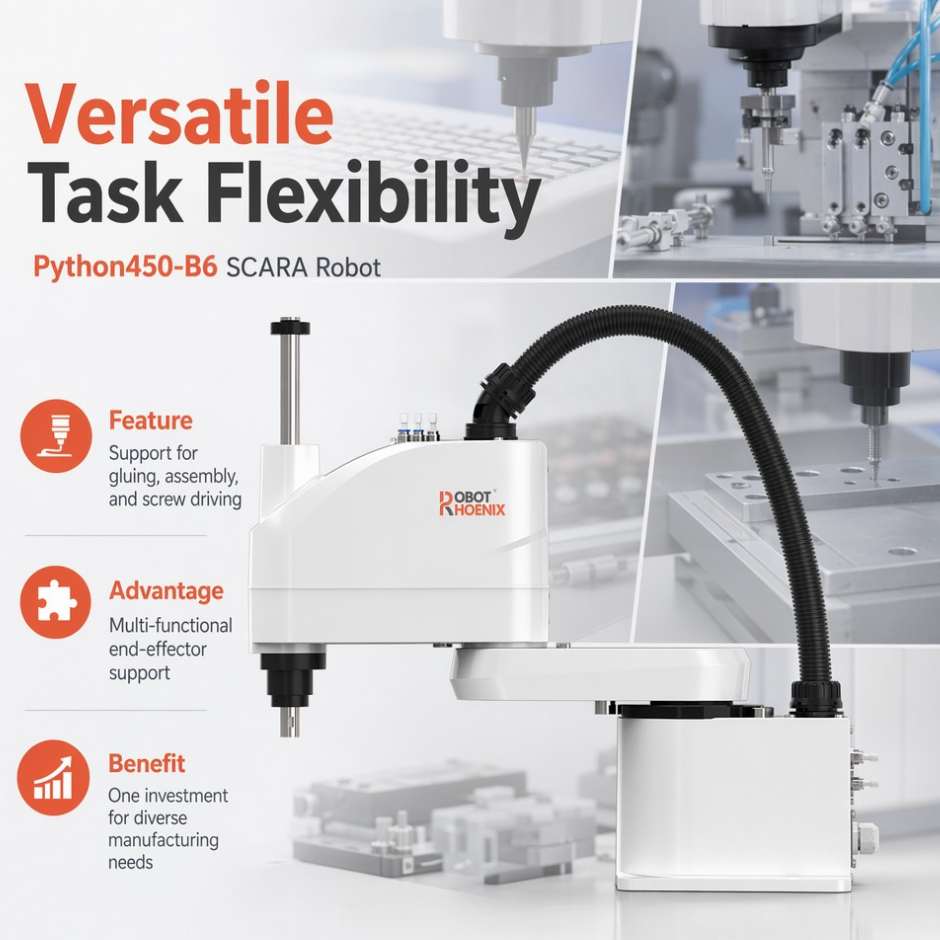
Four-Axis Industrial Robot Hand SCARA for Loading/Unloading and Sorting in Food Industry
Built for repetitive food-industry handling where hygiene, speed and compact cell design matter.
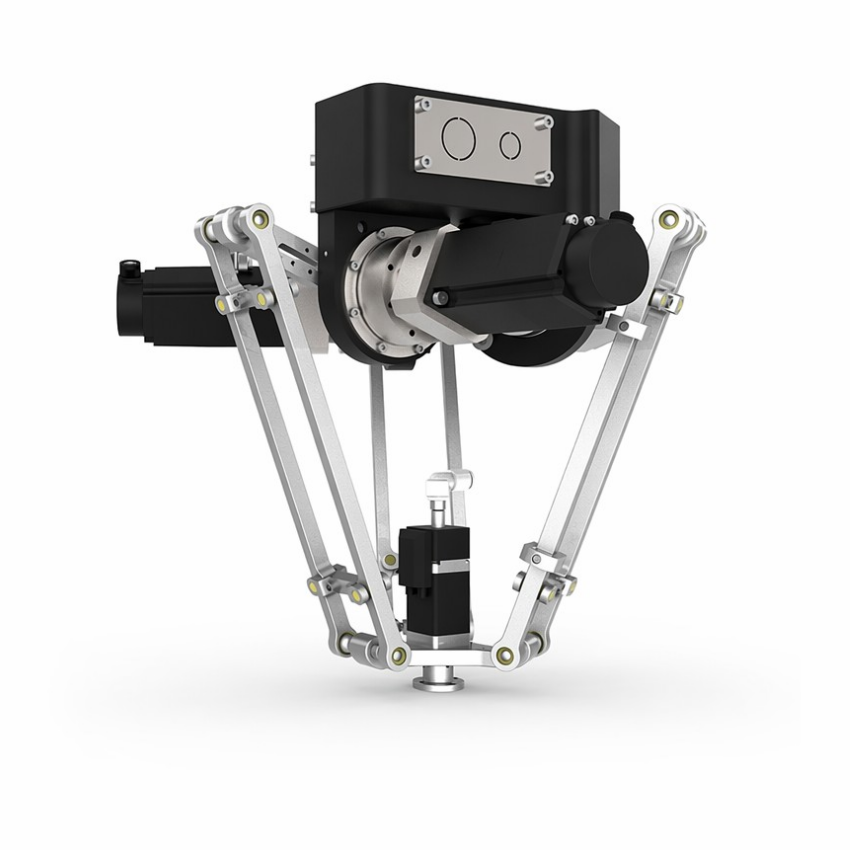
High Precision Pick and Place 4 Axis Parallel Robot Delta with Vision Tracking System
Vision-guided delta picking for randomly oriented products moving on a conveyor.
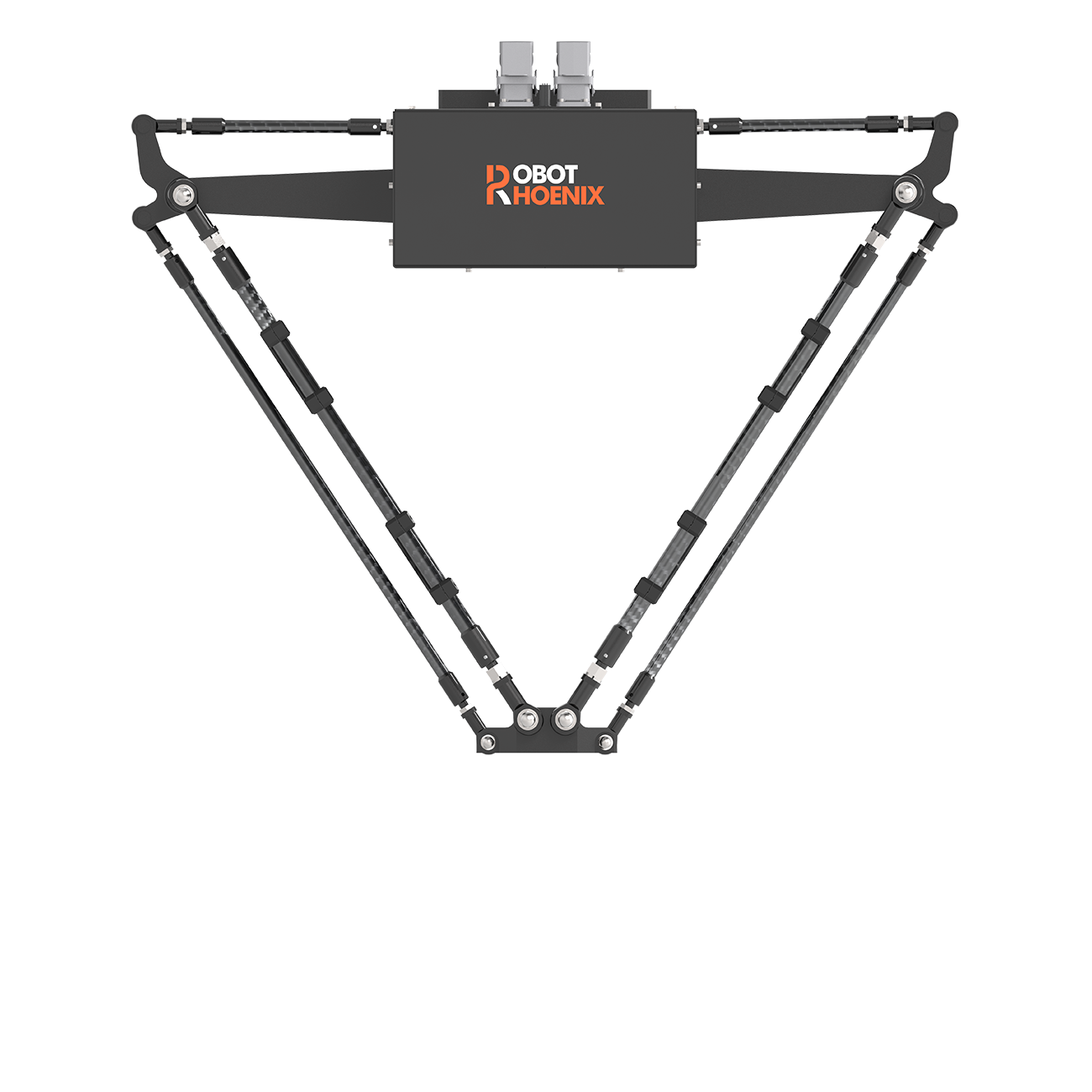
Industrial Manipulator High Speed and Accuracy Delta Robot with New Design Kinetics
High-cycle pick-and-place performance for packaging, sorting and cartoning lines.
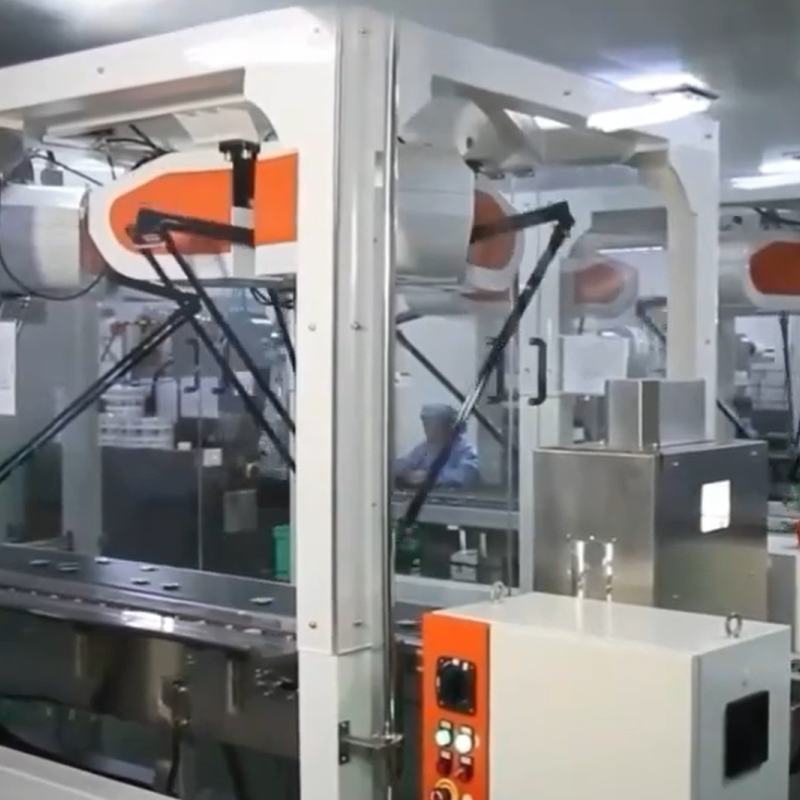
6kg Payload IP54 Protection Grade Pick Place Sorting Parallel Robot with Robot Gripper
IP54 protection and 6 kg payload make this a practical choice for food, pharma and packing cells.
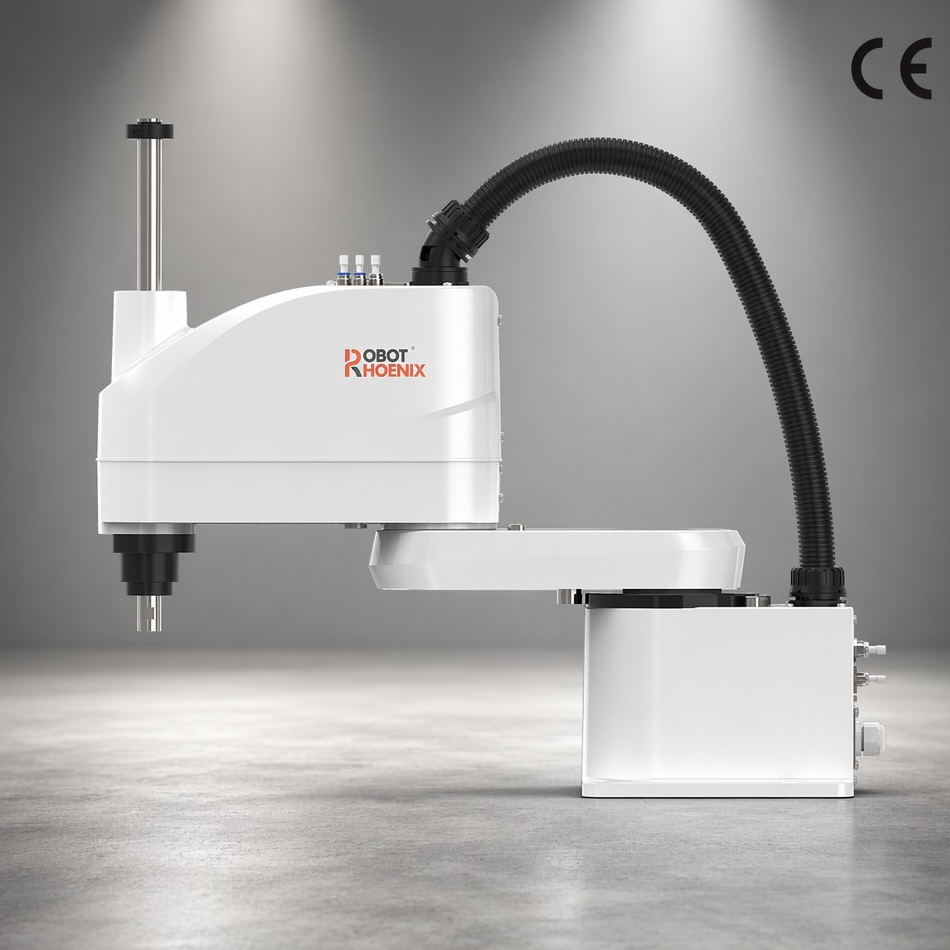
High Efficiency 6kg Payload Manipulator SCARA Robot with Vision for Picking and Placing
Six-kilogram payload, vision guidance and compact SCARA mechanics for flexible assembly cells.
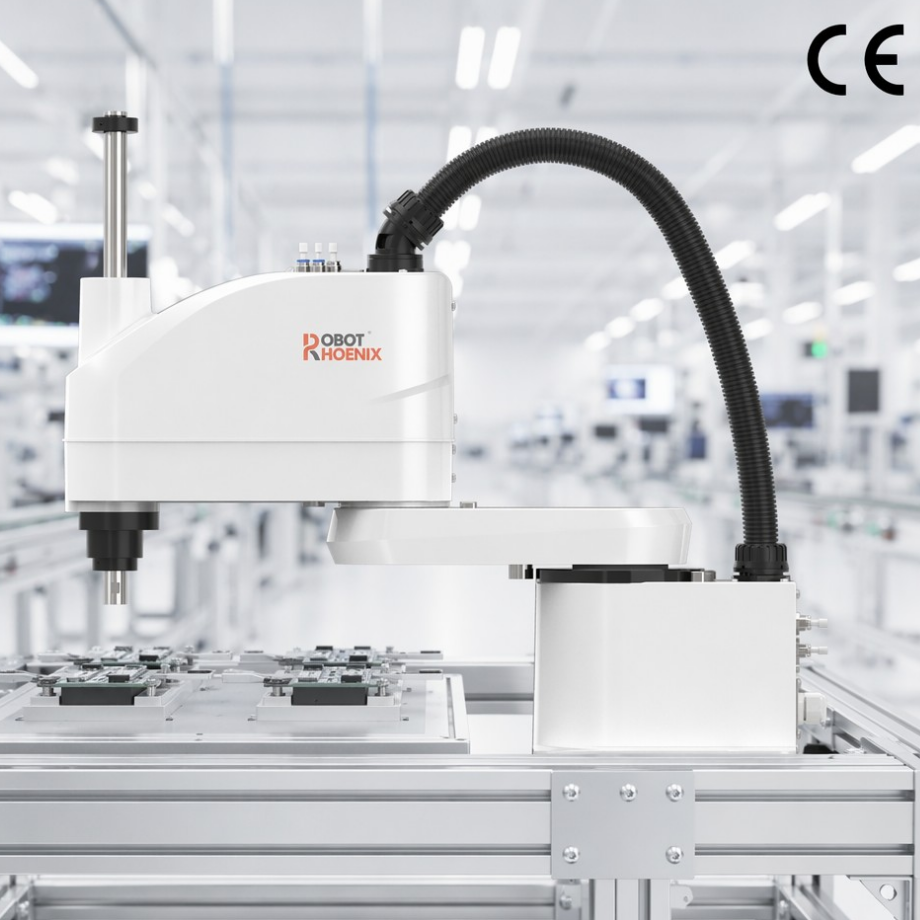
New Design Compact High Accuracy Industrial Robot Arm SCARA with 2D/3D Vision System
Compact, accuracy-focused SCARA platform for space-constrained cells and vision-based placement.
Product URLs are preserved from the original catalogue. Standard models are available from 1 set, subject to configuration confirmation.
Top 10 Six Axis Industrial Robot Manufacturers & Exporter Landscape
The phrase “Top 10 Six Axis Industrial Robot Manufacturers & Exporter” is useful for building a shortlist, but it should never replace an application-fit review. Six-axis articulated robots remain the benchmark for complex 3D manipulation: welding, machine tending, palletizing, spray coating, and assembly tasks that require wrist orientation. Yet many high-volume automation projects produce better ROI with a mix of robot architectures: delta robots for high-speed conveyor picking, SCARA robots for planar assembly, AMR/AGV platforms for internal logistics, and wafer robots for semiconductor or photovoltaic handling.
A credible supplier shortlist should therefore compare a manufacturer’s factory ownership, controller and vision capability, export documentation, spare-parts support and commissioning depth. The ten names below are a representative global shortlist for six-axis industrial robot benchmarking. They are not presented as a statutory ranking, and any project should be evaluated on payload, reach, cycle time, safety, software integration and local service response.
| Manufacturer / Exporter | Typical six-axis strength | Procurement context |
|---|---|---|
| FANUC | Broad factory automation ecosystem, CNC and robot integration | High-volume automotive, electronics, machine tending and palletizing projects with strong local service requirements. |
| ABB | Robot software, digital twins and global project engineering | Complex lines where simulation, programming environments and multi-country support are critical. |
| KUKA | Heavy payload, automotive body shop and system integration depth | Automotive, battery, welding and large-cell projects requiring heavy-duty articulation. |
| Yaskawa Motoman | High-speed motion control and broad six-axis model coverage | Welding, assembly, machine tending and packaging lines with long duty cycles. |
| Kawasaki Robotics | Industrial articulated robots for handling and palletizing | Factories seeking proven articulated platforms with strong OEM integration. |
| Stäubli Robotics | Precision, cleanroom and sensitive-environment robotics | Pharma, electronics, cleanroom and high-accuracy assembly cells. |
| Comau | Automotive process know-how and advanced manufacturing systems | Automotive, e-mobility and large-scale body-in-white automation. |
| Nachi-Fujikoshi | Reliable handling, welding and machine-tending robots | Cost-conscious industrial projects requiring durable articulated robots. |
| Denso Robotics | Compact six-axis robots for electronics and small-part assembly | Space-constrained cells in electronics, automotive components and medical manufacturing. |
| Siasun Robot & Automation | China-based automation integration and local supply chain access | Buyers evaluating Chinese industrial robot manufacturers for responsive engineering and localized cost structures. |
Representative shortlist for procurement benchmarking only. Final supplier selection must be based on application fit, verification, service model and total lifecycle cost.
JORI Intelligent Technology Co., Ltd. plays a complementary role in this landscape. Founded in 2012 in Jinan, Shandong, JORI builds delta parallel robots, SCARA robots, AMR/AGV platforms, autonomous forklifts and silicon wafer handling robots, supported by self-developed controllers and 2D/3D vision systems. For buyers comparing six-axis sources, JORI is a useful factory-direct partner for the high-speed picking, precise placement, intralogistics and clean-handling modules that surround a six-axis cell.
What Top Buyers Compare Before Choosing an Exporter
Price is only one line in the quotation. The strongest procurement teams compare technical fit, integration risk and export support as one system.
Payload and reach
Check rated payload with the real end-effector, gripper, vision camera and cable package. A robot that is “large enough” on paper may lose acceleration and accuracy once tooling is added.
Cycle time and repeatability
Repeatability alone does not guarantee throughput. Ask for cycle-time validation with the actual product mass, path, gripper action and safety constraints.
Robot architecture
Six-axis robots excel at 3D orientation. Delta robots dominate high-speed planar picking; SCARA robots fit compact assembly; AMR/AGV platforms move material between islands.
Controller and vision
In-house controllers and vision reduce integration friction. Confirm fieldbus support, PLC handshakes, camera tracking, recipe management and spare-parts availability.
Protection and compliance
Confirm IP rating, cleanroom suitability, food-industry materials, CE documentation and safety integration. The lowest quote can become expensive if compliance is incomplete.
Export and lifecycle support
Review MOQ, lead time, packaging, spare parts, training and engineering response. JORI supports MOQ 1 set, OEM/design service and an average response time of 2 hours or less.
How Six-Axis Robot Purchasing Is Changing
Robot purchasing is shifting from a one-time equipment purchase to a verified, data-enabled and lifecycle-managed automation decision.
Dual sourcing and resilience
Buyers are qualifying at least one secondary supplier for key robot families, spare parts and engineering support. Exporters with transparent production and verifiable credentials gain preference.
TCO instead of unit price
Procurement teams now model integration, safety, energy, downtime, spares and training. A cheaper robot with weak local support can cost more over five years than a better-supported platform.
Modular automation
Plug-and-play cells, standardized PLC handshakes and modular end-effectors shorten commissioning. Buyers increasingly ask for robot, controller and vision packages from one accountable source.
AI vision and 3D perception
2D/3D vision, AI classification and robot-mounted cameras are moving from premium options to baseline expectations for random picking, inspection and adaptive placement.
Local service as a decision factor
Remote diagnostics are valuable, but buyers still ask who will support commissioning, training and emergency repair. Exporters with documented service processes reduce project risk.
Documentation and data readiness
Compliance files, BOM transparency, spare-parts lists, energy data and open APIs are increasingly requested before a purchase order is released.
What the Next Generation of Industrial Robots Will Deliver
Hardware is becoming lighter and more integrated; software is becoming the differentiator that determines how fast a robot cell can be deployed and changed.
Higher payload-to-weight ratios
New joint designs, hollow wrists and optimized structures allow faster acceleration with less moving mass, improving cycle time without sacrificing accuracy.
Software-defined robotics
Open APIs, simulation-ready models and recipe-driven controllers reduce dependence on custom code. Buyers gain faster line changeovers and easier multi-robot coordination.
Vision-first integration
Vision is increasingly embedded into the robot package rather than added as a separate engineering afterthought, improving accuracy for picking, inspection and placement.
Mobile manipulators
AMR bases combined with SCARA, delta or articulated arms are extending automation to multi-station workflows where fixed cells are impractical.
Cleaner and more specialized designs
Cleanroom, food-grade, IP54/IP65 and semiconductor wafer-handling robots are being optimized for their environments rather than adapted from general-purpose models.
Energy and safety intelligence
Regenerative drives, lightweight arms, safety-rated monitoring and real-time power data help buyers meet sustainability targets without compromising throughput.


A Factory-Direct Partner That Builds the Robot, Controller and Vision
JORI Intelligent Technology Co., Ltd. is a high-tech manufacturer founded in 2012 in Jinan, Shandong, China. The company specializes in industrial robot R&D and production, controller and 2D/3D vision development, OEM support and automated system integration. Its product lines include delta parallel robots, SCARA robots, AGV/AMR mobile robots, autonomous forklifts and silicon wafer handling robots.
Because core technology is developed in-house and protected by national patents, buyers work with one accountable source for hardware, software, integration and after-sales engineering. JORI holds ISO 9001 quality management certification and is positioned as an onsite-verified manufacturer for international buyers.
Six-Axis, Delta, SCARA, AMR or Wafer Robot?
Use the comparison below to map the process, not the catalogue, to the right robot architecture.
| Robot family | Best-fit process | Key procurement check | JORI relevance |
|---|---|---|---|
| Six-axis articulated | Welding, machine tending, palletizing, spray, complex 3D assembly | Payload with tooling, reach study, safety envelope, offline programming | JORI supplies the peripheral high-speed picking, SCARA assembly and AMR logistics modules around six-axis cells. |
| Delta parallel robot | High-speed pick-and-place, sorting, labeling, cartoning | Cycle time, vision tracking, hygiene/IP rating, gripper mass | 3–6 kg payload options, 0.08 mm repeatability class, IP54 models and PLC-ready configurations. |
| SCARA robot | Planar assembly, insertion, loading/unloading, precise placement | Repeatability, Z-axis stroke, small footprint, controller handshake | Four-axis SCARA platforms, mini models and in-house controller/vision options. |
| AMR / AGV and autonomous forklift | Material transport, line-side feeding, pallet movement | Laser SLAM, fleet management, payload, charger strategy, traffic layout | 400–500 kg AMR platforms, compact latent AGVs and Camel Series autonomous forklifts. |
| Wafer handling robot | Semiconductor and photovoltaic wafer transfer | Cleanliness, fragile-part handling, repeatability, custom end-effector | Self-developed motion control and custom end-effectors for silicon wafer handling. |
Total Cost of Ownership Is the Real Comparison
When comparing a six-axis industrial robot manufacturer or exporter, calculate the full cell economics before releasing the purchase order. A robot arm is rarely the only cost center: the gripper, safety system, vision package, commissioning time and production downtime often determine project payback.
TCO formula: robot + end-effector + vision + safety + integration + commissioning + energy + spare parts + downtime + training + export logistics + compliance documentation.For pilot projects, ask each supplier for a line-level cycle-time study, spare-parts list, training plan, warranty terms and a clear change-management process. This is the information gain that separates a credible exporter from a catalogue reseller.
Common Questions About Six-Axis Robots and Exporter Selection
Is the “Top 10” list a definitive ranking of robot manufacturers?
Should I choose a six-axis robot, delta robot or SCARA robot?
What is the minimum order quantity for JORI industrial robots?
Does JORI offer OEM or custom robot solutions?
Can JORI robots integrate with existing packaging machines?
Which delivery and payment terms are accepted?
How quickly does JORI respond to industrial robot inquiries?
What should a buyer verify before choosing an exporter?
How should I calculate ROI for a new robot cell?
Turn Your Robot Shortlist into a Validated Automation Cell
Send your product details, cycle-time target, payload, layout constraints and preferred robot architecture. JORI engineers will help match the right delta, SCARA, AMR, forklift or wafer-handling solution to your six-axis automation project.