8 Factory-Direct Robot Platforms to Benchmark Before You Request a Six-Axis Wholesale Quote
Six-axis procurement is rarely isolated. Exporters and wholesalers are also evaluated on the adjacent robot platforms they can supply, integrate and support. The eight products below are common building blocks in the same food, electronics, semiconductor and intralogistics projects.
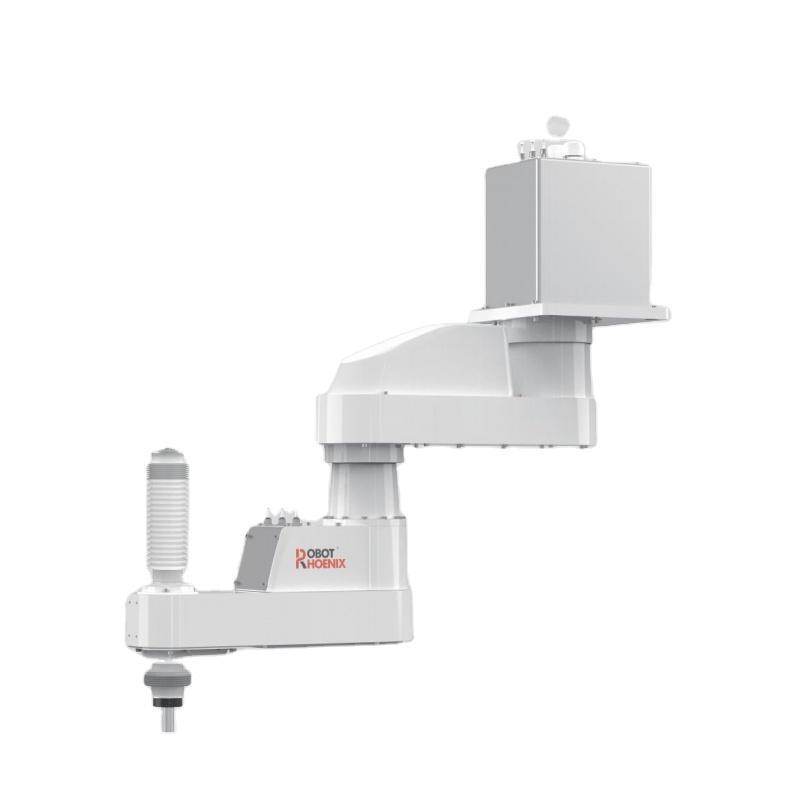
Compact Structure High Precision 550mm Reach Radius 3kg Payload 4-axis SCARA Robot
550 mm reach · 3 kg payload · compact cell integration
View Product →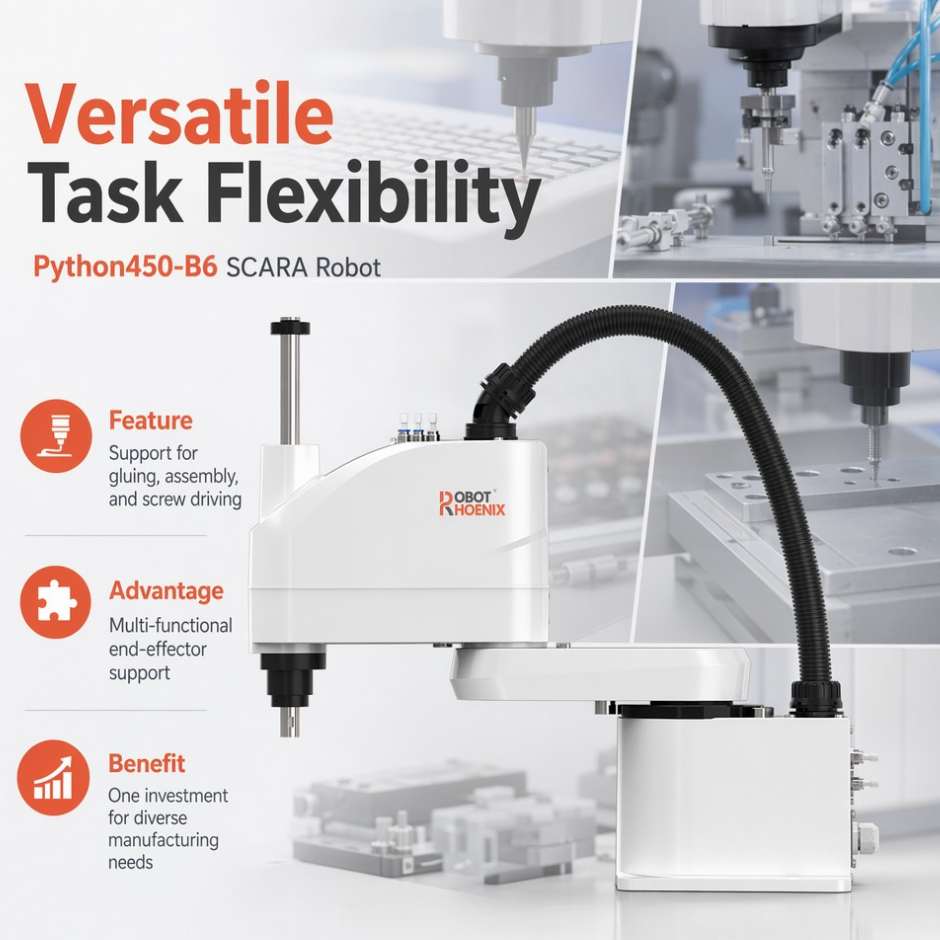
Four-Axis Industrial Robot Hand SCARA for Loading/Unloading and Sorting in Food Industry
Food handling · 4-axis · loading, unloading and sorting
View Product →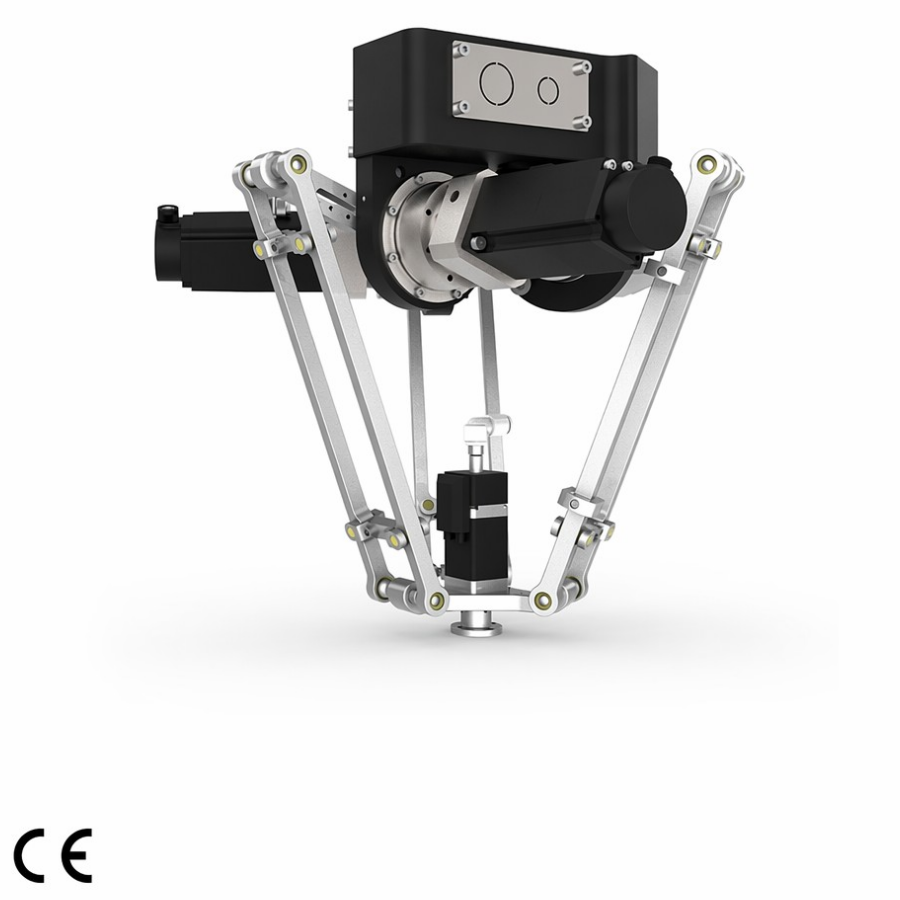
High Speed Consumer Goods Industries Bottle Unscrambling Machine Component Delta Robot
Bottle unscrambling · consumer goods · vision-ready
View Product →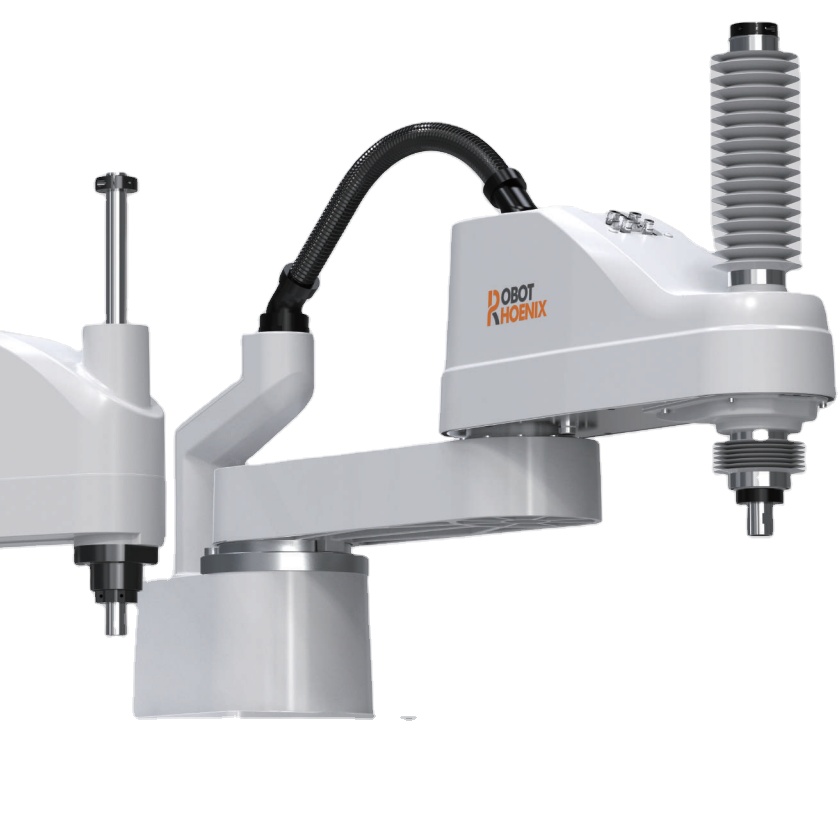
High-Precise Industrial Scara Robot Arm Scara Robot for Pick and Place in Light Industry
Light industry · precise placement · compact automation
View Product →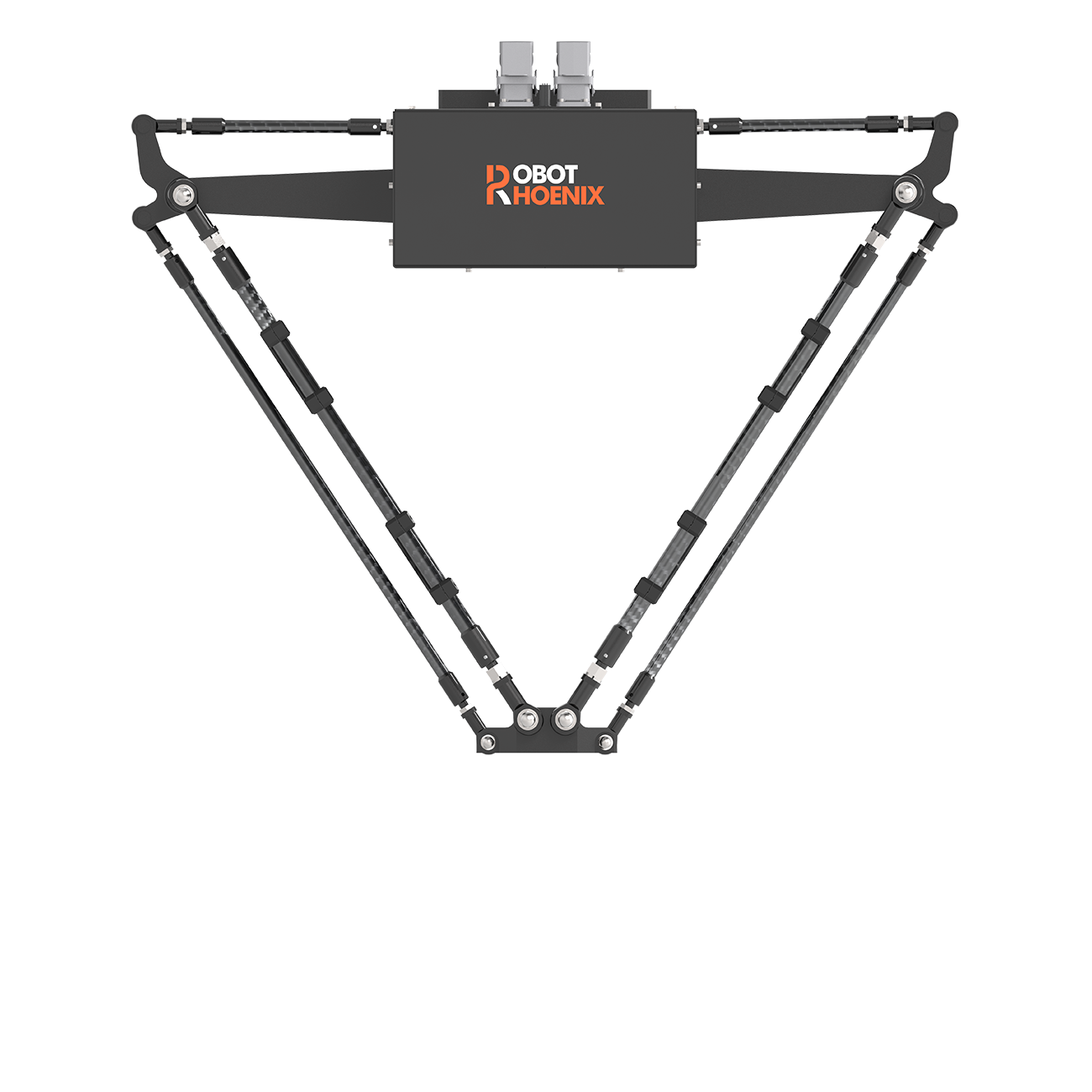
Industrial Manipulator High Speed and Accuracy Delta Robot with New Design Kinetics
High speed · new kinematics · accuracy-led design
View Product →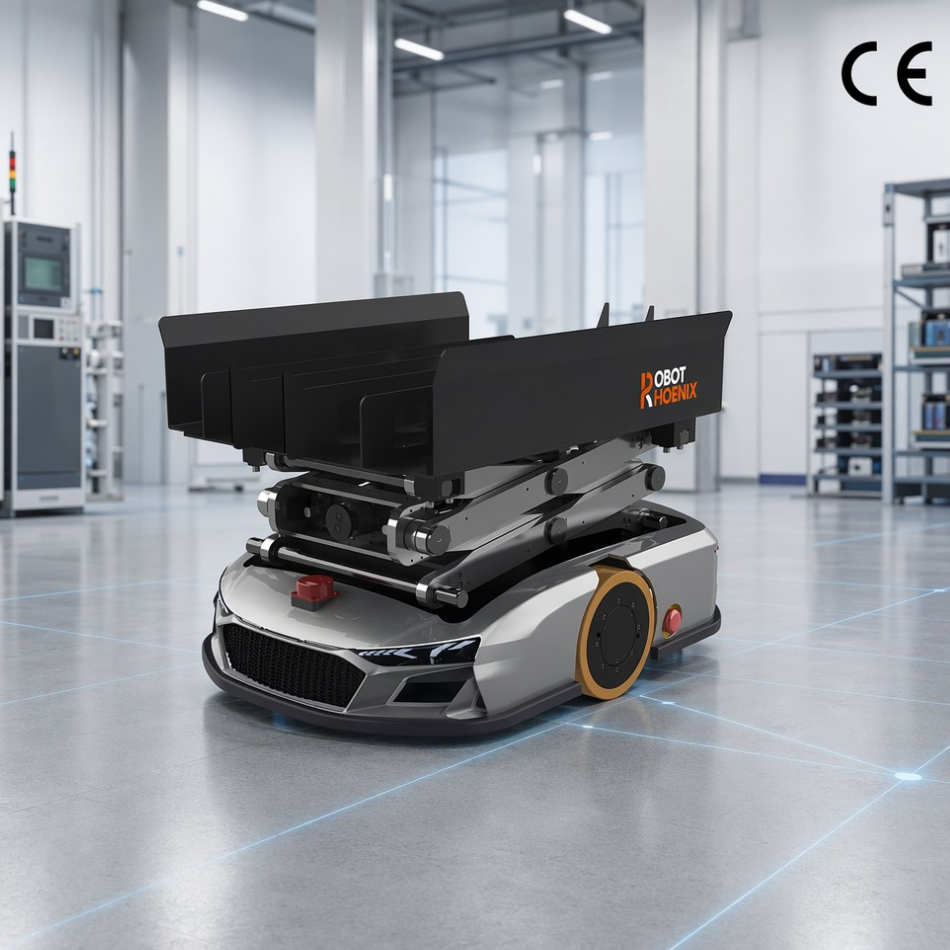
High Performance Material Handling Vehicle AMR Robot AGV Robot for Warehouse Logistic System
Warehouse logistics · material handling · autonomous transfer
View Product →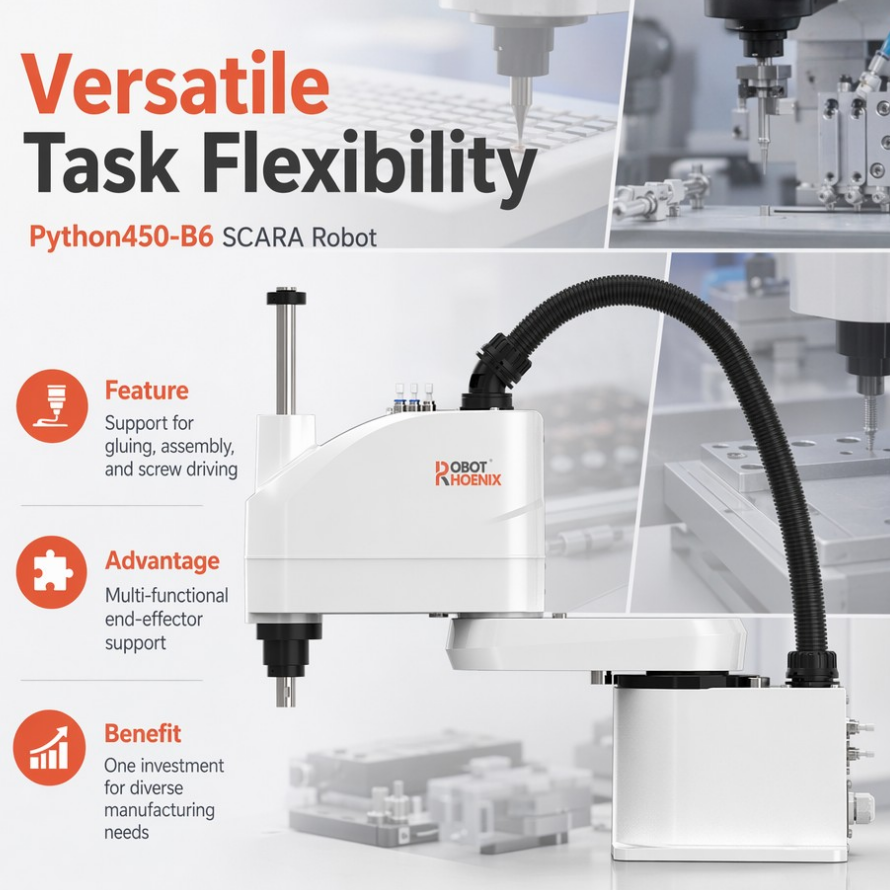
New Condition High Precision 400mm Reach Arm Scara Robot with PLC for 3C Electronic Assembly
400 mm reach · PLC integration · 3C electronic assembly
View Product →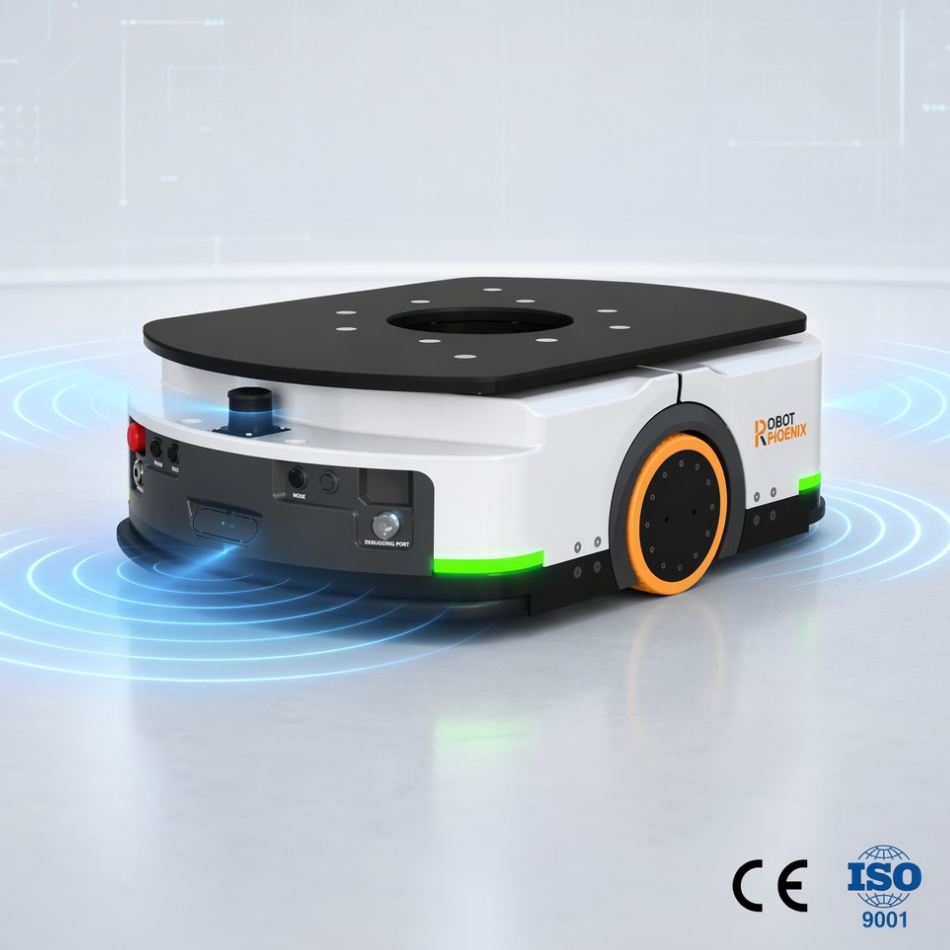
Compact and Latent Mobile Robot AGV for Narrow Aisle Warehouse and Factory Transportation
Low-profile AGV · narrow aisles · warehouse and factory transport
View Product →What “Top 10” Really Means to a Six-Axis Robot Buyer
Search demand for top 10 six axis robot exporters & wholesalers usually comes from a buyer who is not simply looking for a catalogue. They are trying to reduce supplier risk: can this exporter document payload, reach, repeatability, safety configuration, controller compatibility, lead time, spare-parts planning and total cost of ownership for a real production cell?
This whitepaper uses JORI Intelligent Technology Co., Ltd. — a factory-direct industrial robot manufacturer founded in 2012 in Jinan, Shandong, China — as a reference case. JORI’s portfolio includes delta robots, SCARA robots, silicon wafer handling robots, AGV/AMR platforms, autonomous forklifts, self-developed controllers and 2D/3D vision. For a six-axis procurement programme, those adjacent platforms matter because many factories combine articulated arms with high-speed pick-and-place, planar assembly, wafer transfer or mobile logistics in the same line.
Use the sections below as a due-diligence framework. Build your own top-ten list, score every supplier against the same evidence, and request the detailed catalog only after the application brief is clear.
Information Gain: The Shortlist Should Be Evidence-Led
A public “top 10” list changes with pricing, freight, certification and local service coverage. A stronger approach is to score suppliers on verifiable capability.
- Factory-direct R&D, controller and vision ownership
- Application references in your industry and region
- Export documentation, trade history and credit records
- Response time, spare parts and integration support
The 10-Point Scorecard for Exporters & Wholesalers
Instead of copying a changing ranking, use the same ten checks to compare any six-axis robot exporter or wholesaler that claims factory-direct supply and international service.
Original Factory
Confirm who machines, assembles, tests and controls the software. Factory-direct supply shortens issue resolution and makes OEM changes more predictable.
Export Documentation
Check ISO 9001, onsite verification, trade history, delivery terms, payment currencies, packing standards and destination-market safety requirements.
Controller & Vision
In-house controllers and 2D/3D vision reduce integration friction. Confirm APIs, PLC handshakes, fieldbus options and offline programming support.
Verified Performance
Ask for test reports and cycle-time simulation for your part, not only catalogue numbers. Payload must include gripper mass and inertia.
Safety Support
A serious wholesaler helps define guarding, safe zones, emergency stops, functional safety and validation before shipment.
Service Response
Compare response time, local partners, critical spares, warranty terms, remote diagnostics and operator training.
Pilot-Line Flexibility
One-set orders let buyers validate a cell before scaling. Confirm pilot pricing, sample testing and process-video support.
OEM & End-Effectors
Machine builders need custom end-effectors, controller integration, branding, documentation and buyer-label options.
Total Cost of Ownership
Include energy, maintenance, downtime, changeover, programming and spare parts in the business case, not only robot price.
Verifiable Trade Record
Use third-party assessment, credit profile, transaction level, trade history and buyer reviews to validate export claims.
Why JORI’s Factory-Direct Model Deserves a Place on Your Shortlist
JORI Intelligent Technology Co., Ltd. was founded in 2012 in Jinan, Shandong, China, a national robotics and automation hub. The company is a high-tech manufacturer specialising in industrial robot R&D and production, controller and 2D/3D vision development, OEM support and automated system integration.
Because delta robots, SCARA robots, silicon wafer robots, AGV/AMR platforms, autonomous forklifts, controllers and vision systems are developed in-house and protected by national patents, buyers work with one accountable source for hardware, software and after-sales engineering. That reduces the finger-pointing that can occur when the robot arm, controller, vision package and mobile platform come from four different resellers.
For export buyers, serviceability matters as much as specification. JORI reports an average response time of two hours or less and a 97.06% response rate, with standard robots available from one set so a buyer can validate a pilot cell before scaling. ISO 9001 quality management, onsite-verified supplier status, OEM/design/buyer-label service and support for machine builders make the company a practical benchmark when comparing top 10 six axis robot exporters & wholesalers.
- Founded in 2012; R&D-driven manufacturer
- 500+ employees and 10,000+ m² factory area
- ISO 9001 quality management system
- OEM, design and buyer-label service
- MOQ from 1 set for standard platforms
- One-stop automation integration support




Verify the Export Claim Before You Commit
Review independent assessments, credit records, trade capacity and transaction history as part of your supplier scorecard.
What Will Shape Six-Axis Robot Wholesale Decisions Next?
Procurement teams are moving from “Can this supplier ship a robot?” to “Can this partner keep a robot cell productive for its full service life?”
Total Cost of Ownership Replaces Lowest Unit Price
Buyers increasingly compare energy use, uptime, spare-parts availability, programming effort, changeover time and resale support. A lower robot price can be more expensive when integration and downtime are included.
Local Service and Spare-Parts SLAs Become Contract Terms
Export buyers want named service partners, critical-spare recommendations, remote diagnostics and response commitments. For six-axis cells, downtime at a welding or palletizing station can outweigh the initial price difference.
Mixed-Fleet Integration Beats Single-Machine Buying
Factories rarely automate only one process. A wholesaler that can coordinate six-axis arms with SCARA, delta, AMR/AGV and autonomous forklifts reduces interface risk and simplifies spare-parts planning.
Export Compliance and Traceability Move into Procurement
Destination-market safety expectations, documentation packages, inspection photos, packing standards and traceable component records are becoming normal RFQ requirements rather than afterthoughts.
How Six-Axis and Adjacent Robots Are Evolving
New robot platforms are being judged by integration speed, software openness, safety and lifetime cost — not by payload alone.
Higher Payload-to-Weight and Integrated Joints
Robot designers are reducing arm mass while preserving stiffness, enabling denser cells, lower energy use and easier installation on existing floors.
Vision-First Cells and AI-Assisted Inspection
2D/3D vision, AI defect detection and faster hand-eye calibration let robots handle random orientation, mixed SKUs and inspection tasks in one cell.
Functional Safety and Shared Workspaces
Safety-rated I/O, zone monitoring and force limits allow human-machine collaboration without sacrificing cycle time in assembly, machine tending and packaging.
Software-Defined Controllers and Open Fieldbus
EtherCAT, PLC handshakes, open APIs and offline simulation reduce commissioning time and make it easier to integrate a robot into an existing line.
Energy Efficiency and Thermal Management
Servo sizing, regenerative options and thermal design influence electricity cost and continuous-duty reliability, especially in high-cycle six-axis applications.
Digital Twin, Offline Programming and Fleet Data
Simulation before shipment, cloud dashboards and fleet-level analytics help buyers validate reach, cycle time and maintenance plans before the robot reaches the floor.
Six-Axis Robot vs Delta vs SCARA vs AMR
Use the comparison below to clarify where a six-axis articulated arm is the right answer — and where a faster delta, compact SCARA or mobile platform delivers better value.
| Platform | Best For | Core Strength | Watch-Out |
|---|---|---|---|
| Six-axis articulated robot | Complex 3D orientation, machine tending, welding, palletizing, screwdriving and multi-angle handling | Flexibility and orientation range | Cycle time and cost may be excessive for simple planar pick-and-place |
| Delta parallel robot | High-speed picking, sorting, bottle unscrambling, cartoning and food packaging | Very fast cycles for light payloads | Limited orientation and workspace for complex assembly |
| SCARA robot | Planar assembly, insertion, loading/unloading, 3C electronics and light-industry placement | Compact footprint and precise planar motion | Not a substitute for full 3D articulation |
| AMR / AGV | Material transport, warehouse logistics and line-side replenishment | Flexible routing with laser SLAM navigation | Does not perform manipulation without an added arm |
| Autonomous forklift | Pallet transport, warehouse shuttling and repetitive logistics runs | Handles pallet-scale loads across shifts | Requires route, floor and traffic planning |
Questions Procurement Teams Ask First
Direct answers for buyers comparing six-axis exporters, wholesalers and adjacent automation platforms.
What is the minimum order quantity for JORI industrial robots?
Does JORI offer OEM or custom robot solutions?
Should I choose a delta robot or a SCARA robot?
Which delivery and payment terms are accepted?
Can JORI robots integrate with existing packaging machines?
How quickly will I receive a reply?
How can I verify the factory and export record?
What information should I include in an inquiry for a six-axis or adjacent robot cell?
Request a Project-Ready Export & Wholesale Catalog
Share part weight, cycle time, reach, layout and destination country. The engineering team will map the right robot platform, confirm MOQ, delivery terms and spare-parts plan.