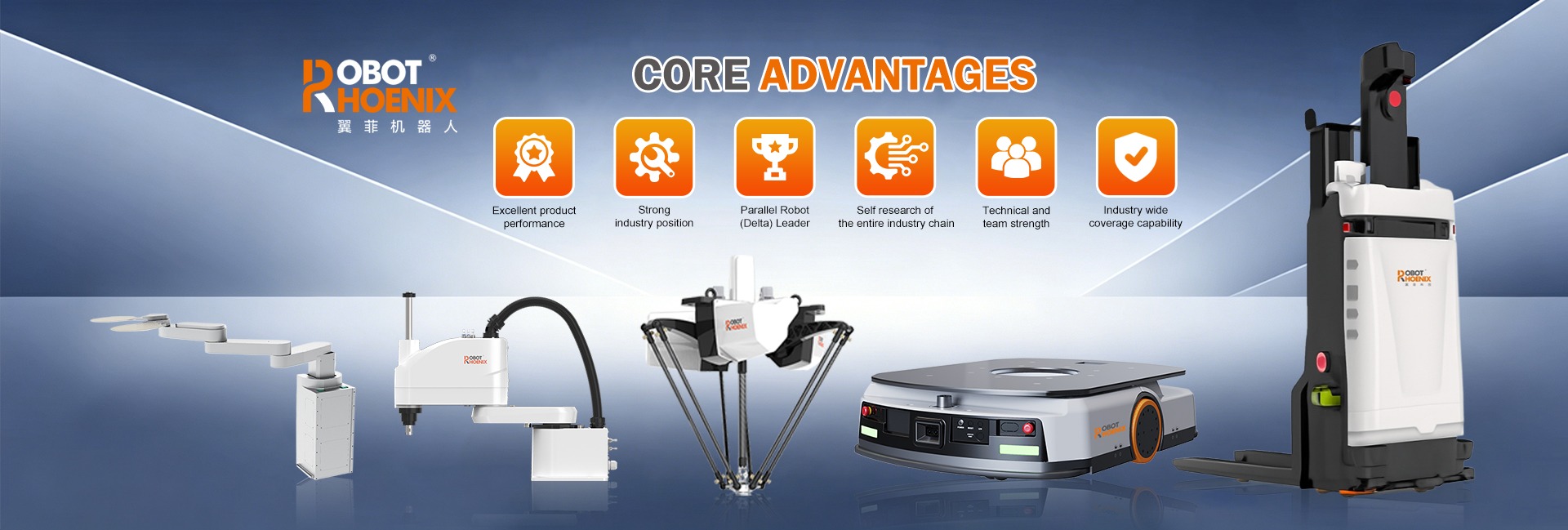
3D Vision Robot Factory & Wholesaler for Las Vegas
Factory-direct delta robots, SCARA robots, AMRs, and vision-guided cells for Las Vegas packaging, assembly, and logistics teams that need faster changeovers, repeatable quality, and one accountable engineering partner.
Eight Production-Ready Robots for Las Vegas Automation Projects
Shortlist vision-ready SCARA, delta, and AMR platforms from JORI’s factory catalogue. Each model below preserves the original product page and image path so buyers, integrators, and machine builders can verify specifications without a reseller layer.
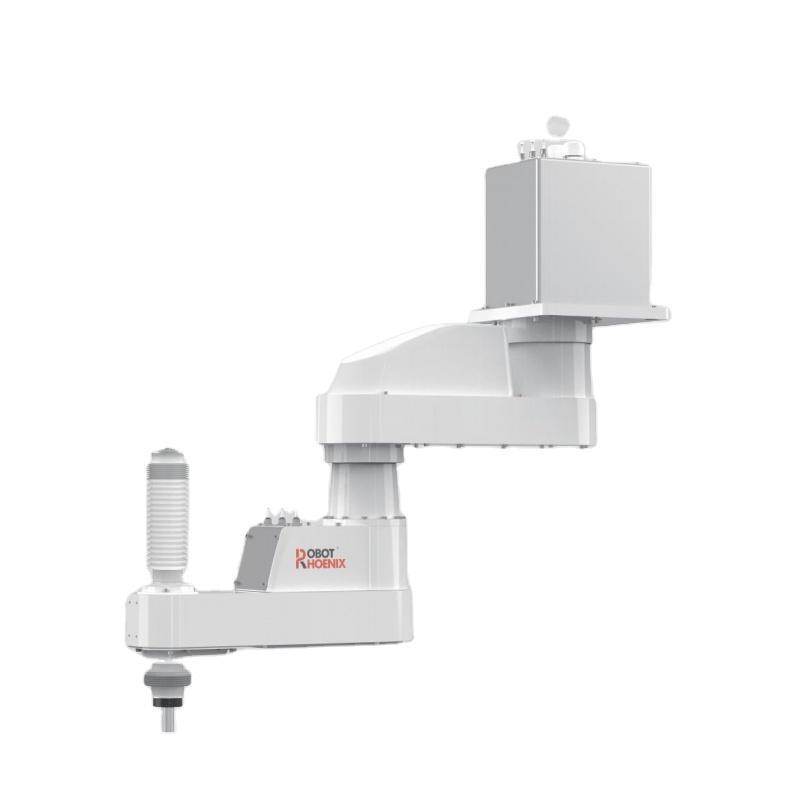
Compact Structure High Precision 550mm Reach Radius 3kg Payload 4-axis SCARA Robot
A space-efficient SCARA for tight cells where reach, repeatability, and clean integration matter.
View product details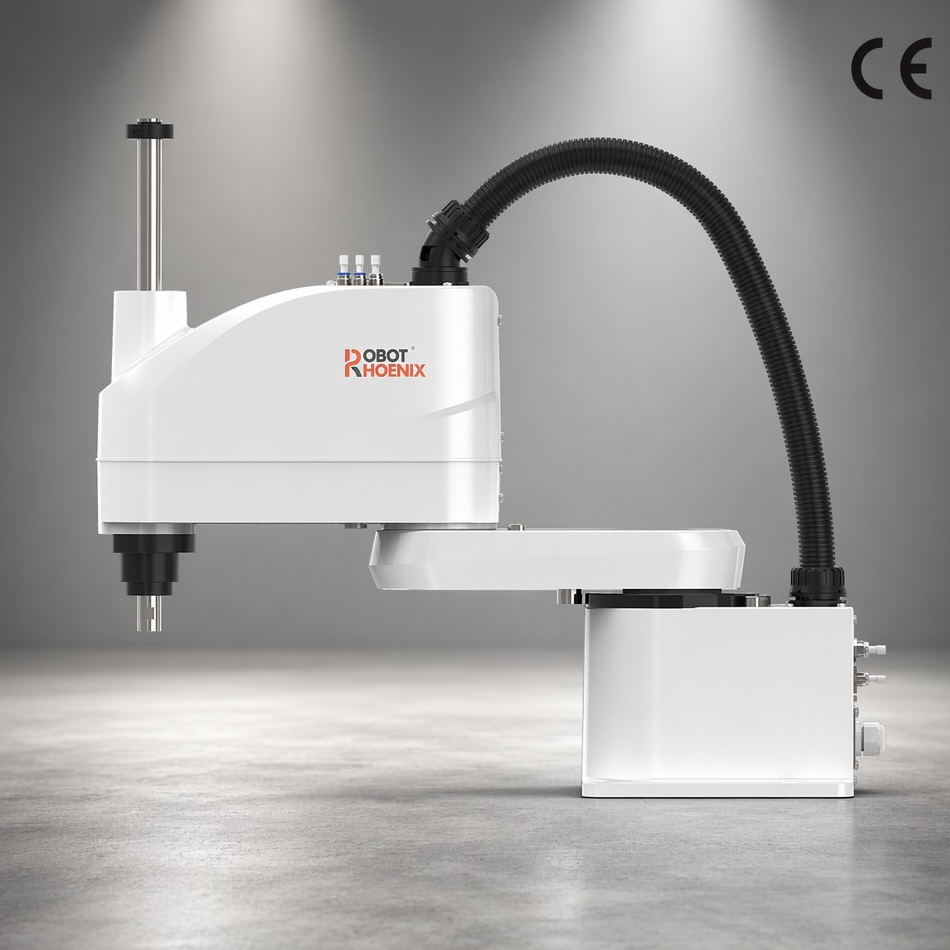
High Efficiency 6kg Payload Manipulator Scara Robot with Vision for Picking and Placing
6 kg payload and integrated vision support for picking, placing, and mixed-SKU transfer.
View product details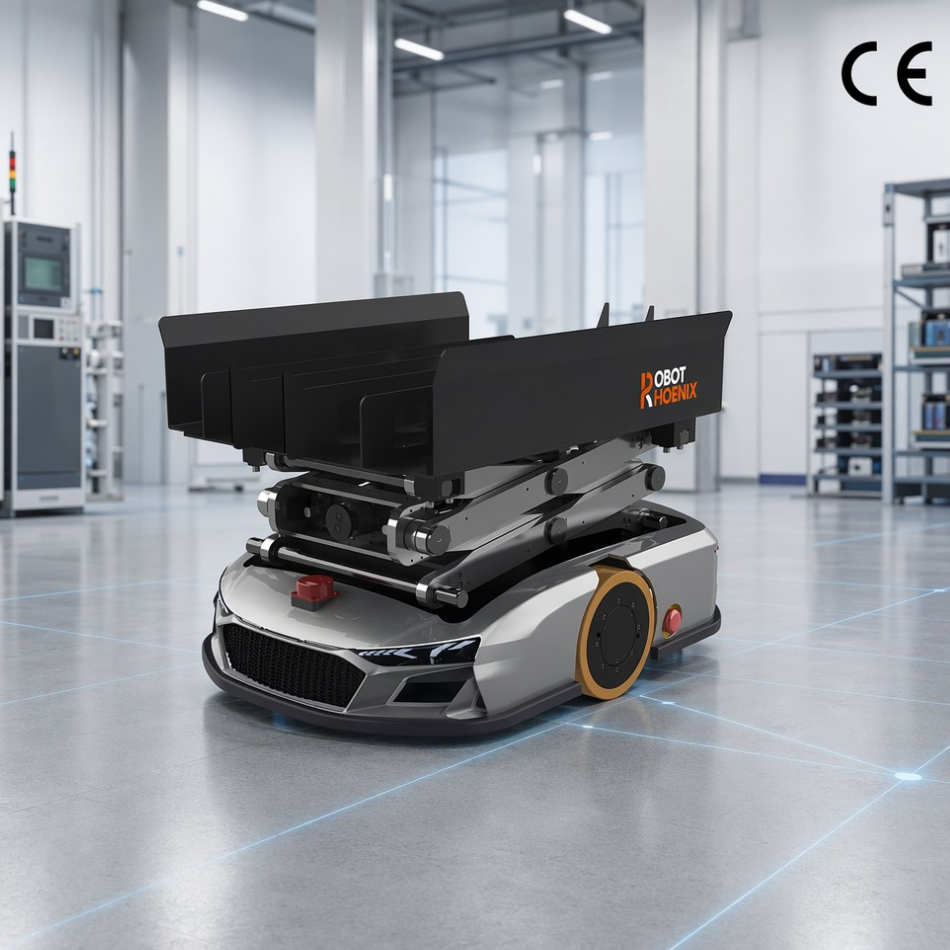
High Performance Material Handling Verhicel AMR Robot AGV Robot for Warehouse Logistic System
A laser-guided AMR platform for moving carts, totes, and materials through warehouse routes.
View product details
High Speed 3kg Load Industrial Delta Robot Arm with IP54 Protection for Robotic Pick& Place
3 kg delta arm with IP54 protection for fast pick-and-place near conveyors and packaging.
View product details
New Condition High-Speed Industrial Innovative Manipulator Delta Robot for Light Industry
High-speed delta manipulator for sorting, packing, and repetitive light-industry transfer.
View product details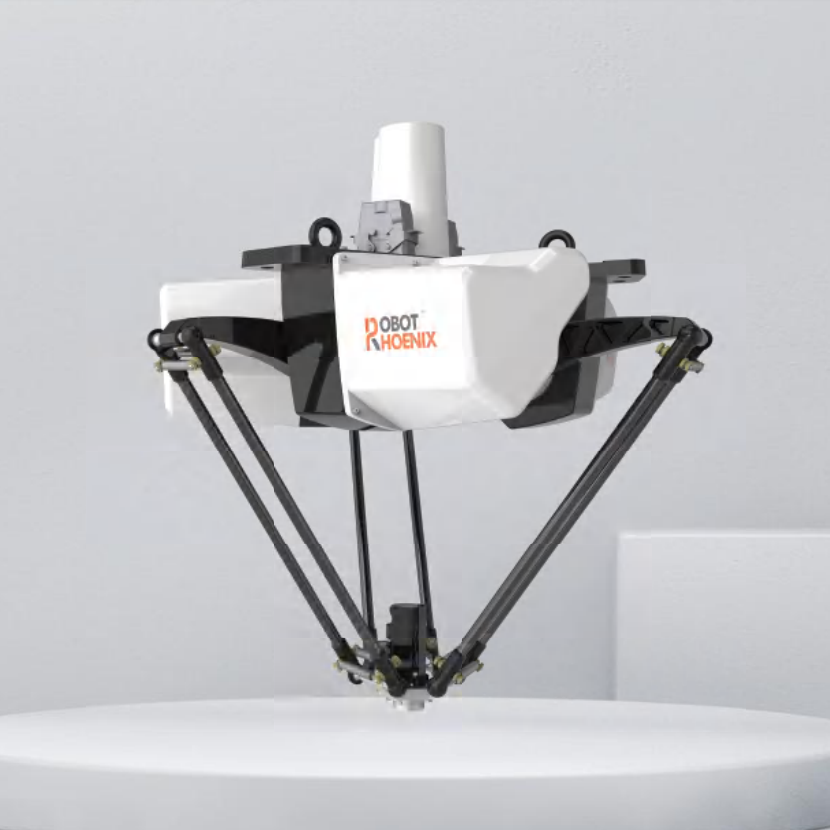
Robotphoenix New 4-Axis Parallel Robot Arm Delta Spider Hand Robot for Carton Packer Line
4-axis parallel robot for carton packing and end-of-line automation with high cycle rates.
View product details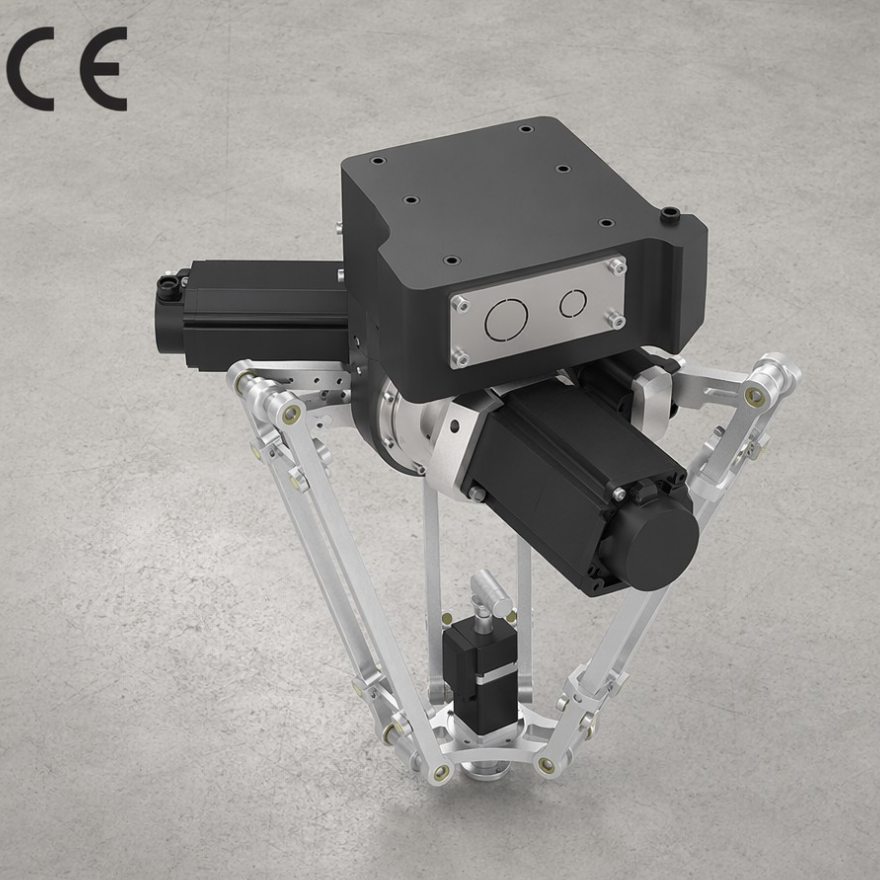
Smart Parallel Robot Picking and Placing Robot Manipulator Delta Robot with Visual System
Vision-guided delta cell for random picking and placing where orientation changes part to part.
View product details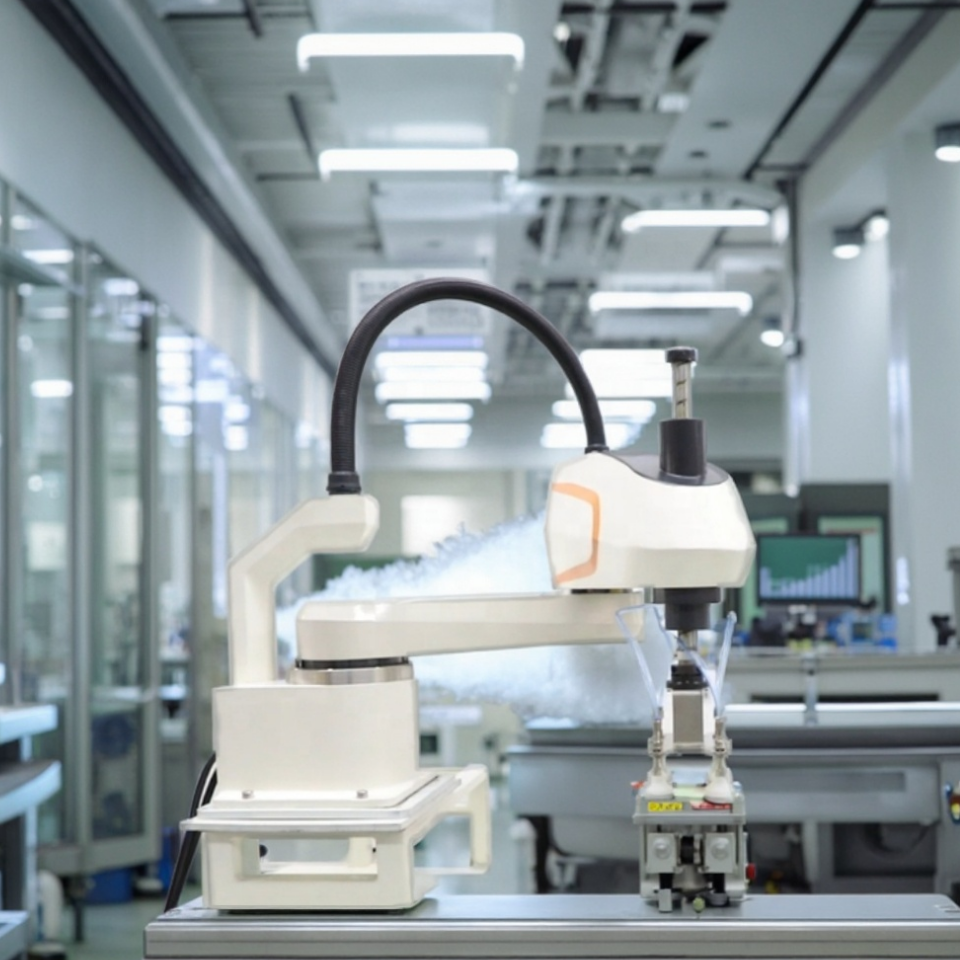
Industrial 4-Aixs Robot Arm Scara Robot Arm with Vision System for Auto Parts Industry
SCARA with vision for auto parts handling, assembly support, and inspection-adjacent tasks.
View product detailsNeed a model outside this shortlist? Tell us the part weight, orientation, cycle time, and conveyor layout. JORI can recommend a delta, SCARA, AMR, or hybrid cell and confirm the configuration against your samples before quotation.
Get a QuoteWhy Las Vegas Is a High-Value Market for 3D Vision Robot Systems
Las Vegas is not only a hospitality market. It is a supply-chain, distribution, and advanced-manufacturing market serving hotels, restaurants, conventions, e-commerce, and regional logistics — all under intense pressure to keep goods moving through high-turnover labor and event-driven demand peaks.
Behind every hotel, restaurant, convention, and entertainment venue is a network of packaging, food service, cleaning products, linens, promotional goods, and e-commerce orders. Many of those products arrive in mixed cartons, random orientation, or short production runs. A fixed automation cell can struggle with that variability, while a 3D vision robot cell can identify position, depth, and orientation before the robot moves. That difference matters when Las Vegas operators need faster changeovers without rebuilding mechanical fixtures for every SKU.
North Las Vegas, Henderson, and the I-15 logistics corridor continue to attract warehousing, distribution, and manufacturing investment. For local buyers, the practical question is not whether robots are fast; it is whether a robot can stay productive when staffing changes, product mixes shift, and delivery windows compress around major events. Delta robots with vision are well suited to high-speed picking and packing. SCARA robots with vision support assembly and precise placement. AMRs reduce walking and cart pushing in warehouses where layouts change more often than managers expect.
JORI serves Las Vegas buyers as a factory-direct 3D vision robot wholesaler and manufacturing partner, not as a passive reseller. Machine builders, system integrators, and distributors can source delta robots, SCARA robots, AMRs, controllers, and 2D/3D vision from one engineering team. Standard models can be ordered from one set, which lets a Las Vegas facility validate a pilot cell before scaling across lines or shifts.
High-Mix Packaging
Hospitality supply, food service, wet wipes, lids, cartons, and promotional packs create frequent changeovers.
24/7 Fulfillment
E-commerce and regional distribution demand repeatable material flow across shifts and seasonal peaks.
Advanced Manufacturing
Auto parts, electronics, and light assembly need precise placement with verifiable presence checks.
Event-Driven Peaks
Conventions and large events create temporary demand spikes that reward flexible automation assets.
Adaptive Automation, Not Just a Camera on a Robot
A 3D vision robot is not a standard robot with a camera added at the end. It is a system in which cameras, lighting, calibration, controller logic, gripper design, and safety planning work together. The commercial value comes from handling variation that fixed tooling cannot economically absorb.
Random Pick and Bin Picking
3D point clouds add depth and orientation, so the robot can locate parts in a bin, tote, or carton without perfect singulation.
In-Line Presence and Quality Checks
Vision can confirm part presence, orientation, label position, fill level, or packaging condition before the next process step.
Faster Changeover
Recipe-driven vision reduces mechanical fixture changes when packaging size, carton format, or part orientation changes.
JORI develops its own robot controllers and 2D/3D vision in-house, alongside delta, SCARA, wafer, and AGV/AMR platforms. That matters for Las Vegas buyers because vision performance is rarely solved by a camera alone. Hand-eye calibration, exposure control, gripper compliance, reject logic, and PLC communications all affect cycle time. When one team owns the arm, controller, and vision stack, integration questions have a shorter path to resolution.
Information gain for local buyers: the highest-value vision projects usually share three traits — variable presentation, high cycle counts, and expensive downtime. If a line runs identical parts for years with perfect fixturing, simpler automation may be enough. If the mix changes, the carton arrives randomly, or an operator must inspect every unit, 3D vision can create measurable operating leverage.
What to Measure Before You Automate in Las Vegas
A credible ROI model should include labor, changeover, scrap, floor space, and uptime. Vision does not automatically reduce cost; it creates value when the cell is designed around the variability your operation actually has.
Labor Redeployment
Calculate loaded hourly cost, shifts, overtime, and turnover. The goal is often redeploying people to exception handling rather than eliminating every role.
Changeover Time
Measure minutes lost when pack size or product mix changes. Vision recipes can reduce mechanical adjustment and restart time.
Reject and Rework
Track mispicks, damaged packs, and manual inspection load. Presence checks and orientation checks can catch errors earlier.
Uptime and Response
Ask for factory acceptance testing, spare-parts recommendations, and documented support response targets before purchase.
For a Las Vegas pilot, require a factory acceptance test with your sample set. The test should demonstrate hand-eye calibration, cycle time with your target payload, reject logic for a misplaced or missing part, and recovery after a simulated fault. That evidence is more useful than a generic speed claim.
Where 3D Vision Robots Fit Las Vegas Operations
The right robot depends on the product envelope and the process bottleneck. These four scenarios map common Las Vegas automation needs to specific JORI platforms.
Food, Beverage & Hospitality Supply
Wet wipes, lids, cartons, portion packs, disposables, and packaged goods often need high-speed picking from moving conveyors. Use the Smart Parallel Robot with visual system or a 6 kg vision SCARA for mixed picking and placing.
Recommended platformAuto Parts & Advanced Manufacturing
Assembly support, part loading, and inspection-adjacent handling benefit from a compact SCARA with vision. The 4-axis SCARA with vision system is designed for auto parts industry tasks.
Recommended platformE-Commerce Fulfillment & Warehousing
Moving totes, carts, and materials between zones can reduce walking and manual cart pushing. AMR platforms are a good fit when routes change and floor tape is impractical.
Recommended platformCarton Packing & End-of-Line
Carton packers, light-industry lines, and packaging machines benefit from 4-axis delta robots that fit existing machine frames and PLC-controlled sequences.
Recommended platformWhy a Las Vegas Buyer Should Evaluate JORI as a Factory-Direct Partner
JORI Intelligent Technology Co., Ltd. was founded in 2012 in Jinan, Shandong, China — a national robotics hub. We specialize in industrial robot R&D and manufacturing, controller and 2D/3D vision development, OEM support, and automated system integration.
 ISO 9001 · Onsite-verified manufacturer
Because delta robots, SCARA robots, silicon wafer robots, AGV/AMR platforms, 2D/3D vision, and controllers are developed in-house, buyers get one accountable source for hardware, software, and after-sales engineering — not a reseller chain.
For Las Vegas machine builders and integrators, this factory-direct model supports pilot orders, OEM customization, and buyer-label programs. JORI provides OEM service, design service, and private-label options, plus integration support for custom end-effectors and PLC-ready production cells.
Our export experience spans buyers on five continents, with an average response time of 2 hours or less and a 97.06% response rate. Standard robots can be ordered from one set, supporting a single-cell validation before multi-line rollout.
In-House R&D and Patents
National patents cover delta, SCARA, wafer, AGV robots, controllers, and vision technology developed by JORI.
ISO 9001 and Verification
Documented quality control and third-party onsite verification help procurement teams reduce supplier risk.
Factory-Direct Wholesale
MOQ from one set, factory-direct communication, and scalable supply for distributors and machine builders.
OEM, Design and Buyer Label
Custom end-effectors, controller integration, and private-label support for automation businesses.
Integrated Vision and Control
One engineering team for robot arm, controller, and 2D/3D vision reduces integration ambiguity.
Export-Ready Support
10+ years serving overseas markets, documented delivery terms, and rapid response for quotation questions.
A Practical Specification Framework for Las Vegas Projects
The fastest path to a useful quotation is a precise robot-cell brief. Use the four-step framework below before contacting JORI so engineering can recommend the right delta, SCARA, AMR, or vision configuration.
Define the Part Envelope
Record length, width, height, weight, material, center of gravity, and whether the part is flexible, fragile, or easily scratched.
Specify the Vision Task
Clarify whether the camera must locate random parts, measure position, verify presence, read labels, or inspect packaging condition.
Validate Gripper and Cell
Confirm conveyor tracking, end-effector style, approach clearance, cycle time, reject handling, and operator access.
Plan Integration and Support
List PLC protocol, voltage, network, safety requirements, spare-parts expectations, training, and factory acceptance test criteria.
What to Send With Your RFQ
Part photos, drawings, and weight
Target cycle time and operating hours
Conveyor or carton layout video
Current pain point: labor, quality, or speed
Preferred voltage and control platform
Pilot quantity and future scaling plan
Common Questions About 3D Vision Robots and Wholesale Orders
These are the questions procurement teams, machine builders, and operations managers usually ask before requesting a quotation.
Can 3D vision robots handle mixed SKUs common in Las Vegas hospitality supply chains?
Yes, when the gripper and vision recipes are engineered for the SKU family. Mixed cartons, random orientation, and packaging changes are exactly where vision adds value over fixed tooling.
Will a vision-guided robot work under changing warehouse lighting?
Lighting should be specified, controlled, and tested. JORI evaluates exposure, filters, surface reflectivity, and camera mounting during the cell design and factory acceptance test.
Do I need to buy a full production line to start?
No. Standard delta, SCARA, and AMR platforms can be ordered from one set. A Las Vegas buyer can validate a single cell, then scale to additional lines or shifts.
Should a Las Vegas warehouse choose an AMR or an autonomous forklift?
Use AMRs for carts, totes, and flexible material routes. Consider autonomous forklifts for repetitive pallet transport. The decision depends on load type, aisle width, and traffic rules.
Can JORI robots integrate with existing conveyors, cartoners, and packaging machines?
Yes. JORI develops controllers and 2D/3D vision in-house, offers PLC-ready delta robots, and supports machine builders with custom end-effectors and integration engineering.
How do you handle dust, heat, and dry conditions in Southern Nevada?
Specify protection level, airflow, filtration, cable routing, and maintenance access for the actual environment. The IP54 delta model is one option for dust-prone packaging areas.
What delivery and payment terms are available?
Accepted delivery terms include FOB, CFR, CIF, EXW, CIP, FCA, CPT, and express delivery. Payment can include T/T, L/C, credit card, PayPal, Western Union, MoneyGram, and escrow in major currencies.
How fast will JORI respond, and what information speeds up the quote?
JORI maintains an average response time of 2 hours or less and a 97.06% response rate. Send part weight, dimensions, cycle time, layout, photos or video, voltage, and control requirements.
Shortlist a 3D Vision Robot for Your Las Vegas Facility
Send your product samples, cycle-time target, conveyor layout, and integration constraints. JORI engineers will recommend a delta, SCARA, AMR, or vision-guided configuration and confirm the factory-direct quotation path.
Get a Quote