Eight robot directions from the JORI automation ecosystem
Start with the mobile platform, then choose the pick-and-place, assembly, vision or packaging robot that matches the station. For a Manila wholesaler, these products can be bundled into one automation proposal; for an end user, they can be phased cell by cell.

High-Speed Spider Arm Delta Robot for Fully Automatic Wet Wipe Lid Applicator Machine
High-speed lid and wet-wipe packaging support for lines fed by the 500kg AMR carrier.

High Performance Material Handling Vehicle AMR Robot AGV Robot for Warehouse Logistic System
Material handling platforms for warehouse routes, staging lanes and fleet expansion.
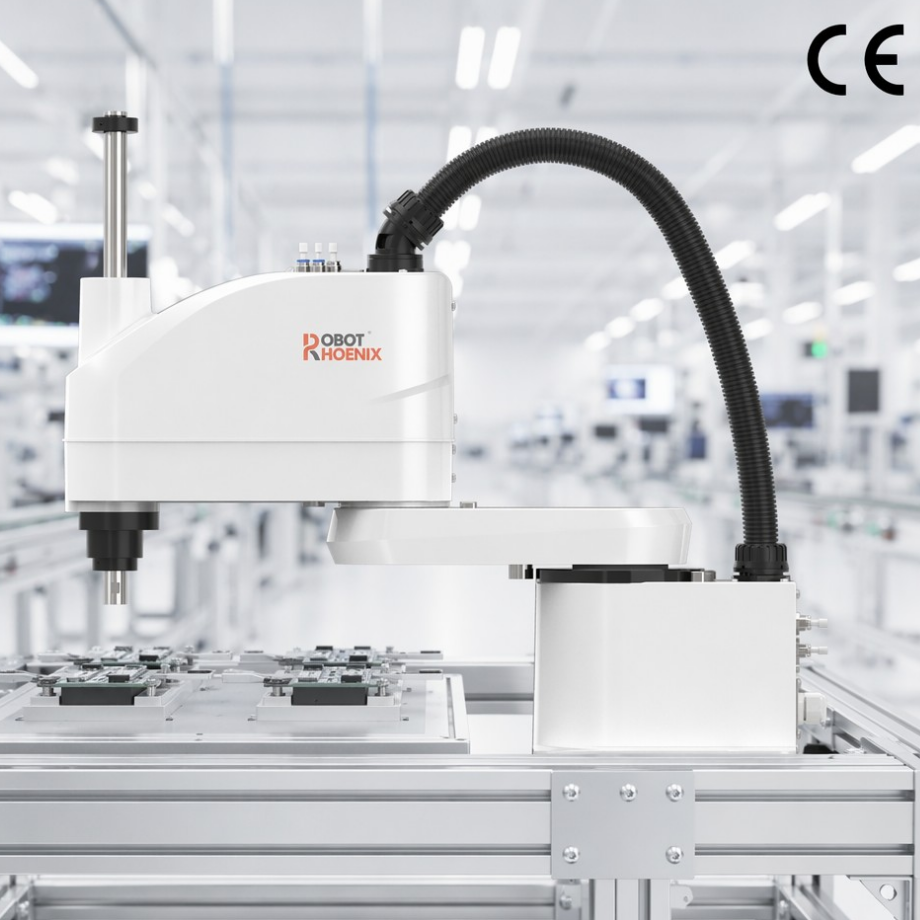
New Design Compact High Accuracy Industrial Robot Arm SCARA with 2D/3D Vision System
Compact assembly, inspection and accurate placement for electronics and 3C cells.
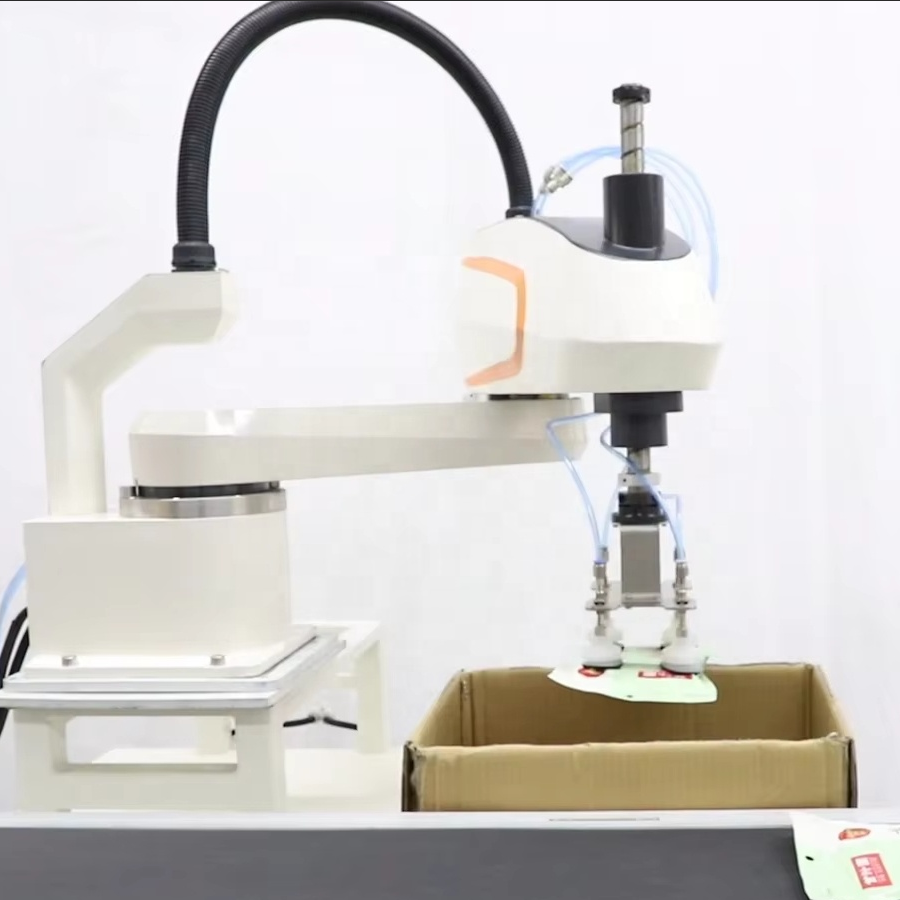
Light Load 4 Axis Industrial Manipulator Robot SCARA Robot for Pick and Place Application
Cost-efficient pick-and-place where a smaller, faster SCARA footprint is preferred.
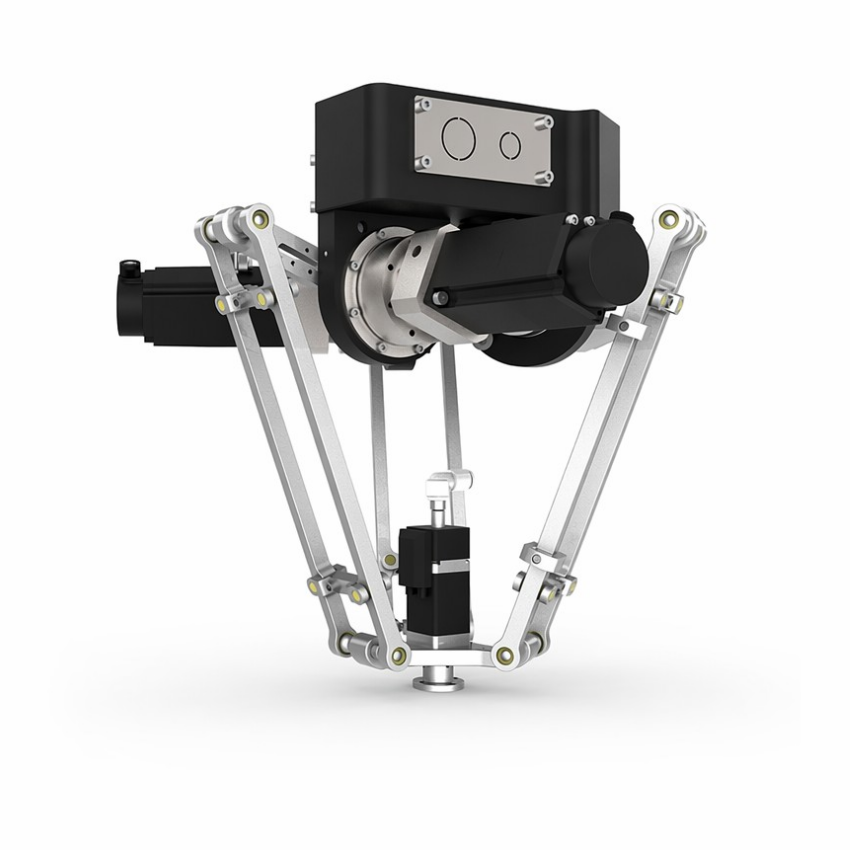
High Precision Pick and Place 4 Axis Parallel Robot Delta with Vision Tracking System
Vision-guided picking from moving conveyors for packaging, sorting and cartoning.

New Condition High Precision 400mm Reach Arm SCARA Robot with PLC for 3C Electronic Assembly
400 mm reach and PLC-ready control for compact electronic assembly and placement.
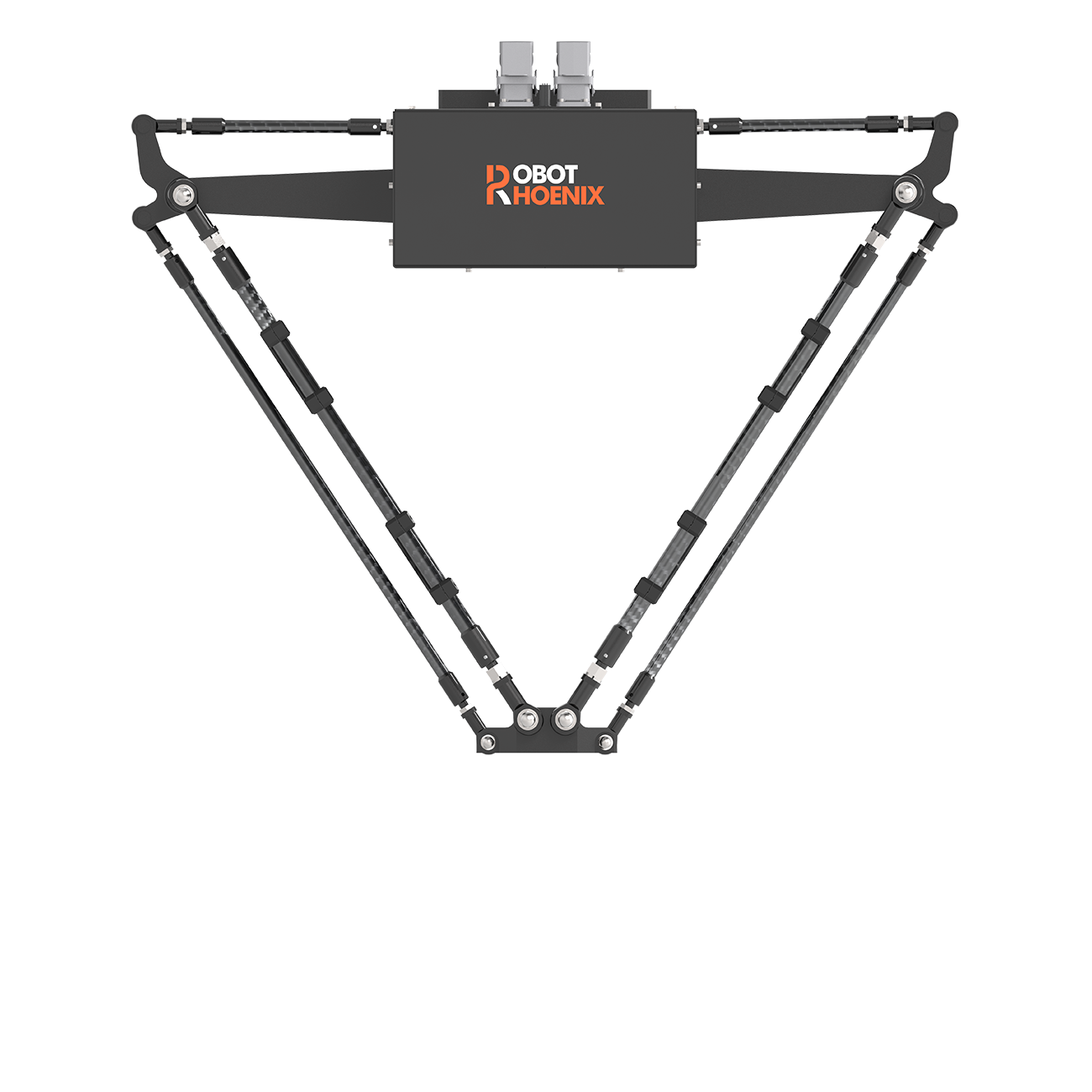
Industrial Manipulator High Speed and Accuracy Delta Robot with New Design Kinetics
High-speed sorting, pick-and-place and packaging with an updated kinetic structure.
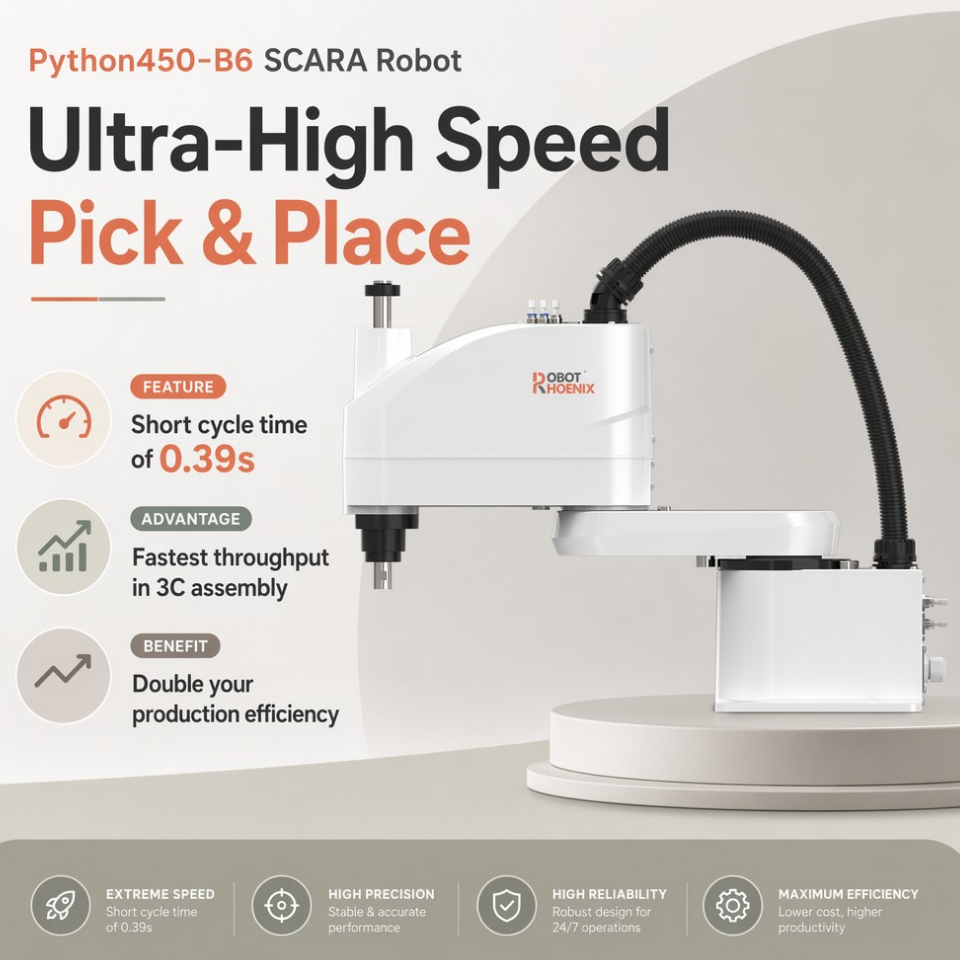
Robotphoenix High Speed Manipulator SCARA Robot with Gripper for Product Accuracy Picking
Gripper-ready SCARA automation for accurate product picking and repetitive placement.
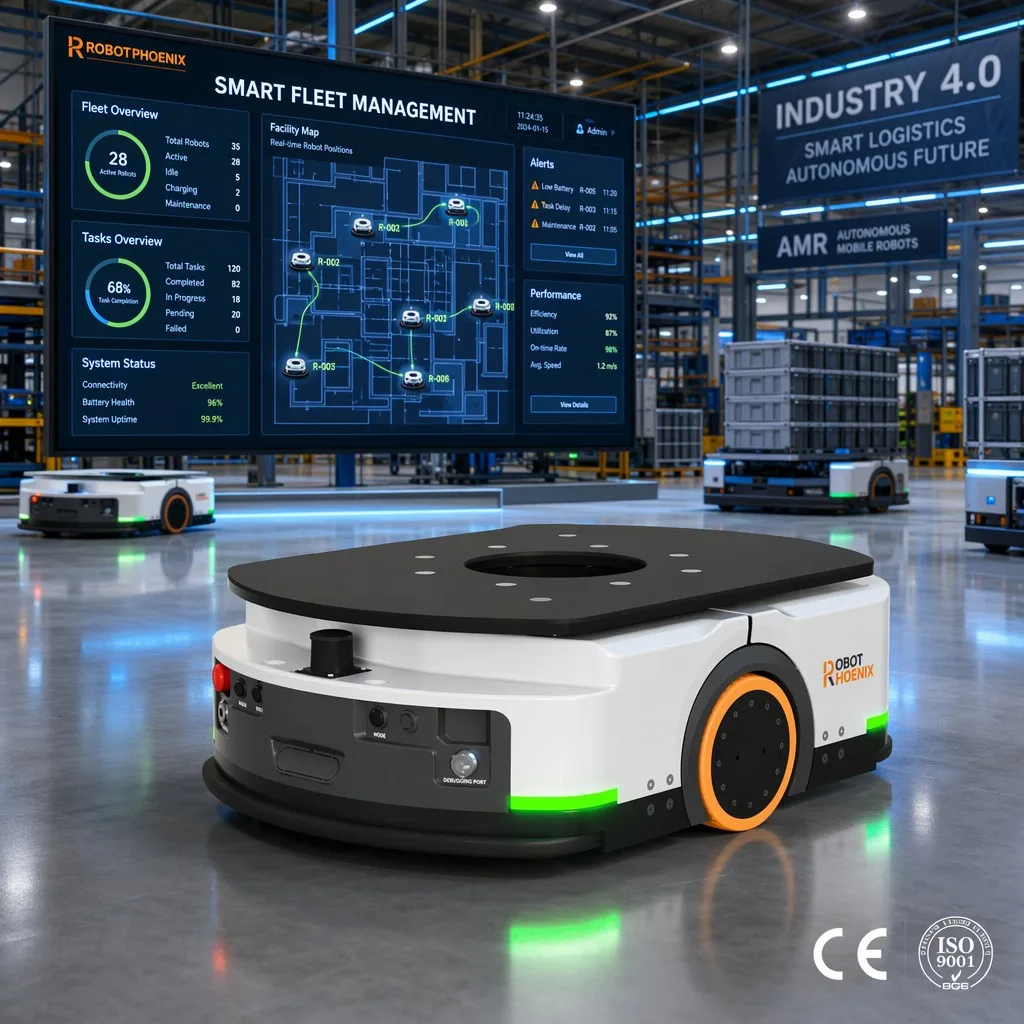
Why the 500kg AMR autonomous carrier fits large Manila facilities
The JORI 500kg AMR autonomous carrier is designed for the middle ground between manual carts and forklifts: loads that are too heavy or too repetitive for people, but not always palletized for a forklift. In large facilities, its value comes from repeatability — moving totes, cartons, components, consumables or medium-load pallets between receiving, staging, line-side storage and dispatch. Final performance depends on the top module, route width, floor condition, charging strategy and traffic rules.
Manila warehouses often combine high throughput with constrained floor space. Laser SLAM navigation reduces dependence on floor tape or magnetic strips, so lanes can be adjusted when racking or packing zones change. Smart fleet management coordinates multiple carriers, while JORI's in-house controller and vision team can integrate with conveyors, WMS/ERP events and safety devices. This is especially useful for 3PLs that reconfigure client spaces and for PEZA factories that need traceable movement without oversized fixed infrastructure.
- Nominal 500kg platform class; final payload confirmed with top module and route.
- Laser SLAM for flexible route changes and large-facility mapping.
- Smart fleet management for multi-robot traffic, charging and task allocation.
- Top-module options developed around cartons, totes and medium-load pallets.
- Factory-direct engineering for OEM, private label and system integration.
Manila wholesalers can position JORI as a factory-direct AMR brand for local 3PL, manufacturing and warehousing clients, with pre-sales engineering, product configuration and export documentation available from the factory.
Nominal platform payload; confirm after top module and route engineering.
In-house robot development from Jinan, Shandong, China.
Average response time of 2 hours or less for buyer inquiries.
Standard models can start from one set for pilot cells and staged rollouts.
A manufacturer and wholesaler-friendly partner behind the 500kg AMR
JORI Intelligent Technology Co., Ltd. combines robot hardware, controllers, vision and automation integration under one factory-direct engineering team.

Factory-direct robot engineering since 2012
JORI was founded in 2012 in Jinan, Shandong, China, a national hub for robotics. The company specializes in industrial robot R&D and production, controller and 2D/3D vision development, OEM support and automated system integration.
Because delta robots, SCARA robots, silicon wafer robots, AGV/AMR platforms, autonomous forklifts, controllers and vision are developed in-house and protected by national patents, buyers get one accountable source for hardware, software and after-sales engineering — not a reseller chain. JORI operates an ISO 9001 quality management system, is onsite-verified, and serves buyers across Southeast Asia, Eastern Europe, North America, South America and China.
For Manila wholesalers and project owners, that means specification accountability, practical OEM options and a clear path from a single pilot carrier to a multi-robot fleet.
Factory-direct R&D
Delta, SCARA, AMR, controllers and vision are developed in-house, protected by national patents and supported by one engineering team.
Built for integration
PLC-ready robots, self-developed controllers and 2D/3D vision help connect the AMR cell to conveyors, packaging lines and existing machines.
OEM & buyer label
Manila wholesalers can request OEM service, design service and buyer-label options for local portfolios and project-specific configurations.
Quality system
ISO 9001 quality management, onsite-verified manufacturing and documented testing from component inspection to final run-in.
Commercial flexibility
Standard robots from 1 set, FOB/CFR/CIF/EXW and other delivery terms, T/T, L/C, credit card, PayPal and other supported payment channels.
Fast technical response
Average response time of 2 hours or less and a 97.06% response rate. Share layout, cycle time and product photos to get a practical configuration.
Where a 500kg AMR autonomous carrier earns its place in Manila
Manila's logistics geography is not a single warehouse. It is a network of port-adjacent staging facilities, urban fulfillment centers, PEZA factories in Cavite and Laguna, cold rooms, food plants and 3PL hubs. The common thread is repetitive movement over moderate distances with a premium on flexibility.
Port and customs staging
At facilities near Manila South Harbor, MICT or inland container depots, use the carrier to shuttle sealed cartons, spare parts or staged orders from receiving to pick faces. It reduces pedestrian traffic in busy staging lanes while forklifts concentrate on pallet handling.
PEZA electronics and 3C
In Cavite, Laguna and other industrial corridors, move WIP totes and packaging materials between lines. Pair the AMR with SCARA or delta robots for assembly, inspection, lid application and carton packing.
E-commerce and 3PL
For fulfillment centers in Metro Manila, the AMR handles batch replenishment, cross-docking and returns movement. Fleet management supports peak campaigns and changing client layouts without fixed conveyors.
Cold chain and pharma
Cold-store operations demand disciplined traffic and minimal door-opening. Confirm battery, charging and top-module ratings for the temperature band, then use the carrier for scheduled transfers under traceable task lists.
Food and daily chemicals
Connect the 500kg carrier to packaging cells with delta robots for wet wipes, cartons and lids. Material flow to and from the line becomes predictable, reducing manual handling in hygiene-sensitive areas.
Large factory line-side replenishment
For automotive, building materials or consumer goods plants, the 500kg class reduces manual carting of components and consumables over long internal routes, especially on multi-shift schedules.
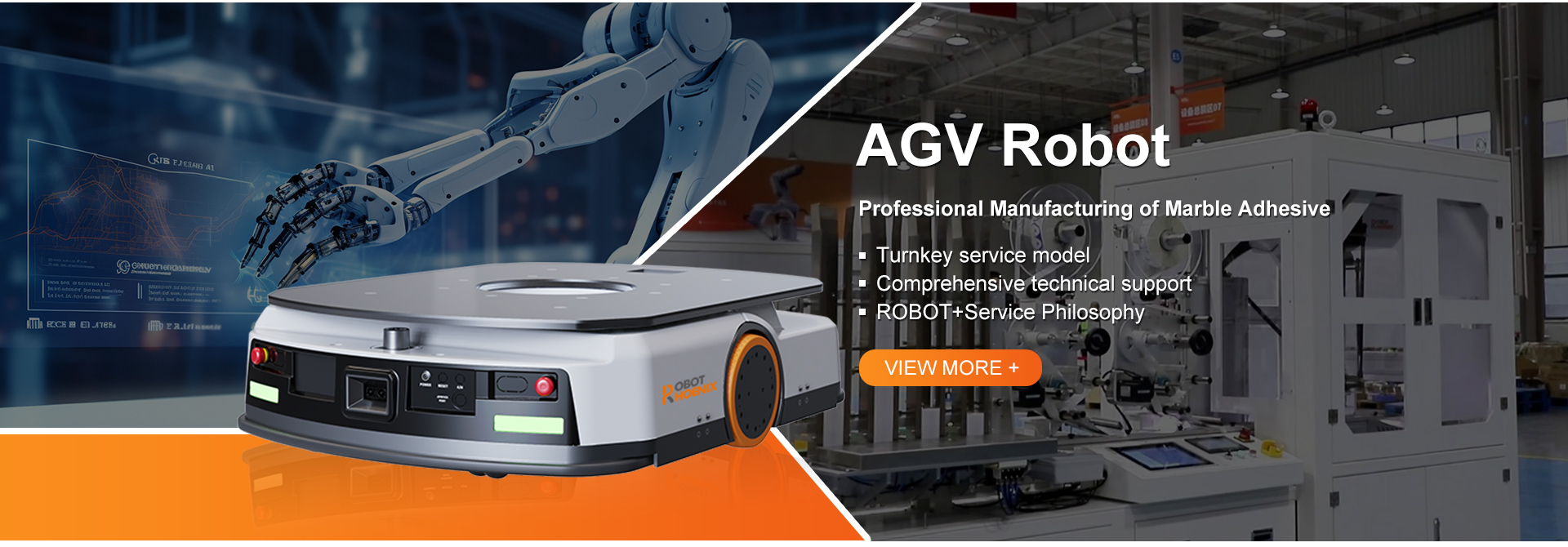
Large-facility logistics in Manila benefits most when AMRs handle repeatable transport and people focus on exceptions, quality and customer response.
Manila logistics trends shaping the case for 500kg AMR
Procurement decisions in Metro Manila are driven by throughput, space, labor and integration — not by robot novelty alone.
E-commerce velocity
Same-day and next-day expectations create more fragmented order profiles. Fixed conveyor investments can age quickly, while a fleet of AMRs can be scaled by adding units and re-mapping routes.
Space scarcity and rent
Warehouse land in Metro Manila is expensive and constrained. Laser SLAM robots support flexible lanes and retrofit-friendly layouts after route engineering, helping teams avoid unnecessary civil works.
Labor and safety
Recruiting, training and retaining material handlers for repetitive shifts is a recurring challenge. AMRs take over routine transport while workers focus on exceptions, quality and customer service, within a documented risk assessment.
Data-driven operations
WMS/ERP integration and fleet task data create traceability. Manila wholesalers can add value through commissioning, spare parts, training and service-level support — not just hardware supply.
Which JORI solution should Manila buyers shortlist?
Use this comparison to align the equipment with the real process before requesting a quotation.
| Operational need | Recommended option | Why it fits |
|---|---|---|
| Move 300–500kg cartons, totes and medium-load pallets over long internal routes | 500kg AMR autonomous carrier + fleet management | A strong first step for large facility logistics; add top modules and fleet size as the process is validated. |
| Replace repetitive pallet shuttles between racking, staging and dispatch | Camel Series laser SLAM autonomous forklift | Use when pallet handling is the primary task and forklift geometry is required. |
| Retrofit a narrow aisle or low-clearance warehouse | Compact latent AGV or 400kg modular AMR | Low-profile and modular options can fit constrained layouts after a site survey. |
| High-speed sorting, lid application or carton packing | Delta parallel robots | Vision-guided picking and high cycle rates for moving conveyors and packaging lines. |
| Compact assembly, insertion and 3C inspection | SCARA robots with PLC/vision | 4-axis precision in a smaller footprint with practical integration for electronics cells. |
A low-risk buying path for Manila wholesalers and end users
Good AMR projects are engineered before they are purchased. The same discipline applies whether you are building a single pilot cell or a wholesale portfolio.
Share the real process
Send a route map, product photos, load weight, cycle time, shift pattern, floor plan and any video of the current manual flow. State whether you are buying as an end user or a Manila wholesaler building a bundle.
Engineer payload and top module
Define how the load is presented: tote, carton stack, shelf, conveyor or pallet. Confirm final payload after the top module, not just the base robot rating.
Validate site readiness
Check floor flatness, aisle width, slopes, door transitions, Wi-Fi coverage, charging locations, fire safety and mixed traffic. For multi-floor operations, plan lift or ramp interfaces early.
Factory test and export
Approve final specifications, factory testing and export packing. Delivery can follow FOB, CFR, CIF, EXW, CIP, FCA or CPT terms; payments may include T/T, L/C, credit card and other supported channels.
What local procurement teams ask first
These answers reflect common questions from Manila wholesalers, 3PL operators, factory owners and system integrators evaluating a 500kg AMR project.
What payload can a 500kg AMR autonomous carrier actually move in a Manila facility?
The 500kg figure describes the carrier platform class. The real working payload is confirmed after the top module, load center of gravity, route slope and safety requirements are defined. For large-facility projects, plan around cartons, totes, components or medium-load pallets — not oversized or unstable loads. JORI engineers verify the final configuration to protect cycle time and docking accuracy.
Can it work with our existing concrete floor, racking and narrow aisles?
Laser SLAM navigation reduces dependence on floor tape, but the site still needs a route survey. Floor joints, expansion gaps, ramps, aisle clearances and door thresholds matter. Compact AMR and latent AGV alternatives may suit narrow zones; the 500kg carrier is usually selected for longer transport routes. A floor plan and video are the fastest way to check feasibility.
How does the AMR handle mixed pedestrian and forklift traffic?
JORI configures safety devices, speed zones, warning indicators and traffic rules according to the risk assessment. Fleet management can assign one-way lanes, charging windows and priority tasks. Large Manila facilities often run AMRs and forklifts in the same building, so route segregation and operator training are part of commissioning — not an afterthought. Final safety design must meet the site's EHS requirements.
What are the MOQ, delivery terms and payment options for Manila buyers?
Standard robot models can be ordered from 1 set, which supports pilot cells and staged rollouts. Delivery terms include FOB, CFR, CIF, EXW, CIP, FCA, CPT and express delivery where appropriate. Payment methods include T/T, L/C, credit card, PayPal, Western Union, MoneyGram and escrow in supported currencies. Wholesalers should request a Manila-specific quotation with packing, documentation and estimated transit.
Can JORI integrate with our WMS, ERP, conveyor or packaging machine?
Yes — integration scope should be defined before purchase. JORI develops controllers and 2D/3D vision in-house, and supports PLC-ready robots, conveyor handshakes, call buttons and fleet task interfaces. For WMS/ERP projects, the buyer, integrator and JORI engineering team should agree on the data model, handshake protocol and exception handling. For packaging lines, delta and SCARA robots can be combined with the 500kg AMR for material delivery.
How should a Manila wholesaler structure after-sales support?
A practical model is factory engineering plus local response. The wholesaler handles first-line diagnostics, spare-part stocking and customer training; JORI provides product documentation, remote engineering and replacement parts. Before launching a local portfolio, agree on response times, warranty terms, spare-parts lists and commissioning responsibilities. This division keeps accountability clear and protects end-user uptime.
Specify a 500kg AMR carrier for your Manila facility or wholesale portfolio
Share load details, layout, cycle time, shift pattern and target commissioning date. JORI can respond with a practical configuration for the 500kg AMR autonomous carrier, companion delta or SCARA robots, fleet management and export documentation for Manila delivery.
Send an InquiryFactory-direct engineering · MOQ 1 set for standard models · average response ≤2 hours · info@joribot.com