China Best Pallet Transport Robot Factory & Exporters in Kawasaki
For Kawasaki warehouses, port-logistics hubs, automotive plants, food factories and electronics lines, the right pallet transport robot is not simply the lowest quotation. It must fit 1,100 mm pallets, 200 V / 50 Hz site power, narrow aisles, WMS workflows, local safety expectations and real after-sales support. JORI engineers AMR, AGV, autonomous forklift, SCARA and delta robots in-house and supports OEM integration from one set.
Eight Factory-Direct Robot Platforms Shortlisted for Kawasaki Buyers
These models cover pallet transport, warehouse material handling, food pick-and-place, automotive parts handling and high-speed packaging support. Each product link is preserved for direct technical review, so your Kawasaki engineering team can compare payload, reach, protection grade and integration scope before requesting a formal quotation.
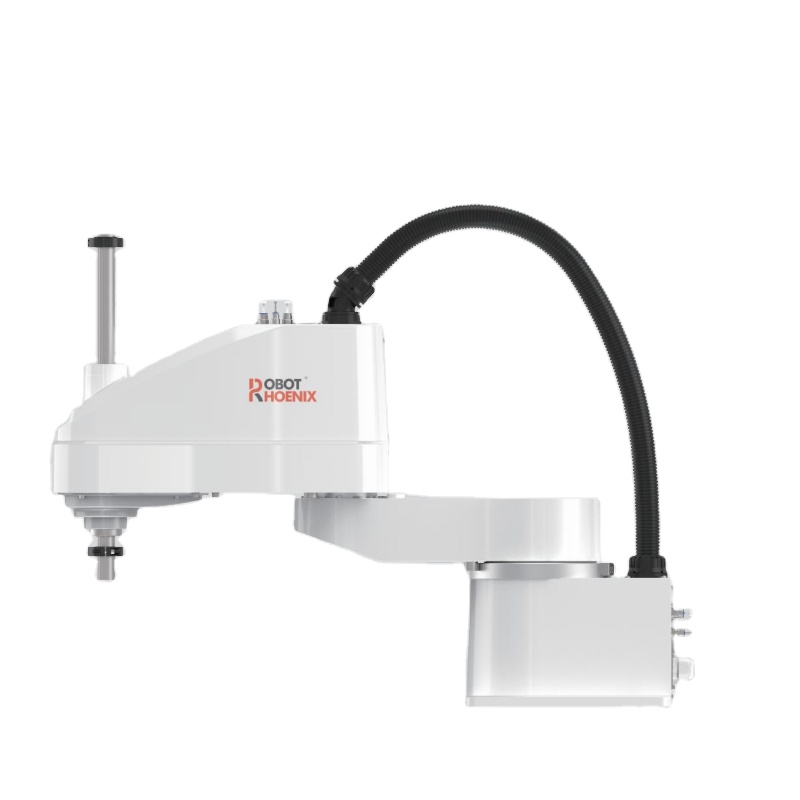
Advanced Industrial 4 Axis Robot SCARA Robot for Pick and Place in Food Industry Gripping
Suitable for Kawasaki food packaging cells, tray loading and hygienic line-side handling where fast planar motion matters.
View Product
High Performance Material Handling Vehicle AMR Robot AGV Robot for Warehouse Logistic System
A practical starting point for Kawasaki 3PL warehouses and factories moving totes, carts and pallet-related loads between zones.
View Product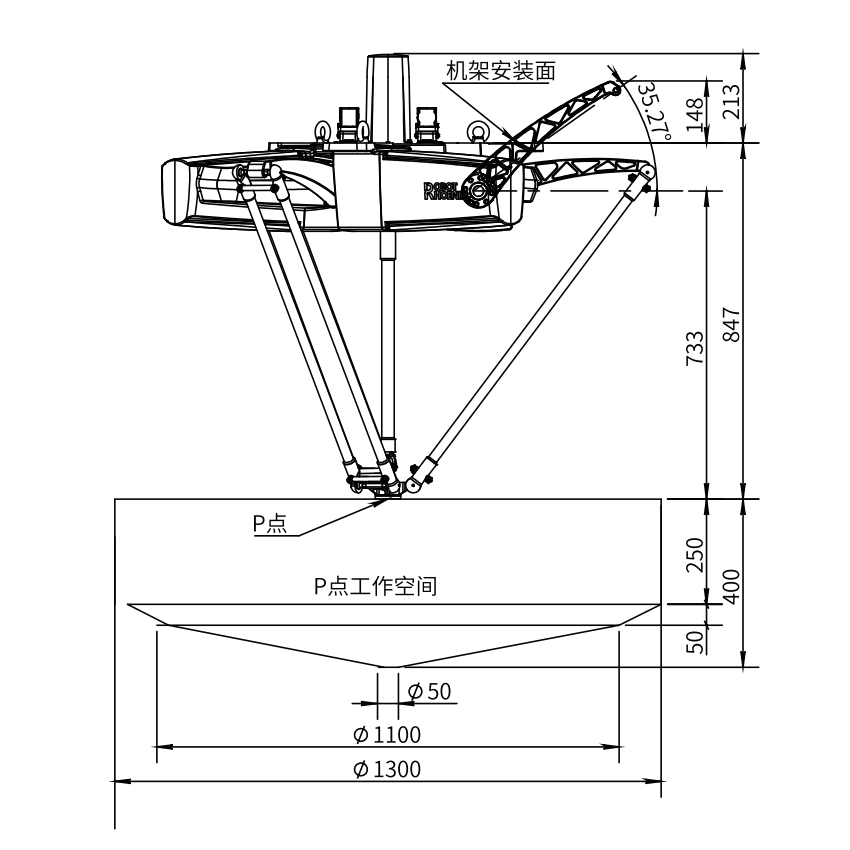
Industrial Robotic Arm Parallel Robot 2/3/4 Axis Delta Robot for Pick & Place Application
For high-speed picking above conveyors, sorting lines and packaging operations that feed Kawasaki palletizing or carton-packing cells.
View Product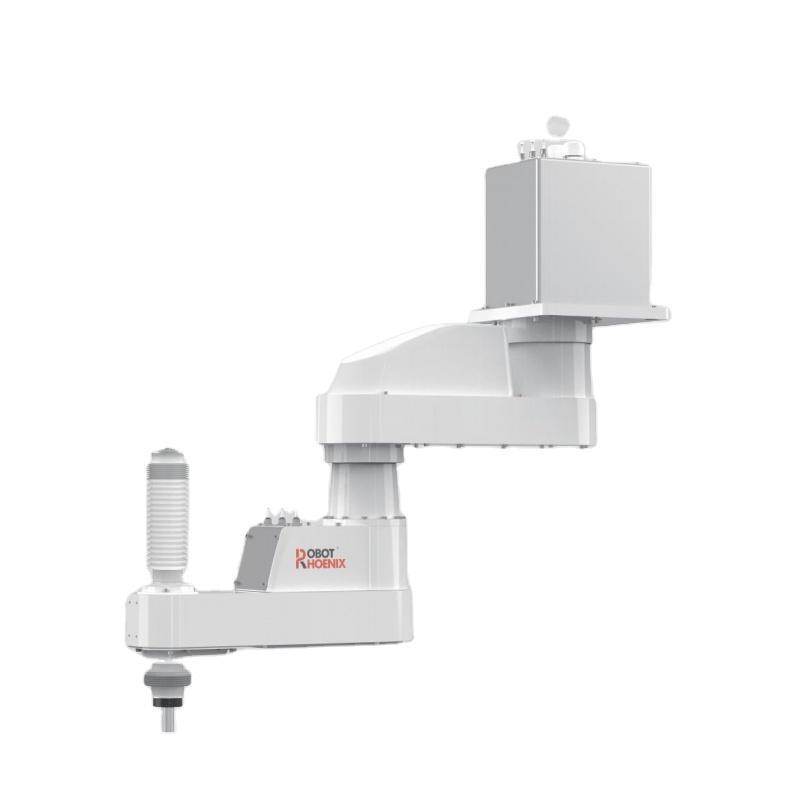
Compact Structure High Precision 550mm Reach Radius 3kg Payload 4-axis SCARA Robot
A compact option for Kawasaki electronics assembly and small-part placement where floor space is limited.
View Product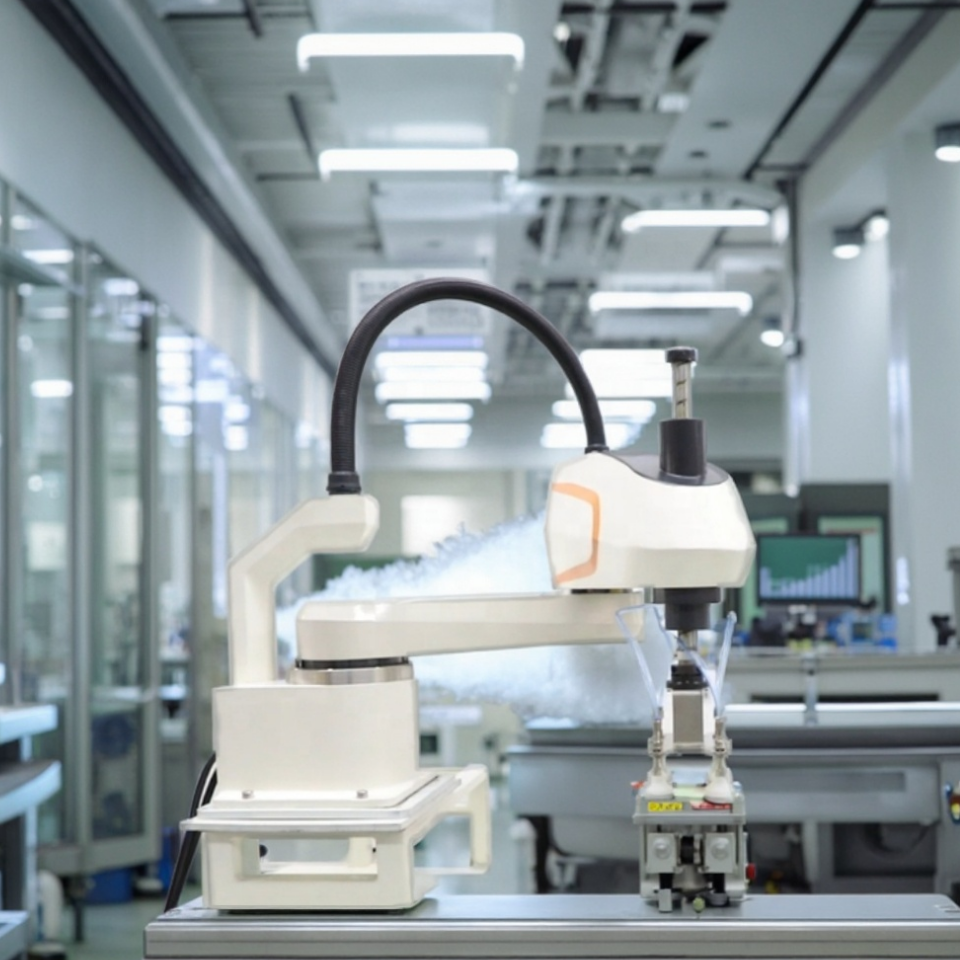
Industrial 4-Axis Robot Arm SCARA Robot Arm with Vision System for Auto Parts Industry
Useful for Kawasaki automotive parts suppliers that need vision-guided picking, orientation checks and repeatable insertion.
View Product
Newly Design Low Price Industrial Manipulator SCARA Robot Arm with Integrated Motor
A cost-controlled SCARA platform for Kawasaki machine builders validating a new cell before scaling to multiple lines.
View Product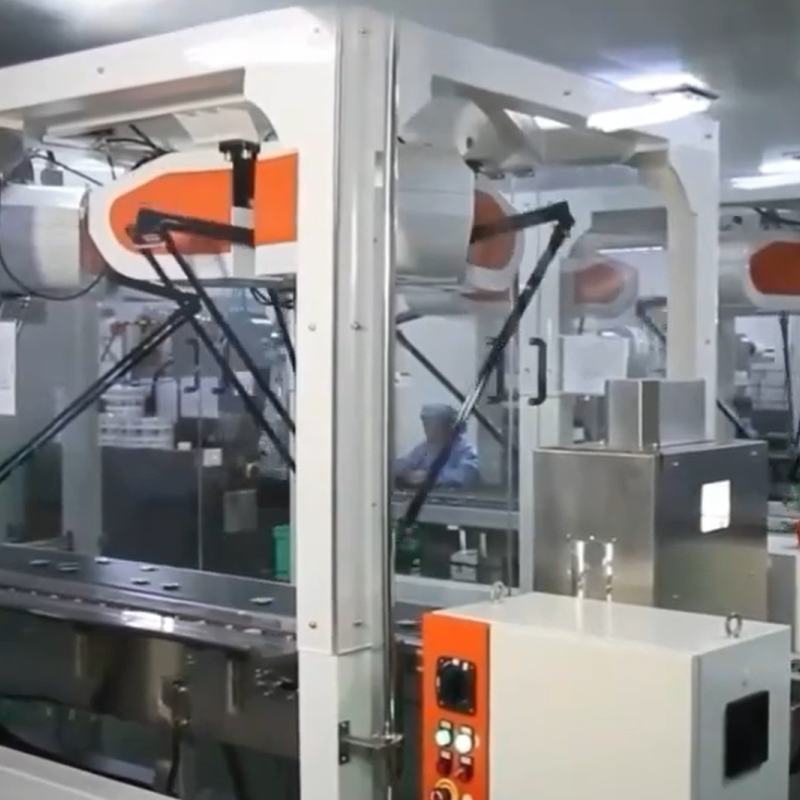
6kg Payload IP54 Protection Grade Pick Place Sorting Parallel Robot with Robot Gripper
A higher-protection delta robot for sorting and pick-place tasks where dust, splash or washdown planning is part of the Kawasaki project.
View Product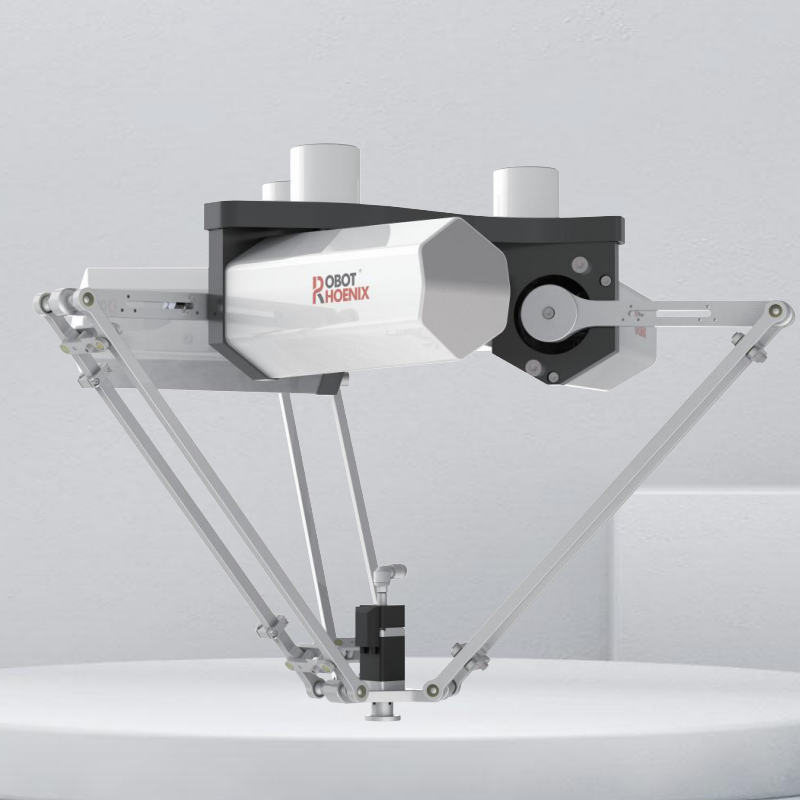
Robotphoenix New Design Industrial Robot Delta 6kg Payload 0.08mm Repeatability 2/3/4 Axis
A 6 kg delta robot with 0.08 mm repeatability for high-speed Kawasaki packaging, sorting and pick-and-place cells.
View ProductNeed a pallet transport robot plus conveyor, safety and WMS integration quoted as one project?
Get a QuoteWhy Pallet Transport Robots Are Becoming a Kawasaki Procurement Priority
Kawasaki is part of the Keihin industrial belt, a dense manufacturing and logistics corridor that links the Port of Kawasaki and Yokohama with factories, distribution centers, cold-chain facilities, electronics suppliers and automotive manufacturers across Kanagawa and greater Tokyo. For local operations, the challenge is rarely a shortage of storage space alone. The harder problem is moving pallets, carts and line-side materials reliably while experienced operators and truck drivers become harder to recruit.
The Japanese logistics sector is also adjusting to stricter working-hour expectations and the well-known “2024 problem” in trucking capacity. For Kawasaki buyers, this creates a clear business case for autonomous pallet transport, laser SLAM forklifts and AMR platforms that can run repetitive routes across shifts. However, a China factory quotation must be evaluated against local realities: 1,100 × 1,100 mm pallets, 200 V / 50 Hz power, narrow aisle widths, mixed forklift traffic, Wi-Fi coverage, fire-safety planning, seismic anchoring, coastal humidity and maintenance response. A robot that works on a showroom floor may still fail if these details are ignored.
- 1,100 mm and 1,200 mm pallet review
- 200 V / 50 Hz charger planning
- Narrow-aisle and mixed-traffic safety
- WMS / MES and PLC integration
- Coastal humidity and IP protection
- Spare parts and commissioning support
Kawasaki Deployment Scorecard
Use this early-stage weighting model to compare pallet transport robot options before the engineering design freeze. Adjust the weighting with your local integrator.
How to Match a Pallet Transport Robot to a Kawasaki Workflow
Pallet transport is not one single machine category. The correct choice depends on load weight, pallet type, route length, existing racking, floor conditions, human traffic and how the robot will receive tasks from your warehouse or production system.
Autonomous Forklift / Laser SLAM Forklift
Choose an autonomous forklift when Kawasaki operators already move pallets with counterbalance or reach trucks and the goal is to automate repetitive dock-to-rack or rack-to-line routes without rebuilding the floor. Confirm fork dimensions, pallet entry clearance, load center, overhead obstructions, pedestrian zones and the traffic rules shared with manual forklifts.
500 kg AMR Autonomous Carrier
Use a 500 kg AMR or pallet conveyor platform when the load is stable, the route is mapped and the operation needs frequent, predictable transport between warehouse zones, staging lanes and production lines. Laser SLAM navigation removes the need for fixed floor tape, which is valuable in Kawasaki facilities that change layouts as product mixes shift.
Compact Latent AGV / Low-Profile Platform
A compact latent AGV can be a strong fit where Kawasaki floor space is tight and carts or pallet carriers must be moved with a low-profile platform. Early layout checks should include aisle width, turning radius, floor gaps, elevator use, charger location and the method for manual recovery when a lane is blocked.
Delta & SCARA Robots for Pick-and-Place Support
Not every automation bottleneck is pallet movement. Kawasaki factories often need SCARA or delta robots to pick, orient, inspect and place products before a palletizer or after a conveyor. A combined proposal should define the handshake between mobile transport, conveyor buffers, vision systems, safety controls and the factory’s production schedule.
| Kawasaki Task | Recommended Platform | Technical Questions Before Quote | Why It Matters Locally |
|---|---|---|---|
| RouteDock-to-rack pallet moves | Autonomous forklift / Camel Series | Pallet size, fork clearance, load center, rack height, mixed traffic | Keeps existing racking and floor layout while reducing repetitive truck-to-rack travel. |
| FlowWarehouse-to-line transport | 400–500 kg AMR / AGV carrier | Route length, Wi-Fi coverage, chargers, WMS task dispatch | Supports frequent, predictable replenishment in Kawasaki distribution and production sites. |
| SpaceNarrow-aisle cart movement | Compact latent AGV | Aisle width, floor gaps, turning radius, elevator use, recovery plan | Works in older buildings where fixed conveyors or large forklifts are difficult to add. |
| LinePackaging and parts handling | Delta / SCARA robots | Cycle time, part weight, vision, gripper, PLC handshake | Improves line-side productivity before or after palletizing and shipping. |
Specifications are confirmed per configuration. For heavy or non-standard pallets, request an engineering review before assuming a standard model is suitable.
Where Pallet Transport Robots Create Value in Kawasaki
The strongest automation projects begin with a specific route, a measurable labor constraint and a clear safety boundary. These are the application patterns most often discussed by Kawasaki procurement and engineering teams.
Port-Linked Warehouses & 3PL
Kawasaki’s port and nearby Yokohama logistics clusters handle inbound pallets, cross-docking, storage and outbound dispatch. AMRs and autonomous forklifts can reduce walking distance and repeated forklift trips between receiving, staging and shipping lanes, especially when order profiles vary by shift.
Automotive & Heavy Parts
Kawasaki and the surrounding Kanagawa manufacturing base includes automotive and machinery suppliers. Transport robots can move kitted parts, returnable containers and pallet loads to line-side buffers. The key is to agree on load stability, fork entry, sequence accuracy and recovery procedures before the cell is built.
Food, Pharma & Cold Chain
Food and pharmaceutical operations require clean, repeatable handling and carefully selected surface materials. For Kawasaki sites, specify whether the robot will enter cold storage, washdown areas or dry rooms, and confirm IP protection, condensation risk, charger placement and emergency-stop accessibility.
Electronics & Precision Assembly
Electronics manufacturers in the Kawasaki–Tokyo Bay belt often need compact automation rather than large pallet systems. SCARA and delta robots can support tray handling, inspection, insertion and packing, while AMRs deliver material between clean areas and assembly cells.
What Kawasaki Buyers Should Watch in 2025 and Beyond
Automation decisions in Kawasaki are increasingly shaped by labor availability, logistics regulation, energy planning and the need to connect robots with existing warehouse and production systems.
Labor Shortage & Shift Stability
Kawasaki warehouses and factories face the same demographic pressure as the rest of Japan. Robots help stabilize repetitive transport tasks across shifts, but the business case must include operator training, route ownership and a maintenance plan, not just hardware payback.
WMS, MES & Fleet Integration
Buyers increasingly ask how a robot receives tasks, reports status and handles exceptions. A Kawasaki project should define API, Modbus TCP, OPC UA or digital I/O requirements early. Fleet management matters when multiple robots share elevators, doors, charging stations or congested aisles.
Safety, Coastal Climate & Resilience
Kawasaki’s coastal environment makes humidity, salt air and corrosion protection worth discussing. At the same time, safety laser scanners, bumpers, emergency stops, zone control and a documented risk assessment are essential for shared human–robot traffic. Seismic anchoring and charger placement should be part of the layout review.
| Kawasaki Checkpoint | What to Specify | Information Gain for Your Project |
|---|---|---|
| PowerElectrical supply | 200 V three-phase, 50 Hz, charger rating, cable route | Eastern Japan uses 50 Hz; confirm the charger and control cabinet configuration before shipment rather than after arrival. |
| PalletLoad standard | 1,100 × 1,100 mm, 1,200 × 1,000 mm, plastic or wood, load center | A robot rated by weight alone may still fail if the pallet overhangs or the load center is too far from the fork face. |
| FloorNavigation quality | Expansion joints, slopes, reflective surfaces, floor flatness | Laser SLAM depends on stable scan geometry; floor transitions should be reviewed before route mapping. |
| SafetyShared traffic | Pedestrian zones, forklift crossings, door interlocks, e-stops | Risk assessment should be agreed with the local site team and reflected in robot speed zones and warning lights. |
| ServiceAfter-sales plan | Spare parts list, remote diagnosis, training, response target | Kawasaki buyers should know the difference between remote engineering support and on-site commissioning support before placing an order. |
Why JORI Is a Credible China Factory & Export Partner for Kawasaki Projects
For overseas buyers, supplier credibility is not a slogan. It is a combination of in-house engineering, verifiable quality management, clear export terms and the ability to support a single pilot cell before scaling to a full fleet.
In-House R&D Since 2012
JORI Intelligent Technology Co., Ltd. was founded in 2012 in Jinan, Shandong, a robotics hub in China. The company develops delta robots, SCARA robots, AGV/AMR platforms, autonomous forklifts, wafer-handling robots, controllers and 2D/3D vision in-house, supported by national patents.
ISO 9001 & Onsite-Verified Factory
The factory operates under an ISO 9001 quality management system, with documented inspection from components to final robot run-in testing. The company profile is also supported by third-party onsite verification, credit records, trade capacity and transaction information that buyers can review before purchase.
OEM, Design & System Integration
JORI provides OEM service, design service and buyer-label options, and supports machine builders with custom end-effectors, controller integration and automated system integration. This is especially useful for Kawasaki integrators that need a robot platform adapted to an existing packaging, assembly or logistics line.
Export Terms & Fast Response
Standard models can be ordered from one set, so a Kawasaki buyer can validate a pilot cell before scaling up. Accepted delivery terms include FOB, CFR, CIF, EXW, CIP, FCA, CPT and express delivery. Payment options include T/T, L/C, credit card, PayPal, Western Union, MoneyGram and escrow, with currencies such as USD, EUR, GBP, JPY and CNY. The team maintains an average response time of two hours or less and a 97.06% response rate.
Questions Local Buyers Ask Before Importing Pallet Transport Robots from China
These answers focus on the practical issues that appear in Kawasaki sourcing reviews: pallet compatibility, power supply, safety, integration, payment and after-sales support.
Can a China factory export a pallet transport robot directly to Kawasaki?
Yes, subject to the agreed Incoterm and the buyer’s import arrangements. JORI supports delivery terms including FOB, CFR, CIF, EXW, CIP, FCA, CPT and express delivery. Kawasaki buyers normally nominate a freight forwarder and customs broker, while the factory prepares commercial documents, packing information and the technical documentation required for the shipment. For Kawasaki and Yokohama port arrival, clarify who handles import duty, port charges, delivery to site and unpacking.
Which robot is suitable for 1,100 × 1,100 mm pallets in a Kawasaki warehouse?
Start with the load weight, load center, pallet material and racking interface. An autonomous forklift is often preferred when the site wants to keep existing pallets and racking, while a 400–500 kg AMR carrier can be suitable for stable, conveyor-based pallet flow. A compact latent AGV may fit narrow-aisle cart movement. Do not select a model by payload alone; share pallet drawings, aisle widths, floor conditions and photos of the route for an engineering review.
Do JORI robots work with 200 V / 50 Hz power in Kawasaki?
The electrical configuration must be confirmed for each project. Kawasaki is in eastern Japan, where 50 Hz supply is standard, and industrial sites commonly discuss 200 V three-phase power. Provide the exact voltage, phase, breaker capacity, charger location and grounding requirements during quotation so the charger, control cabinet and safety circuit are configured correctly before shipment.
Can the robot connect to our WMS, MES or existing packaging line?
Integration requirements should be defined early. JORI develops its own controllers and 2D/3D vision and offers PLC-ready robot options for packaging and cartoning machinery. For a Kawasaki project, specify whether the factory needs API, Modbus TCP, OPC UA, digital I/O or another interface, and identify who will own the fleet manager, WMS handshake, safety PLC and exception workflow.
What is the minimum order quantity for a pilot project?
Standard delta robots, SCARA robots and AMR/AGV platforms can be ordered from one set. This allows a Kawasaki buyer to validate a single route, cell or packaging line before committing to a larger fleet. For OEM customization, custom end-effectors or full system integration, the scope and engineering review will determine the appropriate project structure.
How should we plan safety for shared human and forklift traffic?
Use a site-specific risk assessment. Typical topics include safety laser scanners, bumpers, emergency stops, warning lights, speed zones, pedestrian crossings, door interlocks, blind corners and a manual recovery procedure. Kawasaki sites with mixed manual forklifts require clear traffic rules and operator training. The final safety concept should be reviewed with the local integrator and facility management team.
What after-sales support is available after delivery to Kawasaki?
Support can include remote diagnosis, commissioning guidance, operator training materials, spare-parts recommendations and engineering documentation. Before ordering, agree on the response target, spare-parts list, warranty terms and whether on-site support will be provided by the factory team, a local partner or the buyer’s integrator. This avoids confusion when production needs a fast answer.
Which payment methods and currencies are accepted?
Accepted payment methods include T/T, L/C, credit card, PayPal, Western Union, MoneyGram and escrow. Currencies include USD, EUR, GBP, JPY, CAD, AUD, HKD, CHF and CNY. Delivery and payment terms are confirmed in the quotation, especially for projects that include custom grippers, chargers, safety components or integration services.
Request a Kawasaki-Specific Pallet Transport Robot Proposal
Send your pallet dimensions, load weight, route layout, aisle width, 200 V / 50 Hz power details, WMS or PLC requirements and target cycle time. Our engineers will help shortlist the right AMR, AGV, autonomous forklift, SCARA or delta robot configuration and prepare a quotation for a single pilot unit or a scalable fleet.