8 Vision-Ready Robot Systems for Frankfurt Buyers
Choosing an industrial vision system supplier in Frankfurt is not only a camera decision. Robot geometry, controller architecture, vision tolerance and integration responsibility must line up. The eight systems below are practical starting points for Rhine-Main projects; product URLs are preserved, and final payload, repeatability and protection ratings are confirmed per quotation.
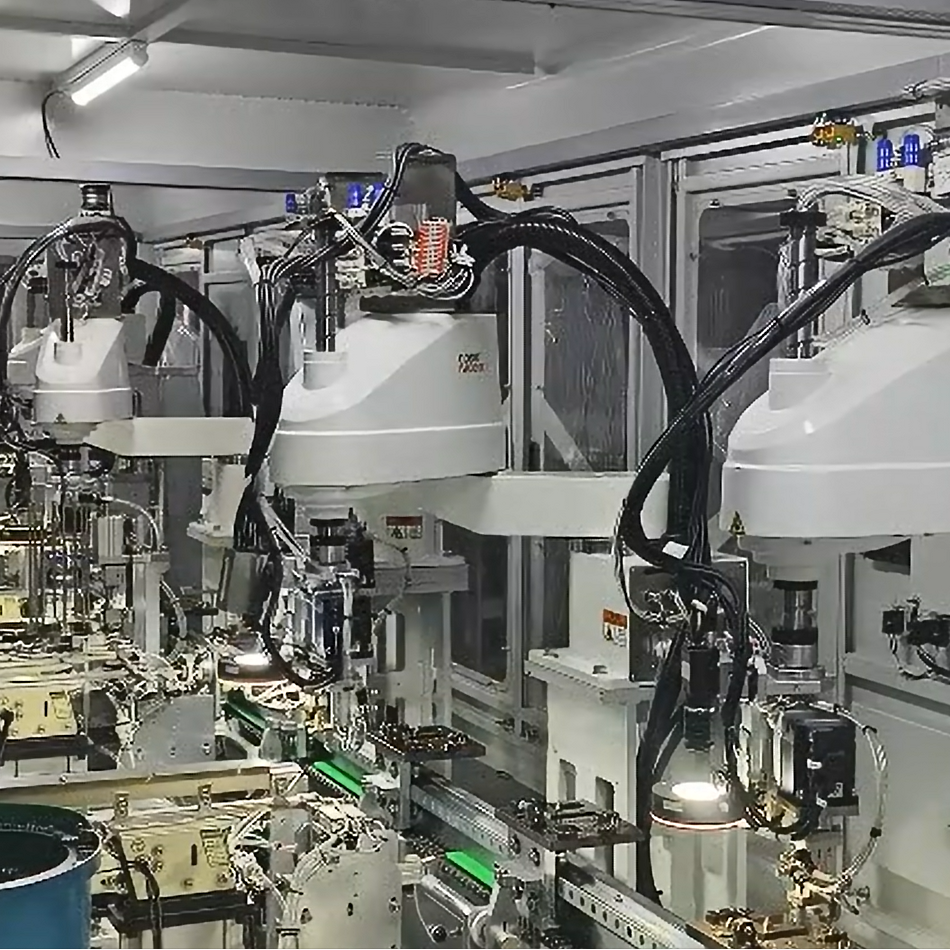
High Quality Mini Industrial Robot Scara for Pick and Place at Low Cost-New Condition
Frankfurt fit: compact, cost-controlled pick-and-place for small assembly cells and pilot lines in Offenbach or Hanau.
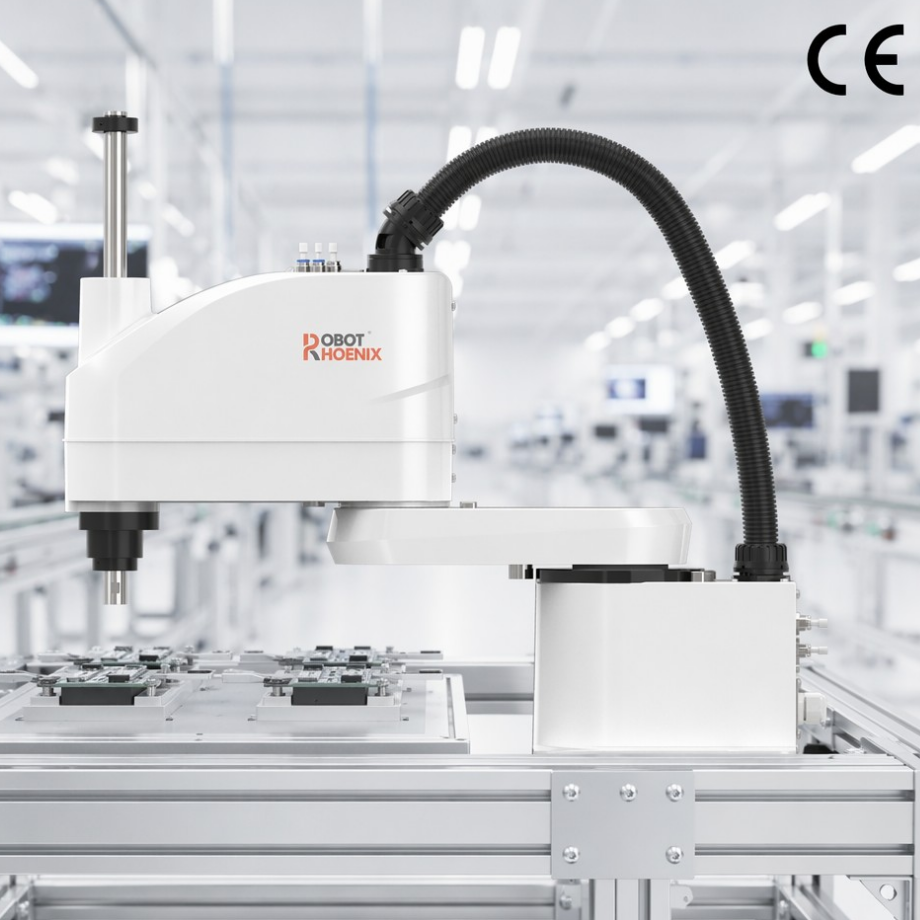
New Design Compact High Accuracy Industrial Robot Arm Scara with 2D/3D Vision System
Frankfurt fit: 2D/3D vision-ready SCARA for inspection-linked assembly and precision placement.
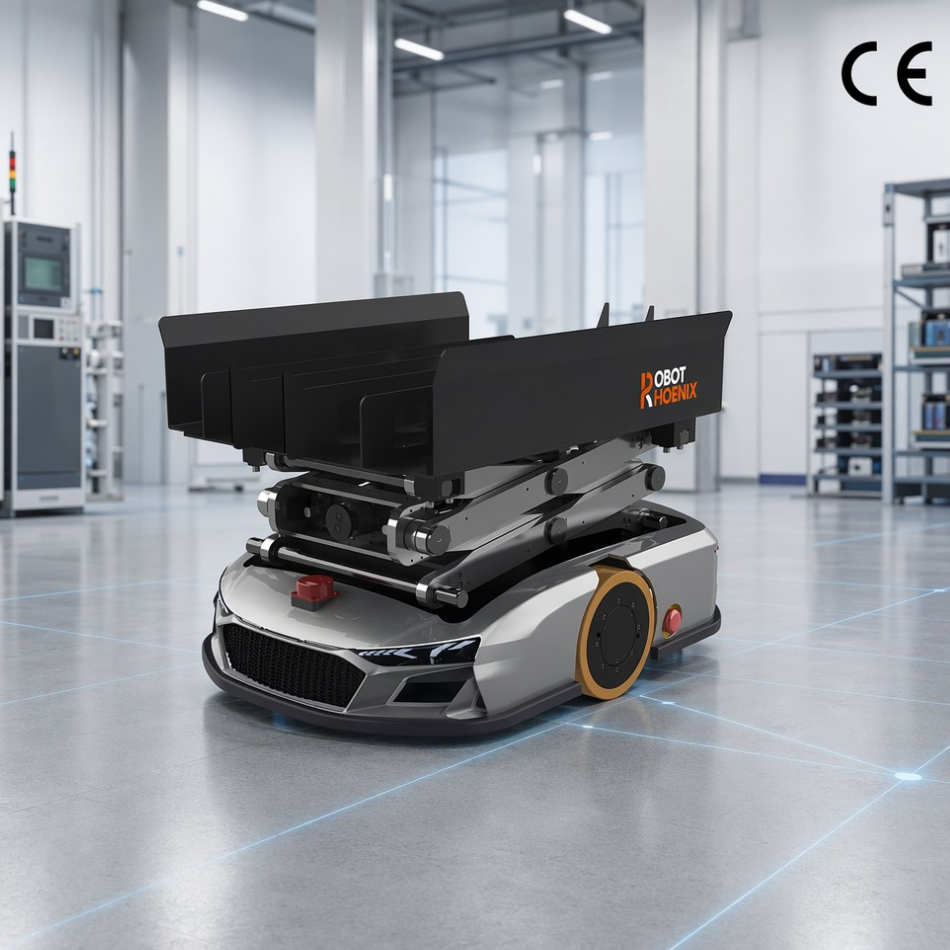
High Performance Material Handling Verhicel AMR Robot AGV Robot for Warehouse Logistic System
Frankfurt fit: material handling AMR for warehouse, line-side replenishment and airport-logistics-style flows.
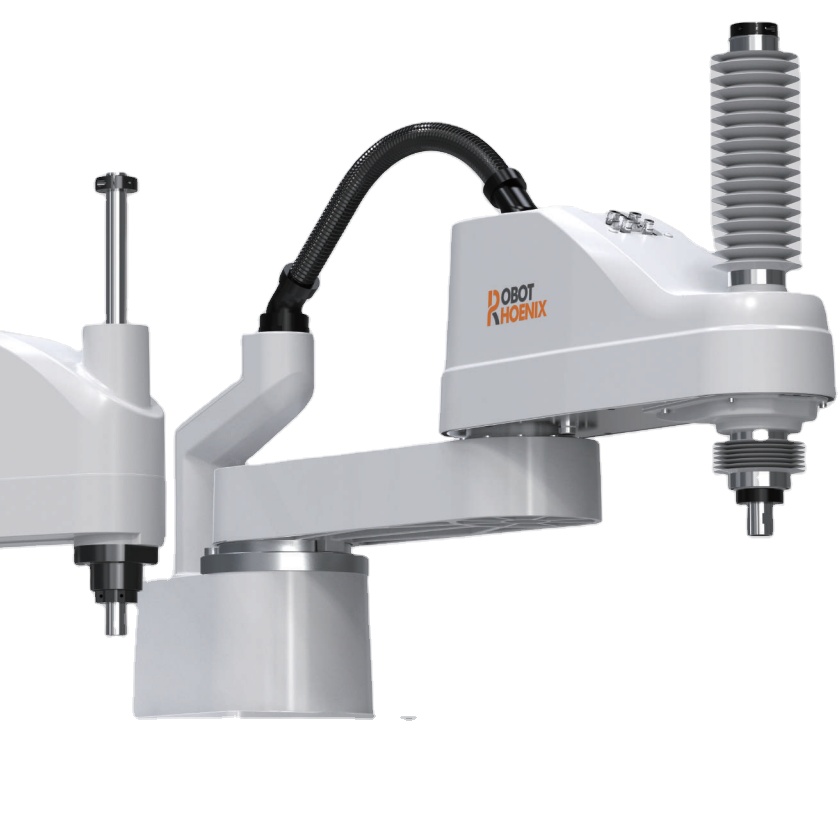
High-Precise Industrial Scara Robot Arm Scara Robot for Pick and Place in Light Industry
Frankfurt fit: repeatable planar handling for electronics-adjacent production and light industry.
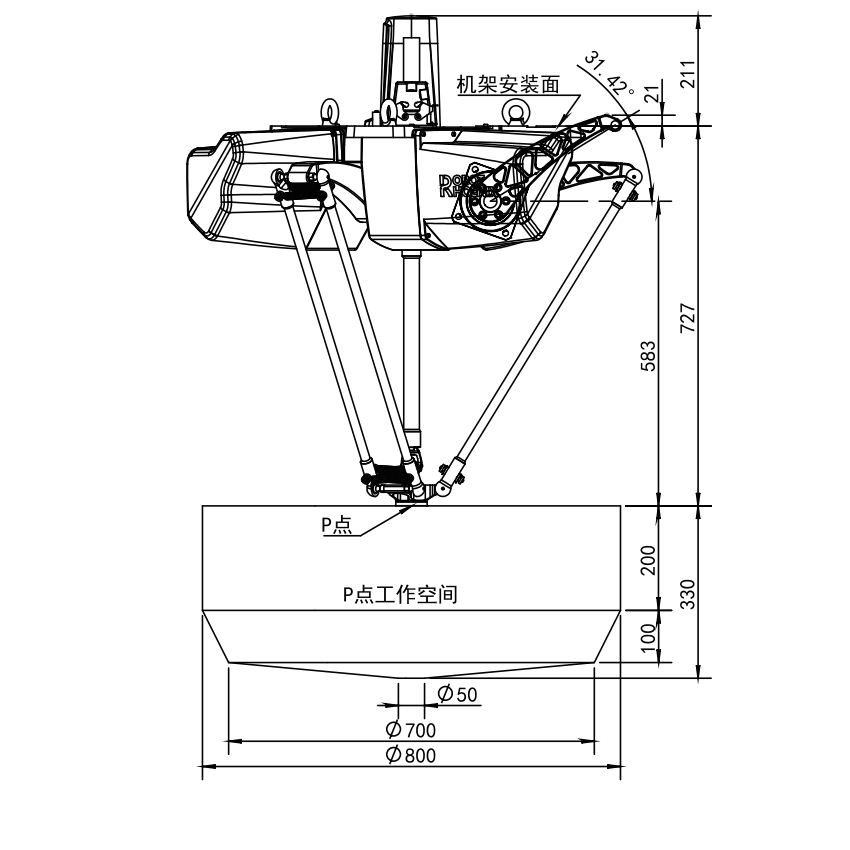
Industrial Delta Robot High Efficiency Parallel Robot for Goods Picking Placing Sorting
Frankfurt fit: high-speed sorting for food, pharma packaging and batch-handling lines.

High Speed 3kg Load Industrial Delta Robot Arm with IP54 Protection for Robotic Pick& Place
Frankfurt fit: 3 kg delta protection for dusty or washdown-adjacent packaging areas; confirm final IP scope.
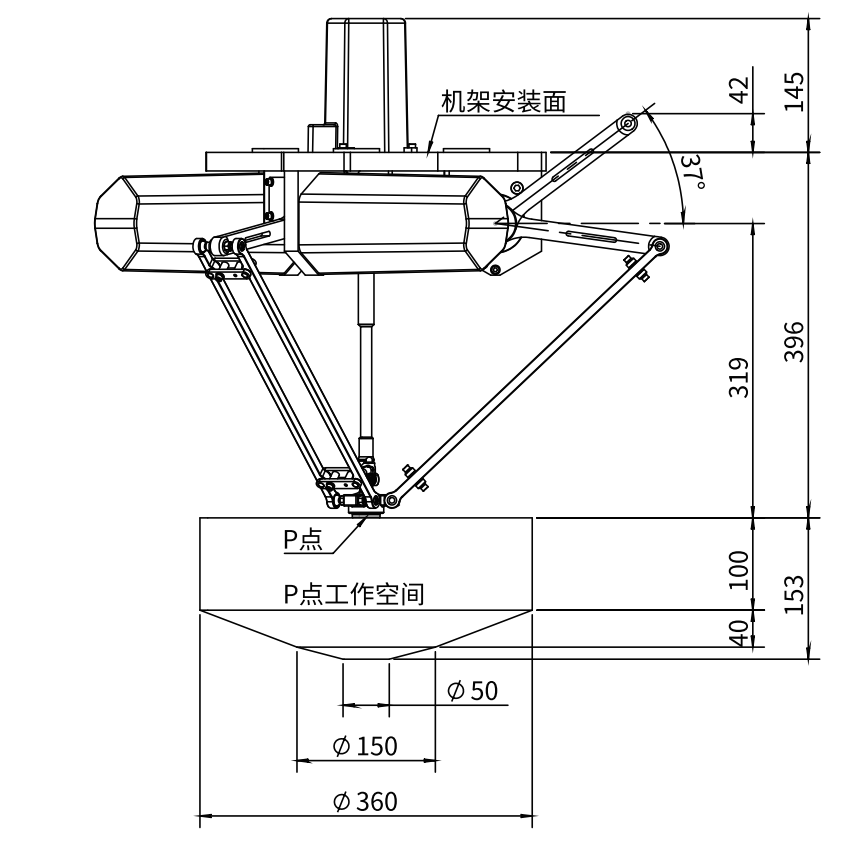
Hot Selling Parallel Robot Delta Industrial Robot Arm for Material Gripping Sorting
Frankfurt fit: parallel robot for material gripping and sorting where fast vision-guided picks matter.
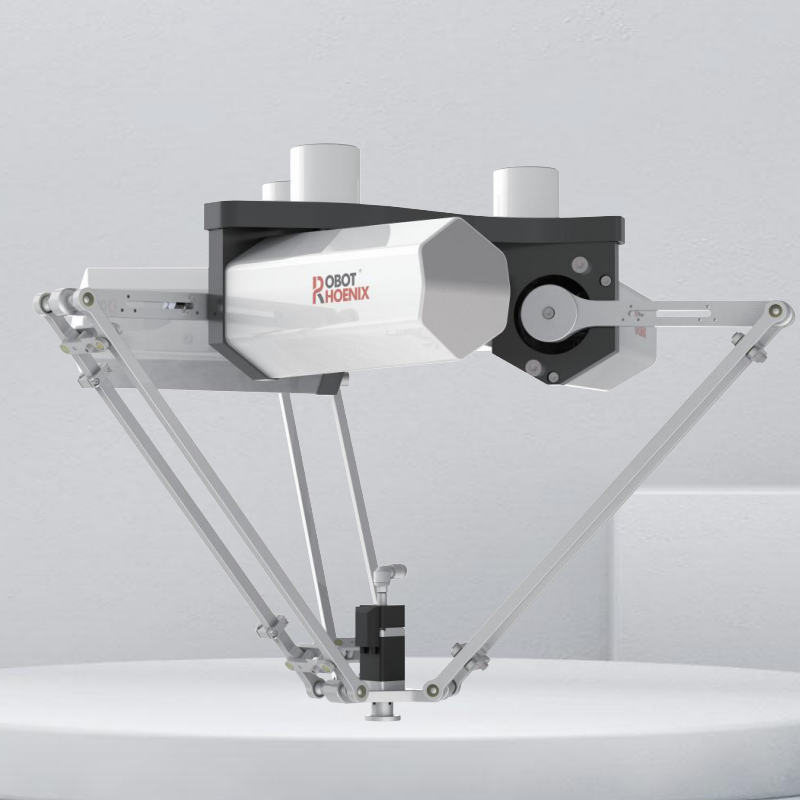
Robotphoenix New Design Industrial Robot Delta 6kg Payload 0.08mm Repeatability 2/3/4 Axis
Frankfurt fit: 6 kg delta with 0.08 mm repeatability for higher-payload packaging and multi-axis tasks.
Product figures reflect catalogue models. Final configuration, cycle time, vision accuracy and protection rating must be confirmed against your Frankfurt line layout, product samples and acceptance criteria.
Why Frankfurt and the Rhine-Main Region Need Vision-Guided Industrial Robots
Frankfurt is not only a financial centre. The Rhine-Main region is a dense production and logistics ecosystem: pharmaceutical and life-science suppliers around Darmstadt and Wiesbaden, automotive and EV component makers, packaging and consumer-goods plants, electronics assembly, and air-cargo-driven intralogistics around Frankfurt Airport. For these buyers, a robot cell is judged by three numbers: cycle time at the conveyor, first-pass yield after vision guidance, and changeover time between SKUs.
JORI Intelligent Technology Co., Ltd. was founded in 2012 in Jinan, Shandong, China. We develop the robot arm, controller, 2D/3D vision and system integration in-house, protected by national patents. That matters in Frankfurt procurement because vision-guided picking fails when the camera, robot and controller are purchased from three suppliers with no single owner. JORI provides one accountable source for hardware, software and after-sales engineering.
Unlike a pure camera reseller, JORI builds delta, SCARA, AMR/AGV, autonomous forklift and wafer robots. The vision stack is used to guide motion, not just to display an image. A Frankfurt buyer can therefore evaluate the arm, controller, vision and end-effector strategy as one package.
Local insight: in dense Rhein-Main industrial parks, footprint and operator access often matter as much as speed. A compact SCARA cell or a 400–500 kg AMR may create more value than a larger machine that blocks aisles, safety zones or maintenance access.
- In-house controller + 2D/3D vision
- Original factory for delta, SCARA & AMR
- ISO 9001 quality management
- OEM, design & buyer-label support
What Frankfurt Buyers Compare Before Shortlisting
- Vision tolerance against real part variation, not catalogue images.
- Robot cycle time at conveyor speed with reject handling.
- Footprint, safety distance and operator access in tight buildings.
- One owner for arm, controller, vision and integration interfaces.
- Spare parts, documentation and escalation path after commissioning.
Where Industrial Vision Systems Create Value in Frankfurt
Frankfurt-area buyers rarely need a robot in isolation. They need a reliable answer for a specific station: pick, inspect, place, sort, assemble, transport or trace.
Automotive & EV Suppliers
Vision-guided SCARA and delta systems for small components, connectors, inspection and kitting where repeatability and traceability matter across shifts.
Pharma & Life Sciences
Blister, vial, carton and packaging handling with repeatable motion. Frankfurt procurement teams usually ask for documented specifications and clear acceptance criteria.
Logistics & Airport Flows
Laser SLAM AMR/AGV platforms and autonomous forklifts for 24/7 material movement, line-side replenishment and multi-robot fleet coordination.
Food & Consumer Packaging
High-speed delta robots for picking, sorting, cartoning and labeling. IP54 options and vision guidance help handle product variation at conveyor speed.
Electronics & Precision Assembly
Compact SCARA cells for insertion, placement, screwdriving support and inspection-linked handling in space-constrained production buildings.
Quality Inspection & Traceability
Vision systems can confirm presence, orientation, position and basic defects before pick or placement, reducing rework and supporting serialized production.
Frankfurt Automation Trends Reshaping Industrial Vision Projects
Frankfurt buyers are not only replacing labour. They are redesigning cells for flexibility, traceability and supplier accountability.
Vision-first specification
2D/3D vision is increasingly written into the RFQ as a performance requirement — field of view, lighting, cycle time and reject logic — not as an optional camera add-on.
AMR + vision convergence
Mobile robots are being linked with vision for docking, load confirmation and inspection at pick-up points, especially around warehouse and airport-linked logistics.
Compact automation in dense sites
Rhein-Main facilities often have limited floor space. Mini SCARA, 3 kg delta and low-profile AMR platforms help fit automation into existing aisles and buildings.
Supplier consolidation
Procurement teams prefer fewer technical owners. A supplier that controls arm, controller, vision and OEM integration reduces finger-pointing when a cell misses cycle time.

Why JORI Is a Practical Partner for Frankfurt Buyers
JORI Intelligent Technology Co., Ltd. is a high-tech manufacturer specialising in industrial robot R&D and production, controller and 2D/3D vision development, OEM support and automated system integration. Since 2012, the company has built a product portfolio spanning delta parallel robots, SCARA robots, AGV/AMR mobile robots, autonomous forklifts and silicon wafer handling robots.
For Frankfurt projects, the value is not only factory-direct pricing. It is the ability to discuss the robot, controller, vision, end-effector and integration interfaces in one engineering conversation — before a purchase order locks the wrong architecture into your line.
In-house technology
Robot arm, controller and 2D/3D vision developed under one engineering system, supported by national patents.
Original factory
Not a reseller chain: delta, SCARA, AMR/AGV, forklift and wafer robot families are manufactured as an original factory.
ISO 9001 quality
Documented quality management from component inspection to final robot run-in testing.
OEM & buyer label
OEM service, design service and buyer-label options for machine builders and integrators.
One-stop integration
Custom end-effectors, controller integration, PLC-ready delta robots and automated system integration support.
Export responsiveness
MOQ from 1 set, 10+ years serving overseas markets and an average response time of 2 hours or less.
What Frankfurt Procurement Teams Usually Verify Before Ordering
Good technical conversations in Frankfurt start with the cell, not the brochure. Use this checklist to compare industrial vision system suppliers and exporters on equal terms.
Validate the vision task with real samples
Share part photos, material finish, incoming orientation, conveyor speed, lighting conditions and allowable false-reject rate. Ask the supplier to define the field of view and cycle-time assumptions behind the quotation.
Confirm documentation and EU responsibility
Clarify who owns CE marking, risk assessment, electrical drawings, safety validation and the machine-level documentation package. Component certificates alone do not make a complete cell compliant.
Plan the complete cell and lifecycle
Include end-effector design, PLC interface, conveyor triggers, reject logic, spare parts, operator training and escalation paths for Frankfurt commissioning and maintenance.
Frequently Asked Questions from Frankfurt Buyers
Direct answers for procurement, engineering and system-integration teams comparing industrial vision system suppliers and exporters serving Frankfurt.
What is the minimum order quantity for JORI industrial robots?
Does JORI offer OEM or custom vision-guided robot solutions?
Should Frankfurt buyers choose a delta robot or a SCARA robot?
Which delivery and payment terms are accepted?
Can JORI robots integrate with existing packaging machines?
How should Frankfurt buyers handle CE, safety and local commissioning?
How quickly will a Frankfurt buyer receive a reply?
Request a Vision-Guided Robot Proposal for Frankfurt
Send product photos, cycle-time targets, conveyor speed, available footprint and inspection tolerance. JORI engineers will evaluate the right delta, SCARA or AMR platform with controller and 2D/3D vision scope, then respond within two hours on average.