Logistics AMR Manufacturers & Suppliers in the Tokyo Market
A procurement-led guide for warehouse operators, 3PL providers and system integrators evaluating autonomous mobile robots, laser SLAM AGVs, SCARA and delta robots in Greater Tokyo.
Factory-direct since 2012 · MOQ 1 set · ISO 9001 · ≤2h average responseWhat Tokyo Buyers Really Evaluate Before Shortlisting an AMR Supplier
Tokyo is not a single warehouse market. It is a dense network of urban fulfilment centres, port-linked distribution sites, 3PL hubs and high-mix production plants across Tokyo, Kanagawa, Saitama and Chiba. For procurement teams, a logistics AMR is therefore not a stand-alone machine purchase. It is a decision about labour stability, floor-space efficiency, safety, WMS integration and engineering support after go-live.
The most reliable supplier shortlists are built around evidence: factory ownership, controller capability, installed references, spare-parts planning and clear acceptance criteria. JORI’s position in this market is straightforward: factory-direct delta robots, SCARA robots, laser SLAM AMR/AGV platforms, autonomous forklifts, wafer-handling robots, in-house controllers and 2D/3D vision, supported by ISO 9001 quality management and an export team used to working with integrators and machine builders.
Buyers comparing logistics AMR manufacturers and suppliers in Tokyo should ask three questions before requesting a quote. First, can the supplier prove in-house engineering rather than reseller assembly? Second, can the robot operate in a compact, mixed-traffic environment without new floor infrastructure? Third, can the supplier support a phased rollout—one cell or one route first, then fleet expansion—without changing the control architecture? This guide answers those questions with product examples, local application scenarios, procurement FAQs and a practical RFQ checklist.
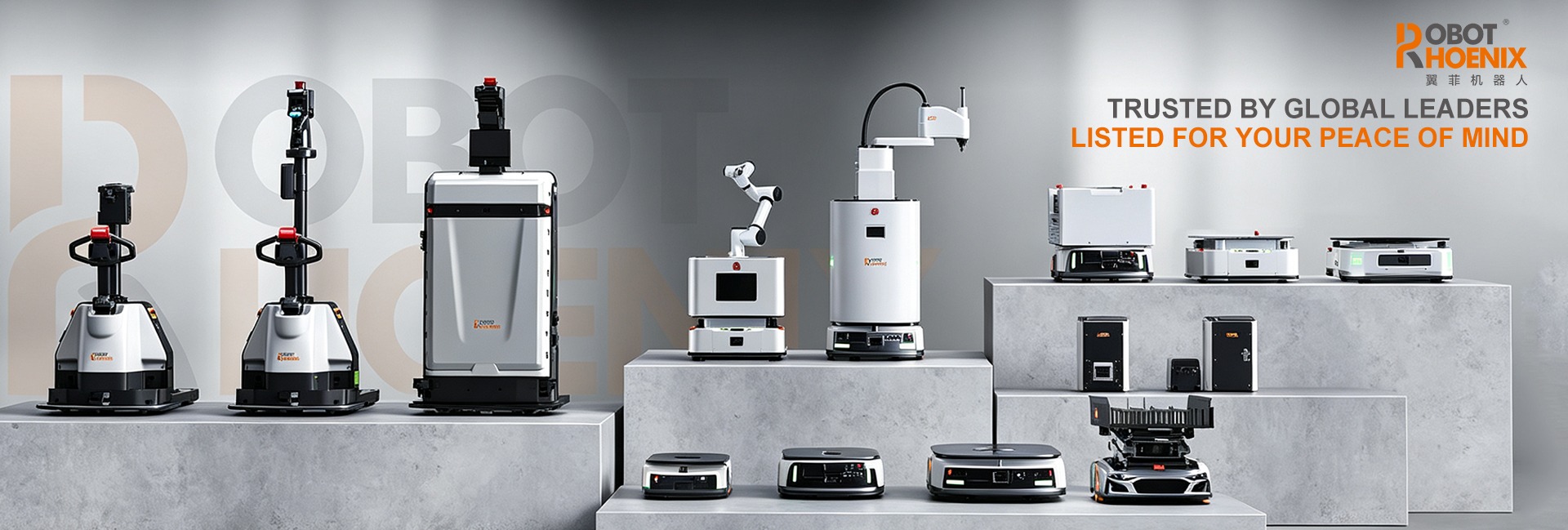
Eight Logistics, AMR and Precision Robots for Tokyo Automation Projects
The products below cover material transport, picking, sorting, assembly and precision handling. For a Tokyo site, start with the material flow, payload, cycle time and handover point—then select the robot family. All product URLs below are preserved from the supplier catalogue.
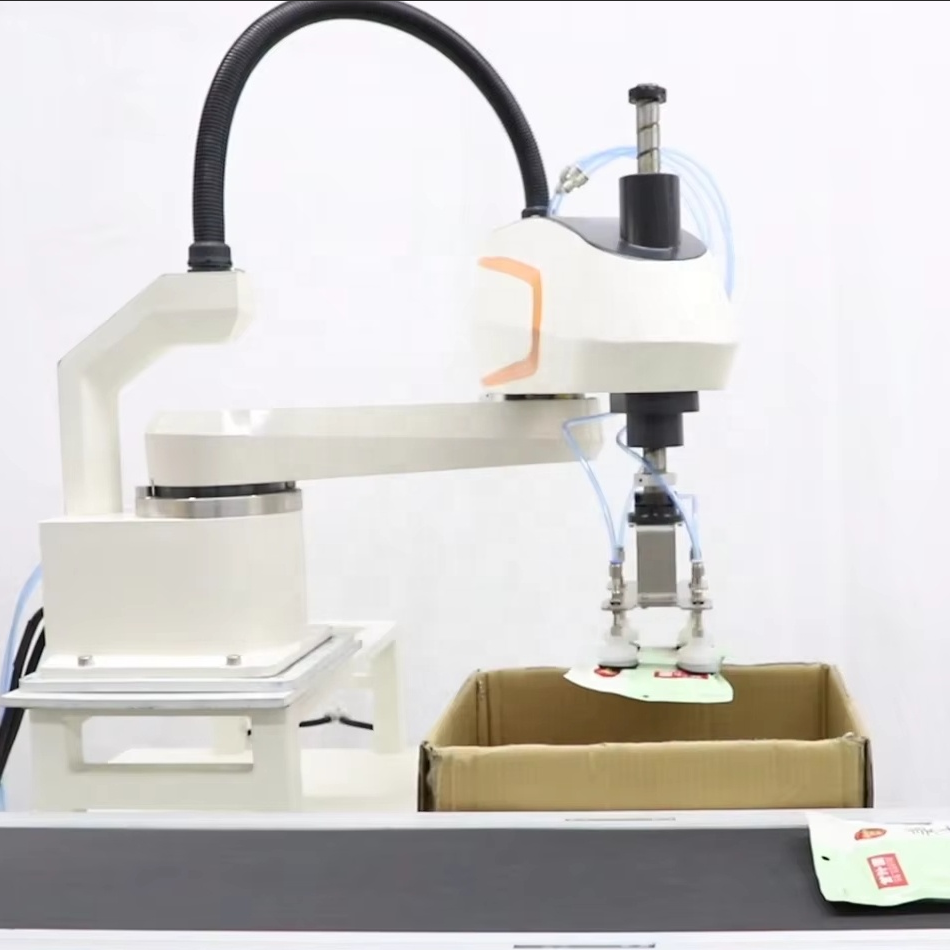
Newly Design Industrial Articulated Robotic Arm Scara for Precision Assembly & Handling
Suited to compact precision-assembly cells, part placement and repetitive handling where repeatability matters more than long travel distance.

High Performance Material Handling Verhicel AMR Robot AGV Robot for Warehouse Logistic System
For tote, cart and material movement between receiving, storage, picking and dispatch zones in Tokyo warehouses and 3PL sites.
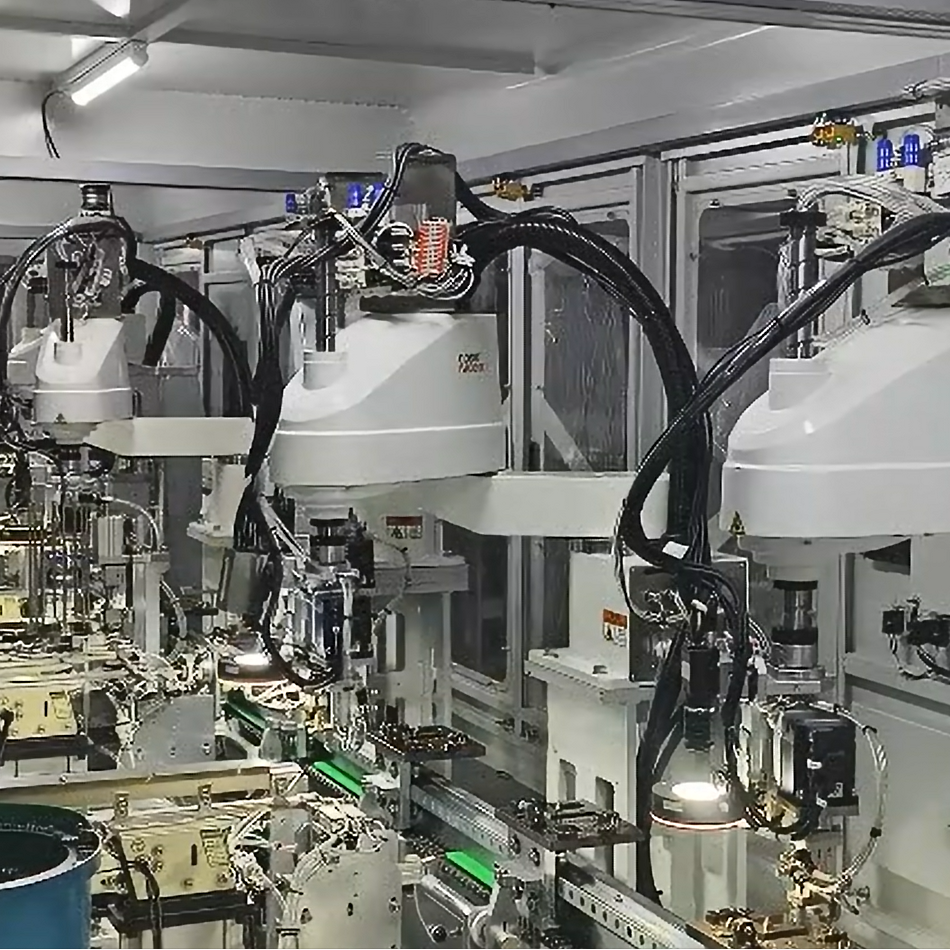
High Quality Mini Industrial Robot Scara for Pick and Place at Low Cost-New Condition
A cost-sensitive entry point for small pick-and-place cells, laboratory automation and compact assembly stations with limited floor space.
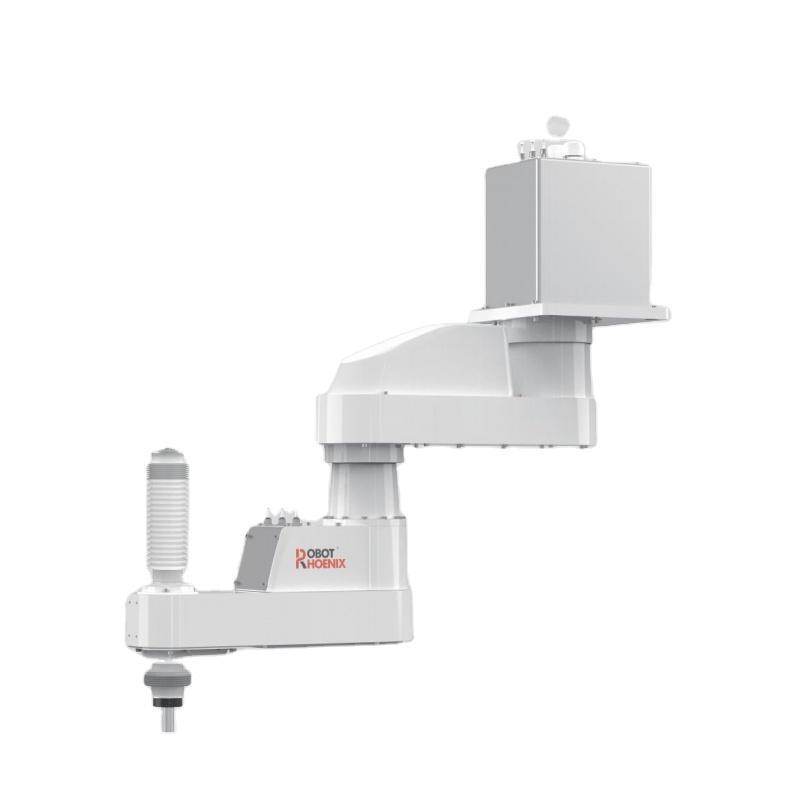
Compact Structure High Precision 550mm Reach Radius 3kg Payload 4-axis SCARA Robot
Balanced reach and payload for electronics, small parts and benchtop automation where a 550 mm working radius fits the cell layout.
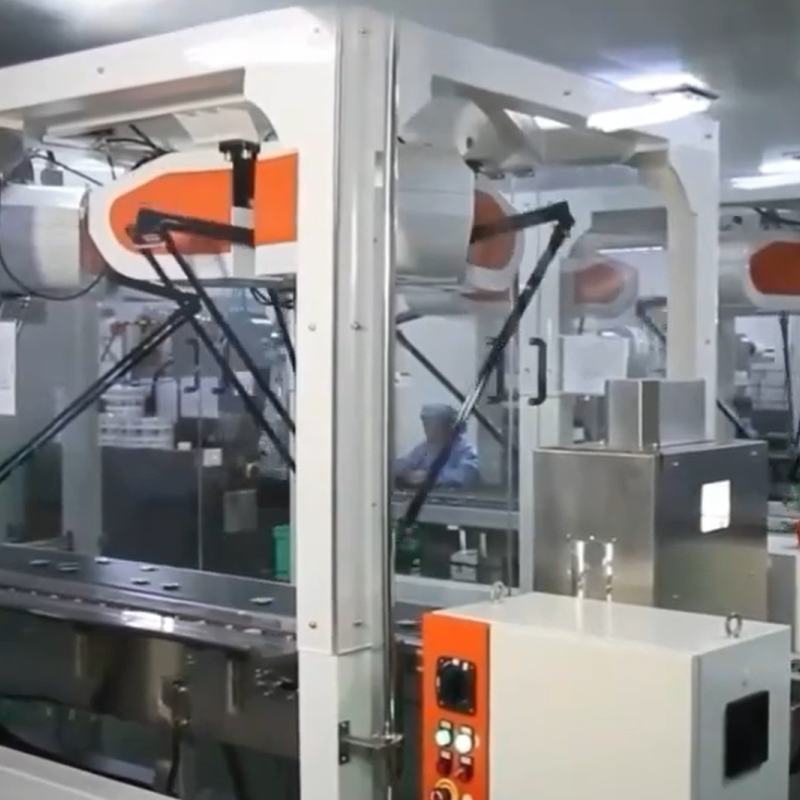
6kg Payload IP54 Protection Grade Pick Place Sorting Parallel Robot with Robot Gripper
IP54 protection and 6 kg payload support food, daily-chemical and packaging environments where washdown and dust protection are evaluated.
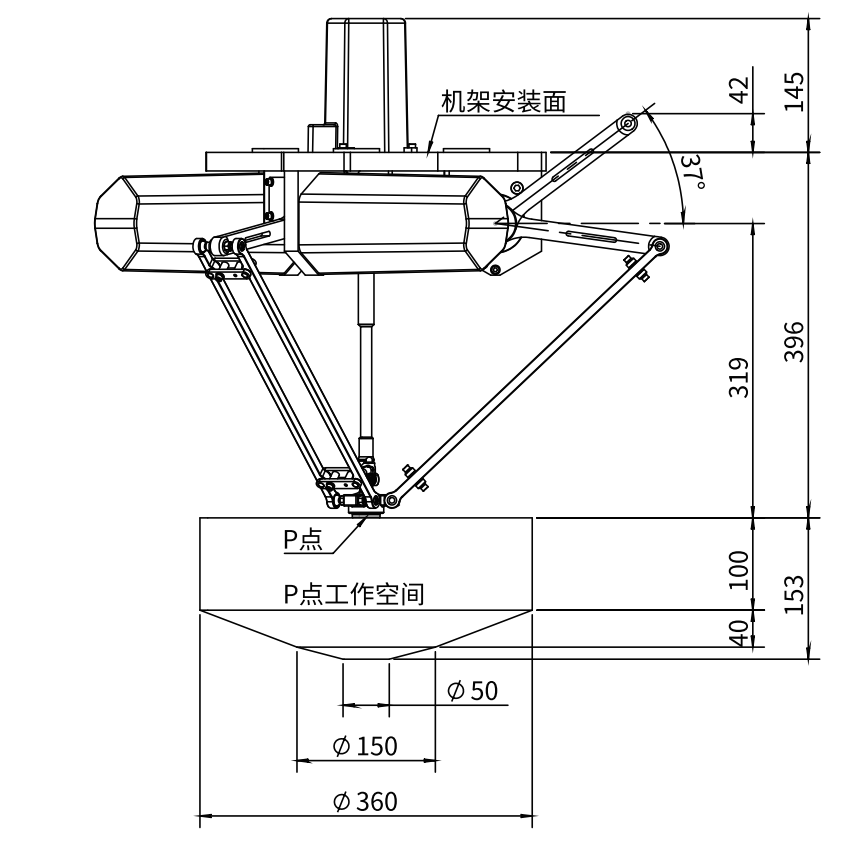
Hot Selling Parallel Robot Delta Industrial Robot Arm for Material Gripping Sorting
High-speed gripping and sorting for conveyor-based lines, with vision-ready integration for random-orientation products.

Newly Design Low Price Industrial Manipulator Scara Robot Arm with Integrated Motor
Integrated-motor design reduces cabinet complexity and cabling, making it easier to fit into compact machine-building and assembly projects.
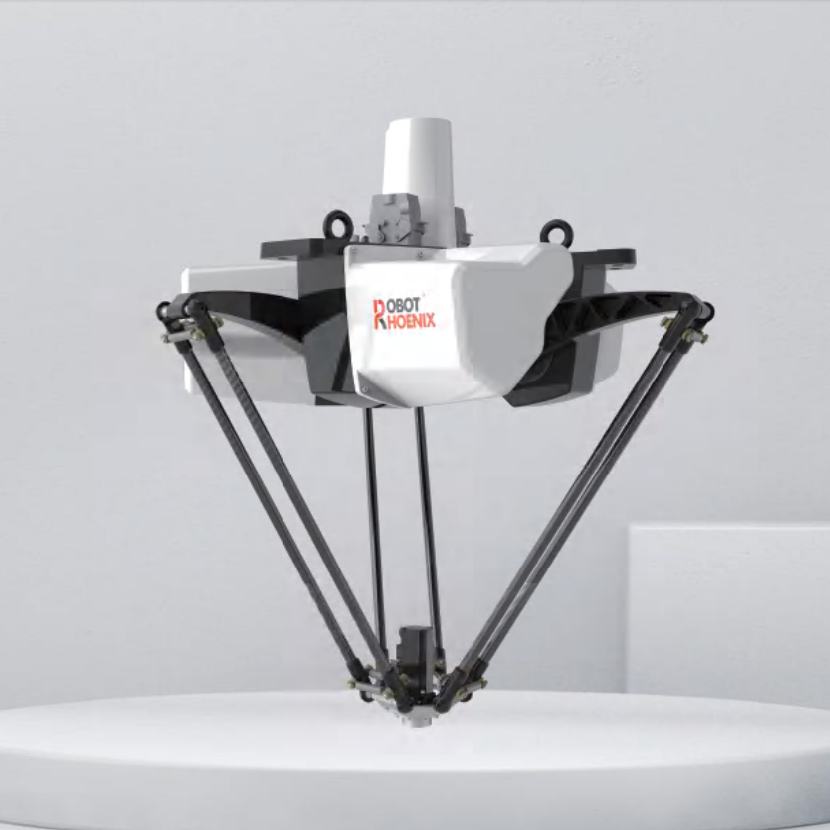
Robotphoenix 4 Arm Payload 3-6kgs Delta Robot for Pick Place Consumer Goods
For consumer-goods picking, cartoning and secondary packaging where multiple arms, payload flexibility and throughput are important.
Not sure whether a logistics AMR, SCARA or delta robot is the right fit for your Tokyo site? Share your layout, payload and cycle time for an engineering review.
Get a QuoteWhere AMR and Robot Automation Fit Tokyo Operations
Tokyo projects rarely have the luxury of unlimited space. Most successful deployments start with a clearly bounded material flow, then expand through fleet software and standard interfaces rather than a full facility rebuild.
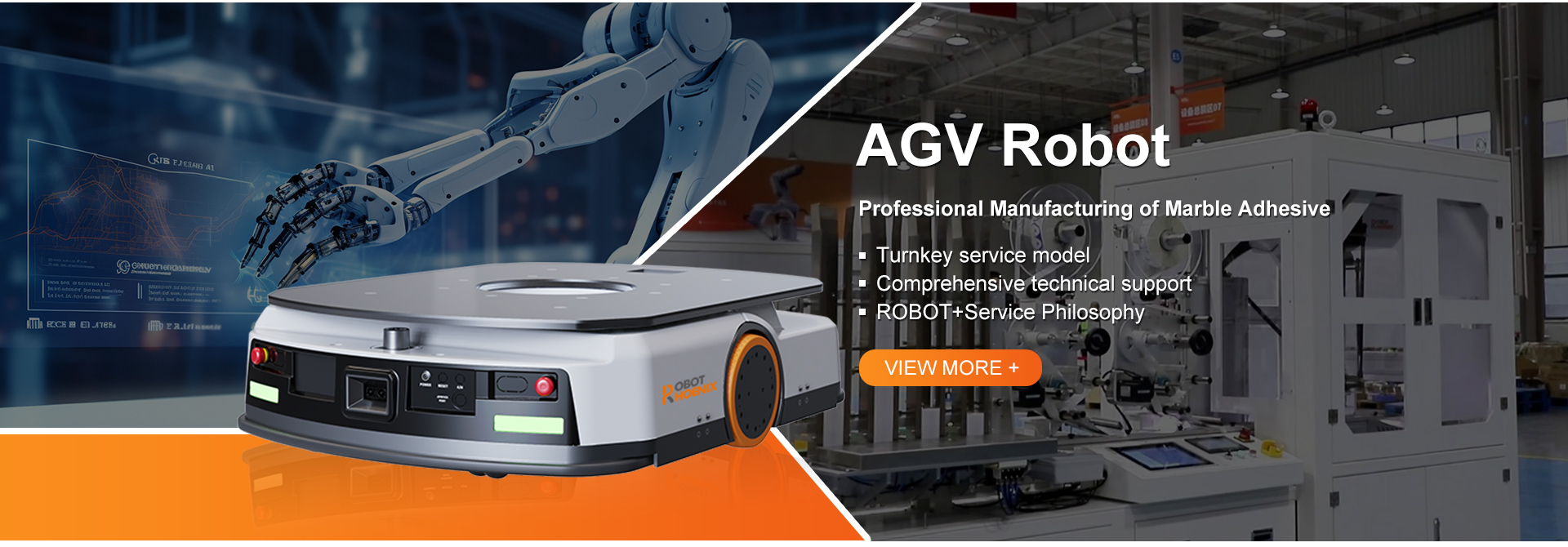
Urban Micro-Fulfilment and 3PL
Use compact AMR platforms for tote replenishment, batch movement and cross-docking in constrained Tokyo facilities. Laser SLAM navigation avoids fixed floor tape, which matters when racking and pick faces change frequently.
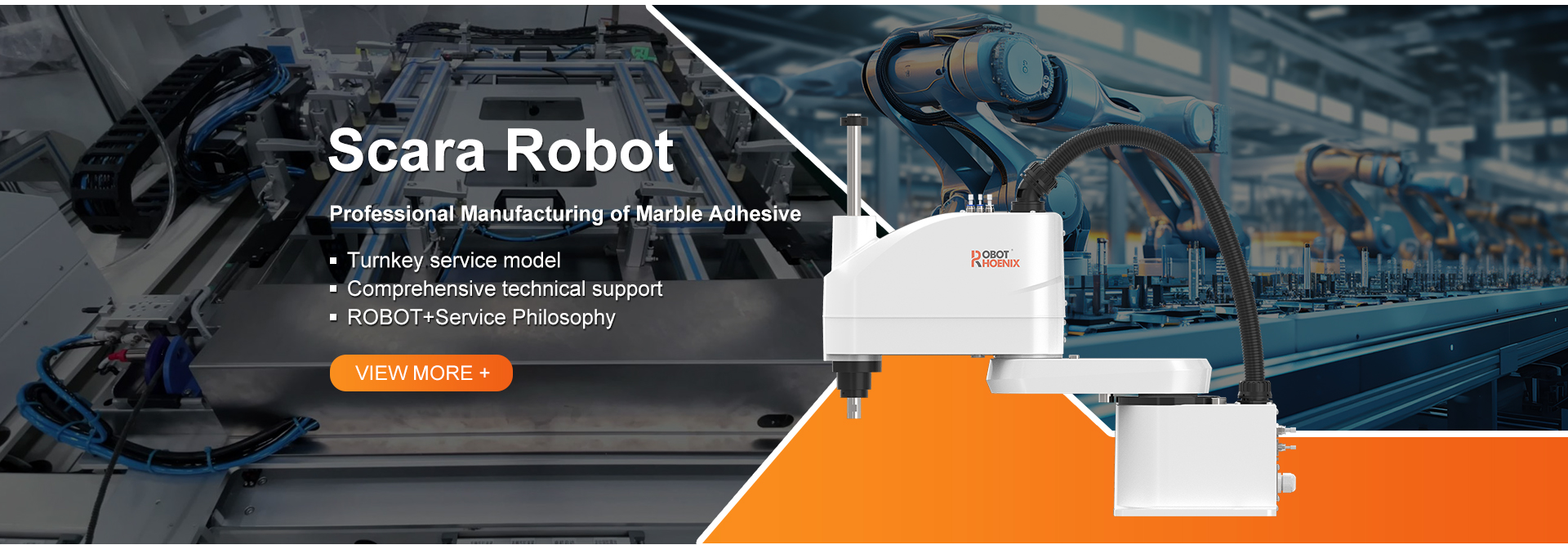
Electronics and Precision Assembly
Mini and 4-axis SCARA robots suit small-part placement, insertion, screwdriving support and inspection handling. The 3 kg / 550 mm class is a practical benchmark for benchtop cells inside Tokyo electronics and device production.
Food, Cosmetics and Daily Chemicals
Delta robots with IP54 options support high-speed picking, lid application, cartoning and sorting. They are especially relevant where hygiene, short changeovers and repeatable high-speed motion are part of the acceptance criteria.
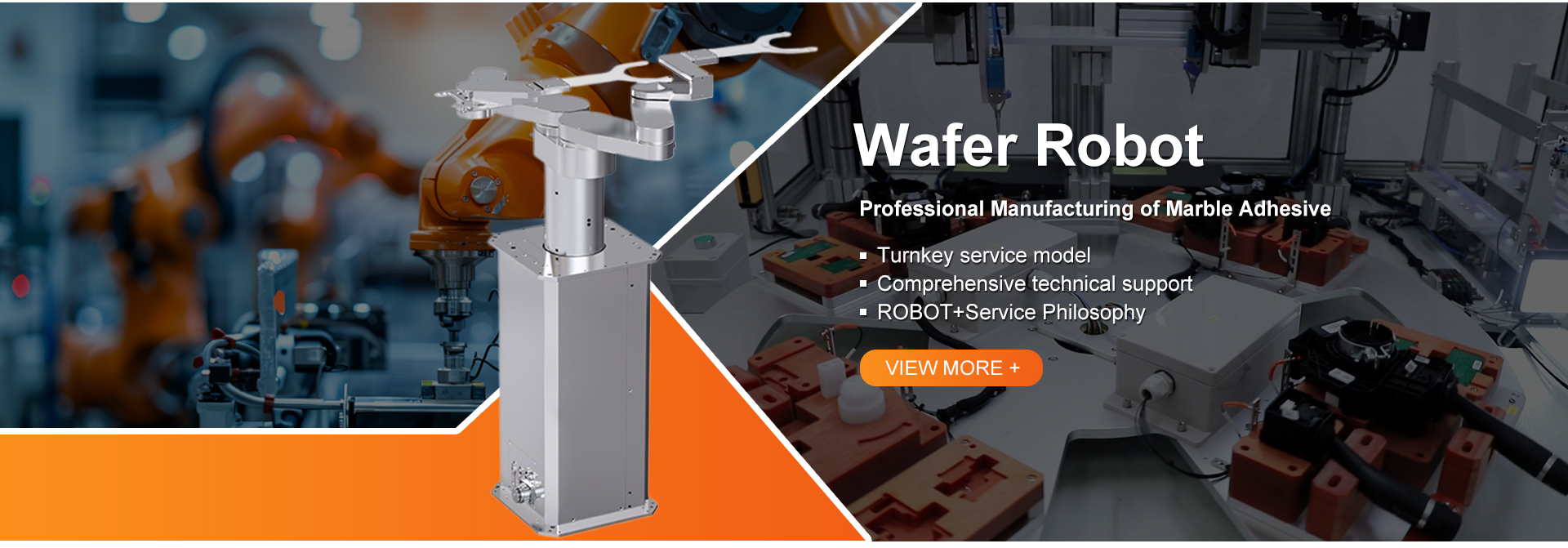
Semiconductor, Solar and Clean Manufacturing
Wafer-handling robots and smooth motion control are relevant to semiconductor and photovoltaic lines where fragile substrates require stable transfer, repeatable positioning and careful end-effector design.
Four Localized Trends Reshaping AMR Procurement in Greater Tokyo
A supplier shortlist that ignores local operating realities will usually fail at the pilot stage. These four trends should be built into the RFQ and acceptance plan.
Labour Reform and Stable Staffing
Japan’s logistics work-style reform and ongoing labour shortages are pushing Tokyo operators to reduce repetitive travel, picking and pallet movement. AMRs help stabilise throughput without adding headcount to every shift.
High-Density Urban Automation
High land costs and constrained floor space favour compact robots, narrow-aisle AMRs and systems that do not require extensive fixed infrastructure. Laser SLAM platforms are easier to reconfigure when pick faces or storage zones change.
From Single Robot to Fleet Management
Tokyo buyers increasingly ask for a pilot unit that can later join a managed fleet. Traffic control, map versioning, battery strategy and integration with WMS or MES should be reviewed before the first unit is ordered.
Service, Spare Parts and Documentation
Local support is a procurement issue, not an afterthought. Buyers expect clear electrical drawings, safety-interface documentation, spare-parts recommendations, training materials and a defined escalation path with the local integrator.
What Tokyo Buyers Weigh When Comparing Logistics AMR Suppliers
The percentages below are indicative evaluation weights used in this guide’s procurement framework, not a statistical survey. They help structure an RFQ conversation around risk, integration and total cost rather than headline speed alone.
Indicative Evaluation Priorities
Use these weights as a checklist for scoring supplier responses; adjust them to your own warehouse KPIs.
Why a Single Metric Is Not Enough
A high-speed AMR can still fail a Tokyo project if its safety configuration is unclear, if the local integrator cannot access spare parts, or if the traffic-management layer cannot scale from one robot to a fleet. Conversely, a lower-speed platform may be the better choice when it fits narrow aisles, integrates cleanly with the WMS and has a documented service plan.
JORI’s engineering approach is to define the material flow, handover point, floor layout and acceptance test before the robot model is fixed. That is why the company offers in-house controllers, vision and robot families rather than a single catalogue item: the same engineering team can support a delta picking cell, a SCARA assembly station or a laser SLAM AMR route.
Delta, SCARA or AMR: Which Robot Fits Your Line?
A quick engineering comparison to shortlist the right robot family before you contact the supplier. Final specifications should always be confirmed against part weight, cycle time and site conditions.
Delta Parallel Robot
Best for high-speed picking, sorting, labelling and cartoning from moving conveyors. Payload typically 3–6 kg, with IP54 options for hygiene-sensitive environments.
- Choose it when cycle time is the bottleneck
- Vision-guided picking for random products
- PLC-ready integration for machine builders
SCARA Robot
Best for planar assembly, insertion and precise placement in a compact cell. Mini and 4-axis models cover cost-sensitive projects and benchtop automation.
- Choose it when accurate planar motion matters
- Compact footprint for constrained lines
- Integrated-motor options reduce cabling
AMR / AGV and Autonomous Forklift
Best for material transport between stations, 400–500 kg payload platforms and pallet movement. Laser SLAM navigation and fleet management support phased expansion.
- Choose it when operators lose hours pushing carts
- Useful where layout changes often
- Pilot one route, then add traffic management
Why JORI Is Shortlisted by Export Buyers and Machine Builders
JORI Intelligent Technology Co., Ltd. is a high-tech manufacturer founded in 2012 in Jinan, Shandong, China. The company develops delta robots, SCARA robots, AGV/AMR platforms, autonomous forklifts and silicon wafer handling robots, together with in-house controllers and 2D/3D vision. For buyers, this means one accountable source for the arm, controller, vision and integration support.
Independent R&D Since 2012
In-house engineering across robot structure, controller and vision—not a reseller chain.
Controller and 2D/3D Vision
Self-developed control and vision reduce finger-pointing when integration issues arise.
Original Factory for Five Robot Families
Delta, SCARA, AGV/AMR, autonomous forklift and wafer-handling robots.
OEM, ODM and Buyer Label
Design service and customisation for machine builders, integrators and private-label programmes.
ISO 9001 and Onsite Verification
Documented QC and third-party-checked company credentials for procurement review.
MOQ 1 Set for Pilot Projects
Validate one cell or one AMR route before scaling to a multi-robot fleet.
Export Experience and Trade Terms
FOB, CFR, CIF, EXW, CIP, FCA, CPT and express delivery options for international buyers.
≤2h Average Response
97.06% response rate, with engineering review for layout, cycle time and interface questions.
One Engineering Team from Robot Arm to System Integration
Because JORI develops robots, controllers and vision in-house, buyers can discuss the robot, control cabinet, vision handshake and acceptance test with one engineering team. This is particularly useful for Tokyo machine builders and system integrators who need a stable supplier behind a customer-facing automation project.
The company serves markets including Southeast Asia, Eastern Europe, North America, South America and China, and supports OEM service, design service and buyer-label options. Standard models can be ordered from one set, allowing a pilot before fleet expansion.
- Independent R&D capability
- Original factory for delta, SCARA and AGV
- 10+ years serving overseas markets
- One-stop automation integration
- OEM, design and buyer-label service
- ISO 9001 quality management



Verify the Supplier Before You Buy
Procurement teams can review independent assessments, credit records, trade capacity and buyer feedback before committing to a pilot.
Local Buyer FAQ for Logistics AMR and Robot Procurement in Tokyo
These are the questions most commonly raised by Tokyo warehouse operators, trading companies, machine builders and system integrators during the first technical review.
How should a Tokyo buyer start an AMR pilot?
Start with one material flow, not the whole warehouse. Measure travel distance, payload, pick/drop height, handover point, traffic and WMS interaction. A one-set pilot is practical because JORI’s standard models can be ordered from MOQ 1 set.
Can JORI supply a single unit before fleet rollout?
Yes. Standard delta robots, SCARA robots and AMR/AGV platforms can be ordered from one set, so you can validate a single cell or route before scaling. Fleet management and traffic rules should still be discussed at pilot stage.
How are voltage and frequency handled for Tokyo?
Tokyo-area facilities commonly use 100/200V and 50 Hz, but the final configuration must be confirmed with your facility engineer. JORI reviews the electrical specification, I/O requirements and safety interface during quotation so the local integrator can verify site readiness.
Can the robot connect with a local WMS, MES or ERP?
The integration path is defined with your local integrator and software provider. JORI provides controller-level I/O and communication documentation so the WMS/MES handshake, job dispatch and status feedback can be designed before the pilot starts.
What support is available for Japanese-speaking teams?
JORI’s engineering and export communication are conducted in English, with drawings, specifications and remote technical sessions. For Japanese-language site coordination, many buyers work through a local trading company or system integrator who can manage installation and daily support.
What payment and delivery terms are accepted?
Delivery terms include FOB, CFR, CIF, EXW, CIP, FCA, CPT and express delivery. Payment methods include T/T, L/C, credit card, PayPal, Western Union, MoneyGram and escrow, in currencies such as USD, EUR, GBP, JPY, CAD, AUD, HKD, CHF and CNY.
How should spare parts and maintenance be planned?
Define a recommended spare-parts kit, consumables list, maintenance interval and remote-support process. For Tokyo projects, agree which tasks the local integrator will handle and which escalation path goes back to JORI engineering.
Can JORI robots integrate with existing packaging machines?
Yes. JORI develops its own controllers and 2D/3D vision and offers PLC-ready delta robots for cartoning machines, carton packers and wet wipe lid applicator lines. Custom end-effectors and machine-builder integration can be reviewed.
How long does a Tokyo project take from RFQ to deployment?
Timeline depends on the robot family, customisation, safety review and local installation schedule. A clear RFQ with layout, payload, cycle time, power configuration, interface requirements and acceptance criteria is the fastest way to receive an accurate plan.
Prepare a Tokyo-Ready RFQ Before You Contact Suppliers
A strong RFQ shortens the engineering review and reduces the risk of a pilot that cannot scale. Include the following four data sets in your first inquiry.
Planning a Tokyo AMR or Robot Cell Project?
Send your part weight, cycle time, layout, power configuration and WMS/ERP interface details. Our engineers aim to reply within two hours with a practical next step for your application.