Medical Packaging Automation Manufacturer & Suppliers in Mexico
Direct manufacturer of SCARA, delta, and AMR/AGV robot cells for sterile barrier packaging, vial and syringe handling, diagnostic kit assembly, cartoning, labeling, and cleanroom logistics. Engineered in-house since 2012 with ISO 9001 quality, OEM flexibility, and export support for Mexico-bound medical packaging projects.
- ISO 9001 quality system
- MOQ from 1 set
- ≤2 h average response
- OEM / buyer-label programs
8 Medical Packaging Automation Modules for Mexico Production Lines
Mexico’s medical device and packaging factories need cells that can be validated, serviced, and scaled without redesigning the line. These eight robot modules connect common medical packaging tasks — tray handling, vial pick-and-place, cartoning, labeling, kitting, and cleanroom logistics — to proven robot families. Product URLs are preserved for configuration details.
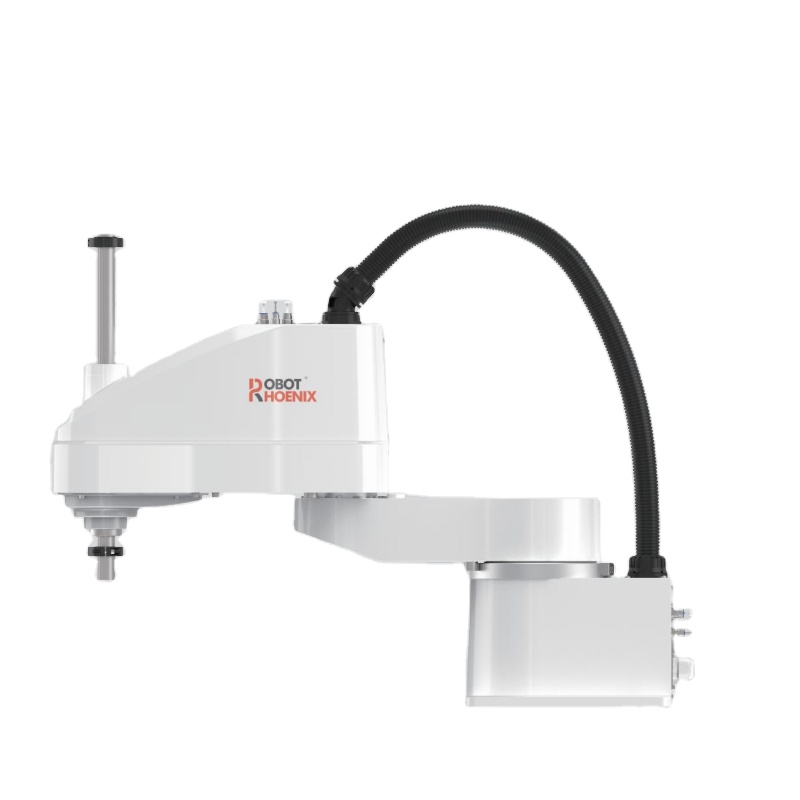
Advanced Industrial 4 Axis Robot Scara Robot for Pick and Place in Food Industry Gripping
Recommended for repeatable pick-and-place in compact cells, such as loading medical kits, transferring pouches, or gripping trays before sealing.
View product details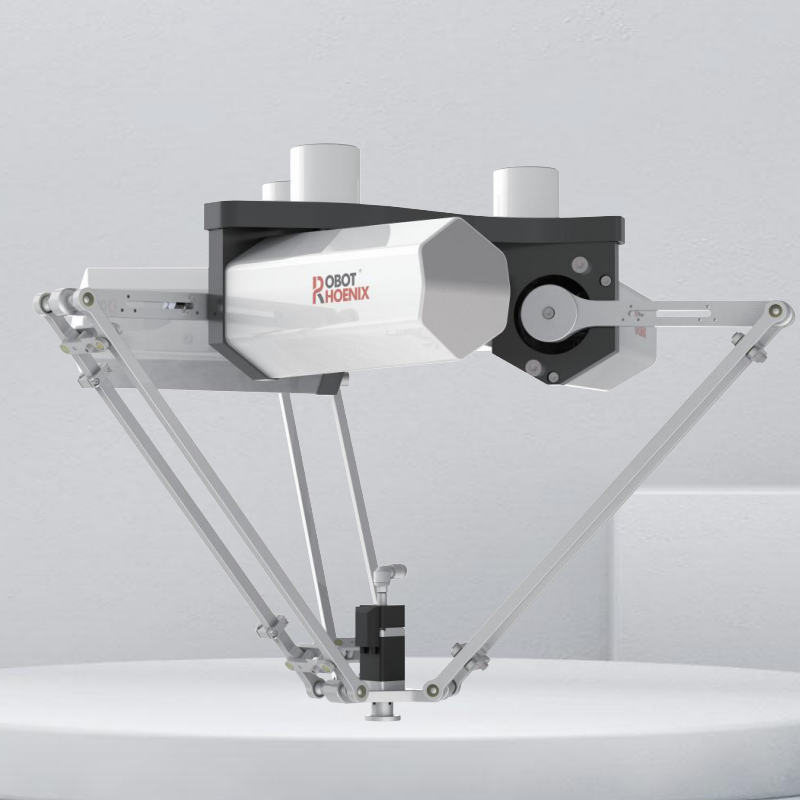
Robotphoenix New Design Industrial Robot Delta 6kg Payload 0.08mm Repeatability 2/3/4 Axis
6 kg payload and 0.08 mm repeatability suit fast vial, syringe, and tray sorting before sterile barrier sealing or secondary cartoning.
View product details
High Performance Material Handling Verhicel AMR Robot AGV Robot for Warehouse Logistic System
Use for packaging material replenishment, WIP movement, and warehouse-to-line transfer where fixed floor markings are restricted.
View product details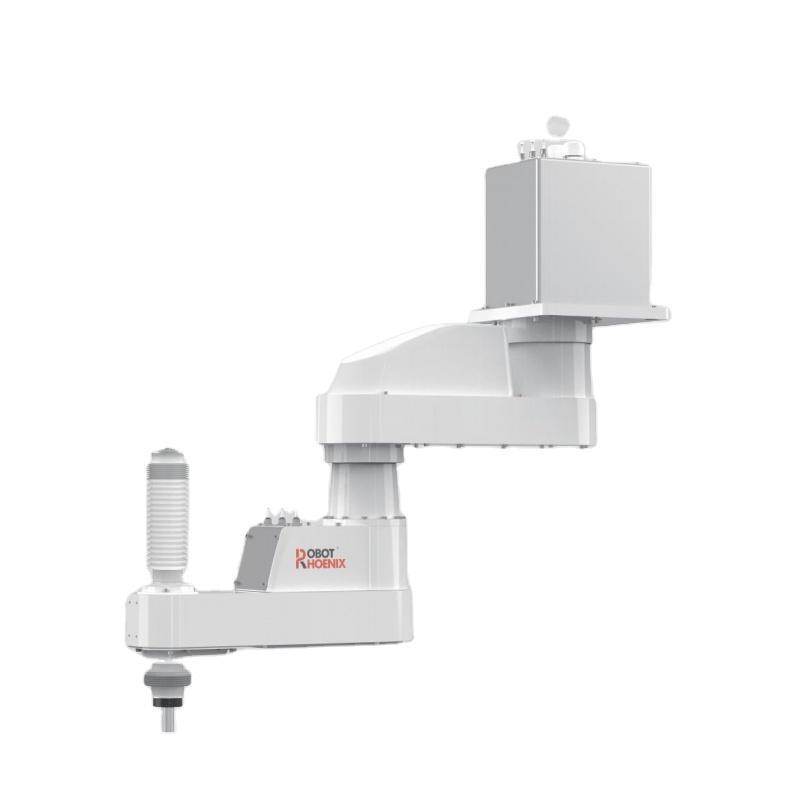
Compact Structure High Precision 550mm Reach Radius 3kg Payload 4-axis SCARA Robot
550 mm reach and 3 kg payload fit space-constrained packaging rooms, small diagnostic kits, and high-mix medical assembly.
View product details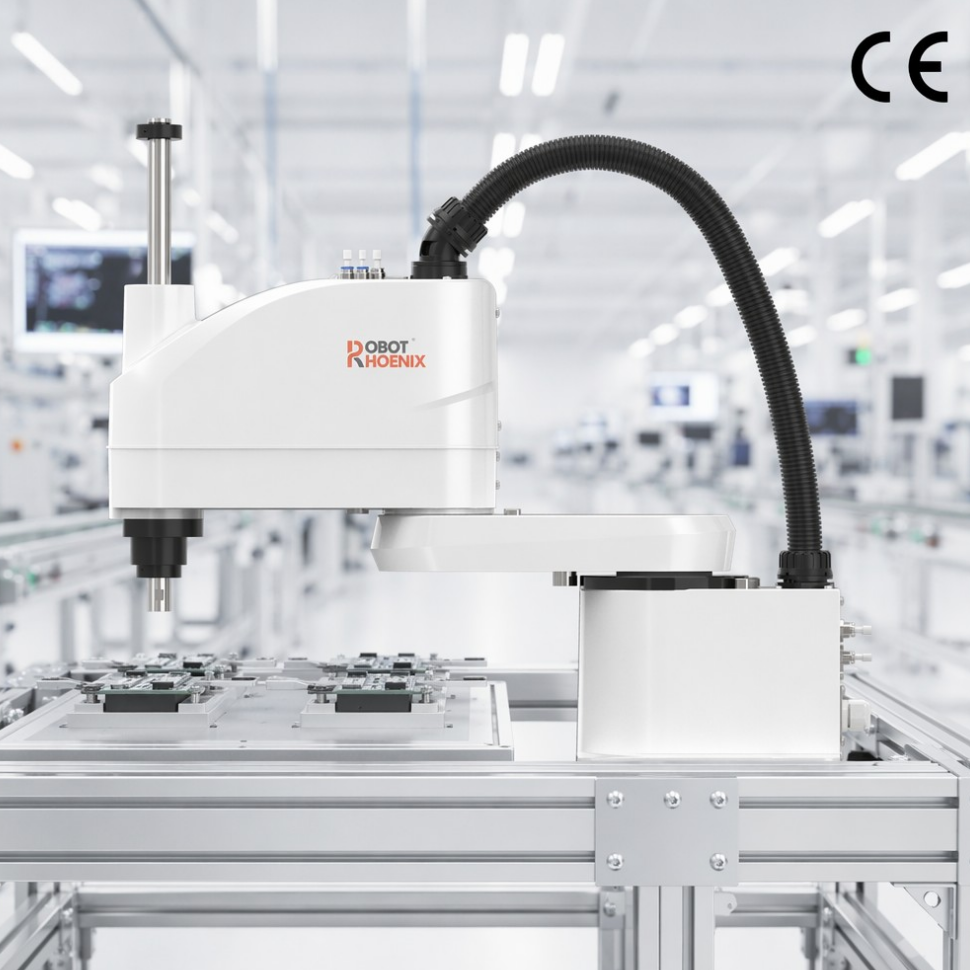
High Speed and Accuracy Newly Developed Industrial Robot Arm Four Axis Scara Robot
Suited to labeling, inspection, and carton loading where short cycle time and repeatable placement directly affect line OEE.
View product details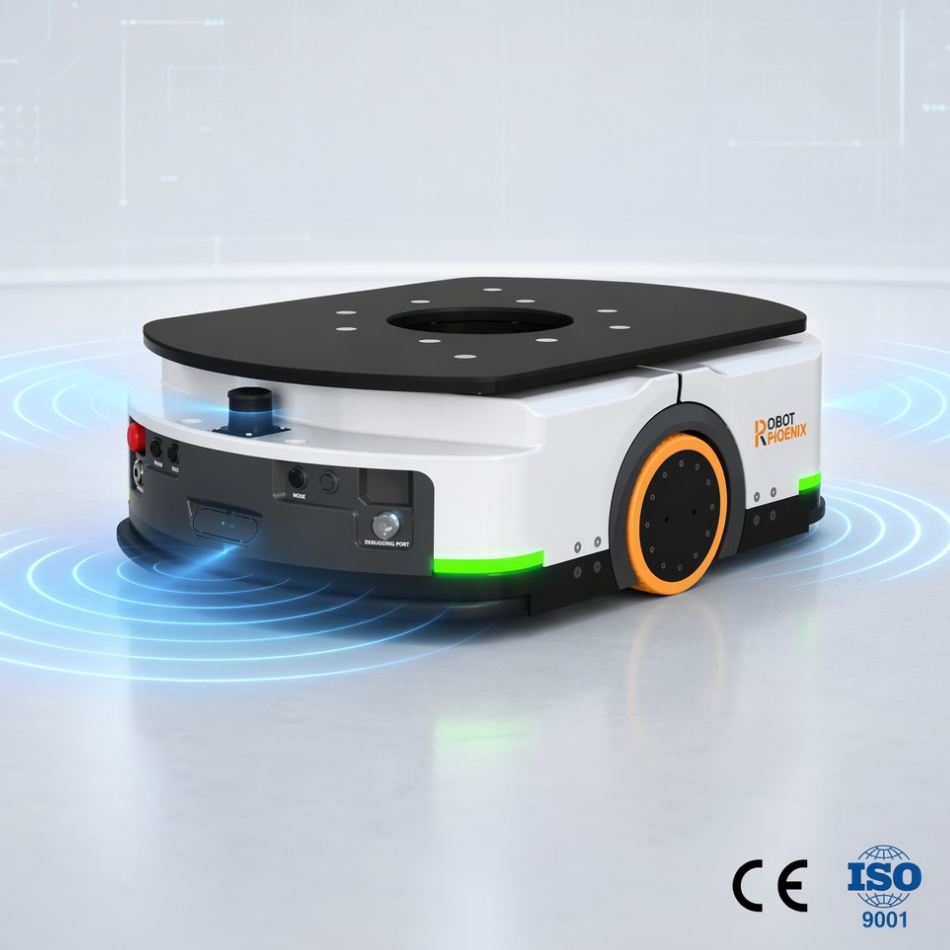
Compact and Latent Mobile Robot AGV for Narrow Aisle Warehouse and Factory Transportation
Low-profile transport between sterile stores, packaging rooms, and pallet buffers where aisle space is limited.
View product details
High-Speed Spider Arm Delat Robot for Fully Automatic Wet Wipe Lid Applicator Machine
Spider-arm delta configuration for high-speed lid applicators, adaptable to medical wipe lids, cap feeding, and lid placement.
View product details
Robotphoenix New 4-Axis Parallel Robot Arm Delta Spider Hand Robot for Carton Packer Line
Four-axis parallel robot for carton packing and kit-boxing lines, with the reach and payload needed for secondary packaging.
View product detailsWhy JORI Is a Practical Medical Packaging Automation Partner for Mexico
JORI Intelligent Technology Co., Ltd. is a direct industrial robot manufacturer founded in 2012 in Jinan, Shandong, China. We develop delta robots, SCARA robots, AGV/AMR platforms, autonomous forklifts, and wafer handling robots — and we also develop the robot controller and 2D/3D vision inside the cell. That matters to Mexican machine builders and medical packaging teams because one engineering source can own the arm, motion software, vision integration, and documentation package.
For Mexico-bound projects, the commercial benefit is not just factory-direct pricing. It is shorter root-cause analysis across time zones, OEM flexibility for private-label packaging machines, and a clear path from a single pilot cell to a validated multi-line rollout.
- Independent R&D and national patents
- Original factory for delta, SCARA and AGV
- ISO 9001 quality management
- OEM, design and buyer-label service
- One-stop automation integration support
- 10+ years serving overseas markets



In-house robot, controller and vision
JORI controls the core cell technology: robot mechanics, motion controller, and 2D/3D vision. This reduces finger-pointing when a medical packaging cell needs faster changeover or tighter placement accuracy.
ISO 9001 and onsite-verified factory
Documented quality control, final robot run-in testing, and third-party-checked factory credentials help Mexican buyers evaluate manufacturing reliability before placing a pilot order.
OEM, design and private label
Machine builders in Mexico can integrate JORI delta or SCARA robots under their own packaging-machine brand, with custom end-effectors, controller integration, and buyer-label documentation.
Medical packaging cell know-how
Delta robots for lid applicators and carton packing, SCARA robots for kit assembly, and AMR/AGV for cleanroom logistics are configured around the packaging format — not the other way around.
Mexico-ready export engineering
English-language quotations, export packaging, Incoterms support, and fast average response of 2 hours or less help Mexican integrators keep projects moving across time zones.
Scale from one set to full line
Standard delta, SCARA, and AMR/AGV platforms can be ordered from 1 set. Validate the cell, document the process, then scale with the same engineering source.
Localized Trends Reshaping Medical Packaging Automation in Mexico
Nearshoring is increasing medical device production in Mexico, but packaging automation decisions are still won or lost on validation, uptime, cleanroom behavior, and local service response.
Nearshoring and USMCA production shifts
Medical device OEMs are moving more packaging and assembly closer to North American customers. Automation helps absorb ramp-up without expanding cleanroom headcount, but suppliers must support rapid line changes and documentation.
Cluster-specific project requirements
Tijuana, Ciudad Juárez, Guadalajara, Monterrey, and Querétaro have different supply chains and cleanroom practices. A supplier should quote the cell around the plant layout, local maintenance capability, and packaging format — not a generic catalogue model.
ISO 11607 and sterile barrier validation
Medical packaging teams increasingly ask for machine documentation that supports sterile barrier system validation. Robots should be easy to clean, compatible with the cleanroom class, and documented for IQ/OQ/PQ activities.
Serialization, UDI and traceability
Packaging lines increasingly need data capture, vision inspection, and reject tracking. A robot cell that integrates with PLC, MES, and vision can reduce manual verification while supporting lot-level traceability.
Labor stability and training pressure
High turnover in repetitive packaging roles makes consistency difficult. Automation stabilizes output, but Spanish-friendly HMI, training materials, and local maintenance access are essential for adoption.
Bilingual supplier support
Mexico buyers expect fast replies, clear export documents, and a practical escalation path. Suppliers that can communicate in English and plan Spanish documentation through OEM programs reduce commissioning friction.
How to Weight a Medical Packaging Automation Supplier in Mexico
Price should never be the first filter for a validated medical packaging cell. Use a weighted evaluation so the purchase decision reflects total project risk: validation documentation, cleanroom compatibility, uptime response, and landed cost. The percentages below are a practical buyer framework, not a market statistic.
Ask each supplier to score itself against the same criteria. A factory-direct manufacturer should be able to explain who owns the controller, how spare parts are dispatched, and which documents will be delivered with the cell.
Validation file
Request IQ/OQ/PQ templates, material certificates, calibration records, and robot drawings before the PO.
Cleanroom fit
Confirm the target ISO 14644 class, lubrication, vacuum routing, bellows, and cleaning method.
Local service plan
Clarify first-line support, spare-parts dispatch, remote diagnostics, and escalation time to Mexico.
Landed cost
Check HS code, country of origin, Incoterms, voltage, NOM-related questions, and customs broker handoff.
Medical Packaging Automation Scenarios Common in Mexico
These are the application modules most often discussed by Mexican medical device manufacturers, machine builders, and contract packagers when they evaluate a new robot cell.
Sterile barrier pouch and tray handling
Delta and SCARA robots can transfer pouches, Tyvek lids, and thermoformed trays into sealing or inspection stations while maintaining repeatable orientation.
Typical cell: vision + delta + conveyor trackingVial, syringe, and cartridge pick-and-place
High-speed delta robots sort and orient small cylindrical products before nesting, labeling, or cartoning. Check gripper material and changeover time for high-mix production.
Typical cell: 6 kg delta + custom gripperDiagnostic kit assembly and kitting
Compact 3 kg SCARA robots fit small packaging rooms where multiple components — swabs, tubes, desiccant, IFUs — must be placed in a fixed sequence.
Typical cell: 550 mm SCARA + tray feederCartoning, labeling, and serialization
SCARA and four-axis delta robots load cartons, apply labels, and present products to vision inspection stations. Integration with line PLC and MES supports traceability.
Typical cell: SCARA + vision + PLC handshakeCleanroom intralogistics and replenishment
Laser SLAM AMR and AGV platforms move packaging materials, WIP, and finished cartons between stores and packaging rooms without fixed floor tape.
Typical cell: 400–500 kg AMR + fleet controlEnd-of-line case packing and pallet transfer
Parallel robots and low-profile AGVs bridge secondary packaging and pallet transfer, reducing manual handling at the end of the medical packaging line.
Typical cell: delta + latent AGV + pallet bufferDelta, SCARA, or AMR for Medical Packaging in Mexico?
Use this engineering comparison to shortlist the right robot family before requesting a layout and cycle-time study.
| Robot family | Best medical packaging task | Mexico deployment note | Ask before buying |
|---|---|---|---|
| Series 01Delta Robot | High-speed pick-and-place, vial sorting, lid placement, carton packing | Good fit for high-volume lines where cycle time and conveyor tracking drive OEE. | Which gripper materials, cleanroom lubrication, and validation documents are available? |
| Series 02SCARA Robot | Kit assembly, pouch loading, labeling, inspection, precise placement | Compact footprint suits Mexican plants with limited cleanroom space and high-mix formats. | What repeatability is guaranteed at the payload and reach you need? |
| Series 03AMR / AGV | Material replenishment, WIP transfer, warehouse-to-line logistics | Laser SLAM avoids fixed floor tape in changing layouts; fleet software matters for multi-robot traffic. | Who maps the site, sets traffic rules, and supports fleet software after handover? |
| Series 04Latent AGV | Narrow-aisle transport, low-profile cart movement, pallet buffering | Useful in space-constrained stores or packaging rooms where conventional AGVs cannot turn easily. | What payload, floor condition, and safety scanning package are required? |
| Series 05Wet-wipe lid / carton module | Lid applicator, cap feeding, carton packing, kit boxing | Often integrated by Mexican machine builders who need PLC-ready robot arms and custom end-effectors. | Can the robot controller handshake with your existing PLC and line sequence? |
Questions Mexican Medical Packaging Buyers Ask First
These answers are written for procurement, engineering, and validation teams comparing automation manufacturers and suppliers for Mexico-bound medical packaging projects.
Are you a manufacturer or a trading company?
Can JORI robots be used in medical packaging cleanrooms?
What is the minimum order quantity for medical packaging robots?
Do you provide validation documents for IQ/OQ/PQ?
Can the HMI and training materials be supplied in Spanish?
How do Mexican buyers handle customs, Incoterms, and electrical requirements?
Which payment and delivery terms are accepted?
How fast will we receive a technical reply?
Send Your Medical Packaging Cell Requirements
Share your product, payload, cycle time, packaging format, cleanroom class, voltage, and line layout. Our export engineers will recommend a robot family, confirm the documentation path for Mexico, and help you move from a pilot cell to a validated packaging line.