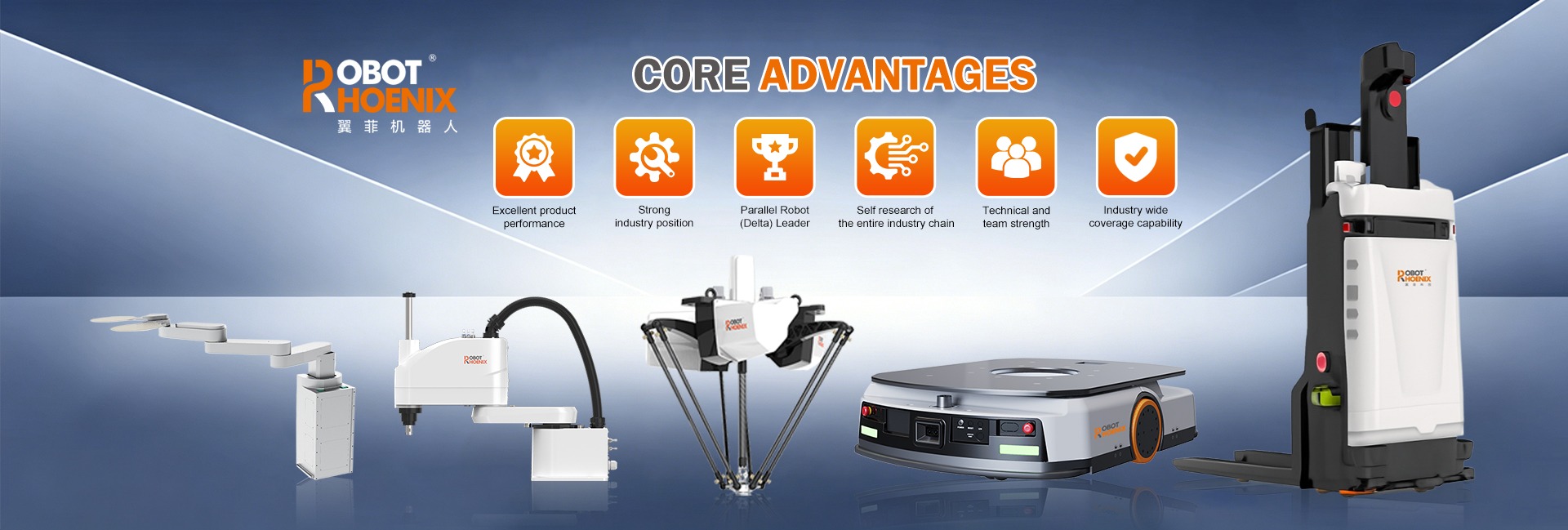
8 Factory-Direct Robots and Controllers for German Automation Projects
German buyers often shortlist by robot speed first, then discover that the controller, vision handshake and PLC integration decide the real cycle time. The eight configurations below are factory-direct JORI platforms commonly discussed for OEM/ODM controller projects, German machine-building lines and intralogistics pilots. Every model can be reviewed against your preferred PLC, safety architecture, end-effector and documentation scope.

High-Precision Pick-and-Place 4-Axis Parallel Delta Robot with Vision Tracking
Vision-guided picking for packaging, electronics and assembly cells that need fast changeover and reliable product location.
View product details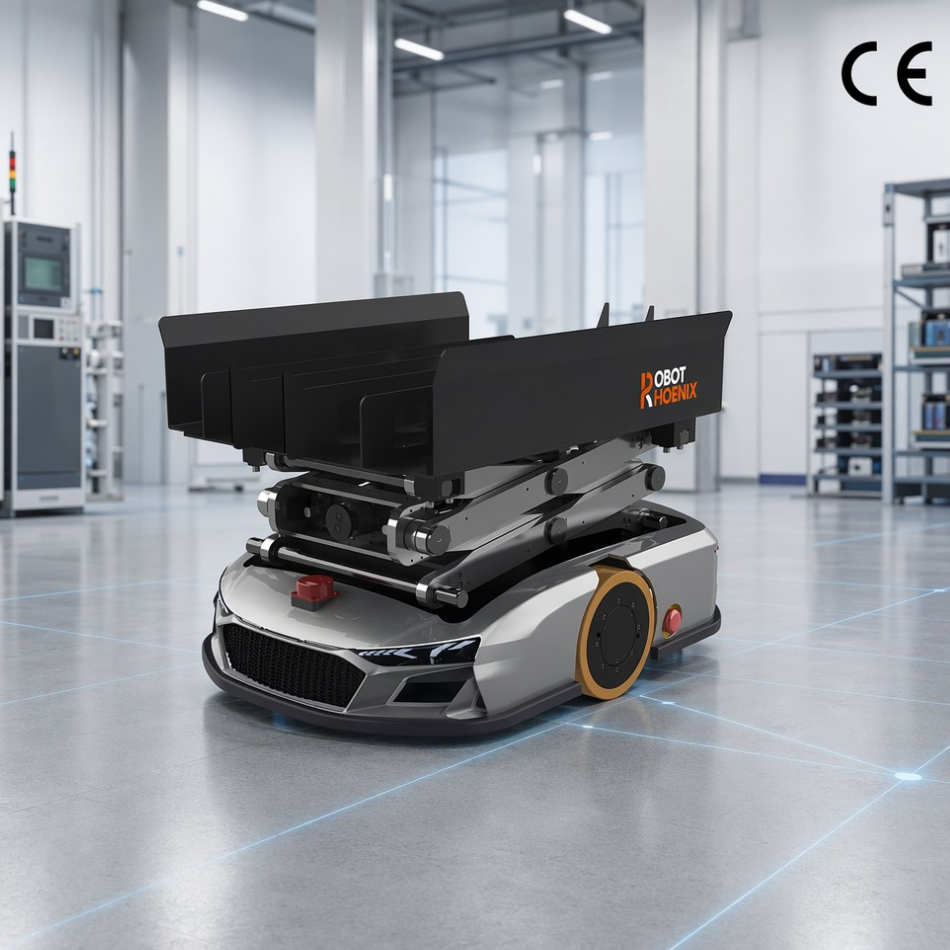
High-Performance Material Handling AMR Robot for Warehouse Logistics
Autonomous material transport for German intralogistics, kitting lines and repetitive replenishment routes.
View product details
High-Speed 3 kg Load Industrial Delta Robot Arm with IP54 Protection
Compact high-speed delta platform for dust and splash-sensitive pick-and-place cells in packaging and light industry.
View product details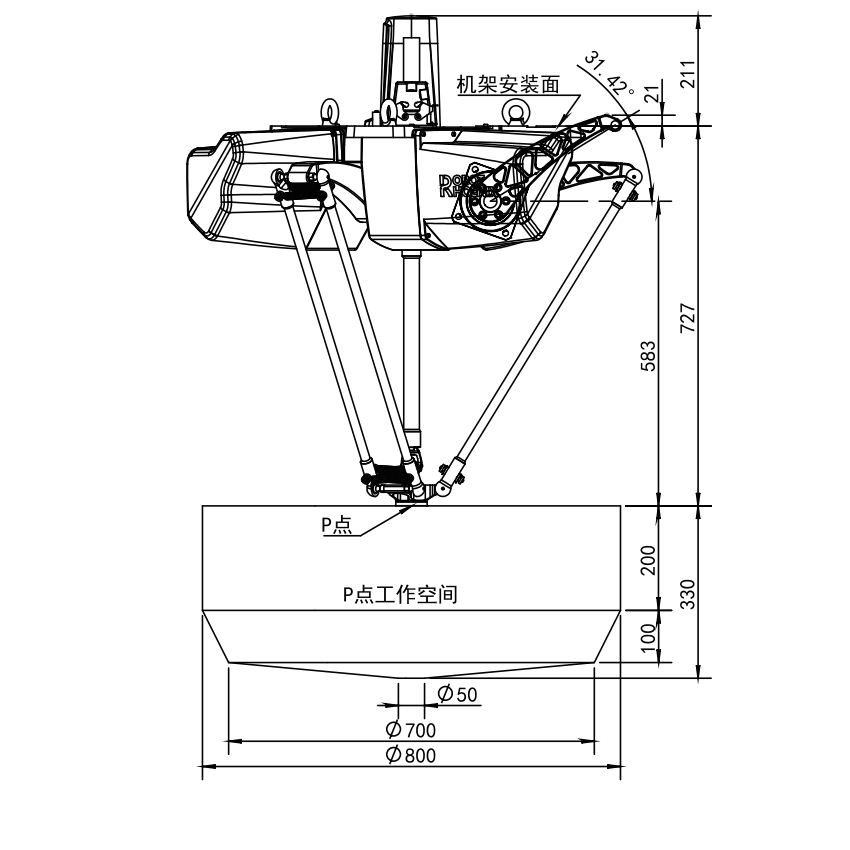
Industrial Delta Robot for High-Efficiency Picking, Placing and Sorting
For conveyor sorting, product transfer and high-throughput placement where controller response and vision timing matter.
View product details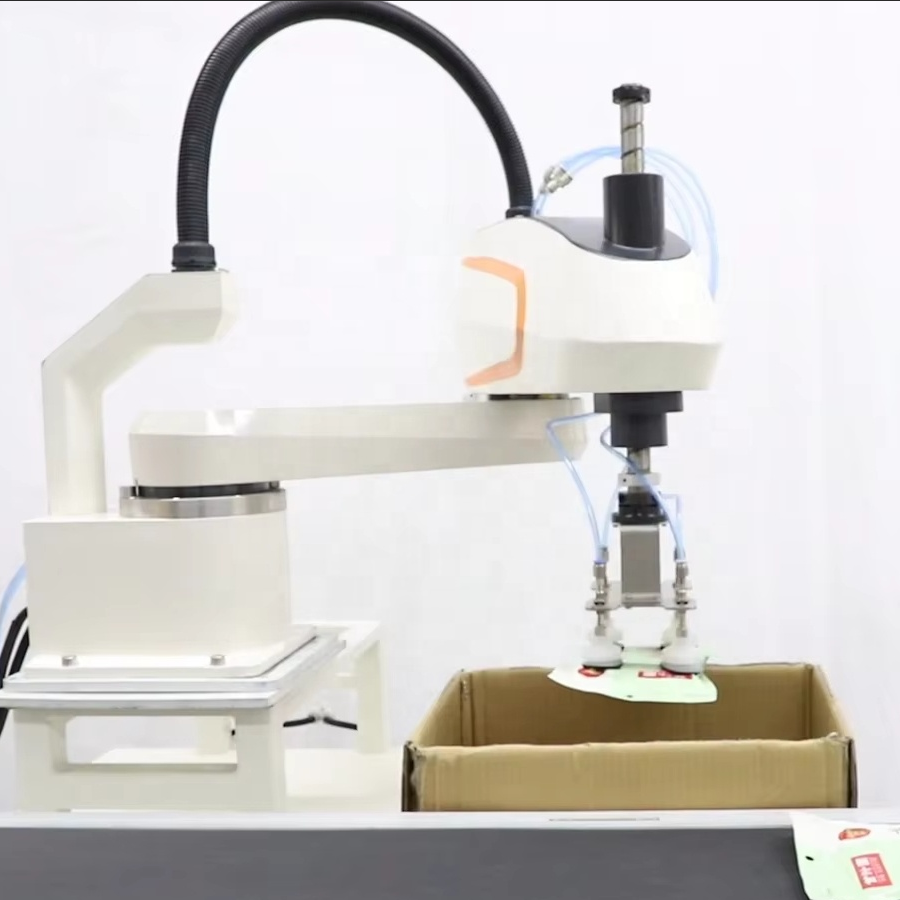
Light-Load 4-Axis Industrial SCARA Manipulator for Pick-and-Place
Compact planar handling for electronics, small parts and assembly fixtures where floor space is limited.
View product details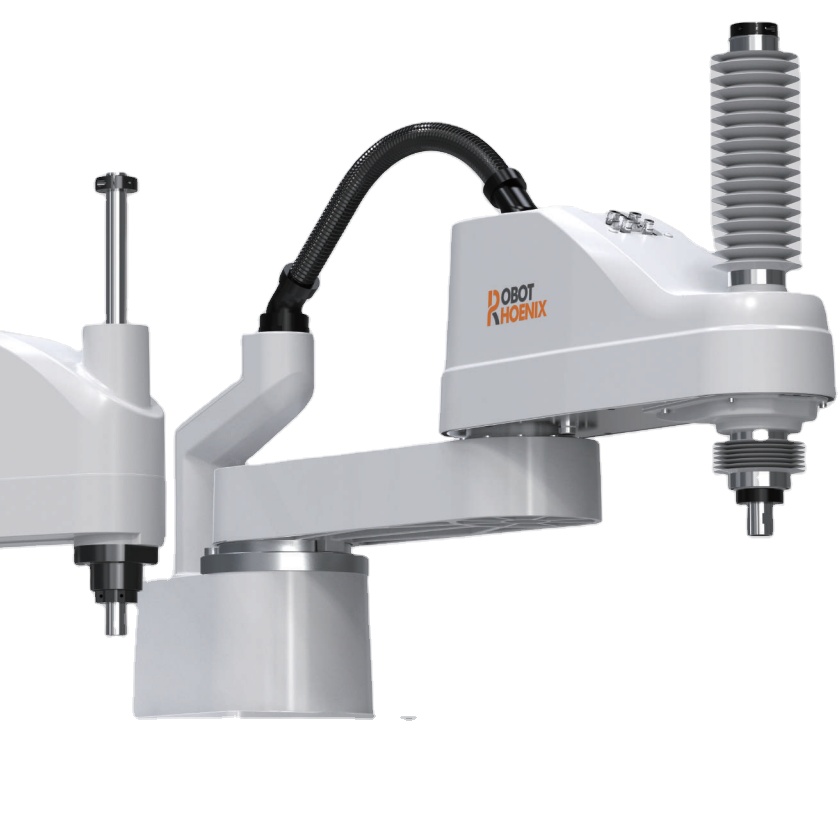
High-Precision Industrial SCARA Robot for Light-Industry Pick-and-Place
For insertion, assembly and precise placement tasks that need repeatable planar motion and a clean cell layout.
View product details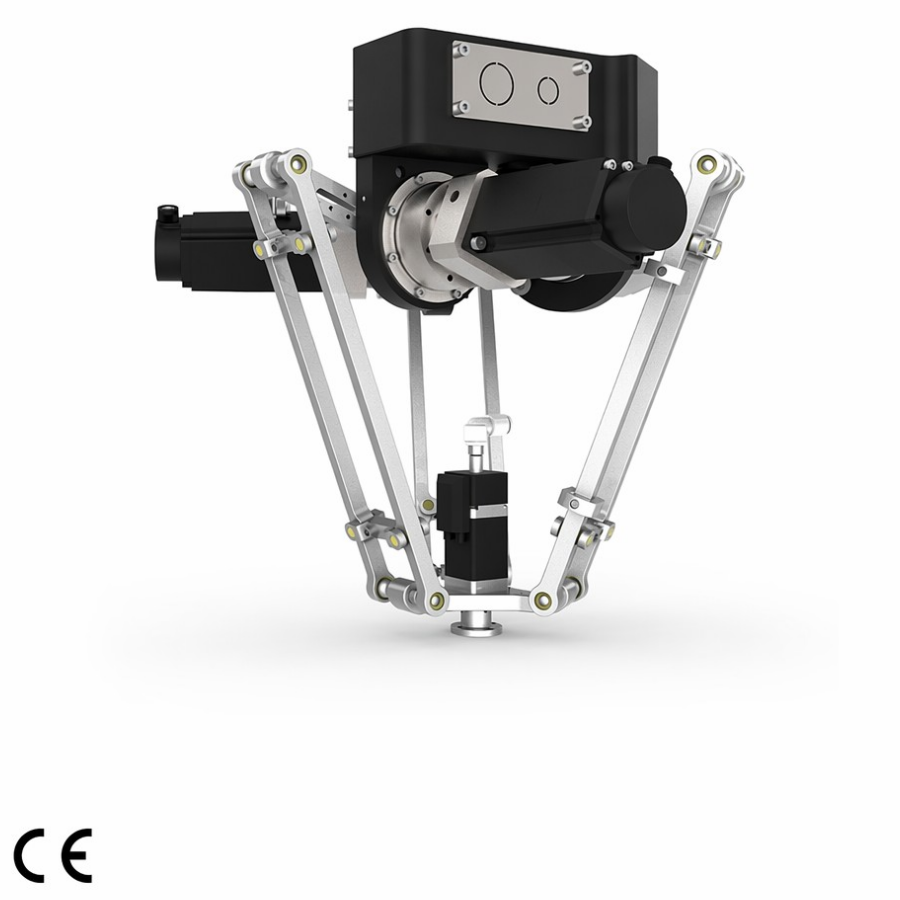
High-Speed Bottle Unscrambling Delta Robot for Consumer Goods
For high-speed bottle handling, orientation and line feeding where mechanical changeover must be reduced.
View product details
New-Condition High-Speed Delta Robot for Light Industry
A flexible delta platform for German light-industry projects requiring fast picking, compact cells and OEM controller integration.
View product detailsWhy German OEMs and System Integrators Choose JORI for OEM/ODM Delta Robot Controllers
For a German machine builder, the controller is not a black box on the side of the robot. It is the interface between the robot arm, 2D/3D vision, safety signals, the end-effector and the customer's PLC. JORI develops delta robots, SCARA robots, silicon wafer robots, AGV/AMR platforms, controllers and vision in-house — giving buyers one accountable source for motion, I/O handshake, integration logic and after-sales engineering.
One Engineering Source: Arm, Controller and Vision
Delta arms, SCARA robots, controllers and 2D/3D vision are developed under one roof. That shortens the loop between mechanical design, motion tuning, vision calibration and PLC handshake — a practical advantage when German project teams need clear responsibility.
OEM / ODM, Not Catalogue-Only
JORI provides OEM service, design service and buyer-label options. Machine builders can discuss custom end-effectors, controller integration, interface definitions and documentation packages instead of forcing a standard robot into an existing line.
ISO 9001 and Onsite-Verified Factory
JORI operates an ISO 9001 quality management system, and the factory has been checked onsite by a third-party verifier. Buyers can review the company profile, supplier assessment, credit and trade records before placing an order.
Delta Speed with 3–6 kg Payload Options
JORI delta robots cover 3–6 kg payload ranges with repeatability down to 0.08 mm, 2/3/4-axis configurations and IP54 protection options. High-speed labeling versions can reach around 120 pcs/min, depending on product and configuration.
Export Terms Familiar to European Buyers
Delivery terms include FOB, CFR, CIF, EXW, CIP, FCA, CPT and express delivery. Payment options include T/T, L/C, credit card, PayPal, Western Union, MoneyGram and escrow, with EUR among the accepted currencies.
Fast Technical Response
JORI maintains an average response time of 2 hours or less and a 97.06% response rate. For German buyers, this means faster clarification of cycle-time assumptions, controller I/O lists, shipping terms and spare-part questions during the RFQ phase.
Delta Robot Controller Applications in Germany
German automation projects rarely ask for a robot in isolation. They ask for a cell that fits an existing line, shift pattern, documentation package and maintenance organisation. These six project profiles reflect the most common discussions with German machine builders, integrators and factory owners.
Automotive and EV Component Handling
In Baden-Württemberg and Bavaria, vision-guided delta cells can pick connectors, small moulded parts or gaskets from a conveyor and place them into fixtures. A PLC-ready controller and 2D vision handshake help integrate with line PCs, traceability records and existing quality gates.
Packaging and Consumer Goods
For packaging lines in North Rhine-Westphalia and Lower Saxony, delta robots handle carton picking, lid placement, bottle unscrambling and high-speed sorting. The controller recipe can be aligned with product changeover requirements, while IP54 protection supports dust and splash-sensitive environments.
Electronics and Precision Assembly
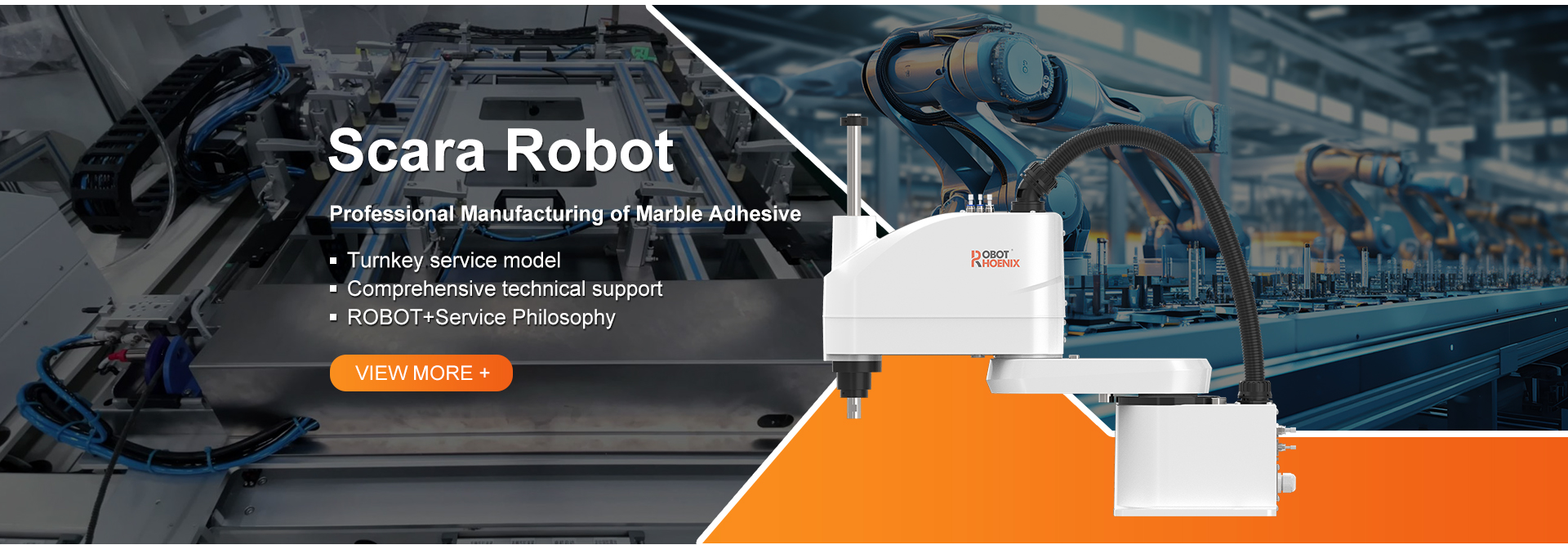
In Saxony and Bavaria, SCARA robots support compact assembly, insertion, screw-feeding and inspection cells. Their 4-axis planar motion suits small-part handling where floor space is limited and repeatable placement matters more than long reach.

Pharma, Medical and Clean Packaging
For Hesse and Rhineland-Palatinate projects, repeatability and documentation often matter as much as speed. Delta and SCARA configurations can be reviewed with the buyer's cleaning, validation and technical-file requirements before the controller and end-effector scope is fixed.
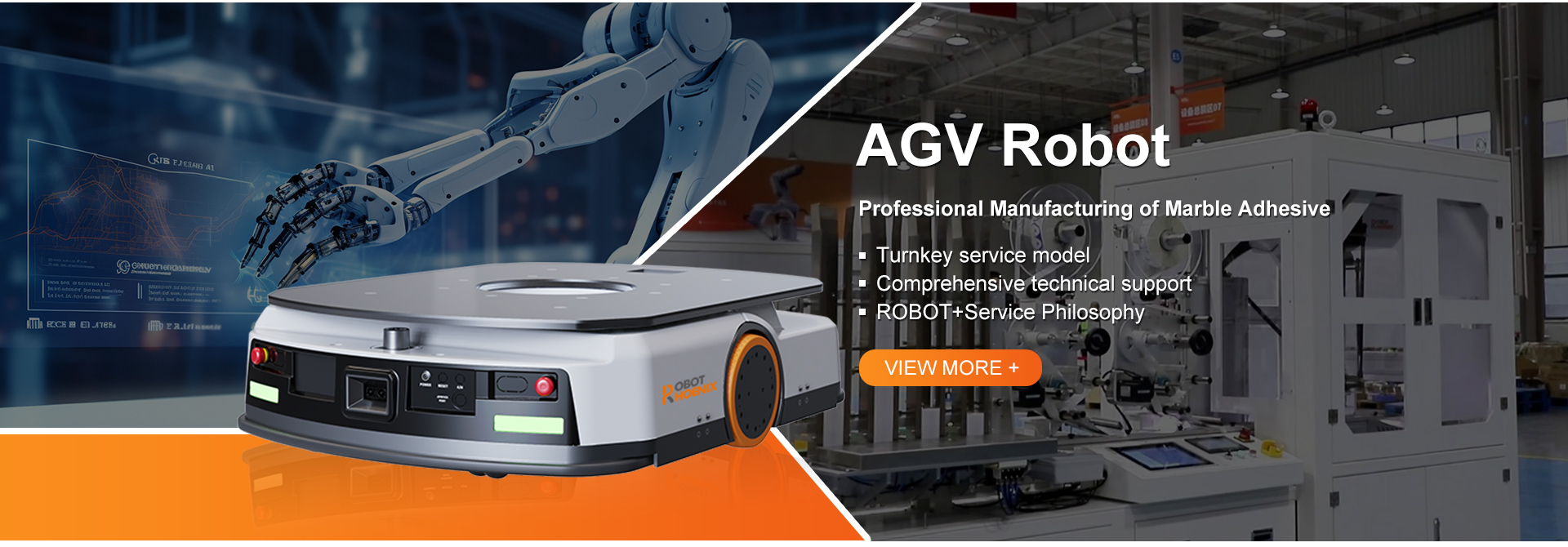
Intralogistics and Smart Warehouses
Around Hamburg, logistics corridors and large production campuses, AMR/AGV platforms and autonomous forklifts can reduce repetitive pallet and cart movements. Laser SLAM navigation and fleet management are relevant when layouts change and floor markings are undesirable.

Food, Hygiene and Daily Chemicals
German producers often need high-speed handling for wet wipes, lids, bottles and cartons. JORI supports delta-based lid applicator and carton packer integration, with controller and vision options discussed against the machine builder's existing packaging architecture.
Germany Market Trends That Shape Delta Robot Controller Specification
The German buying decision is rarely “fastest robot wins”. It is a trade-off between labour availability, high-mix production, energy cost, floor space and documentation discipline. These trends should be written into the controller and robot specification before a purchase order is issued.
Skilled Labour and Shift Flexibility
German manufacturers continue to face pressure in repetitive picking, packing and machine-tending roles. A delta cell with recipe management, clear HMI workflow and fast changeover helps redeploy skilled staff to engineering, quality and maintenance tasks.
High-Mix, Small-Batch Packaging
Smaller batches and frequent product changes make mechanical changeover expensive. Vision-guided pick-and-place and controller recipes can reduce the need for hard tooling, especially in cartoning, lid application and bottle handling.
Energy and Floor-Space Efficiency
Compact delta and SCARA cells help German factories use existing floor space more productively. Lighter moving mass and optimised motion profiles can also reduce unnecessary machine movement in continuous production.
Documentation and Traceability
German buyers expect a clear BOM, drawings, I/O list, test records and maintenance manual. For OEM/ODM projects, define early who prepares the CE-related technical file and who takes responsibility for final machine marking.
Delta Robot, SCARA or AMR? Choose by the Production Problem
Use this engineering comparison to shortlist the robot family before requesting a controller and vision quotation.
| Robot Family | Best For | Key Figures to Verify | Controller / Vision Focus |
|---|---|---|---|
| Series 01Delta Parallel Robot | High-speed picking, sorting, labeling, cartoning and bottle handling | 3–6 kg payload · 0.08 mm repeatability · up to 120 pcs/min labeling · IP54 option | Conveyor tracking, vision handshake, PLC I/O mapping and recipe changeover. |
| Series 02SCARA Robot | Planar assembly, insertion, precise placement and compact machine tending | 4-axis architecture · compact footprint · mini low-cost models available | Simple cyclic motion, force/assembly logic review and end-effector confirmation. |
| Series 03AMR / AGV | Material transport, replenishment, kitting and flexible intralogistics | 400–500 kg payload platforms · laser SLAM · fleet management | Traffic rules, charger strategy, WMS/MES interface and site layout planning. |
| Series 04Autonomous Forklift | Pallet transport, warehouse shuttling and repetitive dock-to-line moves | Laser SLAM navigation · Camel Series platform | Pallet detection, route planning, safety-zone definition and fleet coordination. |
| Series 05Wafer Robot | Semiconductor, PV and fragile-substrate transfer | Self-developed motion control · custom end-effectors on request | Smooth motion, contamination-conscious handling and clean-interface review. |
Figures reflect current catalogue models; final specifications are confirmed per configuration and application data.
From RFQ to Factory Acceptance: Exporting to Germany Without Guesswork
A successful OEM/ODM delta robot controller project is usually decided before production starts — by the quality of the RFQ, the interface definition and the documentation plan. JORI’s export workflow is built around those checkpoints.
Send Application Data
Share product weight, dimensions, photos or videos, required cycle time, conveyor speed, placement accuracy, PLC brand, safety architecture, voltage, line layout and required documentation language. This allows a realistic robot and controller recommendation.
Define the Engineering Scope
Confirm delta or SCARA model, end-effector, vision option, controller I/O, communication handshake, spare-parts list and the boundary between JORI scope and the German integrator’s scope.
Factory Acceptance and Records
Review run-in testing, test records, drawings, component list, packing list and maintenance information. For CE-related work, agree clearly which technical-file tasks belong to the machine builder and which documents JORI will supply.
Shipment and Support
Choose FOB, CFR, CIF, EXW, CIP, FCA, CPT or express delivery. Payment can be arranged by T/T, L/C, credit card, PayPal, Western Union, MoneyGram or escrow, with EUR available among supported currencies.
Procurement Questions German Buyers Ask First
These answers reflect typical OEM/ODM controller discussions. For a specific line, send the part data and cycle-time target so the engineering team can confirm the configuration.
Can JORI supply an OEM/ODM delta robot controller without the complete robot?
What is the minimum order quantity for standard robots?
How do you support CE marking and German documentation requirements?
Should we choose a delta robot or a SCARA robot for our German line?
Which delivery terms and payment methods are accepted?
Can JORI robots integrate with existing packaging machines?
What should a German buyer include in the first inquiry?
Send Your Cycle Time, Payload and PLC Details — We Will Recommend the Controller and Robot Configuration.
JORI Intelligent Technology Co., Ltd., founded in 2012, No. 101 Puyi Jinan Robot Industrial Park, No. 3588 Spaceflight Avenue, High-Tech Zone, Jinan, Shandong, China. Email: info@joribot.com. Share your line layout, product samples and German documentation expectations for a practical engineering response.