8 Pallet-Ready Robot Solutions for Canadian Integrators
Pallet handling is rarely one machine. Canadian warehouses and plants need a chain of mobile transport, case packing, sorting and line-side transfer. These eight JORI product families are commonly specified as building blocks for pallet-handling cells, conveyor interfaces and packaging automation. Product URLs are preserved exactly for technical review.
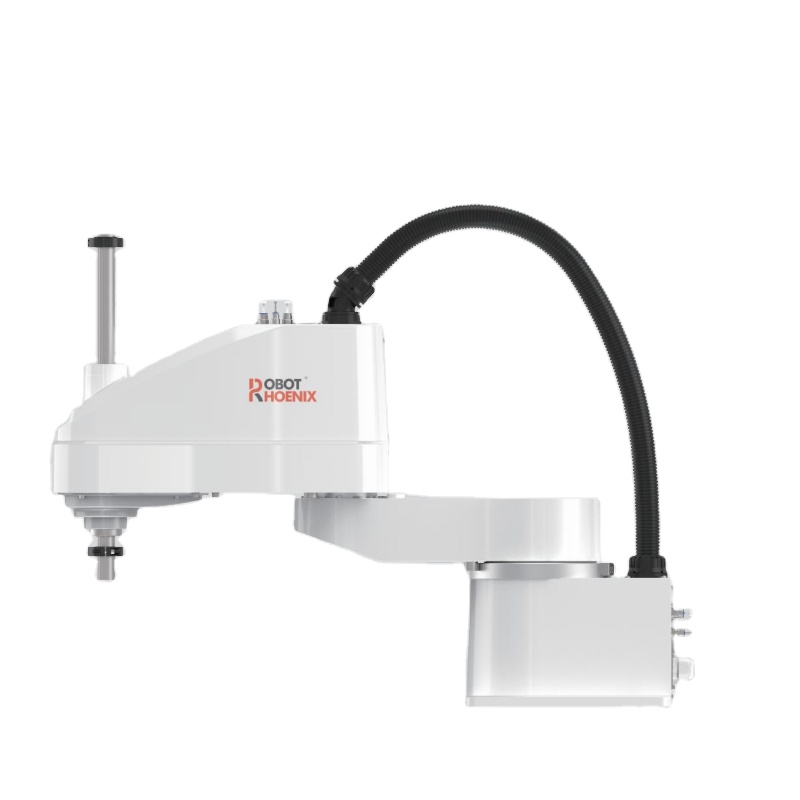
Advanced Industrial 4 Axis Robot Scara Robot for Pick and Place in Food Industry Gripping
A compact SCARA option for food-industry gripping, tray transfer and case orientation before a pallet build. Suits co-packers and food plants that need repeatable motion in a hygienic layout.
View product →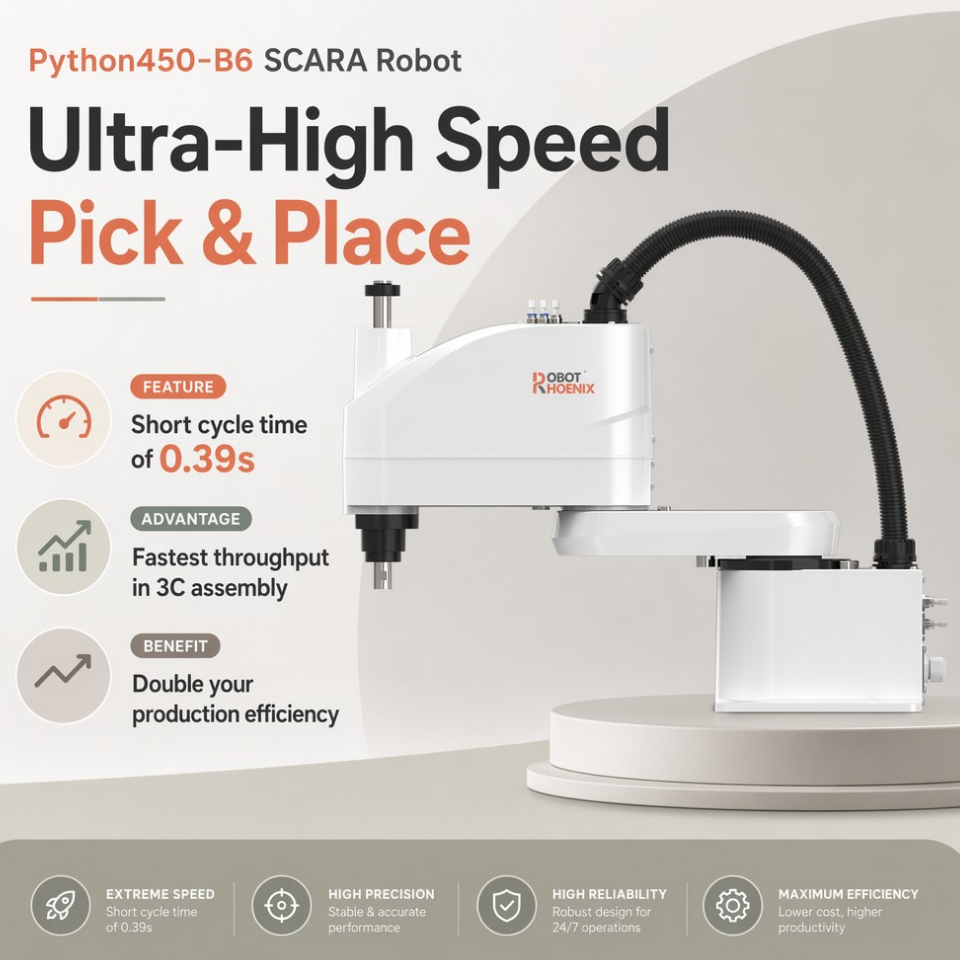
Robotphoenix High Speed Manipulator Scara Robot with Gripper for Product Accuracy Picking
High-speed picking with a gripper for small components, packaged goods and quality-critical sortation. Useful where Canadian co-packers need throughput without expanding floor space.
View product →
High Performance Material Handling Verhicel AMR Robot AGV Robot for Warehouse Logistic System
A mobile platform for WMS-directed pallet and material moves, staging-lane replenishment and conveyor interface transfers. Laser-SLAM-ready fleet options support scalable layouts.
View product →
High-Speed Spider Arm Delat Robot for Fully Automatic Wet Wipe Lid Applicator Machine
Vision-guided delta picking for hygiene-product lids and high-speed packaging. A strong fit for wet-wipe and daily-chemical lines that feed case packers and palletizing zones.
View product →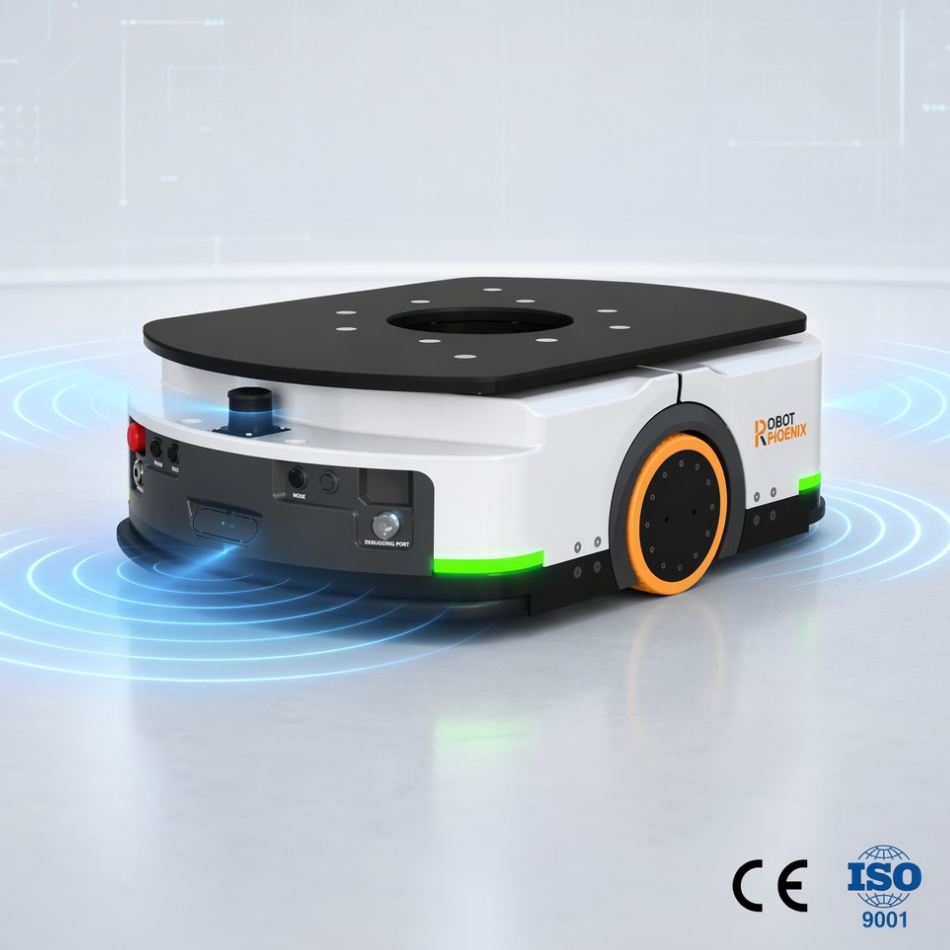
Compact and Latent Mobile Robot AGV for Narrow Aisle Warehouse and Factory Transportation
Low-profile transport for narrow aisles, under-cart moves and space-constrained Canadian buildings. Helps bridge manual pick zones and automated staging areas without new conveyors.
View product →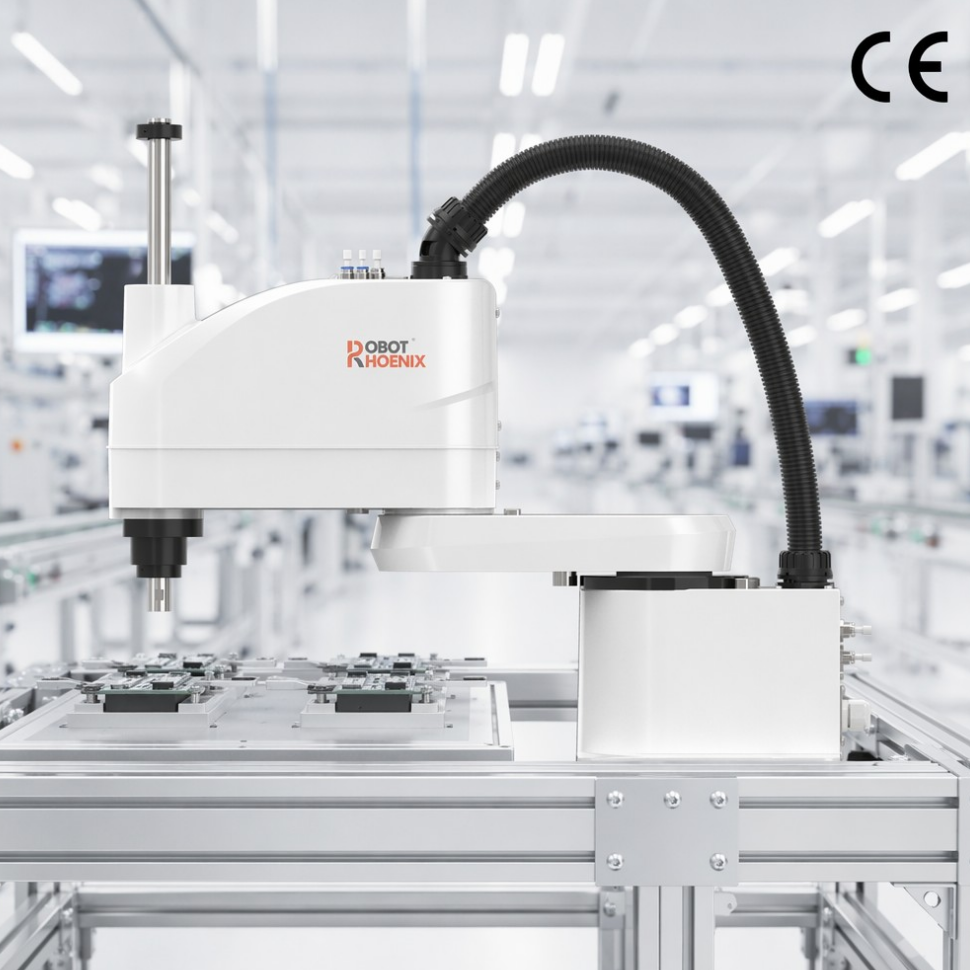
High Speed and Accuracy Newly Developed Industrial Robot Arm Four Axis Scara Robot
A newly developed 4-axis arm for precise placement in compact cells. Pair with custom end-effectors for electronics, medical products or small-part kitting before transfer.
View product →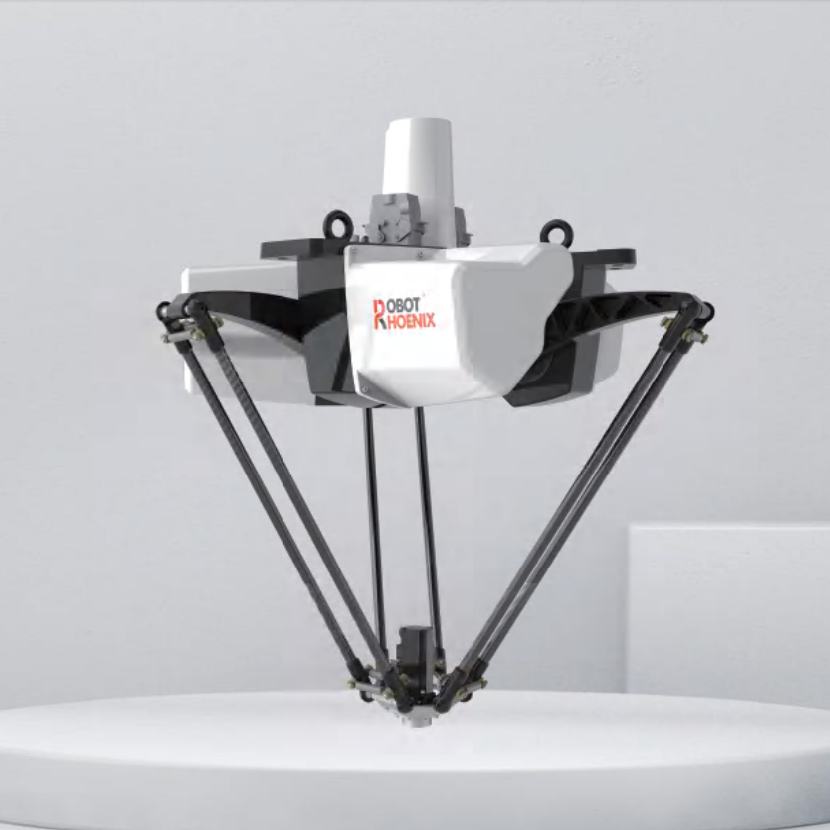
Robotphoenix 4 Arm Payload 3-6kgs Delta Robot for Pick Place Consumer Goods
Fast 3–6 kg pick-and-place for consumer goods, ideal for tray loading and secondary packaging upstream of a palletizer or case conveyor.
View product →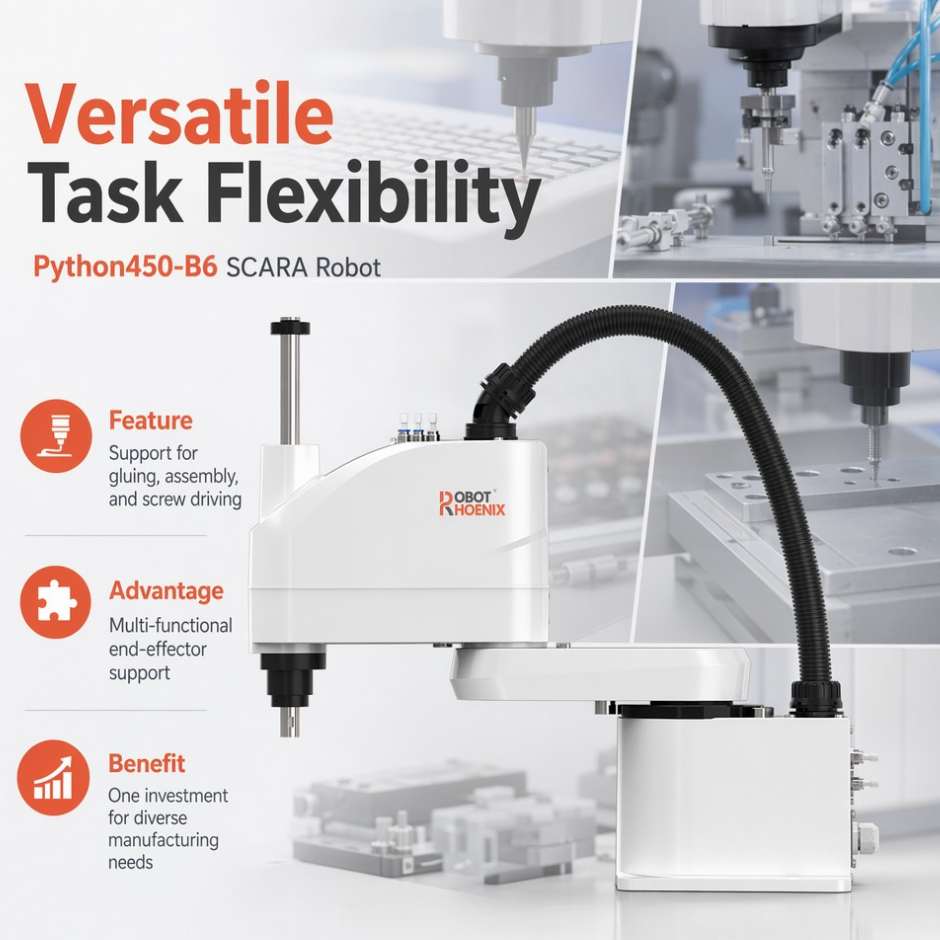
Four-Axis Industrial Robot Hand SCARA for Loading/Unloading and Sorting in Food Industry
SCARA automation for case sorting, loading and unloading in food operations. Supports reliable infeed to pallet conveyors, case packers and staging lanes.
View product →All eight product links above preserve the original JORI URLs. For wholesale configurations, OEM branding or a pallet-handling layout review, request the current catalogue from our engineering team.
What a Pallet Handling Robot System Really Includes
Canadian buyers often compare only robot payload. In practice, the transfer unit, aisle geometry, handoff design and WMS logic decide whether a pallet-handling project delivers ROI.
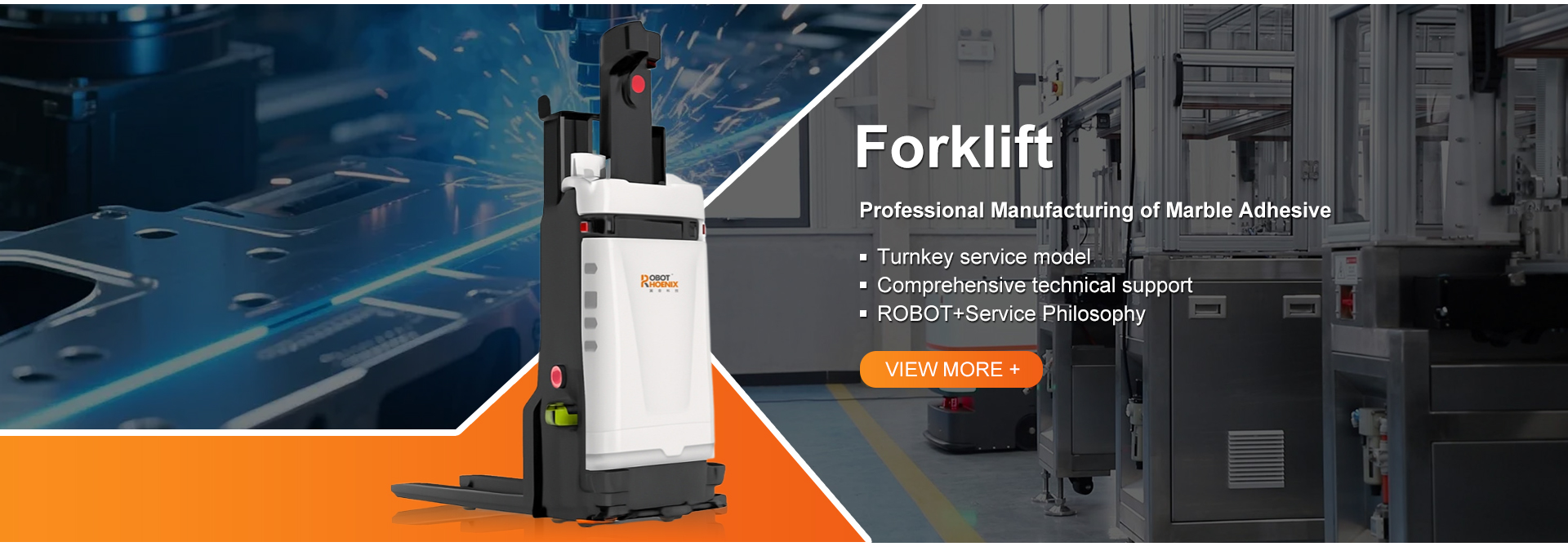
Autonomous forklift
Best for floor-level pallet pickup and drop-off, racking interfaces and conventional warehouses. Specify load center, pallet quality, aisle width and charger placement before comparing brands.
Latent AGV / AMR
Useful for under-cart or under-pallet transport, narrow aisles and conveyor handoff. Laser SLAM reduces floor-tape dependence, but floor flatness and Wi-Fi coverage still matter.
Pallet conveyor interface
Staging lanes, transfer units, wrappers and WMS handshakes must match robot cycle time. A fast robot cannot compensate for a slow pallet handoff or unclear pallet-release logic.
Case-picking + palletizing arm
SCARA and delta robots handle cases, trays and secondary packaging before the pallet build. They are excellent for sorting and loading, but they are not substitutes for whole-pallet transport.
Engineering Evidence Canadian Buyers Can Verify
JORI Intelligent Technology Co., Ltd. is a high-tech robot manufacturer founded in 2012 in Jinan, Shandong. Our delta parallel robots, SCARA robots, AGV/AMR mobile robots, autonomous forklifts and silicon wafer handling robots are supported by in-house controller and 2D/3D vision development.
Trust signals matter for cross-border procurement. JORI operates an ISO 9001 quality management system, holds national patents across robot hardware and control technology, and supports OEM, design and buyer-label programs. Canadian buyers can review company credentials before committing to a pilot cell or a multi-unit rollout.
Where Pallet Handling Robots Deliver ROI in Canada
Canada is not a single logistics market. A robot cell in a Greater Toronto cross-dock, a Montreal cold-storage facility and a BC building-materials yard faces different floors, temperatures, labor models and safety reviews.
GTA & Highway 401 distribution
High-volume DCs need WMS-directed pallet moves from receiving to staging. Latent AGV/AMR platforms and autonomous forklifts reduce travel; compact SCARA and delta cells fit older buildings with tight clearances.
Montreal & Quebec cold chain
Cold storage and food distribution demand careful battery, condensation and floor-transition planning. The right pallet handling robot layout keeps charging outside critical temperature zones and maintains stable throughput.
Ontario food & beverage
SCARA and delta robots feed case packers, sort trays and load/unload food products before palletizing. Hygiene zoning, gripper cleaning and traceability should be defined early with your local integrator.
BC ports & building materials
Pallet handling around lumber, building products and imported goods involves outdoor-to-indoor transitions, heavy loads and variable pallet quality. Robust mobile platforms and clear handoff lanes are essential.
Prairie agriculture & consumer goods
Seasonal peaks reward scalable mobile fleets and fast-change end-effectors. Start with one repeatable pallet route, prove the WMS handshake, then add robots as volume grows.
Automotive & industrial parts
Line-side replenishment and sequencing require reliable pallet delivery to exact drop points. Fleet management, safety scanners and stop zones must align with plant OHS and your integrator’s risk assessment.
Canada-Specific Pallet Handling Trends for 2025 and Beyond
Semantic search data shows Canadian buyers are moving beyond “robot price” queries toward integration, safety, cold-chain performance and total cost of ownership. The commercial conversation is maturing.
Labor resilience
Warehouse and food-plant operators are targeting repetitive pallet moves first: receiving-to-staging, line-side replenishment and end-of-line transfer. The goal is not lights-out automation; it is a smaller, safer, more stable core team.
Cold-chain efficiency
Cold storage growth is pushing buyers to plan charging windows, door openings and condensation control before selecting a robot. Energy use and battery strategy now sit beside payload in the buying decision.
Mixed-fleet safety
Canadian projects increasingly require risk assessments, safety scanners, speed zones and clear traffic rules for robots sharing aisles with forklifts, pallet jacks and pedestrians. Documentation must be practical, not decorative.
Regional supply resilience
More regional DCs and smaller urban warehouses favor scalable AGV/AMR fleets and compact cells. Canadian integrators want suppliers who can support a pilot in one province and repeat the design in another.
How to Specify a Pallet Handling Robot for a Canadian Facility
A common mistake is to compare only payload. For Canadian pallet-handling projects, the specification should capture the transfer unit, floor condition, pallet quality, aisle width, charging window, WMS handshake and safety zone.
1. Load unit
- Pallet type, condition and load stability
- Load center, overhang and stack height
- Cold, washdown or outdoor-to-indoor transition
2. Route & aisle
- Minimum aisle width and turning envelope
- Floor flatness, ramps and door transitions
- Charging location and operator crossing points
3. Safety & compliance
- Risk assessment with your Canadian integrator
- Safety scanners, e-stops and speed zones
- Documentation for CSA/UL/ESA and OHS review
4. Integration & support
- WMS/ERP handshake and pallet-release logic
- Conveyor, wrapper and staging-lane interface
- Spare-parts plan, remote support and training
Why JORI Is a Pallet Handling Robot Manufacturer and Wholesale Partner for Canada
Canadian buyers need more than a catalogue. They need engineering evidence, export discipline and an accountable source for hardware, controllers, vision and integration support. JORI’s structure is built around that reality.
In-house R&D
Delta, SCARA, AGV/AMR, autonomous forklift and wafer-robot development is supported by self-developed controllers and 2D/3D vision. Patented technology reduces reseller ambiguity.
Factory scale
500+ employees and a 10,000+ m² factory support repeatable production. ISO 9001 quality management backs component inspection, assembly and final robot run-in testing.
Verified supplier
Onsite-verified manufacturer status, credit profile, trade capacity and buyer reviews are available for procurement review before a Canadian pilot order is placed.
OEM & buyer label
Design service, OEM service and private-label options help Canadian machine builders and distributors build a local brand without losing engineering support.
Canada-ready export support
FOB, CFR, CIF, EXW, CIP, FCA, CPT and express delivery are supported, with CAD accepted among currencies. English technical documentation and remote engineering keep projects moving.
One accountable source
Hardware, controller, vision and automated system integration can be coordinated through one team. This reduces finger-pointing when a pallet conveyor, WMS and robot must work together.


Wholesale, OEM and Integration Support for Canadian Partners
If you build pallet-handling cells for Canadian end users, JORI can support you as a factory-direct robot manufacturer rather than a distant trading intermediary. Standard delta robots, SCARA robots and AMR/AGV platforms can be ordered from 1 set, allowing a pilot cell or a single validation unit before scaling.
Canadian machine builders and system integrators can discuss buyer-label options, custom end-effectors, controller integration, 2D/3D vision, PLC-ready delta robots and automated system integration. We also support layout planning discussions for pallet staging, conveyor handoff and safety-zone concepts.
- OEM service, design service and buyer-label support
- Custom end-effectors for cases, trays and special loads
- Export documents for Canadian customs brokers and freight forwarders
- Delivery terms: FOB, CFR, CIF, EXW, CIP, FCA, CPT and express
- Payment: T/T, L/C, credit card, PayPal, Western Union, MoneyGram and escrow
- Currencies include USD, EUR, GBP, JPY, CAD, AUD, HKD, CHF and CNY
Fast response. Practical answers.
Share your pallet type, load weight, aisle width, target cycle time, temperature range, existing conveyor/WMS setup and Canadian ship-to province. Our team can respond with a product shortlist, spec questions and export options.
Pallet Handling Robot Procurement Questions Canadian Buyers Ask First
These answers reflect JORI’s standard export and manufacturing position. Final scope, compliance approach and commercial terms are confirmed for each project and installation.
What is the minimum order quantity for JORI pallet handling robots and wholesale supply?
How are robots shipped to Canada, and which delivery terms are typical?
Can JORI robots integrate with Canadian WMS, ERP and existing conveyors?
What documentation is available for Canadian electrical and safety reviews?
How does after-sales support work for a Canadian pallet handling project?
Should I choose a mobile robot, autonomous forklift or robotic arm for pallet handling?
Which payment methods and currencies are accepted?
Request a Canada-Specific Pallet Handling Robot Proposal
Send your pallet dimensions, load weight, aisle width, target cycle time, temperature range, WMS/conveyor details and Canadian ship-to province. JORI engineers will recommend a practical robot combination, confirm OEM/wholesale options and provide export terms.