Eight Robot Platforms Ready for Suction-Cup Automation
Charlotte buyers can start with a single robot, a suction-cup gripper package, or a complete pick-and-place cell. Each link below opens the original model page. JORI engineers can size vacuum cups, vacuum generators, gripper frames, sensors, vision, and PLC handshakes around your part weight, surface, cycle time, and facility layout. Minimum order: 1 set. Wholesale, OEM, and buyer-label discussions are welcome.
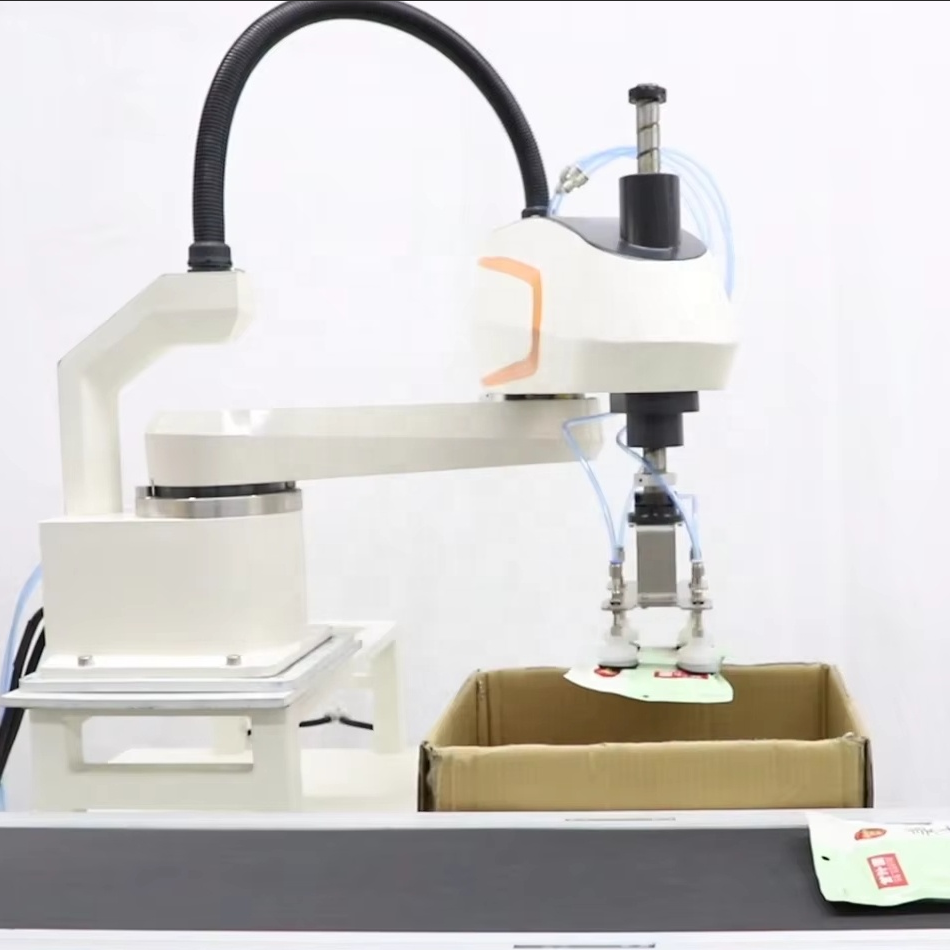
Newly Design Industrial Articulated Robotic Arm SCARA for Precision Assembly & Handling
Articulated SCARA platform for precision assembly, part handling, and vacuum-tooling integration in Charlotte production cells.
View model →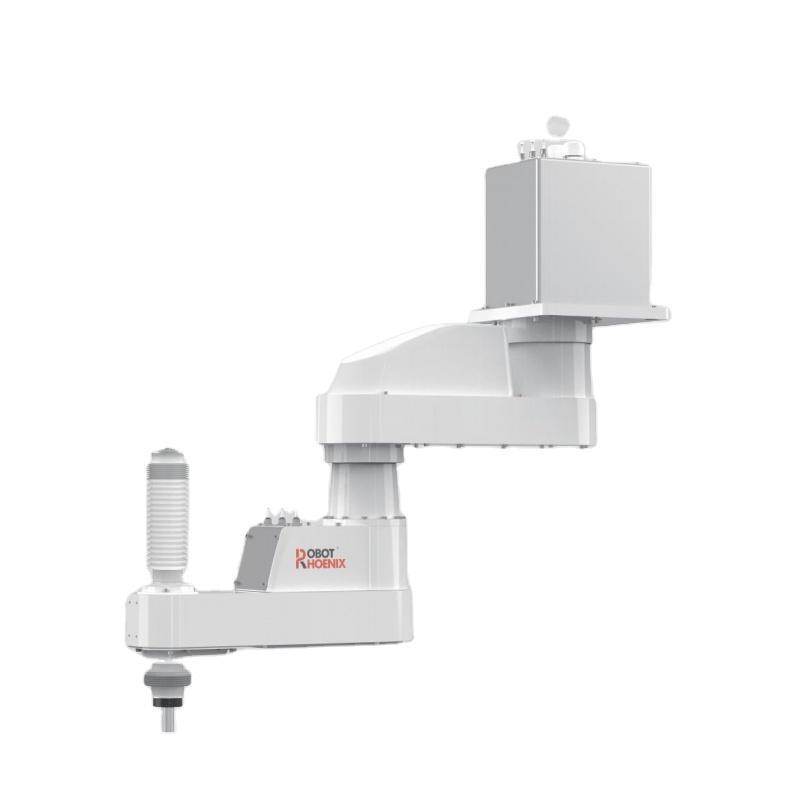
Compact Structure High Precision 550mm Reach Radius 3kg Payload 4-axis SCARA Robot
550 mm reach and 3 kg payload for compact pick-and-place, tray loading, and suction-cup placement with short cycle times.
View model →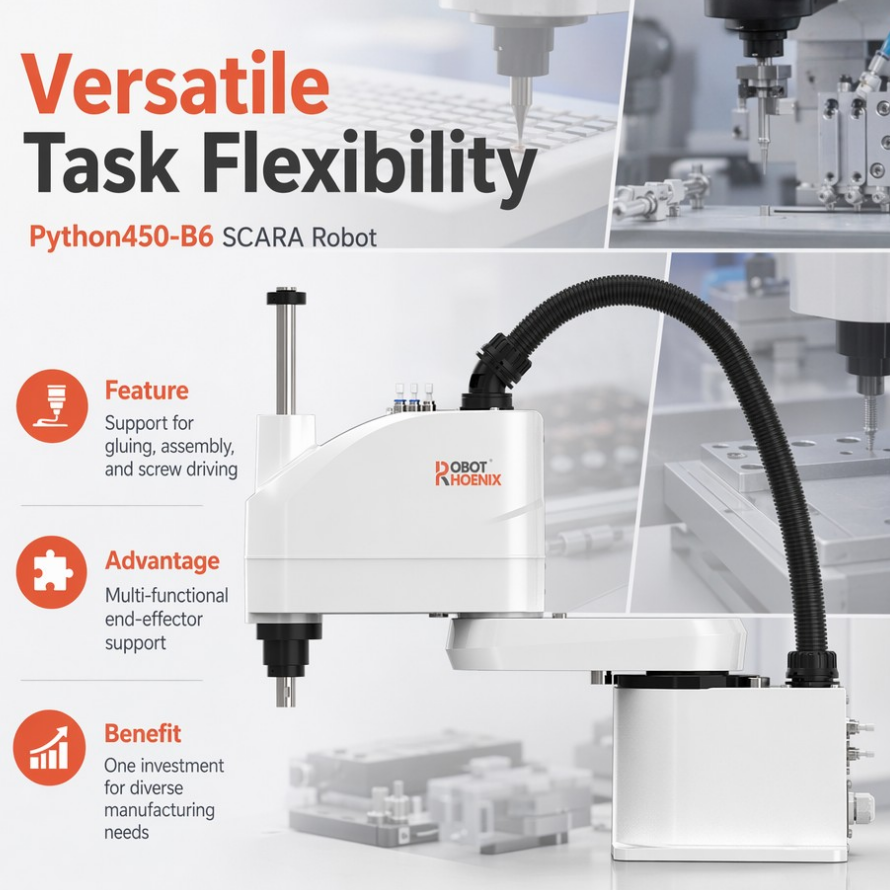
New Condition High Precision 400mm Reach Arm Scara Robot with PLC for 3C Electronic Assembly
400 mm reach SCARA with PLC support for electronics, small-part handling, and repeatable vacuum pick-and-place.
View model →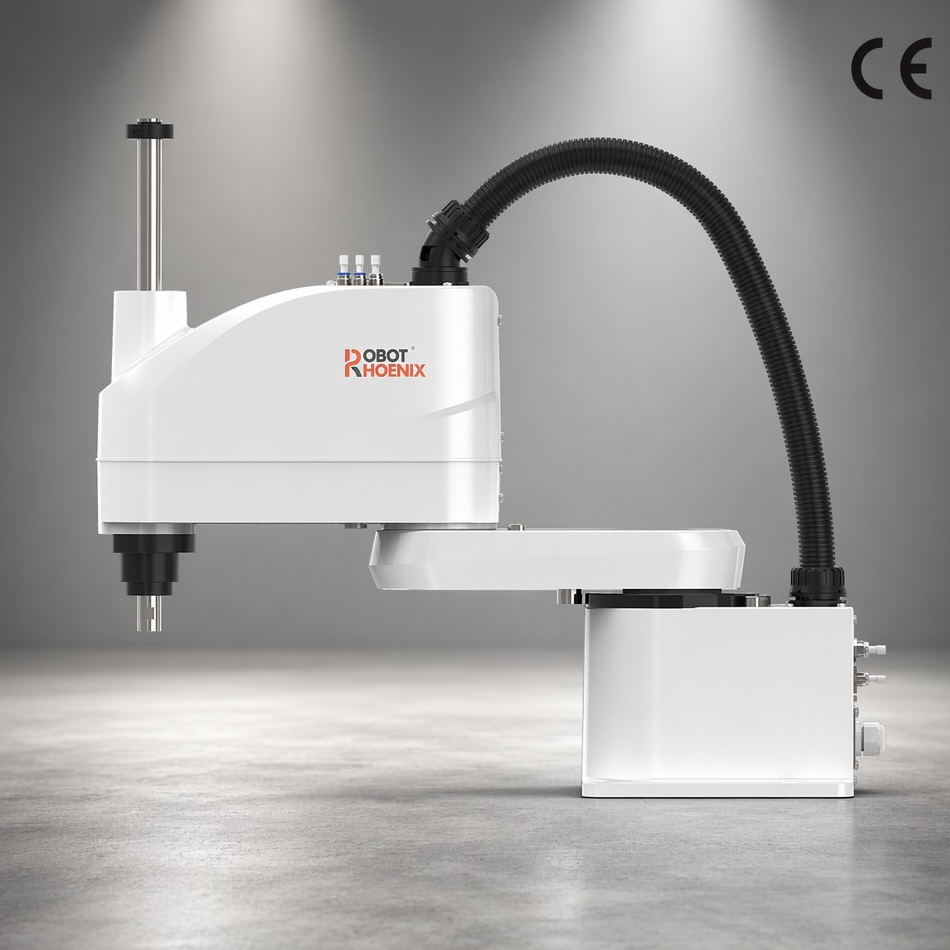
High Efficiency 6kg Payload Manipulator Scara Robot with Vision for Picking and Placing
6 kg payload SCARA with vision for tray loading, mixed-part picking, and suction-cup end-of-arm tooling.
View model →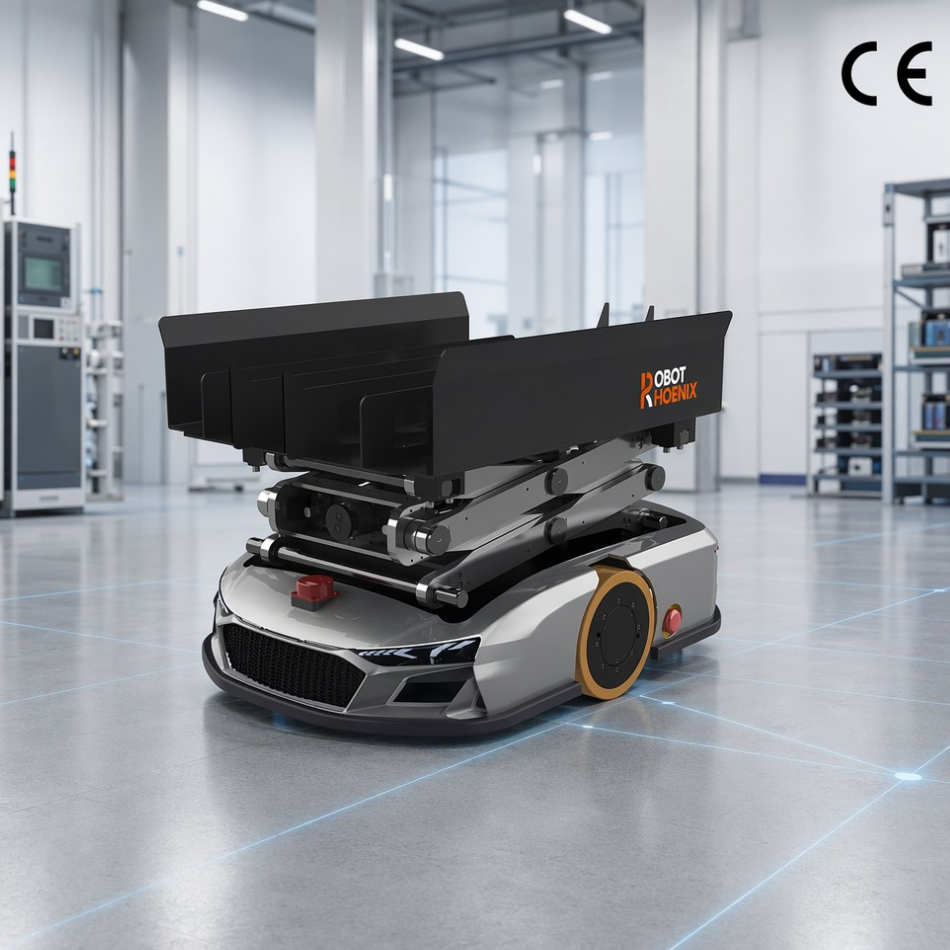
High Performance Material Handling Verhicel AMR Robot AGV Robot for Warehouse Logistic System
Mobile robot platform for warehouse logistics, line-side delivery, and transport to fixed suction-cup pick stations.
View model →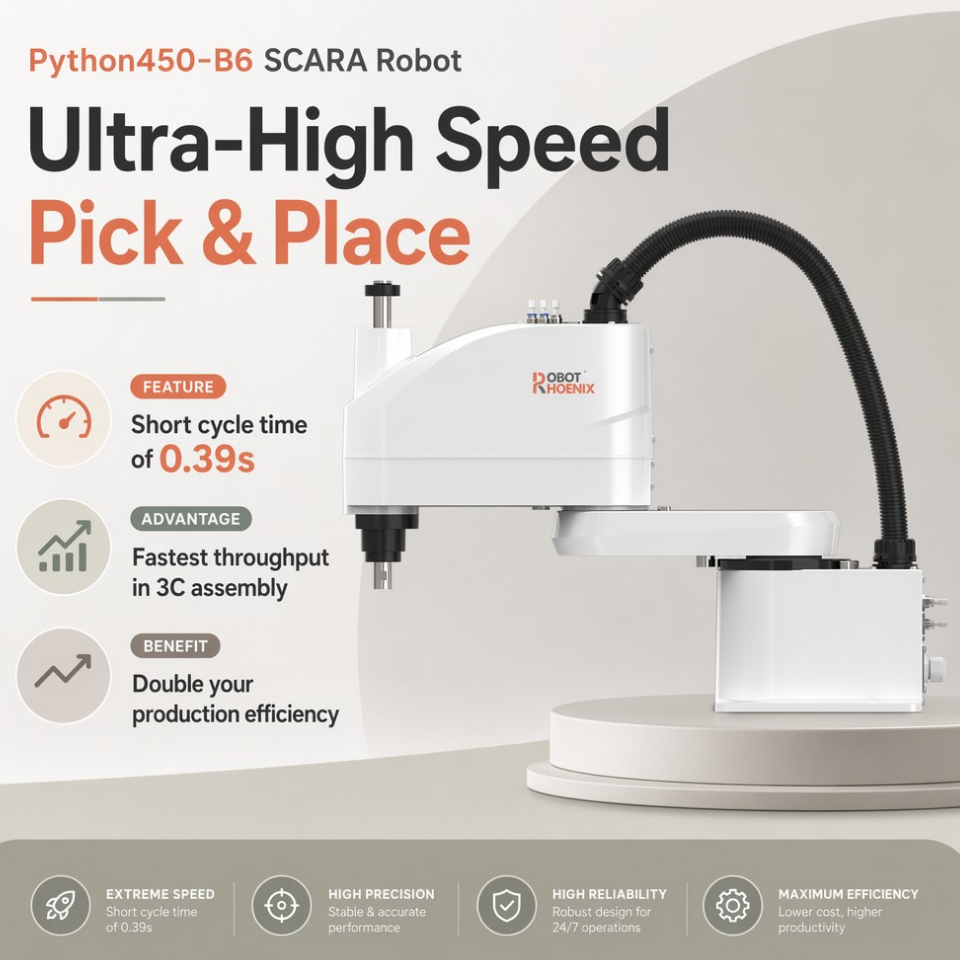
Robotphoenix High Speed Manipulator Scara Robot with Gripper for Product Accuracy Picking
High-speed SCARA with gripper support for accurate picking; configurable with vacuum and suction-cup end effectors.
View model →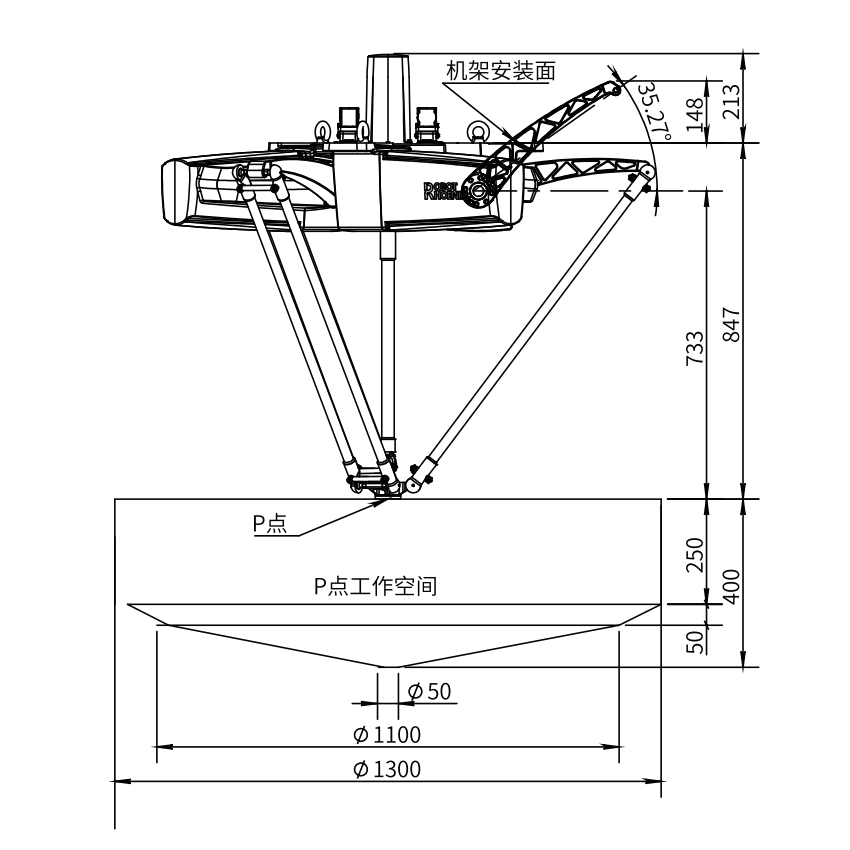
Industrial Robotic Arm Parallel Robot 2/3/4 Axis Delta Robot for Pick&Place Application
2/3/4-axis delta robot for high-speed pick-and-place, sorting, and multi-cup vacuum array tooling.
View model →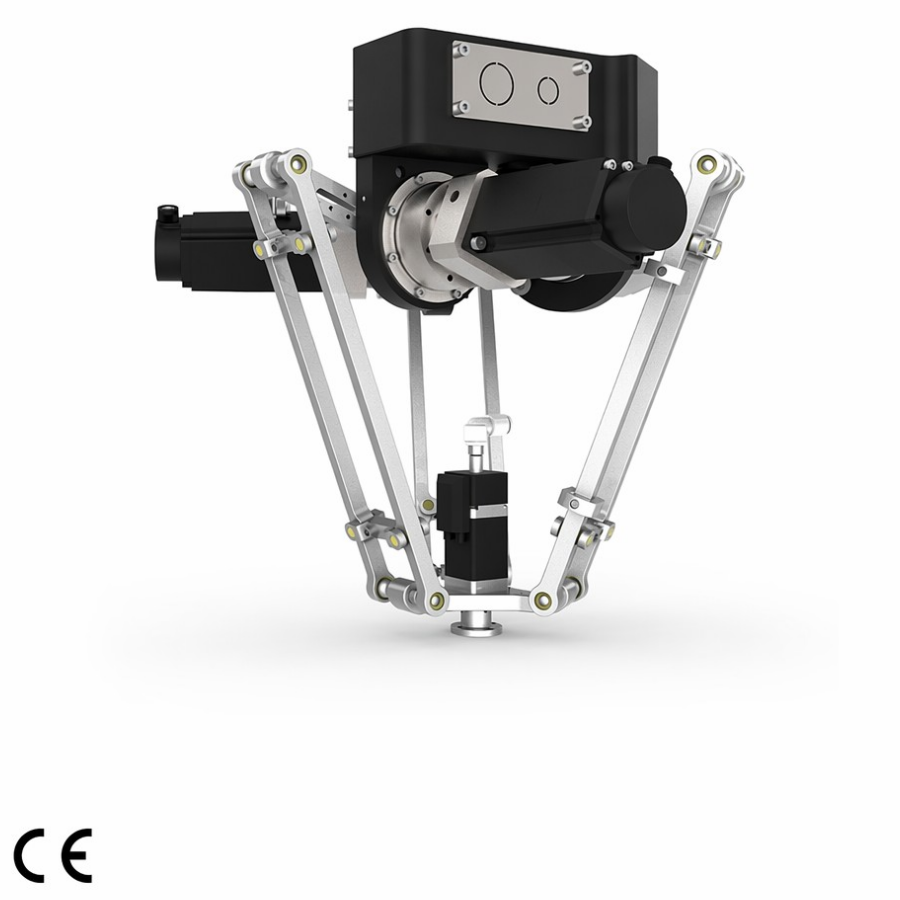
High Speed Consumer Goods Industries Bottle Unscrambling Machine Component Delta Robot
Delta robot for bottle unscrambling and consumer-goods handling where speed, consistency, and vacuum pick matter.
View model →What to Verify Before Comparing Robot Suction-Cup Quotes
Charlotte’s manufacturing base is not one market. A suction-cup robot cell specified for an automotive supplier along the I-85 corridor may underperform in a food-packaging plant near Concord if the cup material, vacuum generator, washdown approach, or changeover method is wrong. Buyers searching for a robot suction cup manufacturer or wholesaler serving Charlotte should compare three layers: the robot, the vacuum end-effector, and the integration team that supports commissioning.
JORI Intelligent Technology Co., Ltd. is an industrial robot manufacturer founded in 2012 in Jinan, Shandong. Our core manufacturing covers delta parallel robots, SCARA robots, silicon wafer handling robots, AGV/AMR platforms, autonomous forklifts, self-developed robot controllers, and 2D/3D vision. Suction-cup tooling is engineered as part of the automation package: cup type, cup count, vacuum generation, gripper frame, sensor feedback, and PLC/vision handshake are matched to the part and cycle time.
That distinction matters. A low-cost cup catalogue is not the same as a validated robotic pick-and-place cell. For Charlotte buyers, the strongest sourcing strategy is to request a total cost of ownership model that includes cup replacement intervals, spare-part availability, engineering response time, controller compatibility, and production changeover effort — not just a per-cup price.
Where Suction-Cup Robots Deliver Fast Payback in Charlotte
Charlotte’s growth spans advanced manufacturing, packaging, e-commerce fulfillment, medical devices, plastics, and logistics. The right robot depends less on the industry label and more on part geometry, surface porosity, cycle time, and how often the line changes over.
EV & Automotive Suppliers
SCARA and delta cells can handle brackets, connectors, gaskets, and small subassemblies with custom cup arrays, part-present sensing, and PLC handshakes for Charlotte’s automotive supply chain.
Food & Beverage Packaging
High-speed delta robots with food-contact-compatible cup options can pick lids, pouches, trays, and lightweight containers. Sanitary design, cleaning routine, and material verification should be reviewed early.
E-commerce & Warehousing
AMR/AGV platforms move totes and cartons to fixed SCARA or delta suction-cup stations, reducing walking, lifting, and line-side waiting in Charlotte fulfillment operations.
Medical Devices & Electronics
Compact SCARA robots with small vacuum cups support precision placement, tray loading, inspection, and clean handling where repeatability and documentation are procurement priorities.
Consumer Goods & Bottle Handling
Delta robots are suited to bottle unscrambling, lid placement, cartoning, and high-speed sorting where vacuum cups must match curved surfaces and lightweight packaging.
Machine Builders & Integrators
Charlotte machine builders can standardize cells around JORI robot platforms, self-developed controllers, and custom end-effectors, with OEM and buyer-label support for repeat programs.
How to Specify a Suction-Cup Robot Cell for a Charlotte Facility
Use this practical checklist to separate a credible robot suction-cup manufacturer or wholesale partner from a catalogue-only supplier.
Vacuum & Cup Selection
- Match cup material to surface: silicone, nitrile, polyurethane, bellows, or foam.
- Review part porosity, oil, temperature, static charge, and food-contact requirements.
- Size cup diameter from part weight, center-of-gravity offset, and safety factor — not robot payload alone.
- Confirm vacuum generator flow, leakage allowance, sensor feedback, and cup replacement access.
Robot & Motion
- Choose SCARA for planar assembly and precise placement in a compact footprint.
- Choose delta for high-speed picking from conveyors with lightweight products.
- Choose AMR/AGV when the bottleneck is transport between stations, not pick speed.
- Validate reach, payload, repeatability, vision field of view, and PLC cycle handshake.
Controls, Safety & Support
- Confirm voltage, air supply, I/O, Ethernet, safety circuit, and line integration requirements.
- Request drawings, spare-parts list, cup-change procedure, and commissioning support scope.
- Verify ISO 9001, factory assessment, credit profile, and trade records before purchase.
- Ask for response-time commitments and escalation contacts for production downtime.
Charlotte Automation Trends Shaping 2025–2026 Buying Decisions
These trends affect how Charlotte buyers justify robot suction-cup projects, compare wholesalers, and plan line upgrades.
High-Mix, Lower-Volume Production
Charlotte manufacturers increasingly run more SKUs with shorter runs. Robot cells need quick cup-change tooling, recipe-driven vision, and easy PLC handshakes rather than a single fixed suction head.
Nearshoring & Supply-Chain Resilience
As production shifts closer to North American customers, Charlotte operations are adding flexible automation that can be replicated across plants. Standard robot platforms and documented spare parts reduce deployment risk.
Traceability, Energy & Uptime
Procurement teams now ask for cycle-level traceability, energy-efficient vacuum generation, and remote troubleshooting. A factory-direct supplier with in-house controllers and vision can shorten escalation paths.
Why Charlotte Wholesalers & Machine Builders Work With JORI
JORI Intelligent Technology Co., Ltd. was founded in 2012 and operates as a high-tech manufacturer specializing in industrial robot R&D and production, controller and 2D/3D vision development, OEM support, and automated system integration. Because delta robots, SCARA robots, silicon wafer robots, AGV/AMR platforms, vision, and controllers are developed in-house and protected by national patents, buyers gain one accountable source for hardware, software, and after-sales engineering.
For Charlotte distributors, integrators, and machine builders, this factory-direct model supports OEM service, design service, buyer-label options, custom end-effectors, and one-set pilot orders before scaling. Export experience across North America, South America, Eastern Europe, Southeast Asia, and China helps reduce communication friction when specifications, drawings, and commissioning plans cross time zones.

In-House Controllers & Vision
Robot motion, PLC communication, and 2D/3D vision are engineered together, reducing third-party compatibility gaps.
Original Robot Factory
Delta, SCARA, wafer, AGV/AMR, and forklift platforms are produced by a manufacturer — not a reseller chain.
OEM, Design & Buyer Label
Wholesale and machine-builder programs can include custom tooling, branding, documentation, and controller integration.
One-Stop Integration Support
From suction-cup sizing to production-line handshakes, JORI supports the cell architecture around the robot.
ISO 9001 Quality System
Documented inspection, run-in testing, and quality management help protect repeat orders and multi-site rollouts.
Export-Ready Commercial Terms
FOB, CFR, CIF, EXW, CIP, FCA, CPT, and express delivery are supported, with flexible payment methods and currencies.

Assembly and testing area for industrial robot platforms and controllers.

Engineering team supporting OEM projects, custom end-effectors, and integration planning.

International exhibition and partner activity across industrial automation markets.
Manufacturer, Wholesaler, or Integrator? A Charlotte Buyer’s Quick Check
Common Questions Local Buyers Ask Before Ordering
Clear answers help Charlotte buyers move from initial search to an engineering review without unnecessary back-and-forth.
Do you have a warehouse or local stock in Charlotte?
JORI supplies factory-direct from its manufacturing base and supports export shipments to Charlotte. Local stock, showroom availability, and installation scope should be confirmed project by project. Buyers who need local commissioning should discuss the role of their preferred Charlotte integrator during quotation.
Can you supply suction cups and the robot together?
Yes. A quotation can include the robot platform, vacuum cups, vacuum generator, gripper frame, sensors, vision options, and PLC integration support. For best results, share part photos, weight, surface finish, porosity, cycle time, and whether the surface is oily, hot, curved, or food-contact-sensitive.
Which robot is best for suction-cup pick-and-place?
Choose a SCARA robot for precise planar assembly, tray loading, and compact placement. Choose a delta robot for high-speed picking from conveyors with lightweight products. Choose an AMR/AGV when the main problem is moving totes or cartons between stations. JORI engineers can compare cycle time and layout options before you commit.
How do we choose vacuum cup materials for Charlotte applications?
Start with the part surface and environment: silicone is often considered for high temperature and some food-contact applications; nitrile offers oil resistance; polyurethane can suit abrasion resistance; bellows cups help with curved or uneven surfaces; foam cups can help with porous or fragile items. Final material must be validated against your sanitation, temperature, and chemical-exposure requirements.
Can JORI integrate with existing PLCs, vision systems, or packaging lines?
Yes. JORI develops its own controllers and 2D/3D vision and can support PLC-ready integration for cartoning machines, packaging equipment, and wet-wipe lid applicator lines. Share your PLC brand, I/O list, communication protocol, safety architecture, and line layout so the quotation can reflect the real integration scope.
What voltage, air supply, and safety details are needed for North Carolina facilities?
Requirements vary by site. Provide your available voltage, frequency, compressed-air pressure and flow, ambient conditions, guarding plan, and safety validation responsibilities. JORI can confirm the robot configuration and documentation needed, while final on-site electrical and safety compliance should be reviewed with your local integrator and authority having jurisdiction.
What are the MOQ, wholesale terms, lead times, and payment methods?
Standard delta robots, SCARA robots, and AMR/AGV platforms can be ordered from 1 set, enabling a pilot cell before scaling. Wholesale and OEM discussions are welcome. Delivery terms include FOB, CFR, CIF, EXW, CIP, FCA, CPT, and express delivery. Payment methods include T/T, L/C, credit card, PayPal, Western Union, MoneyGram, and escrow, in USD, EUR, GBP, JPY, CAD, AUD, HKD, CHF, and CNY. Lead time is confirmed after configuration.
How quickly can we get a catalog and engineering review?
Use the Get Catalog button on this page to request the current catalogue and product details. For an engineering review, include your part description, weight, surface material, required cycle time, robot reach, facility layout, and whether you need a single robot, a complete suction-cup cell, or a wholesale/OEM program. JORI maintains an average response time of 2 hours or less and a 97.06% response rate.
Planning a Suction-Cup Robot Cell or Wholesale Program for Charlotte?
Send your product, part weight, cycle time, surface material, and layout requirements. JORI engineers will recommend a SCARA, delta, or AMR platform and outline the vacuum tooling, controls, and integration path.