Three Axis Robot Factory & Suppliers Serving the Tijuana Market
Factory-direct SCARA, delta, three-axis pick-and-place and AMR/AGV automation for medical-device, electronics, automotive and packaging plants across the Tijuana–Baja California manufacturing corridor — engineered in-house since 2012, ISO 9001, OEM-ready and supported with fast project communication.
8 Robot Models Recommended for Tijuana Production Cells
For buyers comparing three axis robot factory and three axis robot suppliers serving the Tijuana market, the right starting point is the process — not the catalogue. Payload, reach, cycle time, part presentation, cleanroom or packaging environment, plant voltage and maintenance capability determine whether a 3-axis Cartesian module, 4-axis SCARA, high-speed delta or mobile robot is the better investment.
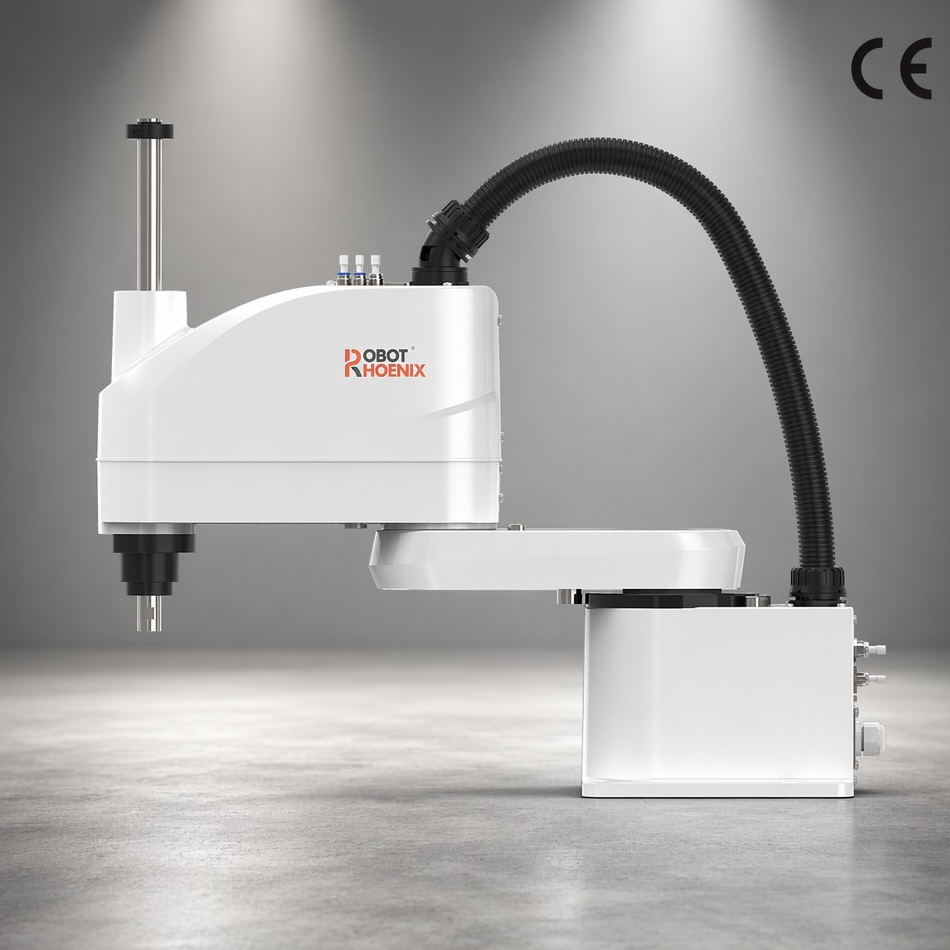

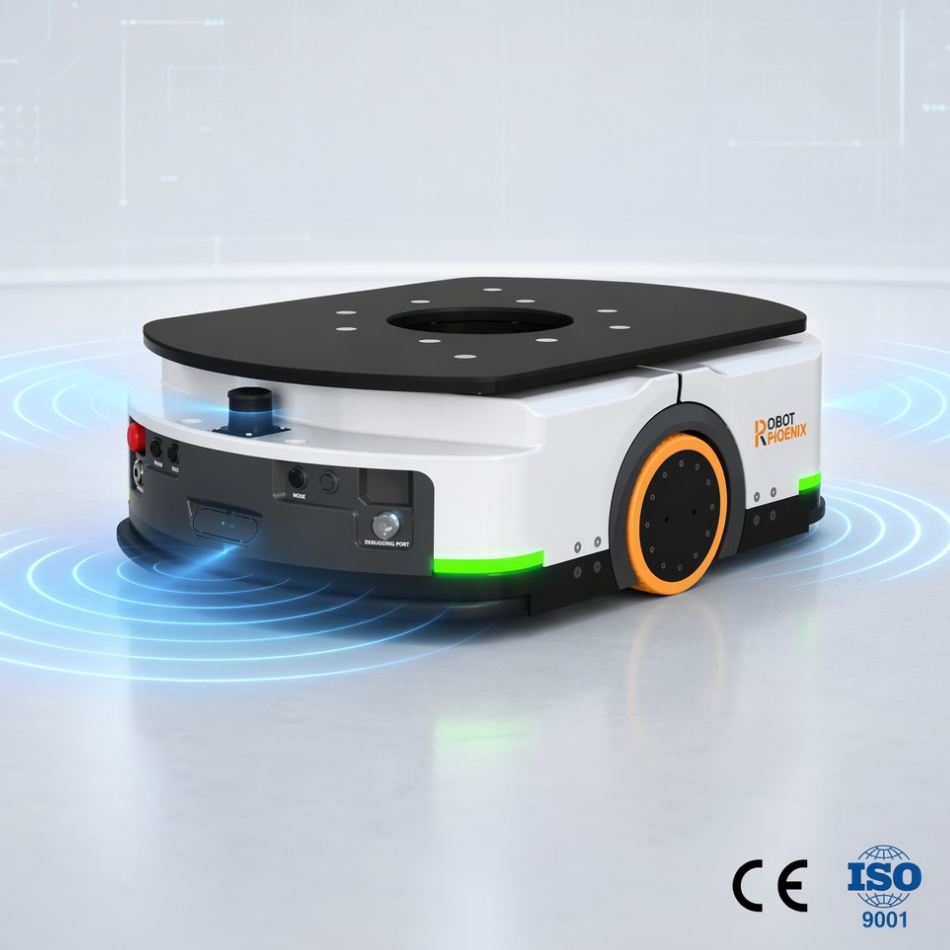


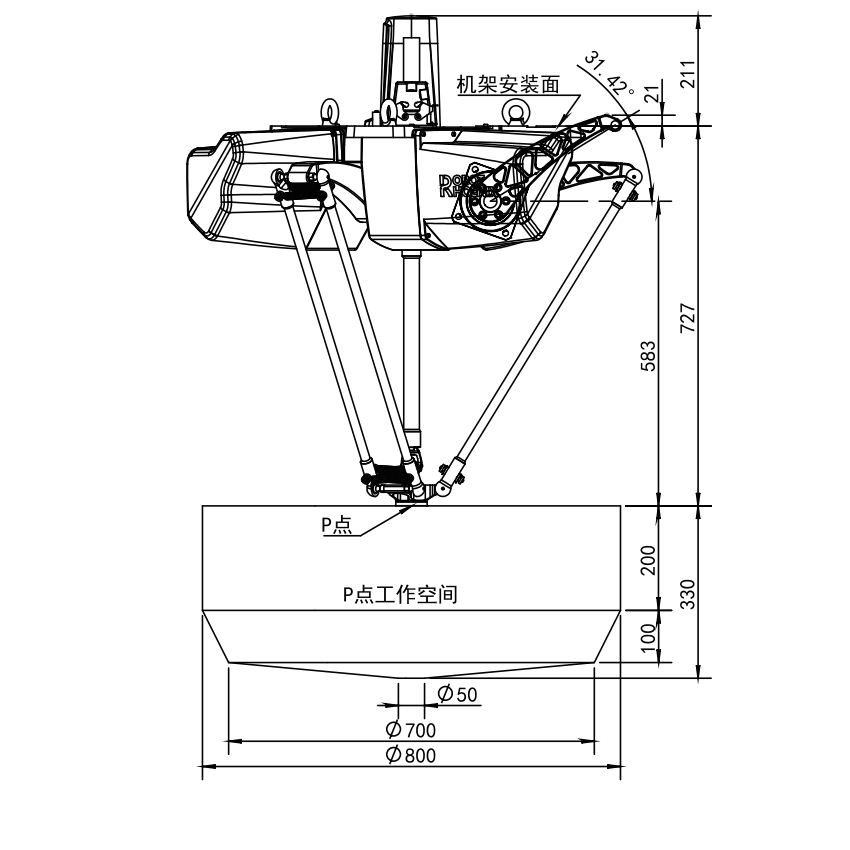

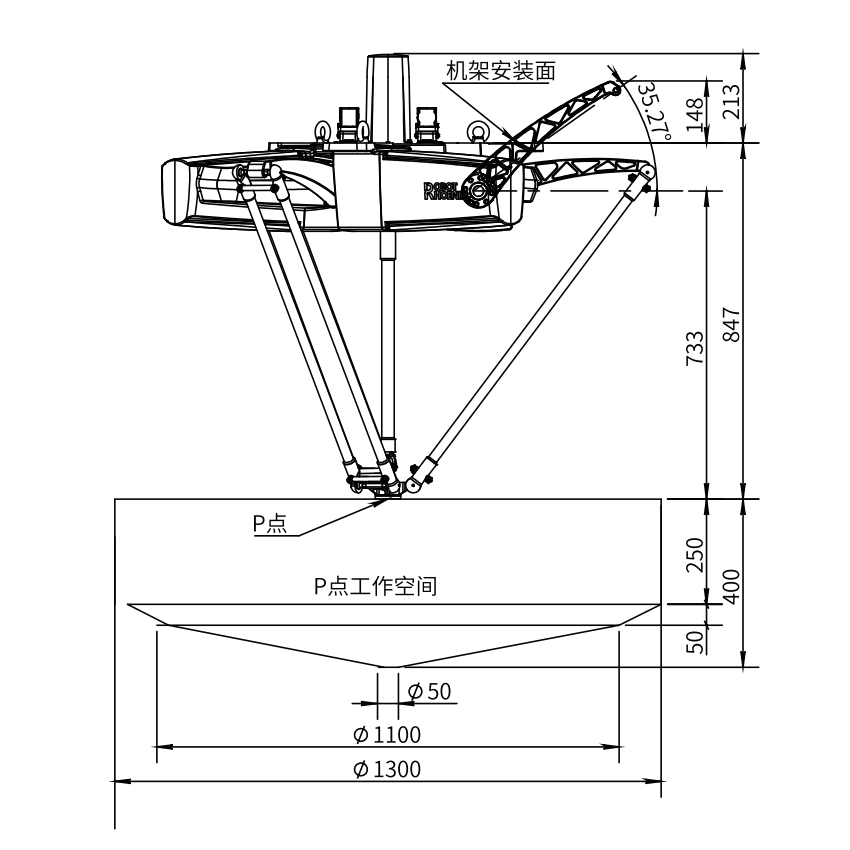
Standard models are available from 1 set. Final payload, reach, voltage, safety and integration specifications are confirmed per configuration.
R&D-led industrial robot manufacturing in Jinan, China.
Employees supporting R&D, production, testing and export projects.
Square metres of robot assembly, testing and integration capacity.
Average response within 2 hours for project inquiries.
Tijuana’s Automation Moment: Nearshoring Demand Meets Cell-Level Precision
The Tijuana market is not a single generic assembly market. It is a cross-border manufacturing ecosystem shaped by medical devices, electronics, automotive components, aerospace, consumer products and warehouse operations serving U.S. and Mexican customers.
Why “three-axis robot” searches often hide the real decision
Procurement teams searching for a three axis robot factory or three axis robot suppliers serving the Tijuana market usually begin with a price target. In practice, the winning cell is defined by six numbers: part weight, cycle time, repeatability, part presentation, plant power and annual volume. A simple X-Y-Z transfer may be solved by a Cartesian gantry or a low-cost three-axis module, while a planar assembly task may perform better with a 4-axis SCARA. A moving-conveyor packaging line may justify a high-speed delta, and non-value-added transport is often better addressed with an AMR or AGV.
The axis count is not the strategy. It is the consequence of a process decision. That is why a factory-direct supplier should ask for part drawings, a line-layout sketch, target takt time, gripper concept, PLC handshake requirements and operator-maintenance constraints before sending a quotation. Tijuana plants often run mixed-model production with short changeovers, so the controller, vision recipe management and safety design matter as much as the robot arm itself.
JORI Intelligent Technology Co., Ltd. has manufactured industrial robots since 2012 and develops the robot arm, controller and 2D/3D vision under one engineering team. For Tijuana buyers comparing a China-based factory with local integrators or distributors, that vertical integration creates a single accountable source for hardware, software, robot programming support and OEM customization — while keeping project communication direct and transparent.
What Tijuana buyers should define before requesting a model
Illustrative decision weighting for robot selection in cross-border manufacturing projects, not an official market statistic.
Three-Axis, SCARA, Delta or AMR? A Practical Selection Matrix for Tijuana Plants
Use this matrix to narrow the architecture before comparing suppliers. The best robot is the one your maintenance team can support, your PLC can handshake with and your quality system can validate.
| Robot format | Typical axes | Best Tijuana use case | Strength | Watch-out |
|---|---|---|---|---|
| Format 01Cartesian / gantry | 3-axis | Simple pick-and-place, dispensing, cutting, test handling and linear transfer. | Easy to integrate, transparent motion envelope and familiar maintenance. | Can become large and slow in complex paths; vision and force control may add cost. |
| Format 02SCARA | 3/4-axis | Medical-device tray loading, electronics insertion, adhesive, screwdriving and small assembly. | Compact footprint, fast planar motion and strong repeatability for assembly cells. | Reach and vertical motion are limited; gripper design and part presentation are critical. |
| Format 03Delta / parallel | 3/4-axis | Wet-wipe lid application, cartoning, sorting, high-speed pick-and-place and end-of-line packing. | Very high speed and acceleration for lightweight products on moving conveyors. | Usually best for lower payloads; vision, conveyor tracking and hygiene design must be specified. |
| Format 04AMR / AGV | Navigation platform | WIP movement, line-side replenishment, cross-dock transport and narrow-aisle warehouse flows. | Reduces walking and pushing; can adapt to layout changes with laser SLAM navigation. | Requires traffic rules, charging strategy, floor conditions and fleet-management planning. |
| Format 05Factory integration | Cell-level | PLC handshake, safety, vision, gripper, conveyor tracking and data traceability. | Determines whether the robot becomes a reliable production asset rather than a demo. | Must be owned by one accountable engineering team with clear interface documentation. |
When comparing quotations, request cycle-time simulation, safety-risk assumptions, spare-parts list, PLC interface list and operator-training scope.
Where These Robots Fit Across the Tijuana–Baja California Manufacturing Corridor
Tijuana plants often combine high-mix production, cross-border supply chains and limited floor space. The applications below reflect the projects where factory-direct robot selection and integration support create measurable operational value.
Medical Device & Diagnostics Assembly
Vision SCARA and compact 4-axis robots for tray loading, blister handling, kitting and inspection. Cleanroom-compatible finishes, traceable recipes and controlled changeover support validation-heavy Tijuana medical manufacturing.
Electronics, Connectors & 3C Assembly
400 mm reach SCARA robots and delta pickers for insertion, adhesive, screwdriving and test handling. Compact cells fit brownfield buildings and support ESD-aware end-effector design, vision alignment and traceability.
Automotive Harness & Component Handling
SCARA placement, delta sortation and PLC-ready pick-and-place for connectors, small components and poka-yoke stations. Robot cells help stabilize shift-to-shift output where labor availability and training time vary.
Packaging, Wet Wipes & Consumer Products
Delta robots for wet-wipe lid applicator machines, cartoning, labeling and high-speed sorting. Vision-guided picking and conveyor tracking help handle product variation without hard-tooling every SKU.
Cross-Dock, WIP & Narrow-Aisle Logistics
Latent AGVs and 400–500 kg AMR platforms for material movement between receiving, lineside storage and shipping. Laser SLAM navigation reduces dependence on fixed floor tape and supports evolving layouts.
OEM Support for Tijuana Integrators
Machine builders can source robot arms, controllers and vision modules for buyer-label equipment. Custom end-effectors, PLC interfaces and design support help local integrators deliver complete cells without managing multiple hardware vendors.
Trends Shaping Tijuana Robot Procurement in 2025–2026
Buyers are not simply asking for a lower robot price. They are asking for shorter commissioning, simpler line duplication, better bilingual documentation and cells that remain useful when the product mix changes.
Nearshoring and line duplication
Plants want standardized cells that can be duplicated quickly across shifts or sites. Single-set MOQ and repeatable controller architecture make pilot-to-scale transitions easier.
Brownfield space constraints
Tijuana factories often expand inside existing buildings. Compact SCARA and delta cells plus low-profile AGVs reduce the need for new floor area or major layout changes.
Workforce knowledge transfer
Operators and technicians need accessible HMIs, clear fault messages and practical training. Bilingual documentation and remote engineering support help protect uptime during ramp-up.
Traceability and energy discipline
Vision, PLC handshakes and production data are becoming normal requirements. Efficient robot motion, regenerative options and right-sized payloads support plant energy and maintenance goals.
Why JORI Is a Credible Factory Partner for Tijuana Buyers
Cross-border sourcing works best when the supplier is transparent about engineering scope, quality credentials, customization limits and response commitments. JORI’s factory-direct model is built around those expectations.
Independent R&D since 2012
Robot arms, controllers, 2D/3D vision and integration engineering are developed in-house, supporting faster problem-solving and clearer accountability.
ISO 9001 and onsite-verified credibility
Documented quality management and third-party onsite verification help Tijuana buyers evaluate the factory before placing a pilot order.
OEM, design and buyer-label support
Machine builders and integrators can request custom end-effectors, controller integration, branding and configuration support for local projects.
One source for arm, controller and vision
A single engineering team can support robot selection, PLC handshake, vision recipes and interface documentation — reducing vendor friction.
Flexible delivery and payment terms
Delivery terms include FOB, CFR, CIF, EXW, CIP, FCA, CPT and express delivery. Payment options include T/T, L/C, credit card, PayPal, Western Union, MoneyGram and escrow in major currencies.
Fast project communication
Average response time of 2 hours or less with a 97.06% response rate. Buyers can send layout drawings, process videos and cycle-time targets for a focused model recommendation.



What Local Procurement Teams Ask Before Ordering
These are the practical questions that arise when a Tijuana plant, contract manufacturer or machine builder evaluates a factory-direct robot supplier for the first time.
Can a three-axis robot be enough for my Tijuana cell, or should I use a SCARA?
A three-axis Cartesian or gantry solution can be sufficient for simple linear transfer, dispensing, cutting or test handling. If the process requires planar assembly, insertion, screwdriving or precise circular interpolation in a compact cell, a 4-axis SCARA is often more efficient. Share the part weight, cycle time, motion path and gripper concept; the factory can compare both options before quoting.
How do robots ship to Tijuana, and what import documents are usually needed?
Factory export shipments commonly include a commercial invoice, packing list, bill of lading or airway bill and applicable origin or conformity documents. The Mexican importer, customs broker and any IMMEX or NOM-related review remain the buyer’s responsibility. JORI can coordinate shipment data and technical documentation with the buyer’s broker so the import process is transparent.
Do your robots support Mexican plant power and safety requirements?
Robot and controller configurations can be quoted for the plant’s required voltage and 60 Hz supply. Final electrical integration, lockout/tagout, guarding and risk assessment should be completed by the buyer’s qualified engineers or local integrator. Providing the plant voltage, grounding scheme and safety architecture early avoids redesign during commissioning.
What is the minimum order quantity and typical lead time?
Standard delta robots, SCARA robots and AMR/AGV platforms can be ordered from 1 set, allowing a pilot cell before scaling. Lead time depends on the selected model, vision scope, end-effector, controller options and customization level. The final schedule is confirmed in the quotation after technical review.
Can the robot integrate with existing cartoning, wet-wipe lid, labeling or assembly machines?
Yes. JORI develops controllers and 2D/3D vision in-house and supports PLC-ready robot integration for packaging and assembly equipment. Send the machine drawings, PLC type, I/O list, conveyor speed, product presentation and existing safety concept so the factory can define the handshake and gripper requirements.
Do you provide Spanish documentation and local support in Tijuana?
English working documentation is standard for export projects. Spanish operator labels, translated manuals or bilingual training materials can be scoped when required. Support is typically delivered through remote engineering, video-based troubleshooting and collaboration with the buyer’s local integrator or maintenance team. This approach keeps response fast without overstating a local office presence.
How can we validate ROI before scaling from one cell to multiple lines?
Start with the six-number brief: part weight, cycle time, repeatability, part presentation, plant power and annual volume. Define baseline labor hours, scrap rate, changeover time and expected uptime. A single pilot cell can then be measured against those baselines before duplicating the configuration. Standardized controller and vision recipes make later line duplication easier.
Which payment and delivery terms are accepted?
Accepted delivery terms include FOB, CFR, CIF, EXW, CIP, FCA, CPT and express delivery. Accepted payment methods include T/T, L/C, credit card, PayPal, Western Union, MoneyGram and escrow, in USD, EUR, GBP, JPY, CAD, AUD, HKD, CHF and CNY. Final terms are confirmed in the commercial quotation.
Planning a Three-Axis, SCARA, Delta or AMR Cell for Tijuana?
Send your part weight, target cycle time, plant voltage, floor-layout sketch and launch date. A factory engineer will review the application and recommend the most practical robot configuration — with OEM and integration questions clarified before you commit.