Eight China-built Robots for Osaka Automation and Logistics Cells
The eight products below are presented immediately under the banner so Osaka buyers can move from the 500 kg AMR concept to a complete automation cell. Product URLs are preserved from the original catalogue, and the AMR material-handling platform is the practical starting point for 500 kg-class intralogistics discussions.

High Precision Pick and Place 4 Aixs Parallel Robot Delta with Vision Tracking System
Vision-guided high-speed picking for packaging, sorting and product transfer.
View product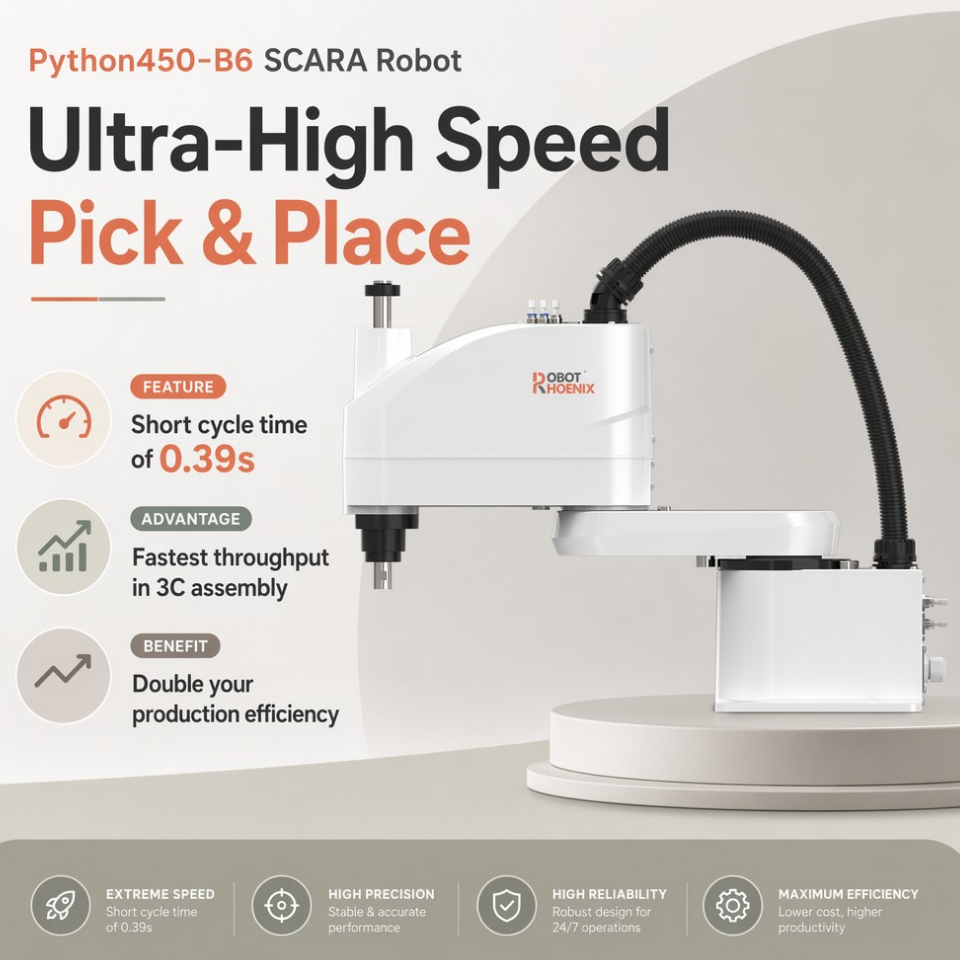
Robotphoenix High Speed Manipulator Scara Robot with Gripper for Product Accuracy Picking
Compact high-speed SCARA handling for accurate picking and placement.
View product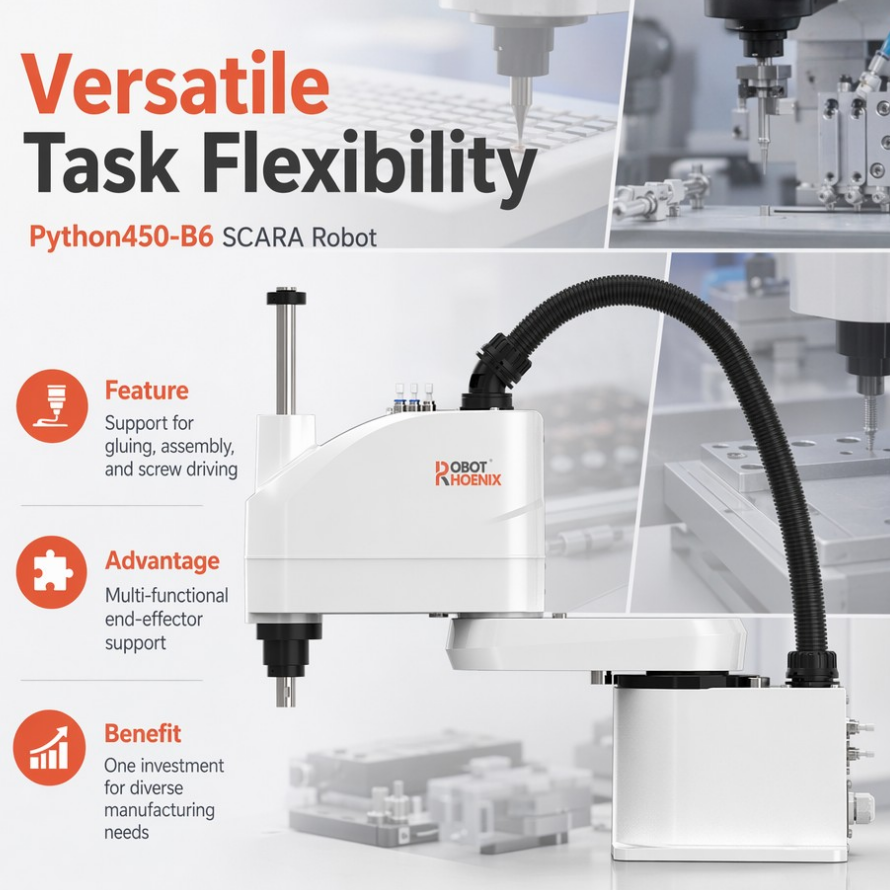
New Condition High Precision 400mm Reach Arm Scara Robot with PLC for 3C Electronic Assembly
400 mm reach assembly robot for electronics, inspection and small-part handling.
View product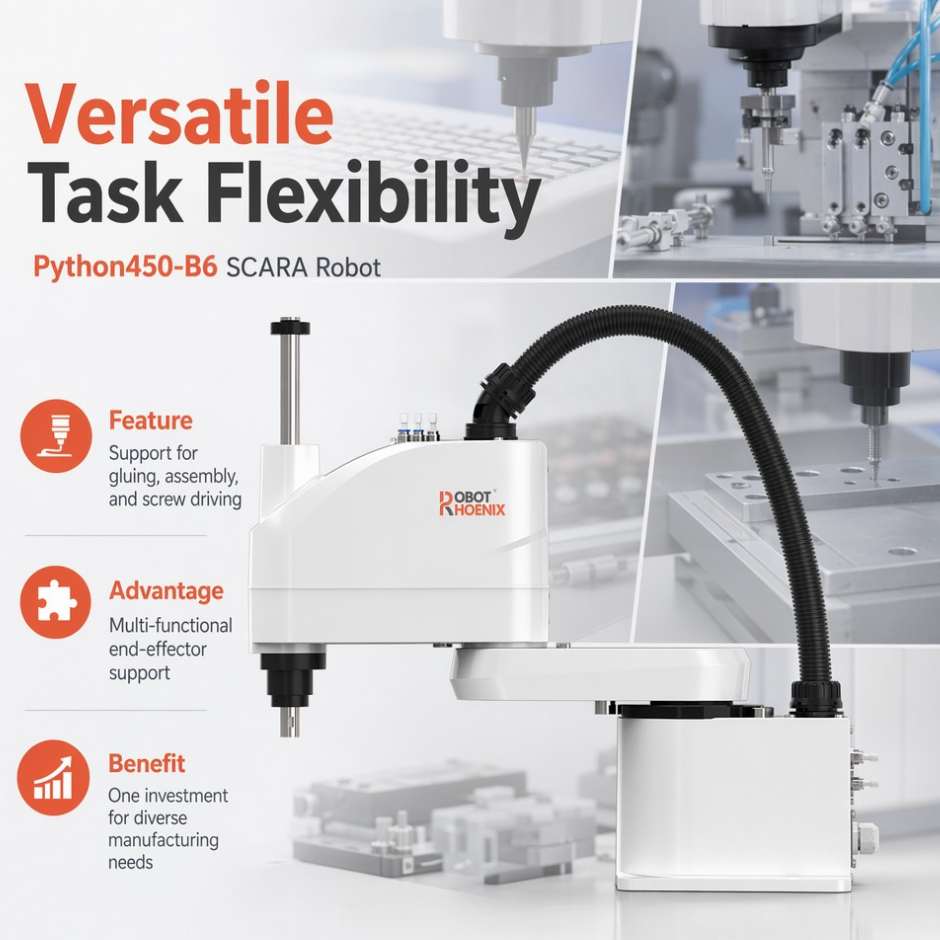
Four-Axis Industrial Robot Hand SCARA for Loading/Unloading and Sorting in Food Industry
Food-line loading, unloading and sorting support with compact SCARA motion.
View product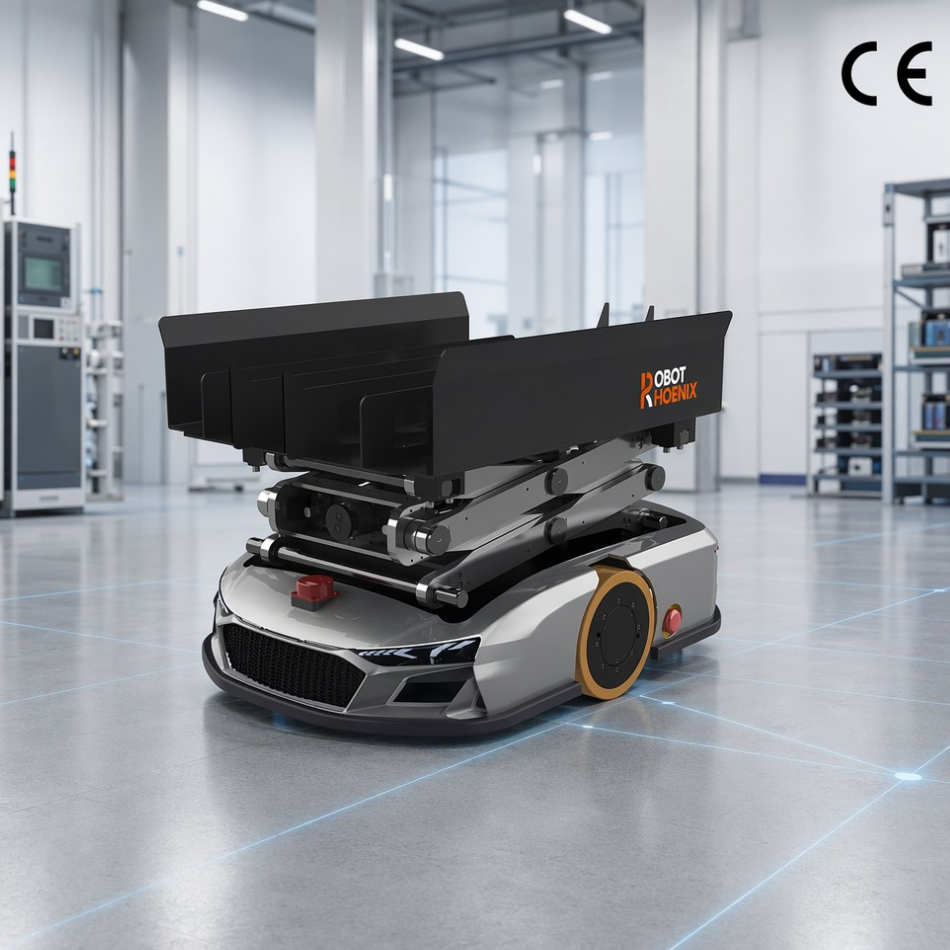
High Performance Material Handling Verhicel AMR Robot AGV Robot for Warehouse Logistic System
Material-handling AMR platform for warehouse logistics and large-facility transport.
View product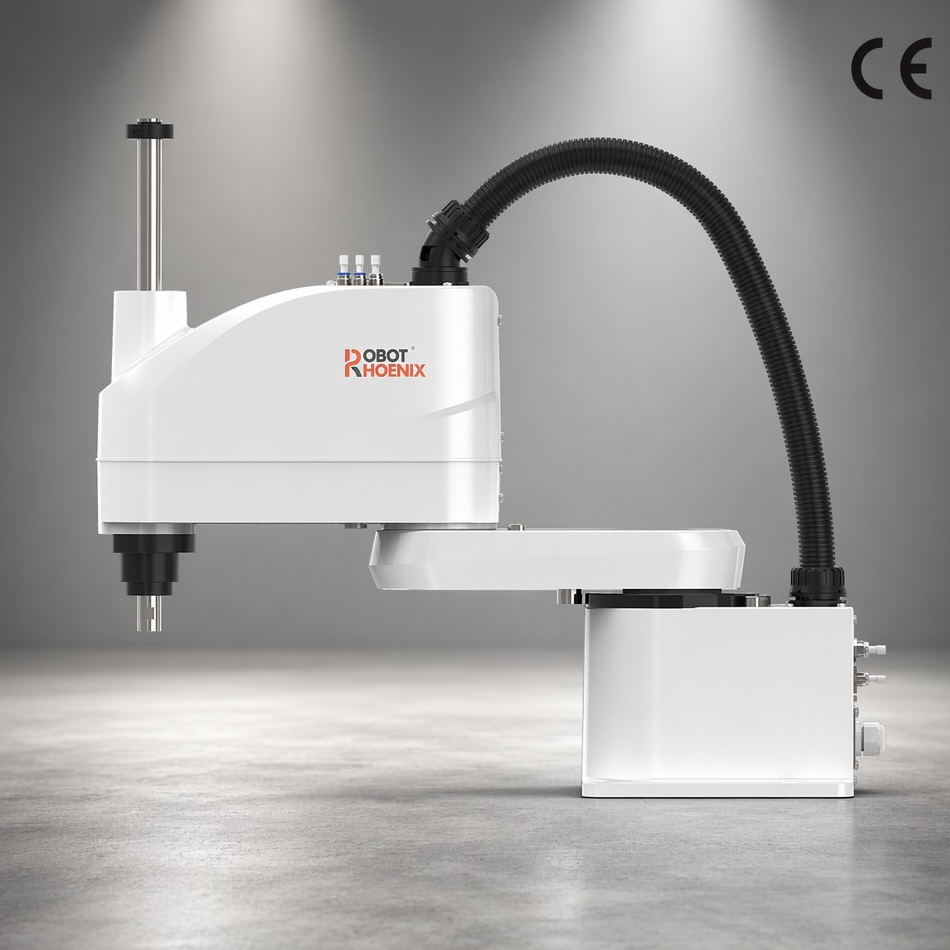
High Efficiency 6kg Payload Manipulator Scara Robot with Vision for Picking and Placing
6 kg SCARA manipulator with vision for flexible pick-and-place cells.
View product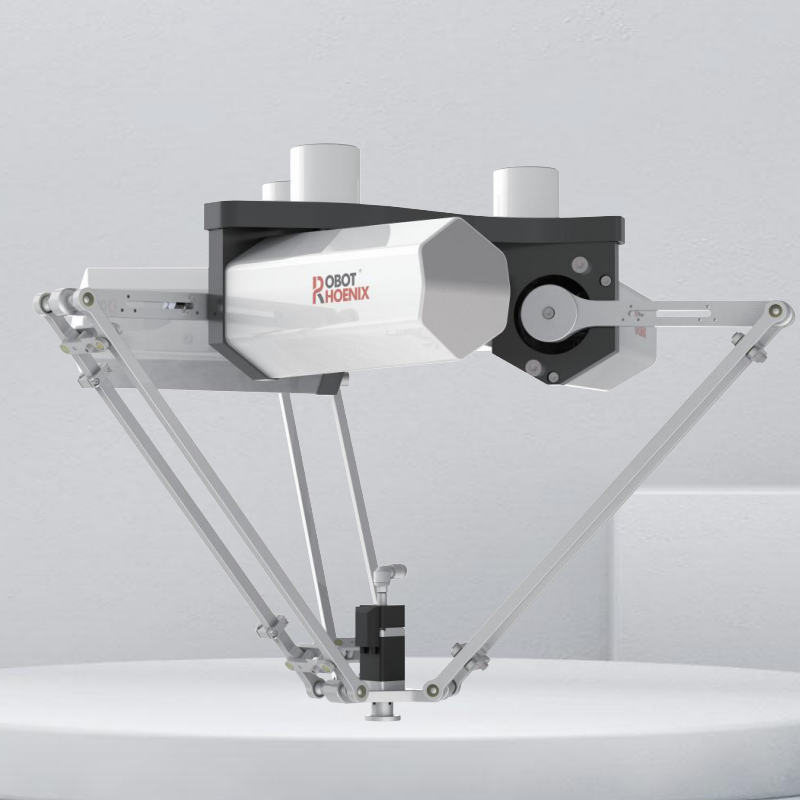
Robotphoenix New Design Industrial Robot Delta 6kg Payload 0.08mm Repeatability 2/3/4 Axis
Fast 6 kg delta robot for packing, sorting and precision pick-and-place.
View product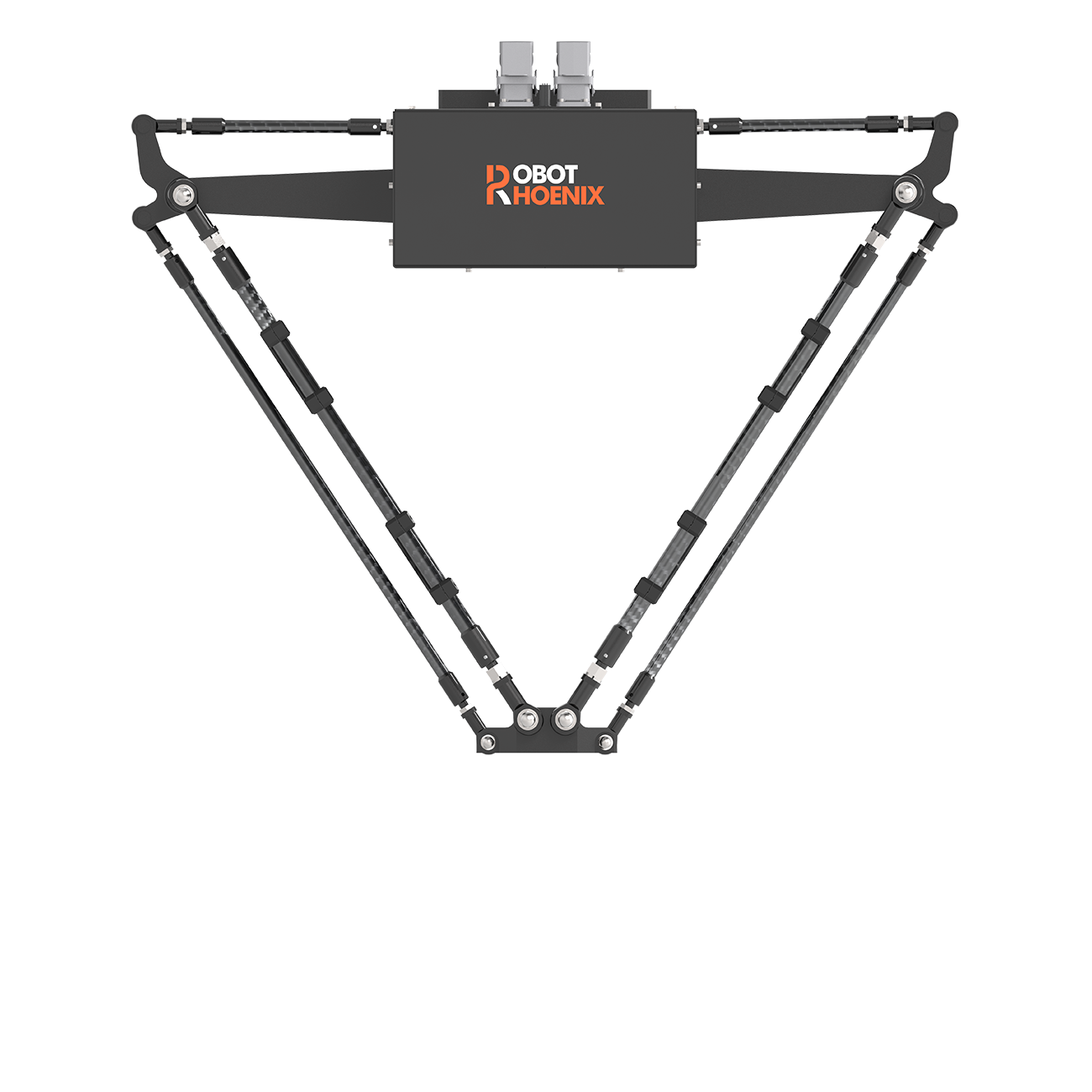
Industrial Manipulator High Speed and Accuracy Delta Robot with New Design Kinetics
High-speed delta manipulator for automated production and packaging lines.
View productWhy Osaka Is a Serious Market for the 500kg AMR Autonomous Carrier
Osaka is not simply a destination for a generic mobile robot. It is a dense, mixed-industrial market where floor space, labor availability, safety expectations and uptime discipline shape every engineering decision.
A 500kg AMR autonomous carrier for large facility logistics is best understood as a mobile capacity layer, not a stand-alone gadget. It combines a laser SLAM navigation stack, safety sensors, a battery and charging strategy, an industrial controller and a project-specific top module. In an Osaka factory or distribution center, the top module may carry totes, roller conveyors, lift units, custom fixtures, WIP bins or transfer carts. The engineering value is that the carrier can move between receiving, staging, production, quality inspection and shipping zones without fixed floor tracks or conveyor extensions.
For buyers searching for Top China 500kg AMR autonomous carrier manufacturers and factory serving the Osaka market, the critical question is not only “what is the payload?” but “what payload remains after the top module, safety derating, ramps and battery conditions are considered?” A responsible Chinese manufacturer should ask for cart weight, load center, floor condition, route width, elevator handshakes, door controls, Wi-Fi coverage, charging windows and the acceptance criteria of the Osaka site. JORI’s in-house controller, 2D/3D vision and robot manufacturing background are relevant because the project often needs the AMR integrated with a delta robot, SCARA robot or packaging machine rather than deployed alone.
Osaka’s logistics landscape includes the Osaka Bay Area, Nanko, Suminoe, Sakai, Higashiosaka, Kadoma, Moriguchi and the broader Hanshin industrial corridor toward Kobe. These areas combine ports, high-bay warehouses, precision manufacturing, food production, electronics suppliers, pharmaceuticals and small and medium-sized machine builders. Many facilities cannot justify a full greenfield conveyor rebuild. They need a robot carrier that can be mapped, tested and scaled without stopping production. That is where a 500 kg-class AMR with fleet management becomes commercially attractive: it can start with one vehicle, one route and one shift, then expand after the safety case and KPI baseline are proven.
The Japanese market also rewards documentation discipline. Safety validation should reference the site risk assessment and relevant industrial truck and machinery safety standards as applicable, including ISO 3691-4 logic for driverless industrial trucks and ISO 13849 for safety-related control functions where the project requires it. A supplier should not promise blanket compliance from a catalogue page. Instead, provide safety scanner fields, emergency-stop architecture, warning devices, speed limits, route rules and a validation plan that the Osaka site can review.
What Osaka Procurement Teams Should Confirm First
- Rated payload after top module, cart and load center are defined.
- Route gradient, floor gaps, door thresholds and elevator interfaces.
- Mixed traffic rules for pedestrians, forklifts and manual carts.
- Kansai 60 Hz power, charger input, battery room and charging window.
- Japanese-language HMI or documentation availability for operators.
- WMS, MES, PLC and fleet-management integration architecture.
Where a 500kg AMR Autonomous Carrier Fits in Osaka Facilities
The application logic matters more than the headline specification. These six scenarios show where a 500 kg-class carrier can improve material flow while respecting the constraints of Japanese factories and warehouses.
Osaka Bay Area Distribution Centers
Move totes, roll cages and staged orders between receiving, put-away, packing and shipping without adding fixed conveyor spurs.
- Fleet-managed pick-up and drop-off points
- Peak-season capacity without permanent layout change
- WMS task dispatch and route confirmation
Higashiosaka and Sakai SME Machining
Connect CNC cells, deburring, inspection and assembly stations with repeatable delivery of blanks, fixtures and finished parts.
- Top fixture or roller module customization
- MES/PLC call-button or API-based requests
- Less operator walking between isolated machines
Food, Beverage and Chilled Zones
Transport packed goods, trays and ingredients between hygiene zones while keeping human traffic separated from high-frequency runs.
- Cleanable top-module design review
- Condensation and floor-slip assessment
- Traffic rules for wet and dry areas
Electronics and Precision Devices
Supply clean, traceable material movement for 3C electronics, component assembly and inspection areas with high-mix production.
- ESD-safe top module options to discuss
- Slow, smooth acceleration near sensitive equipment
- Route zoning around ESD and clean areas
Pharmaceutical and Medical Logistics
Reduce manual handling of packaged medical goods and production materials while supporting auditable movement records.
- Traceability and task-log requirements
- Cleaning procedures and surface material review
- Segregated routes for controlled areas
Multi-floor and Mixed-traffic Facilities
Handle elevator handshakes, automatic doors, fire-alarm interlocks and shared corridors where pedestrians and forklifts operate.
- Elevator and door integration planning
- Safety-field configuration per zone
- Traffic priority and deadlock avoidance
Build the 500 kg-class Project Around a Material-handling AMR Platform
For large-facility logistics, begin with the High Performance Material Handling Vehicle AMR Robot platform, then define the top module, payload margin, fleet controller and safety validation for the Osaka site. Pair it with delta or SCARA robots from the product grid when loading, sorting or packaging cells are part of the same workflow.
What Osaka Buyers Are Specifying in 2025–2026
The market is shifting from isolated automation demonstrations to measurable, serviceable intralogistics infrastructure. Four trends are especially visible in Kansai procurement discussions.
1. The 2024 Logistics Challenge
Japan’s tighter rules on truck-driver overtime and the broader labor shortage are pushing shippers and warehouses to compress waiting, staging and internal transport time. A 500 kg AMR carrier supports faster dock-to-staging flow without relying on additional forklift drivers.
2. From Tape-guided AGV to Laser SLAM
Osaka facilities change layouts for seasonal products, new customers and line rebalancing. Laser SLAM navigation reduces dependence on magnetic tape or reflector-heavy layouts, making route changes software-led rather than floor-construction-led.
3. Fleet Management and Data Visibility
Buyers increasingly ask for traffic control, task logs, battery status and KPI dashboards. A fleet-management layer is now part of the buying decision because it determines whether five robots behave like one system or five isolated machines.
4. Japanese-language Integration
Operators and maintenance teams need usable HMI text, alarm descriptions and route instructions. Procurement teams prefer suppliers who can support Japanese documentation, on-site coordination through local partners and a clear escalation path for spare parts.
Matching a 500kg AMR to Osaka Facility Workflows
Use this matrix to shortlist the carrier configuration and to prepare a quotation request. Final specifications must be confirmed by engineering review, site survey and safety validation.
| Osaka Workflow | Recommended Carrier Logic | Local Checks Before Quotation | KPI to Validate in Pilot |
|---|---|---|---|
| WIP and production-part transport | 500 kg-class AMR with custom fixture or roller top; call-button or MES task trigger. | Part weight, load center, machine interface height, floor gaps, aisle width and operator handover rules. | Trips per hour, waiting time at machines, accidental-stop count and operator intervention rate. |
| Finished-goods staging and dock flow | AMR carrier with tote/rack top module plus fleet dispatch and charging schedule. | WMS integration, barcode/QR scan points, pick-up and drop-off buffers, pedestrian zones and peak-hour traffic. | Dock-to-staging cycle time, fleet utilization, missed task rate and space released from staging. |
| Food, chilled or hygiene-sensitive zones | Cleanable top module, defined route zoning and stricter cleaning procedures. | Temperature range, condensation, washdown policy, floor slope, drainage, traffic separation and emergency response. | Hygiene audit findings, floor-slip incidents, cleaning time and on-time delivery to packing lines. |
| Multi-floor material movement | AMR with elevator and automatic-door integration; fleet traffic rules by floor. | Elevator controller protocol, fire-alarm interlock, door opening time, lobby space, Wi-Fi handover and evacuation plan. | Elevator wait time, completed floor-to-floor tasks, deadlock events and recovery time after interruption. |
No supplier should finalize payload, speed, charging or safety-field settings from a catalogue alone. A 500 kg AMR quotation becomes reliable only after the top module, route and acceptance criteria are defined.
What to Inspect Before Approving an Osaka Pilot
A successful AMR pilot is an engineering acceptance process, not a demo. The checklist below reflects the information gain gap between a low-cost quotation and a production-ready carrier project.
From Osaka Site Survey to Stable 500kg AMR Operation
A phased approach protects capital and reduces production risk. The sequence below is suitable for factories, warehouses and mixed manufacturing-logistics sites.
Baseline and Site Survey
Record current travel time, manual cart trips, waiting points, floor plans, Wi-Fi coverage, power access and safety constraints.
Simulation and Safety Case
Confirm route layout, top module, payload margin, traffic rules, charger locations and acceptance KPIs before manufacturing.
Single-vehicle Pilot
Deploy one AMR carrier on a defined route, train operators, validate safety behavior and measure actual cycle performance.
Fleet Scale-up
Add vehicles, expand routes and connect WMS/MES only after the first route is stable and maintenance routines are proven.
The Four Cost Drivers Osaka Buyers Often Underestimate
Total cost of ownership is not the purchase price plus electricity. In real facilities, the hidden cost sits in route adaptation, safety validation, integration and service response.
Floor and Route Changes
If a new line or storage block changes the route, laser SLAM mapping and software reconfiguration can reduce construction work. However, door thresholds, floor repairs and traffic-rule updates still require planned downtime.
Power and Charging
Charging location affects fleet size. If a 500 kg carrier must return far from its work zone, two vehicles may be needed even when task volume appears to justify one. Confirm Kansai 60 Hz power and charging-space availability early.
Safety and Integration
Elevator handshakes, automatic doors, fire alarms, WMS calls and PLC interlocks can be more engineering-intensive than the robot body. Budget for controls engineering and acceptance testing.
Lifecycle Support
Wheel wear, scanner cleaning, battery health, spare parts and operator turnover affect long-term cost. Choose a supplier with a documented support process, not only a machine specification sheet.
Why JORI Is a Practical China Manufacturing Partner for Osaka Buyers
For buyers seeking a China 500kg AMR autonomous carrier manufacturer and factory serving Osaka, supplier depth matters as much as the initial quote. JORI’s original site presents verifiable manufacturing, R&D and service signals that support an engineering-led procurement process.
In-house R&D Since 2012
JORI Intelligent Technology Co., Ltd. was founded in 2012 in Jinan, Shandong, and develops industrial robots, controllers and 2D/3D vision in-house.
Original Factory and Quality System
The company is an original factory for delta, SCARA and AGV/AMR robots, with ISO 9001 quality management and onsite-verified manufacturing credentials.
OEM, Design and Buyer-label Service
JORI supports machine builders with OEM service, design service, buyer-label options, custom end-effectors and automated system integration.
Fast Inquiry Response
The original site states an average response time of 2 hours or less and a 97.06% response rate, helping Osaka buyers keep technical evaluations moving.
JORI’s product range includes delta parallel robots, SCARA robots, AGV/AMR mobile robots, autonomous forklifts, silicon wafer handling robots, controllers and vision systems. For an Osaka project, this breadth allows one engineering conversation to cover the mobile carrier, the loading robot and the control integration.
What Local Buyers Commonly Ask Before Ordering from China
These are the questions Osaka factory owners, warehouse operators and system integrators ask most often when evaluating a 500 kg AMR carrier and related robots.
What is the minimum order quantity for a China 500kg AMR autonomous carrier?
Can the AMR be customized for a Japanese facility and existing equipment?
Does a 500 kg AMR replace a forklift?
Which delivery and payment terms are accepted for Osaka orders?
How should we handle Kansai 60 Hz power and safety compliance?
What information should an Osaka buyer send for a fast quotation?
Planning a 500kg AMR Pilot for an Osaka Factory or Large Logistics Facility?
Send your route layout, load details, cycle-time target and safety requirements to the JORI team. The engineering discussion can cover the AMR carrier, top module, fleet management and the delta or SCARA robot cell around it.