8 Factory-Direct Robot Systems Shortlisted for Can Tho
Buyers in Can Tho rarely need a single robot in isolation. They need a practical route from labor pressure to stable throughput: mobile robots for pallet and tote movement, delta robots for high-speed pick-and-place, and SCARA robots for compact precision assembly. The eight systems below preserve the original product links and cover the most common local automation entry points.
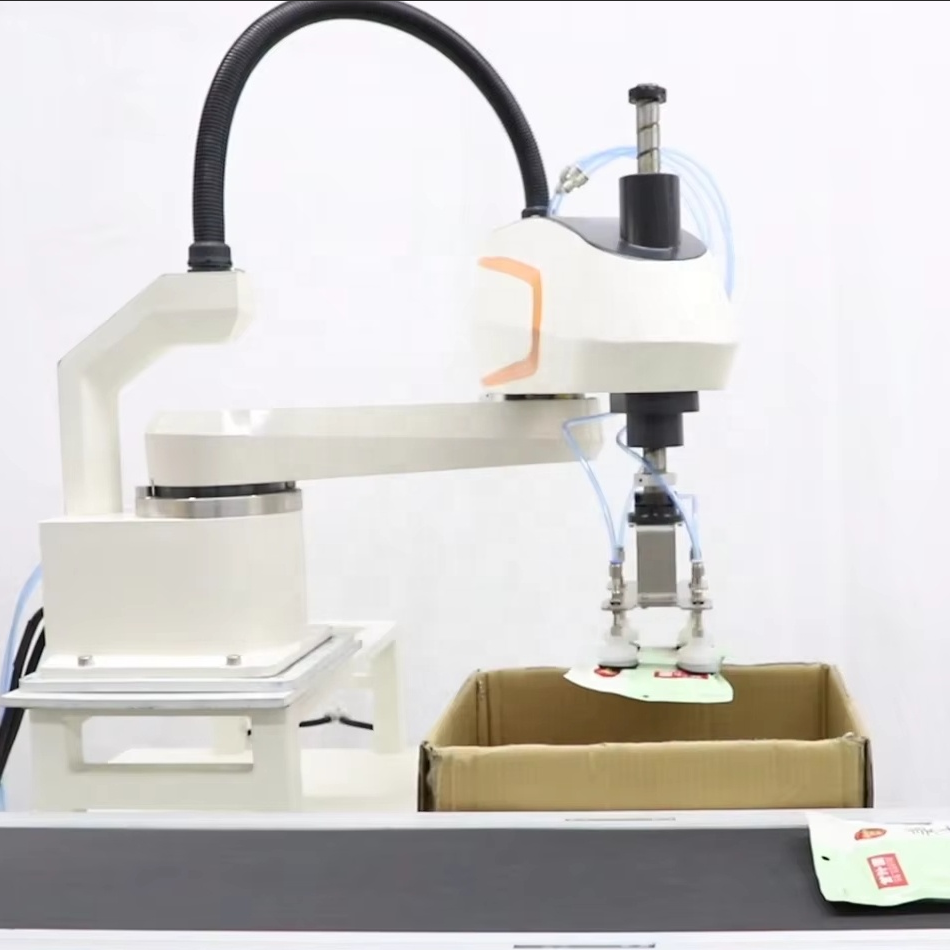
Newly Design Industrial Articulated Robotic Arm SCARA for Precision Assembly & Handling
Recommended for compact assembly, insertion and handling cells in Can Tho electronics, components and light-manufacturing plants where repeatable planar motion matters.
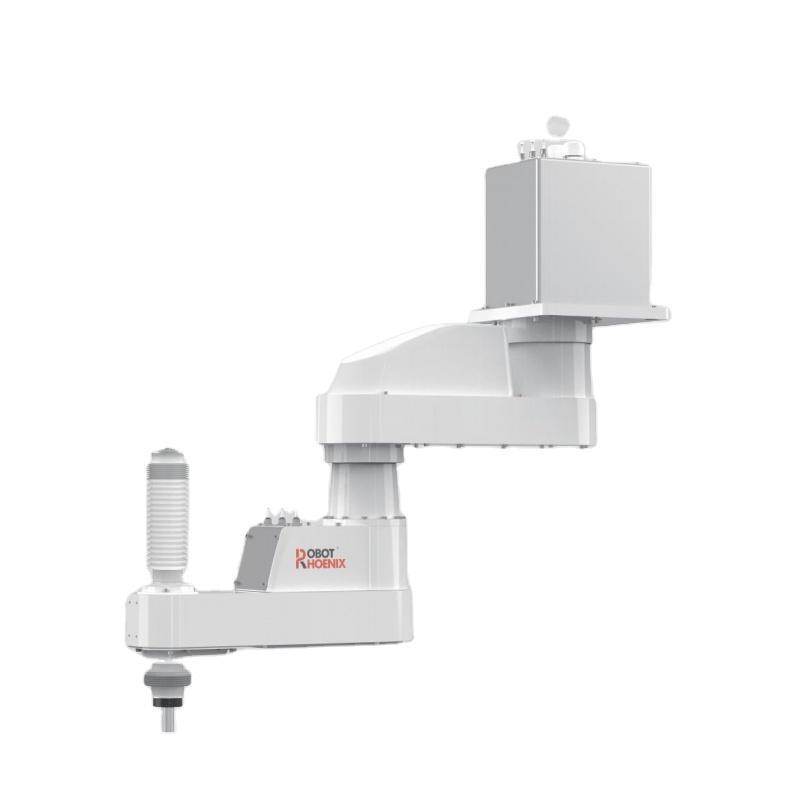
Compact Structure High Precision 550mm Reach Radius 3kg Payload 4-axis SCARA Robot
A space-saving choice for line-side transfer, small-part placement and inspection support where Can Tho factories need high accuracy without a large footprint.
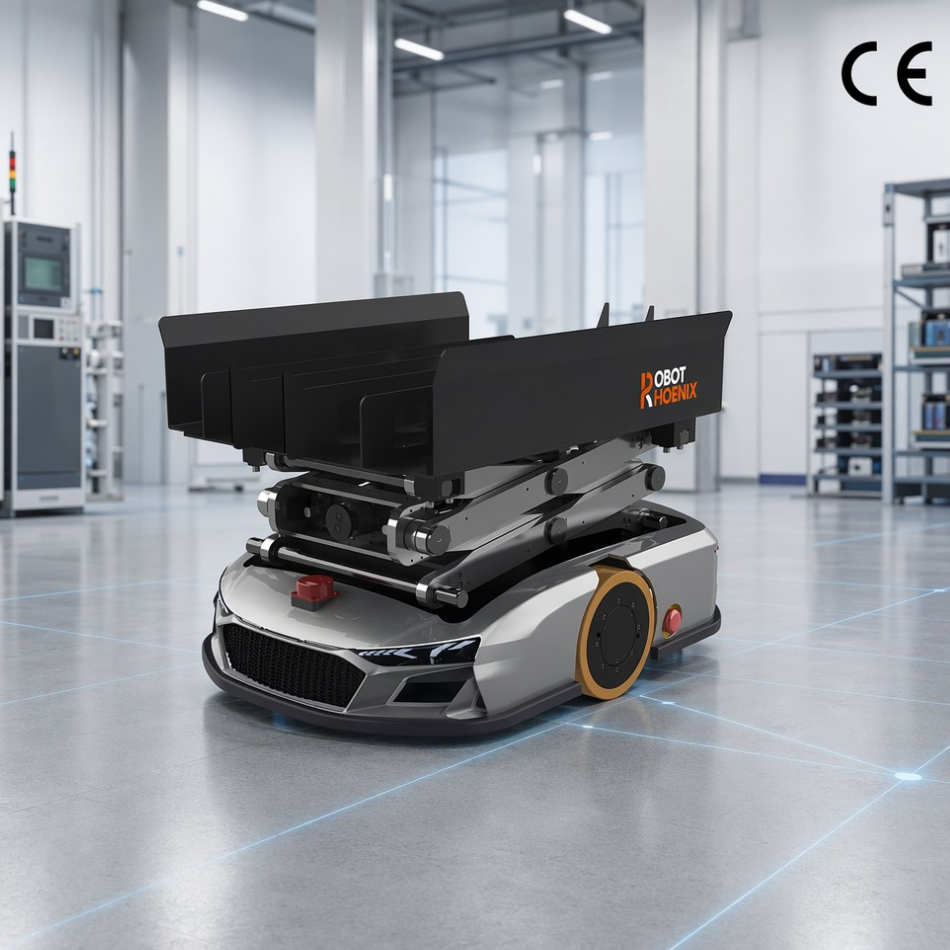
High Performance Material Handling Verhicel AMR Robot AGV Robot for Warehouse Logistic System
Best suited to Can Tho warehouses and distribution hubs that need repeatable tote, cart or pallet movement between receiving, storage and dispatch zones.

High Speed 3kg Load Industrial Delta Robot Arm with IP54 Protection for Robotic Pick& Place
Useful in seafood, fruit and food-adjacent packaging where Can Tho plants need fast picking with protection against dust and light washdown conditions.

High Precision Pick and Place 4 Aixs Parallel Robot Delta with Vision Tracking System
A strong fit for conveyor-based fruit sorting, packaged goods and small-part picking where product position changes and vision guidance improves flexibility.

New Condition High-Speed Industrial Innovative Manipulator Delta Robot for Light Industry
Recommended for cartoning, labeling and light consumer-goods lines where Can Tho manufacturers want faster cycles without rebuilding the whole production cell.
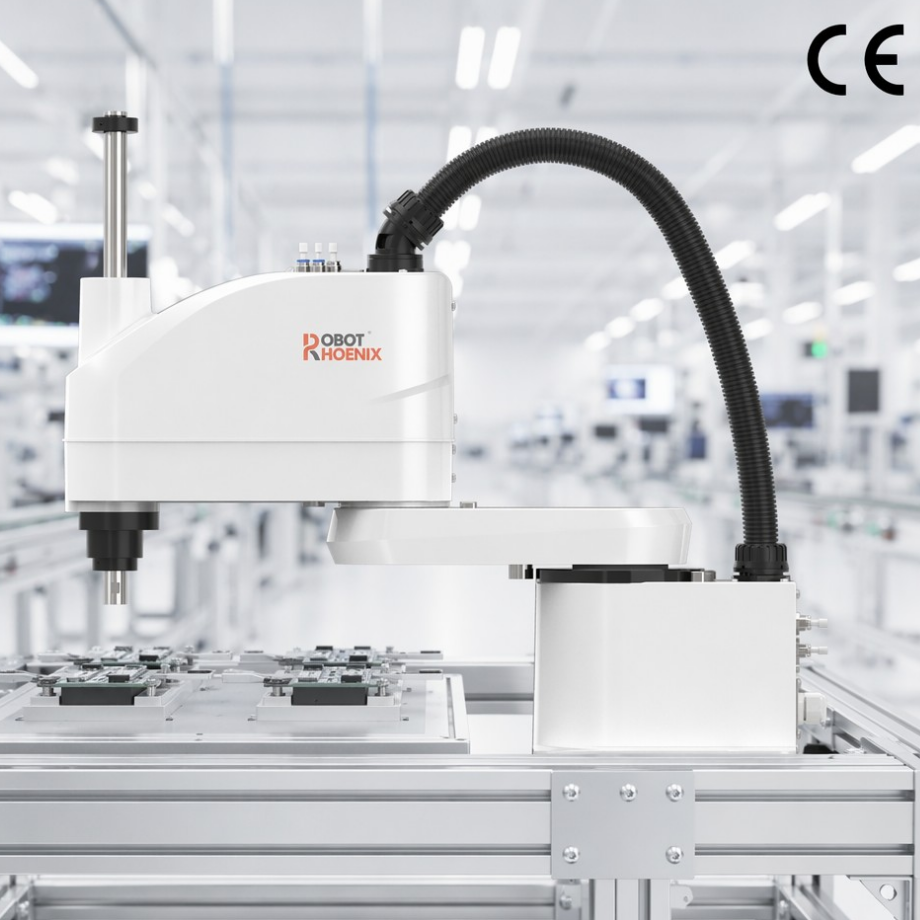
New Design Compact High Accuracy Industrial Robot Arm Scara with 2D/3D Vision System
Suits Can Tho factories adding vision-guided inspection, precise placement or flexible product changeover in small cells with limited available floor space.
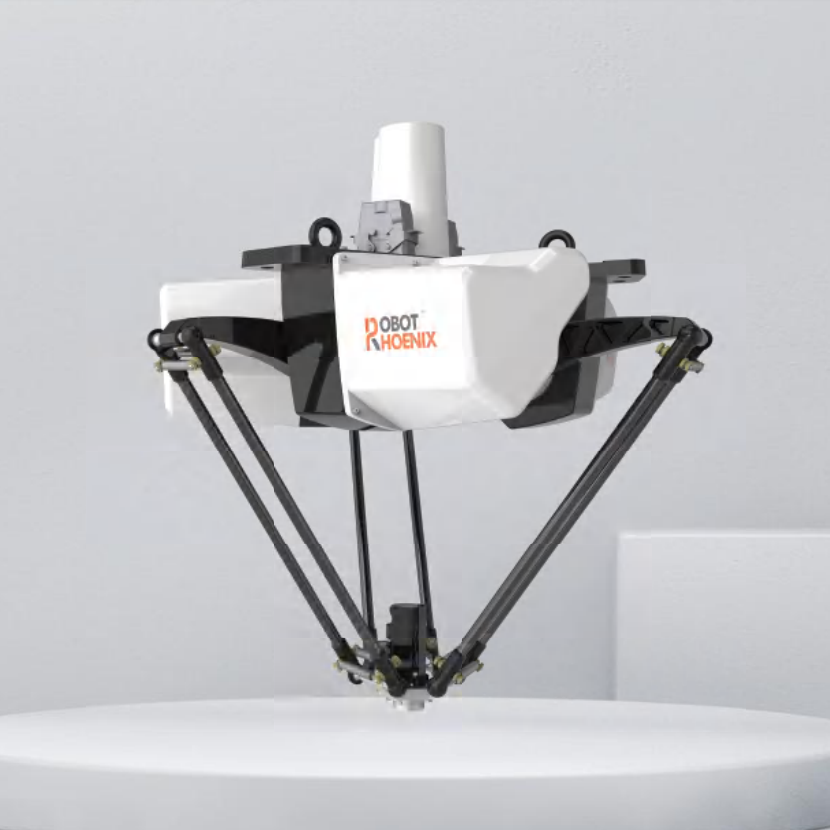
Robotphoenix New 4-Axis Parallel Robot Arm Delta Spider Hand Robot for Carton Packer Line
Designed for carton-packing and end-of-line applications common in Can Tho food, seafood, beverage and daily-chemical production and export packing.
Why JORI Is a Lower-Risk China Robot Manufacturer for Can Tho Buyers
International buyers do not only compare robot payload and price. They compare engineering accountability, export experience, certification, OEM capability, spare-parts planning and how quickly an application question reaches a real engineer.
One Engineering Source for the Arm, Controller, Vision and Mobile Platform
JORI Intelligent Technology Co., Ltd. is a high-tech manufacturer based in Jinan, Shandong, China. Since 2012, the company has focused on industrial robot R&D and production, controller and 2D/3D vision development, OEM support and automated system integration. Product lines include delta parallel robots, SCARA robots, AGV/AMR mobile robots, autonomous forklifts and silicon wafer handling robots.
For a Can Tho buyer, that matters because the robot, controller and vision pathway are developed under one engineering system. Instead of assembling a project from several disconnected suppliers, procurement teams can discuss cycle time, conveyor tracking, PLC handshakes, route planning and future line expansion with one accountable technical source.
- Independent in-house R&D capability
- Original factory for delta, SCARA and AGV
- ISO 9001 quality management system
- Onsite-verified manufacturer profile
- National patents on robot and controller technology
- OEM, design and buyer-label service
- Factory-direct wholesale supply from 1 set
- 10+ years serving overseas markets
The company’s export reach covers Southeast Asia, Eastern Europe, North America, South America and China domestic markets. For buyers in Vietnam, this experience is most useful when it is translated into practical documents: packing lists, voltage confirmation, installation checklists, operator training materials and a spare-parts plan that reflects the real duty cycle of the line.
Verification matters. JORI’s public company profile, supplier assessment, credit profile, trade capacity, transaction level and trade history are available for buyers who need procurement evidence before moving to a sample order or factory audit.
This buyer guide is prepared by JORI’s application engineering and export support team using product specifications, factory-direct project experience and common inquiry patterns from Southeast Asian buyers. Final scope must always be confirmed by a site survey, sample test or technical drawing review.



Can Tho Is Not a Generic Robot Market: What Local Buyers Actually Need
Can Tho is the commercial and logistics heart of the Mekong Delta. From Cai Rang floating market to Tra Noc and Hung Phu industrial parks, local manufacturers and exporters are balancing labor availability, seasonal peaks, cold-chain quality, hygiene, export traceability and space constraints. The right robot is therefore the one that solves a local flow problem — not the one with the longest specification sheet.
Planning weights are used for pilot scoping, not as official market statistics.
Six Can Tho Application Scenarios That Drive Real Robot Demand
Rice, Feed and Grain Facilities
Local need: repetitive bag, carton and pallet movement in dusty environments. Fit: AMR/AGV for point-to-point transfer, autonomous forklift for pallet shuttles, and delta robots for smaller carton pick-and-place where the line is already automated.
Seafood Processing and Cold Chain
Local need: fast handling, hygiene and cold-room labor pressure. Fit: IP54 delta robots for high-speed pick-and-place, stainless or protected end-effectors, and AMRs for controlled transfer between cold storage and packing.
Fruit and Vegetable Packing
Local need: seasonal peaks, sorting variability and export carton quality. Fit: vision-guided delta robots for conveyor picking, carton packers and end-of-line case packing supported by simple changeover recipes.
Beverage and Consumer Goods
Local need: labeling, cartoning, case packing and consistent output across shifts. Fit: PLC-ready delta robots, spider-hand carton packers and compact SCARA cells for secondary packaging.
Warehouse and Port-Linked Logistics
Local need: labor churn and coordination between receiving, storage and dispatch. Fit: laser SLAM AMRs, compact latent AGVs for narrow aisles and autonomous forklifts for pallet-level transport.
Light Manufacturing and Electronics
Local need: precision placement, inspection and flexible product changeover. Fit: SCARA robots with 2D/3D vision, compact SCARA models for line-side cells and controller integration with existing PLC or MES workflows.
Purchasing Shifts Shaping Robot Decisions in Can Tho
The strongest demand is moving away from “showpiece automation” and toward measurable bottlenecks: moving goods with fewer people, stabilizing quality in cold or humid areas, and connecting machines to traceability systems.
Flexible Capacity Instead of Fixed Headcount
Seasonal seafood, fruit and export orders make fixed labor plans difficult. Robots are increasingly bought as flexible capacity: one AMR fleet can be redeployed, and one delta cell can run additional SKUs through recipe changes.
WMS, ERP and Traceability Integration
Buyers increasingly ask how AMRs communicate with warehouse systems and how robot cells report production data. PLC-ready robot design, fleet management and vision data are becoming part of the purchase decision, not an afterthought.
Hygiene, Humidity and Energy Awareness
Can Tho’s heat and humidity make protection, condensation control and cleaning routines part of robot selection. Energy consumption, compressed-air demand and maintenance intervals are now compared alongside purchase price.
What Most Supplier Pages Omit: A Can Tho Site-Readiness and TCO View
Before comparing quotations, define the physical and operational constraints. A robot that is excellent in a clean showroom can fail in a humid warehouse, a dusty rice mill or a cold-store transfer aisle if these details are not designed in.
| Decision Area | Question You Should Ask | Why It Matters in Can Tho |
|---|---|---|
| 01Floor and Route | Is the floor flat enough for AMR navigation? Are aisles wide enough for turning and safety scanners? | Warehouse upgrades often reuse existing floors. A route survey prevents costly civil works after delivery. |
| 02Power and Control | Is site power single-phase or 380V/50Hz three-phase? Where is the PLC, safety relay and network cabinet? | Confirming power and control interfaces before shipment reduces installation delays and inverter or transformer surprises. |
| 03Humidity and Washdown | Is the robot in a cold room, wet seafood area, dusty grain area or clean electronics cell? | Protection level, stainless hardware, condensation strategy and cleaning method must match the actual environment. |
| 04Product and End-Effector | What is the part weight, shape, material, temperature and gripping surface? | Payload is only one number. End-effector design determines whether a robot can actually pick the product reliably. |
| 05Local Support and Spares | Who performs first-line checks? Which spare parts should be stocked at the factory? | Fast remote engineering and a practical spare-parts plan matter more than a low initial price when the line is running. |
| 06Import and Handover | Which Incoterms apply, who handles customs, and who signs the site acceptance report? | Export documentation, packing, insurance and handover responsibilities should be clear before the purchase order. |
A useful TCO comparison includes landed cost, end-effector tooling, integration hours, operator training, spare parts, maintenance time, cycle-time improvement and the cost of unplanned downtime. Unit price alone is not a procurement strategy.
Questions Local Buyers Ask Before Importing Robots
These answers reflect common procurement and engineering questions from Vietnam-based buyers comparing China factory-direct AMR, AGV, SCARA and delta robot suppliers.
Do you supply autonomous mobile robots and AGVs to Can Tho, Vietnam?
What is the minimum order quantity for wholesale or dealer purchases?
Which robot should a Can Tho factory choose: AMR, delta or SCARA?
Will an AMR work on our existing warehouse floor?
Is the robot compatible with Vietnam’s power supply?
Can robots operate in humid, cold or dusty Can Tho environments?
Can JORI integrate with our existing WMS, ERP, PLC or packaging machine?
Do you provide OEM, private-label or custom end-effector service?
What support is available after delivery?
Which payment terms and currencies are accepted?
How should a Can Tho buyer calculate ROI for a first robot project?
Turn Can Tho’s Labor and Logistics Pressure into a Practical Robot Pilot
Send your product weight, cycle time, conveyor layout, warehouse route, floor condition, voltage and target throughput. Our engineers will help shortlist the AMR, AGV, autonomous forklift, delta or SCARA configuration and prepare a factory-direct quotation with OEM options.