8 Robot Vision Module & Industrial Robot Options for Hat Yai Buyers
Buyers searching for a China robot vision module manufacturer for Hat Yai usually need more than a camera and a robot arm. They need a repeatable pick-and-place cycle, a controller that talks to the existing PLC, a vision recipe that survives product changes, and spare-part support that understands the realities of Southern Thailand. These eight factory-direct systems are a practical shortlist for food, rubber, electronics, packaging and warehouse projects in Hat Yai, Songkhla and the Malaysia–Thailand border trade corridor.
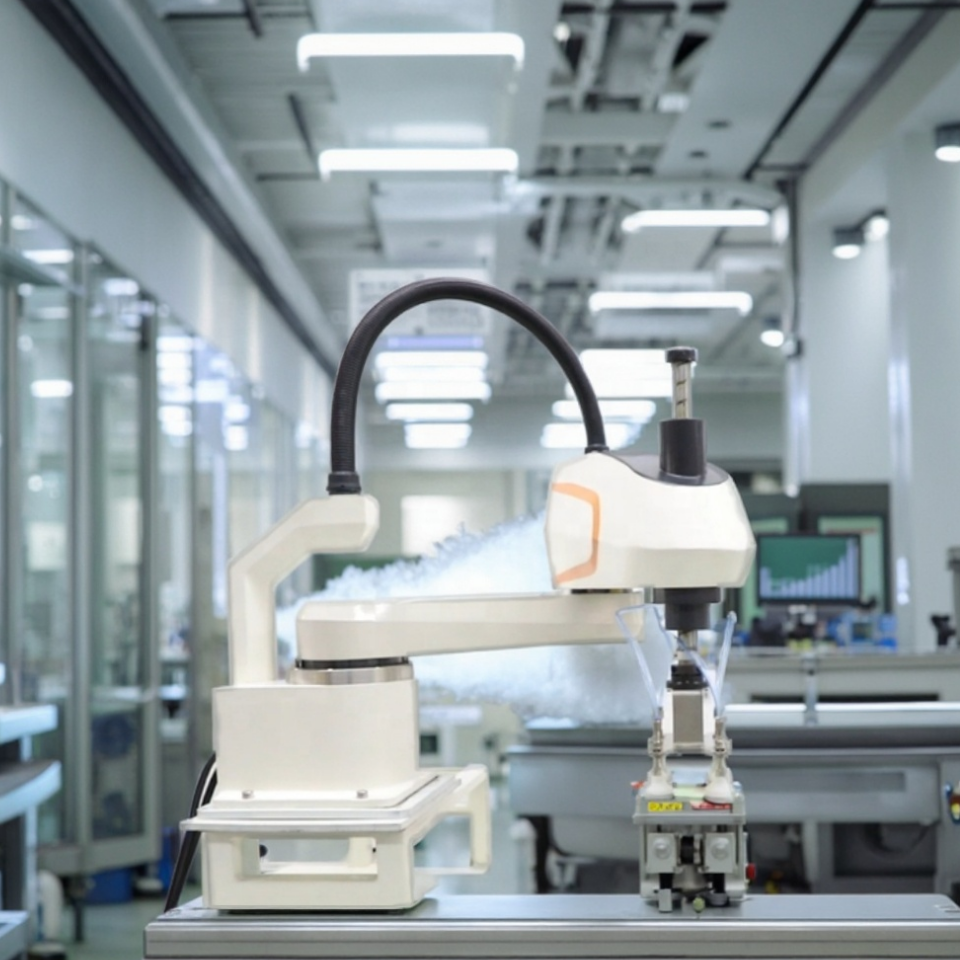
Industrial 4-Axis Robot Arm SCARA Robot with Vision System for Auto Parts Industry
Vision-guided SCARA for automotive connectors, plastic trim and gasket handling; compact footprint and PLC-friendly integration for Tier-1 and Tier-2 suppliers.
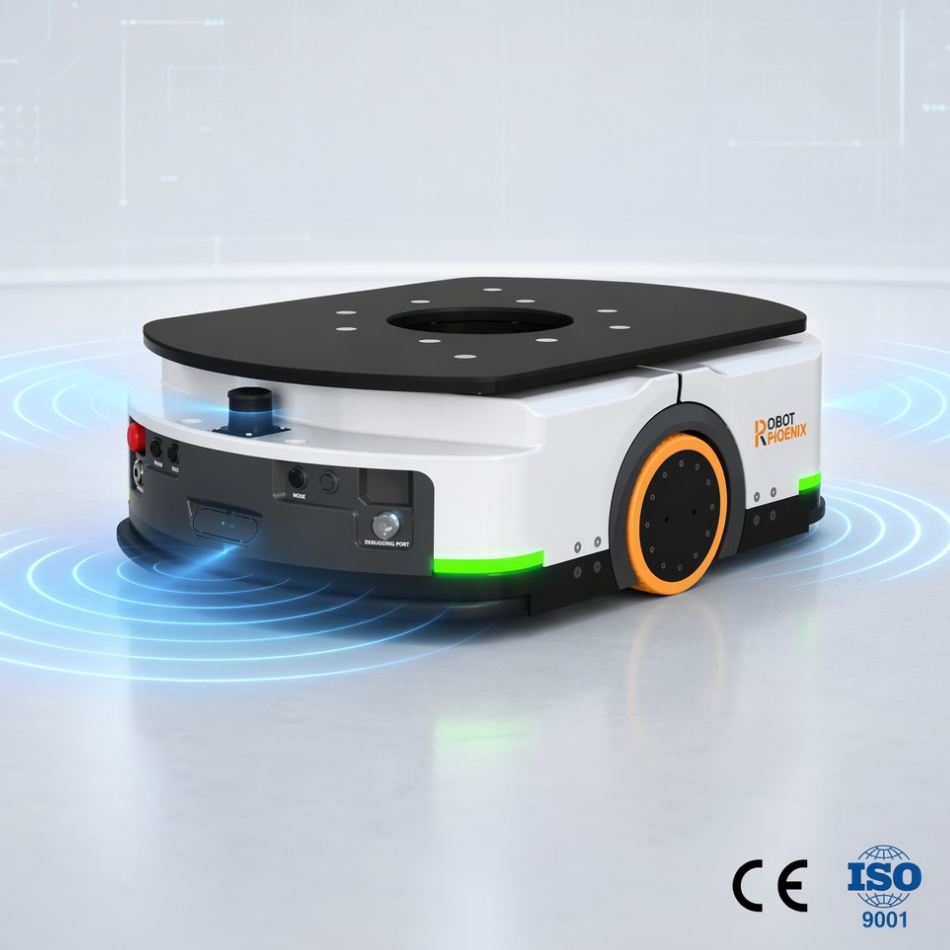
Compact and Latent Mobile Robot AGV for Narrow Aisle Warehouse and Factory Transportation
Low-profile latent AGV for narrow aisles and existing racking; useful where Hat Yai distributors need material movement without rebuilding the warehouse.
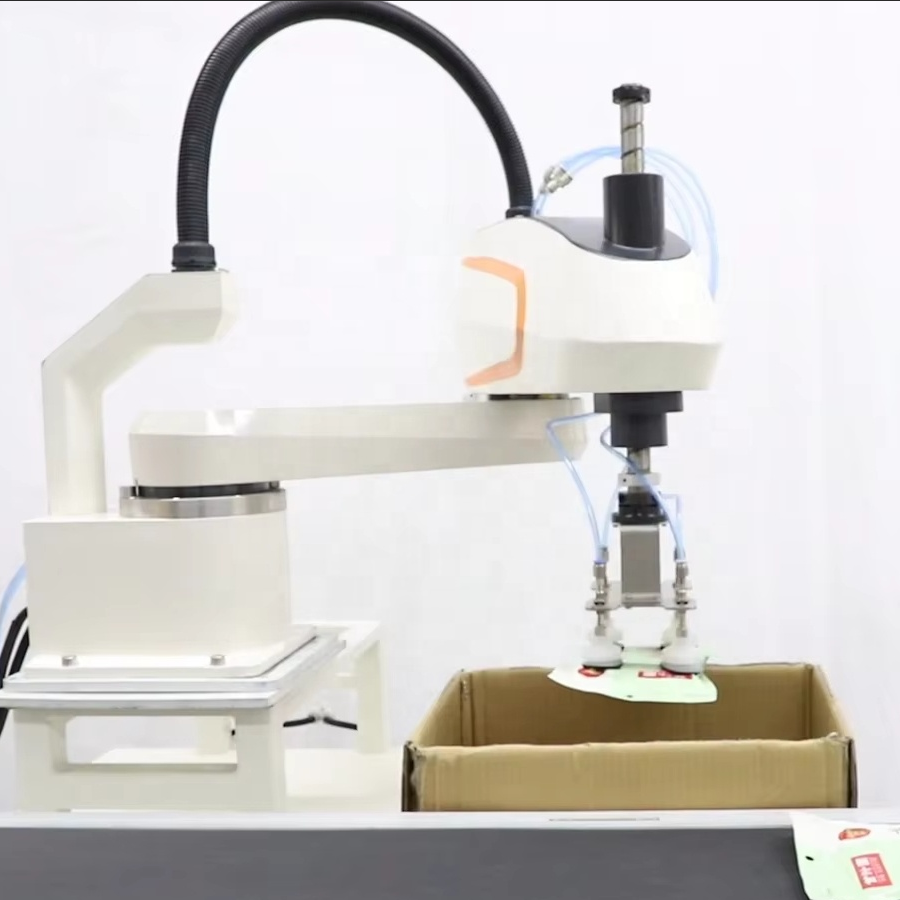
Light Load 4 Axis Industrial Manipulator Robot SCARA Robot for Pick and Place Application
Cost-controlled 4-axis SCARA for high-mix pick-and-place; suits small electronics, consumer goods and packaging lines with stable changeover.
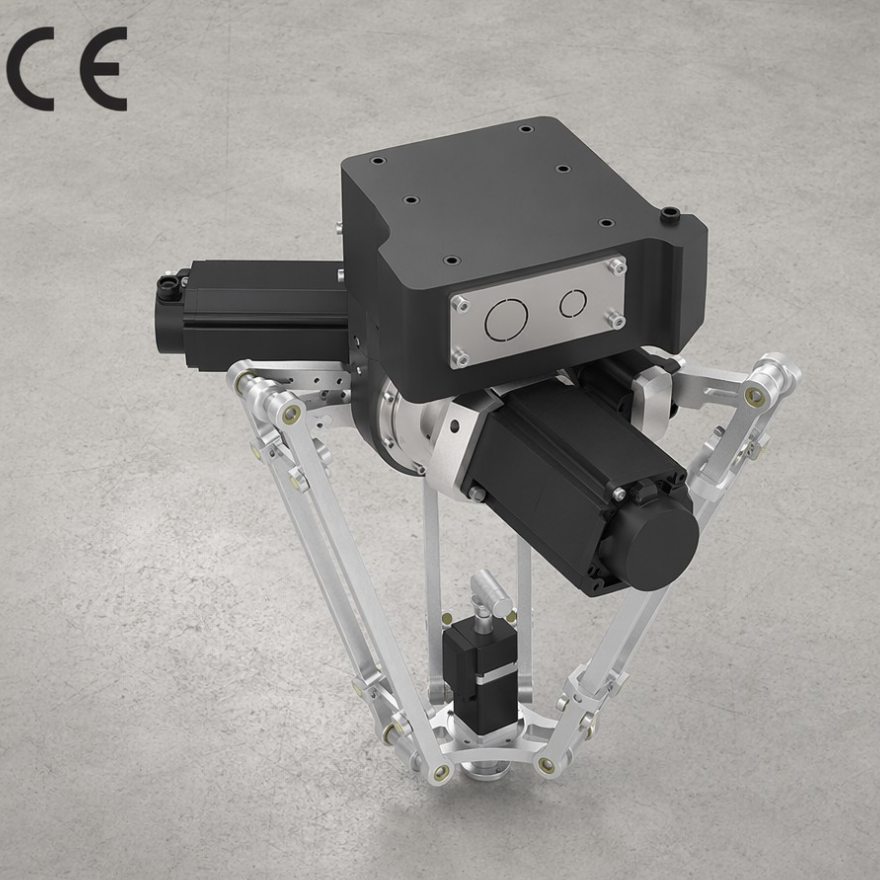
Smart Parallel Robot Picking and Placing Robot Manipulator Delta Robot with Visual System
Delta robot with visual system for conveyor picking, sorting and orientation checks; ideal for seafood, fruit and small packaged goods.

Robotphoenix New 4-Axis Parallel Robot Arm Delta Spider Hand Robot for Carton Packer Line
4-axis parallel robot for carton packing and spider-hand placement; helps reduce manual loading at end-of-line in food and household product plants.
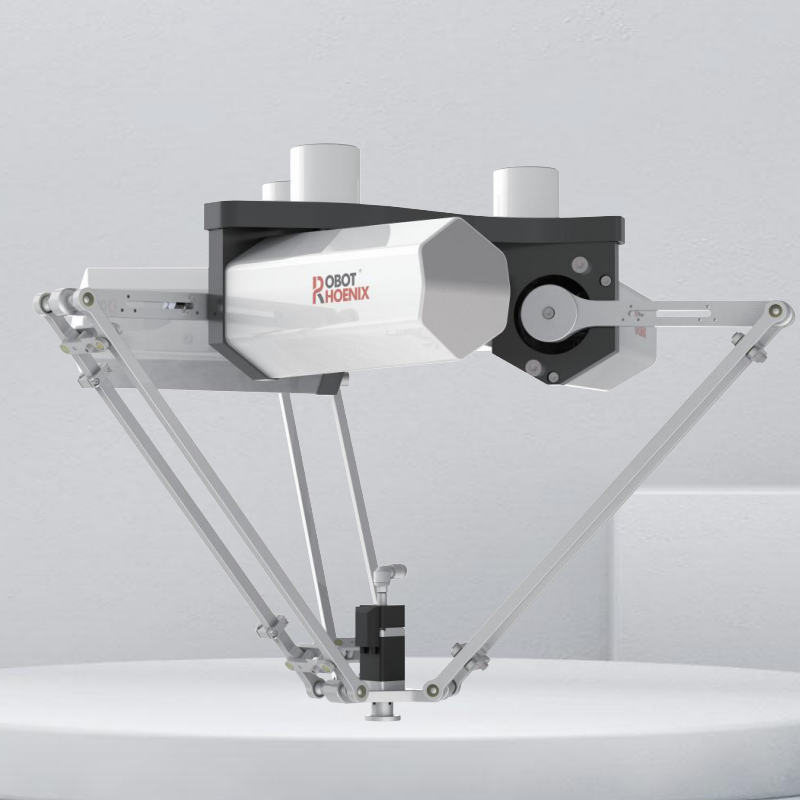
Robotphoenix New Design Industrial Robot Delta 6kg Payload 0.08mm Repeatability 2/3/4 Axis
6 kg payload delta with 0.08 mm repeatability for fast, accurate pick-and-place; a strong benchmark for vision-guided packaging and labeling.

High Performance Material Handling Vehicle AMR Robot AGV Robot for Warehouse Logistic System
Material handling AMR for warehouse logistics, line-side replenishment and finished-goods transfer; pairs with fleet management for multi-robot routes.

New Condition High Precision 400mm Reach Arm SCARA Robot with PLC for 3C Electronic Assembly
400 mm reach SCARA with PLC for 3C electronic assembly; targeted at small-part placement, screw fastening support, inspection and test handling.
A China Robot Manufacturer Built for Export-Grade Vision Work
JORI Intelligent Technology Co., Ltd. is not a trading desk that sources cameras and arms from unrelated suppliers. Founded in Jinan, Shandong, in 2012, JORI develops industrial robots, robot controllers and 2D/3D vision systems in-house and supports OEM, design and buyer-label projects for machine builders and system integrators. For a Hat Yai buyer, that means one accountable source for mechanics, motion control, image processing, end-effector integration and after-sales engineering.
The company operates a 10,000+ m² factory area with a 500+ employee team, follows an ISO 9001 quality management system, and has third-party onsite verification of manufacturing premises. JORI states an average response time of 2 hours or less with a 97.06% response rate. For export projects, the team supports FOB, CFR, CIF, EXW, CIP, FCA, CPT and express delivery, with payment methods including T/T, L/C, credit card, PayPal, Western Union, MoneyGram and escrow, in USD, EUR, GBP, JPY, CAD, AUD, HKD, CHF and CNY.
That combination matters in Hat Yai because most projects are not “buy a robot” projects. They are production cells: a conveyor, a sensor, a reject gate, a carton erector, a PLC, a safety circuit and an operator interface. The robot and vision module must fit together before the first carton is packed.
What the vision module really includes
A robot vision module is a calibrated system, not just a camera. Typical scope includes:
Why Robot Vision Is Gaining Ground in Hat Yai Now
Hat Yai is not simply a retail city; it is the commercial and logistics heart of Songkhla and a gateway for Malaysian border trade. That mix produces factories with high product variety, short changeovers and rising pressure on repeatable quality. Vision-guided robots are being evaluated because they can identify, orient and inspect parts without hard fixtures, which is valuable when packaging formats, labels or incoming product sizes change frequently.
Cross-border trade and high-mix orders
Hat Yai serves Malaysian and Thai distribution routes where order quantities and packaging formats shift quickly. Vision-based picking reduces mechanical changeover and helps one line handle more SKUs.
Flexible changeoverSeafood, food and Halal traceability
Processors around Songkhla need consistent orientation, count accuracy and defect screening before packing. Vision recipes can check shape, colour and position while documenting rejects for traceability programs.
Quality and traceabilityRubber, polymer and packaging quality
Southern Thailand’s rubber and polymer supply chain produces parts with flash, colour and dimensional variation. Vision can reject obvious defects before a SCARA or delta robot performs the next placement.
Defect screeningLabour turnover and shift flexibility
Repetitive loading, sorting and cartoning tasks are difficult to staff consistently across shifts. A well-documented robot cell can stabilise output while operators move to inspection, changeover and machine tending.
Stable outputCold chain, warehousing and narrow aisles
Distribution centres near Hat Yai often have constrained floor space. Latent AGVs and compact AMRs can move totes and carts without wide new corridors, while autonomous forklifts handle pallet shuttles.
Space-efficient logisticsThailand 4.0 and energy-conscious automation
Thai manufacturers are increasingly asked to document productivity, energy use and quality controls. Robot cells with recipe logs and predictable motion profiles support continuous-improvement targets and factory audits.
Data-ready productionRobot Vision Applications in Hat Yai and Songkhla
These are the scenarios we see most often when a Hat Yai factory asks for a China robot vision module manufacturer quote. Each scenario maps to a specific robot family, not a generic arm.
Seafood and Halal food processing
Delta robots with vision can pick, orient and sort products from a conveyor before tray sealing or cartoning. For Halal and food-safety programs, the cell layout should separate product zones, define washdown procedures and use IP-rated equipment where needed. The robot is only one part of the hygiene plan; conveyors, guarding and cleaning access matter equally.
Recommended: delta + visionRubber, glove and polymer parts
Vision-guided SCARA and delta robots can remove parts from molds, orient them for trimming or place them into gauges. Cameras can also check flash, missing material and colour deviation before downstream packing. For high-mix parts, recipe switching is usually more important than raw speed.
Recommended: SCARA / deltaPackaging, carton packing and labeling
End-of-line is often the first automation target because labour intensity is high and the task is repetitive. Four-axis delta spider-hand robots support carton packing, while PLC-ready delta models can be integrated with labeling, lid applicator and case-packing machines. Vision verifies product presence, orientation and label position before the pack is closed.
Recommended: delta / parallel robotElectronics and 3C assembly
Hat Yai and Songkhla host electronics, appliance and component operations that need small-part placement in compact cells. A 400 mm reach SCARA with PLC control is often suitable for assembly, test handling and inspection support. Vision confirms part presence and position before insertion, reducing fixture complexity.
Recommended: SCARA 400 mmWarehouse, distribution and cold chain
Material handling is a strong fit for Hat Yai’s distribution role. Compact latent AGVs move carts in narrow aisles; 400–500 kg AMRs handle totes and line-side supply; autonomous forklifts cover pallet shuttles. Laser SLAM navigation avoids fixed tape routes, which helps when racking or pick faces are rearranged.
Recommended: AGV / AMR / forkliftMedical, personal care and clean production
For medical devices, personal care and hygienic products, repeatable handling and documented inspection are more important than maximum speed. SCARA and delta robots can be configured with vision inspection and cleanable end-effectors. Buyers should define cleaning agents, guarding materials and acceptance tests before selecting the model.
Recommended: SCARA + inspectionHow to Shortlist Delta, SCARA, AMR or Forklift for Hat Yai
Start with the physical job, then choose the robot family. A delta robot is not a substitute for a SCARA robot, and an AMR is not a substitute for a conveyor.
Delta parallel robot
Choose delta when lightweight products arrive randomly on a moving conveyor and cycle time is the main bottleneck. Typical payload is 3–6 kg, with high-speed pick-and-place, sorting, labeling and cartoning.
- Best for food, seafood, small packs
- Vision from above conveyor
- 0.08 mm repeatability options
SCARA robot
Choose SCARA for planar assembly, insertion, precise placement and compact cells. It is often the better fit for electronics, auto parts and small mechanisms where the part must be held and inserted accurately.
- 4-axis motion
- Small footprint
- Vision + PLC integration
AMR / AGV
Choose AMR or AGV when the waste is movement: operators pushing carts, waiting for materials or walking between stores. Laser SLAM models map the route and can work with fleet management for multi-robot traffic.
- 400–500 kg payload options
- Narrow-aisle platforms
- No fixed tape route
Autonomous forklift
Choose an autonomous forklift when pallet movement is repetitive and labour availability is the constraint. Laser SLAM navigation and site planning support pallet shuttles across shifts in warehouses and production facilities.
- Pallet transport
- Laser SLAM navigation
- Site layout planning support
For semiconductor, solar or wafer handling, JORI also offers wafer robots with smooth motion and custom end-effectors. Those projects should include a cleanroom and contamination-control review before the robot model is fixed.
Vision Project Checklist: What to Send for an Accurate Quote
A meaningful quote for Hat Yai cannot be produced from a product name alone. Send these six data sets and the engineering team can recommend a realistic robot, camera, lens and lighting package.
1. Part presentation and variation
Photos or video of parts arriving on the conveyor, bowl feeder or tray. Include size range, weight, colour options, reflective surfaces, transparent parts and how often the product mix changes.
2. Cycle time and speed
Required pieces per minute, available buffer, conveyor speed and acceptable downtime. A quote that ignores conveyor speed can produce a robot that is technically capable but economically wrong.
3. Placement or inspection tolerance
What is the pass/fail limit? Define placement tolerance, orientation tolerance, missing-part detection, label position, colour check or defect size. This determines camera resolution, lighting and cycle budget.
4. Environment and hygiene
Ambient temperature, humidity, dust, water washdown, cleaning chemicals, food contact rules and available floor space. For food and medical projects, IP rating and cleanable surfaces should be agreed before design freeze.
5. Controls and interface
PLC brand, communication protocol, safety circuit, existing conveyor I/O, HMI language and whether the robot must follow an existing machine sequence. A clear interface list prevents site surprises.
6. FAT, SAT and local support
Agree what will be demonstrated in the factory acceptance test and what will be checked on site. Include who will install, who will integrate the conveyor, and how spare parts and remote support will be handled in Hat Yai.
Delivery, Integration and Support for the Hat Yai Market
JORI exports from China and supports overseas buyers through a factory acceptance test before shipment. For Hat Yai, the practical logistics route is usually sea freight to Laem Chabang or Songkhla, followed by trucking to the factory; smaller urgent components can move by air express. Final terms such as FOB, CIF, CFR or EXW are confirmed in the quotation, and export packing is specified for the chosen mode.
Electrical configuration is agreed before production. Thailand uses 220V/50Hz, and the robot/controller package can be specified to match the site’s supply, PLC, safety circuit and existing conveyor I/O. English documentation is standard; where a Thai-speaking integrator is involved, a three-way technical kick-off is recommended so that safety, guarding and acceptance criteria are aligned before FAT. This is especially important when a Hat Yai factory is upgrading an existing line rather than building a new one.
Application review
Share part photos, cycle time, layout and quality criteria. The team checks whether delta, SCARA, AMR or forklift is the right base.
Vision and robot configuration
Camera, lens, lighting, end-effector and PLC interface are defined together so the vision module has a realistic field of view and cycle budget.
FAT and export packing
The cell is run in the factory where possible, acceptance points are documented, and packing is prepared for sea or air shipment to Thailand.
Site support and spare parts
Installation, conveyor integration and SAT are coordinated with the buyer’s local team, with remote engineering support and a recommended spare-parts list.
JORI Advantages That Matter to Hat Yai Buyers
For procurement teams, the value of a manufacturer is measured after the purchase order: documentation, integration, response speed and the ability to support the next model change.
Factory-direct since 2012
Founded in Jinan and focused on industrial robot R&D and production, not reseller catalogue assembly.
In-house controller and vision
Controllers and 2D/3D vision are developed in-house, with national patents covering key robot and vision technology.
Full robot matrix
Delta, SCARA, AGV/AMR, autonomous forklift and wafer robots allow one supplier to cover multiple production and logistics steps.
ISO 9001 and onsite verification
Documented quality management and third-party verified manufacturing premises support serious export procurement.
OEM, design and buyer label
Machine builders can request OEM service, design service and buyer-label options, including custom end-effectors and controller integration.
MOQ 1 set
Standard delta, SCARA and AMR/AGV platforms can start from one set, letting Hat Yai buyers validate a pilot cell before scaling.
10,000+ m² and 500+ team
A larger factory and engineering team support production capacity, customization and export project coordination.
≤2h average response
A 97.06% response rate and average reply time of 2 hours or less shorten technical clarification for busy procurement teams.
Verify the manufacturer before you buy
Review independent assessments, credit records, trade capacity and buyer feedback.
Common Questions from Hat Yai Robot Buyers
These answers reflect the questions buyers ask when comparing a China robot vision module manufacturer with local integrators and regional distributors.
Are you a robot vision module manufacturer or a trading company?
JORI is a manufacturer of industrial robots and automation equipment, with in-house development of controllers and 2D/3D vision. The company also provides OEM, design and system integration support, so buyers can deal with one technical source rather than a chain of resellers.
Can you deliver to Hat Yai and Songkhla?
Yes. JORI exports internationally and can quote FOB, CFR, CIF, EXW, CIP, FCA, CPT and express delivery. For Hat Yai, sea freight via Laem Chabang or Songkhla is common, followed by trucking to the factory. Export packing and documentation are agreed before shipment.
What is the minimum order quantity?
Standard delta robots, SCARA robots and AMR/AGV platforms can be ordered from 1 set. This lets a Hat Yai buyer validate a single work cell, pilot line or warehouse route before committing to a larger rollout.
Do you support 220V/50Hz and English documentation?
Electrical configuration is confirmed against the site supply and the buyer’s PLC, safety circuit and conveyor I/O. English documentation is standard. If a local Thai-speaking integrator is involved, a three-way technical kick-off helps align installation and acceptance criteria.
Can you integrate vision with my existing conveyor and PLC?
Yes. The vision module can be specified with camera, lens, lighting, robot controller and PLC/Ethernet interface. For packaging lines, PLC-ready delta robots can integrate with cartoning machines, carton packers and wet wipe lid applicator equipment. The interface list should be agreed before FAT.
Which delivery and payment terms are accepted?
Delivery terms include FOB, CFR, CIF, EXW, CIP, FCA, CPT and express delivery. Payment methods include T/T, L/C, credit card, PayPal, Western Union, MoneyGram and escrow, in USD, EUR, GBP, JPY, CAD, AUD, HKD, CHF and CNY.
What about spare parts and after-sales support?
A recommended spare-parts list is provided with the quotation and final documentation. Remote engineering support is available for commissioning, recipe changes and troubleshooting. For Hat Yai projects, the buyer may also nominate a local integrator for mechanical installation and first-line service.
Can you support OEM projects for Thai machine builders?
Yes. JORI provides OEM service, design service and buyer-label options, and supports machine builders with custom end-effectors, controller integration and automated system integration. This is useful for Thai machine builders who want a robot platform under their own brand.
Planning a Vision Robot Cell for Hat Yai or Songkhla?
Send your part photos, cycle time, factory layout and quality criteria. JORI engineers will reply with a configuration recommendation, lead-time estimate and export quotation for the Hat Yai market.
info@joribot.com