8 Factory-Direct Robot Models for Philadelphia Production Cells
Philadelphia buyers often begin with a single pilot cell, prove the cycle time and changeover logic, then scale across packaging, assembly or material handling. Every model below keeps its original product URL, MOQ starts from 1 set, and final configuration is confirmed against part weight, reach, conveyor speed, vision requirements and line layout.


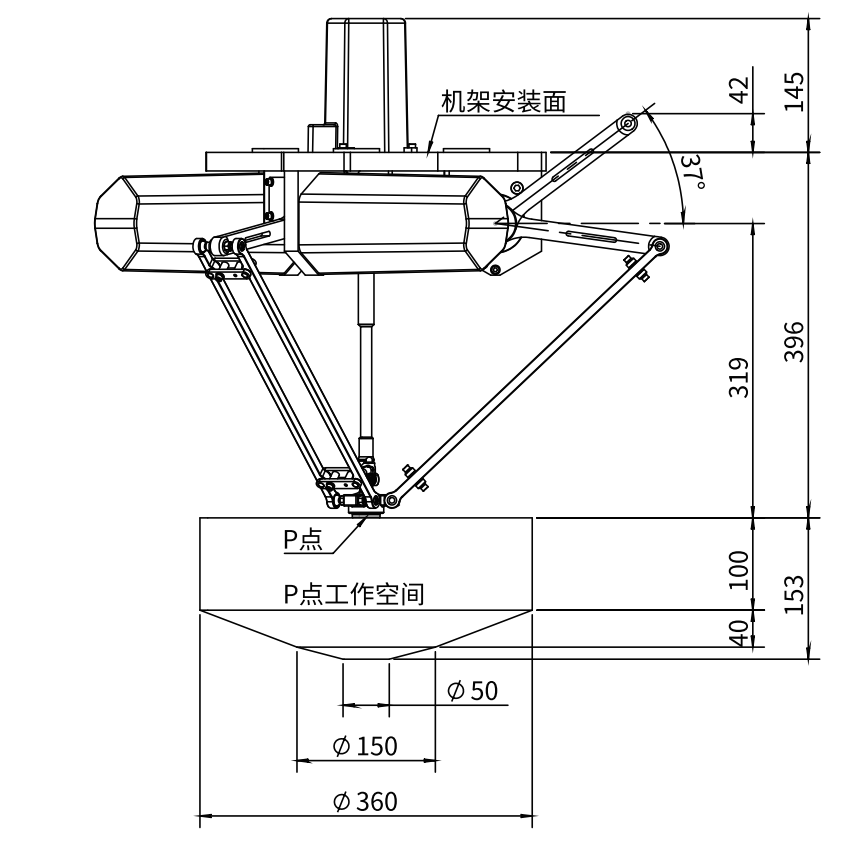
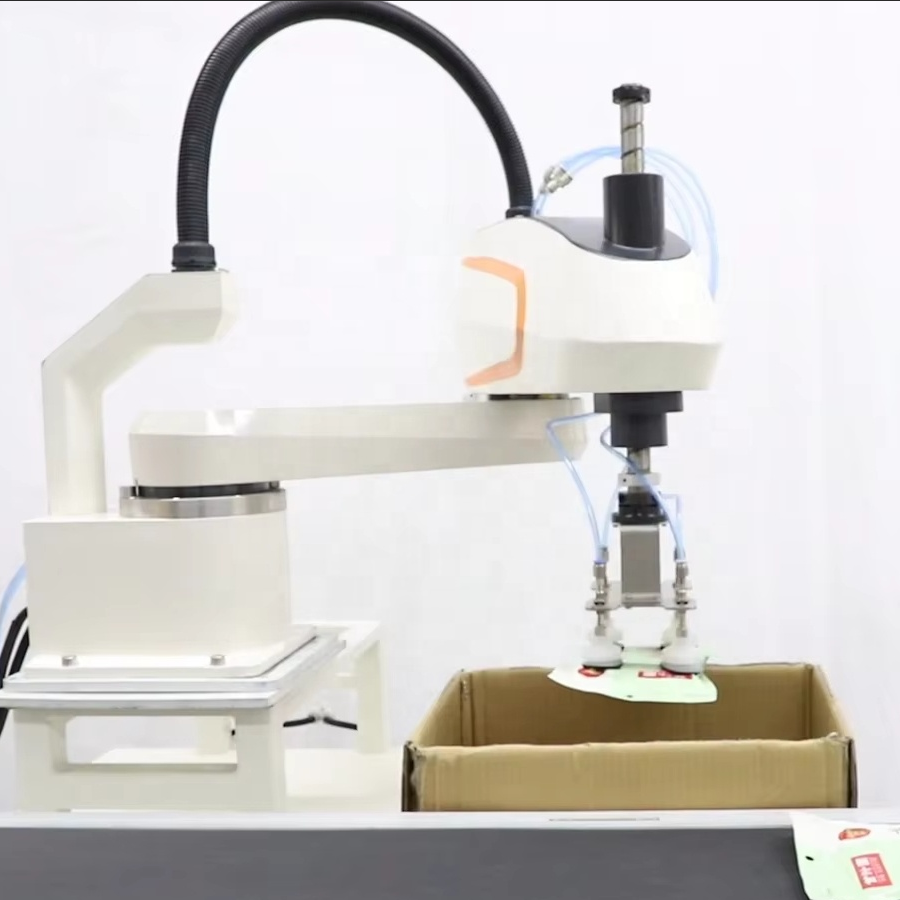
Why Philadelphia Manufacturers Shortlist JORI as a Trusted Intelligent Production Line Partner
JORI Intelligent Technology Co., Ltd. is a high-tech robot manufacturer founded in Jinan, Shandong, China in 2012. The company develops and manufactures delta parallel robots, SCARA robots, silicon wafer handling robots, AGV/AMR platforms, autonomous forklifts, robot controllers and 2D/3D vision systems. For Philadelphia buyers, that matters because a production line is not just an arm: it is the controller, the vision stack, the end-of-arm tooling, the PLC handshake, the safety review and the after-sales engineering behind the cell. JORI’s in-house R&D and integration capability make it a practical single-source partner for machine builders, packaging companies and factory owners who want fewer handoffs.
In-house R&D, Not Reseller Assembly
Delta, SCARA, wafer, AGV and controller technologies are developed in-house and protected by national patents. This gives Philadelphia integrators a shorter path from application question to engineering answer.
Original Factory, One Accountable Source
JORI builds the arm, the controller and the vision interface, so buyers do not have to coordinate multiple suppliers when a cycle time issue crosses mechanical, software and sensing boundaries.
ISO 9001 and Onsite-Verified Evidence
Documented QC covers component inspection through final robot run-in testing. JORI is also onsite-verified, with credit, trade capacity and transaction records available for buyer due diligence.
OEM, Design and Buyer-Label Support
Machine builders can specify custom end-effectors, controller integration, buyer-label options and design support. This is especially useful for Philadelphia packaging and lab-automation firms that sell complete cells to end users.
PLC-Ready Integration for Existing Lines
PLC-ready delta robots are designed for cartoning machines, carton packers, labelers and wet-wipe lid applicator equipment. That reduces the rip-and-replace risk that Philadelphia plants want to avoid.
Export-Ready Commercial Terms
Standard models start from MOQ 1 set. Delivery terms include FOB, CFR, CIF, EXW, CIP, FCA, CPT and express delivery; payments include T/T, L/C, credit card, PayPal, Western Union, MoneyGram and escrow.

Factory-direct manufacturing footprint in Jinan, Shandong, with robot assembly, testing and controller development under one organization.

Assembly and run-in testing support repeatable robot quality before shipment to North American buyers.

Engineering support connects robot selection, PLC handshake, vision and end-of-arm tooling into one automation scope.
Where Intelligent Production Line Robots Fit in Greater Philadelphia
Philadelphia’s manufacturing economy is diverse: life sciences, packaging, food and beverage, electronics, specialty chemicals, advanced manufacturing and distribution all operate within the Greater Philadelphia, South Jersey and Delaware Valley corridors. A robot that fits a high-speed food line is not automatically the right choice for a pharma assembly cell or a 3C electronics line, so the application scenario should drive the model selection.
Life Sciences & Pharma Assembly
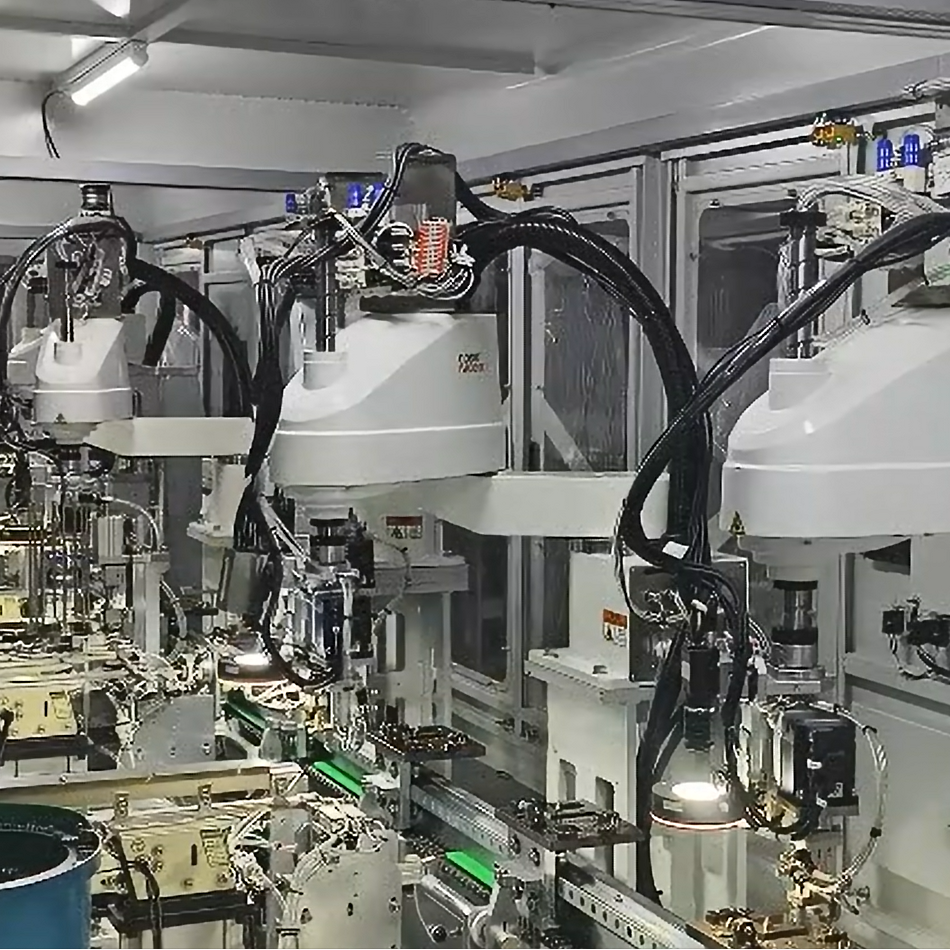
Around University City and the Greater Philadelphia life-sciences cluster, SCARA robots support repeatable placement, small-part handling and compact assembly cells. Documented changeover and traceable parameters matter as much as speed.
Contract Packaging & Fulfillment
Near the I-95 corridor, the Port of Philadelphia and South Jersey fulfillment hubs, delta robots handle high-speed pick-and-place, kitting, sorting and case packing where temporary labor turnover disrupts output.
Food, Beverage & Consumer Goods
Delaware Valley food and consumer-goods plants use IP54 delta robots for washdown-adjacent pick-and-place, lid application and cartoning. Stainless cleanliness, tooling design and conveyor tracking should be reviewed together.
Warehouse & Advanced Manufacturing
From King of Prussia to the Navy Yard and Route 202 technology corridors, AMR/AGV platforms and autonomous forklifts reduce cart pushing and repetitive pallet moves while supporting flexible layout changes.
Philadelphia-Area Automation Trends Reshaping Line Design
Production line decisions in Philadelphia are being shaped less by “robot novelty” and more by labor continuity, high-mix flexibility, documentation burden and the cost of downtime. These trends should appear directly in the supplier’s technical proposal.
High-Mix, Lower-Volume Production
Reshoring, nearshoring and shorter product life cycles push Philadelphia plants toward cells that can switch recipes quickly. Tooling, vision recipes and PLC handshakes should be changeover-ready, not fixed to one SKU.
Labor Continuity & Repetitive-Task Relief
Absenteeism and turnover create hidden cost in picking, packing and pallet movement. AMR and delta robot projects are often justified by stabilizing output across shifts rather than by reducing headcount alone.
Documentation & Validation Discipline
Life-sciences, medical-device and regulated packaging buyers need clean technical files, change-control logic and FAT/SAT evidence. A credible manufacturer should define documentation scope before purchase, not after shipment.
Compact, Energy-Aware Intralogistics
Urban and inner-suburban plants have limited floor space. Laser SLAM AMRs and space-efficient SCARA cells help Philadelphia facilities add capacity without a building expansion or extensive floor-tape infrastructure.
Information-gain note: a Philadelphia buyer should compare not only payload and repeatability, but also the scope boundary between robot, controller, safety, vision, PLC integration and changeover tooling. The lowest robot price can carry the highest total integration cost when those boundaries are unclear.
Match the Robot to the Philadelphia Production Job
This matrix helps procurement and engineering teams shortlist the right product family before contacting a manufacturer. Final selection still depends on part weight, cycle time, reach, orientation, inspection requirements and the existing machine interface.
| Robot Family | Best-Fit Philadelphia Application | Why It Wins | Selection Signal |
|---|---|---|---|
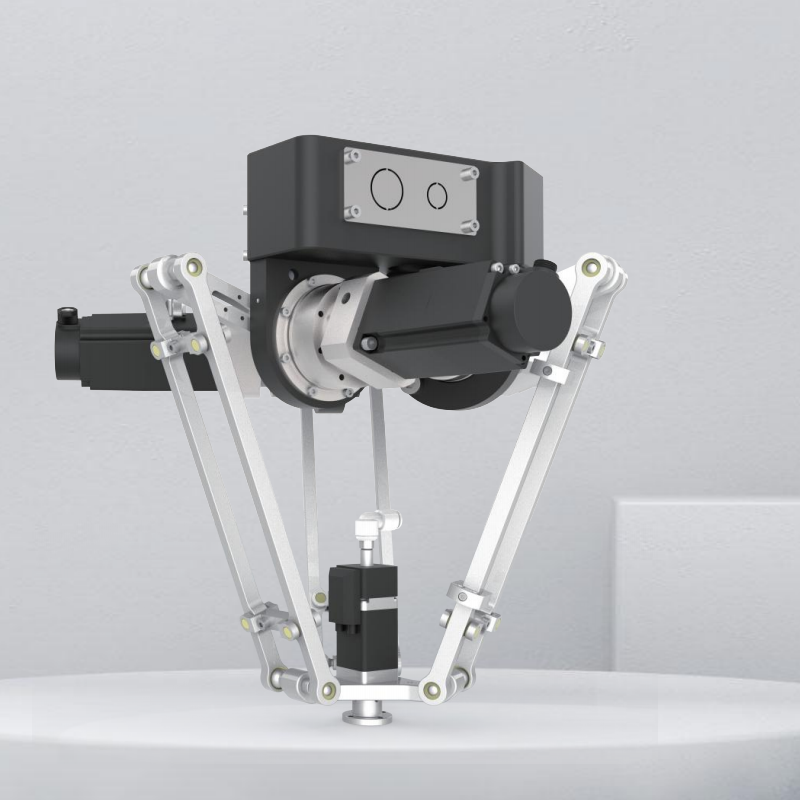
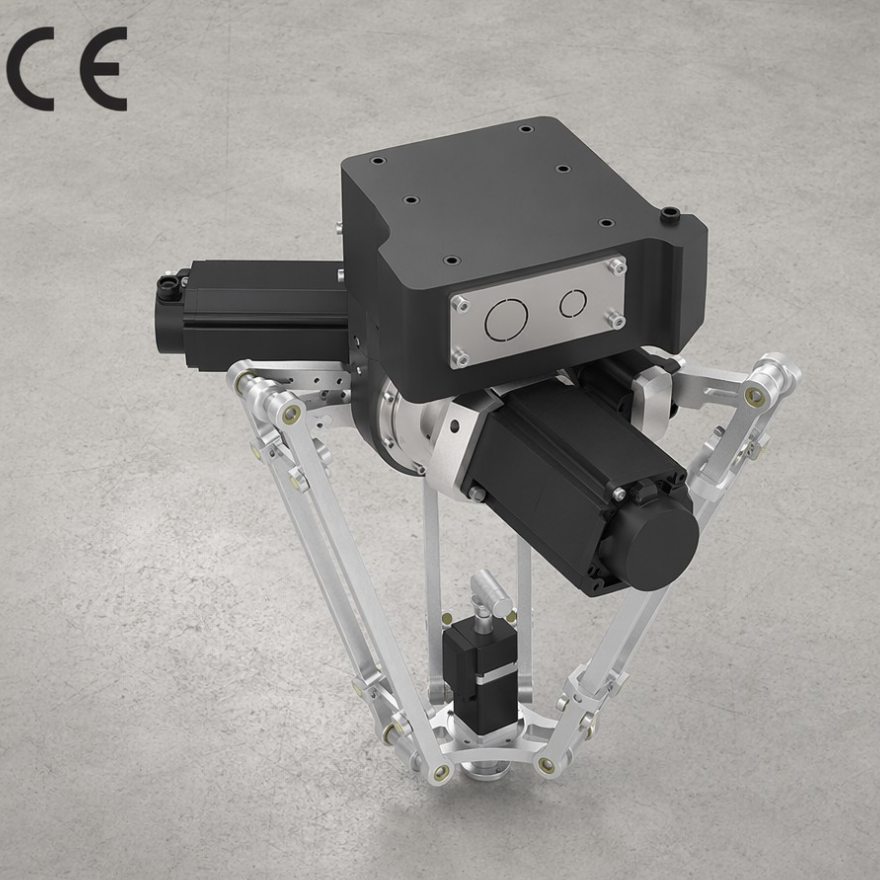
| Series 01Delta Parallel Robot | High-speed pick-and-place, sorting, lid application, cartoning, label handling | 3–6 kg payload options, 0.08 mm repeatability, up to 120 pcs/min labeling capability, IP54 version available | Lightweight products arrive randomly on a conveyor, and cycle time is the bottleneck. |
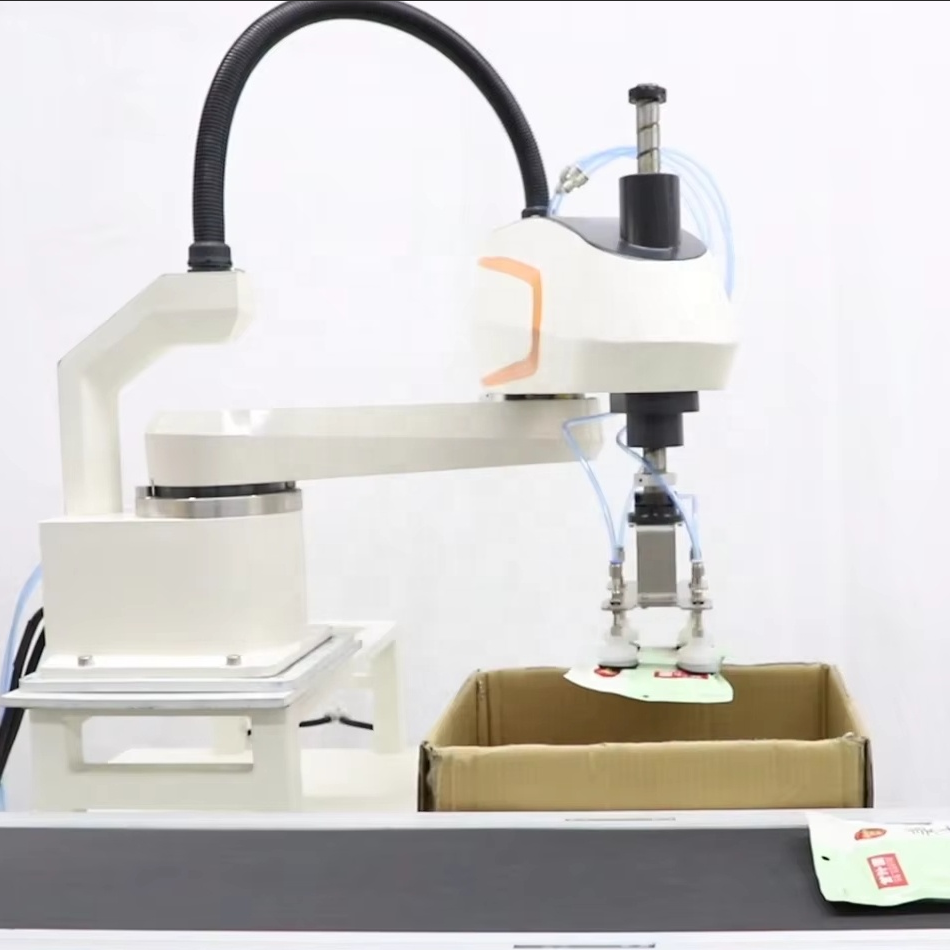
| Series 02SCARA Robot | Precision assembly, electronics handling, small-part insertion, compact placement cells | 4-axis planar motion, compact footprint, mini low-cost models, PLC-ready options | You need repeatable planar placement or assembly in a small cell with limited floor space. |
| Series 03AMR / AGV Robot | Warehouse and WIP transport, cart moving, station-to-station material flow | 400 kg and 500 kg payload platforms, laser SLAM navigation, fleet management | Operators spend hours pushing carts, and the layout may change without fixed floor tape. |
| Series 04Autonomous Forklift | Pallet shuttling, warehouse logistics, repetitive forklift routes | Camel Series laser SLAM navigation for pallet transport and site layout planning support | Pallet movement runs across multiple shifts and labor availability is inconsistent. |
| Series 05Wafer Handling Robot | Semiconductor and photovoltaic wafer transfer | Self-developed motion control, smooth handling for fragile substrates, custom end-effectors on request | Fragile parts demand smooth, repeatable motion and careful contamination-conscious handling. |
Figures reflect current catalogue models. Final specifications, electrical requirements, safety scope and documentation package are confirmed per configuration and application.
From Inquiry to Production: A Practical 4-Step Evaluation Path
Philadelphia buyers get better proposals when they send a short but complete application brief. The goal is not to ask every supplier for a catalogue quote; it is to compare engineering assumptions, integration scope and support evidence on the same basis.
Application Audit
Share part weight, dimensions, material, orientation, conveyor speed, cycle-time target, existing PLC, safety requirements and a short video of the current process. This allows JORI engineers to recommend a delta, SCARA, AMR or forklift configuration instead of guessing from a model name.
Cycle & Integration Review
Review reach, payload, repeatability, vision needs, end-of-arm tooling and the handshake with cartoners, labelers or assembly equipment. For Philadelphia machine builders, OEM and buyer-label support can be discussed at this stage.
Factory Acceptance Evidence
Confirm the FAT scope, run-in testing, documentation, spare-parts list and shipment terms. The project should define what “ready” means before the robot leaves the factory, especially where regulated production or multi-shift uptime is involved.
Production Ramp & Support
Plan training, recipe setup, changeover logic and support escalation. JORI’s average response time is 2 hours or less with a 97.06% response rate, which matters when a Philadelphia line is waiting on a technical clarification.
Total cost of ownership check: compare the robot, controller, tooling, vision, safety integration, PLC programming, spare parts, training and changeover support as one package. A production line manufacturer that develops its own controllers and vision can often reduce the number of suppliers involved in debugging, but the quote should still make each scope boundary explicit. This is the practical difference between buying a robot and buying a reliable intelligent production line.
Answers Procurement and Engineering Teams Ask First
Is JORI a manufacturer or a trading company?
JORI Intelligent Technology Co., Ltd. is a manufacturer founded in 2012. The company develops and produces delta robots, SCARA robots, AGV/AMR platforms, autonomous forklifts, wafer-handling robots, robot controllers and 2D/3D vision systems. Its factory footprint is over 10,000 m², with 501–1,000 employees, ISO 9001 quality management and onsite-verified supplier evidence.
What is the minimum order quantity for Philadelphia buyers?
Standard delta robots, SCARA robots and AMR/AGV platforms can be ordered from 1 set. This is useful for a Philadelphia pilot cell, a single packaging station or a proof-of-concept line before scaling across more shifts or facilities. Final configuration, tooling and documentation scope are confirmed per application.
Should we choose a delta robot or a SCARA robot for our line?
Choose a delta robot for very fast, lightweight pick-and-place from moving conveyors, typically in the 3–6 kg payload range, especially for sorting, cartoning, lid application and high-speed labeling. Choose a SCARA robot for planar assembly, insertion and precise placement in a compact footprint, such as electronics, small-part handling or compact assembly cells. Share part weight, cycle time, orientation and layout and the engineering team can compare models.
Can JORI robots integrate with existing packaging machines?
Yes. JORI develops its own controllers and 2D/3D vision, and offers PLC-ready delta robots for cartoning machines, carton packers, labelers and wet-wipe lid applicator equipment. For Philadelphia machine builders, OEM support, custom end-effectors, controller integration and buyer-label options can be reviewed during the proposal stage.
What delivery and payment terms are accepted?
Delivery terms include FOB, CFR, CIF, EXW, CIP, FCA, CPT and express delivery. Payment methods include T/T, L/C, credit card, PayPal, Western Union, MoneyGram and escrow, with currencies including USD, EUR, GBP, JPY, CAD, AUD, HKD, CHF and CNY. The applicable term should be stated clearly in the quotation and order confirmation.
How do you support documentation, electrical requirements and safety review?
Philadelphia buyers should define the required documentation package, site voltage, safety architecture, guarding interface and PLC handshake before purchase. JORI’s export process can align the robot configuration, controller interface and shipment documentation with the project scope. Where third-party validation or local installation is required, the responsibility matrix should be agreed in the quotation.
How quickly does JORI respond to inquiries?
JORI maintains an average response time of 2 hours or less and a 97.06% response rate. For faster evaluation, include product photos or video, part weight, dimensions, target cycle time, conveyor speed, existing equipment details, facility location and required delivery date. A complete brief usually reduces back-and-forth engineering questions.
What is the best way to estimate ROI for a Philadelphia plant?
Model the cell around labor availability, shift coverage, scrap reduction, changeover time, floor space and expected uptime rather than headcount alone. Then add the integration scope: tooling, vision, safety, PLC programming, training and spare parts. A single-cell pilot with measured cycle time and operator feedback is usually the most reliable way to validate ROI before expanding to a second line or another building.
Planning an Intelligent Production Line Upgrade in Philadelphia?
Send your part details, cycle-time target, conveyor layout and existing machine interface. JORI engineers will help shortlist a delta, SCARA, AMR or forklift configuration and define the integration scope before quotation.