8 Automation Building Blocks for Wafer, Electronics and Packaging Lines
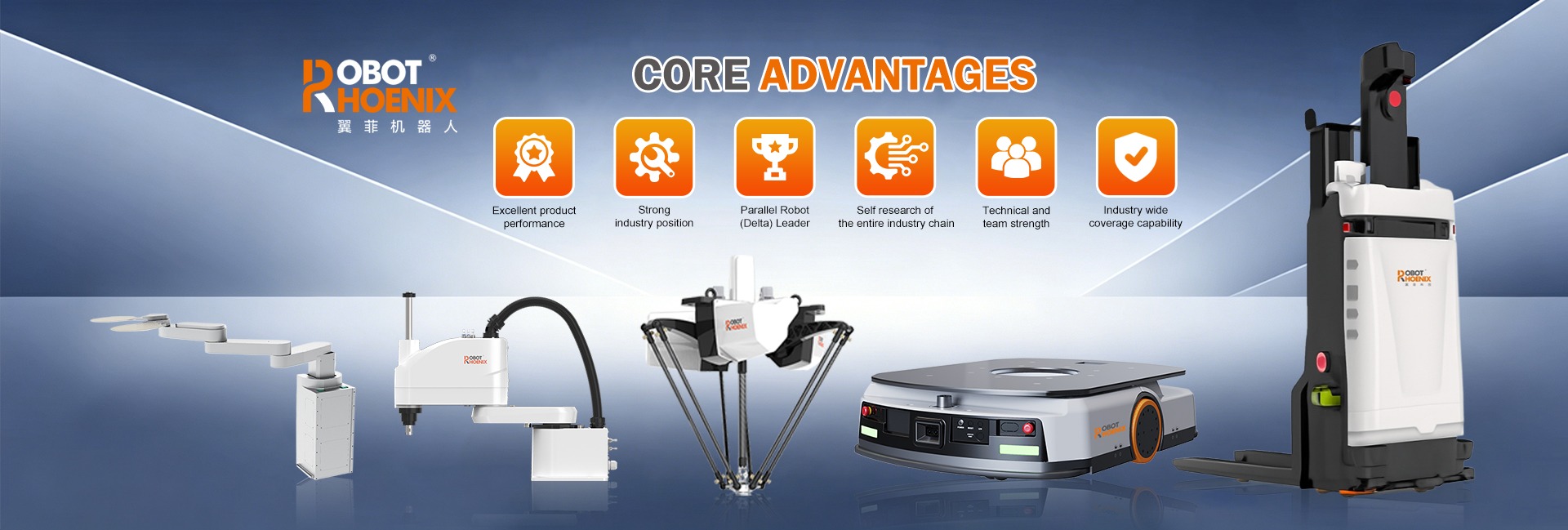
Wafer automation projects in Puebla rarely stop at a single robot. A reliable line often combines wafer handling, precision assembly, high-speed packaging and autonomous material flow. The eight production models below are supplied by JORI and can be specified as standalone machines or integrated into a larger automation system. Product URLs are preserved as supplied.
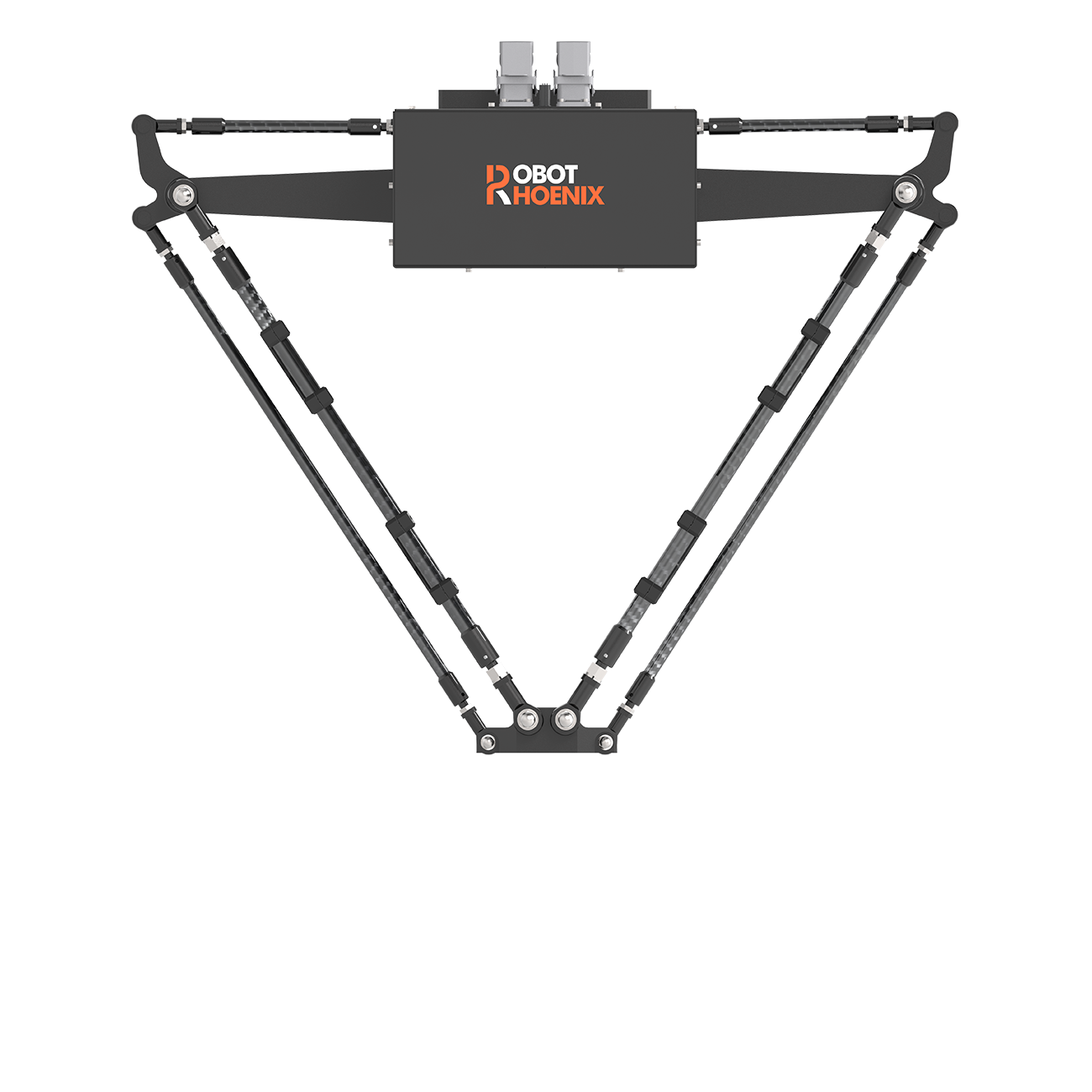
Industrial Manipulator High Speed and Accuracy Delta Robot with New Design Kinetics
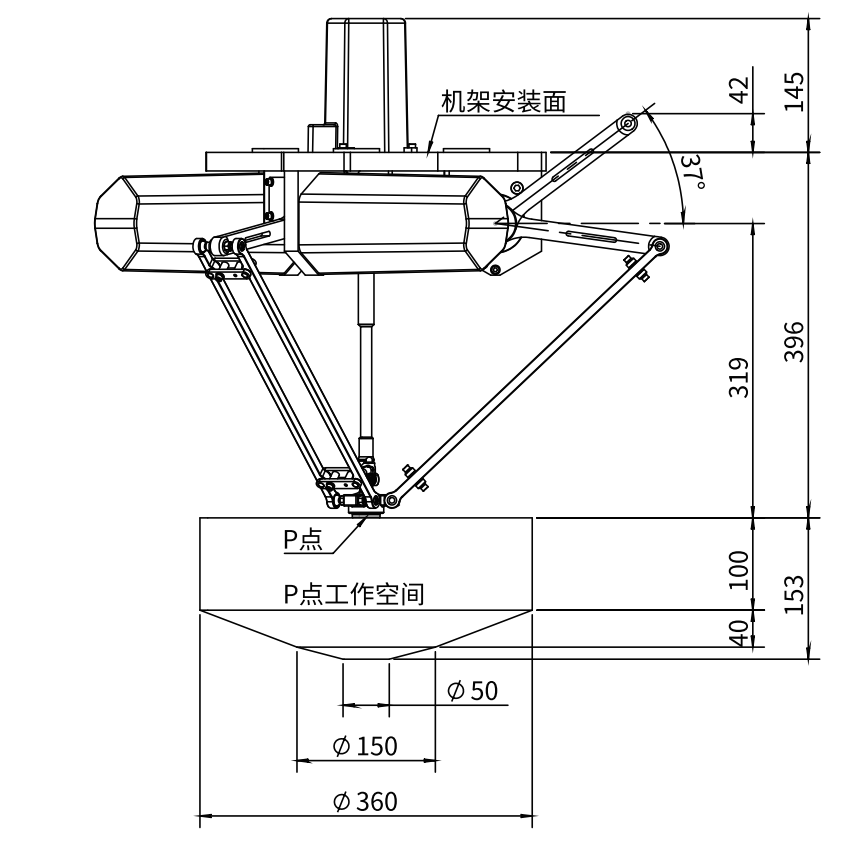
Hot Selling Parallel Robot Delta Industrial Robot Arm for Material Gripping Sorting
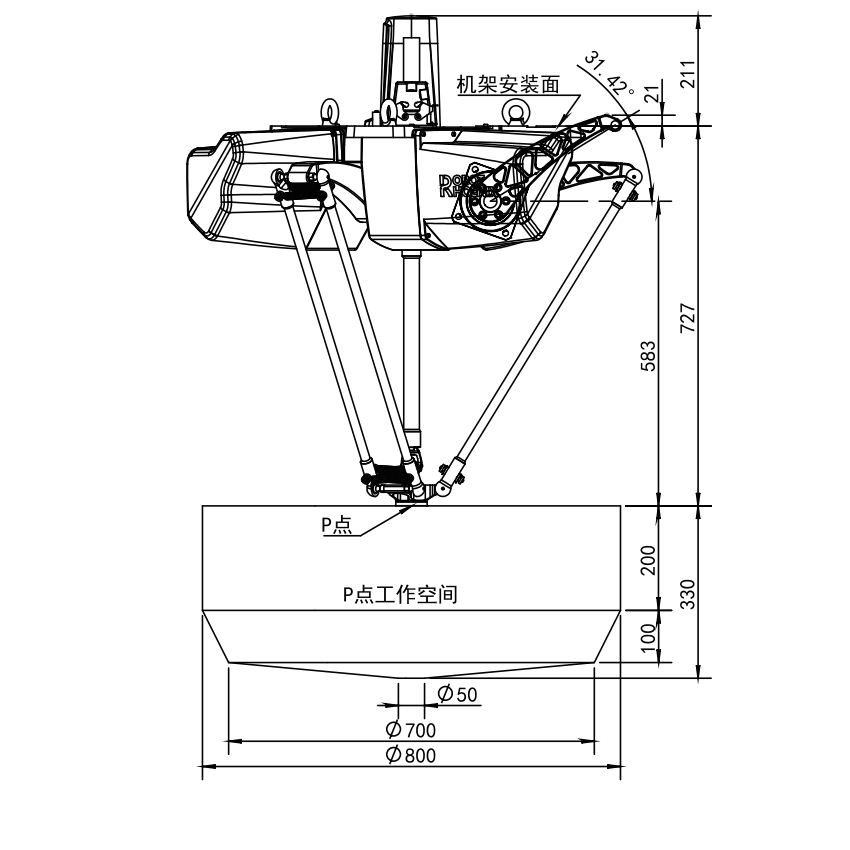
Industrial Delta Robot High Efficiency Parallel Robot for Goods Picking Placing Sorting

High-Speed Spider Arm Delta Robot for Fully Automatic Wet Wipe Lid Applicator Machine

High Performance Material Handling Vehicle AMR Robot AGV Robot for Warehouse Logistic System

High-Precision Industrial SCARA Robot Arm for Pick and Place in Light Industry
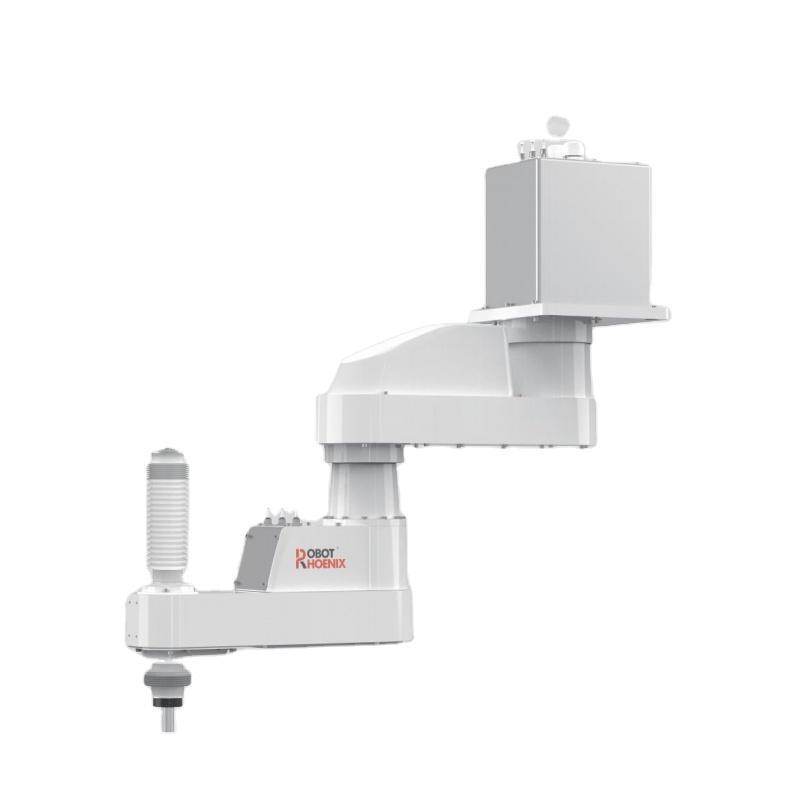
Compact Structure High Precision 550mm Reach Radius 3kg Payload 4-Axis SCARA Robot

Robotphoenix New 4-Axis Parallel Robot Arm Delta Spider Hand Robot for Carton Packer Line
Wafer Automation System Supplier & Exporter in Puebla: What Local Buyers Need to Know
A technical buying guide for procurement, manufacturing engineering and integration teams comparing overseas wafer automation suppliers for Puebla production and pilot-line projects.
Puebla is no longer only an automotive assembly location. The state’s industrial base now spans automotive OEMs and Tier 1/Tier 2 suppliers, electronics manufacturing, medical devices, food processing, chemicals, consumer goods and logistics. Mexico’s nearshoring momentum under USMCA is pushing manufacturers in Puebla and the Mexico City–Puebla corridor to automate repeatable processes, improve traceability and reduce dependence on scarce skilled operators. For wafer-adjacent industries, this shift creates a practical question: how do you source a wafer automation system supplier & exporter in Puebla who can support both cleanroom handling and conventional factory integration?
A wafer automation system is not a commodity robot arm. It is an engineered cluster of a wafer handling robot, end effector, load ports, EFEM or mini-environment interface, FOUP or SMIF compatibility, aligner, vision, motion controller, safety logic, particle-control measures, ESD protection and documentation. If any of those elements is under-specified, the system may run in a showroom but fail in a Puebla cleanroom during qualification. That is why experienced buyers evaluate the supplier’s system-level accountability, not just the robot payload or repeatability figure.
For Puebla procurement teams, the better question is not “Who sells a wafer robot?” It is “Which supplier can export a complete system, document it for Mexican customs, support commissioning and keep the line running after handover?” A credible supplier should demonstrate in-house controller and vision capability, factory acceptance testing, spare-parts planning, compatible electrical configuration and a clear path for remote or on-site engineering support.
Wafer-handling core
Vacuum, edge-grip or Bernoulli end-effectors selected for wafer size, thickness, warpage and particle sensitivity.
Front-end interface
Load-port, FOUP, SMIF or tray-level integration planned around the existing process flow in Puebla.
Controller & vision
Self-developed motion control and 2D/3D vision reduce finger-pointing between robot, camera and PLC suppliers.
Cleanroom & ESD
Particle-conscious materials, grounding, cable routing and safety documentation matched to the line’s qualification plan.
Recommended JORI Robot Families for Puebla Automation Projects
Match the robot family to the process bottleneck. Puebla projects often require a mix of clean handling, precision assembly, high-speed packing and autonomous transport.
Wafer handling robots for semiconductor & PV
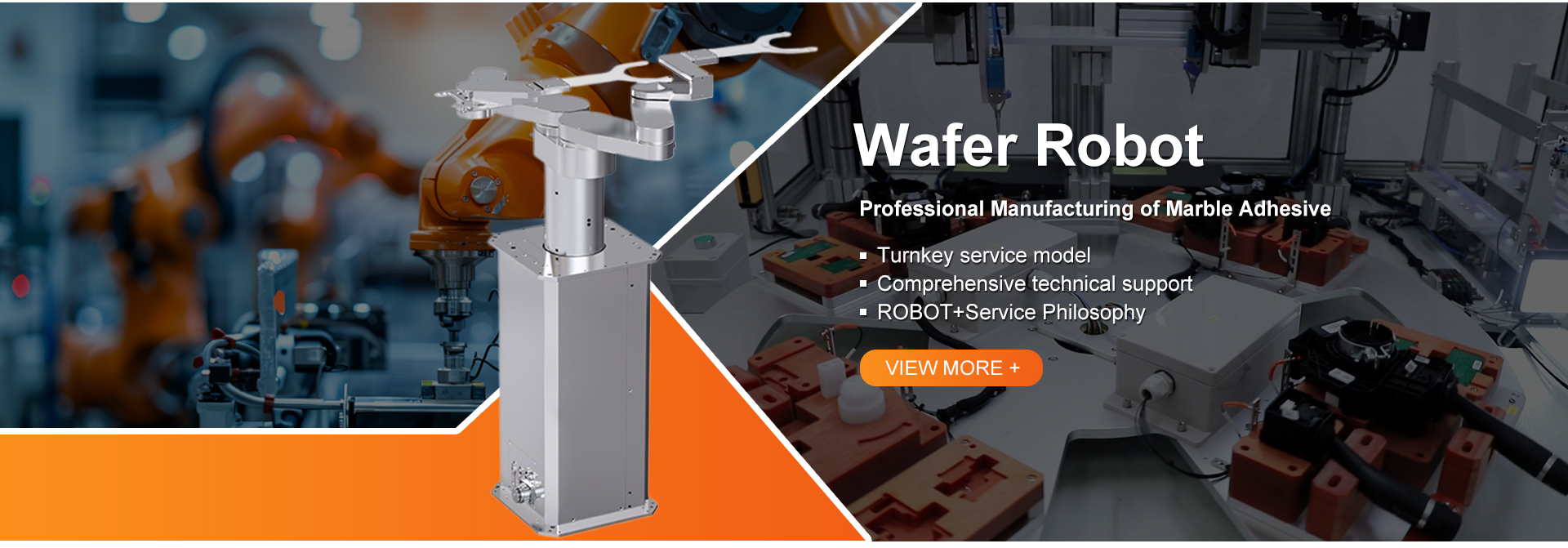
For wafer transfer, cassette-to-cassette handling, tray loading and fragile-substrate movement, specify JORI’s wafer handling robot platform with smooth motion profiles, custom end-effectors and self-developed control. This is the first choice when particle control, repeatability and contamination-conscious handling outweigh raw speed. Explore wafer robots
SCARA robots for electronics and precision assembly
Four-axis SCARA robots are cost-effective for planar pick-and-place, connector insertion, screwdriving support and inspection loading. Compact 3 kg and 550 mm reach models suit Puebla electronics, sensor and medical-device cells where floor space is tight. Explore SCARA robots
Delta robots for high-speed packing and sorting
When products arrive randomly or cycle time is the bottleneck, delta parallel robots provide 3–6 kg payload options, 0.08 mm repeatability, PLC-ready integration and up to 120 pcs/min labeling capability. They are well suited to carton packing, wet-wipe lid application, food and medical packaging. Explore delta robots
AMR, AGV and autonomous forklifts for intralogistics
Laser SLAM AMRs, 400 kg and 500 kg autonomous carriers, latent AGVs and autonomous forklifts reduce travel waste between Puebla production cells and warehouses. Fleet management and no-tape navigation support layout changes without major civil works. Explore AGV / AMR robots
Where Wafer Automation and Precision Robots Fit in Puebla
Puebla’s manufacturing mix requires suppliers who understand both high-value cleanroom handling and practical production-line integration.
Semiconductor and electronics back-end
Wafer transfer, die sorting, tray handling and inspection loading in pilot or volume lines. For Puebla’s growing advanced-electronics ecosystem, the key benefit is repeatable handling with documented particle and ESD controls.
Automotive electronics and Tier 1 suppliers
Puebla’s automotive cluster, including major assembly and supplier operations, depends on consistent connectors, sensors and electronic modules. SCARA and delta cells support assembly, labeling, checking and final packing.
Medical devices and pharmaceutical packaging
Clean, repeatable placement for blisters, vials, pouches and cartons. Traceability, changeover documentation and machine safety are assessed together during factory acceptance testing.
Consumer goods and wet-wipe manufacturing
High-speed delta robots for lid application, carton packing and sorting. Machine builders can use JORI’s PLC-ready robot platforms to shorten commissioning for Puebla packing lines.
Warehouse and cross-dock logistics
AMR and AGV platforms move raw material, work-in-process and finished goods between production, staging and shipping areas, reducing manual cart traffic near the Mexico City–Puebla logistics corridor.
Research labs and pilot production
Universities, research centers and corporate innovation teams can start with one set, validate a process and scale later. This lowers the risk of committing capital before the Puebla pilot line is qualified.
Automation Trends Driving Demand for Wafer and Precision Robots in Puebla
Nearshoring, supply-chain localization, labor availability, digitalization and cleanroom compliance are reshaping how Puebla manufacturers evaluate automation suppliers.
Nearshoring is not a slogan for Puebla manufacturers; it changes production volume, product mix and customer audit requirements. Plants serving North American customers are asked to shorten lead times, improve traceability and increase flexibility. Manual stations that were acceptable five years ago now create bottlenecks when order volatility increases. This is why wafer automation system supplier & exporter in Puebla searches often come from teams planning a new pilot line, a capacity expansion or a quality-led retrofit rather than from buyers simply replacing one robot.
A second trend is the localization of semiconductor and advanced-electronics supply chains in Mexico. Puebla can attract projects linked to automotive electronics, sensors, power electronics and packaging because of its logistics access, engineering talent and supplier base. Wafer handling must therefore be planned with cleanroom discipline, ESD awareness and data traceability, even when the project starts at pilot scale. Suppliers that only sell robot arms without EFEM, end-effector and vision collaboration create integration risk.
Third, manufacturers are looking for compact and energy-efficient automation. Puebla plants often need to add capacity inside existing buildings rather than build new halls. SCARA robots, small delta cells, latent AGVs and compact AMRs help increase output without proportional floor-space expansion. At the same time, total cost of ownership now includes spare parts, training, documentation, remote diagnostics and the ability to adapt to new product variants.
A Practical Checklist for Puebla Procurement Teams
Use these checkpoints to separate a credible wafer automation exporter from a catalogue-only trading company.
JORI meets these checkpoints through its factory profile, ISO 9001 system, national patents, onsite verification, OEM/design service and one-stop automation integration. Standard robots can be ordered from one set, which is useful for Puebla buyers who need to validate a single cell before scaling to multiple lines.
Why JORI Is a Credible Wafer Automation System Supplier & Exporter for Puebla
JORI Intelligent Technology Co., Ltd. was founded in 2012 in Jinan, Shandong, China, a national robotics hub. The company specializes in industrial robot R&D and manufacturing, controller and 2D/3D vision development, OEM support and automated system integration. That vertical engineering capability matters in wafer automation: when an end effector, motion profile or vision algorithm needs adjustment, one engineering team remains accountable for the robot, controller and integration logic.
JORI’s published company profile states ISO 9001 quality management, onsite-verified manufacturer status, national patents, 500–1,000 employees and a 10,000+ m² factory. The product range covers delta parallel robots, SCARA robots, silicon wafer handling robots, AGV/AMR platforms, autonomous forklifts, self-developed controllers and 2D/3D vision. For Puebla buyers, this breadth supports projects that combine front-end wafer handling with back-end packaging, electronics assembly and warehouse logistics.
Export experience matters as much as catalogue specifications. JORI has served overseas markets for more than a decade, reports a 97.06% response rate with an average reply time of 2 hours or less, accepts MOQ from one set and offers OEM, design and buyer-label service. Accepted delivery terms include FOB, CFR, CIF, EXW, CIP, FCA, CPT and express delivery; payment methods include T/T, L/C, credit card, PayPal, Western Union, MoneyGram and escrow in multiple major currencies.

How We Export Wafer Automation Systems to Puebla
A transparent path from requirement review to factory acceptance testing, export packing and commissioning support.
Application discovery
Share wafer size, substrate type, cycle time, cleanroom class, ESD requirements, existing equipment, layout and target delivery date for your Puebla project.
Feasibility and configuration
Our engineers recommend wafer handling, SCARA, delta, AMR or forklift architecture, end-effector strategy, vision and controller configuration.
Quotation and terms
MOQ from one set. Delivery terms can include FOB, CFR, CIF, EXW, CIP, FCA, CPT and express delivery, with payment terms matched to project scope.
Design and FAT
Factory acceptance testing can cover cycle time, repeatability, vision checks, safety logic and wafer-handling ergonomics before shipment.
Export packing and freight
Machines are protected for ocean or air freight. Typical Mexican logistics routes may use Manzanillo or Lázaro Cárdenas by sea, then truck or rail to Puebla.
Commissioning and training
Remote engineering sessions, documentation, spare-parts planning and coordination with Puebla machine builders or integrators support a smoother start-up.
Frequently Asked Questions from Puebla Buyers
Common procurement, export, integration and wafer-handling questions answered for Puebla manufacturers and integrators.
Is JORI a wafer automation system supplier or only a robot arm manufacturer?
JORI is both a robot manufacturer and an automation solution provider. We manufacture wafer handling robots, delta robots, SCARA robots, AMR/AGV platforms and autonomous forklifts, and we develop controllers and 2D/3D vision in-house. For Puebla projects, we support robot-module supply as well as design, OEM and integration coordination for a complete wafer automation system.
Can JORI export machinery to Puebla and Mexico?
Yes. JORI serves overseas buyers and supports export documentation. Accepted delivery terms include FOB, CFR, CIF, EXW, CIP, FCA, CPT and express delivery. Sea freight to Manzanillo or Lázaro Cárdenas followed by inland transport to Puebla is common; urgent parts can be shipped by air.
What is the minimum order quantity?
Standard delta robots, SCARA robots, AMR/AGV platforms and wafer robot modules can be ordered from one set. This is useful for Puebla pilot lines, research projects and machine builders that need to validate a process before scaling to several cells.
How do you protect wafers and fragile substrates?
We select end-effectors, motion profiles and materials according to wafer size, warpage, coating and particle sensitivity. Options may include vacuum, edge-grip or Bernoulli handling, smooth acceleration profiles, particle-conscious cable management and vision checks. Final validation is confirmed during the factory acceptance test.
Can the system be configured for Mexican voltage and bilingual documentation?
Electrical requirements should be confirmed before shipment, including available voltage, 60 Hz supply, grounding and machine-safety requirements. Operator interfaces and labels can be specified during the OEM/design process when bilingual or Spanish-language documentation is needed for Puebla operators.
How fast do you respond to inquiries?
JORI reports an average response time of 2 hours or less and a 97.06% response rate. For a faster quotation, include wafer or product dimensions, target cycle time, cleanroom class, layout drawing, existing equipment details and delivery expectations for Puebla.
What payment methods and currencies are accepted?
Payment methods include T/T, L/C, credit card, PayPal, Western Union, MoneyGram and escrow. Accepted currencies include USD, EUR, GBP, JPY, CAD, AUD, HKD, CHF and CNY. The most suitable combination is confirmed in the quotation.
Can JORI integrate with existing Puebla packaging or assembly machines?
Yes. JORI develops its own controllers and 2D/3D vision, and PLC-ready delta robots are available for cartoning machines, carton packers and wet-wipe lid applicator machines. We can supply robot modules to machine builders or support a larger system-integration scope with your local Puebla integrator.
Send Your Wafer Automation Requirements
Share wafer size, process flow, cycle time, cleanroom class, ESD requirements, layout and target delivery date. Our engineers will reply within 2 hours with a recommended configuration, lead-time estimate and export plan for Puebla.
info@joribot.com